Georgia Employment Employee Personnel File Package
What is this form package?
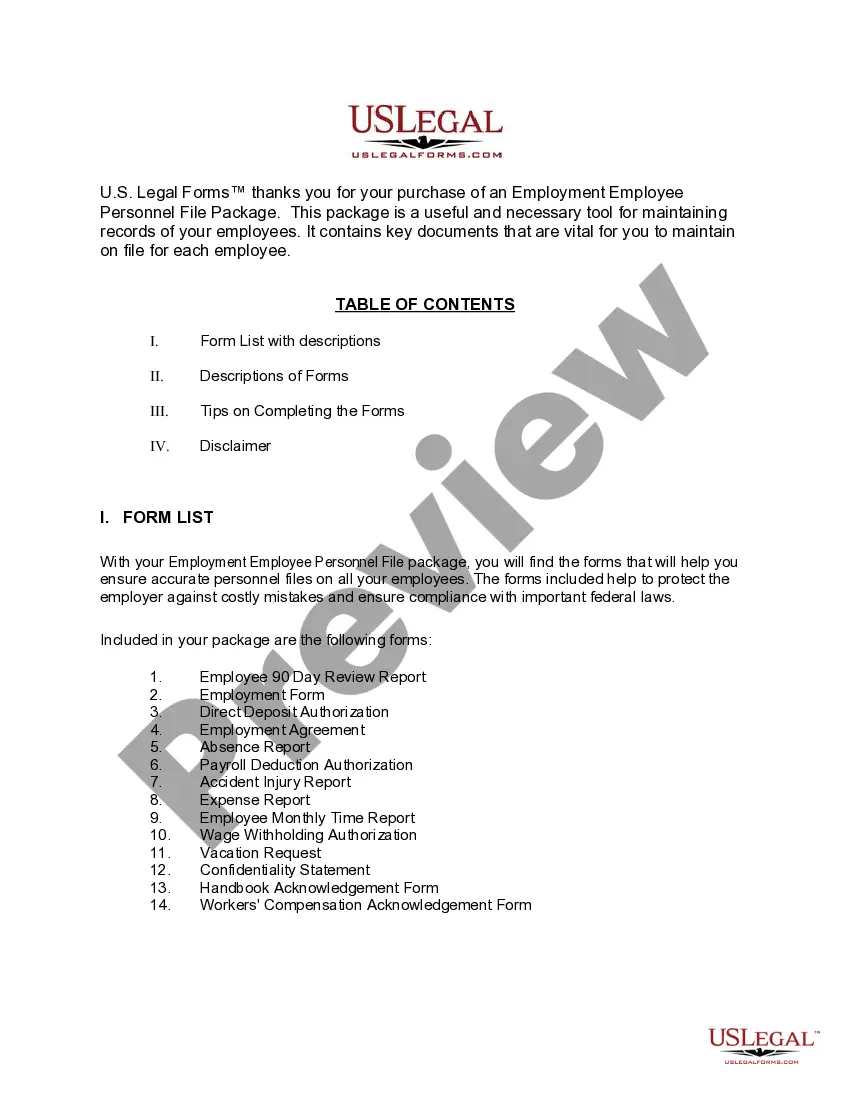
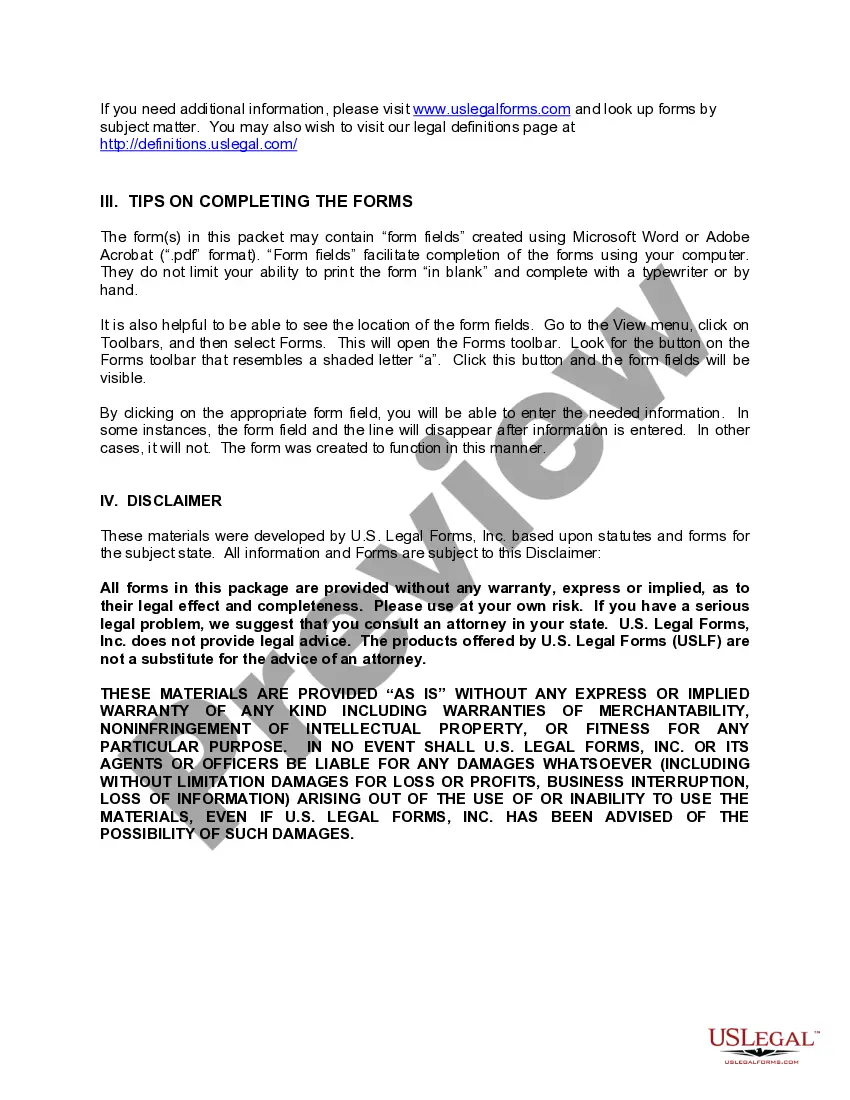
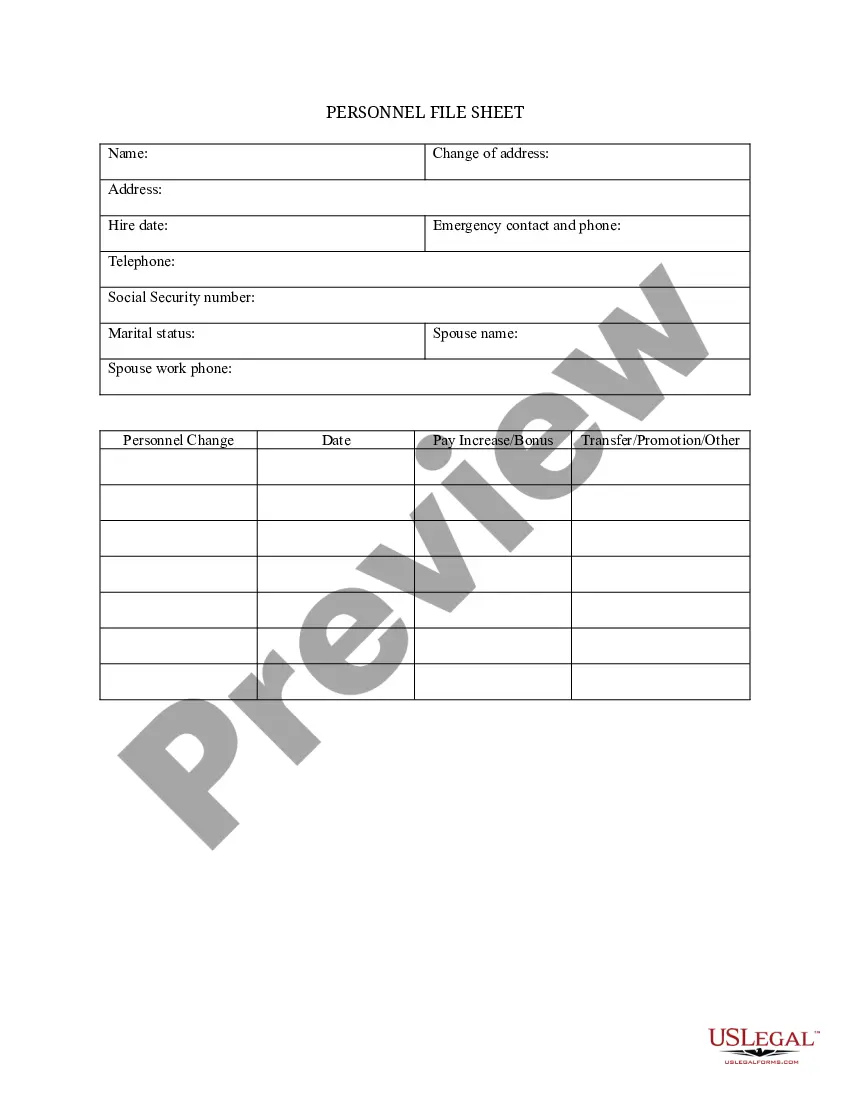
The Georgia Employment Employee Personnel File Package contains essential forms that facilitate accurate record-keeping for employers. This package is designed to help businesses manage personnel issues effectively, ensuring compliance with Federal laws and minimizing the risk of costly errors. By using this form package, employers can maintain orderly and complete personnel files that are crucial for any organization.
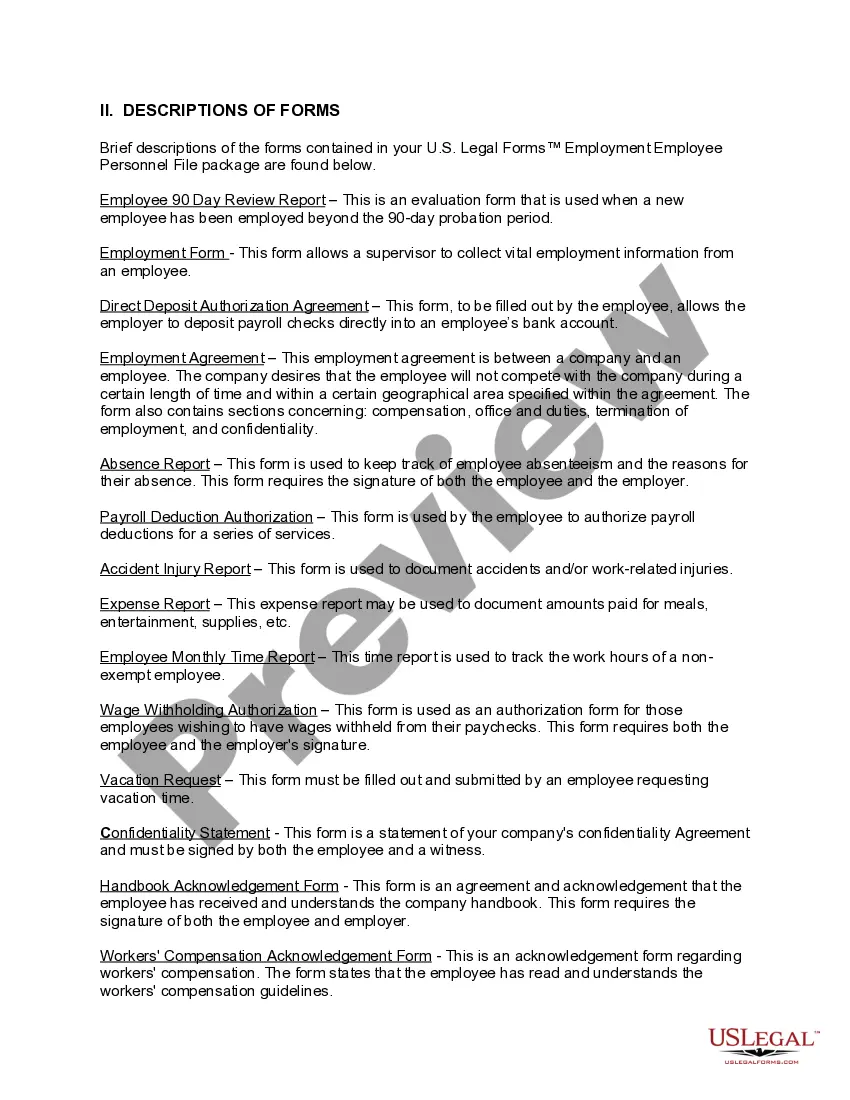
Forms included in this package
- Employment Agreement between a company and an employee
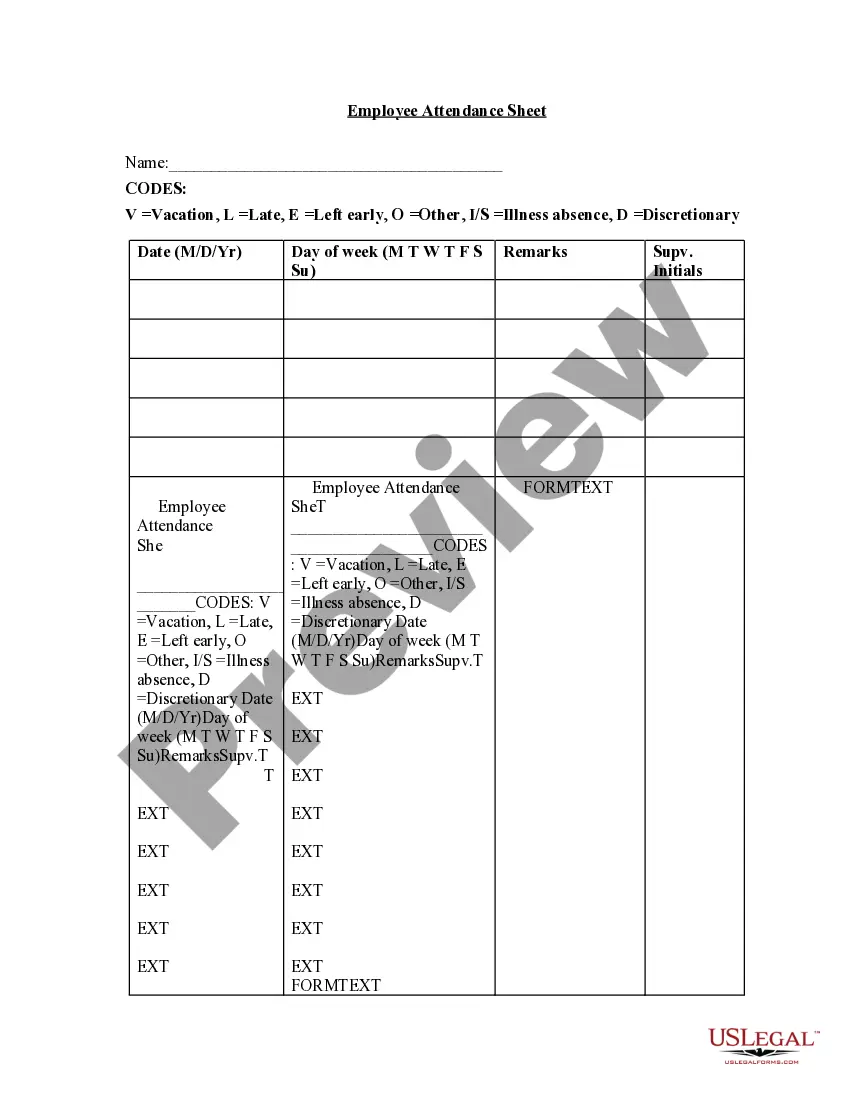
- Absence Report
- Payroll Deduction Authorization Form
- Accident - Injury Report
- Direct Deposit Authorization
- Nonexempt Employee Time Report
- Employee 90 day Review Report
- Wage Withholding Authorization
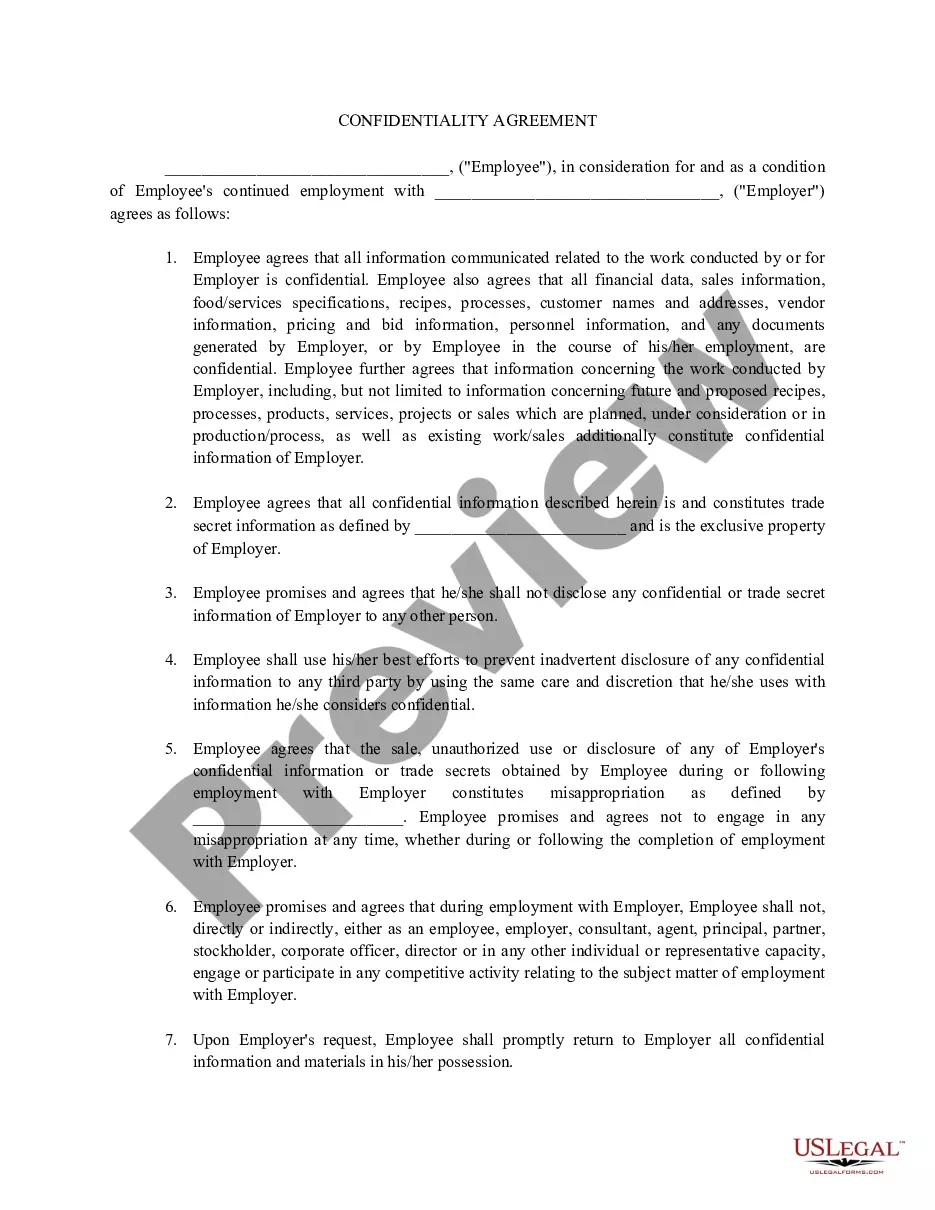
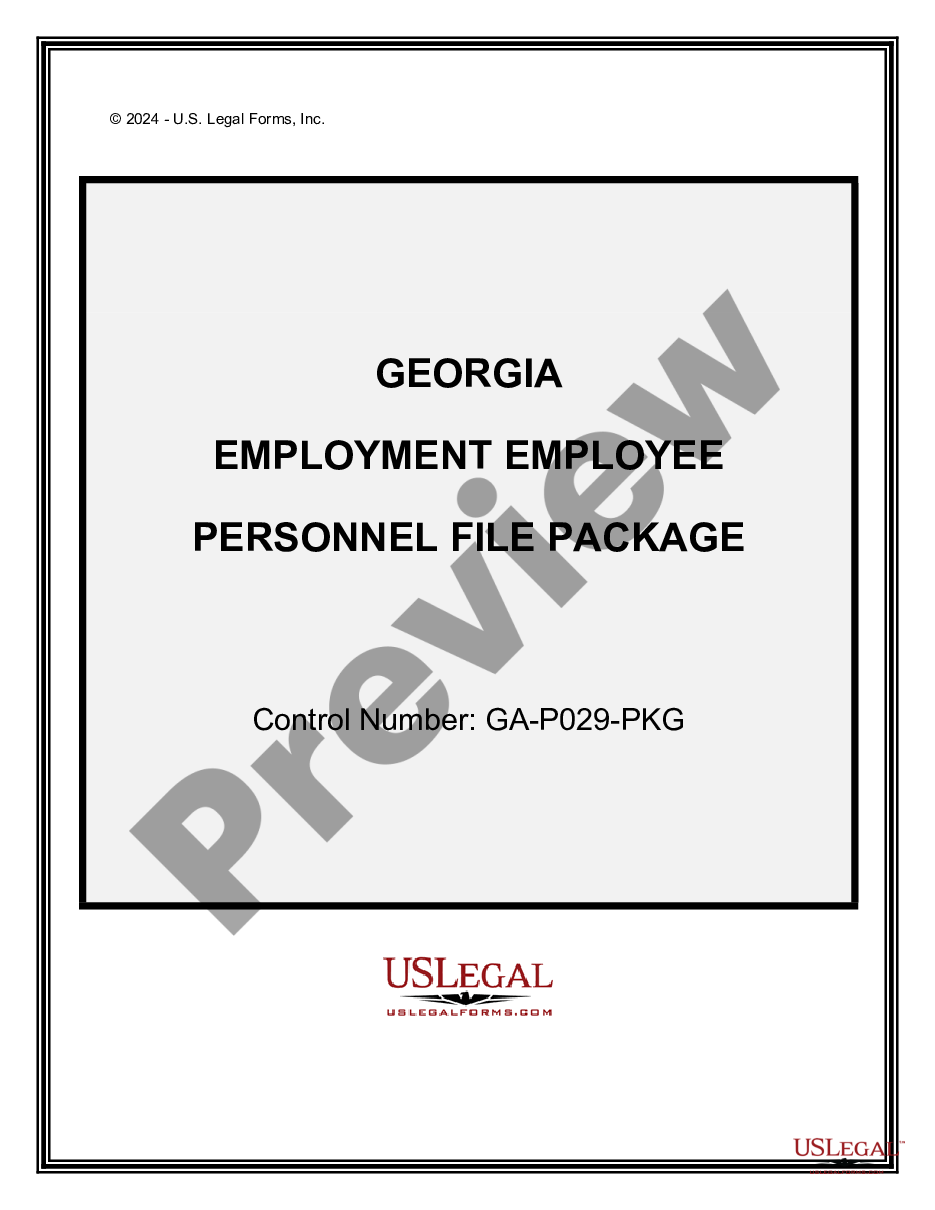
- Confidentiality Statement and Agreement for an Employee
- Employee Agreement and Handbook Acknowledgment Form
- Workers' Compensation Acknowledgment Form
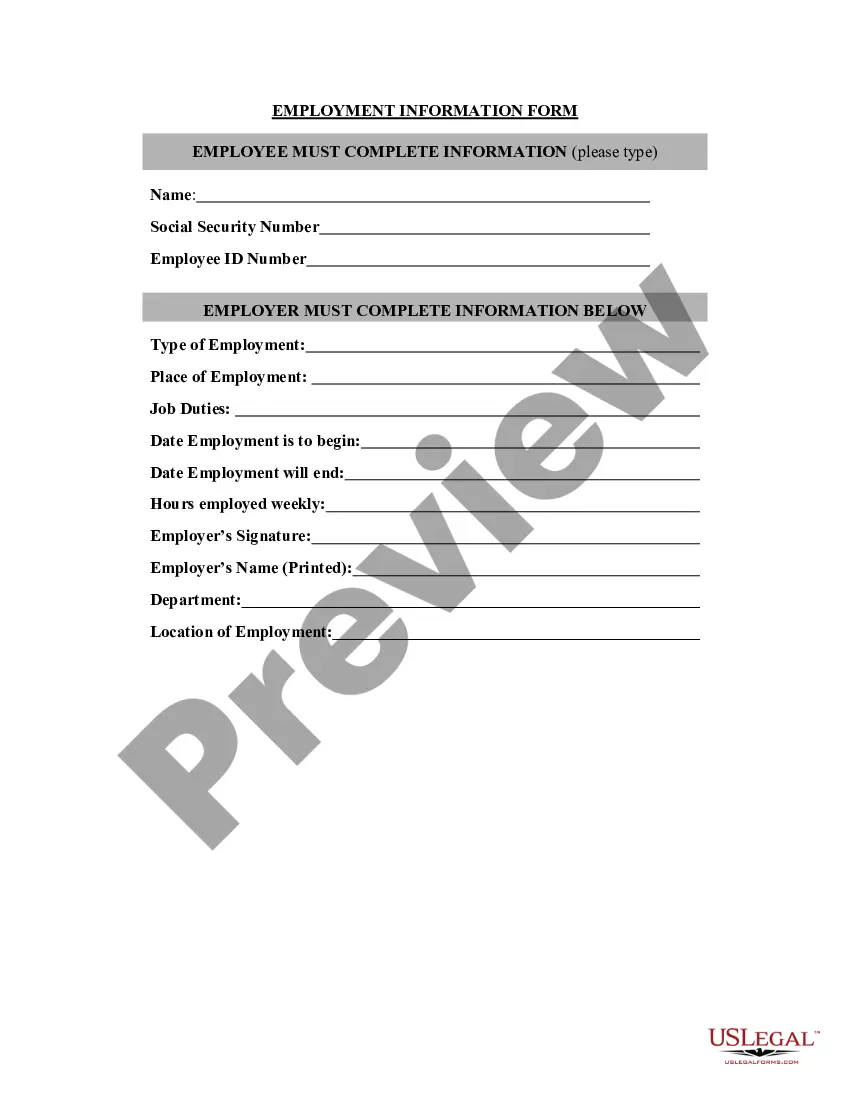
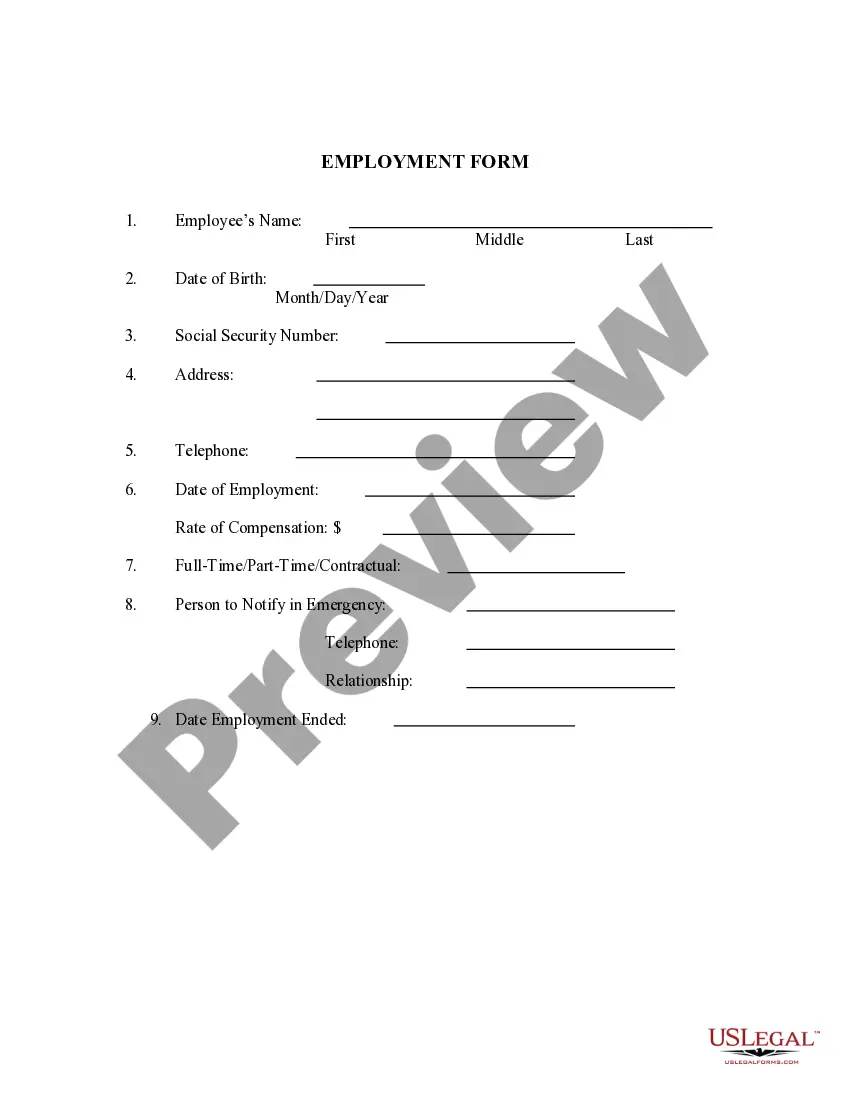
- Employment Form
- Vacation Request Form
When to use this form package
This form package is ideal for use when:
- Hiring new employees and creating comprehensive employment records.
- Monitoring employee performance through regular reviews.
- Handling payroll and payment-related authorizations.
- Documenting employee absences and related issues.
- Managing work-related accidents and employee expenses efficiently.
Who should use this form package
- Business owners and employers in Georgia.
- Human resources professionals responsible for employee records.
- Managers overseeing personnel matters within a company.
- Payroll administrators managing employee compensation.
Completing these forms step by step
- Review all included forms and familiarize yourself with each document.
- Gather necessary information, such as employee details and signatures.
- Complete the Employee Employment Form with accurate information.
- Ensure proper signatures on agreements and authorizations.
- File and organize the completed forms in each employee's personnel file.
Notarization requirements for forms in this package
Forms in this package typically do not require notarization unless specified by local law. Ensure to verify if any specific forms necessitate notarization based on your situation or regulatory requirements.
Get your form ready online
Our built-in tools help you complete, sign, share, and store your documents in one place.
Make edits, fill in missing information, and update formatting in US Legal Forms—just like you would in MS Word.
Download a copy, print it, send it by email, or mail it via USPS—whatever works best for your next step.
Sign and collect signatures with our SignNow integration. Send to multiple recipients, set reminders, and more. Go Premium to unlock E-Sign.
If this form requires notarization, complete it online through a secure video call—no need to meet a notary in person or wait for an appointment.
We protect your documents and personal data by following strict security and privacy standards.

Make edits, fill in missing information, and update formatting in US Legal Forms—just like you would in MS Word.

Download a copy, print it, send it by email, or mail it via USPS—whatever works best for your next step.

Sign and collect signatures with our SignNow integration. Send to multiple recipients, set reminders, and more. Go Premium to unlock E-Sign.

If this form requires notarization, complete it online through a secure video call—no need to meet a notary in person or wait for an appointment.

We protect your documents and personal data by following strict security and privacy standards.
Mistakes to watch out for
- Failing to obtain necessary signatures on key documents.
- Inadequately filling out forms, leaving out critical information.
- Not keeping employee files organized and updated.
- Neglecting to review forms for compliance with new laws.
Advantages of online completion
- Convenience of downloading and printing forms anytime.
- Editability of forms, allowing for quick adjustments.
- Reliability of professionally drafted documents tailored to Georgia law.
- Access to a comprehensive suite of necessary employment forms in one package.
Looking for another form?
Form popularity
FAQ
In Georgia, businesses generally must keep employee files for at least three years following an employee's departure. However, various records, especially payroll records, should be held for up to seven years. Leveraging the Georgia Employment Employee Personnel File Package makes it easier to track this information consistently. This ensures that your organization remains compliant with legal requirements while also protecting employee rights.
Employers in Georgia often keep employee records for a baseline of three years, although many opt to retain them for seven years. This retention period is crucial for managing compliance with laws and addressing any workplace disputes. Utilizing the Georgia Employment Employee Personnel File Package can simplify the record-keeping process and ensure that important information remains accessible and organized for inquiries or audits.
Yes, employees have the right to request their personal files, including documents contained in the Georgia Employment Employee Personnel File Package. This request can be made through the HR department or according to your company’s policy on record access. Having this transparency allows employees to understand what information is held about them and ensures accuracy and rectifies any discrepancies.
Certain employment records must be retained for seven years to comply with legal regulations. These include employee tax records, performance reviews, and any documentation related to wages and benefits. Keeping these records organized, such as within the Georgia Employment Employee Personnel File Package, ensures compliance with legal norms and eases the process during audits. An organized record-keeping system helps protect both the employer and employee interests.
Access to employee personnel files should be limited to authorized individuals only, such as HR personnel and management. It is vital to maintain confidentiality to protect employees’ privacy. Typically, those involved in the evaluation or management of an employee might require access to the Georgia Employment Employee Personnel File Package. Limiting access safeguards sensitive information and helps create a secure workplace.
Companies typically retain records of past employees for a duration determined by state and federal laws. In Georgia, the recommended time frame for keeping employee records is generally around three to seven years. However, it is essential to maintain important documents, such as the Georgia Employment Employee Personnel File Package, for longer periods when necessary. This helps in addressing any potential disputes or inquiries that may arise.
Access to HR personnel files should be limited to individuals who require the information for business purposes, such as HR staff and management. It's critical to safeguard these files to protect employee confidentiality. By utilizing the Georgia Employment Employee Personnel File Package, you can establish proper access controls and ensure sensitive information is only viewed by authorized personnel.
Filing employee records involves organizing all documentation related to each employee systematically. It's best to keep these records either in physical folders or in secure electronic formats, categorizing documents clearly. The Georgia Employment Employee Personnel File Package provides a structured framework to help you file employee records efficiently and maintain compliance with applicable laws.
A personnel file is required to contain all essential employment documents, such as the employee's contact information, job-related records, and necessary compliance documents. It's crucial to ensure these files are complete and accurate. The Georgia Employment Employee Personnel File Package simplifies this process and helps you keep your files in order, avoiding unnecessary complications.
Certain items should be excluded from an employee's personnel file, including personal medical records and sensitive information. Also, any documents unrelated to employment decisions should not be kept in this file. By using the Georgia Employment Employee Personnel File Package, you can easily identify what to exclude, ensuring compliance and protecting your employees' privacy.