Confidentiality Agreement for Research Team Members
Overview of this form
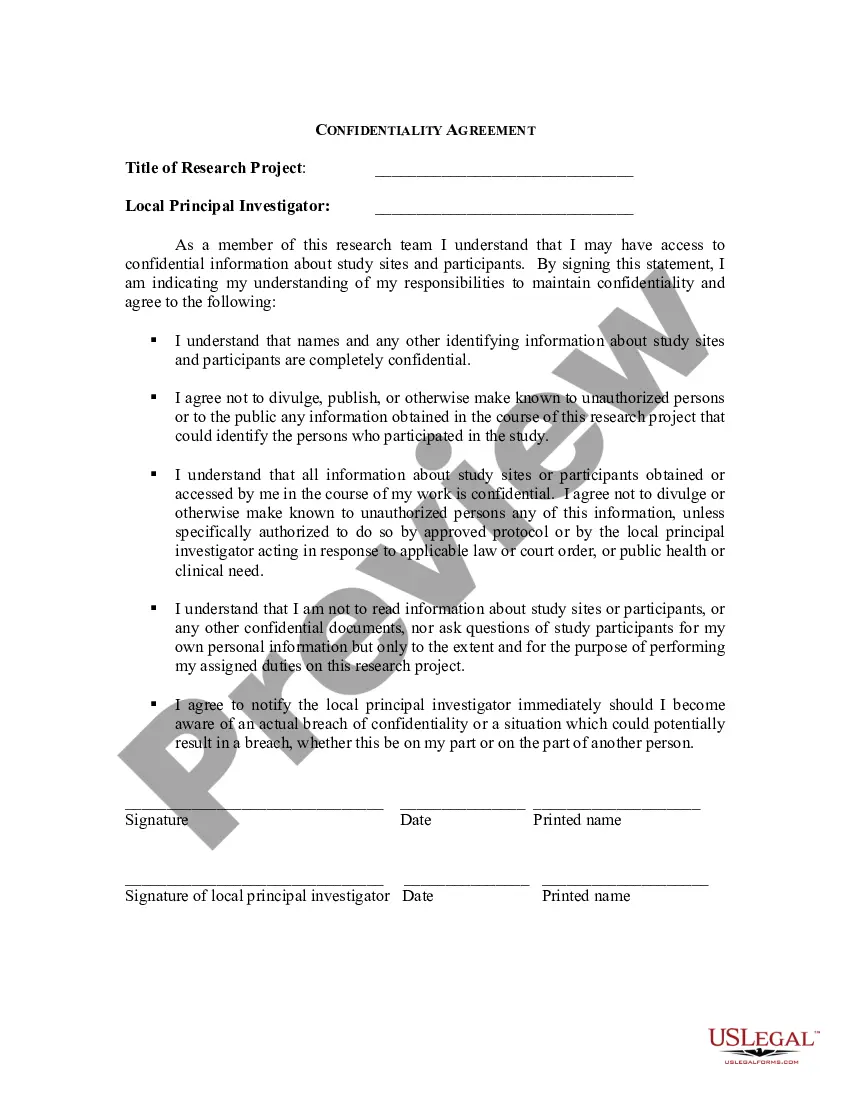
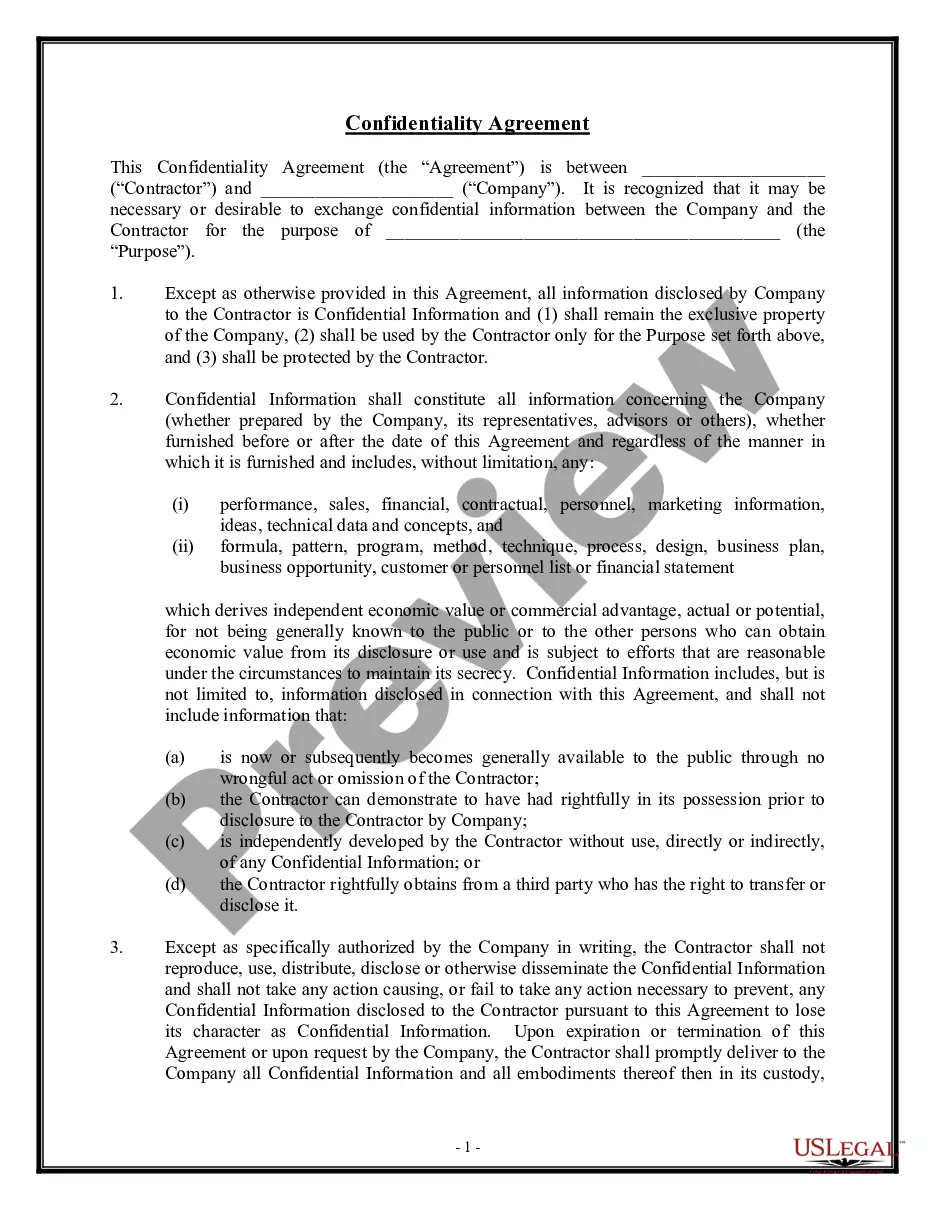
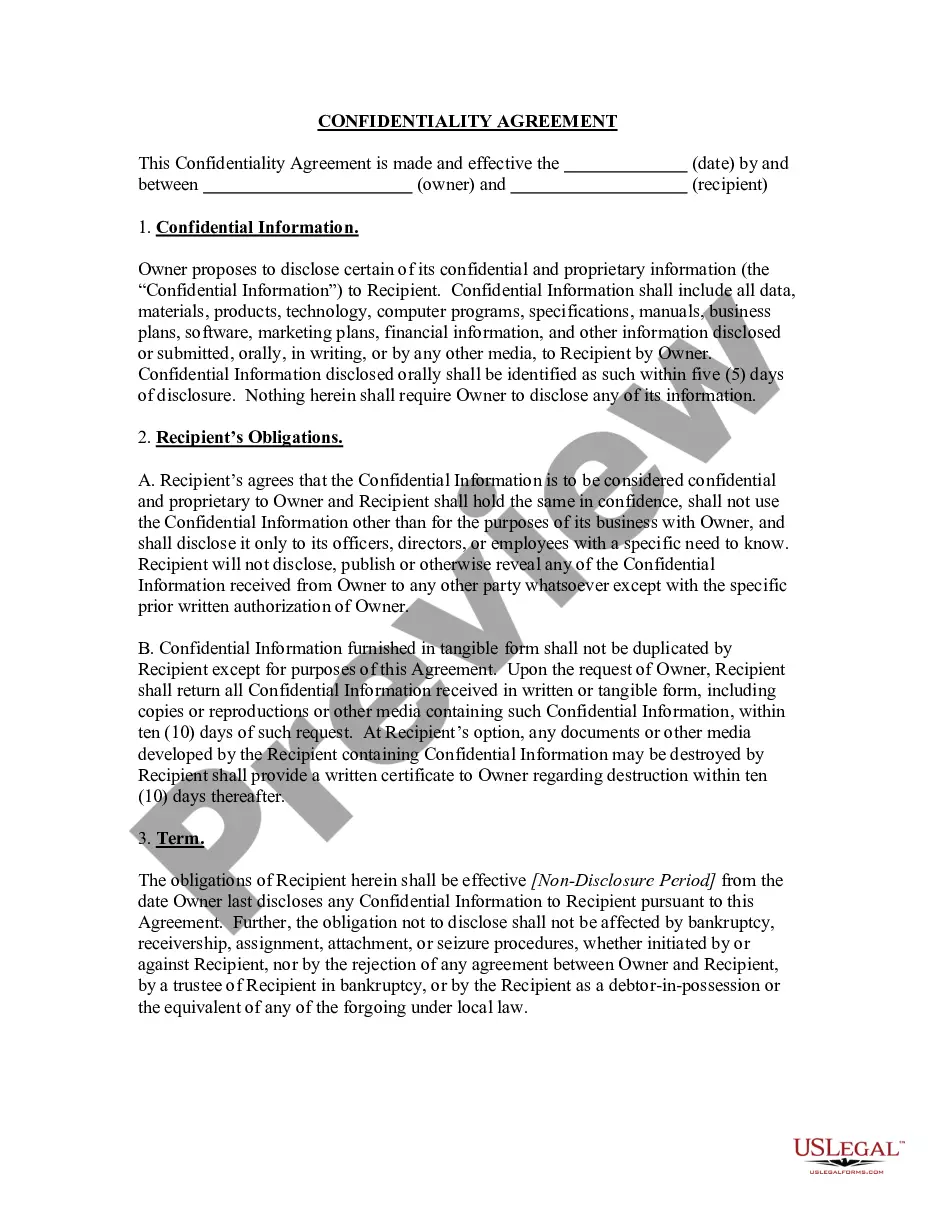
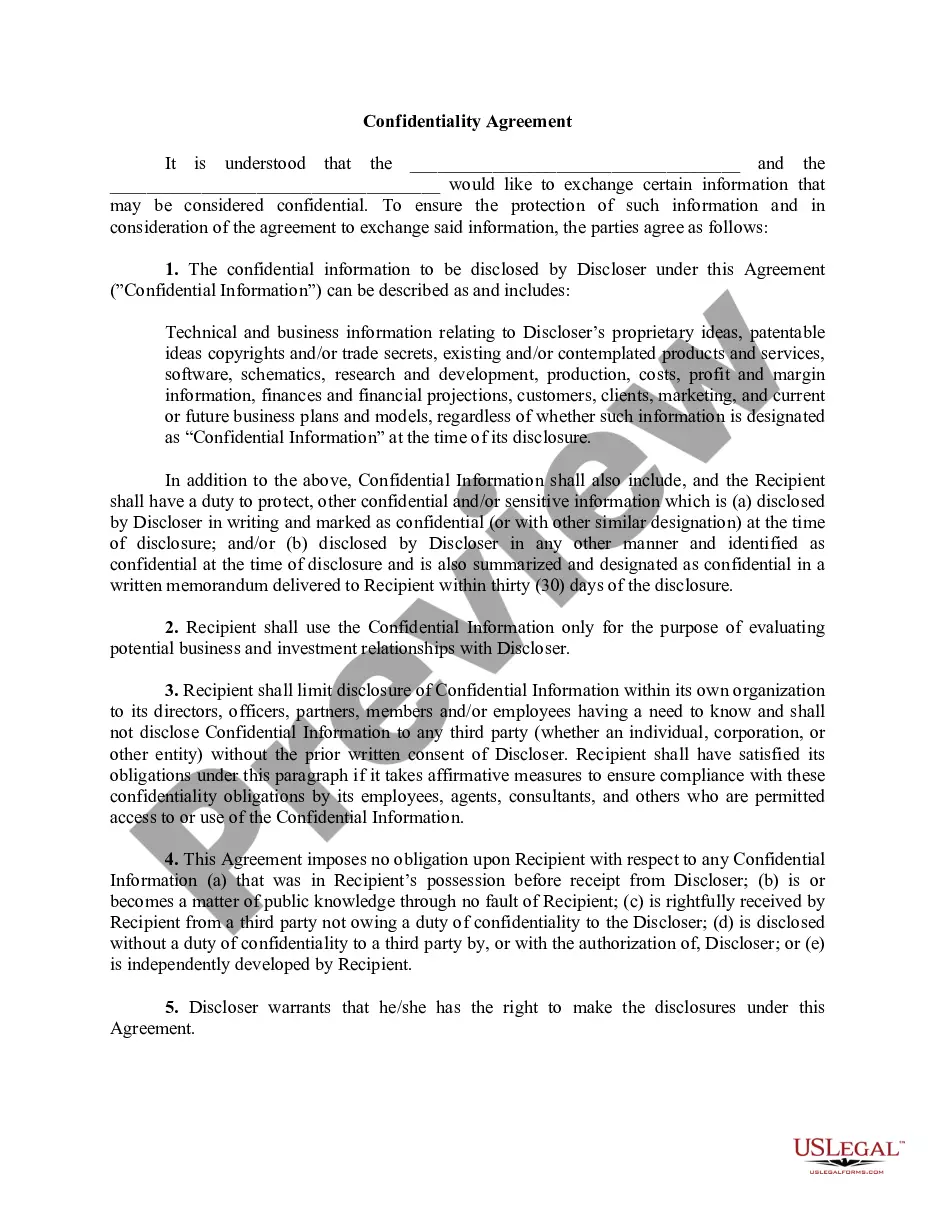
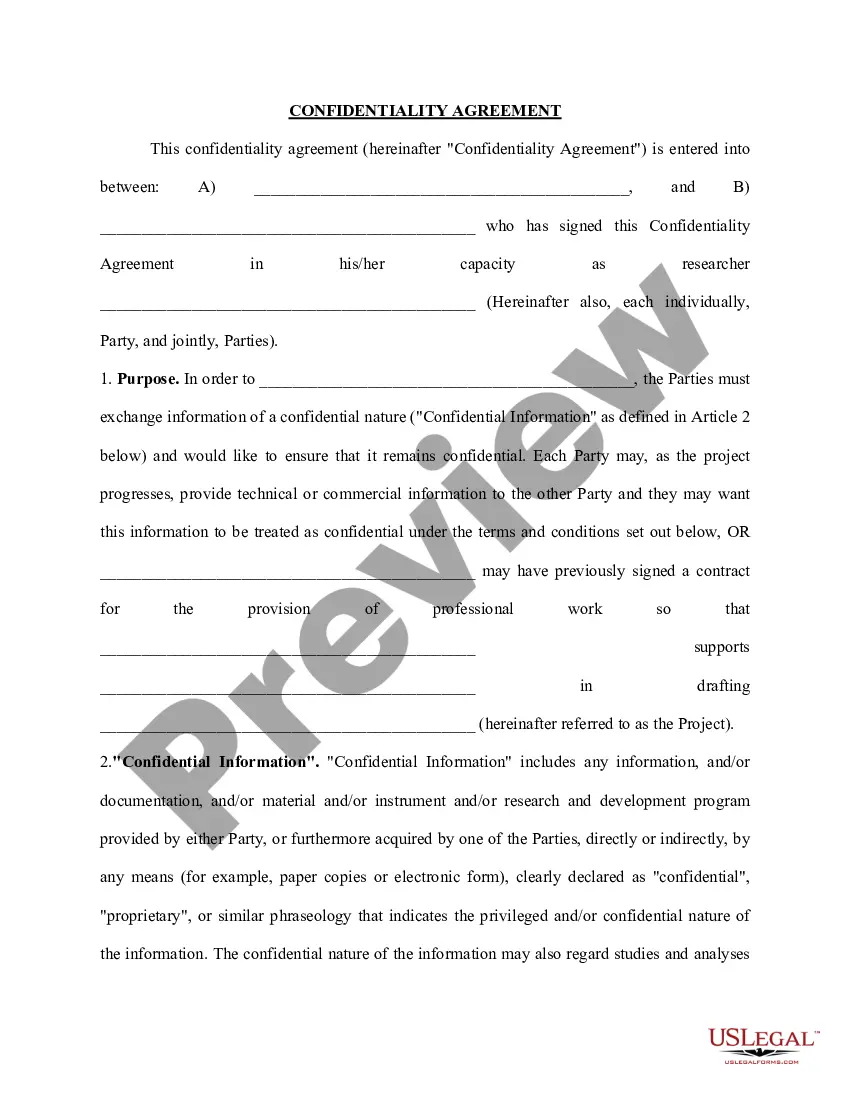
The Confidentiality Agreement for Research Team Members is a legal document that ensures individuals involved in a research project maintain the confidentiality of sensitive information regarding study participants. This agreement is specifically designed for members of research teams to protect the privacy and integrity of research data, setting it apart from general confidentiality agreements by focusing on the unique requirements of research environments.
Key components of this form
- Title of the research project to identify the specific study.
- Local Principal Investigator's name, providing accountability.
- Acceptance of confidentiality responsibilities by research team members.
- Prohibition against divulging any identifying information of participants.
- Requirement to report any breaches of confidentiality.
- Signatures of both the research team member and the local principal investigator to confirm agreement.
When to use this form
This confidentiality agreement should be used at the beginning of any research project where team members will have access to confidential information about study participants. It is essential when handling sensitive data that must be kept private to protect both the participants and the research integrity. Users should complete and sign the agreement before beginning their work on the study.
Intended users of this form
- Members of research teams involved in studies that require access to participant data.
- Principal Investigators overseeing research projects needing consistency in confidentiality practices.
- Institutions conducting research where participant confidentiality is a legal and ethical obligation.
Completing this form step by step
- Begin by entering the title of the research project in the designated space.
- Write down the name of the local principal investigator responsible for the project.
- Read through the confidentiality obligations outlined in the agreement.
- Sign and date the form to confirm your understanding and acceptance of the responsibilities.
- The local principal investigator must also sign and date the form for validation.
Notarization guidance
This form does not typically require notarization unless specified by local law. It is essential to ensure that all signatures are completed for the agreement to be effective.
Get your form ready online
Our built-in tools help you complete, sign, share, and store your documents in one place.
Make edits, fill in missing information, and update formatting in US Legal Forms—just like you would in MS Word.
Download a copy, print it, send it by email, or mail it via USPS—whatever works best for your next step.
Sign and collect signatures with our SignNow integration. Send to multiple recipients, set reminders, and more. Go Premium to unlock E-Sign.
If this form requires notarization, complete it online through a secure video call—no need to meet a notary in person or wait for an appointment.
We protect your documents and personal data by following strict security and privacy standards.

Make edits, fill in missing information, and update formatting in US Legal Forms—just like you would in MS Word.

Download a copy, print it, send it by email, or mail it via USPS—whatever works best for your next step.

Sign and collect signatures with our SignNow integration. Send to multiple recipients, set reminders, and more. Go Premium to unlock E-Sign.

If this form requires notarization, complete it online through a secure video call—no need to meet a notary in person or wait for an appointment.

We protect your documents and personal data by following strict security and privacy standards.
Mistakes to watch out for
- Failing to complete all sections of the form before signing.
- Not reviewing the confidentiality obligations thoroughly.
- Overlooking the requirement for both parties' signatures for validity.
Why complete this form online
- Easy download and access from any device, ensuring quick availability.
- Editability to customize the agreement to fit the specific research project.
- Reliability of templates drafted by licensed attorneys to ensure legal compliance.
Looking for another form?
Form popularity
FAQ
A typical confidentiality clause might say, "The phrases and circumstances of this Agreement are completely confidential between the parties and shall not be disclosed to anybody else. Any disclosure in violation shall be deemed a breach of this Agreement."
Identification of the parties. Definition of what is deemed to be confidential. The scope of the confidentiality obligation by the receiving party. The exclusions from confidential treatment.
The key elements of confidentiality agreements are: Identification of the parties. Definition of what is defined to be confidential. The scope of the confidentiality obligation by the receiving party. The exclusions from confidential treatment. The term of the agreement.
The easiest way to protect confidentiality is to collect (or if the data are already collected then use) anonymous data. Anonymous data are data that are not connected to information that can identify the individual participant.
Here is a common example: CONFIDENTIALITY NOTICE: This message and any accompanying documents contain information belonging to the sender which may be confidential and legally privileged. This information is only for the use of the individual or entity to which it was intended.
The agreement should identify the purpose to which the recipient can put the confidential information. All other uses of the confidential information should be prohibited. Sometimes a confidentiality agreement states that no rights are licensed by the confidentiality agreement. This is stating the obvious.
How to say it: Although collected data may be made public or used for future research purposes, your identity will always remain confidential. At the conclusion of this study, identifiable information may be made public or used for future research purposes without additional consent.