Confidentiality Agreement for Staff
What this document covers
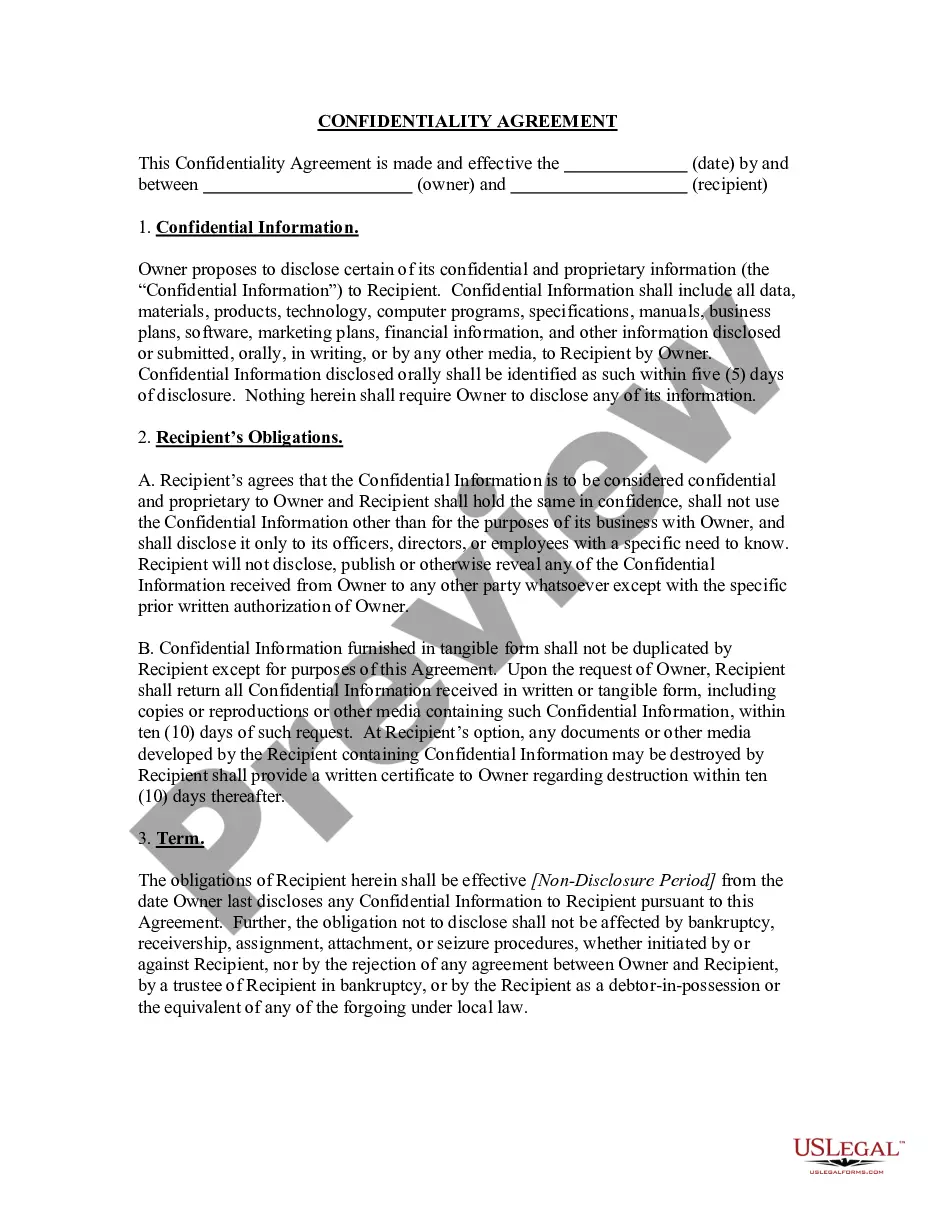
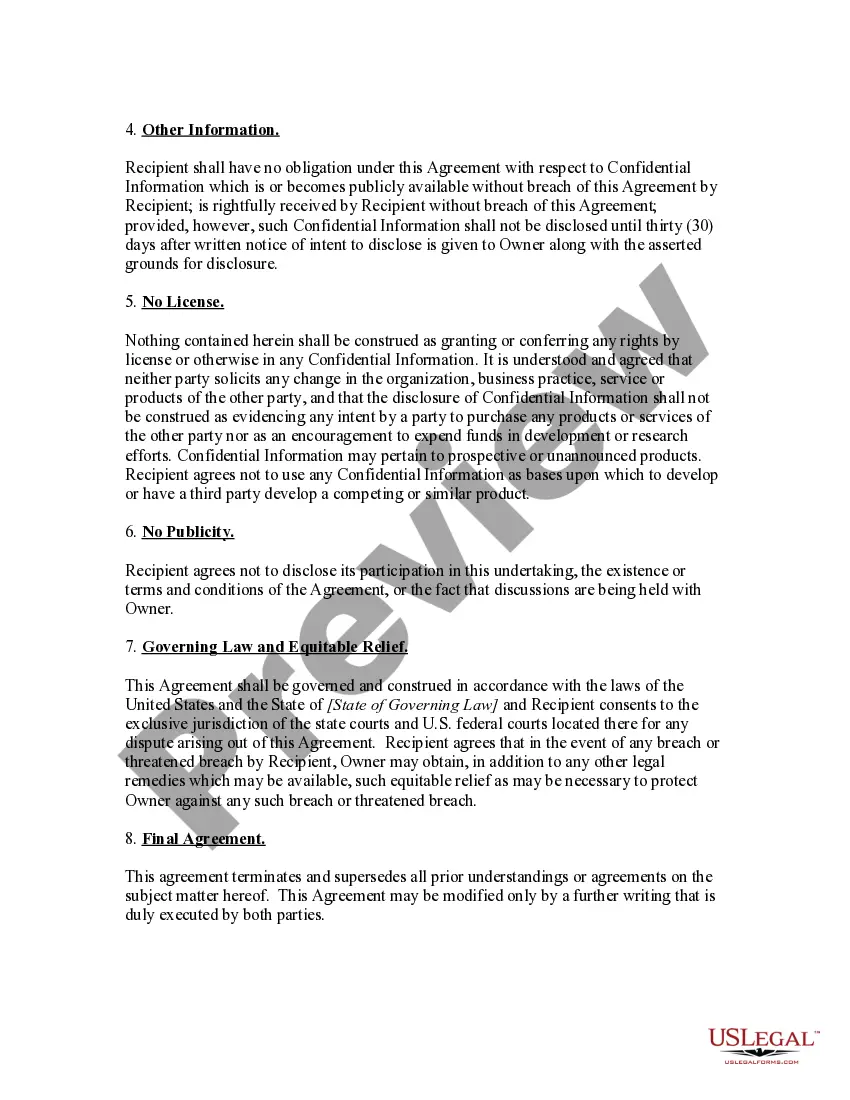
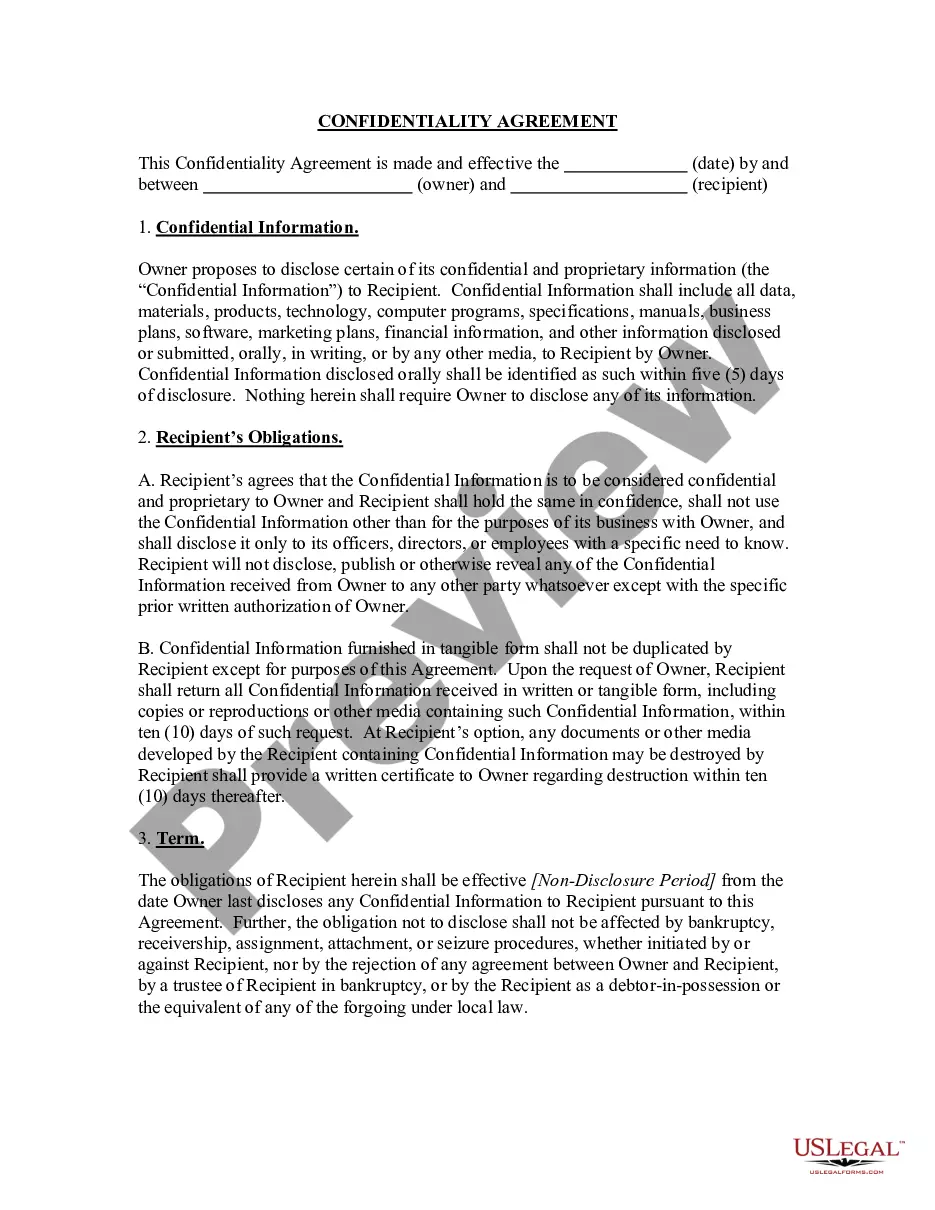
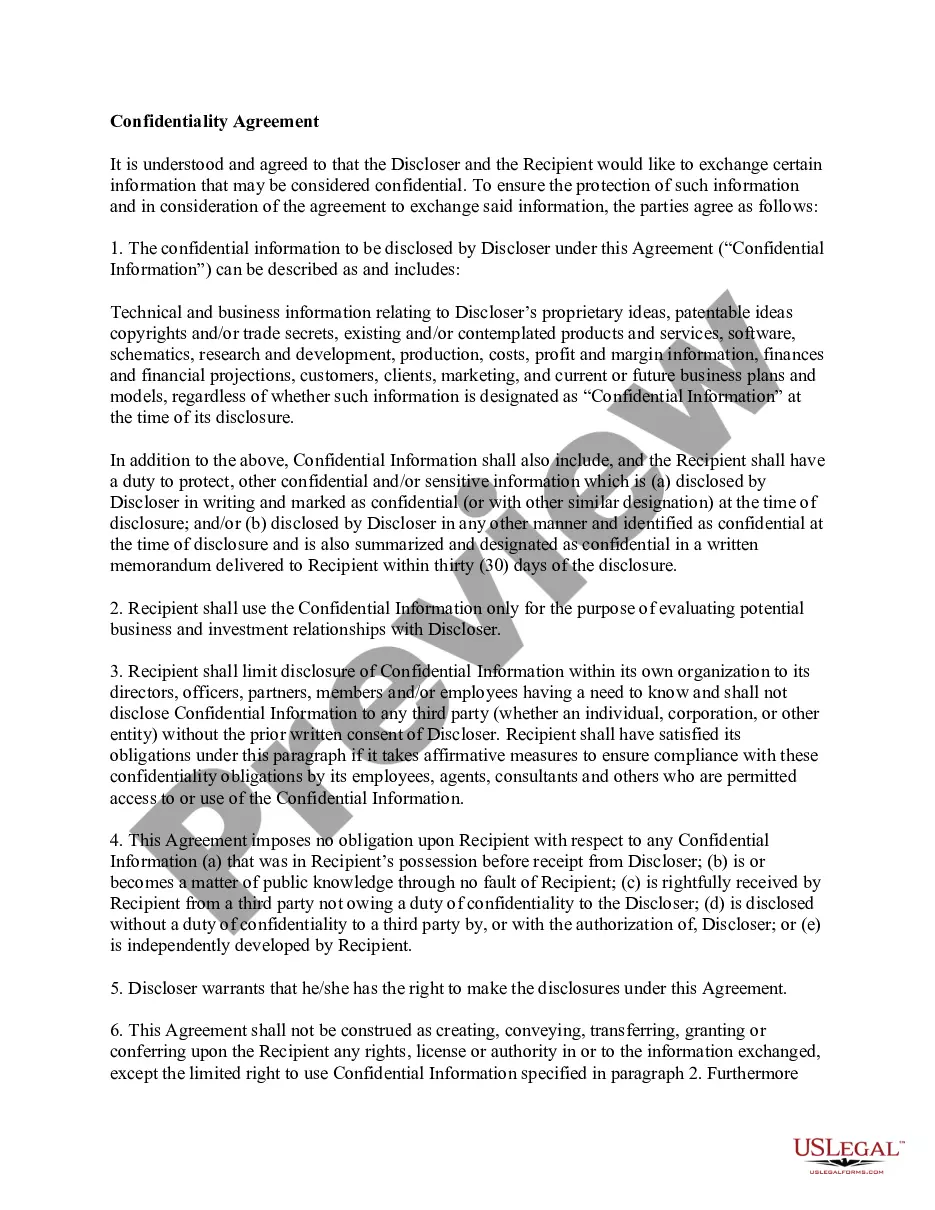
The Confidentiality Agreement for Staff is a legal document designed to protect sensitive information shared between an employer and their employees. This form sets clear boundaries regarding the handling of confidential information, ensuring that recipients understand their obligations and the consequences of breaches. Unlike other employment agreements, this form particularly focuses on safeguarding proprietary information, making it essential for businesses that handle sensitive data.
What’s included in this form
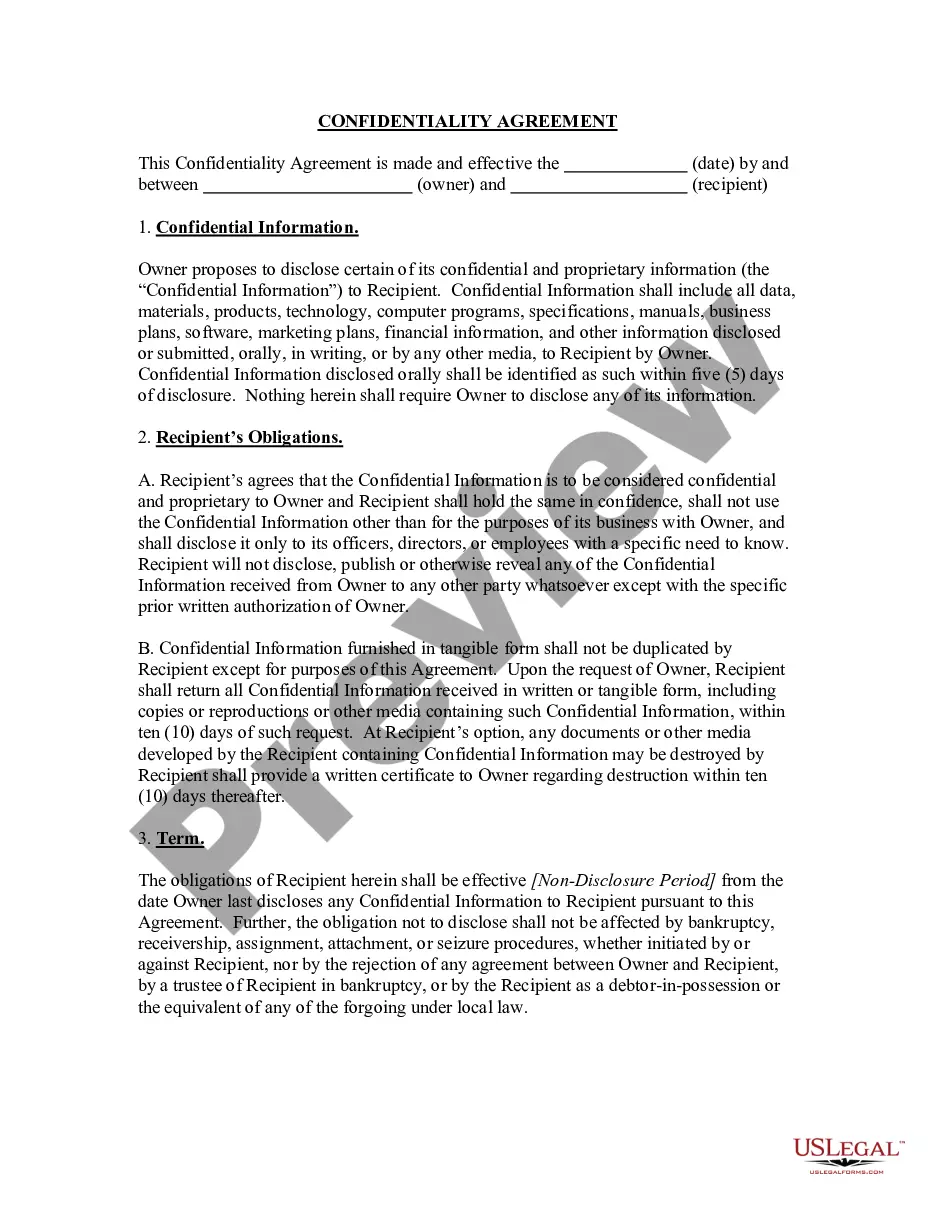
- Definitions of Confidential Information to clarify what is protected.
- Obligations of the recipient regarding the non-disclosure and usage of confidential information.
- Terms outlining the duration of confidentiality and any conditions for termination.
- Conditions under which information may be disclosed or returned upon request.
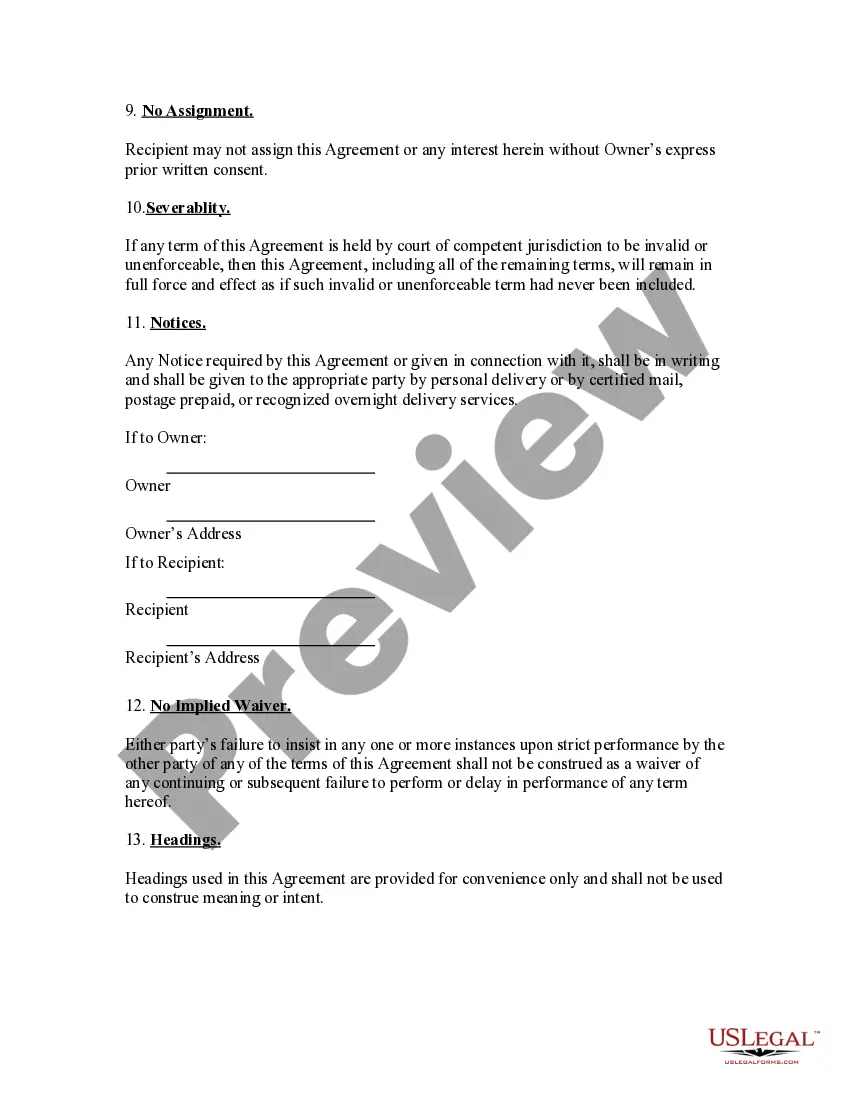
- Legal jurisdiction governing the agreement in case of disputes.
Situations where this form applies
This form is typically used when hiring employees who will have access to sensitive company information. It is essential for protecting trade secrets, internal processes, client lists, and other proprietary information. Employers should implement this agreement during onboarding to ensure that employees are aware of their responsibilities regarding confidentiality from the outset.
Who this form is for
- Employers of all sizes looking to protect sensitive information.
- Human resources professionals managing employee contracts.
- Business owners concerned about safeguarding proprietary information.
- Any staff that will be privy to confidential or sensitive corporate data.
How to prepare this document
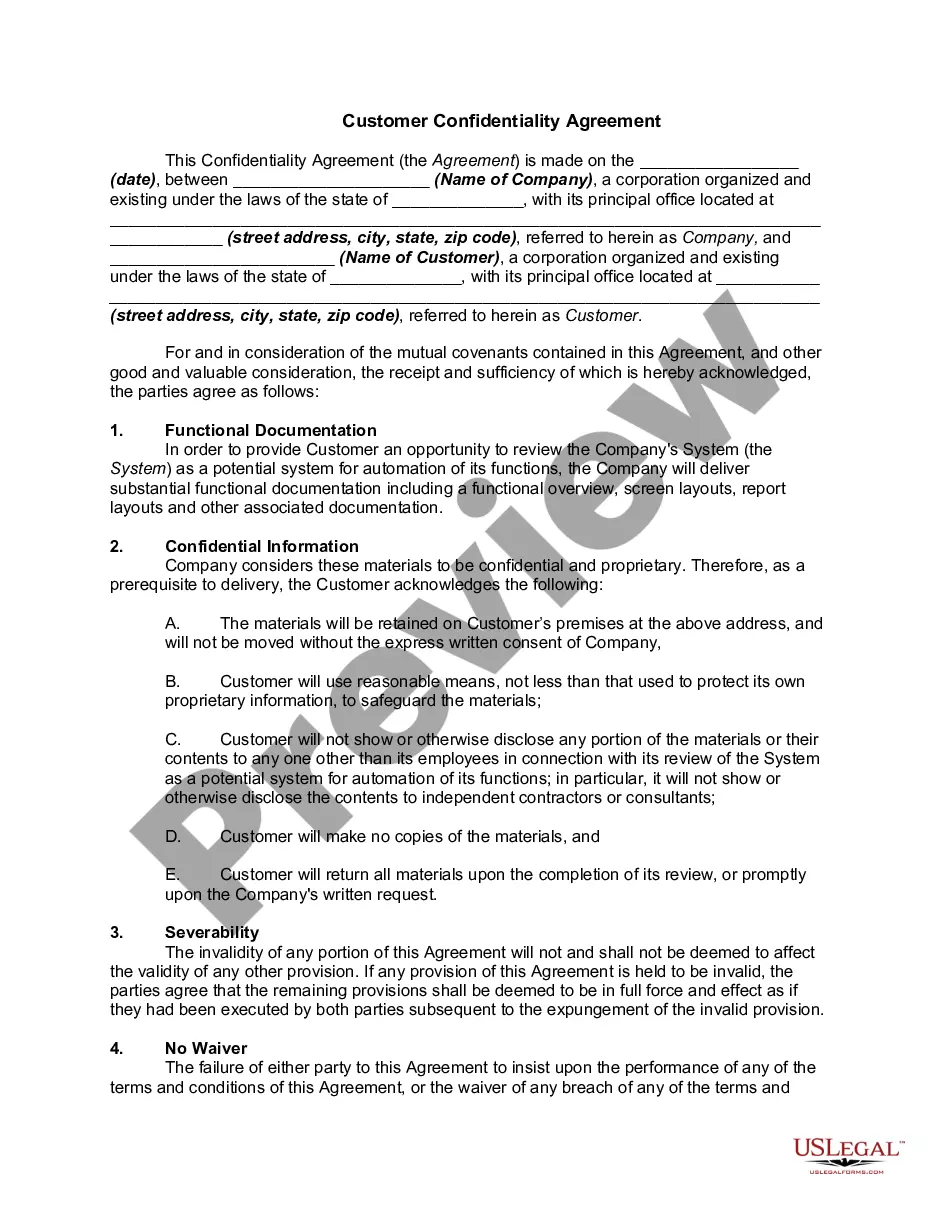
- Identify the parties involved by entering the names and addresses of the owner and recipient.
- Clearly define what constitutes confidential information within the agreement.
- Specify any time periods during which confidentiality obligations shall remain in effect.
- Include provisions for returning or destroying confidential information upon request.
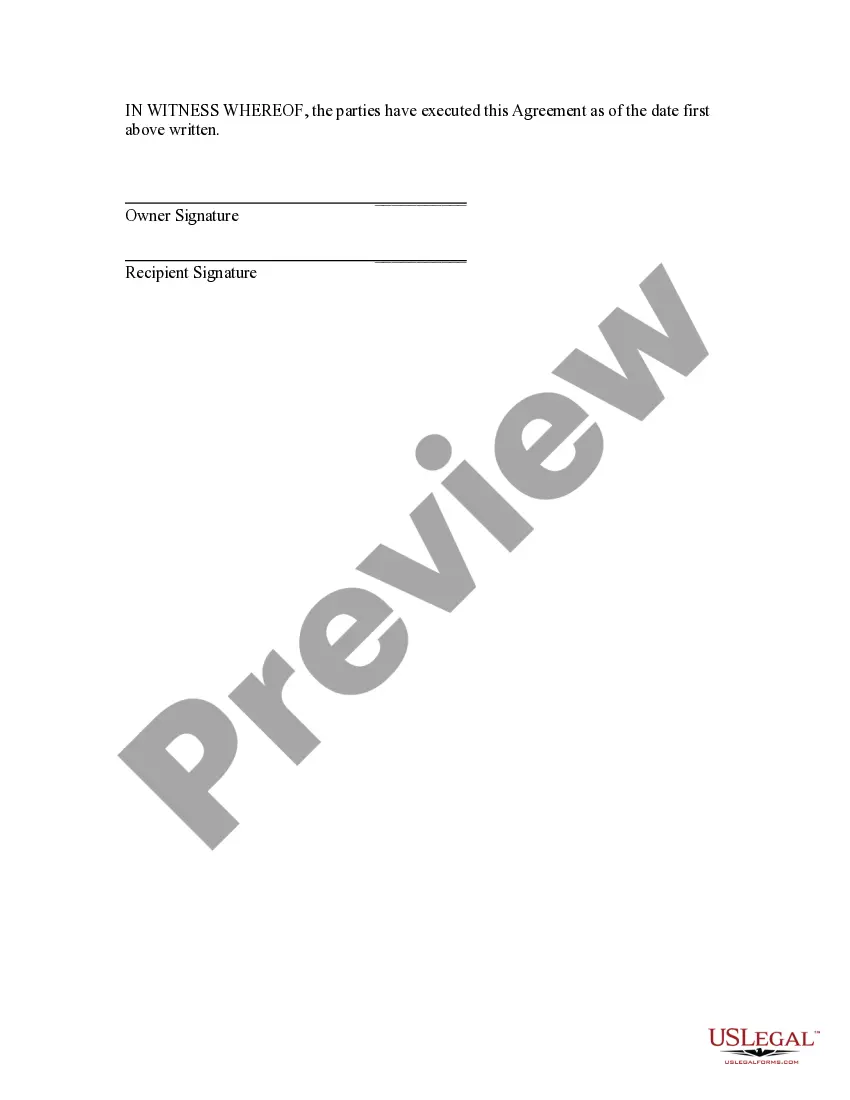
- Obtain signatures from both the owner and recipient to formalize the agreement.
Does this form need to be notarized?
This form does not typically require notarization unless specified by local law. However, it is recommended to keep a signed copy for personal records to ensure that both parties have a clear understanding of their obligations.
Get your form ready online
Our built-in tools help you complete, sign, share, and store your documents in one place.
Make edits, fill in missing information, and update formatting in US Legal Forms—just like you would in MS Word.
Download a copy, print it, send it by email, or mail it via USPS—whatever works best for your next step.
Sign and collect signatures with our SignNow integration. Send to multiple recipients, set reminders, and more. Go Premium to unlock E-Sign.
If this form requires notarization, complete it online through a secure video call—no need to meet a notary in person or wait for an appointment.
We protect your documents and personal data by following strict security and privacy standards.

Make edits, fill in missing information, and update formatting in US Legal Forms—just like you would in MS Word.

Download a copy, print it, send it by email, or mail it via USPS—whatever works best for your next step.

Sign and collect signatures with our SignNow integration. Send to multiple recipients, set reminders, and more. Go Premium to unlock E-Sign.

If this form requires notarization, complete it online through a secure video call—no need to meet a notary in person or wait for an appointment.

We protect your documents and personal data by following strict security and privacy standards.
Common mistakes
- Failing to clearly define what information is considered confidential.
- Not specifying the duration of the confidentiality obligations.
- Neglecting to obtain signatures from both parties, rendering the agreement unenforceable.
- Overlooking local laws that may impose specific requirements on confidentiality agreements.
Why use this form online
- Immediate access and download capabilities save time in preparation.
- Editable templates allow for customization to meet specific business needs.
- Professionally drafted forms enhance legal reliability and enforceability.
Legal use & context
- This confidentiality agreement is legally binding as long as it is executed properly.
- It is crucial to ensure that the agreements comply with relevant state laws for enforceability.
- Employers should regularly review their confidentiality policies to adapt to changing legal standards.
Main things to remember
- The Confidentiality Agreement for Staff is essential for protecting sensitive information in the workplace.
- It clearly outlines the obligations and rights of all parties involved regarding confidential data.
- Proper execution and awareness of state-specific requirements enhance legal protections.
Looking for another form?
Form popularity
FAQ
The cold hard truth is that most NDAs do not hold up in court. Non-Disclosure Agreements are most effective in establishing a paper trail of confidential information as it relates to partnerships, and discouraging partners from misappropriating proprietary information.
In most cases, confidentiality agreements are signed when an individual is first hired and are valid through the termination of their employment or, in some cases, a period of time after employment ends. However, in some cases, you may be required to sign a confidentiality agreement prior to an interview.
The purpose of a confidentiality agreement, which is also referred to as a nondisclosure agreement or NDA, is to protect information exchanged between two or more parties. Anyone who signs a confidentiality agreement is promising to keep the relevant information secret.
Set the date of the agreement. Describe the two parties, sometimes called the Disclosing Party and the Receiving Party.7feff Include names and identification, so there can be no misunderstanding about who signed the agreement.
To prevent employees from revealing sensitive information that could jeopardize your business, you might have them sign an employee confidentiality agreement. Businesses use employee confidentiality agreements to protect their innovative ideas, effective processes, unique products, or customer information.
An employer will often require an employee to sign an NDA because it allows their company to operate at a higher level, with less risk.Understand, your employer is not asking you to sign an NDA out of mistrust, they are asking you to sign one because it is essential to conducting business smoothly and efficiently.
A confidentiality agreement is a written legal contract between an employer and an employee. The confidentiality agreement lays out binding terms and conditions that prohibit the employee from disclosing company confidential and proprietary information.
If an NDA lists extreme punishments for breaking the confidentiality agreement, you shouldn't sign it. A common consequence for breach of contract under an NDA is termination of employment. Be aware of what is considered a breach of contract.