Confidentiality Agreement - General
What is this form?
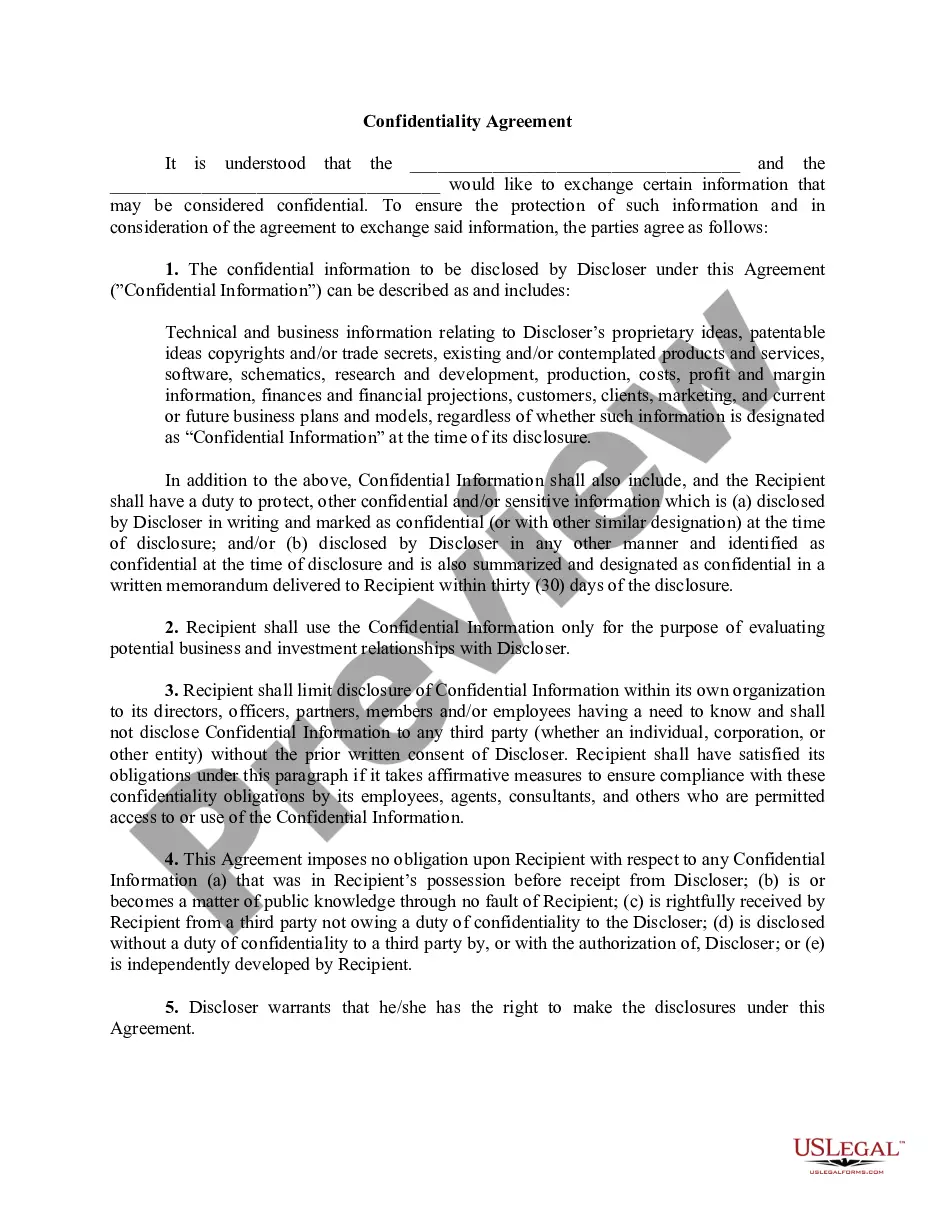
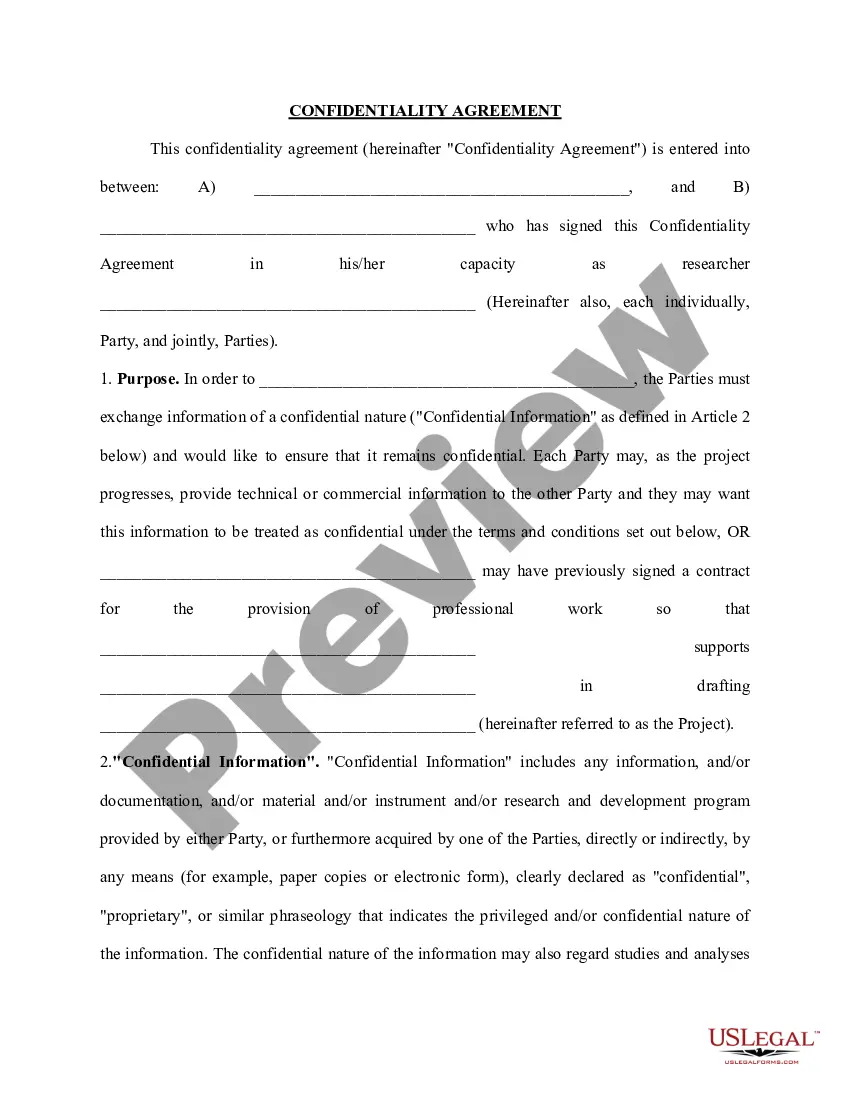
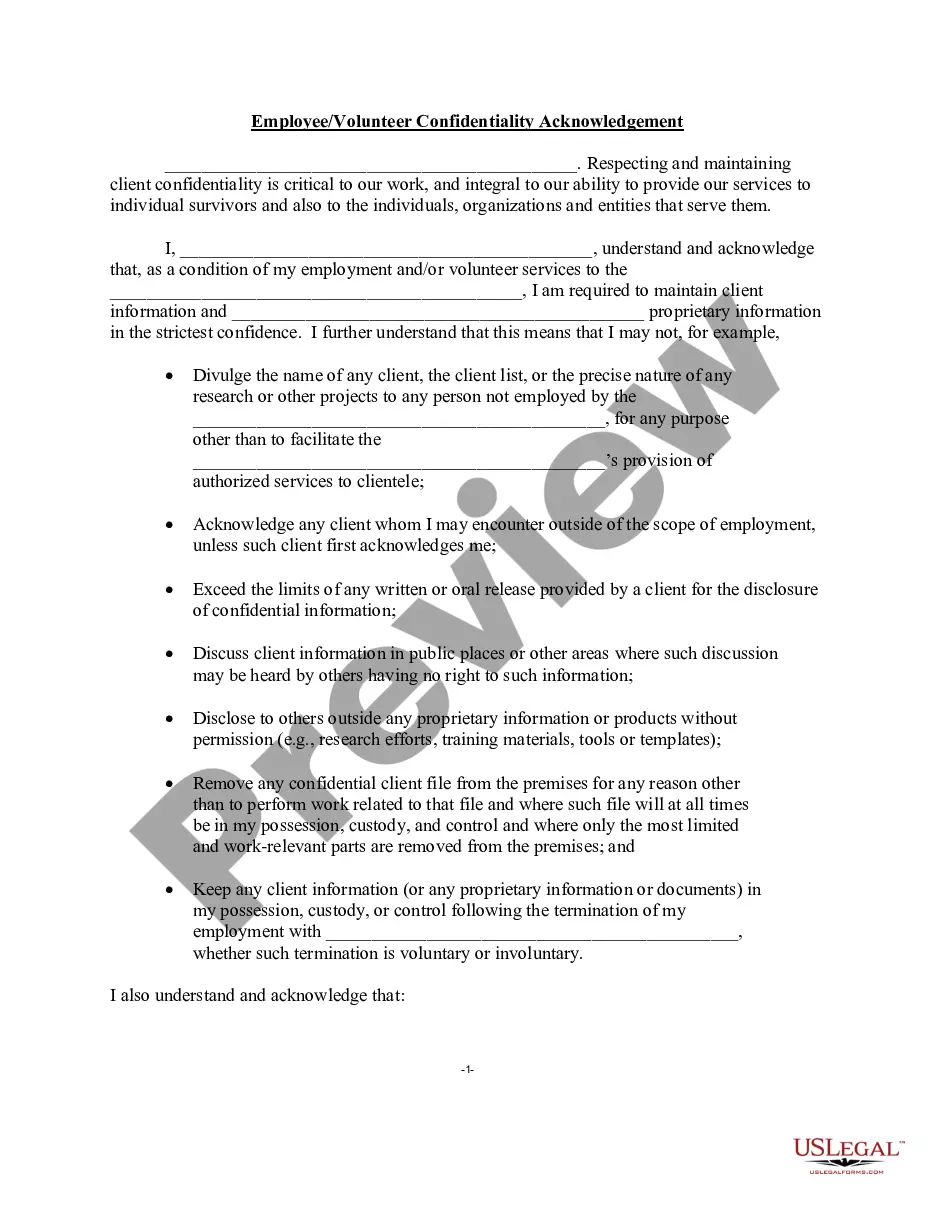
The Confidentiality Agreement - General is a crucial legal document designed to protect sensitive information shared between parties. This form is particularly useful when businesses and individuals seek to exchange confidential information without risking unauthorized disclosure. Unlike other confidentiality agreements, this form is straightforward and ensures both parties understand their obligations, providing a clear framework for guarding proprietary knowledge and business plans.
Main sections of this form
- The definition of confidential information, covering technical, business, and proprietary data.
- Usage restrictions that dictate how recipients can use confidential information.
- Guidelines for limiting disclosure within the recipient's organization.
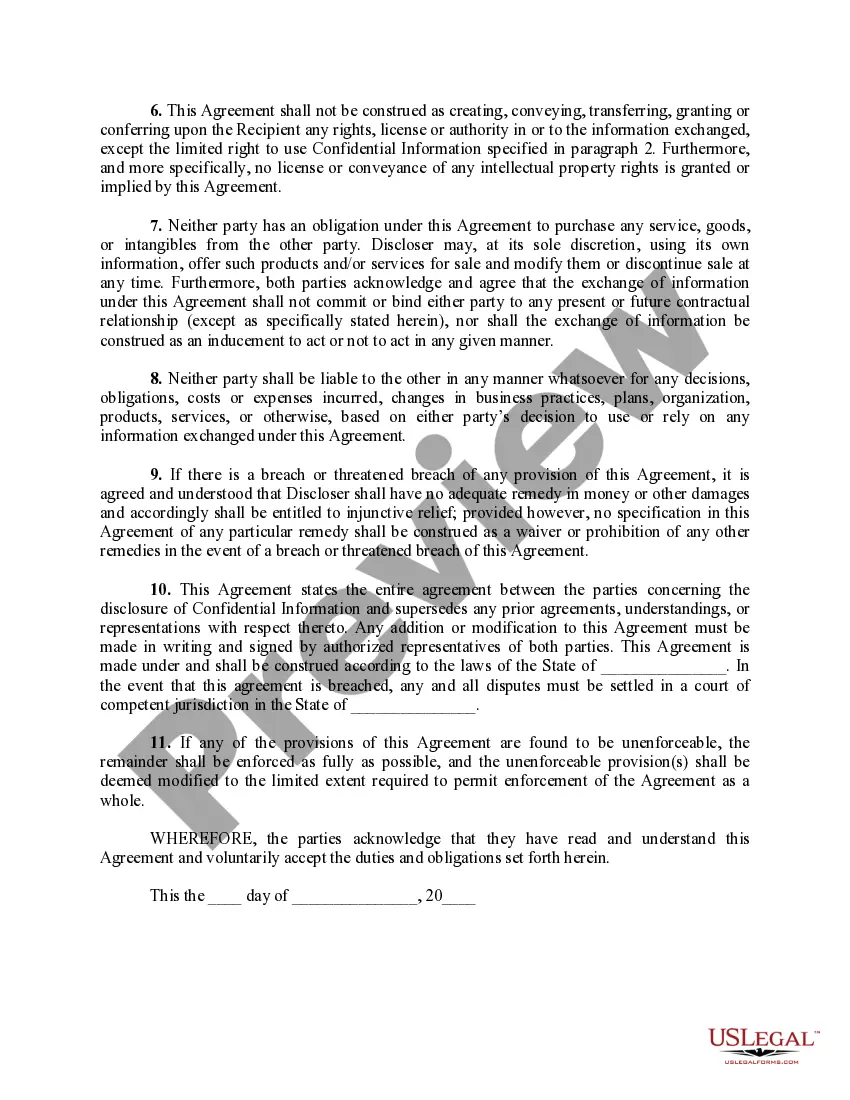
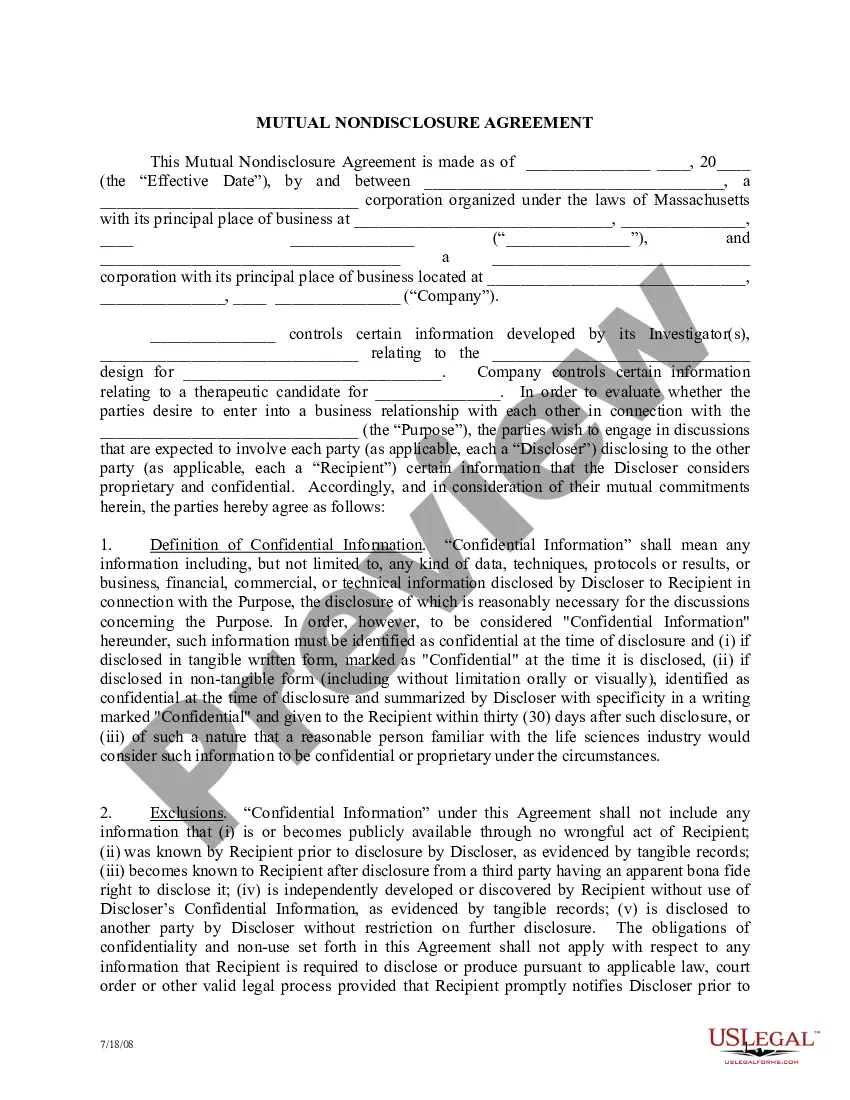
- Exclusions from confidentiality obligations, such as previously known or publicly available information.
- Warranties confirming the discloser's rights to share information.
- Provisions addressing remedies for breaches of the agreement.
When to use this document
This Confidentiality Agreement should be used in situations where two or more parties plan to share sensitive information, such as research findings, business development strategies, or proprietary technology. It is particularly relevant in industries like technology, healthcare, or finance, where confidentiality is critical to maintaining a competitive advantage and protecting intellectual property. Use this agreement when initiating discussions about potential partnerships, investments, or any scenario where confidential information is exchanged.
Intended users of this form
- Businesses planning to collaborate or partner with others on projects involving sensitive information.
- Research teams sharing proprietary data in academic or commercial settings.
- Individuals or organizations conducting negotiations for investments or business opportunities.
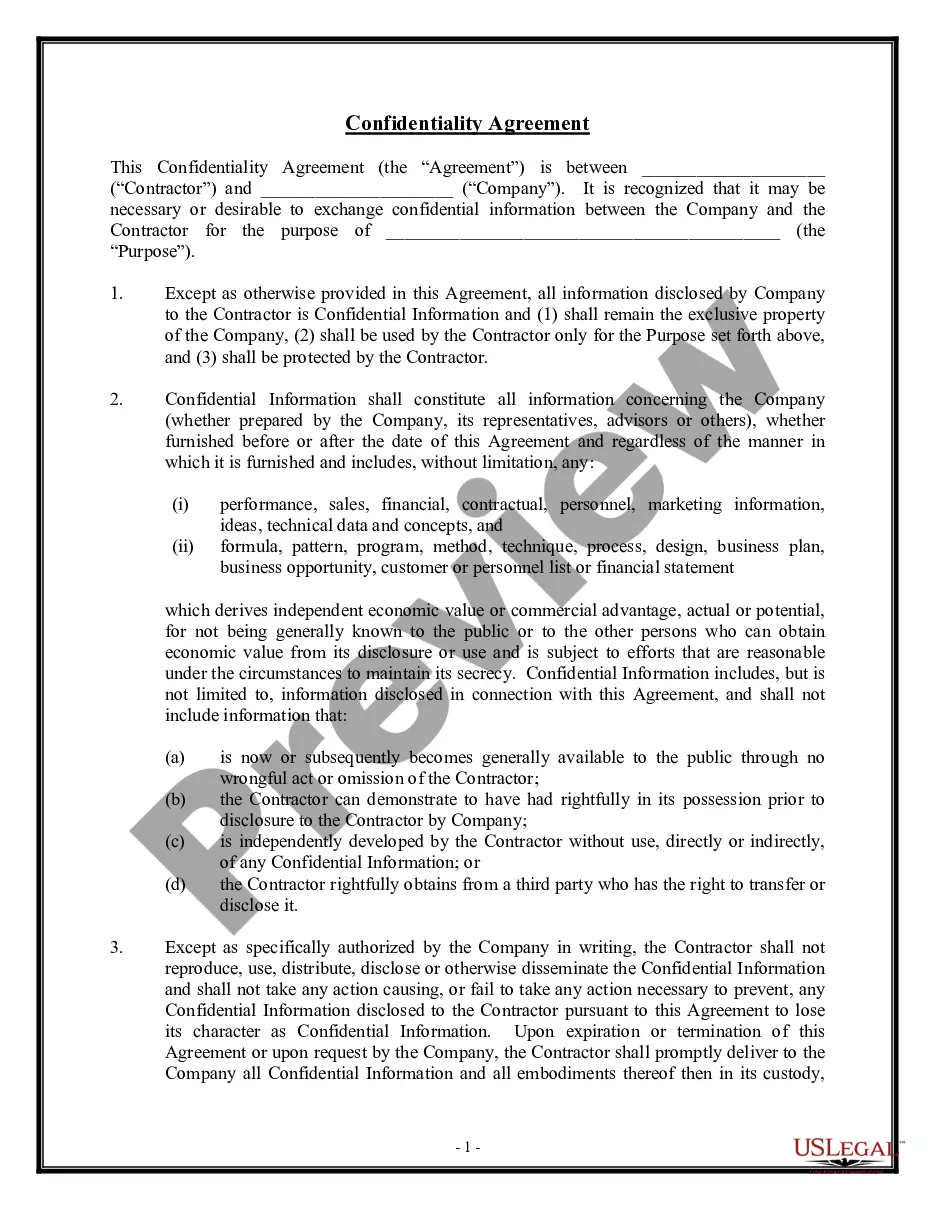
- Contractors and consultants who require access to confidential company information.
- Startups looking to protect their innovative ideas when engaging with potential investors or partners.
Completing this form step by step
- Identify the parties by entering the names of the discloser and recipient in the designated fields.
- Describe the confidential information that will be shared in the appropriate section.
- Specify the purpose of sharing the confidential information, usually related to potential business or investment discussions.
- Fill out the date and state where the agreement is executed.
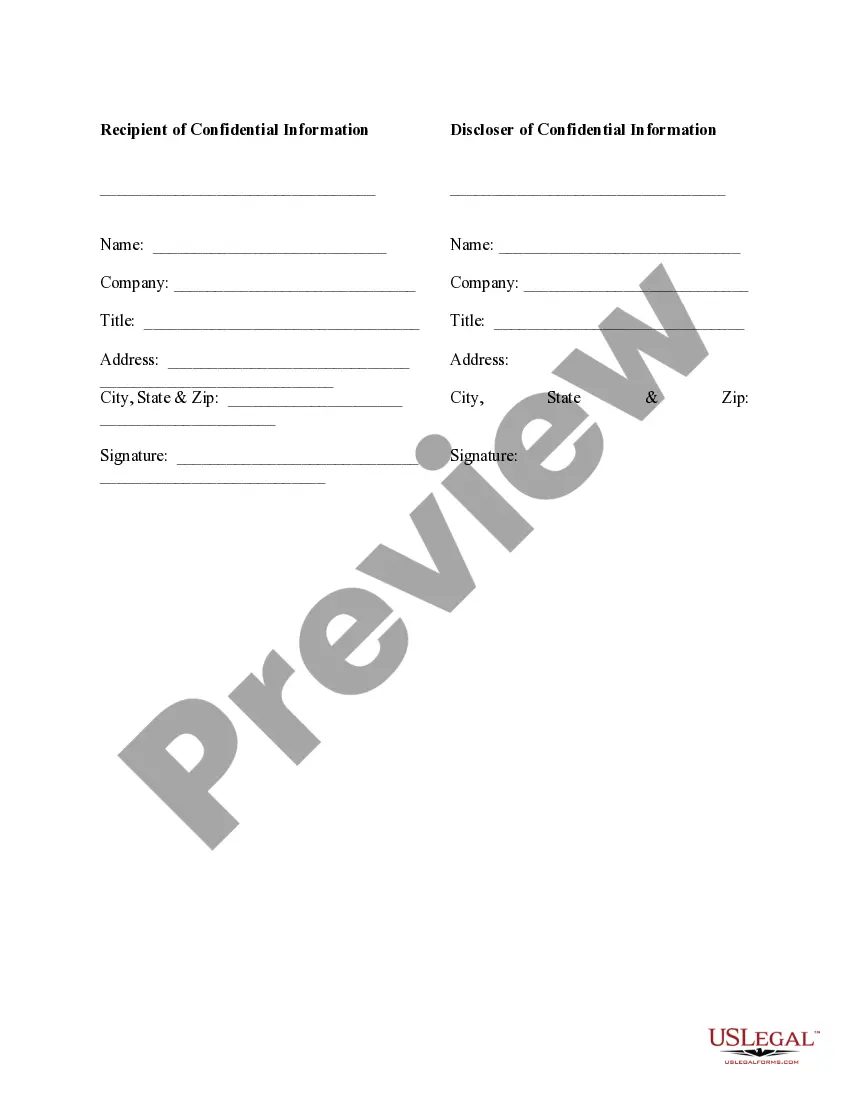
- Ensure all parties provide their names, titles, and signatures to finalize the agreement.
Does this form need to be notarized?
This form does not typically require notarization unless specified by local law. Parties should check their jurisdiction's requirements for additional legal validation.
Get your form ready online
Our built-in tools help you complete, sign, share, and store your documents in one place.
Make edits, fill in missing information, and update formatting in US Legal Forms—just like you would in MS Word.
Download a copy, print it, send it by email, or mail it via USPS—whatever works best for your next step.
Sign and collect signatures with our SignNow integration. Send to multiple recipients, set reminders, and more. Go Premium to unlock E-Sign.
If this form requires notarization, complete it online through a secure video call—no need to meet a notary in person or wait for an appointment.
We protect your documents and personal data by following strict security and privacy standards.

Make edits, fill in missing information, and update formatting in US Legal Forms—just like you would in MS Word.

Download a copy, print it, send it by email, or mail it via USPS—whatever works best for your next step.

Sign and collect signatures with our SignNow integration. Send to multiple recipients, set reminders, and more. Go Premium to unlock E-Sign.

If this form requires notarization, complete it online through a secure video call—no need to meet a notary in person or wait for an appointment.

We protect your documents and personal data by following strict security and privacy standards.
Typical mistakes to avoid
- Failing to clearly define what constitutes confidential information.
- Not specifying the intended use of the confidential information.
- Omitting the requirement for signatures, which can lead to enforceability issues.
- Not indicating the governing law or jurisdiction related to the agreement.
Why complete this form online
- Immediate access to a legally sound template drafted by licensed attorneys.
- The ability to easily customize the agreement to fit specific needs.
- Convenient downloading for immediate use, saving time and resources.
- Reliable and secure, reducing the risk of errors or omissions.
Looking for another form?


Form popularity
FAQ
Identification of the parties. Definition of what is deemed to be confidential. The scope of the confidentiality obligation by the receiving party. The exclusions from confidential treatment.
The agreement should identify the purpose to which the recipient can put the confidential information. All other uses of the confidential information should be prohibited. Sometimes a confidentiality agreement states that no rights are licensed by the confidentiality agreement. This is stating the obvious.
Describe what the other party is agreeing to. Exercising reasonable precautions against disclosure of the information. Not disclosing Confidential Information without the written consent of the Disclosing Party. Using the information only for business purposes, and only on a ?need to know? basis.
The key elements of confidentiality agreements are: Identification of the parties. Definition of what is defined to be confidential. The scope of the confidentiality obligation by the receiving party. The exclusions from confidential treatment. The term of the agreement.
Confidentiality Clauses for Simple Agreements A confidentiality clause binds parties to nondisclosure of proprietary or confidential information within the larger confines of a contract or agreement. Its scope is generally limited in time and type of information.
Here is a common example: CONFIDENTIALITY NOTICE: This message and any accompanying documents contain information belonging to the sender which may be confidential and legally privileged. This information is only for the use of the individual or entity to which it was intended.