Maine Revocable Living Trust Agreement
Description

How to fill out Maine Revocable Living Trust Agreement?
Among the many complimentary and paid samples you can find online, you cannot guarantee their precision.
For instance, who created them or if they possess the necessary qualifications to handle what you need them for.
Always stay calm and utilize US Legal Forms!
Click Buy Now to initiate the ordering process or find another sample utilizing the Search field positioned in the header. Select a pricing plan and create an account. Pay for the subscription using your credit/debit card or Paypal. Download the form in your desired file format. Once you’ve registered and purchased your subscription, you can use your Maine Revocable Living Trust Agreement as often as necessary or as long as it remains active in your location. Edit it with your preferred online or offline editor, fill it out, sign it, and print it. Achieve more for less with US Legal Forms!
- Explore Maine Revocable Living Trust Agreement templates designed by expert legal professionals and avoid the expensive and lengthy process of searching for an attorney and subsequently paying them to draft a document for you that you could easily find.
- If you possess a membership, sign in to your account and locate the Download button adjacent to the file you are seeking.
- You will also have the ability to access all of your previously downloaded documents in the My documents section.
- If you are utilizing our service for the first time, adhere to the instructions listed below to obtain your Maine Revocable Living Trust Agreement effortlessly.
- Ensure that the document you locate is valid in the state of your residence.
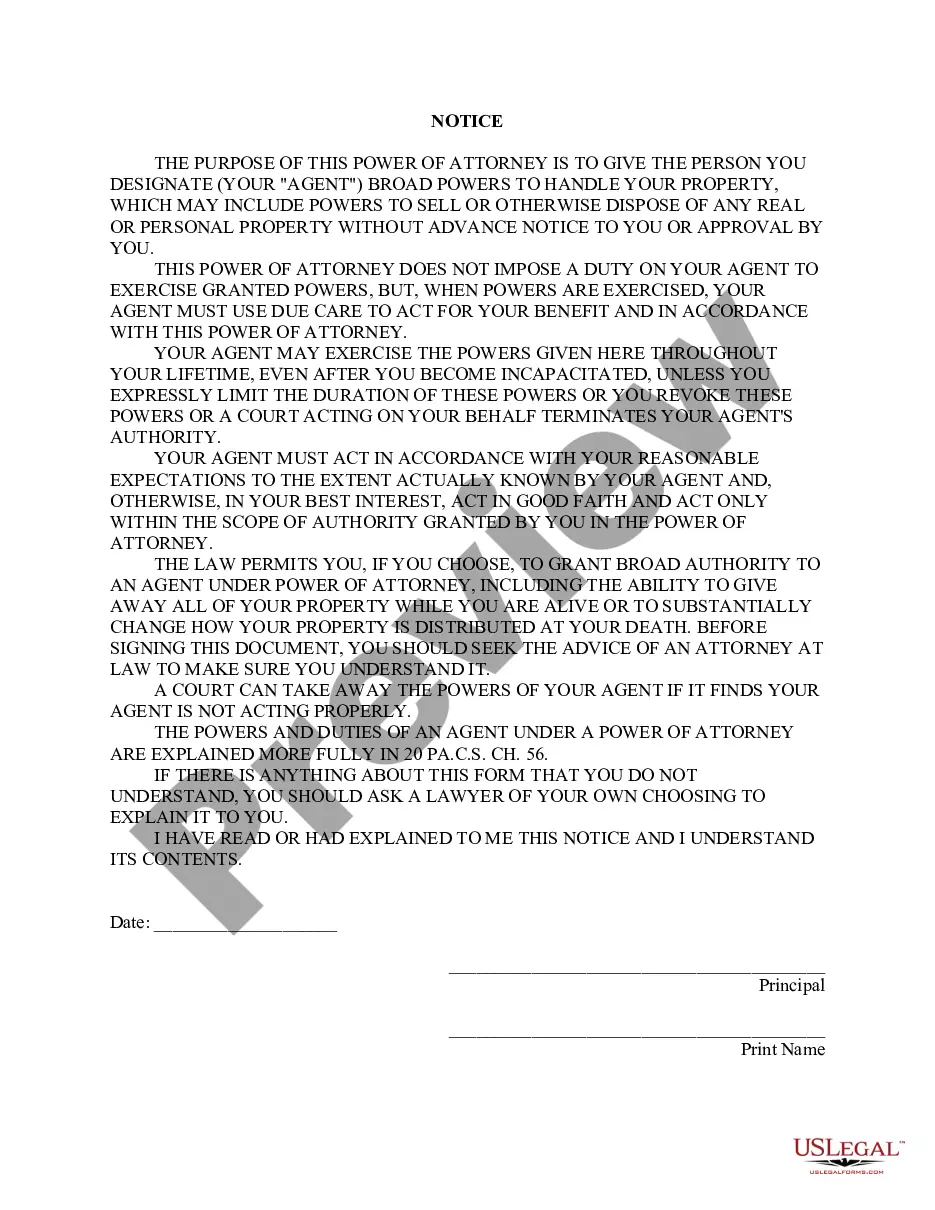
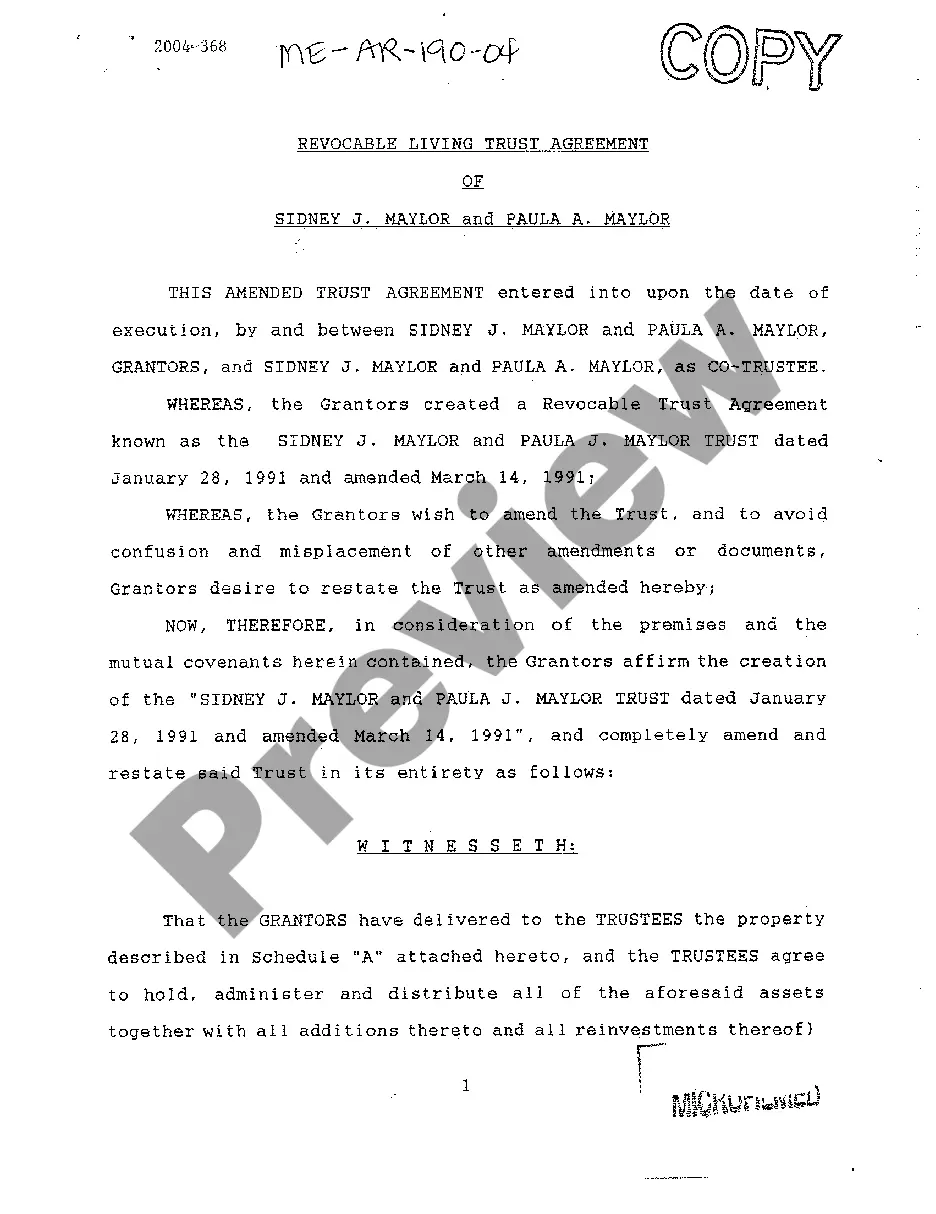
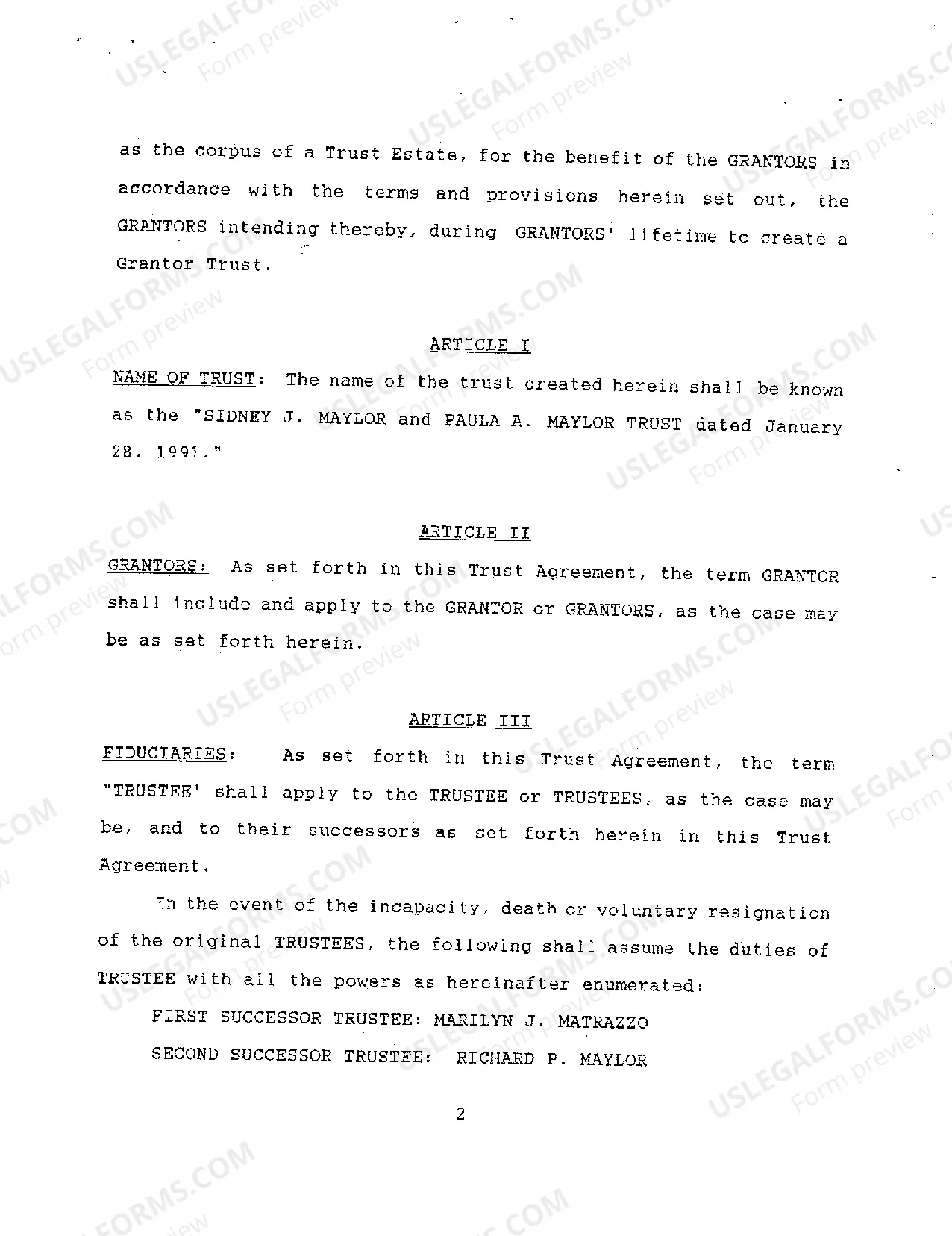
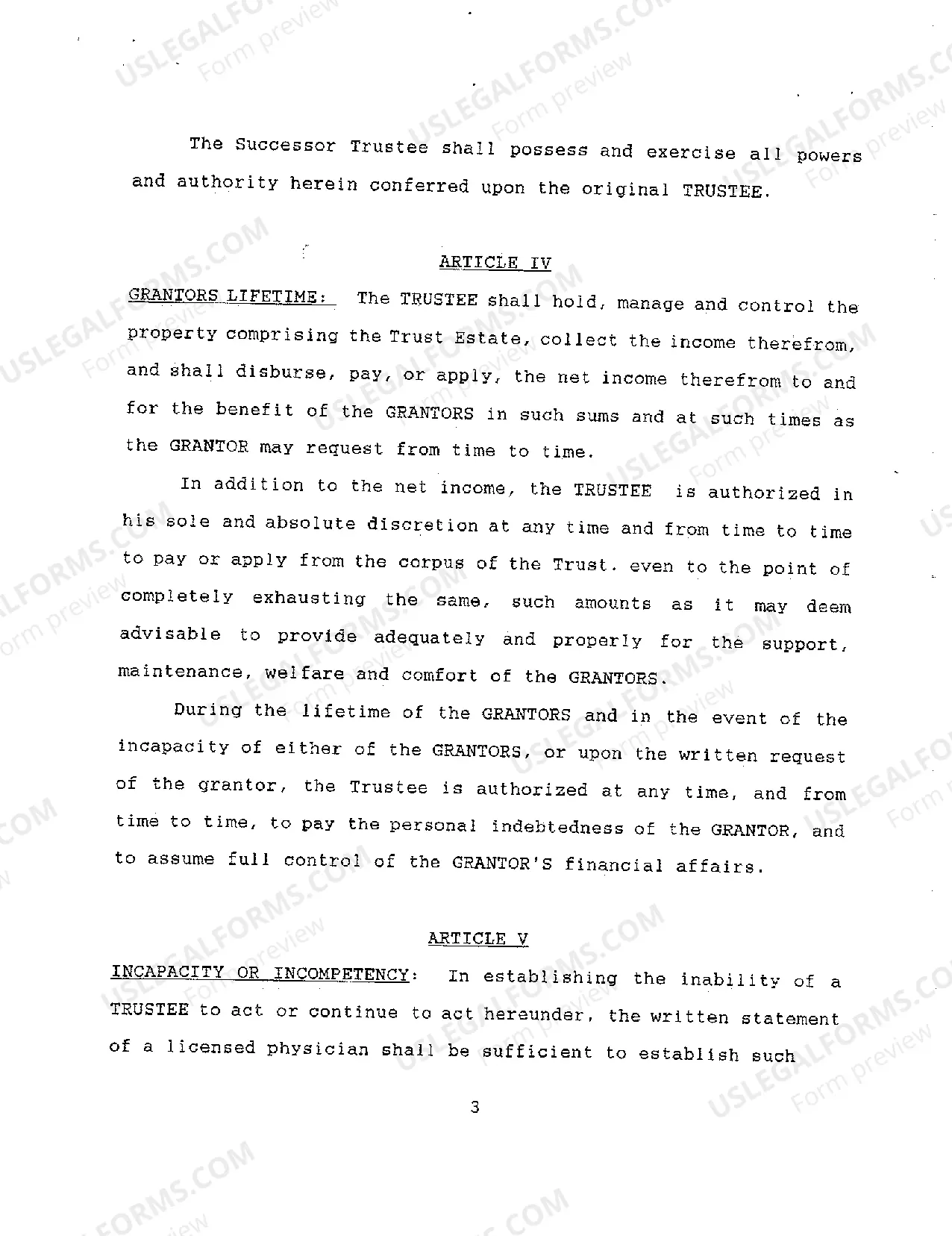
- Examine the document by reading the details using the Preview feature.
Form popularity
FAQ
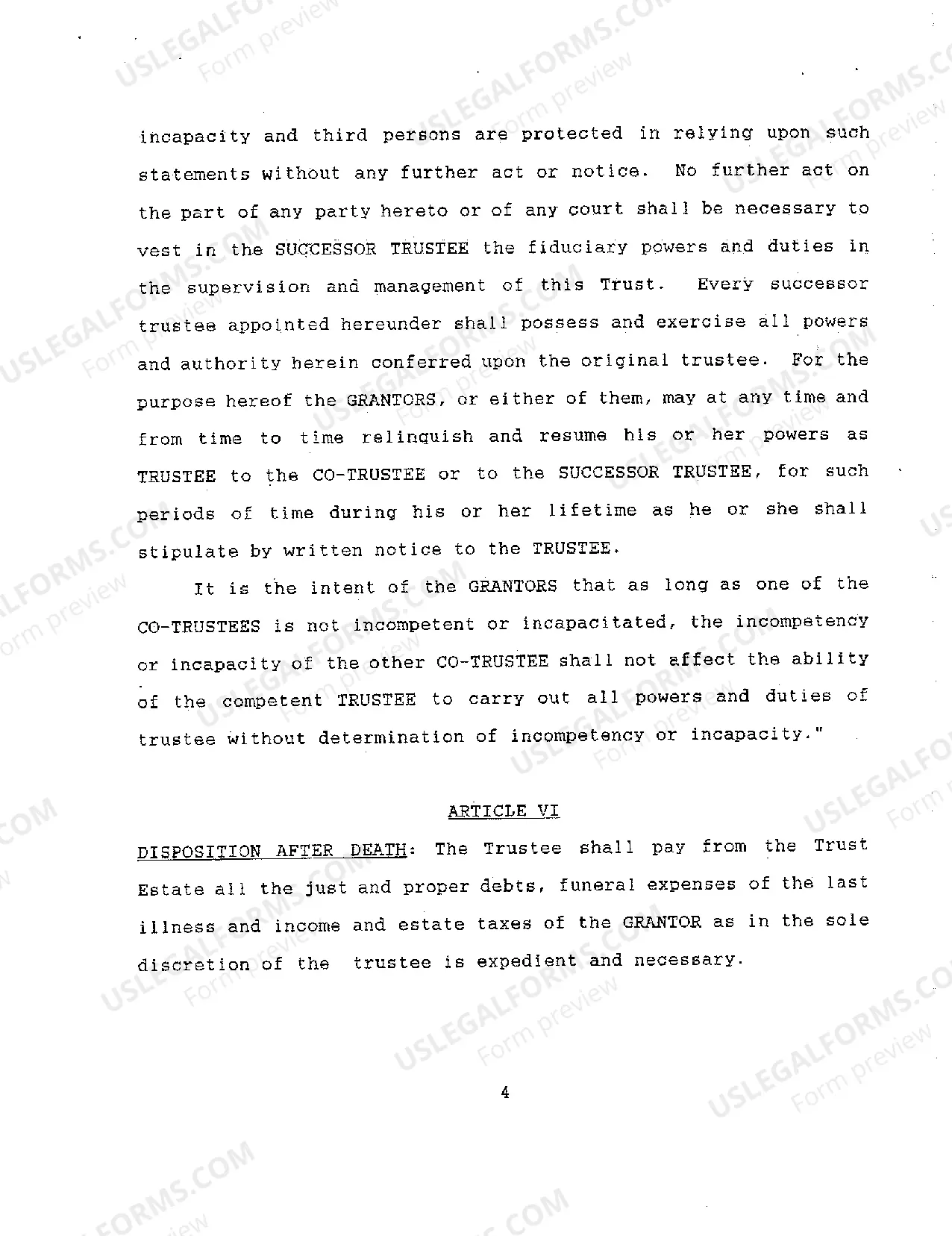
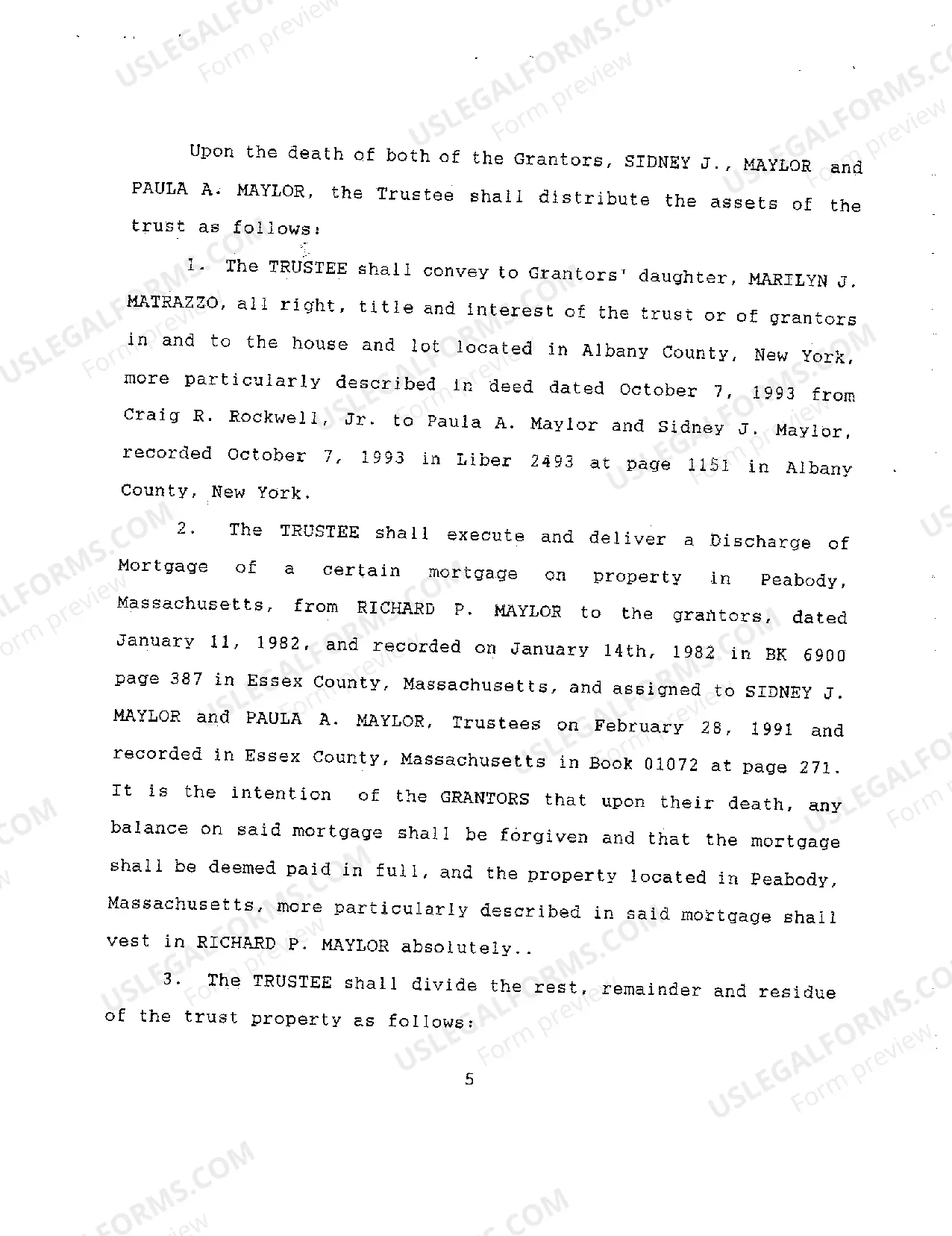
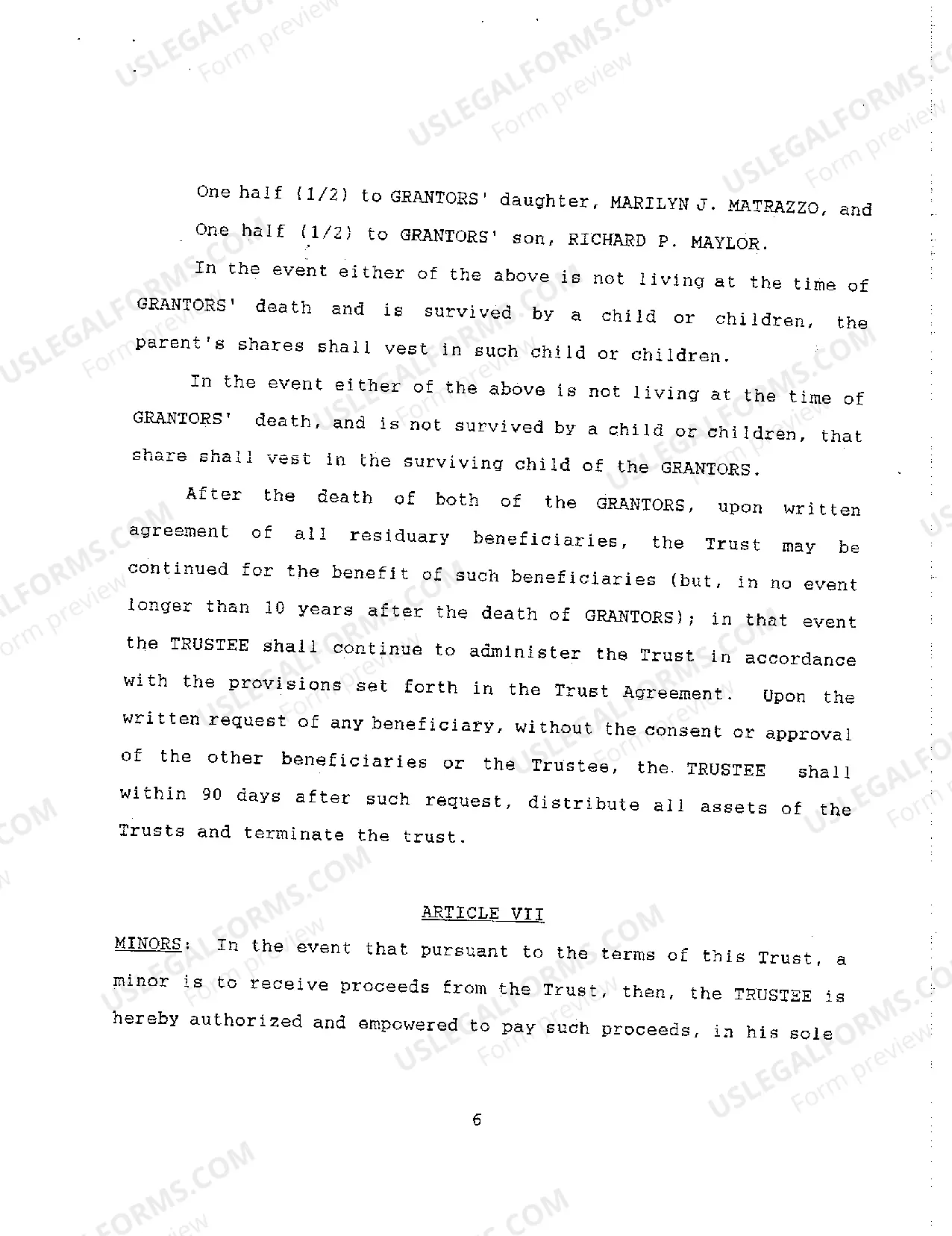
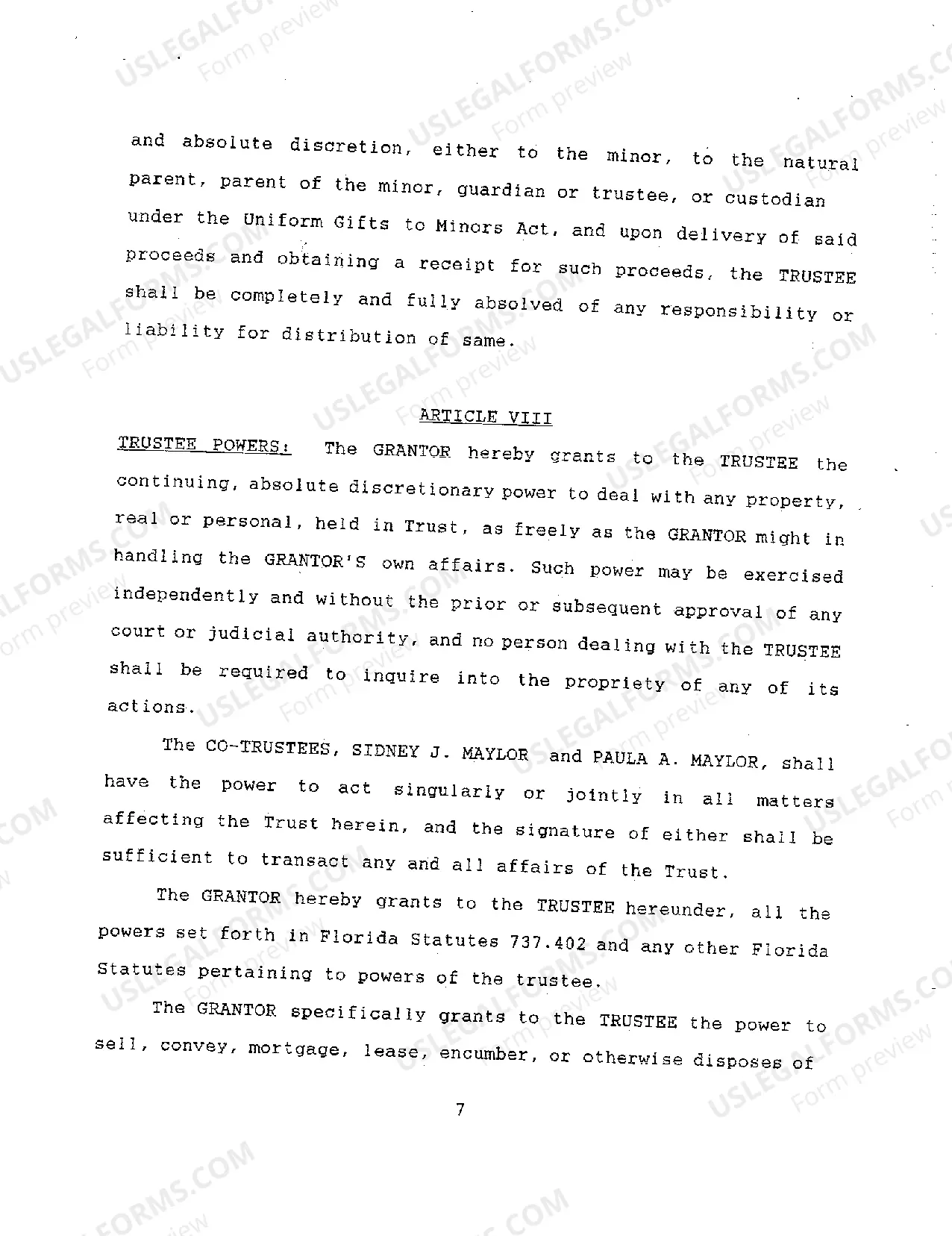
The Revocable Trust creates a legal relationship where there is a written trust agreement. A Trust of this type is often referred to as a Trust under agreement, Grantor Trust, or Living Trust. As its name implies, it is revocable.
As far as the Internal Revenue Service is concerned, trust property belongs to the grantor. The grantor names a trustee to manage the assets, but during their lifetime, most people name themselves in this position. A successor trustee is named to carry on when the grantor dies or becomes incapacitated.
A revocable trust and living trust are separate terms that describe the same thing: a trust in which the terms can be changed at any time.Trusts are also a way to reduce tax burdens and avoid assets going to probate.
At the most basic level, a revocable living trust, also known simply as a revocable trust, is a written document that determines how your assets will be handled after you die.Assets you place in the trust are then transferred to your designated beneficiaries upon your death.
Personal trusts are further divided into either 1) Under Declaration of Trust (U/D/T) meaning the grantor and the trustee are the same person and the grantor controls the trust assets, and 2) Trust Under Agreement (U/A) meaning the grantor and the trustee are different persons and the trustee controls the trust assets.
The basic difference between a testamentary trust and a living trust is really just what it sounds like: A testamentary trust is provided for in a last will and testament, while a living trust is set up during the creator's lifetime. A testamentary trust is sometimes called a "will trust," or a "trust under will."
Revocable trusts are created during the lifetime of the trustmaker and can be altered, changed, modified or revoked entirely. Often called a living trust, these are trusts in which the trustmaker: Transfers the title of a property to a trust. Serves as the initial trustee.
Sure you can write your own revocable living trust. In fact, you can do it better than a lot of the attorneys. First you have to ascertain that you really want a trust.
A revocable living trust is a trust document created by an individual that can be changed over time. Revocable living trusts are used to avoid probate and to protect the privacy of the trust owner and beneficiaries of the trust as well as minimize estate taxes.