Virginia Foundation Contractor Package
Overview of this form package
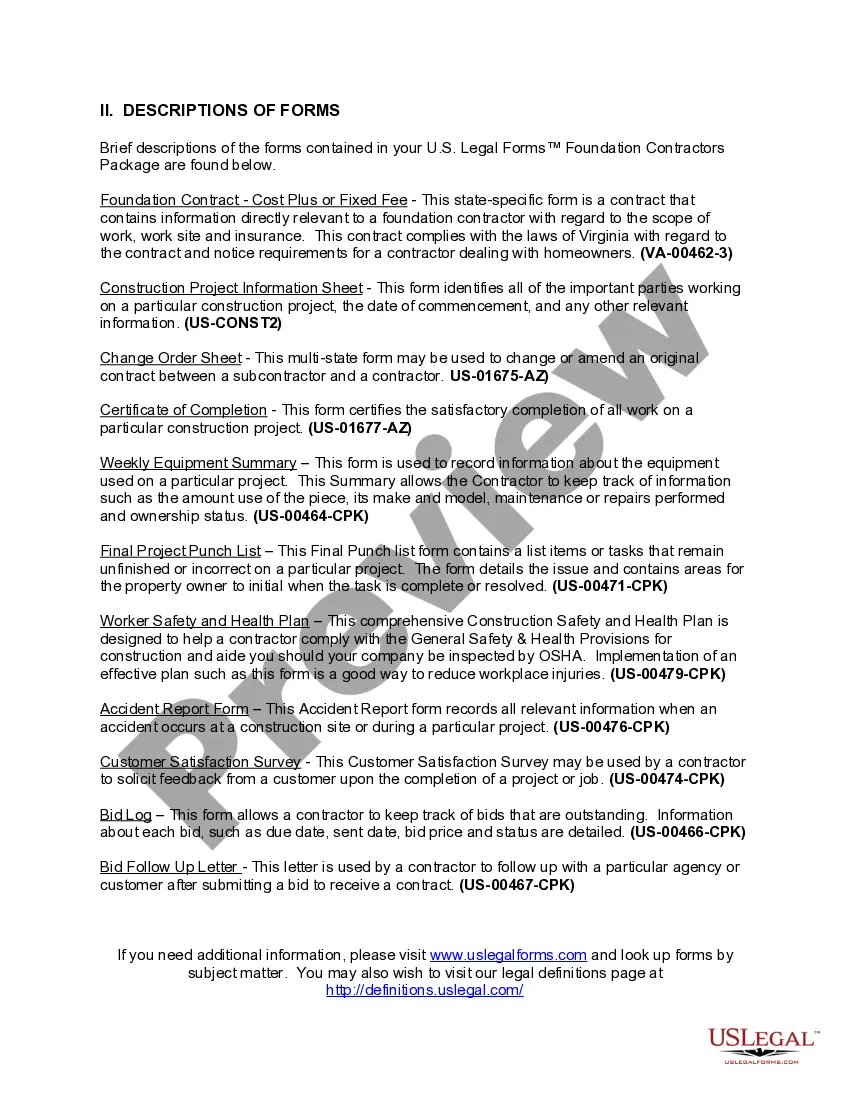
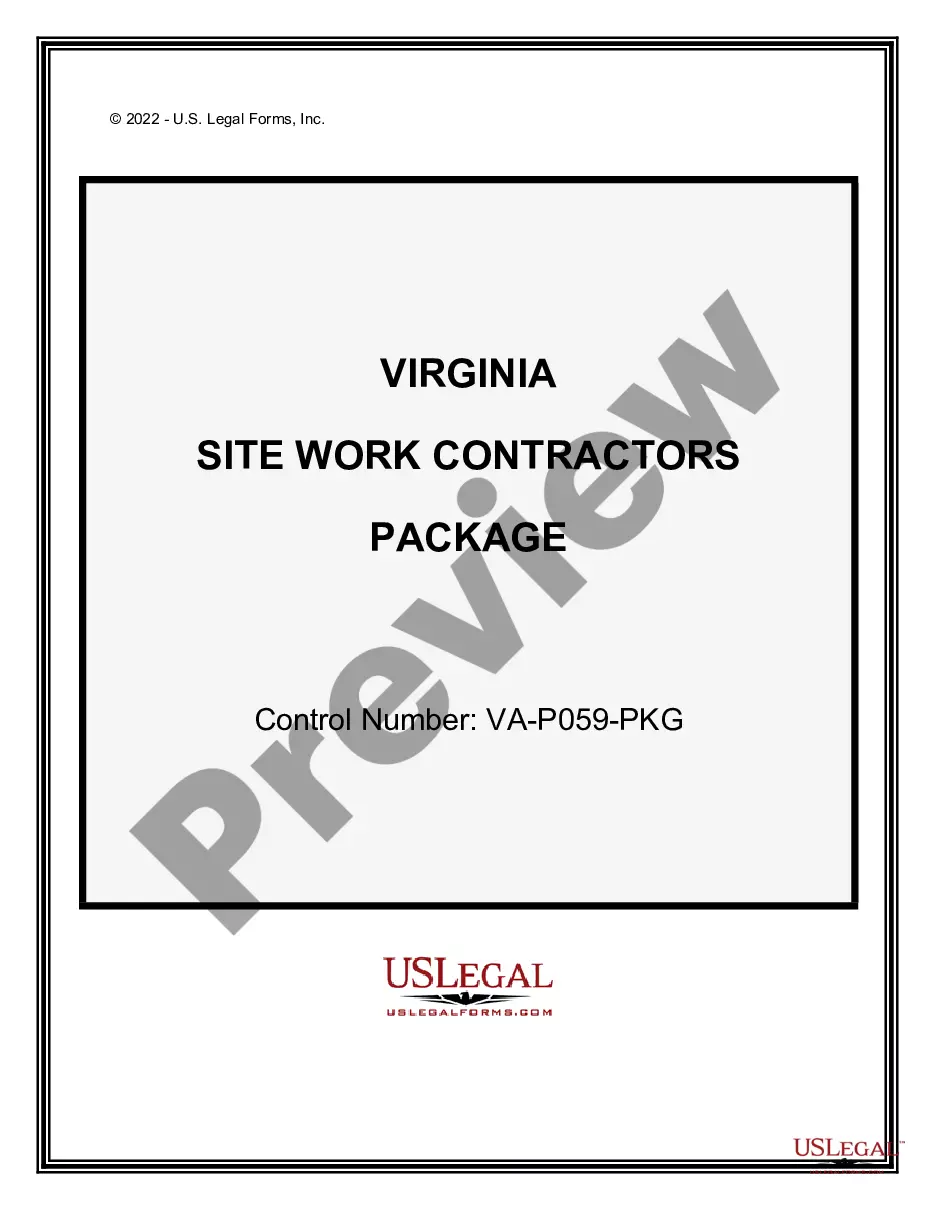
The Virginia Foundation Contractor Package is a comprehensive set of legal documents designed for contractors, homeowners, and subcontractors involved in foundation construction for residential structures. This package includes essential forms, such as a foundation contract compliant with Virginia state law, providing users with tools to assert their legal rights and manage important project-related issues efficiently.
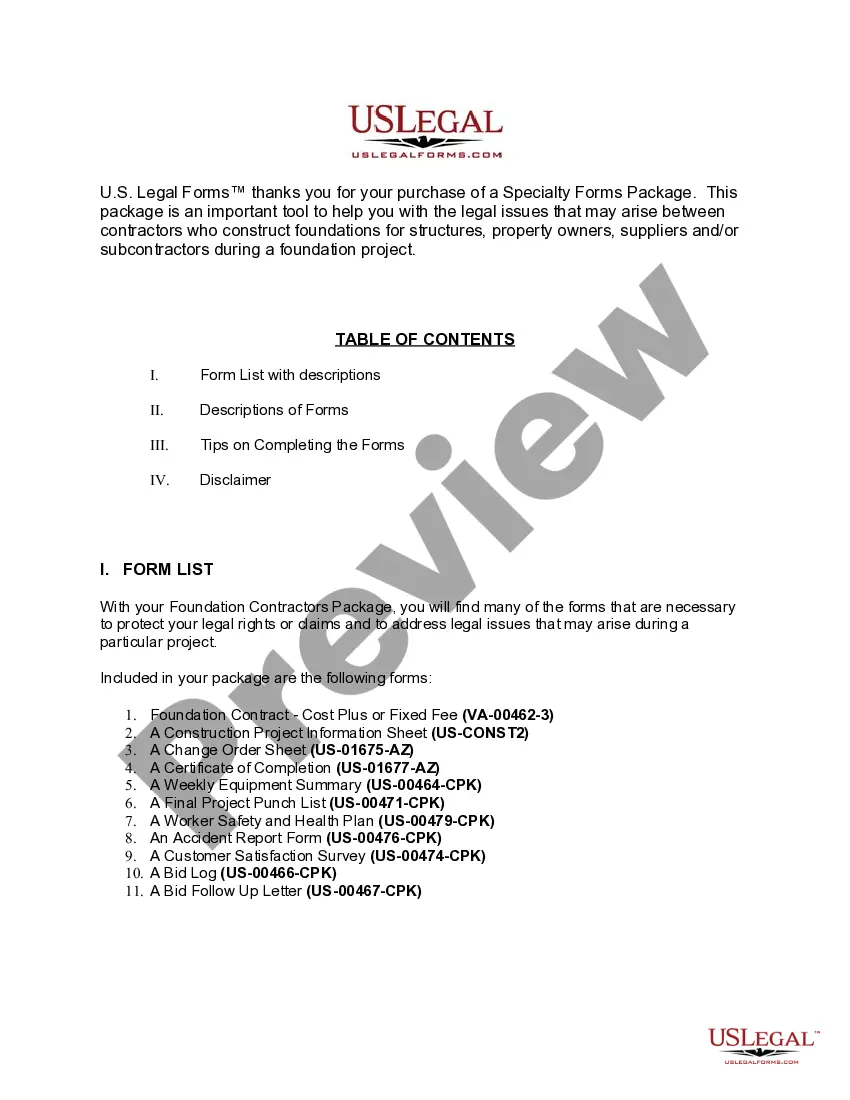
Documents contained in this package
- Foundation Contract for Contractor
- Contractor's Weekly Equipment Summary
- Contractor's Bid Log
- Contractor's Bid Follow Up Letter
- Customer Satisfaction Survey
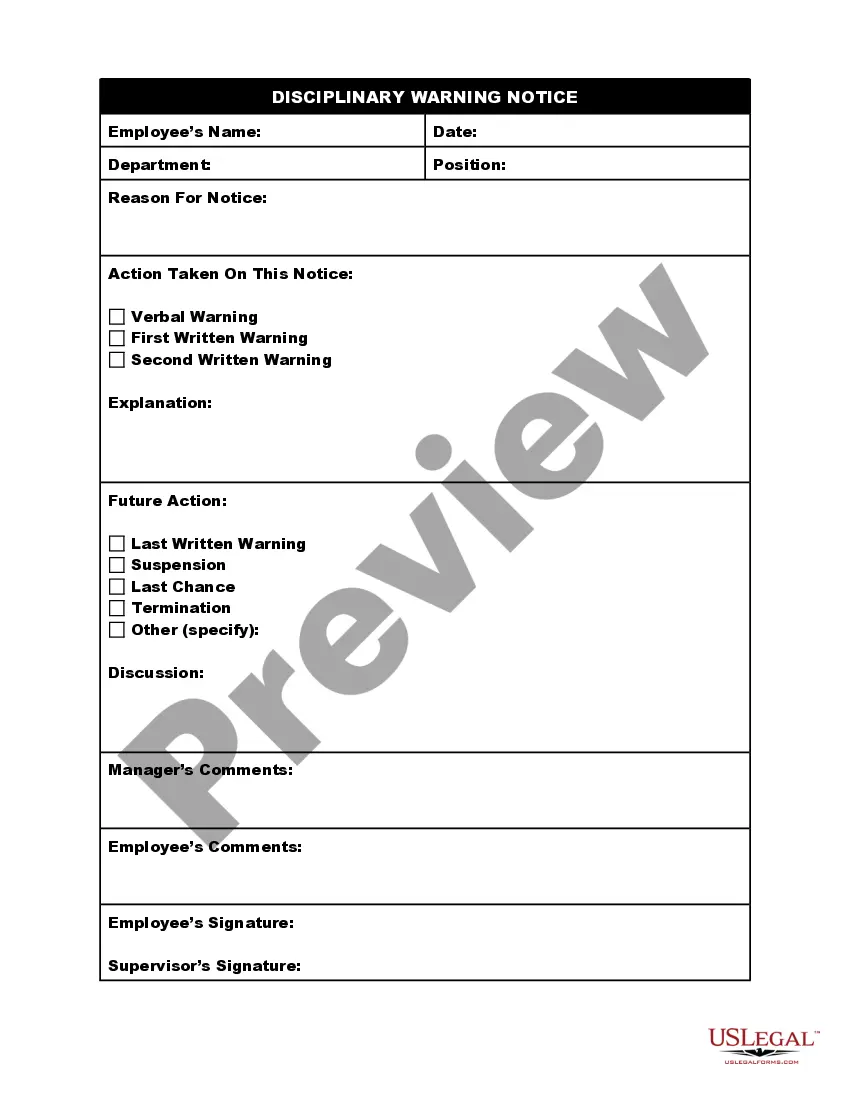
- Construction Accident Report
- Construction Safety and Health Plan
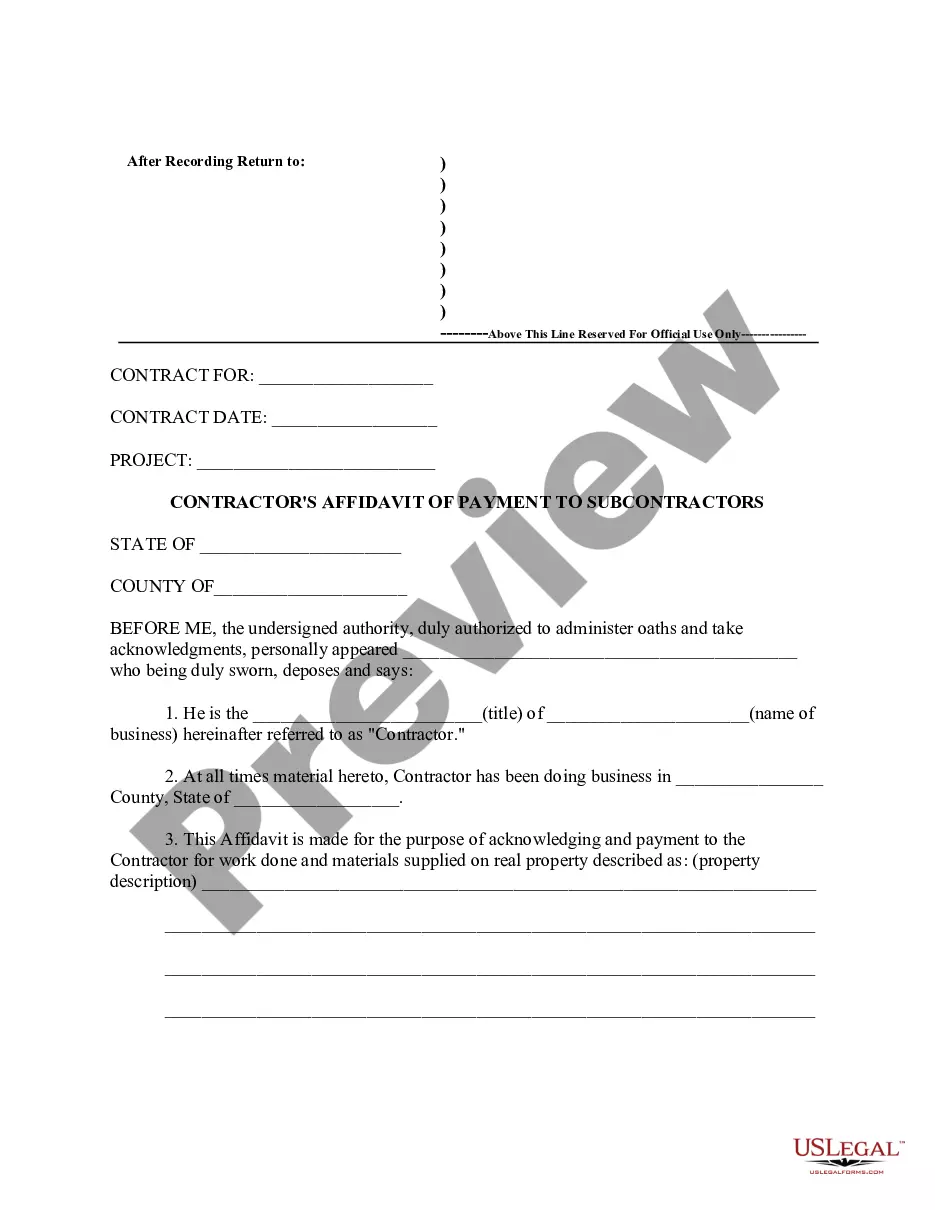
- Change Order for Construction or Repairs by Contractor
- Certification of Completion by Contractor
- Construction Project Information Sheet
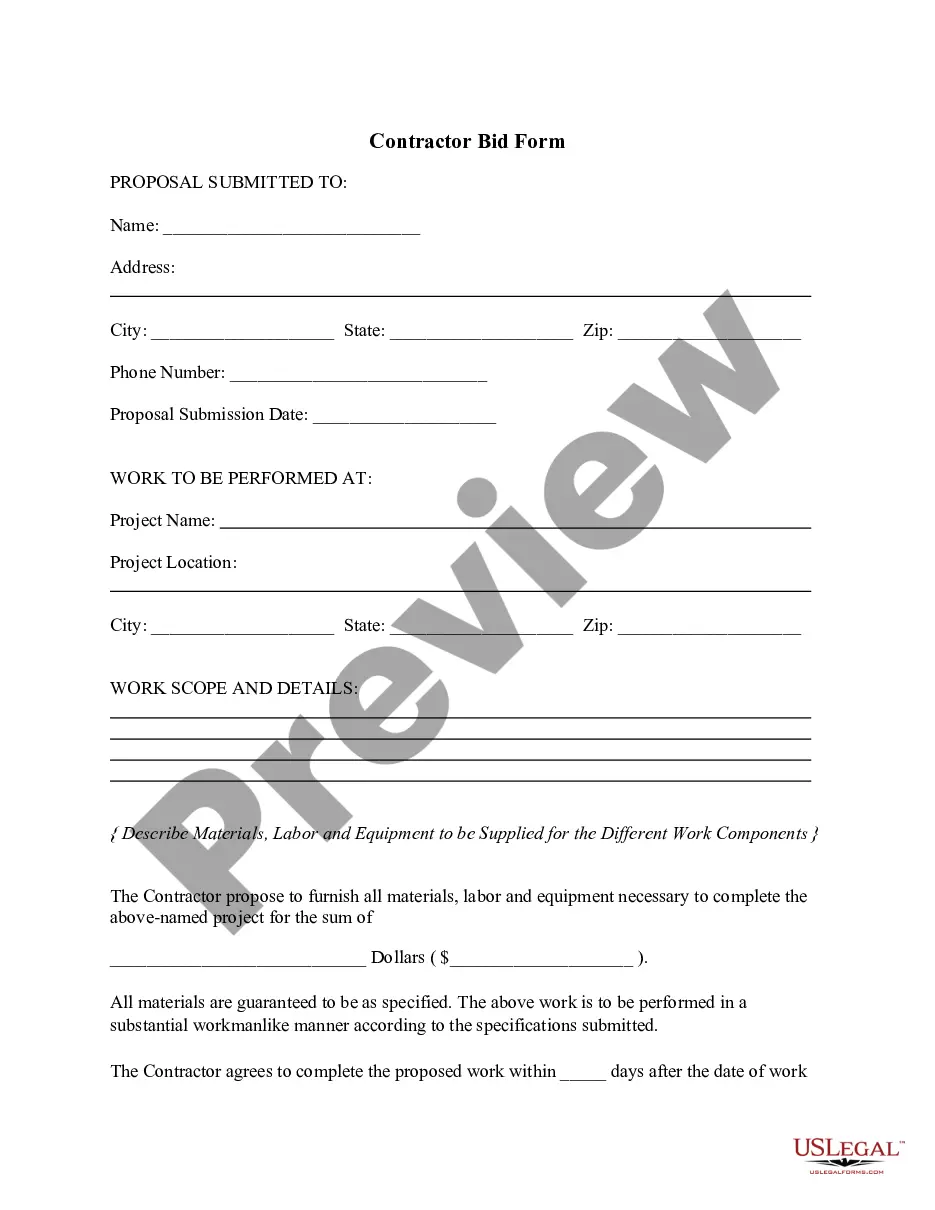
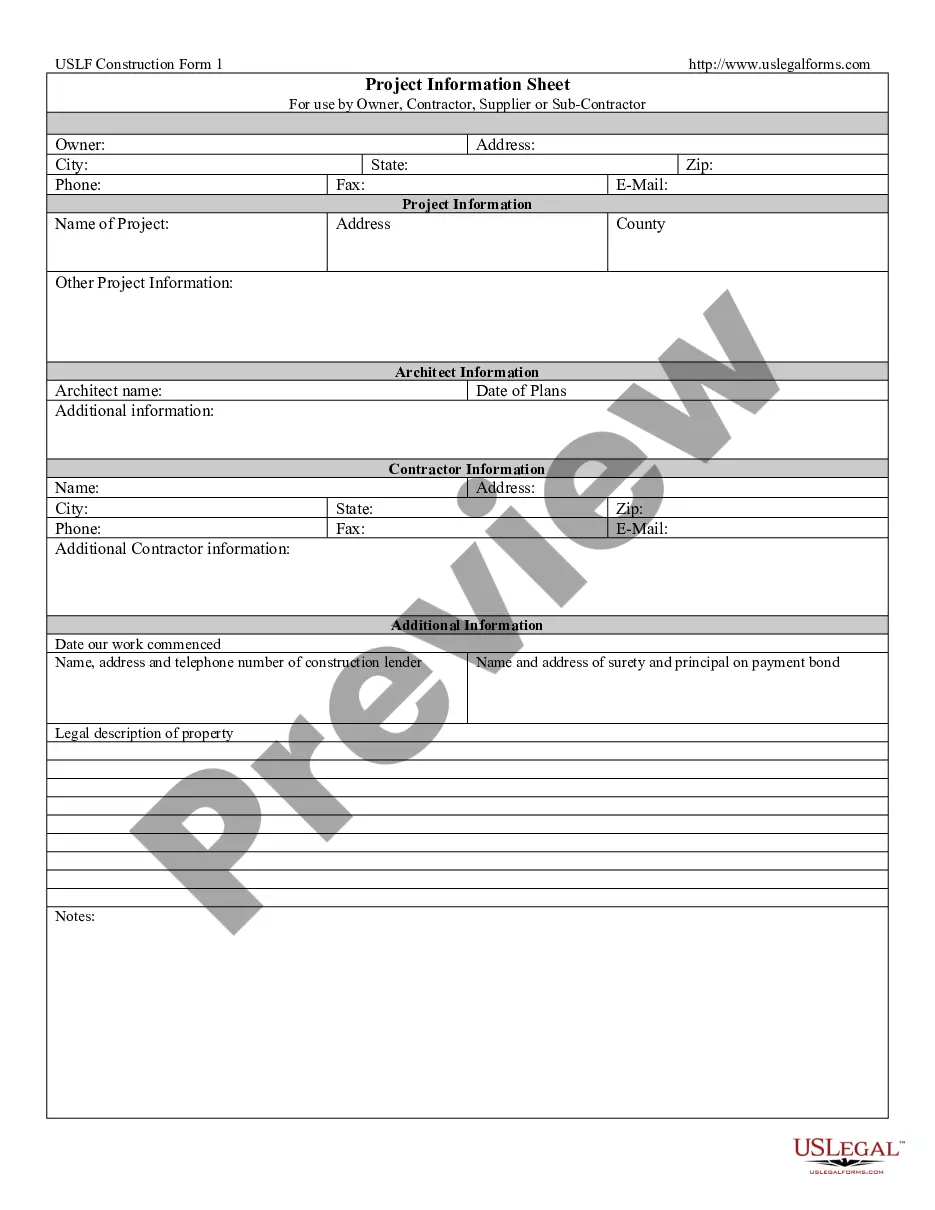
When this form package is needed
This package is valuable in several scenarios, including:
- Beginning a new foundation construction project and needing a clear contract.
- Managing changes to project specifications and agreements through change orders.
- Documenting completion of work and ensuring compliance with safety regulations.
- Collecting customer feedback upon project completion.
- Keeping track of bids and communications with relevant parties.
Who this form package is for
- Contractors engaged in foundation construction.
- Homeowners overseeing foundation projects.
- Subcontractors working under a main contractor.
- Anyone needing to manage foundation-related legal rights and responsibilities.
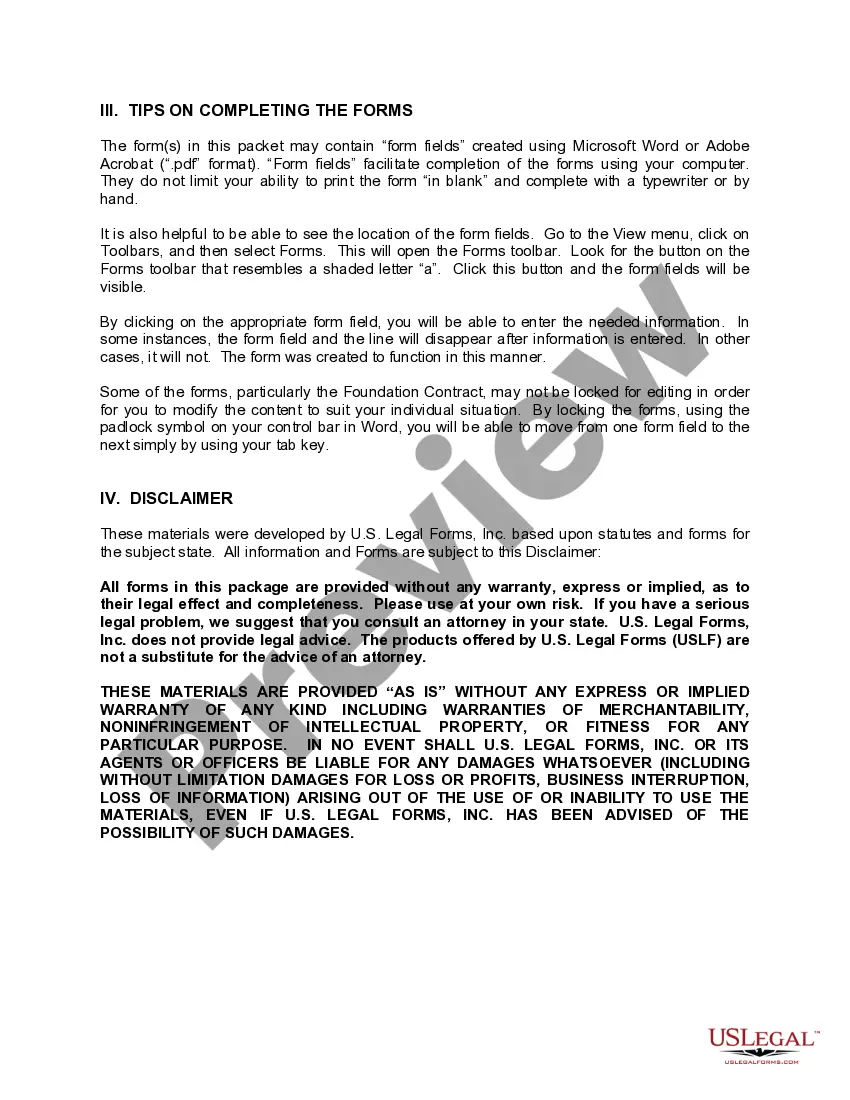
Instructions for completing these forms
- Review each included form and its purpose.
- Identify the parties involved in the construction project.
- Enter relevant information, such as project dates, costs, and necessary signatures.
- Document any changes to the project using the change order sheet.
- Ensure compliance with safety regulations by completing the Worker Safety and Health Plan.
Do forms in this package need to be notarized?
Forms in this package typically do not require notarization unless mandated by local law. However, itâs essential to verify specific legal requirements for your project to ensure compliance.
Get your form ready online
Our built-in tools help you complete, sign, share, and store your documents in one place.
Make edits, fill in missing information, and update formatting in US Legal Forms—just like you would in MS Word.
Download a copy, print it, send it by email, or mail it via USPS—whatever works best for your next step.
Sign and collect signatures with our SignNow integration. Send to multiple recipients, set reminders, and more. Go Premium to unlock E-Sign.
If this form requires notarization, complete it online through a secure video call—no need to meet a notary in person or wait for an appointment.
We protect your documents and personal data by following strict security and privacy standards.

Make edits, fill in missing information, and update formatting in US Legal Forms—just like you would in MS Word.

Download a copy, print it, send it by email, or mail it via USPS—whatever works best for your next step.

Sign and collect signatures with our SignNow integration. Send to multiple recipients, set reminders, and more. Go Premium to unlock E-Sign.

If this form requires notarization, complete it online through a secure video call—no need to meet a notary in person or wait for an appointment.

We protect your documents and personal data by following strict security and privacy standards.
Common mistakes to avoid
- Failing to include all relevant parties in the contract.
- Not updating change orders to reflect current project requirements.
- Neglecting to complete safety plans or accident report forms.
- Overlooking customer feedback after project completion.
Benefits of completing this package online
- Immediate access to all required forms without delay.
- Editability allows customization to specific project needs.
- Reliable legal documents crafted by licensed attorneys.
- Cost-effective solution for managing construction documentation.
Legal use & context
- These forms are designed to meet Virginia's legal standards and may not be valid in other jurisdictions.
- Accuracy and completeness are crucial for the enforceability of contracts and other documents.
- Consulting an attorney is advisable for complex legal issues arising from your project.
Main things to remember
- The Virginia Foundation Contractor Package provides essential legal documents for managing foundation construction projects.
- This package is designed specifically for compliance with Virginia laws, ensuring legal protections for all parties involved.
- Utilizing this package enhances organization and reduces the risk of legal disputes in construction projects.
Looking for another form?

Form popularity
FAQ
Any project exceeding 1000 dollars requires a class c contractor license.I know several flippers in VA and most of them do not have licenses of any kind. They bid out almost every job to licensed and insured contractors when flipping houses. Finally, you do not need to have a real estate license to flip houses.
Do I really need to get a business license in Virginia? Yes! It's true that a lot of self-employed individuals, particularly those who work from home, never get a state or local Virginia business license.
Concrete slabs can be constructed very easily and are cheaper than pier and beam foundations. However, you should know that repairing and maintaining a concrete slab can be more expensive in the long run than taking care of a pier and beam foundation.
PSA: Performing Construction Work in Virginia Requires a Contractor's License.However, the risk is great for the unlicensed subcontractor or contractor even where they hold a license from another state. These risks run from non-payment due to a lack of license to the inability to record a mechanic's lien.
There are so many factors to consider when figuring cost, it's hard to give a number without knowing the issue, but the average cost to repair your foundation lies between $1,300 and $1,500 per pier and $600 per 10' crack, with most homeowners paying an average price of $5,000 to repair their foundations.
Operating without a required contractor's license is a criminal class one misdemeanor. There can be DPOR civil penalties. Operating without a required contractor license would be a violation of the Virginia Consumer Protection Act. This is a very legitimate police power by the state.
Sinking Foundation Repair Cost Small amounts of foundation sinking can usually be fixed with mudjacking, also called slabjacking. This minor repair will cost around $1,000, and it could be a permanent solution.
The piers that foundation repair companies use are comparable to pencils holding up your desk. These foundation piers do work to level your house but my point is whatever is causing your foundation to move, don't you think that same force will eventually move those piers? The answer is yes.