Construction Accident Report
Overview of this form
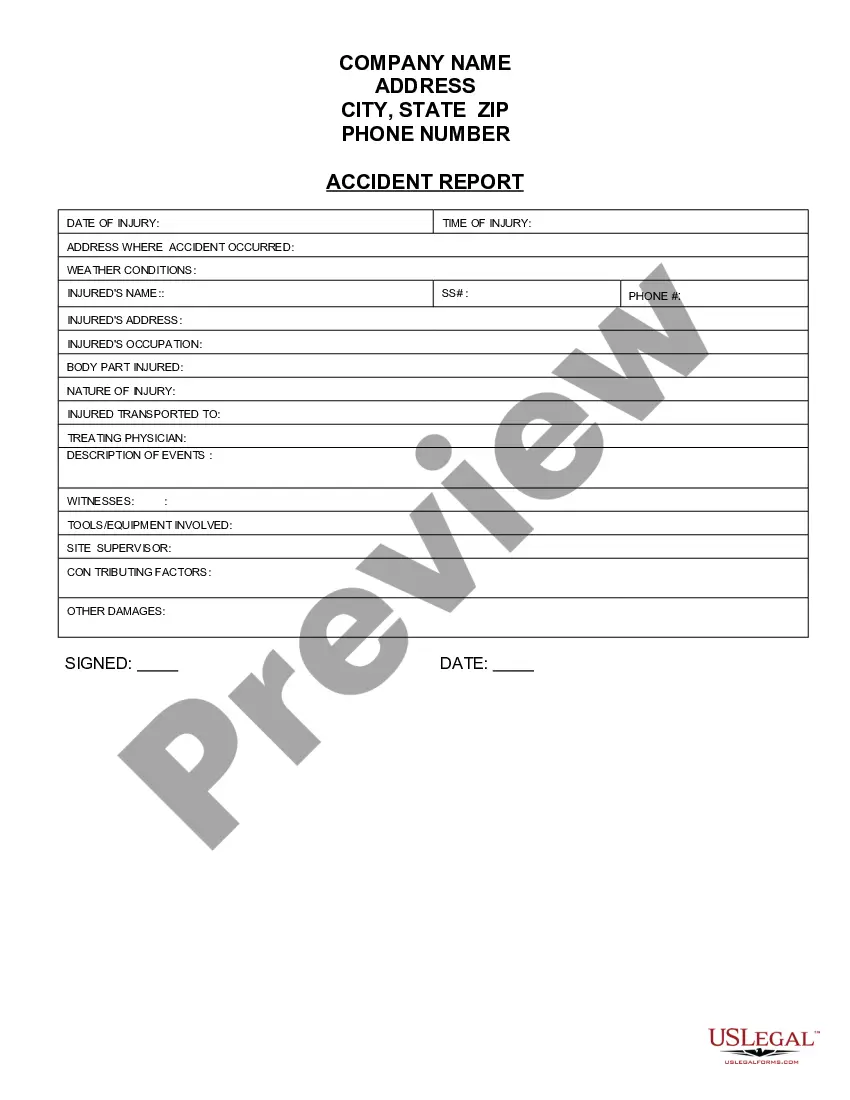
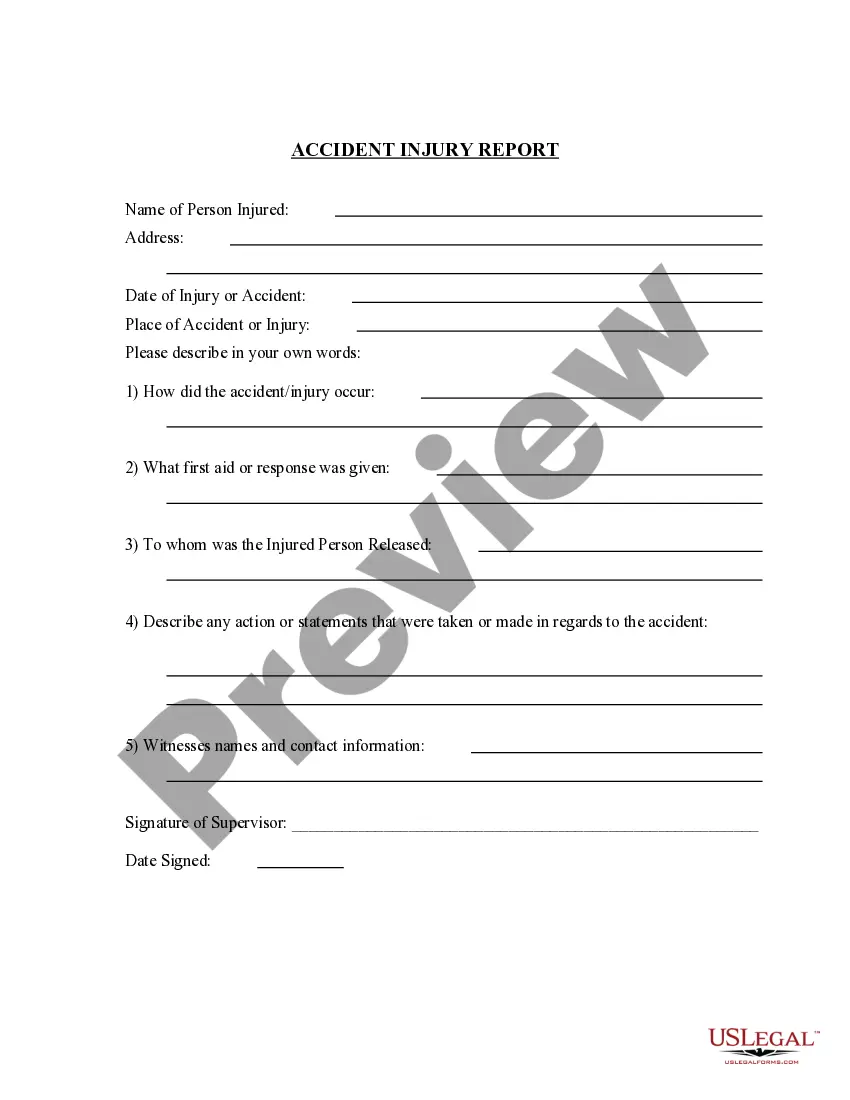
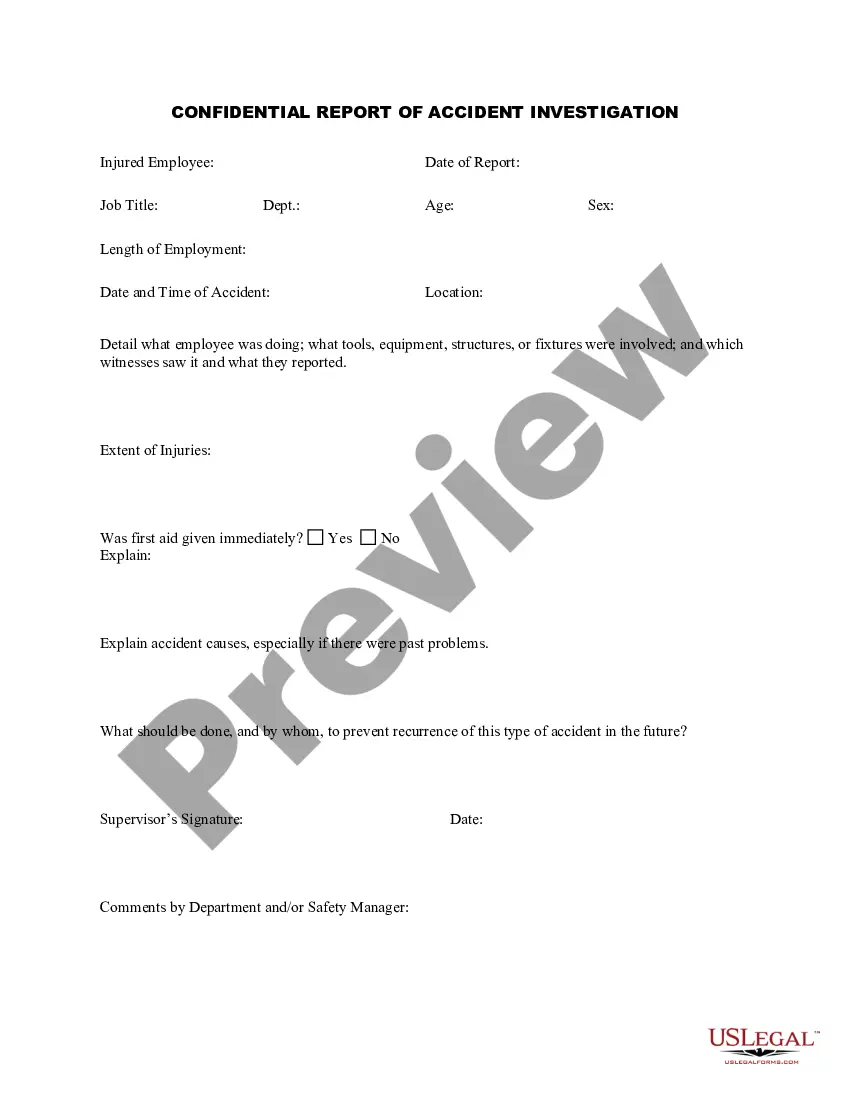
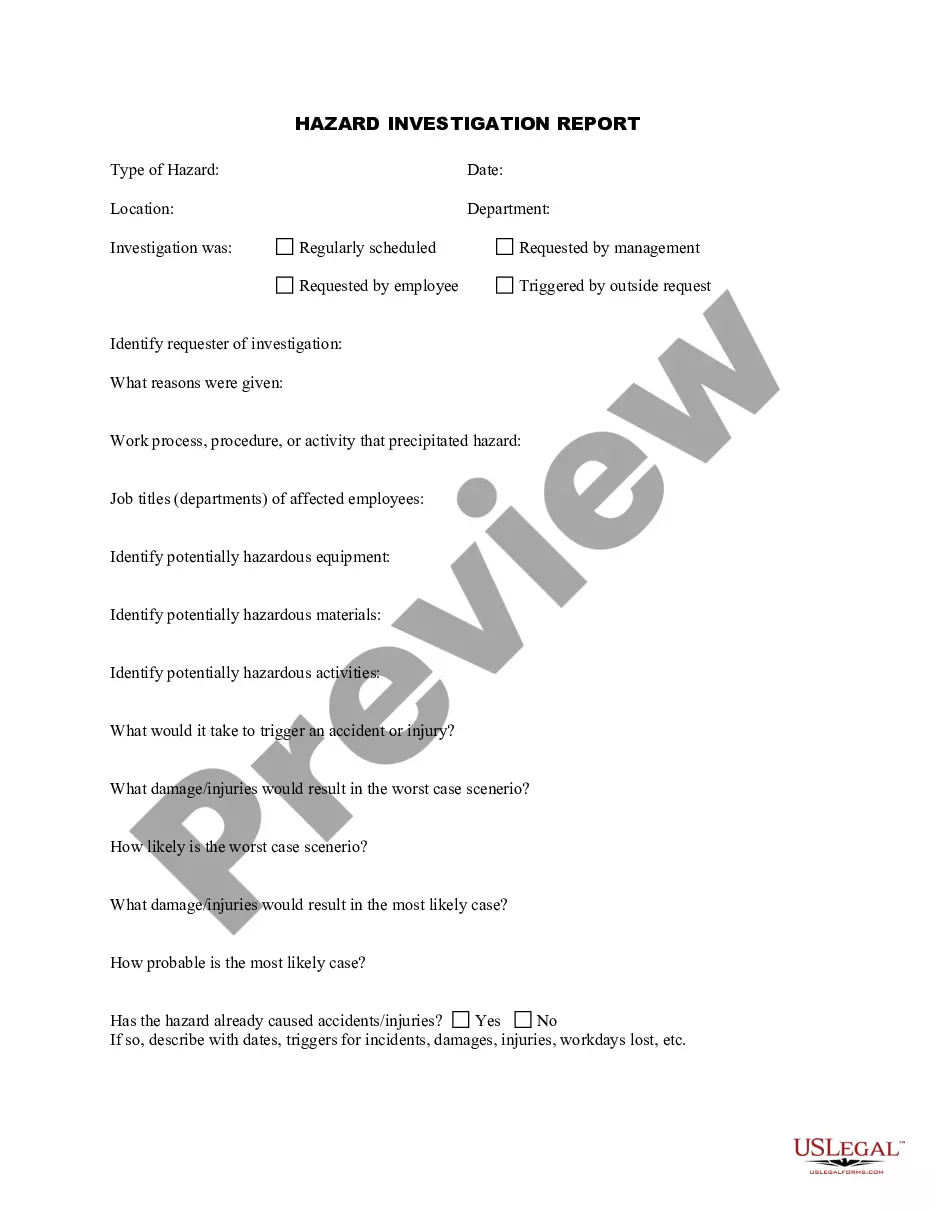
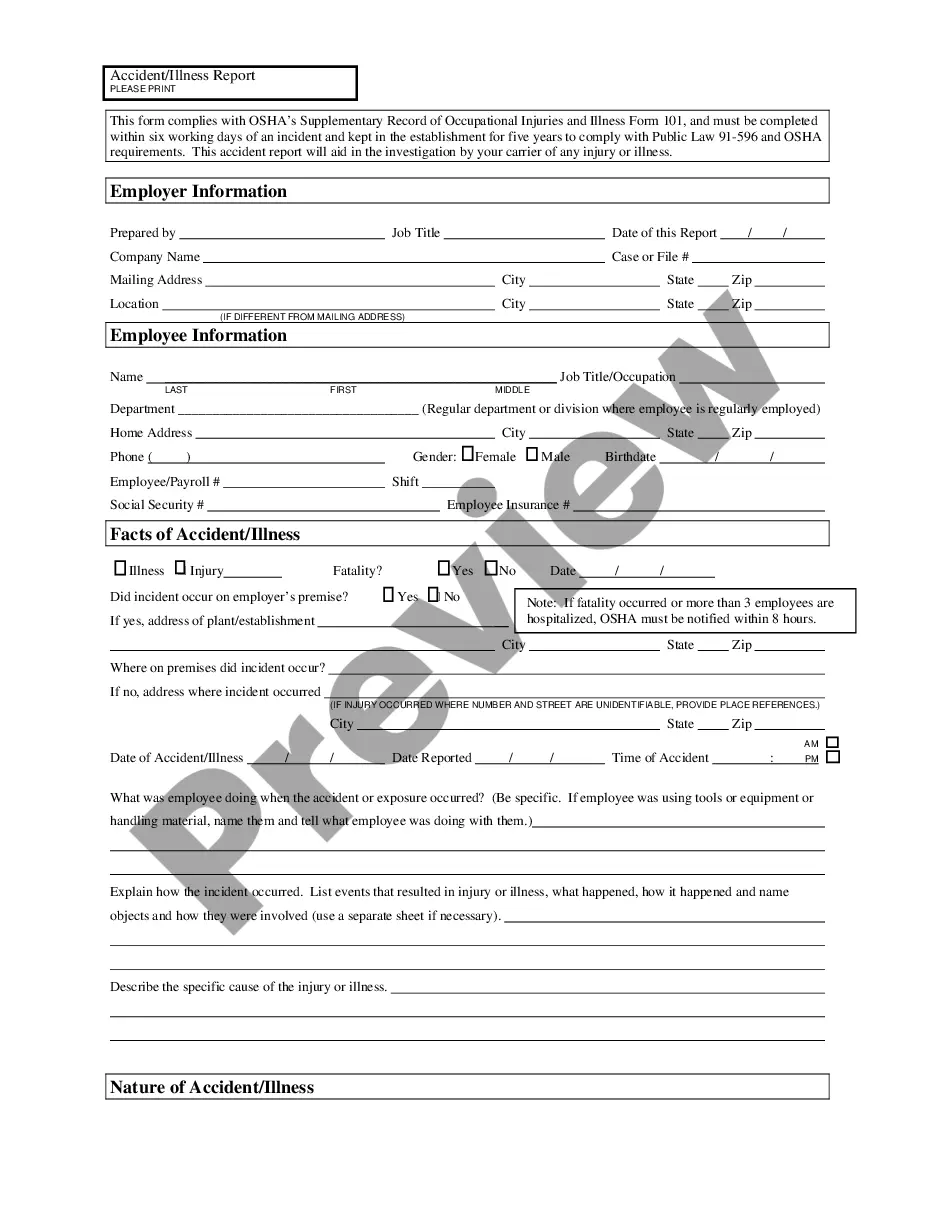
The Construction Accident Report is a vital document designed to capture all pertinent details regarding accidents that occur at construction sites. This form serves to document incidents in an organized manner, ensuring compliance and safety regulations are met. Unlike other accident reports, this form is specifically tailored for the construction industry, incorporating unique elements relevant to construction-related hazards and protocols.
Key parts of this document
- Date and time of the accident
- Location of the incident
- Names and contact information of affected individuals
- Detailed description of the accident
- Witness statements and contact details
- Signature fields for authorized personnel

Situations where this form applies
This form should be used whenever an accident occurs on a construction site, regardless of its severity. It is essential for documenting incidents that could lead to insurance claims, regulatory inspections, or legal proceedings. Using this report immediately after an incident helps capture the most accurate details while they are still fresh.
Who can use this document
The Construction Accident Report is intended for:
- Site supervisors and foremen
- Safety officers and managers
- Workers involved in the accident
- Human resources personnel
- Legal representatives handling workplace incidents
Instructions for completing this form
- Enter the date and time of the accident.
- Specify the location where the incident occurred.
- Collect names and contact information from all individuals involved.
- Provide a detailed description of the accident, including causes and effects.
- Obtain witness statements and their contact details.
- Ensure authorized personnel sign the report for validation.
Notarization guidance
This form does not typically require notarization unless specified by local law. However, some jurisdictions may have specific regulations concerning the validation of accident reports. It's advisable to check state requirements for notarization.
Get your form ready online
Our built-in tools help you complete, sign, share, and store your documents in one place.
Make edits, fill in missing information, and update formatting in US Legal Forms—just like you would in MS Word.
Download a copy, print it, send it by email, or mail it via USPS—whatever works best for your next step.
Sign and collect signatures with our SignNow integration. Send to multiple recipients, set reminders, and more. Go Premium to unlock E-Sign.
If this form requires notarization, complete it online through a secure video call—no need to meet a notary in person or wait for an appointment.
We protect your documents and personal data by following strict security and privacy standards.

Make edits, fill in missing information, and update formatting in US Legal Forms—just like you would in MS Word.

Download a copy, print it, send it by email, or mail it via USPS—whatever works best for your next step.

Sign and collect signatures with our SignNow integration. Send to multiple recipients, set reminders, and more. Go Premium to unlock E-Sign.

If this form requires notarization, complete it online through a secure video call—no need to meet a notary in person or wait for an appointment.

We protect your documents and personal data by following strict security and privacy standards.
Mistakes to watch out for
- Failing to include all relevant details of the accident.
- Omitting witness contact information.
- Not obtaining signatures from authorized personnel.
- Using unclear or vague language in the accident description.
Benefits of using this form online
- Convenient access from any device.
- Editable format ensures you can tailor it to your needs.
- Reliable documentation for record-keeping and compliance.
Legal use & context
- This form can serve as an official document in investigations and legal proceedings.
- Accurate completion can provide protection against potential liability claims.
- It helps ensure compliance with workplace safety regulations mandated by state and federal law.
Main things to remember
- The Construction Accident Report is vital for documenting workplace incidents.
- Completing the report quickly and thoroughly is essential for legal and safety reasons.
- All parties involved in an incident should understand their roles in completing the form.
Looking for another form?
Form popularity
FAQ
The date and time on which it occurred. The person who was injured. Any witnesses. The type and nature of the injuries sustained. The cause and full circumstances of the accident.
Date, time, and location of the incident. Names of everyone involved, including witnesses. Events that led up to the incident. Environmental conditions. Circumstances. Specific injuries. Damage to equipment or area.
The incident report for an accident or injury such as a fall should include the following information: Circumstances of the incident. Date, time, and location of fall, and during which shift and on what unit the fall occurred. Witnesses', staff members', and resident's accounts of the incident.
The definition of an incident is something that happens, possibly as a result of something else. An example of incident is seeing a butterfly while taking a walk. An example of incident is someone going to jail after being arrested for shoplifting. An event or occurrence.
The date and time on which it occurred. The person who was injured. Any witnesses. The type and nature of the injuries sustained. The cause and full circumstances of the accident.
Describe How the Accident Happened Include every detail of what you saw and heard and felttwists, blows, and shocks to your body immediately before, during, and right after the accident. Also include anything you remember hearing anyonea person involved in the accident or a witnesssay about the accident.
The name, gender, date of birth and job title of the injured party; The date the accident happened; The date the accident was reported; The name and job title of the person logging the accident; Whether or the not the injured party is an expectant mother; and.
Date, time, and specific location of incident. Names, job titles, and department of employees involved and immediate supervisor(s) Names and accounts of witnesses. Events leading up to incident. Exactly what employee was doing at the moment of the accident.
Date, time and specific location of incident. Names, job titles and department of employees involved and immediate supervisors. Names and accounts of witnesses. Events leading up to incident. Specifically what the employee was doing at the moment of the accident.