Ohio Commercial Contractor Package
Understanding this form package
The Ohio Commercial Contractor Package is a comprehensive set of legal documents designed specifically for commercial contractors, owners, suppliers, and subcontractors involved in construction projects in Ohio. This package enables users to assert their legal rights and navigate important legal matters that arise during construction without addressing home construction specifics. At its core, it includes a commercial construction contract, along with several essential supporting forms for proper project management and documentation.
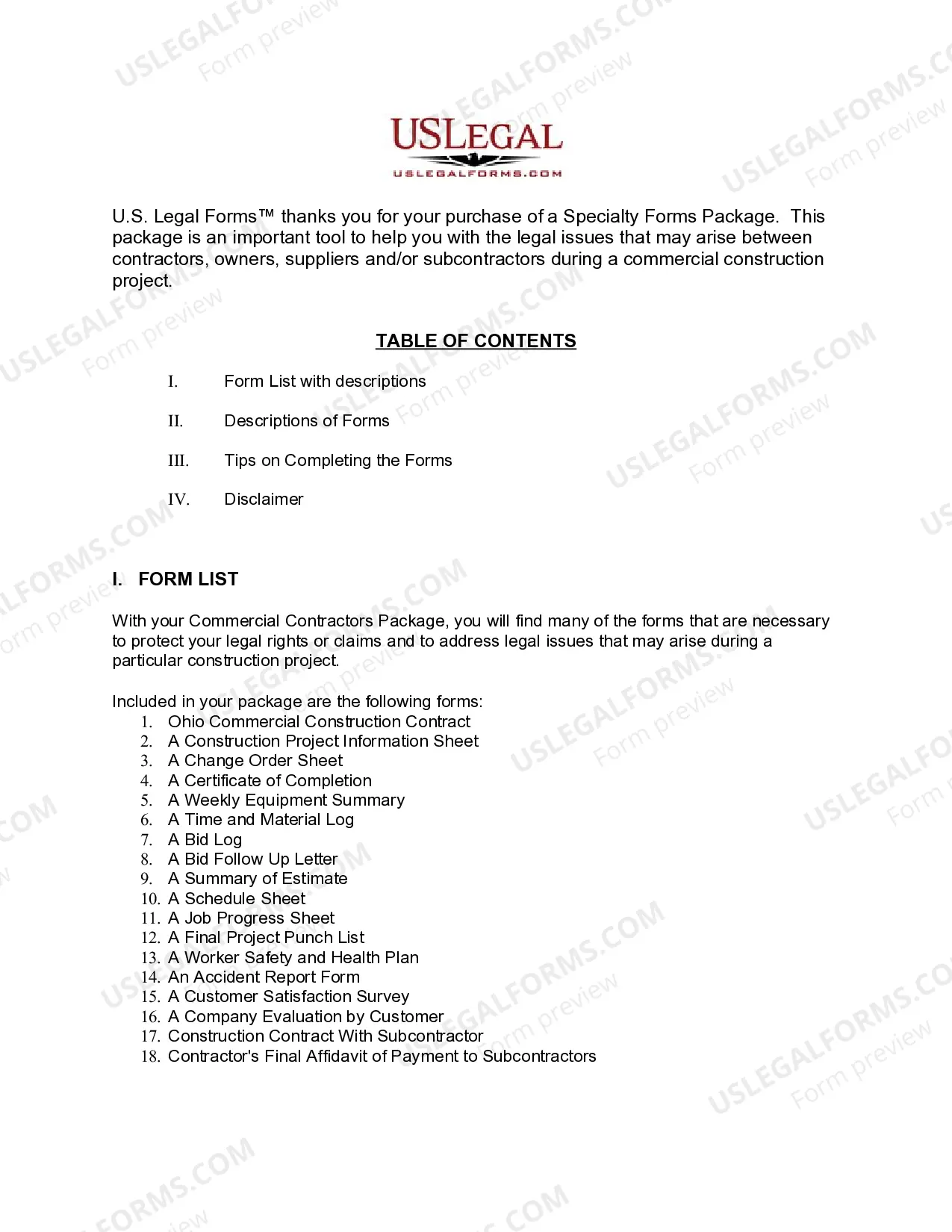
Forms you’ll find in this package
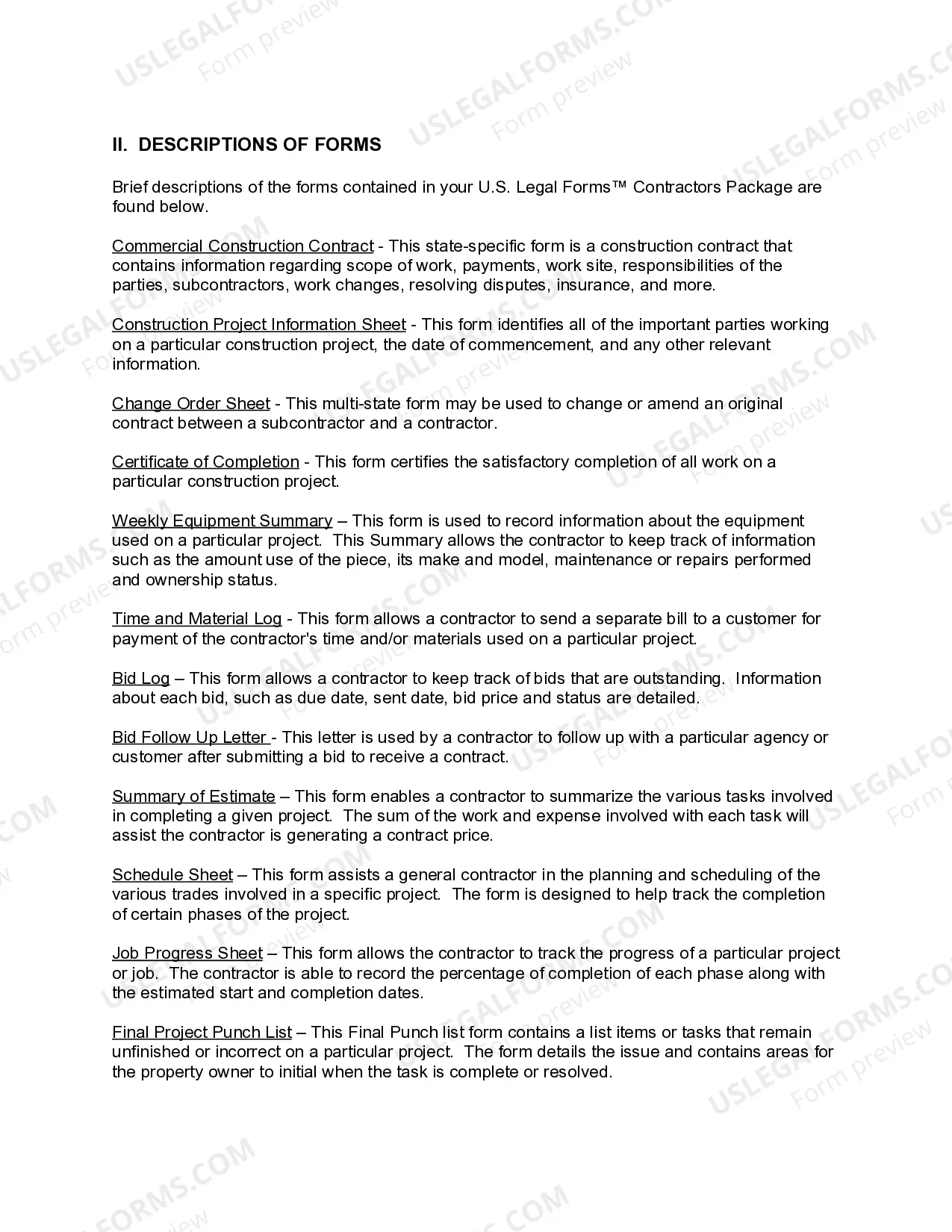
- Commercial Contract for Contractor
- Contractor's Weekly Equipment Summary
- Contractor's Time and Materials Log
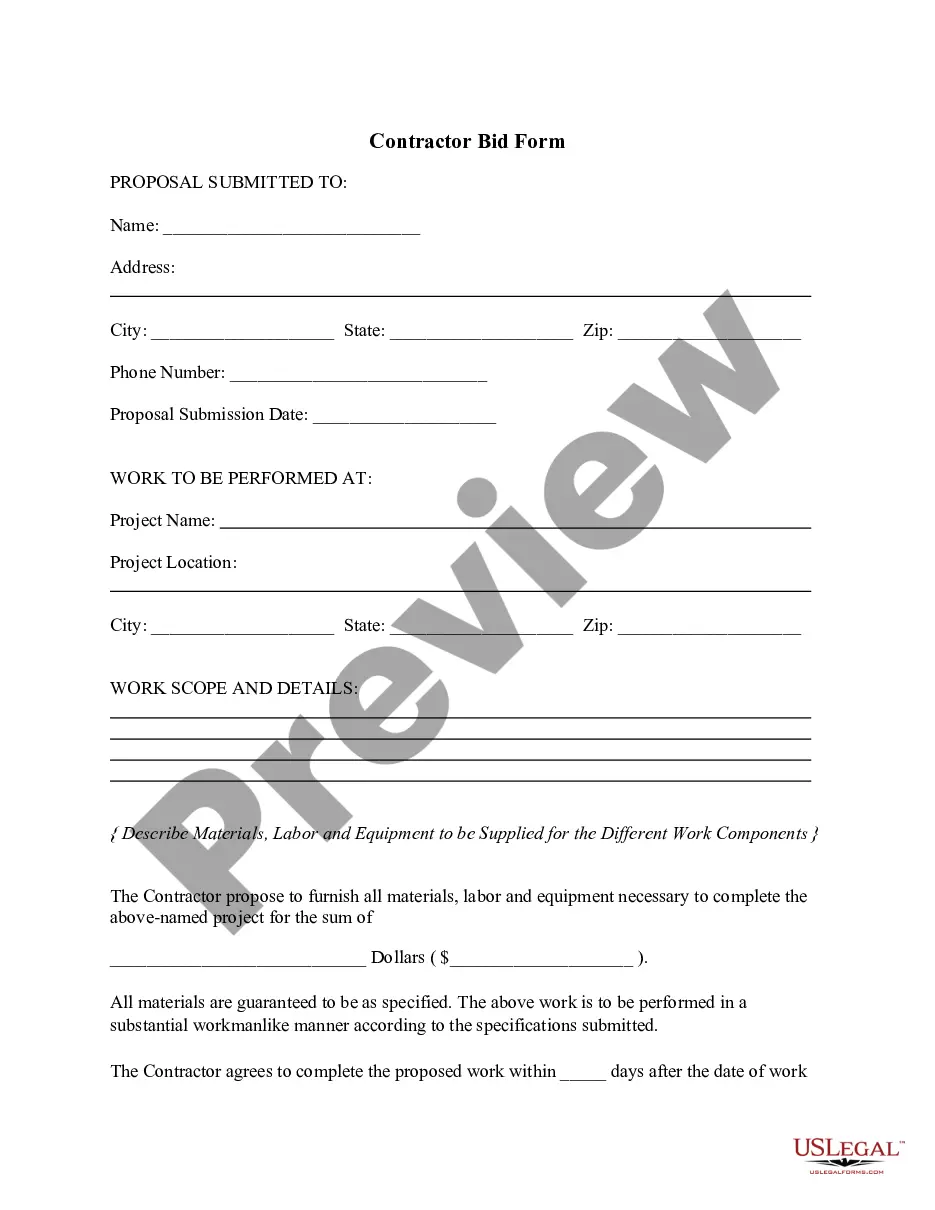
- Contractor's Bid Log
- Contractor's Bid Follow Up Letter
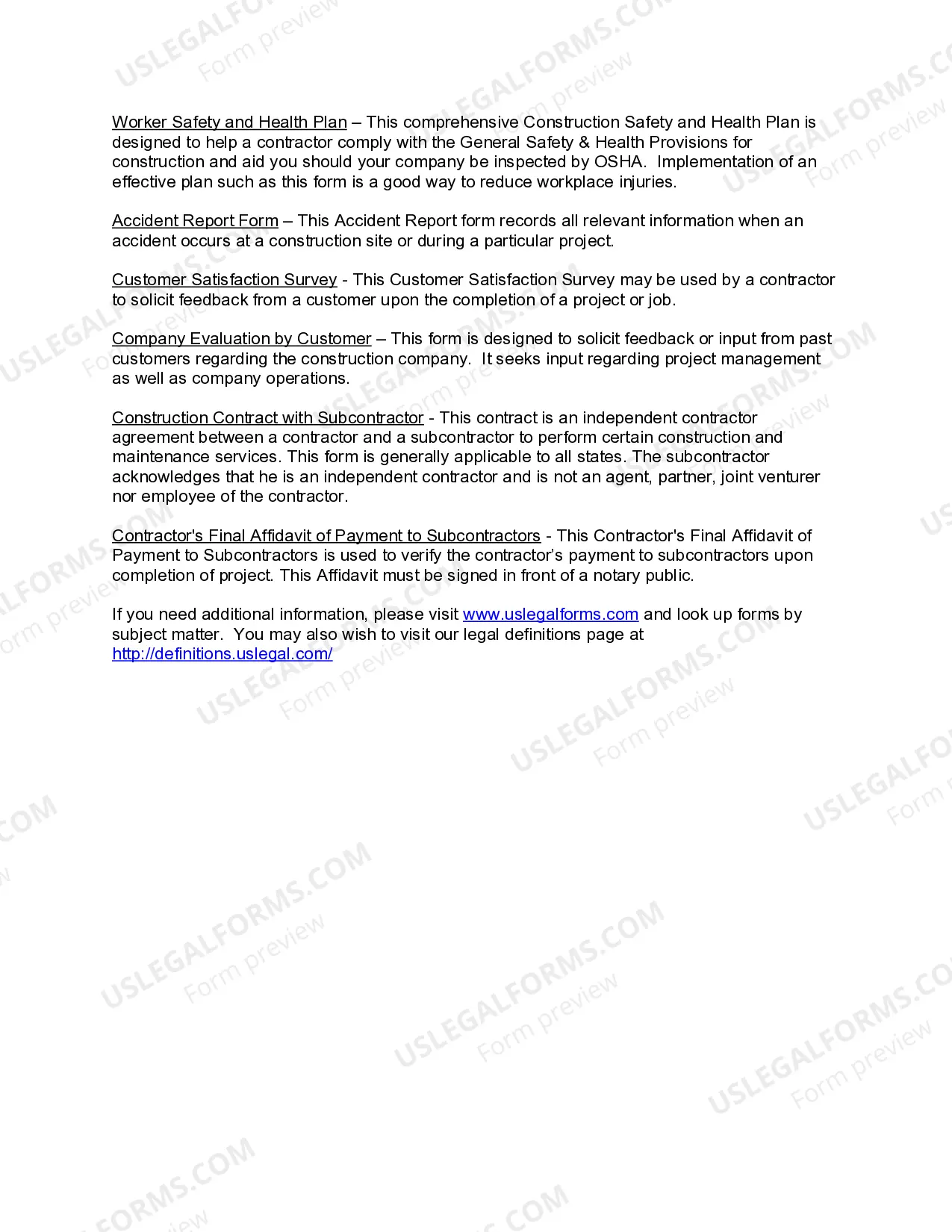
- Contractor's Final Affidavit of Payment to Subcontractors
- Contractor's Summary of an Estimate
- Contractor's Schedule Sheet
- Contractor's Job Progress Sheet
- Contractor's Final Punch List
- Customer Satisfaction Survey
- Construction Company Evaluation by a Customer
- Construction Accident Report
- Construction Safety and Health Plan
- Construction Contract with Subcontractor
- Change Order for Construction or Repairs by Contractor
- Certification of Completion by Contractor
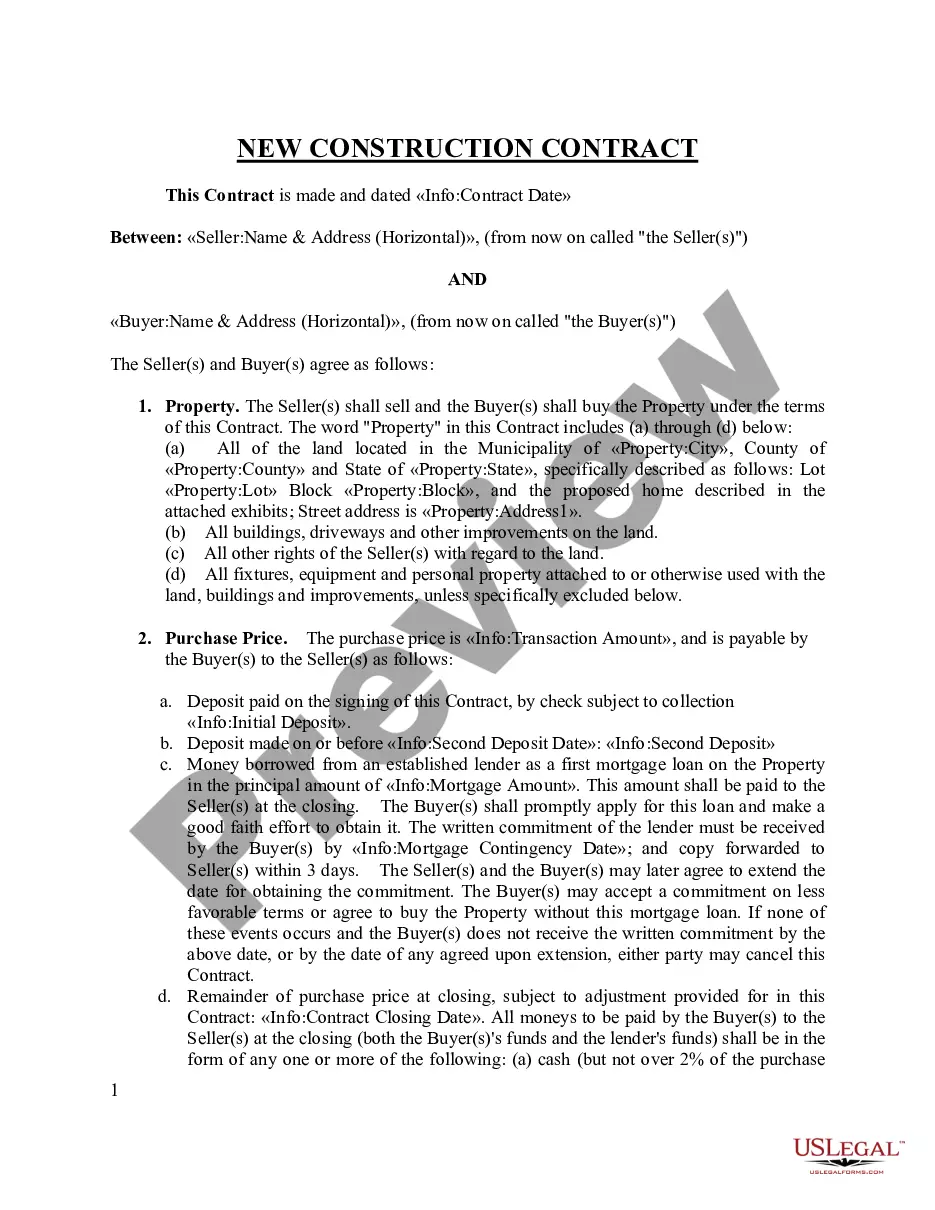
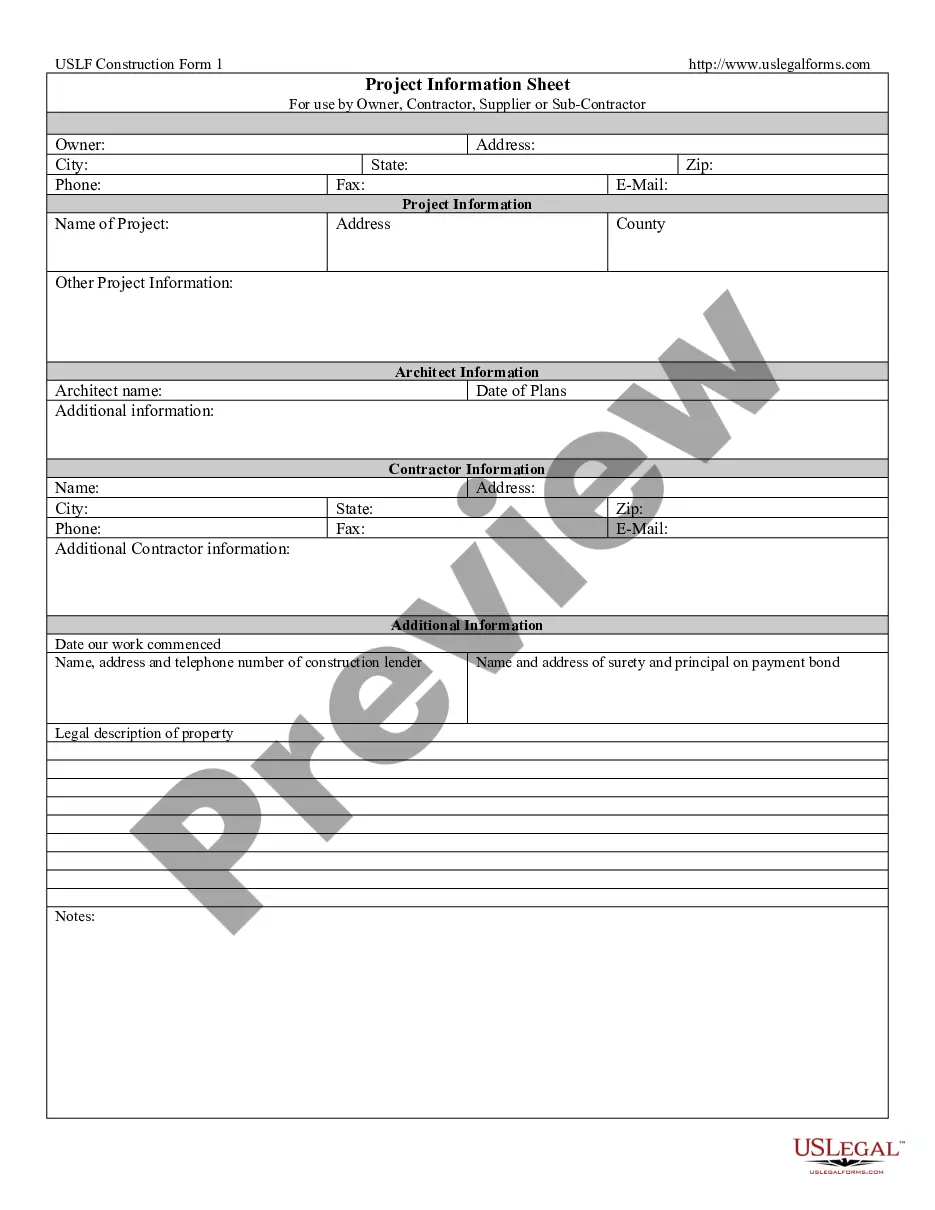
- Construction Project Information Sheet
When to use this document
This form package is useful in various scenarios, including:
- Establishing contracts with clients or subcontractors for commercial construction projects.
- Documenting project details, such as timelines and equipment used, to ensure accountability.
- Managing changes to the project scope through change orders.
- Tracking project progress and ensuring safety regulations are met.
- Obtaining feedback from customers regarding their satisfaction with the completed work.
Who this form package is for
- Commercial contractors looking to secure contracts and manage projects effectively.
- Subcontractors who need formal agreements with main contractors.
- Construction project owners wanting to establish clear terms and expectations.
- Suppliers providing materials or equipment who require documentation for accountability.
Instructions for completing these forms
- Review all included forms to understand their purpose and how they apply to your project.
- Identify the parties involved in the project and fill out the necessary details on the Construction Project Information Sheet.
- Fill in the Ohio Commercial Contract for Contractor with specific terms of the agreement.
- Use the Change Order Sheet to document any amendments to the original contract.
- Complete weekly logs and reports, like the Weekly Equipment Summary and Job Progress Sheet, to track project status.
- Gather feedback upon project completion using the Customer Satisfaction Survey and evaluate your company's performance with the Company Evaluation by Customer form.
Do documents in this package require notarization?
Forms in this package typically do not require notarization unless specified by local law. However, some documents, such as the Contractor's Final Affidavit of Payment to Subcontractors, should be notarized for legal validity, depending on circumstances. Please review each form carefully to determine if notarization is necessary.
Get your form ready online
Our built-in tools help you complete, sign, share, and store your documents in one place.
Make edits, fill in missing information, and update formatting in US Legal Forms—just like you would in MS Word.
Download a copy, print it, send it by email, or mail it via USPS—whatever works best for your next step.
Sign and collect signatures with our SignNow integration. Send to multiple recipients, set reminders, and more. Go Premium to unlock E-Sign.
If this form requires notarization, complete it online through a secure video call—no need to meet a notary in person or wait for an appointment.
We protect your documents and personal data by following strict security and privacy standards.

Make edits, fill in missing information, and update formatting in US Legal Forms—just like you would in MS Word.

Download a copy, print it, send it by email, or mail it via USPS—whatever works best for your next step.

Sign and collect signatures with our SignNow integration. Send to multiple recipients, set reminders, and more. Go Premium to unlock E-Sign.

If this form requires notarization, complete it online through a secure video call—no need to meet a notary in person or wait for an appointment.

We protect your documents and personal data by following strict security and privacy standards.
Mistakes to watch out for
- Failing to fill out all relevant fields in each form, which can lead to incomplete contracts or documentation.
- Neglecting to keep updated records of change orders, which can cause disputes later.
- Using outdated forms that may not comply with current Ohio regulations.
Benefits of completing this package online
- Convenience of downloading and printing forms at any time, from anywhere.
- Editability of forms using modern software, allowing you to personalize documents easily.
- Access to forms crafted by legal professionals, ensuring compliance with relevant laws.
Legal use & context
- Forms are designed to be legally binding when completed accurately
- Proper use of these forms helps mitigate disputes during construction
- The package provides a standardized method for documenting progress and changes
Key takeaways
- The Ohio Commercial Contractor Package includes essential forms for effective project management
- This package is tailored to Ohioâs legal environment for commercial contracts
- Following the structured process for completion will enhance compliance and reduce legal risks
Looking for another form?


Form popularity
FAQ
Class B General Building Contractor The principal business is in connection with any structure built, being built, or to be built, requiring in its construction the use of at least two unrelated building trades or crafts.
The assessee is a Government approved AA class contractor. As such, it carries out projects like construction of hospitals, roads, bridges, etc. for Government, semi-government and other institutions, etc.
Class B General Building Contractors, unlike both a Class A General Engineering Contractor and a Class C Specialty Contractor, may enter into direct contracts and subcontracts involving: (1) Projects involving framing or carpentry only; (2) Projects involving two or more unrelated trades other than framing or
Class A: A Class A general contractor license/certificate holder is authorized to construct or demolish, or deconstruct, any building or structure in the City that is regulated under the building code, including all work authorized by license types below this level.
Small Renovation Contractors. General Contractors. Owner-Builder. Real Estate Developer. Professional Construction Manager. Program Manager. Package Builders. Sponsor-Builder.
Virginia Class A Contractor License: Requires Minimum Net Worth of $45,000. Qualified Individual needs at least 5 years experience. Maximum Project Size is unlimited. Maximum Annual Revenue is unlimited.
The state of Ohio does not require a specific handyman license to perform minor repair work on residential property. However, you must possess a contractor specialty license to perform work in specialized trades such as refrigeration, hydronic, electrical, HVAC, and plumbing.
A Responsible Managing Officer (RMO) under California law is an individual who is a bona fide employee of the applicant for a contractor's license, and is actively engaged in the classification of work for which that responsible managing employee is the qualifying person on behalf of the applicant. California
Class B General Building Contractors, unlike both a Class A General Engineering Contractor and a Class C Specialty Contractor, may enter into direct contracts and subcontracts involving: (1) Projects involving framing or carpentry only; (2) Projects involving two or more unrelated trades other than framing or