Sample Letter Requesting Answers to Discovery Material
What this document covers
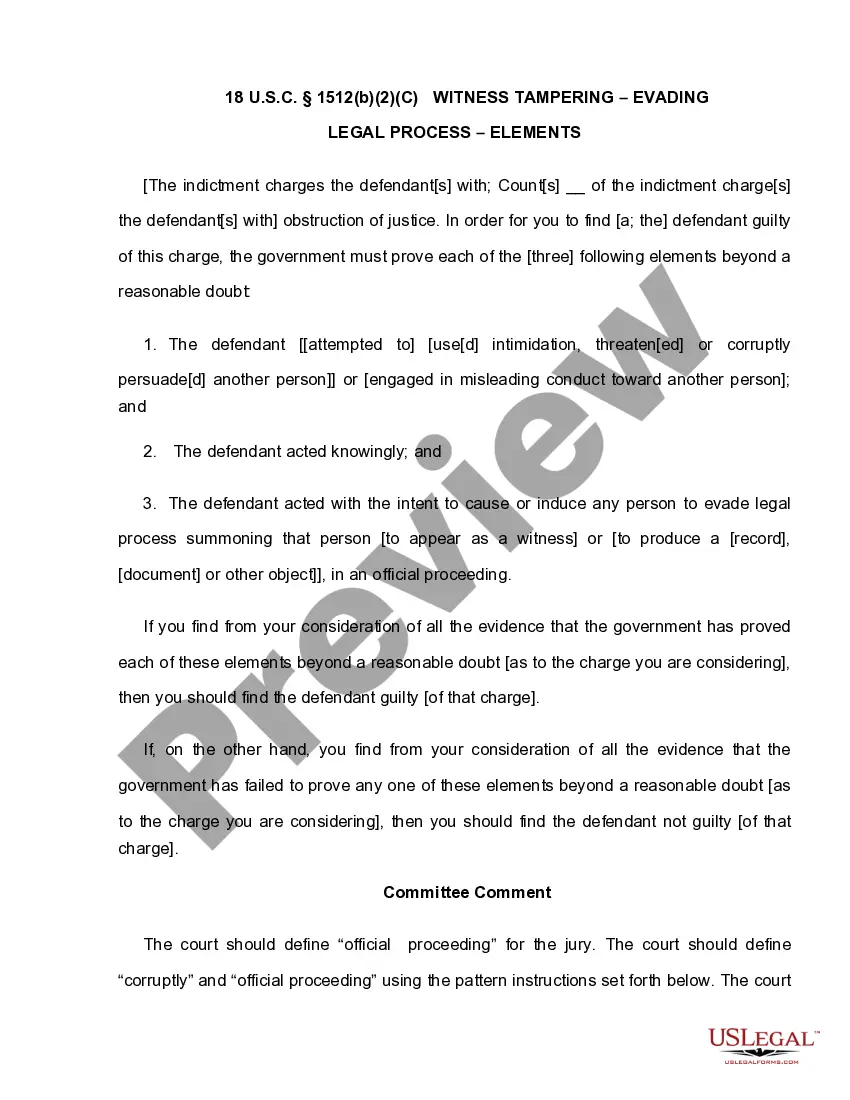
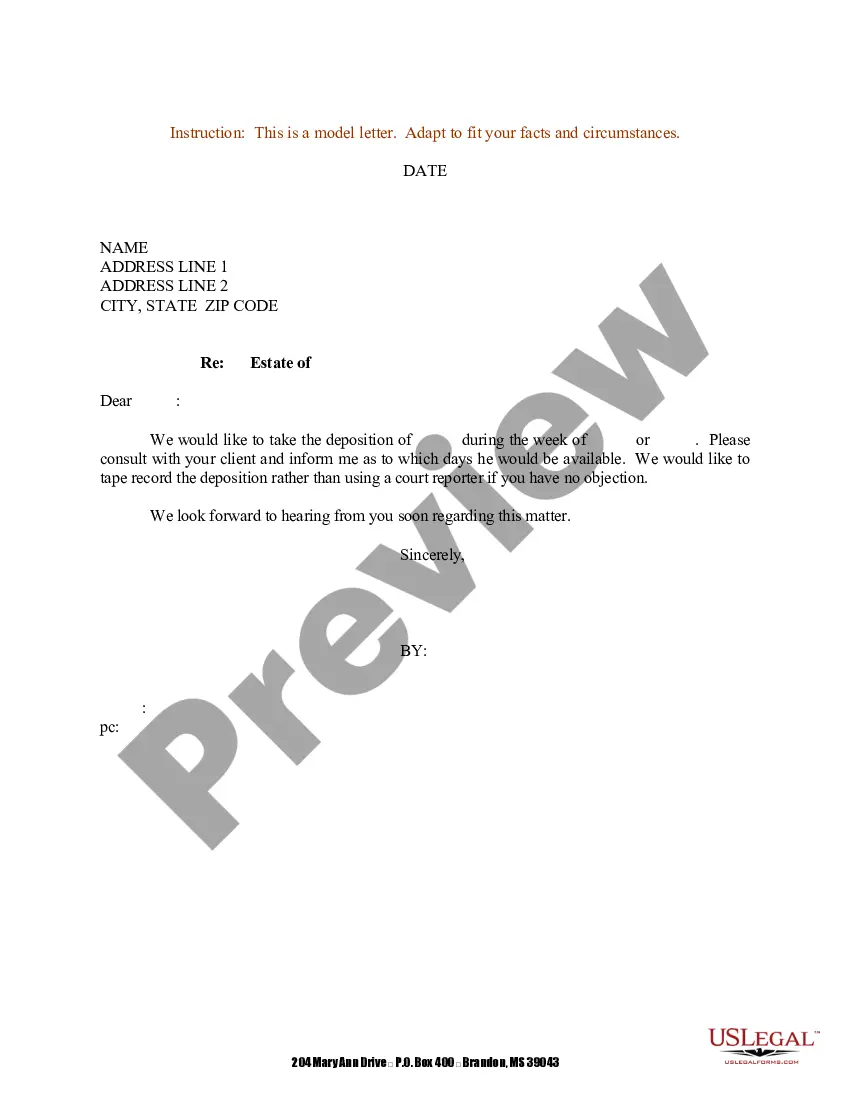
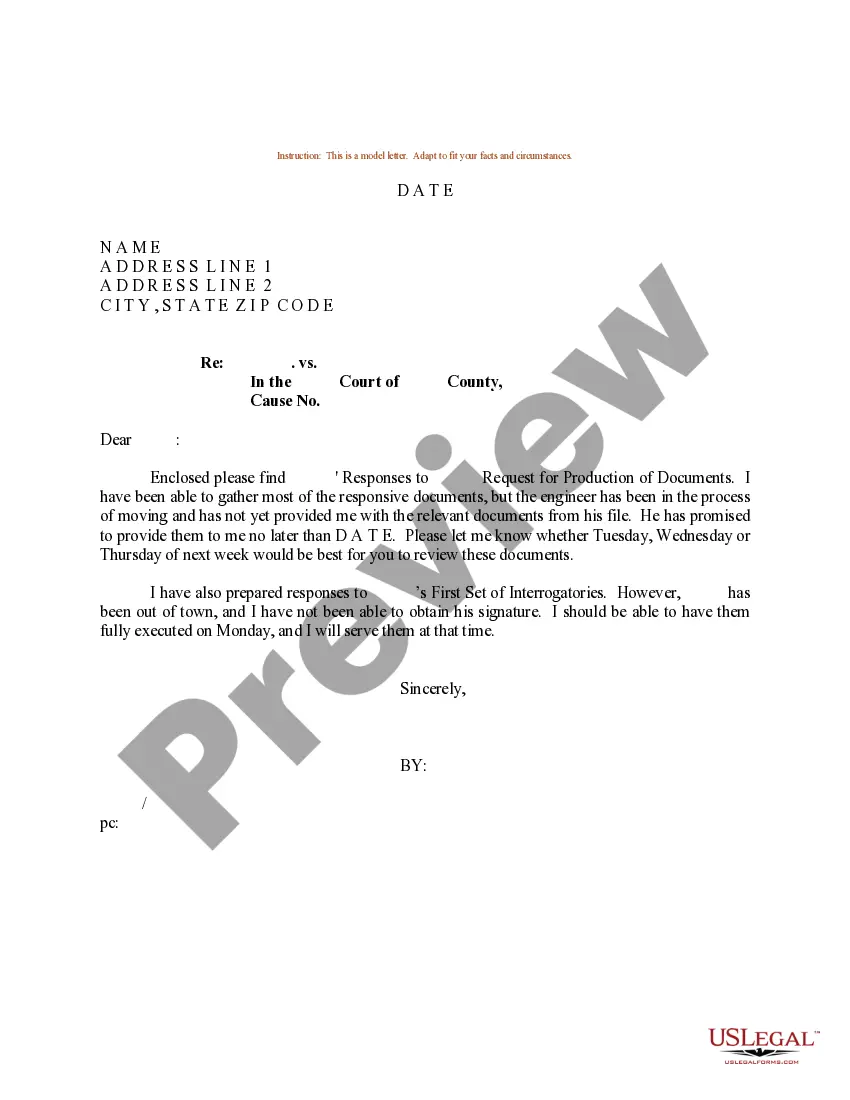
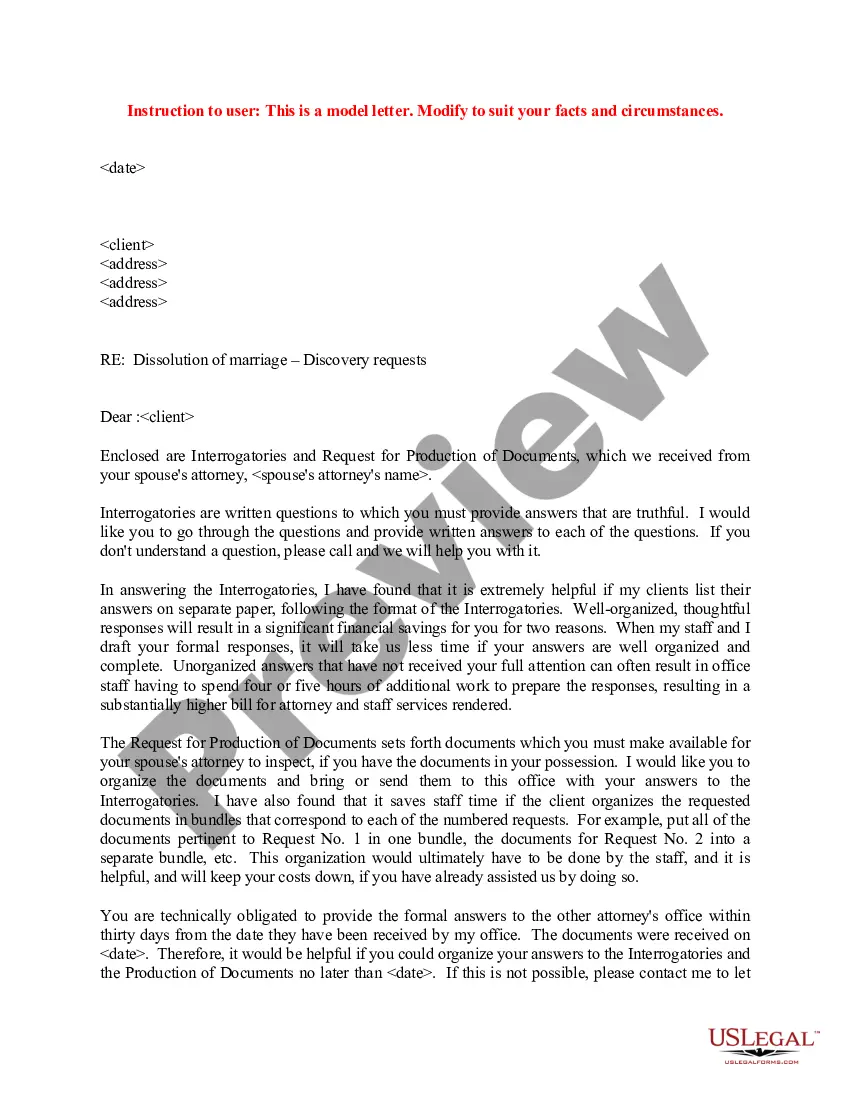
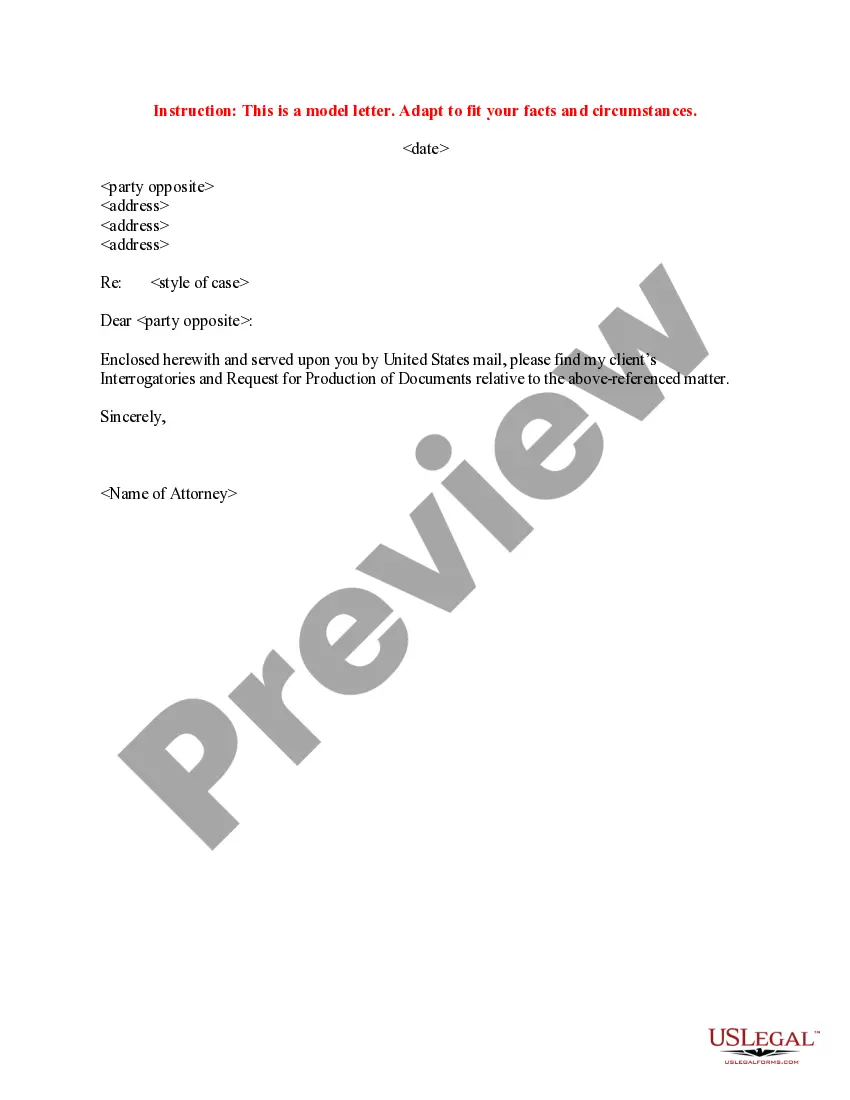
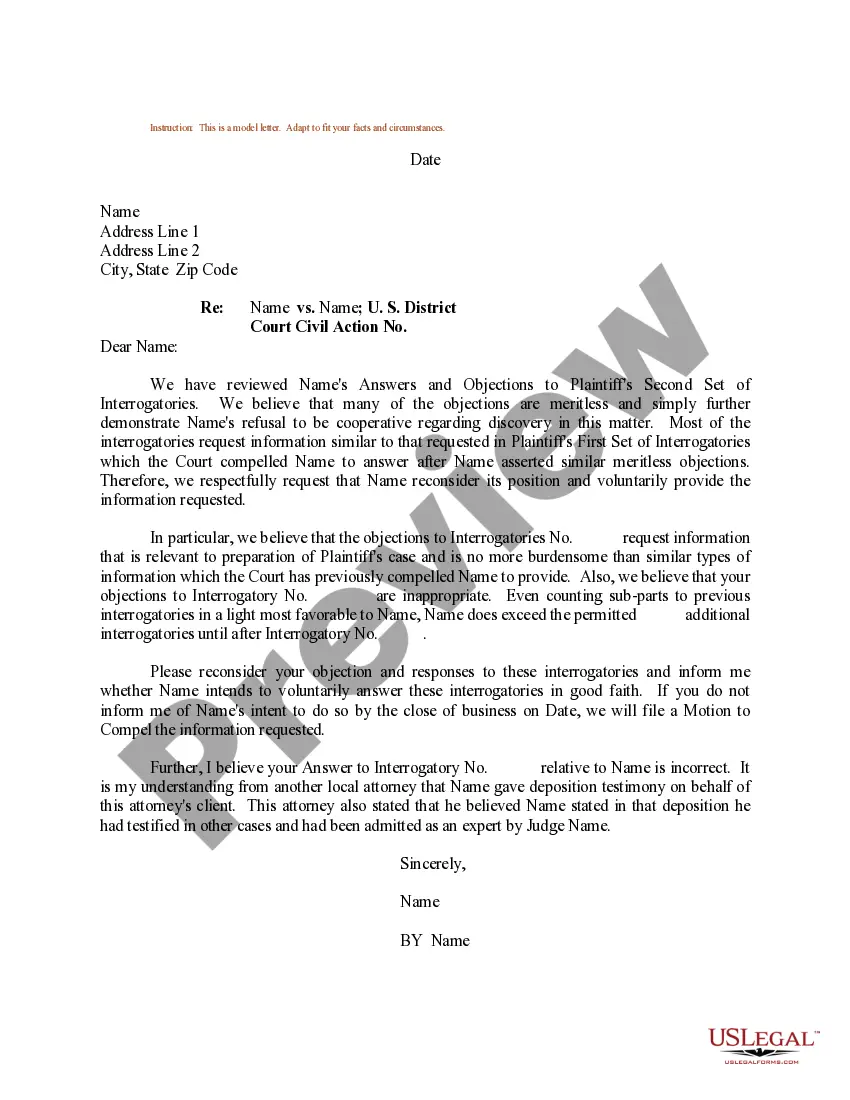
The Sample Letter Requesting Answers to Discovery Material is a template designed to assist individuals in formally requesting answers to specific discovery materials during the legal discovery process. This form streamlines communication between parties, ensuring that requests are clear and professionally presented, unlike informal or vague inquiries that may not be taken seriously.
Form components explained
- Date of the letter
- Recipient's name and address
- Subject line indicating the nature of the request
- Details of the discovery material being requested
- Signature line for the sender
Common use cases
This form should be used in legal cases where one party seeks to obtain specific information or documents from another party as part of the discovery process. Situations may include preparing for trial, responding to a request for evidence, or clarifying ambiguous information previously provided.
Who this form is for
This form is intended for:
- Individuals involved in civil litigation
- Attorneys representing clients in legal proceedings
- Parties seeking more detailed information in a legal case
How to prepare this document
- Enter the date at the top of the letter.
- Provide the recipient's name and address clearly.
- Write a concise subject line relevant to the discovery request.
- Detail the specific materials or information being requested.
- Sign the letter to authenticate your request.
Does this form need to be notarized?
This form does not typically require notarization unless specified by local law. However, confirming specific requirements in your jurisdiction is advisable to ensure compliance.
Get your form ready online
Our built-in tools help you complete, sign, share, and store your documents in one place.
Make edits, fill in missing information, and update formatting in US Legal Forms—just like you would in MS Word.
Download a copy, print it, send it by email, or mail it via USPS—whatever works best for your next step.
Sign and collect signatures with our SignNow integration. Send to multiple recipients, set reminders, and more. Go Premium to unlock E-Sign.
If this form requires notarization, complete it online through a secure video call—no need to meet a notary in person or wait for an appointment.
We protect your documents and personal data by following strict security and privacy standards.

Make edits, fill in missing information, and update formatting in US Legal Forms—just like you would in MS Word.

Download a copy, print it, send it by email, or mail it via USPS—whatever works best for your next step.

Sign and collect signatures with our SignNow integration. Send to multiple recipients, set reminders, and more. Go Premium to unlock E-Sign.

If this form requires notarization, complete it online through a secure video call—no need to meet a notary in person or wait for an appointment.

We protect your documents and personal data by following strict security and privacy standards.
Avoid these common issues
- Failing to include a clear subject line.
- Using vague language about the discovery materials requested.
- Not providing complete recipient details.
- Neglecting to sign the letter before sending.
Benefits of completing this form online
- Convenient access to a professionally drafted template.
- Editable format allowing customization to fit specific needs.
- Digital download options for quick and easy use.
- Ensures compliance with legal standards for discovery requests.
Looking for another form?
Form popularity
FAQ
Discovery is conducted by sending written requests in a proscribed form to the opposing party specifically listing the type of discovery sought, the manner in which it will be obtained, and the time for complying with the request. Check your state and local rules for the required form of these requests.
Discovery is the process through which defendants find out about the prosecution's case. For example, through standard discovery procedure, they can: get copies of the arresting officers' reports and statements made by prosecution witnesses, and. examine evidence that the prosecution proposes to introduce at trial.
Have a strategy. Adjust the scope of your requests to the questions at issue. Send clear requests. Always consider how your client would be prepared to respond to similar requests. Make your objections clear and specific.
Here are some of the things lawyers often ask for in discovery: anything a witness or party saw, heard, or did in connection with the dispute. anything anyone said at a particular time and place (for example, in a business meeting related to the dispute or after a car accident that turned into a lawsuit)
Requests for Admissions involves one party asking the opposing to admit, deny, or prove the validity of certain facts or documents. This portion of the discovery saves time during the trial and allows the party to trust the facts or documents in question.
Organize documents. Organize according to the demand number. Don't duplicate documents. If you're providing three years of bank statements in response to one demand, and the same documents contain information responsive to another demand, state so. Comply with the due date. Communicate. Do a complete job.
The plaintiff must respond to your requests for discovery. The plaintiff must respond by the deadline. There are different ways to make sure you get each kind of discovery if the plaintiff does not give it to you by the deadline.
Your answers to the interrogatories should usually be short, clear, and direct and should answer only the question that is being asked. This is not the time to set out your entire case or defense to the other side. Take the time to make sure your answers are correct and truthful.