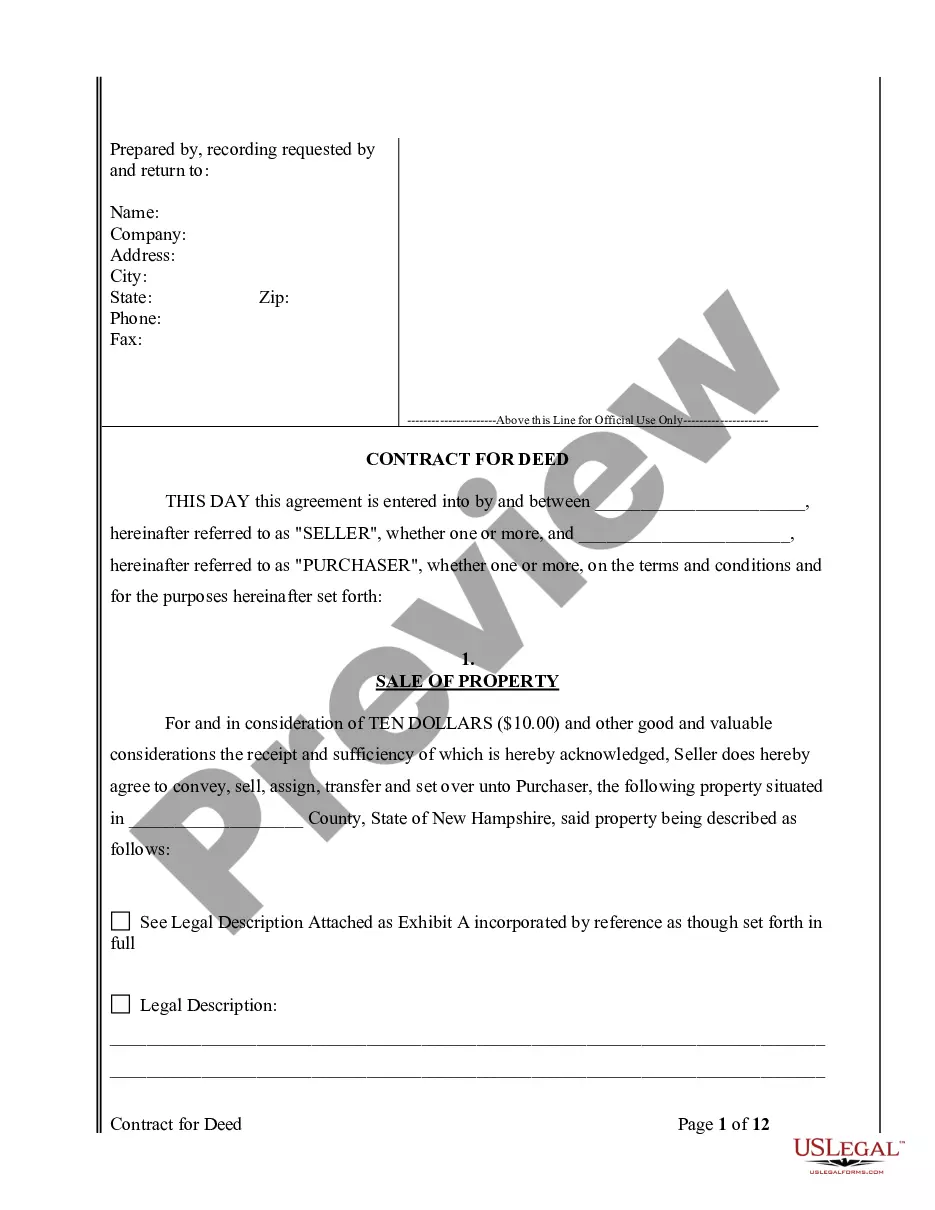
Massachusetts Renovation Contractor Package
Understanding this form package
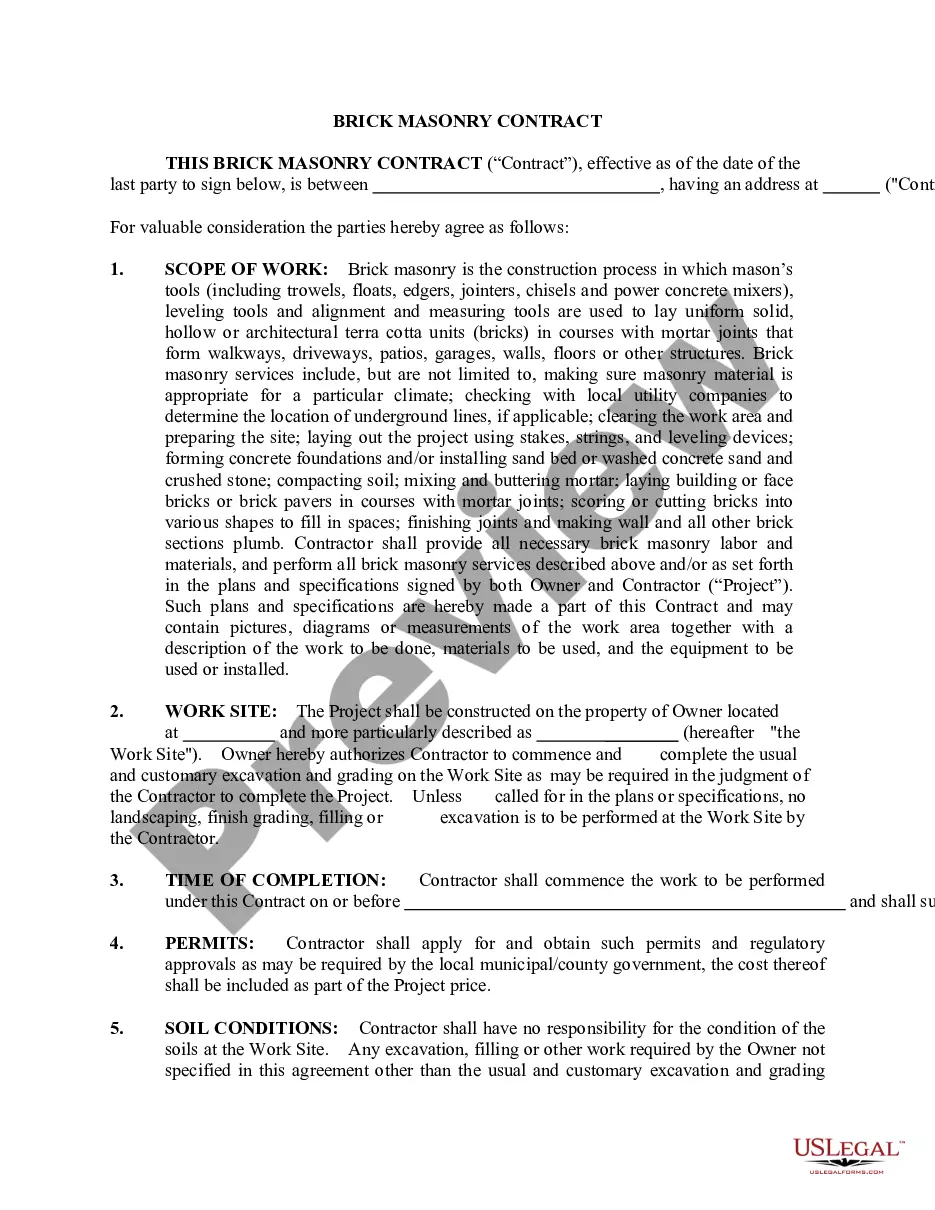
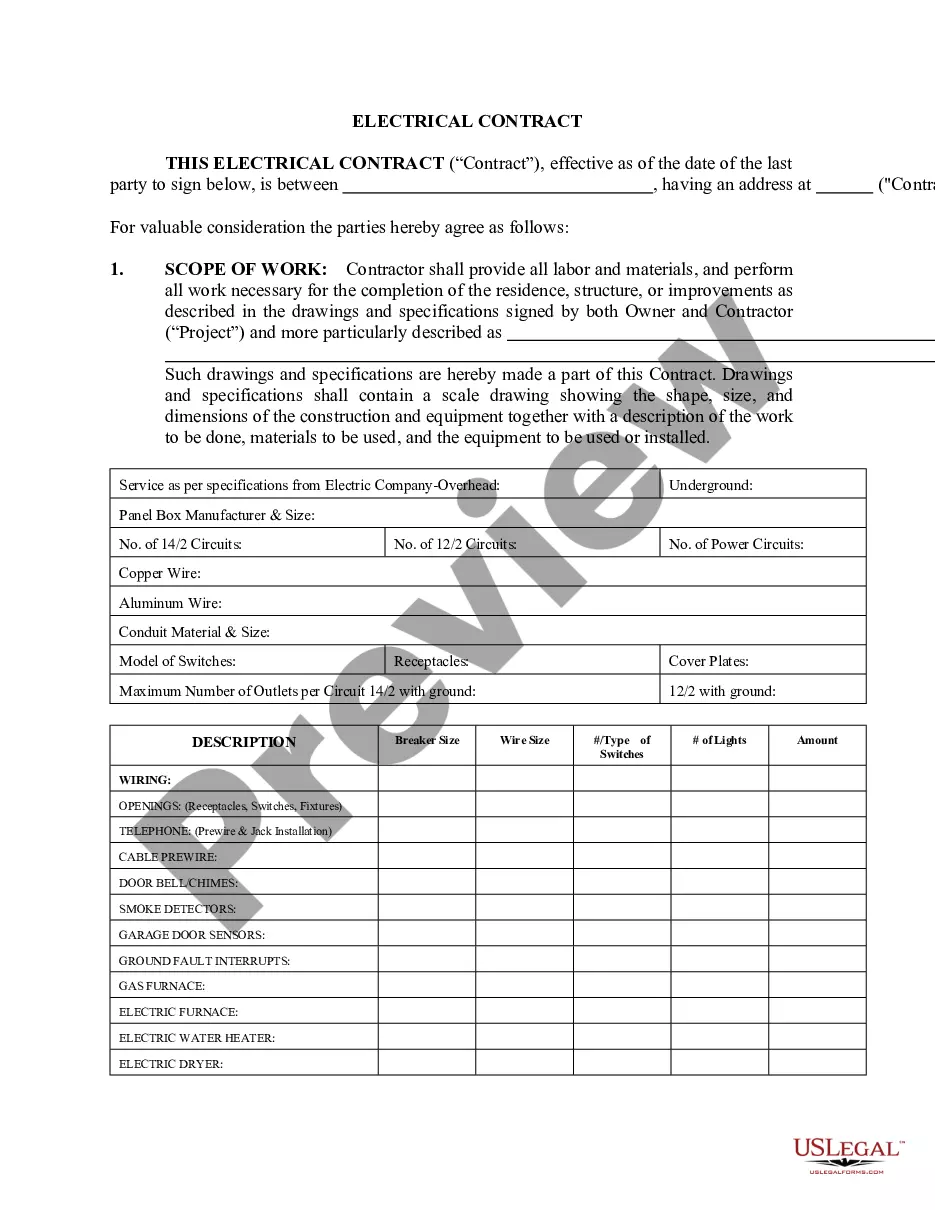
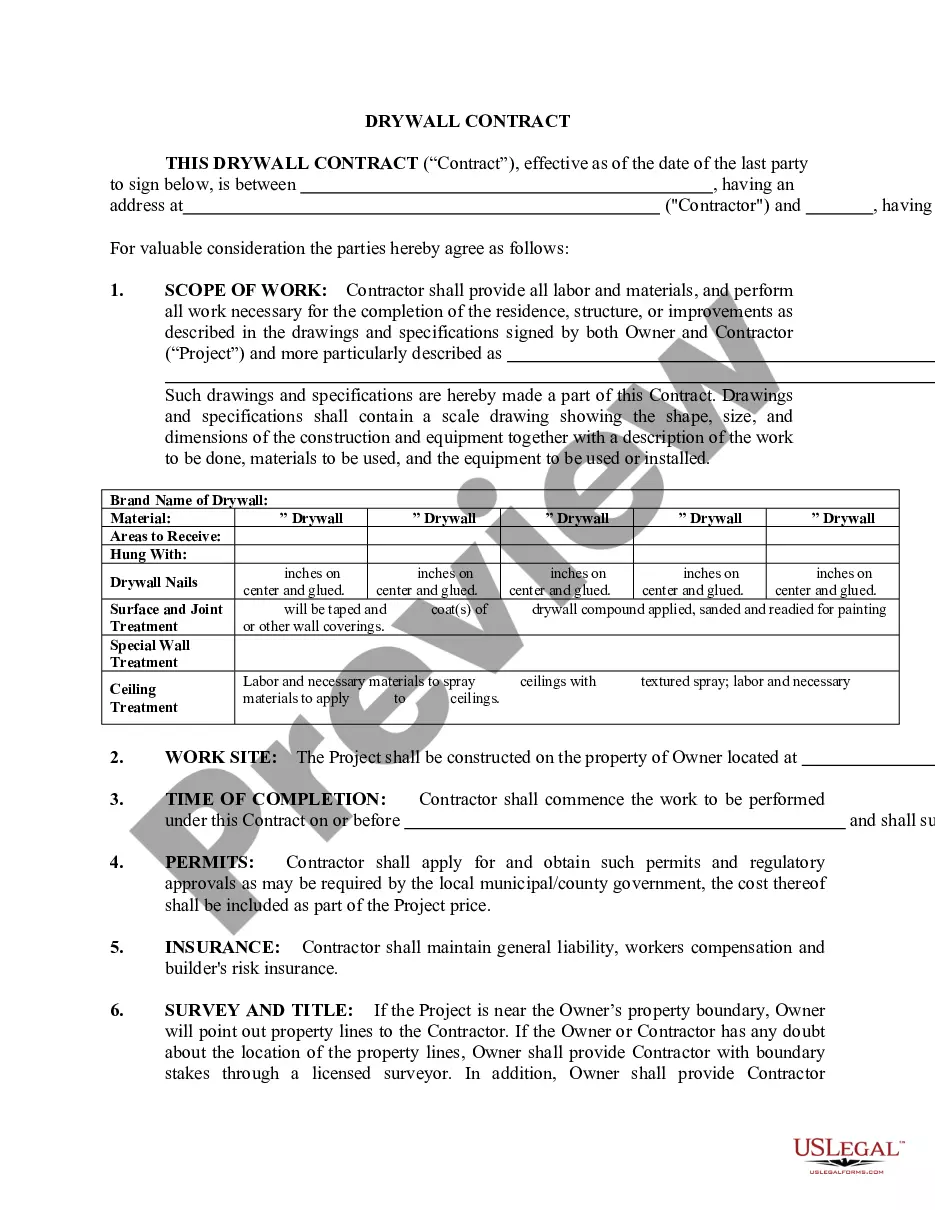
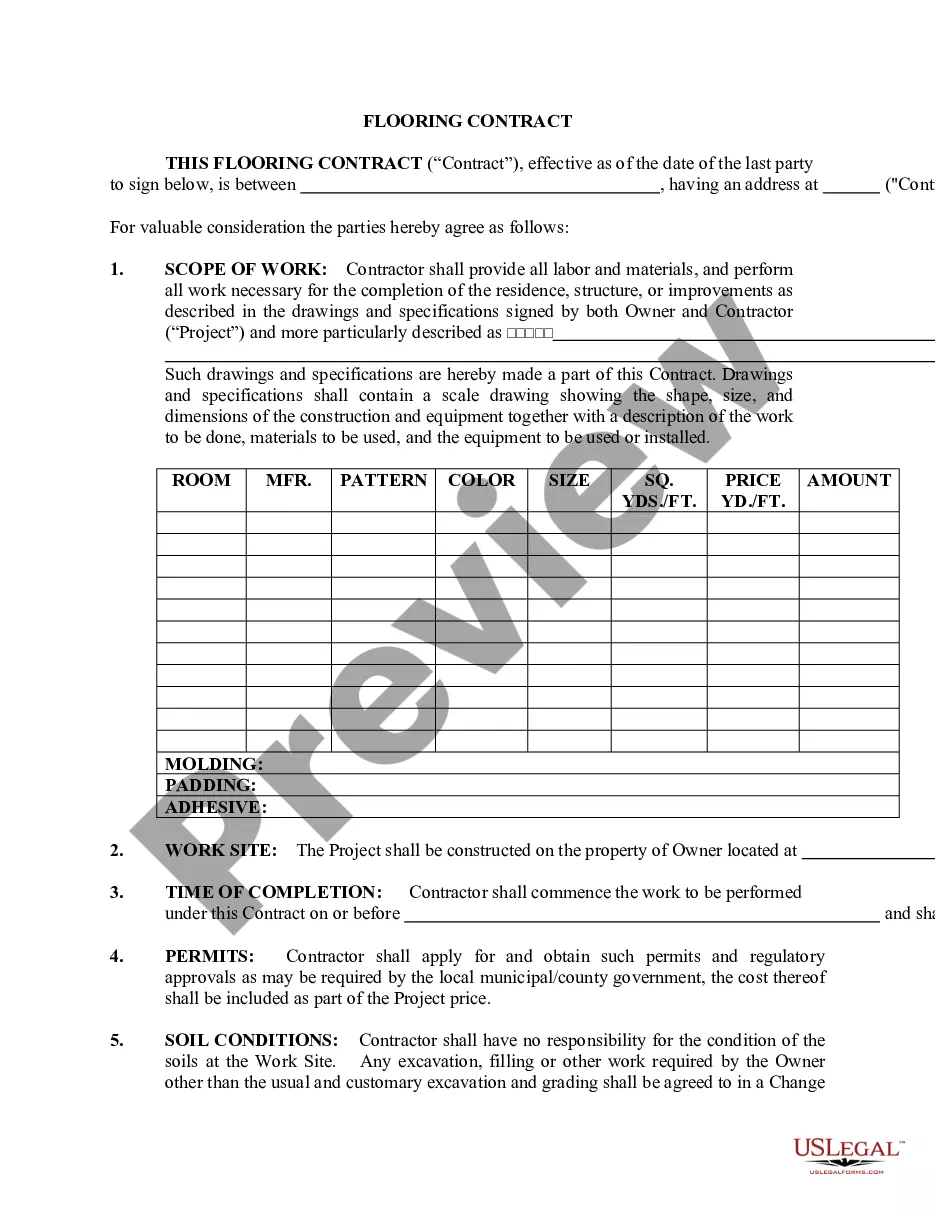
The Massachusetts Renovation Contractor Package includes essential legal documents specifically designed for renovation contractors, owners, suppliers, and subcontractors involved in residential projects. This comprehensive package addresses crucial legal matters relevant to renovation work while ensuring compliance with state laws. The central component is a renovation contract that ensures all parties are protected throughout the project, differentiating this package from others in terms of completeness and legal accuracy.
Documents contained in this package
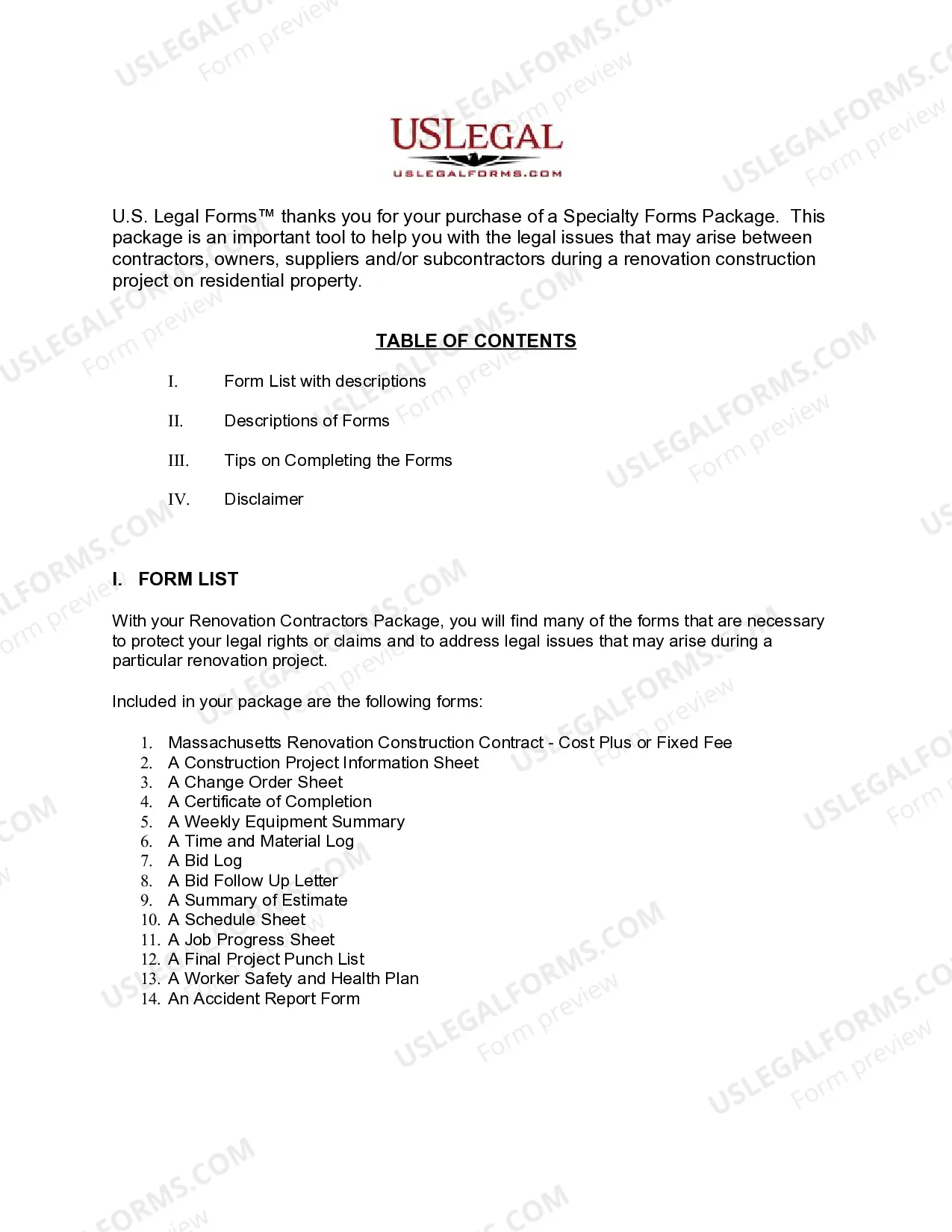
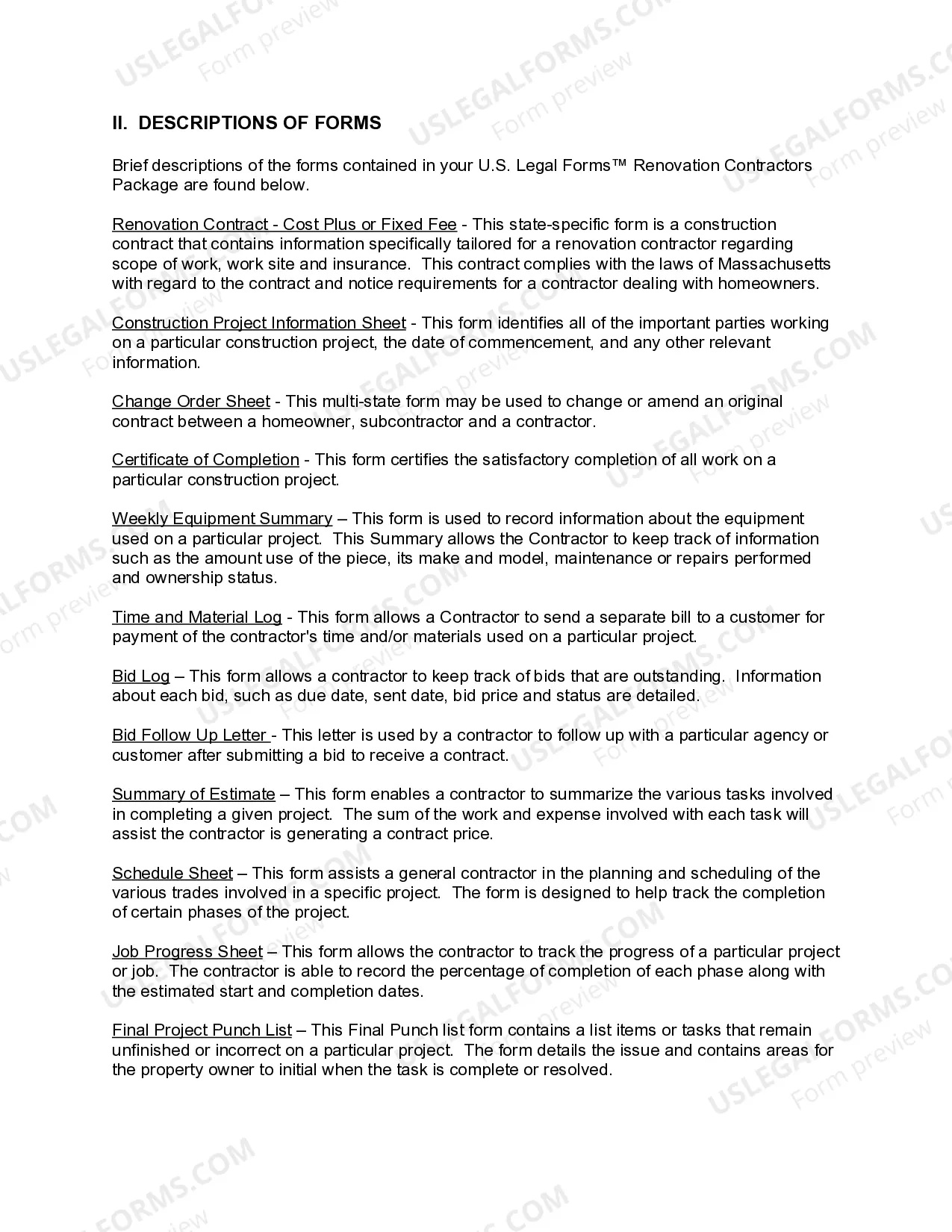
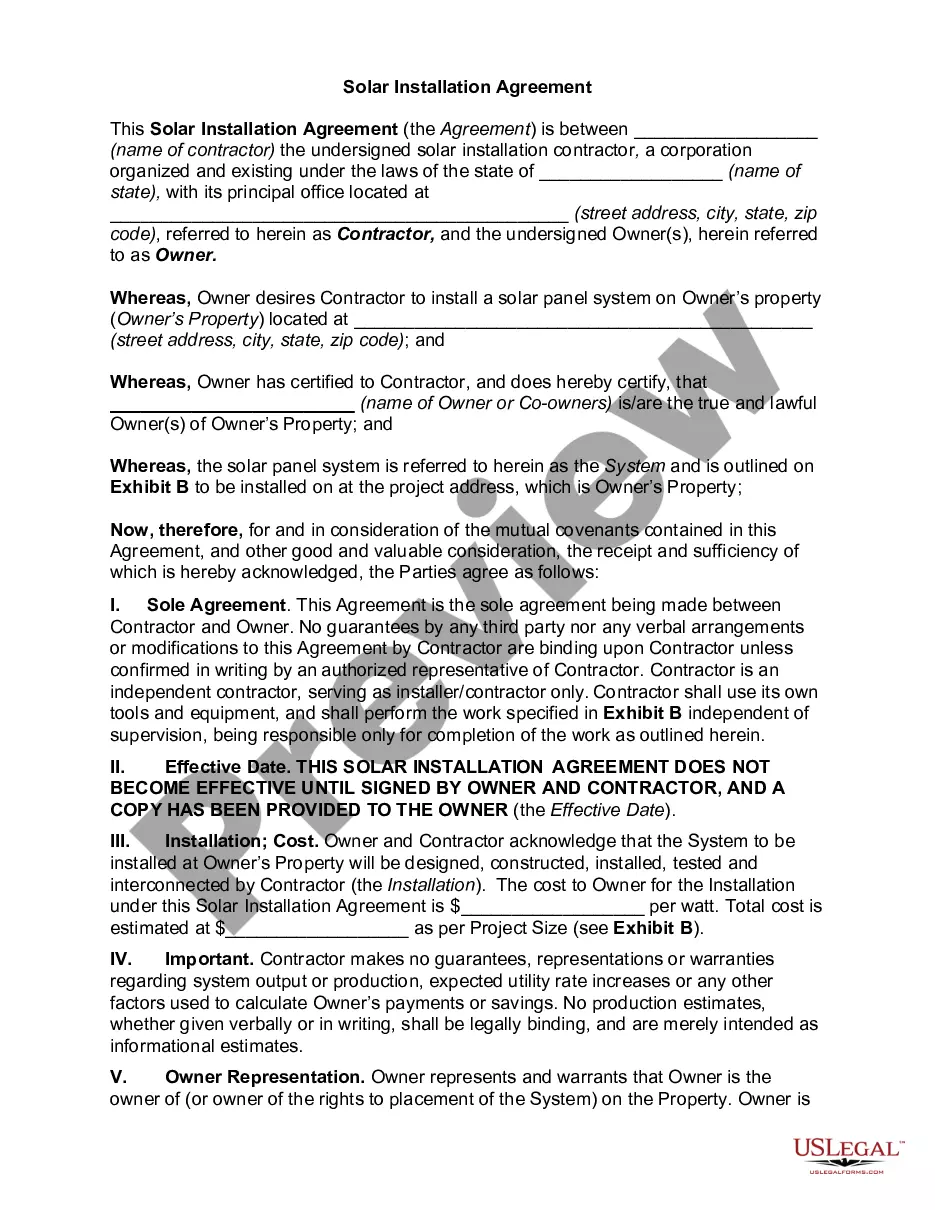
- Renovation Contract for Contractor
- Contractor's Weekly Equipment Summary
- Contractor's Time and Materials Log
- Contractor's Bid Log
- Contractor's Bid Follow Up Letter
- Contractor's Summary of an Estimate
- Contractor's Schedule Sheet
- Contractor's Job Progress Sheet
- Contractor's Final Punch List
- Construction Accident Report
- Construction Safety and Health Plan
- Change Order for Construction or Repairs by Contractor
- Certification of Completion by Contractor
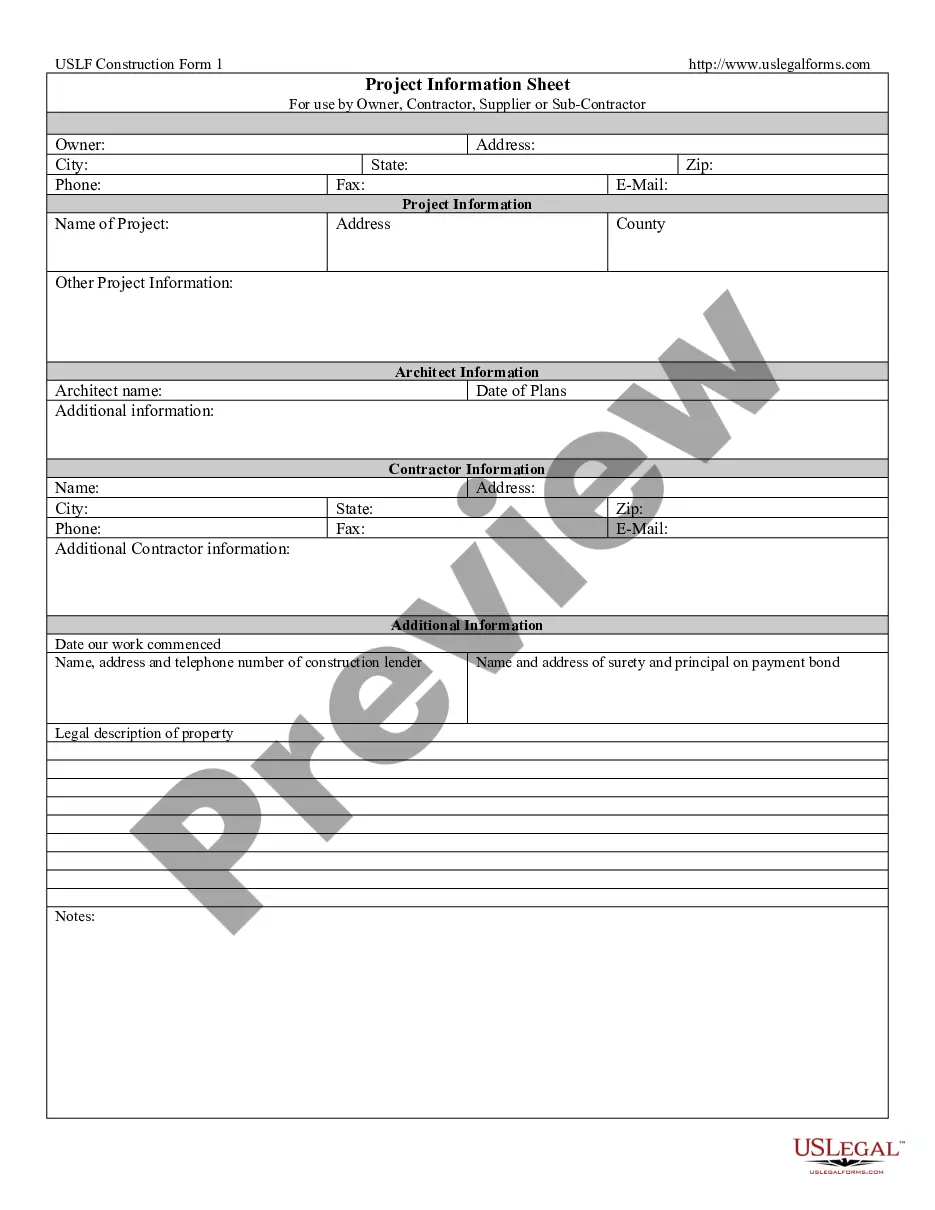
- Construction Project Information Sheet




When to use this form package
This form package is ideal for various scenarios such as:
- Signing a renovation contract with a homeowner or subcontractor.
- Documenting project details and managing changes effectively.
- Tracking work progress and managing bids during a renovation project.
- Ensuring compliance with safety regulations and efficiently handling accident reports.
Who should use this form package
- Renovation contractors seeking legal protection and compliance.
- Homeowners managing residential renovation projects.
- Suppliers and subcontractors who require formal documentation for contracts and bids.
- Any party involved in a renovation project looking to mitigate risks associated with construction work.
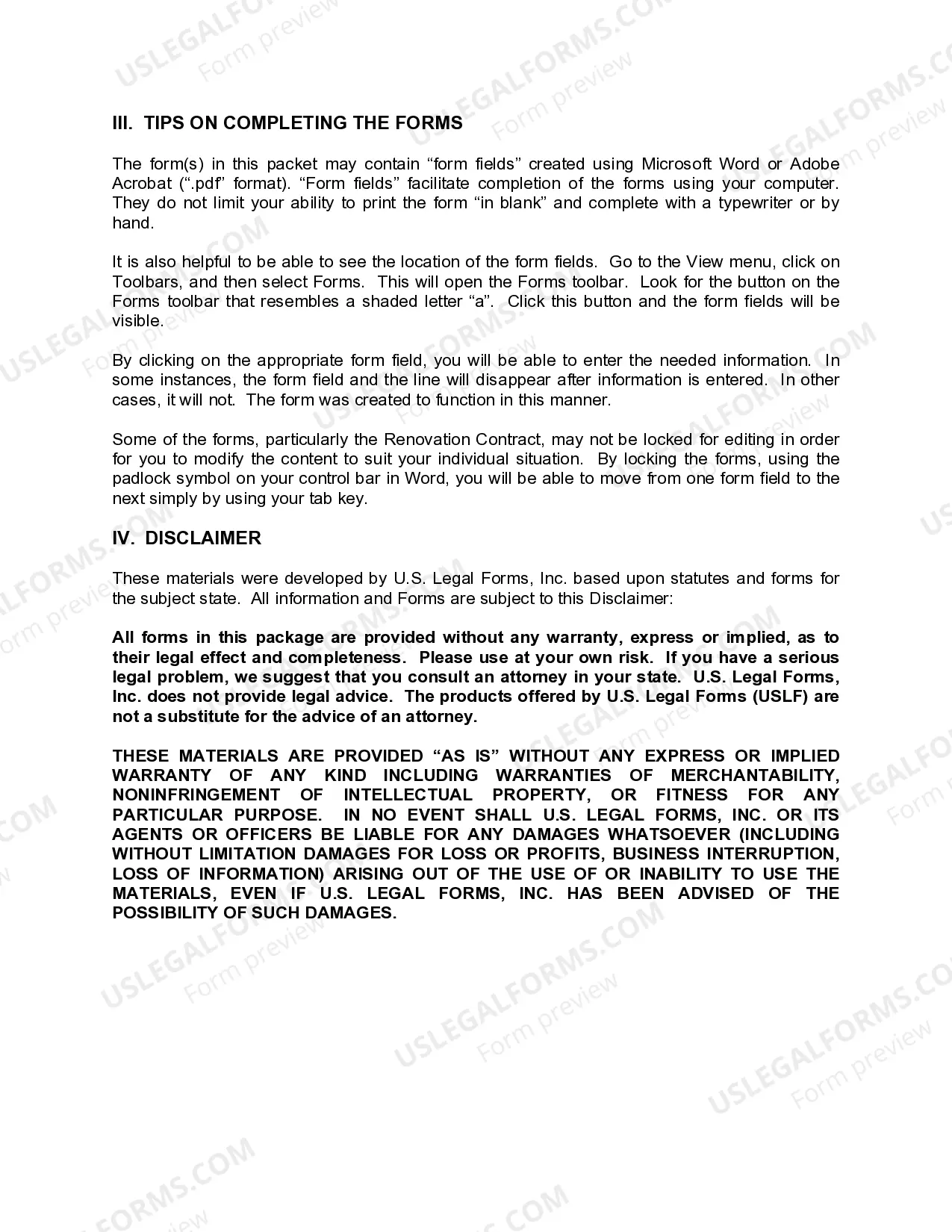
How to prepare this document
- Review all included forms to understand their purpose and requirements.
- Identify the parties involved in your renovation project and gather necessary details.
- Fill out the renovation contract, ensuring all key terms are clearly defined.
- Use the construction project information sheet to outline project specifics.
- Keep track of changes or progress with the change order sheet and job progress sheet.
- Maintain records of equipment and labor using the weekly summary and time logs provided.
Notarization details for included forms
Most forms in this package do not require notarization. However, local laws or specific situations may demand it. Our online notarization service, powered by Notarize, lets you complete the process through a verified video call, available anytime.
Get your form ready online
Our built-in tools help you complete, sign, share, and store your documents in one place.
Make edits, fill in missing information, and update formatting in US Legal Forms—just like you would in MS Word.
Download a copy, print it, send it by email, or mail it via USPS—whatever works best for your next step.
Sign and collect signatures with our SignNow integration. Send to multiple recipients, set reminders, and more. Go Premium to unlock E-Sign.
If this form requires notarization, complete it online through a secure video call—no need to meet a notary in person or wait for an appointment.
We protect your documents and personal data by following strict security and privacy standards.

Make edits, fill in missing information, and update formatting in US Legal Forms—just like you would in MS Word.

Download a copy, print it, send it by email, or mail it via USPS—whatever works best for your next step.

Sign and collect signatures with our SignNow integration. Send to multiple recipients, set reminders, and more. Go Premium to unlock E-Sign.

If this form requires notarization, complete it online through a secure video call—no need to meet a notary in person or wait for an appointment.

We protect your documents and personal data by following strict security and privacy standards.
Avoid these common issues
- Failing to include all part names and contact information in the renovation contract.
- Neglecting to document changes with the change order sheet.
- Not keeping accurate records of project progress and expenses.
- Inadequately addressing safety measures in the Worker Safety and Health Plan.
Benefits of completing this package online
- Convenient access to essential forms available for download anytime.
- Editable forms that allow customization to meet individual project needs.
- Reliability, having been drafted by licensed attorneys familiar with Massachusetts law.
- Cost savings, with more than 50 percent saved compared to purchasing forms separately.
Legal use & context
- The forms included are created to support legal rights and claims related to renovation projects.
- Using the appropriate forms can help prevent disputes by clearly outlining responsibilities and expectations.
- While this package aims to meet legal requirements, consulting with an attorney for specific legal advice is advisable.
Key takeaways
- The Massachusetts Renovation Contractor Package is essential for managing residential renovation projects legally and efficiently.
- Completing the included forms can protect legal rights and minimize risks during construction.
- The document package is specifically tailored to comply with Massachusetts laws, enhancing its reliability.
Looking for another form?
Form popularity
FAQ
Payment Schedule In Your ContractBefore any work begins, a contractor will ask a homeowner to secure the job with a down payment. It shouldn't be more than 10-20 percent of the total cost of the job. Homeowners should never pay a contractor more than 10-20% before they've even stepped foot in their home.
If the contractor requests a large sum of money before work has begun, Mozen says you should ask specifically what types of work or materials those payments are covering.Contractors sometimes have other motives, other than purchasing materials, when they ask for large amounts of money in advance, Fowler says.
Home improvement contractors work on one- to four-family occupied and existing structures and do not do any new build projects. To become a home improvement contractor, you need only to pay a fee to the Commonwealth of Massachusetts based on the number of employees you have and then you are issued your license.
Massachusetts law prohibits a contractor requiring an initial deposit of over 33% of the total contract price unless special materials are ordered. Any contractor demanding over a 33% deposit should raise a huge red flag .
You shouldn't pay more than 10 percent of the estimated contract price upfront, according to the Contractors State License Board.
A: It's not uncommon for contractors to ask for a down payment up front to secure your spot on their schedule or purchase some of the job materials in advance. Asking for more than half of the project cost up front, though, is a big red flag.I recommend tying payments to progress made during the job.
To do work as a contractor in the Commonwealth of Massachusetts, you need to be properly licensed.For projects consisting of 35,000 cubic feet of living space or less, an unrestricted construction supervisor license is required.
Home improvement contractors are involved with all phases of a home improvement project, including supervising other members of the team. They speak to clients and work with them to turn their ideas into a detailed plan. They create a budget and timeline for the work involved and help keep everything on schedule.
A general contractor provides a strong background in framing and carpentry along with many other skills. Because remodeling jobs typically involve several specialty areas, the general contractor serves as a project manager who coordinates the entire job.