Sample Letter for Personnel Emergency Record Form
What this document covers
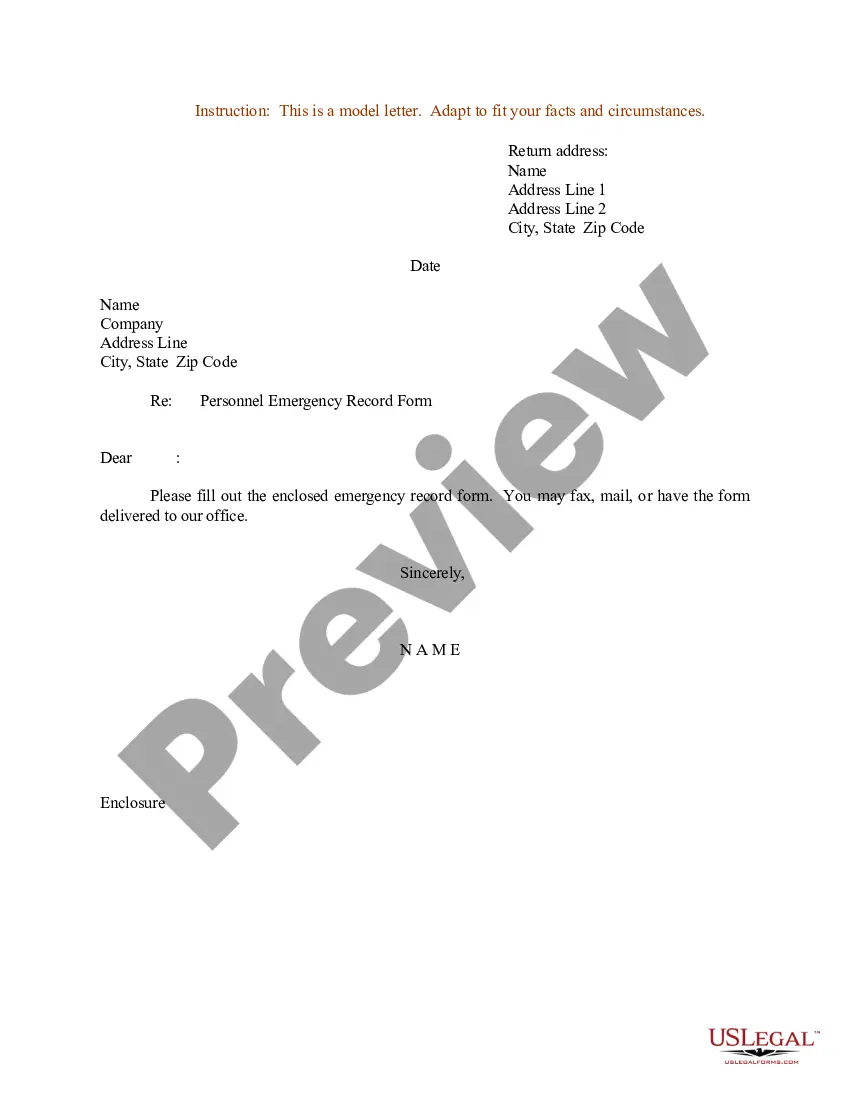
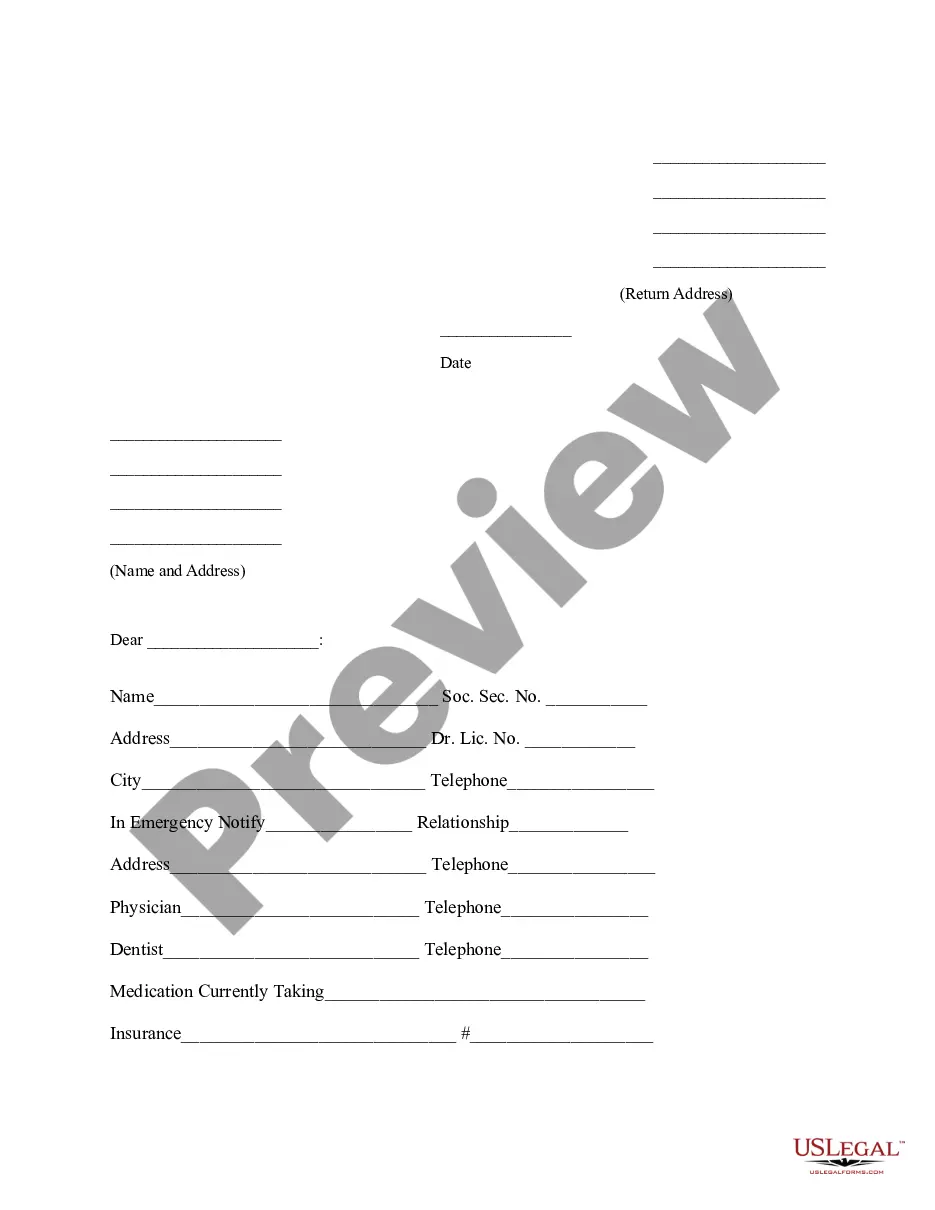
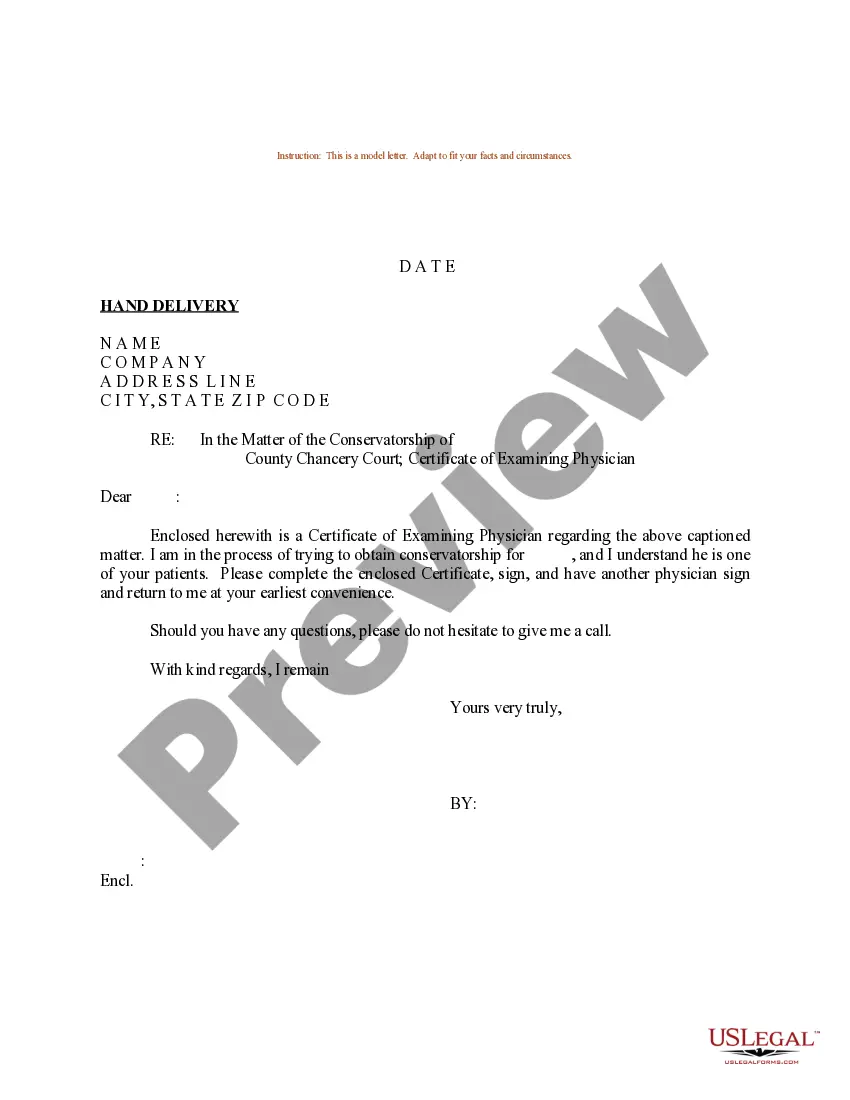
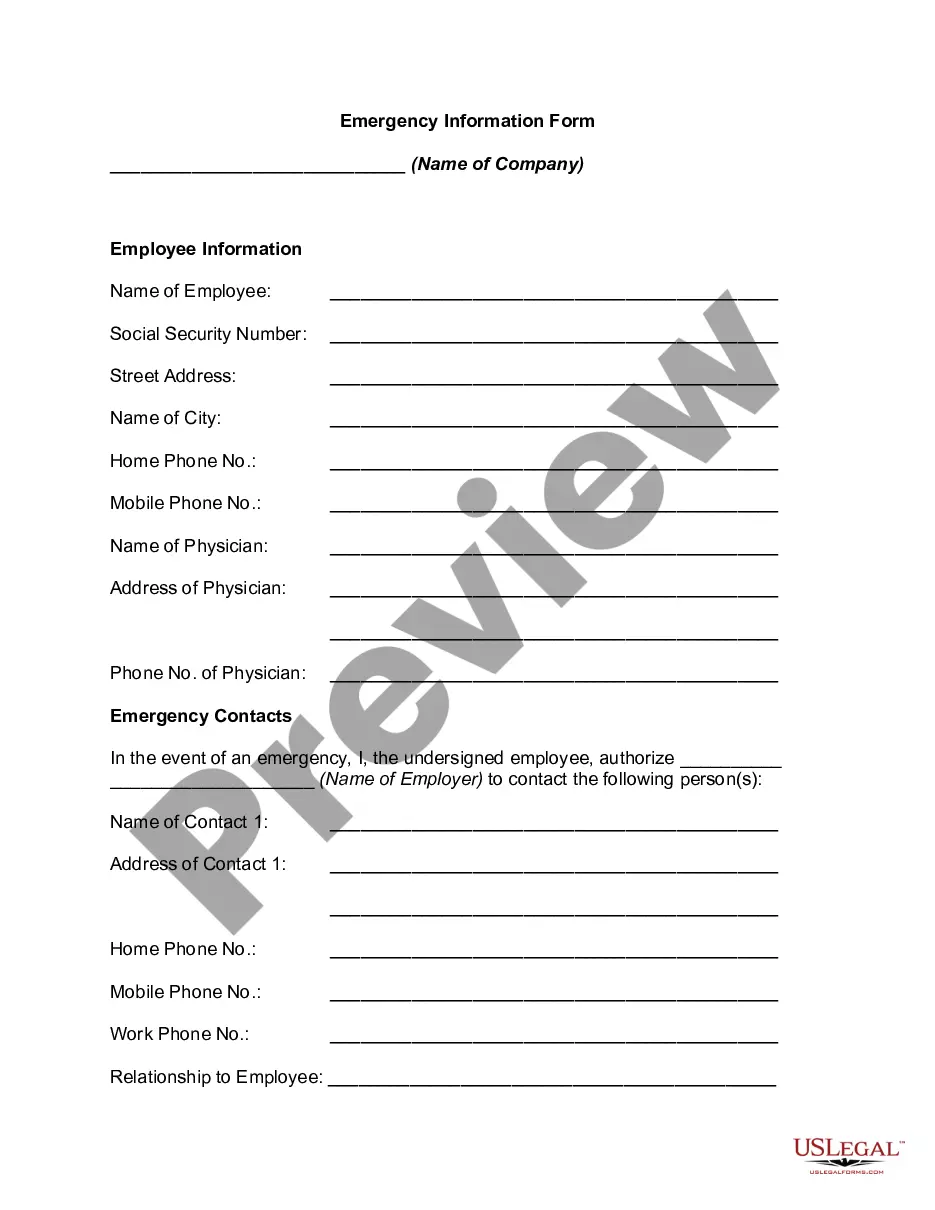
The Sample Letter for Personnel Emergency Record Form is a template designed to facilitate the documentation of important emergency information for personnel in an organization. This form serves as a guide for employers to create an official letter that outlines emergency contacts and critical details, ensuring that essential information is readily available in case of an emergency. Unlike generic letter templates, this specific sample focuses on the urgency and clarity needed for personnel emergency situations.
Key components of this form
- Return address of the sender
- Date of the letter
- Recipient's information, including name and company
- Subject line indicating the purpose of the letter
- Body of the letter detailing emergency contact information

Common use cases
This form should be used when an employer needs to gather and document emergency contact information for employees. It is particularly useful during onboarding processes, annual updates of personnel records, or in response to changes in an employee's emergency contacts. This ensures that the company is prepared to act swiftly and efficiently in any crisis that may arise involving its staff.
Who needs this form
- Employers or HR professionals responsible for maintaining employee records
- Managers needing to ensure readiness for emergency situations
- Organizations that prioritize employee well-being and safety
Steps to complete this form
- Identify the return address where the letter will be sent from.
- Enter the date when the letter is being prepared.
- Fill in the recipient's name and company information.
- Clearly state the subject line as "Personnel Emergency Record Form."
- Detail the emergency contact information in the body of the letter.
Does this document require notarization?
This form does not typically require notarization unless specified by local law. However, obtaining signatures from involved parties may enhance its validity and ensure acknowledgment of the emergency contact information provided.
Get your form ready online
Our built-in tools help you complete, sign, share, and store your documents in one place.
Make edits, fill in missing information, and update formatting in US Legal Forms—just like you would in MS Word.
Download a copy, print it, send it by email, or mail it via USPS—whatever works best for your next step.
Sign and collect signatures with our SignNow integration. Send to multiple recipients, set reminders, and more. Go Premium to unlock E-Sign.
If this form requires notarization, complete it online through a secure video call—no need to meet a notary in person or wait for an appointment.
We protect your documents and personal data by following strict security and privacy standards.

Make edits, fill in missing information, and update formatting in US Legal Forms—just like you would in MS Word.

Download a copy, print it, send it by email, or mail it via USPS—whatever works best for your next step.

Sign and collect signatures with our SignNow integration. Send to multiple recipients, set reminders, and more. Go Premium to unlock E-Sign.

If this form requires notarization, complete it online through a secure video call—no need to meet a notary in person or wait for an appointment.

We protect your documents and personal data by following strict security and privacy standards.
Common mistakes
- Leaving out essential emergency contact details.
- Failing to update the form regularly as contact information changes.
- Using vague language that may lead to confusion in emergencies.
Why use this form online
- Immediate access to a professional template, ensuring compliance with legal standards.
- Editable format allows for easy customization to meet specific organizational needs.
- Reliable, ready-to-use format minimizes the risk of errors commonly found in self-created documents.
Legal use & context
- This letter serves as a formal communication for maintaining emergency contact records.
- While it is a standard practice, local laws may impose additional requirements for handling personnel records.
Main things to remember
- The Sample Letter for Personnel Emergency Record Form is essential for documenting emergency contacts.
- Employers should use the form regularly during onboarding and updates.
- Keeping contact information current is crucial for effective emergency response.
Looking for another form?
Form popularity
FAQ
An emergency contact is the first person medical personnel will get in touch with in an emergency, but your emergency contact may not have the legal authority to act on your behalf unless you explicitly provide that power.Ideally, you will name the same person to be your agent and your emergency contact.
The statute defines "personal information" to include an individual's first name or first initial and last name in combination with that person's social security number, driver's license number, California identification card number, medical information, or credit card, account or debit card number (in combination with
Name and address of the person. Contact details such as phone number(s) and email(s) of the person. Relationship of the employee(s) with the person. Other relevant detail(s) of the person.
In most cases, emergency contacts are a loved one such as a parent, spouse, adult child, or trusted friend. If possible, it's best to have at least TWO emergency contacts.
Emergencies. If the employee is a no call/no show for work, or has an accident, injury, or illness at work, then, by all means, get out the Emergency Contact form the employee completed and contact that designated person about the emergency issue.
Names, ages and birth dates of each family member: Full names listed with date of birth and current age. Home address and telephone number: include the address of the where the list resides, include full street address, and your phone number with area code.
Confidential Employee Information Personal data: Social Security Number, date of birth, marital status, and mailing address. Job application data: resume, background checks, and interview notes.Job termination data: the employee's resignation letter, termination records, and unemployment insurance claims.
The emergency contact form should request that the employee provide the name, home phone number, cell phone number, and email address of at least two people to contact in the event of an emergency.