Virginia Subcontractors Package
About this form package
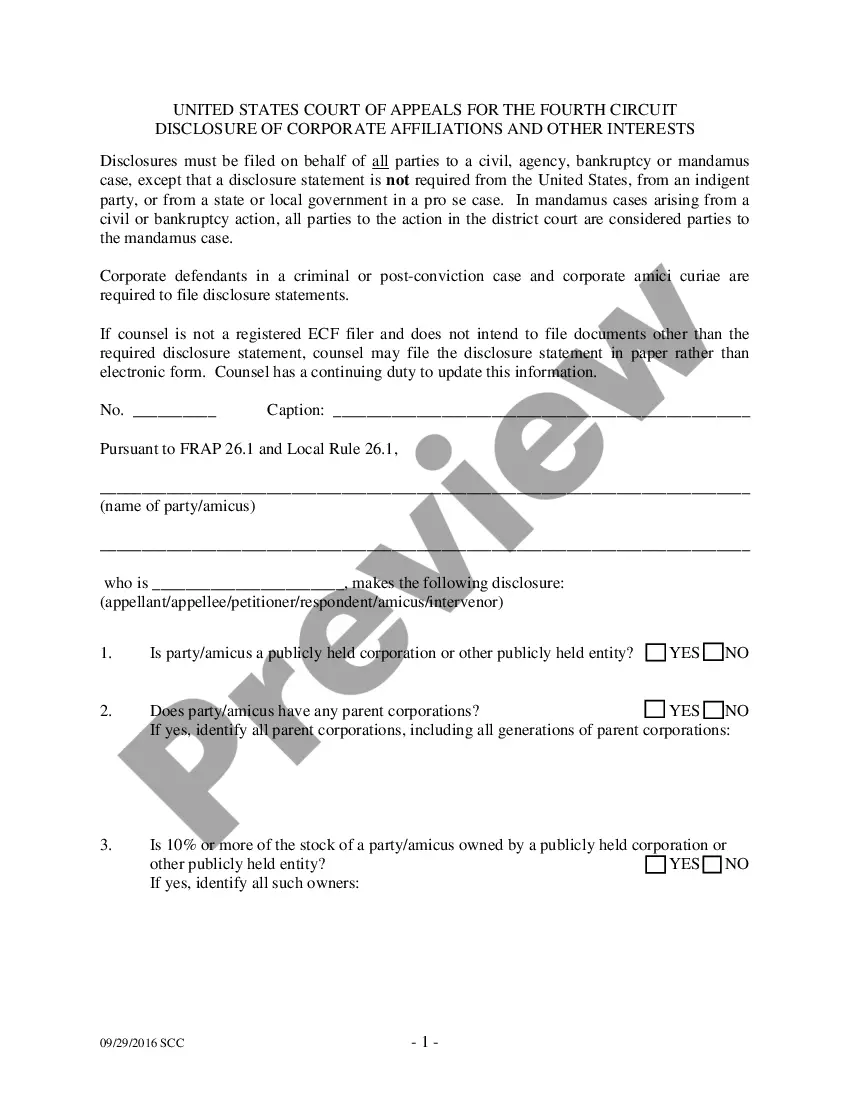
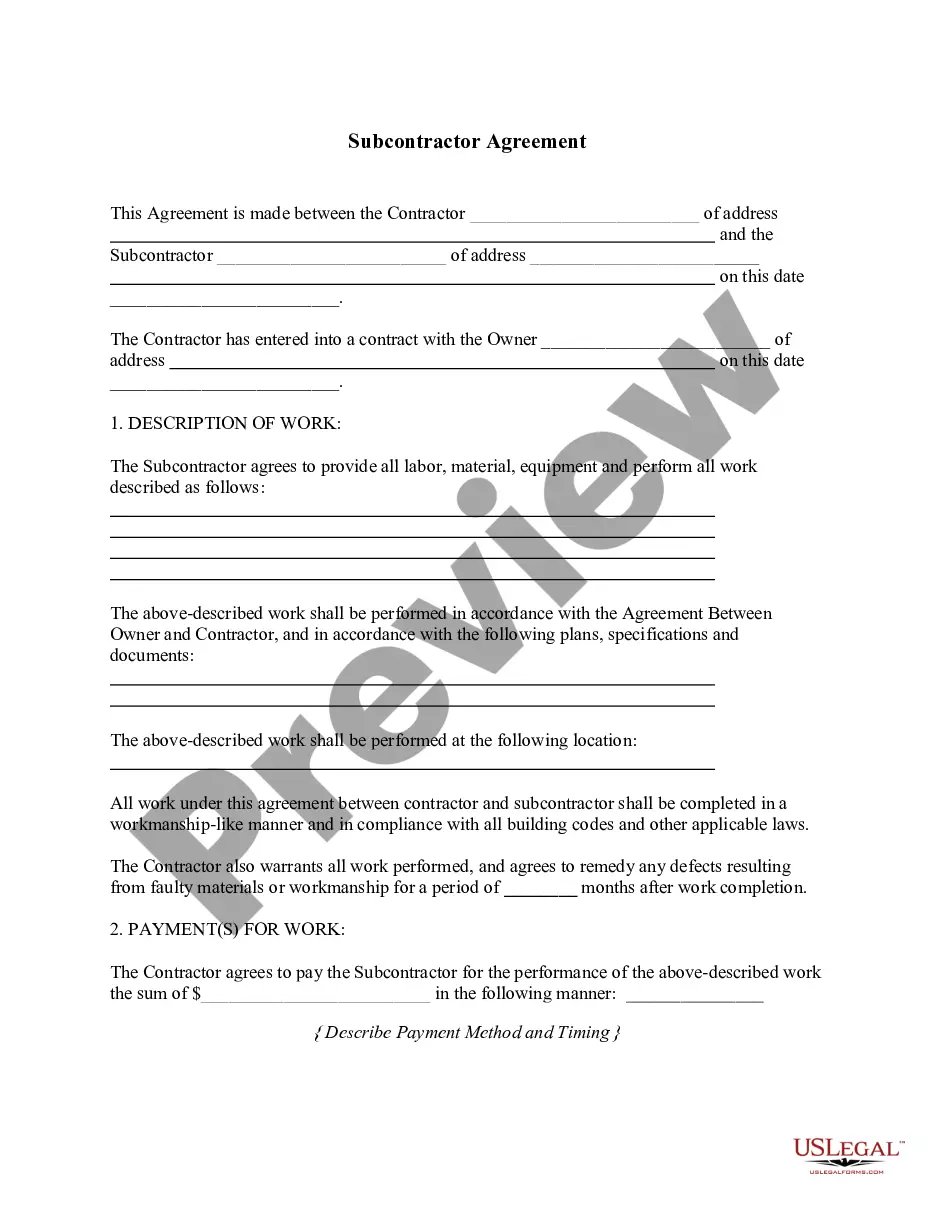
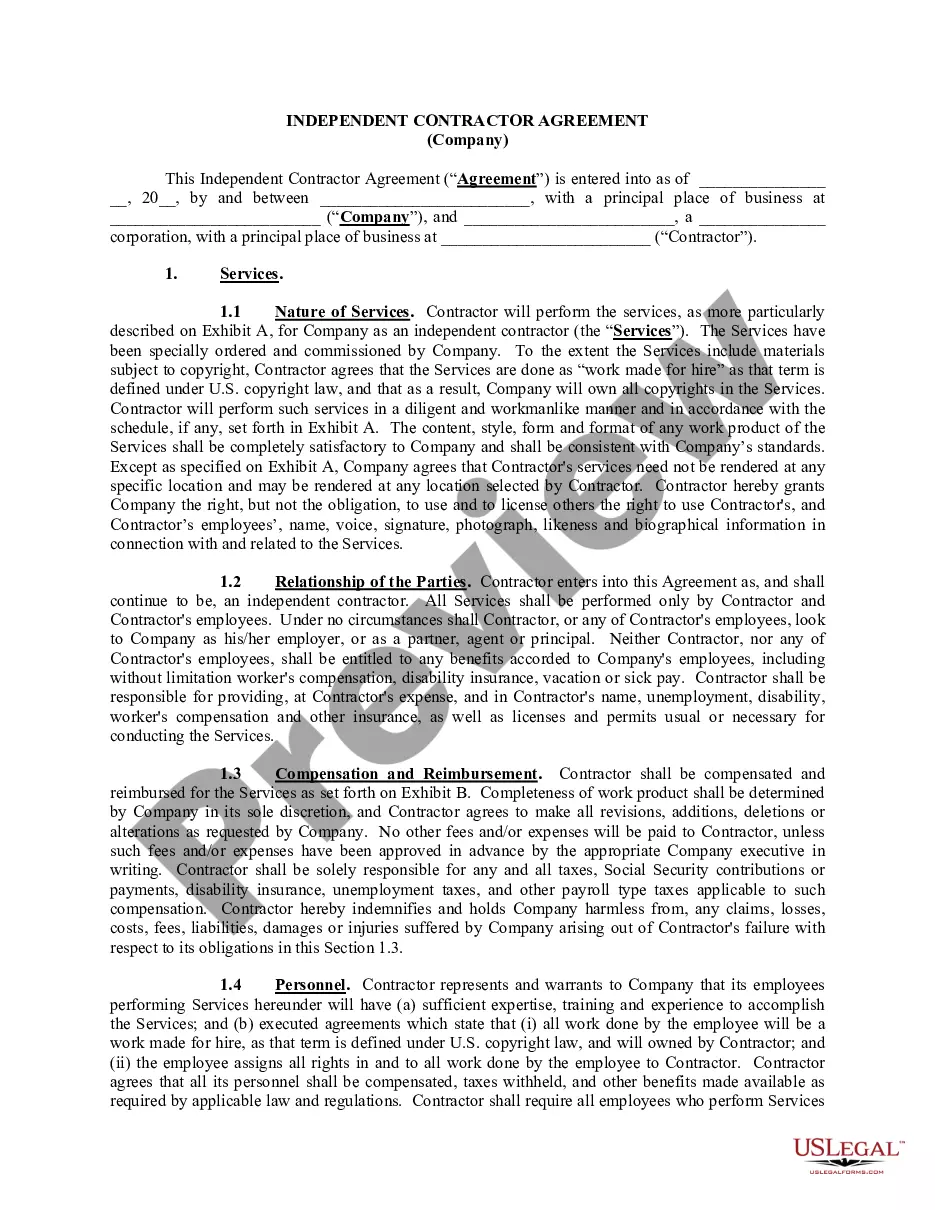
The Virginia Subcontractors Package is essential for subcontractors managing construction projects in Virginia. It provides a comprehensive set of legal forms that help protect your rights and streamline project management. Unlike other form packages, this one includes a Subcontractor's Agreement specifically tailored to comply with Virginia state laws, ensuring you have the necessary legal framework for your construction endeavors.
Forms provided in this package
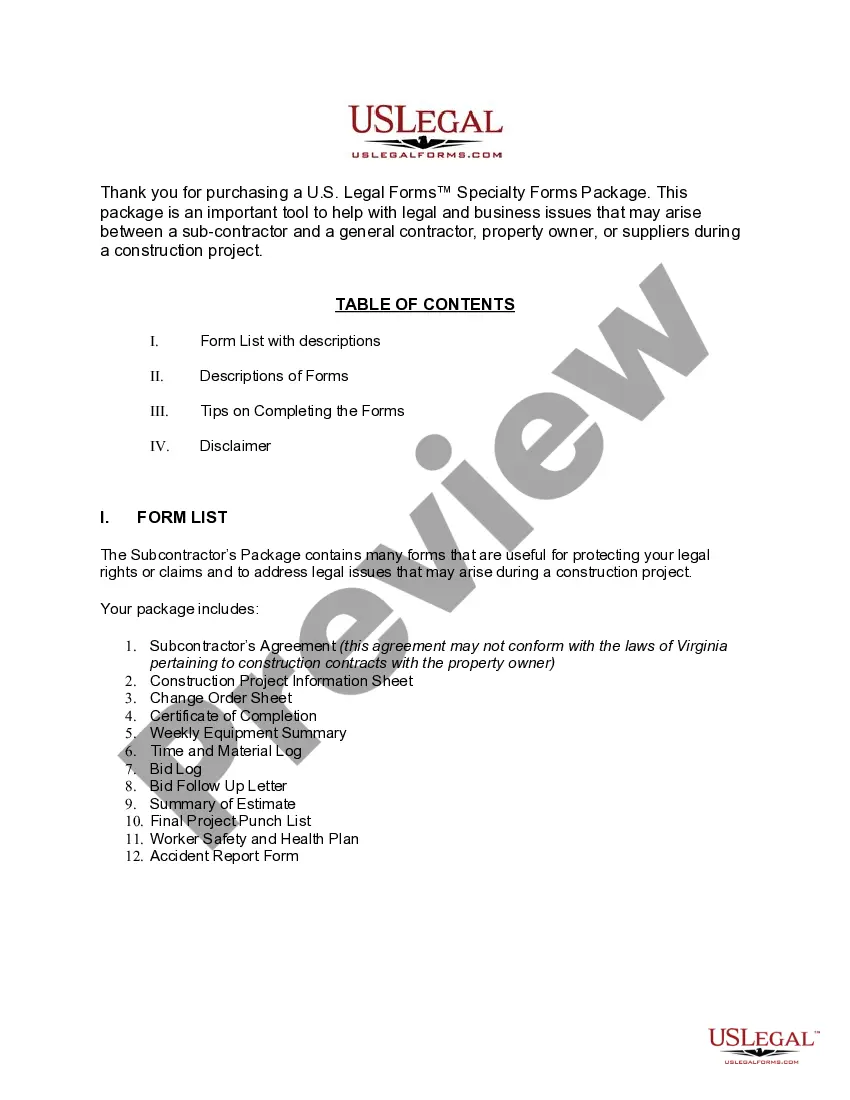
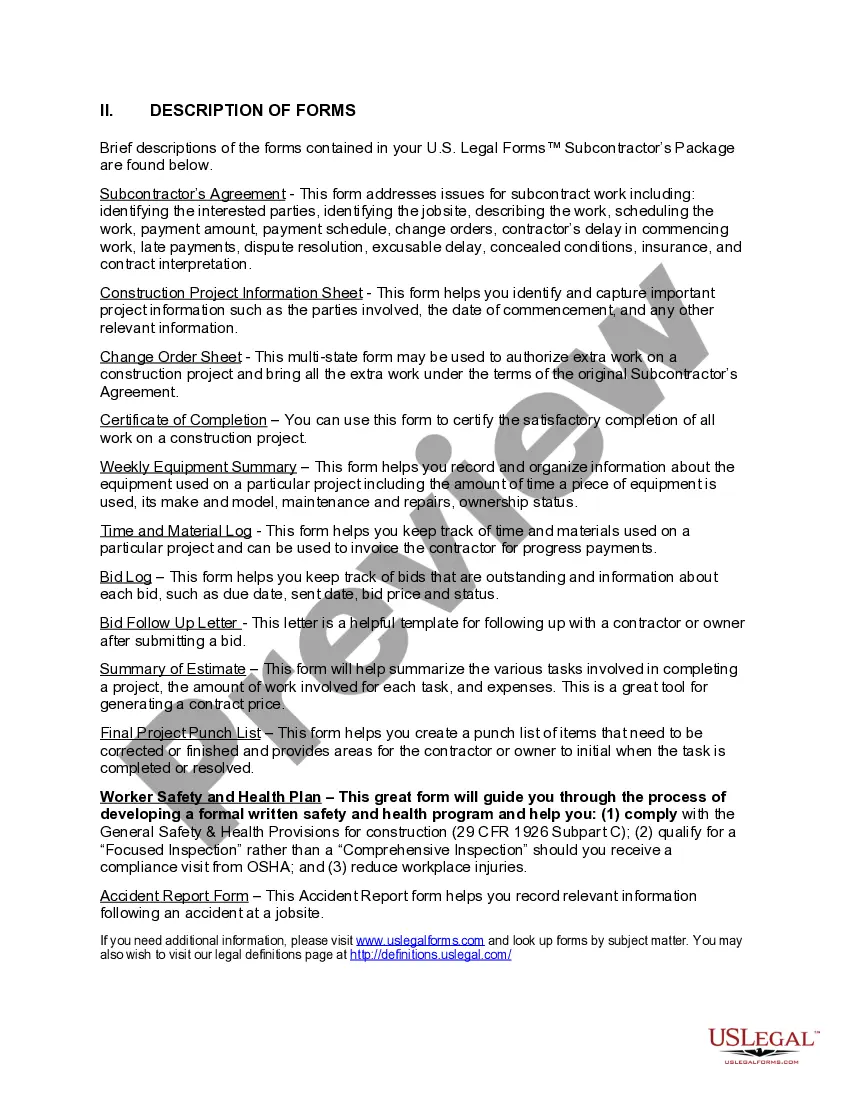
- Subcontractor's Agreement
- Contractor's Weekly Equipment Summary
- Contractor's Time and Materials Log
- Contractor's Bid Log
- Contractor's Bid Follow Up Letter
- Contractor's Summary of an Estimate
- Contractor's Final Punch List
- Construction Accident Report
- Construction Safety and Health Plan
- Change Order for Construction or Repairs by Contractor
- Certification of Completion by Contractor
- Construction Project Information Sheet

When to use this document
This form package is useful in various scenarios, including:
- When starting a new construction project and needing to outline agreements with contractors.
- When changes in project scope occur, requiring formal agreements to authorize extra work.
- To certify the satisfactory completion of a construction project.
- To organize and track project-related equipment and labor expenses.
- When preparing for inspections and ensuring safety protocols are documented.
Who this form package is for
- Subcontractors working on construction projects in Virginia.
- General contractors who hire subcontractors.
- Small business owners in the construction industry.
- Individuals handling personal construction projects.
- Project managers seeking to maintain compliance with state regulations.
Steps to complete these forms
- Review the included forms thoroughly to understand their purpose and requirements.
- Identify the parties involved in the project and gather their contact information.
- Complete the Construction Project Information Sheet with relevant project details.
- Use the Change Order Sheet to document any adjustments to the work or expenses.
- Gather necessary signatures on the Certificate of Completion when the project ends.
- Keep copies of all forms for your records to track the progress and completion of the project.
Notarization requirements for forms in this package
Forms in this package usually don’t need notarization, but certain jurisdictions or signing circumstances may require it. US Legal Forms provides a secure online notarization option powered by Notarize, accessible 24/7 from anywhere.
Get your form ready online
Our built-in tools help you complete, sign, share, and store your documents in one place.
Make edits, fill in missing information, and update formatting in US Legal Forms—just like you would in MS Word.
Download a copy, print it, send it by email, or mail it via USPS—whatever works best for your next step.
Sign and collect signatures with our SignNow integration. Send to multiple recipients, set reminders, and more. Go Premium to unlock E-Sign.
If this form requires notarization, complete it online through a secure video call—no need to meet a notary in person or wait for an appointment.
We protect your documents and personal data by following strict security and privacy standards.

Make edits, fill in missing information, and update formatting in US Legal Forms—just like you would in MS Word.

Download a copy, print it, send it by email, or mail it via USPS—whatever works best for your next step.

Sign and collect signatures with our SignNow integration. Send to multiple recipients, set reminders, and more. Go Premium to unlock E-Sign.

If this form requires notarization, complete it online through a secure video call—no need to meet a notary in person or wait for an appointment.

We protect your documents and personal data by following strict security and privacy standards.
Common mistakes
- Failing to fully complete required fields on forms, which may lead to delays or disputes.
- Not reviewing project agreements with contractors prior to signing.
- Overlooking local safety regulations when preparing the Worker Safety and Health Plan.
- Neglecting to keep updated records for bids and changes to the project scope.
Benefits of completing this package online
- Convenience of downloading forms instantly and accessing them anytime.
- Editability allows you to customize forms according to your specific project needs.
- Reliability of forms prepared by licensed attorneys, ensuring legal soundness.
- Significant cost savings compared to purchasing forms individually.
Legal use & context
- All forms are structured to uphold their legal validity within Virginia state law.
- Utilizing the appropriate forms ensures that contractual obligations are clearly defined.
- This package supports the enforcement of claims by providing necessary documentation.
Key takeaways
- The Virginia Subcontractors Package contains crucial forms for managing construction projects legally.
- Understanding when and how to use these forms can prevent potential project disputes.
- This package streamlines documentation, safeguarding your rights throughout the construction process.
Looking for another form?

Form popularity
FAQ
Independent contractors and subcontractors are both considered self-employed by the IRS. Both are responsible for making quarterly tax payments including self-employment tax.Additionally, you're free to hire subcontractors even if you're a subcontractor yourself.
Learn the difference between contractors and employees and why it matters with your Paycheck Protection Program loan application.As you're calculating your payroll costs, you can't include contractors because contractors are their own entity and may apply for a PPP loan on their own.
Under the CARES Act, self-employed workers and independent contractors can apply for temporary unemployment benefits. RICHMOND, Va.If you are self-employed, you won't have to submit proof of earnings, like a 1099 or tax filing at this time.
Subcontractors do not get benefits, office space or equipment. Hiring contractors also relieves you of having to pay employee taxes and a full-time salary. When all is said and done, hiring a subcontractor is about 20 to 30 percent more cost effective than hiring full-time additional staff.
California is an employment-at-will state, meaning that the employer can choose to fire you at any time without providing a reason.Whenever you sign an employment contract or an independent contractor's one, make sure that you understand the terms and conditions of termination.
Contractors and subcontractors don't affect your payroll, because they're not employees.When it comes to tax obligations, both the contractor and the subcontractor are responsible for paying their own taxes. Typically, you would provide the contractor with a IRS Form 1099 for the work they did for you.
In short, someone who sets their wage, hours, and chooses the jobs they take on is a subcontractor, while someone whose employer specifies their wage, hours, and work tasks is an employee.
Self employed workers can have their employment terminated at any time as long as they are issued with the required notice of termination as per their contract.subcontractors can be employees of the business that hires them, even if they have a written contract which expressly states that they are not employees.
As a business owner, it's a given that you're expected to pay your employees accurately and on time.Independent contractors are not classified as employees by the Internal Revenue Service (IRS), so instead of being paid through your payroll system, they're paid separately as a business expense.