Smoking Policy
What is this form?
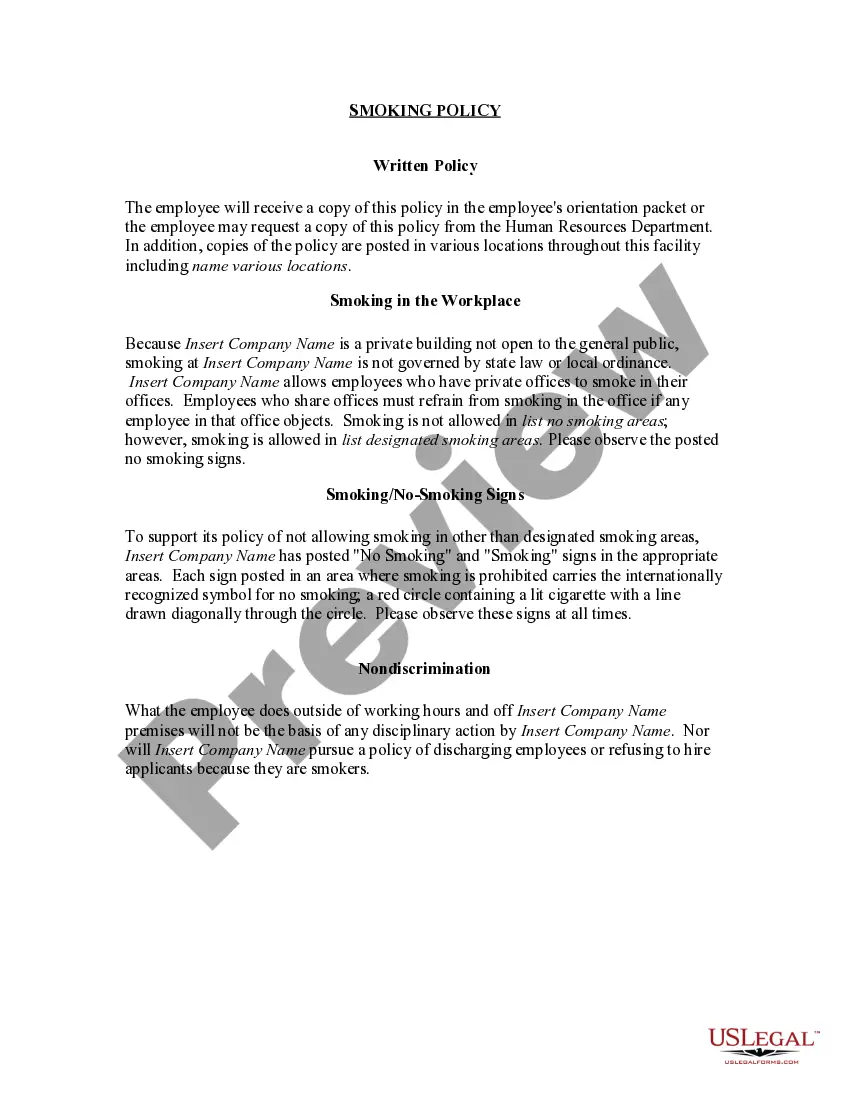
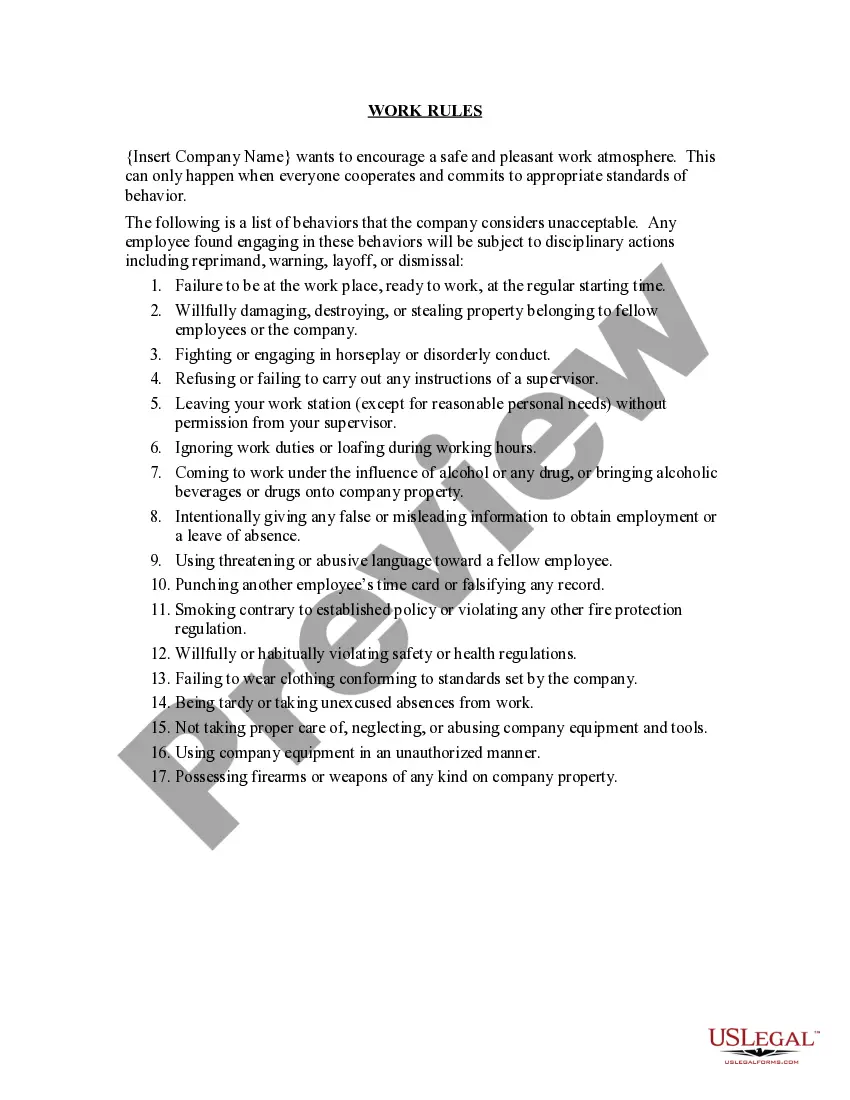
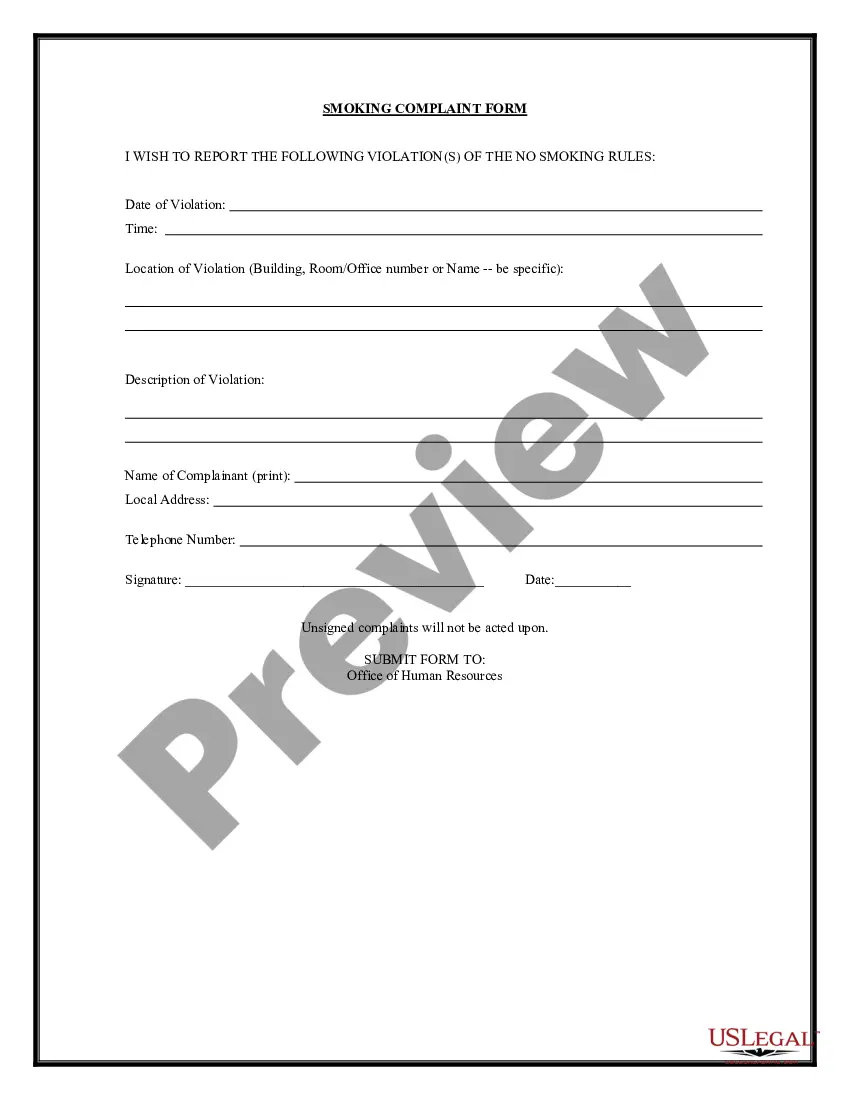
The Smoking Policy form provides organizations with a structured approach to communicate their stance on smoking within the workplace. It outlines rules, designates smoking areas, and incorporates employee rights concerning smoking. Unlike other workplace policies, this form specifically addresses smoking regulations and helps ensure a safe environment for all employees.
Key parts of this document
- Written policy distribution and accessibility to employees.
- Guidelines for smoking in private versus shared offices.
- Designated smoking and no-smoking areas within the workplace.
- Clear signage requirements to indicate smoking rules.
- Nondiscrimination clause regarding off-duty smoking habits.
When to use this form
This form should be utilized by employers seeking to implement a comprehensive smoking policy. It is particularly useful for companies that want to clarify their position on smoking, designate specific areas for smoking, and communicate expectations to employees effectively. Additionally, organizations undergoing changes in tobacco regulation or aiming to promote a healthier workplace can benefit from this policy.
Who this form is for
- Employers looking to establish a clear smoking policy for their workplace.
- Human Resources departments responsible for employee well-being and compliance.
- Business owners aiming to enhance workplace health and safety standards.
- Legal professionals advising businesses on employee policies.
How to complete this form
- Fill in your company name in the designated sections.
- Specify the locations of designated smoking areas and no-smoking zones in your facility.
- Distribute copies of the policy during the employee orientation process.
- Post clear signs indicating no-smoking areas throughout the workplace.
- Communicate the policy to all employees and ensure they understand it.
Does this document require notarization?
Notarization is not commonly needed for this form. However, certain documents or local rules may make it necessary. Our notarization service, powered by Notarize, allows you to finalize it securely online anytime, day or night.
Get your form ready online
Our built-in tools help you complete, sign, share, and store your documents in one place.
Make edits, fill in missing information, and update formatting in US Legal Forms—just like you would in MS Word.
Download a copy, print it, send it by email, or mail it via USPS—whatever works best for your next step.
Sign and collect signatures with our SignNow integration. Send to multiple recipients, set reminders, and more. Go Premium to unlock E-Sign.
If this form requires notarization, complete it online through a secure video call—no need to meet a notary in person or wait for an appointment.
We protect your documents and personal data by following strict security and privacy standards.

Make edits, fill in missing information, and update formatting in US Legal Forms—just like you would in MS Word.

Download a copy, print it, send it by email, or mail it via USPS—whatever works best for your next step.

Sign and collect signatures with our SignNow integration. Send to multiple recipients, set reminders, and more. Go Premium to unlock E-Sign.

If this form requires notarization, complete it online through a secure video call—no need to meet a notary in person or wait for an appointment.

We protect your documents and personal data by following strict security and privacy standards.
Typical mistakes to avoid
- Failing to clearly outline designated smoking and no-smoking areas.
- Not distributing the policy to all employees or including it in orientation packets.
- Neglecting to comply with local state laws that may require additional regulations.
Advantages of online completion
- Convenience of immediate access and easy customization of the template.
- Ability to quickly update the policy as regulations change.
- Reliability in using attorney-drafted forms to ensure legal compliance.
Legal use & context
- This form outlines a legal framework for smoking policies within private workplaces.
- Enforcement of specified rules is crucial for maintaining a healthy work environment.
- Employers must ensure compliance with any applicable smoking laws and regulations.
Looking for another form?
Form popularity
FAQ
Employers are free to ban all smoking in the workplace, even if state law allows it. In other words, there is no law that protects your right to smoke at work. However, employers have less freedom to regulate off-duty smoking by employees. Several states have laws prohibiting discrimination against smokers.
Drink a glass of water. Eat a dill pickle. Suck on a piece of tart candy. Eat a popsicle or wash and freeze grapes on a cookie sheet for a healthy frozen snack. Floss and brush your teeth. Chew gum.
What does a smoking policy consist of? The aims of a smoke-free policy should be to protect staff from the harmful effects of second-hand tobacco smoke, as well as making sure that employers, smokers, and non-smokers have a clear understanding of their rights and responsibilities.
Employers must, by law, prevent people from smoking at work if within an enclosed or substantially enclosed space or in certain vehicles.Before the workplace smoking bans, UNISON had taken legal action on behalf of members who have had their health permanently damaged by exposure to passive smoke at work.
Include proper disposal rules and provide receptacles in the designated area. State clearly that extra breaks to smoke are not permitted and that designated areas are only to be used before work, after work or during lunch.
No smoking or other use of tobacco products (including, but not limited to, cigarettes, pipes, cigars, snuff, or chewing tobacco) is permitted in any part of the building or in vehicles owned, leased, or rented by the Company. Employees may smoke outside in designated areas during breaks.
Say "No": "No thanks." "I'm not interested." Change the subject. Tell the truth: "I'm allergic." Use humour. "I can't smoke. Give a reason: "I don't want to smoke. Provide other options: "I'd rather beat you at basketball!" Leave. Tell a story:
Smoke-free policies are public-sector regulations and private-sector rules that prohibit smoking in indoor spaces and designated public areas. State and local ordinances establish smoke-free standards for all, or for designated, indoor workplaces, indoor spaces, and outdoor public places.