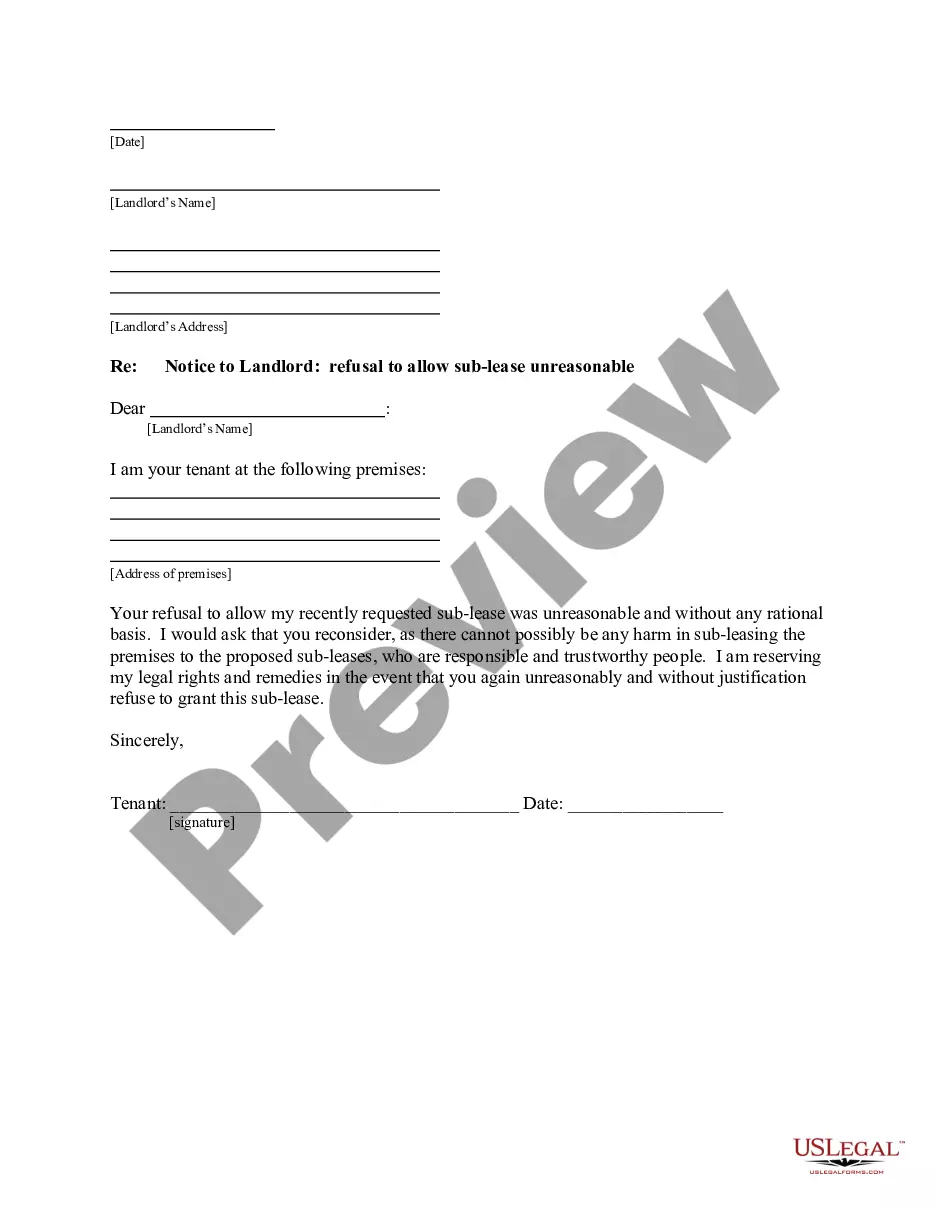
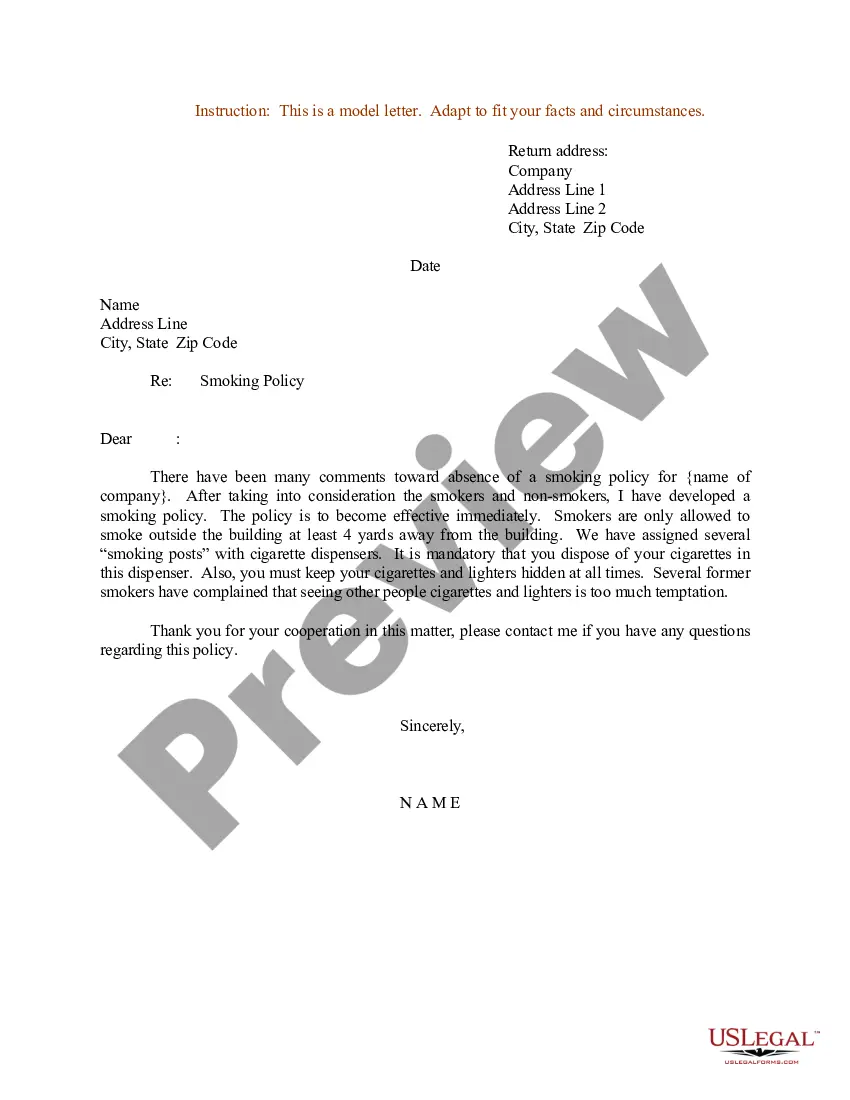
Sample Letter for Smoking Policy
Understanding this form
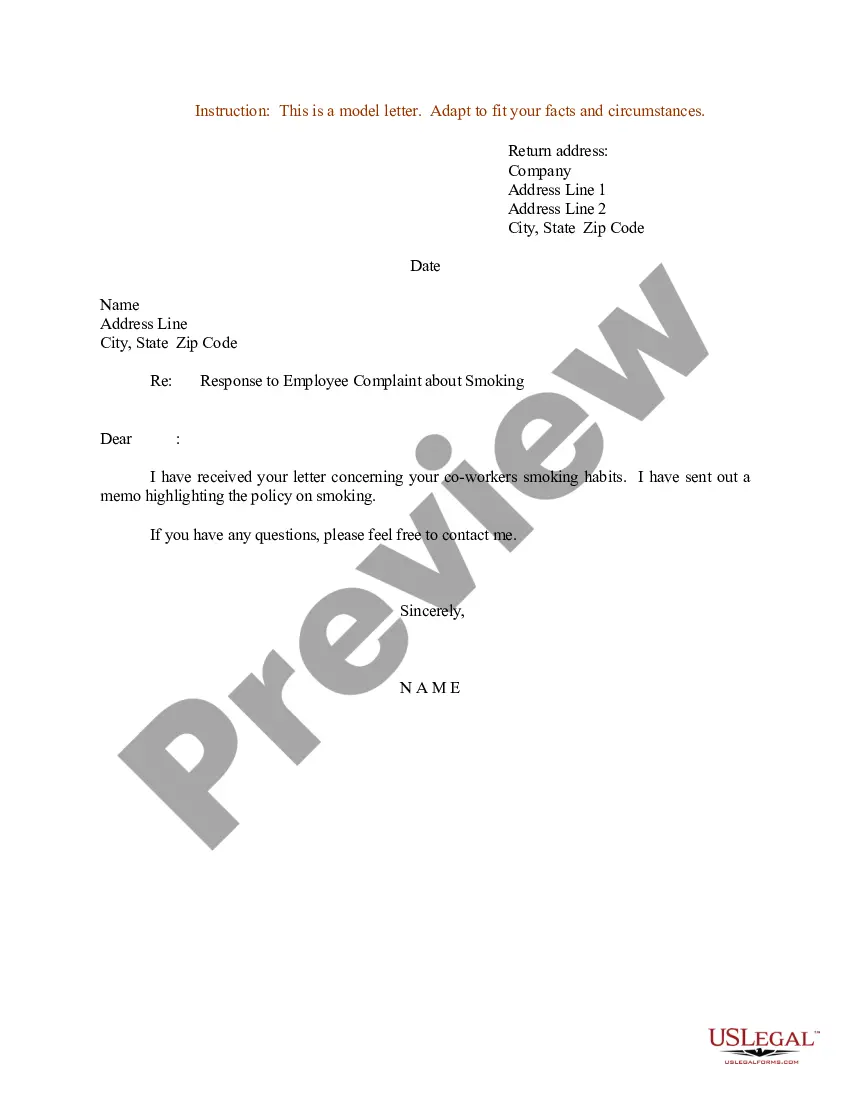
This Sample Letter for Smoking Policy is a customizable document used by employers to communicate their smoking policy to employees. It outlines the rules and regulations surrounding smoking in the workplace, ensuring compliance and promoting a healthy environment. Unlike other legal forms related to workplace policies, this letter serves as a clear and direct way to inform employees about specific expectations regarding smoking behavior.
What’s included in this form
- Return address: Includes the companyâs name and address.
- Date: The date the letter is issued.
- Recipient's address: The name and address of the employee.
- Subject line: Clearly states the topic, "Smoking Policy."
- Body of the letter: Details the smoking policy and any related consequences for non-compliance.
- Signature line: Space for the sender's name and title.
When to use this document
This letter should be used when establishing or updating your company's smoking policy in the workplace. It is particularly important when new employees are onboarded or when existing policies are revised to align with changes in regulations or company standards. The letter serves to clarify expectations and responsibilities regarding smoking in communal areas or during work hours.
Who needs this form
- Employers looking to formalize their smoking policies.
- Human resources professionals responsible for employee communications.
- Business owners who want to maintain a healthy work environment.
- Managers aiming to ensure compliance with local laws and company regulations.
How to complete this form
- Identify the parties: Fill in the companyâs return address and the employeeâs details.
- Enter the date: Specify the date on which the letter is issued.
- Draft the body content: Clearly state your smoking policy and any relevant details.
- Sign the letter: Include the senderâs name and title at the bottom.
- Distribute the letter: Ensure it is delivered to the intended recipient effectively.
Does this form need to be notarized?
This form does not typically require notarization unless specified by local law.
Get your form ready online
Our built-in tools help you complete, sign, share, and store your documents in one place.
Make edits, fill in missing information, and update formatting in US Legal Forms—just like you would in MS Word.
Download a copy, print it, send it by email, or mail it via USPS—whatever works best for your next step.
Sign and collect signatures with our SignNow integration. Send to multiple recipients, set reminders, and more. Go Premium to unlock E-Sign.
If this form requires notarization, complete it online through a secure video call—no need to meet a notary in person or wait for an appointment.
We protect your documents and personal data by following strict security and privacy standards.

Make edits, fill in missing information, and update formatting in US Legal Forms—just like you would in MS Word.

Download a copy, print it, send it by email, or mail it via USPS—whatever works best for your next step.

Sign and collect signatures with our SignNow integration. Send to multiple recipients, set reminders, and more. Go Premium to unlock E-Sign.

If this form requires notarization, complete it online through a secure video call—no need to meet a notary in person or wait for an appointment.

We protect your documents and personal data by following strict security and privacy standards.
Typical mistakes to avoid
- Failing to update the letter when policies change.
- Not including clear consequences for violations of the smoking policy.
- Using unclear language that may confuse employees.
- Neglecting to send the letter to all relevant employees.
Benefits of completing this form online
- Convenience: Easily customizable and downloadable at your convenience.
- Editability: Tailor the language to fit your specific company needs.
- Reliability: Created by licensed attorneys to ensure legal compliance.
- Access to templates: Save time by using pre-drafted forms designed for various situations.
Legal use & context
- This letter serves as a formal notification of smoking regulations within a workplace or property.
- Documenting the communication helps protect the organization against potential disputes.
- Provides clarity and ensures all parties are informed of the smoking policy, promoting compliance.
Quick recap
- The Sample Letter for Smoking Policy helps communicate essential smoking regulations.
- It is vital for businesses to tailor this letter according to their specific needs and local laws.
- Completing this form correctly helps avoid confusion and ensures compliance in the workplace.
- Utilizing this form minimizes the time and effort needed to draft a smoking policy letter from scratch.
Looking for another form?


Form popularity
FAQ
A cover letter is important as about 26% of recruiters read cover letters and consider them critical in their decision to hire.A CareerBuilder study found that 49% of HR managers consider a covering letter the second best thing to give your resume a boost (number one being customizing your resume.)
Dear ABC, We regret to inform you that your employment with (add company name) shall officially get terminated on (add date). The reason for termination of employment and the details of your severance benefit and compensation are mentioned in the attached document. The decision is final and irrevocable.
Show how your achievements relate to the role. Highlight how your skills and work experience are what the employer needs. Show genuine excitement and enthusiasm for the role. List your most significant achievements from previous roles. Tell the recruiter or employer why you're the person for the job.
Notify the employee of their termination date. State the reason(s) for termination. Explain their compensation and benefits going forward. Notify them of any company property they must return. Remind them of signed agreements. Include HR contact information.
1) Names And All Employee Information. 2) Dates. 3) Reason For Termination. 4) Receipt Of Company Property. 5) Severance, Benefits, And Other Compensation Information. 6) Legal Agreements. 7) Details About Their Final Paycheck. 1) Severance To Waive Legal Claims.
A cover letter is a one-page document that, along with your resume, is sent with your job application. A cover letter is your chance to tell a potential employer why you're the perfect person for the position and how your skills and expertise can add value to the company.
Notify the employee of their termination date. State the reason(s) for termination. Explain their compensation and benefits going forward. Notify them of any company property they must return. Remind them of signed agreements. Include HR contact information.
Place your contact information in the header. Address the hiring manager by name. Show relevant achievements to introduce yourself in the first paragraph. Target the employer's needs and prove you can help in the second paragraph.
Are you required to provide a termination letter? Federally, and in most states, a termination letter is not legally required.Some of these states have specific templates employers must use for the letter. Even if your state doesn't require a termination letter, they can be valuable to the business and the employee.