Colorado Deed - Short Form
What this document covers
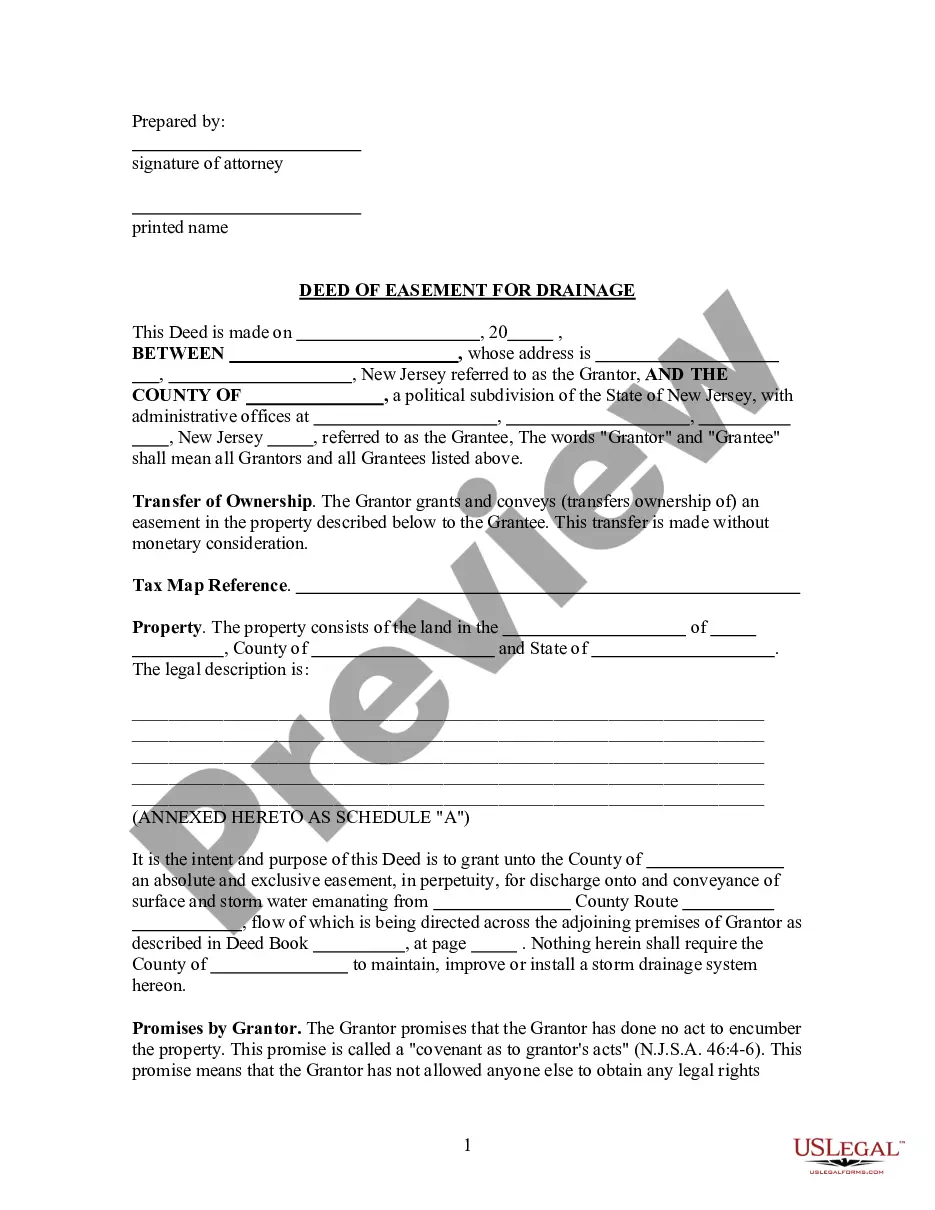
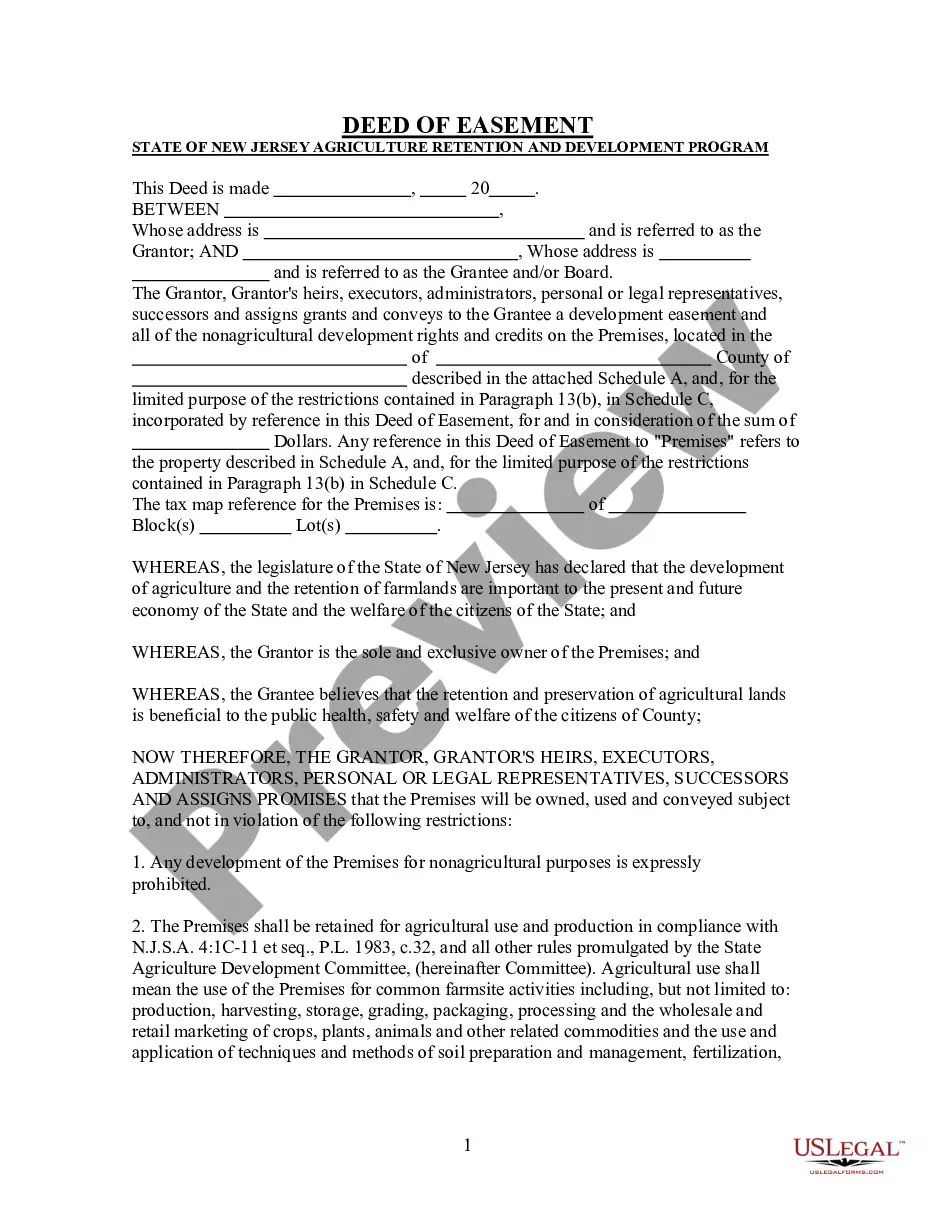
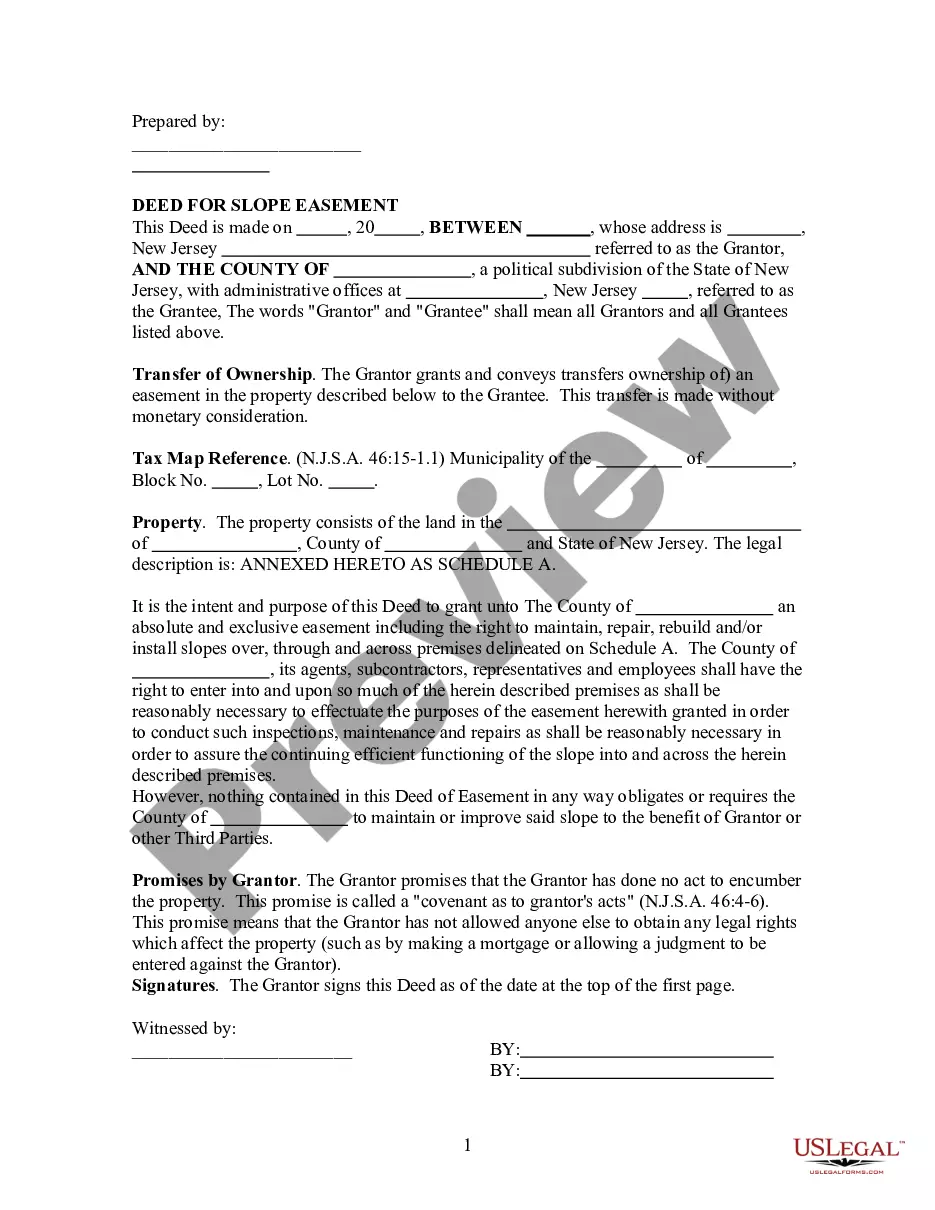
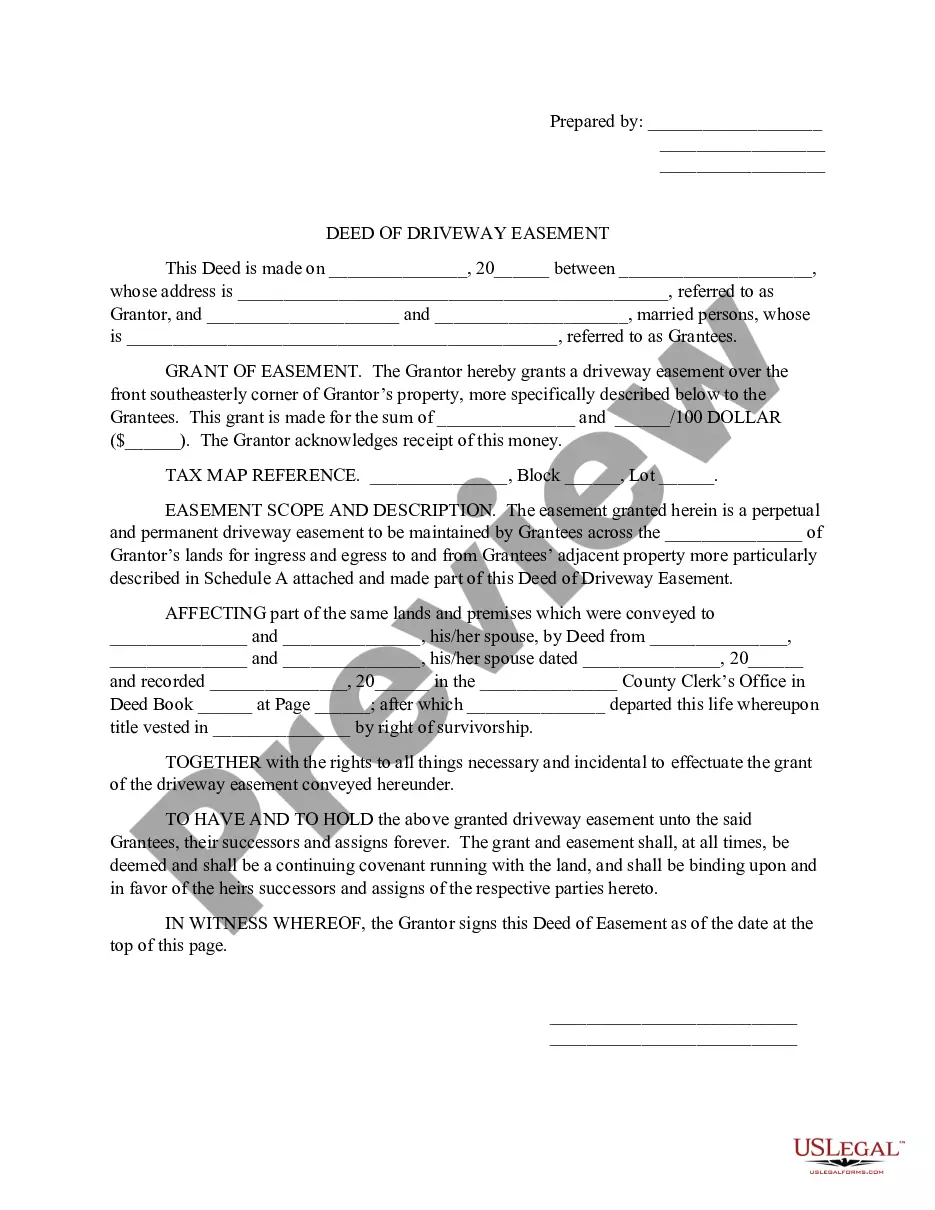
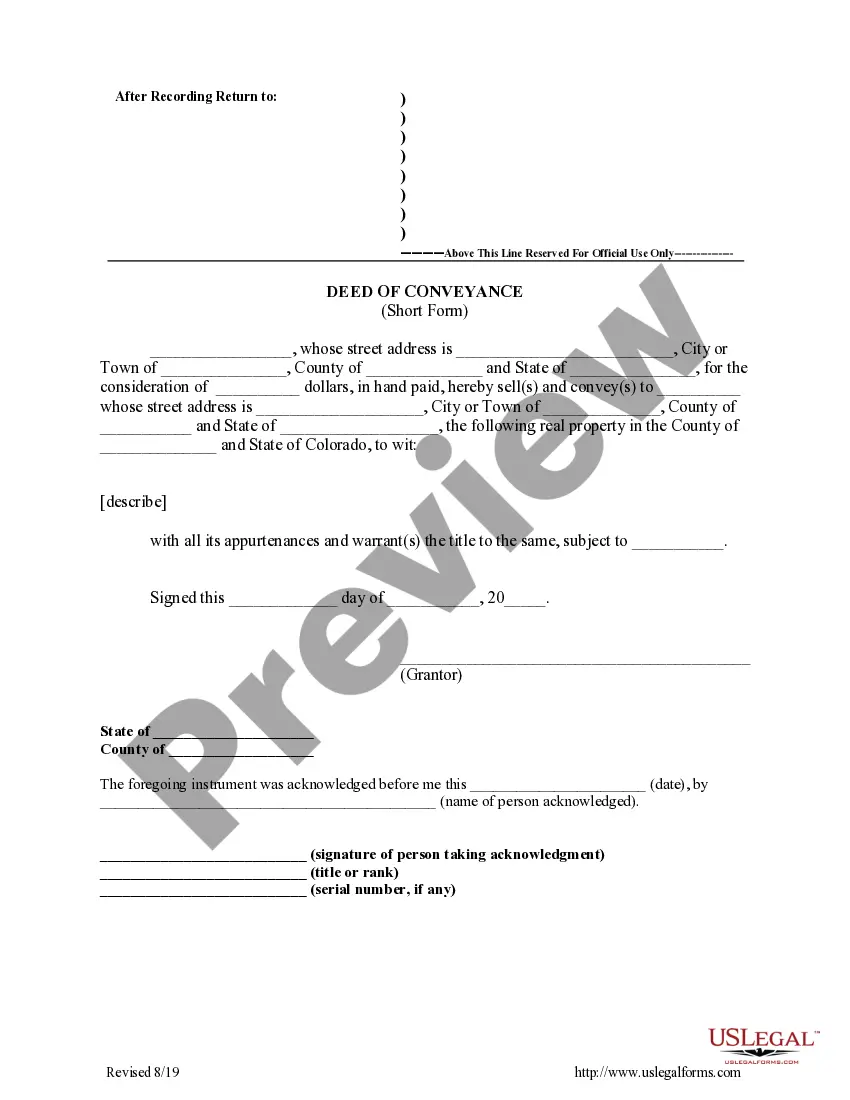
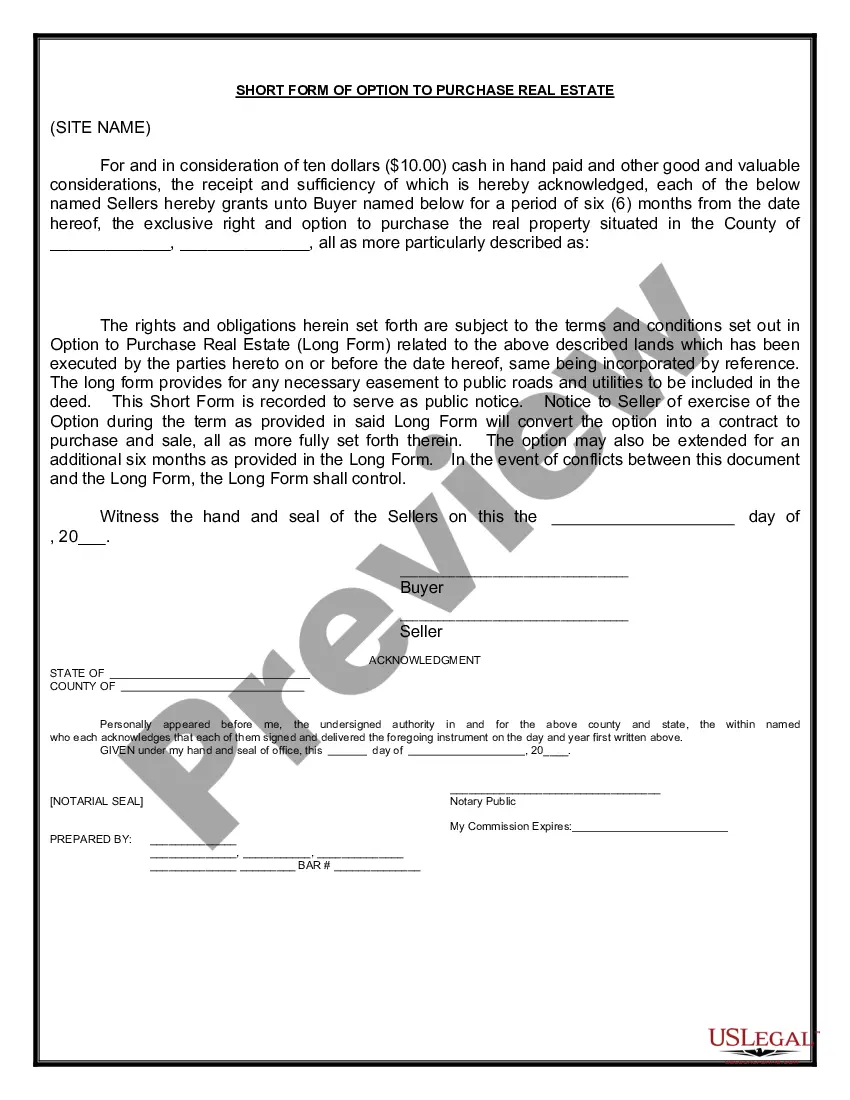
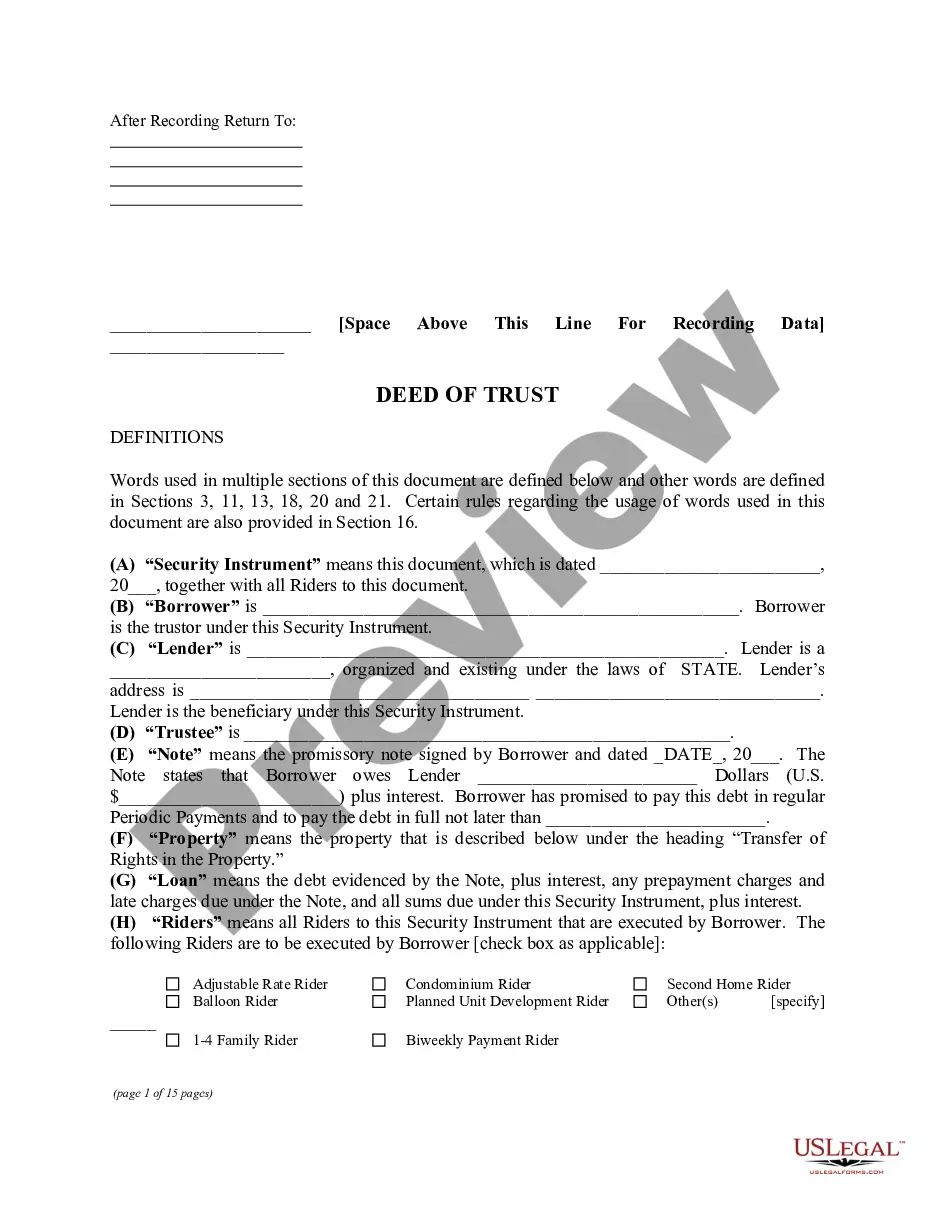
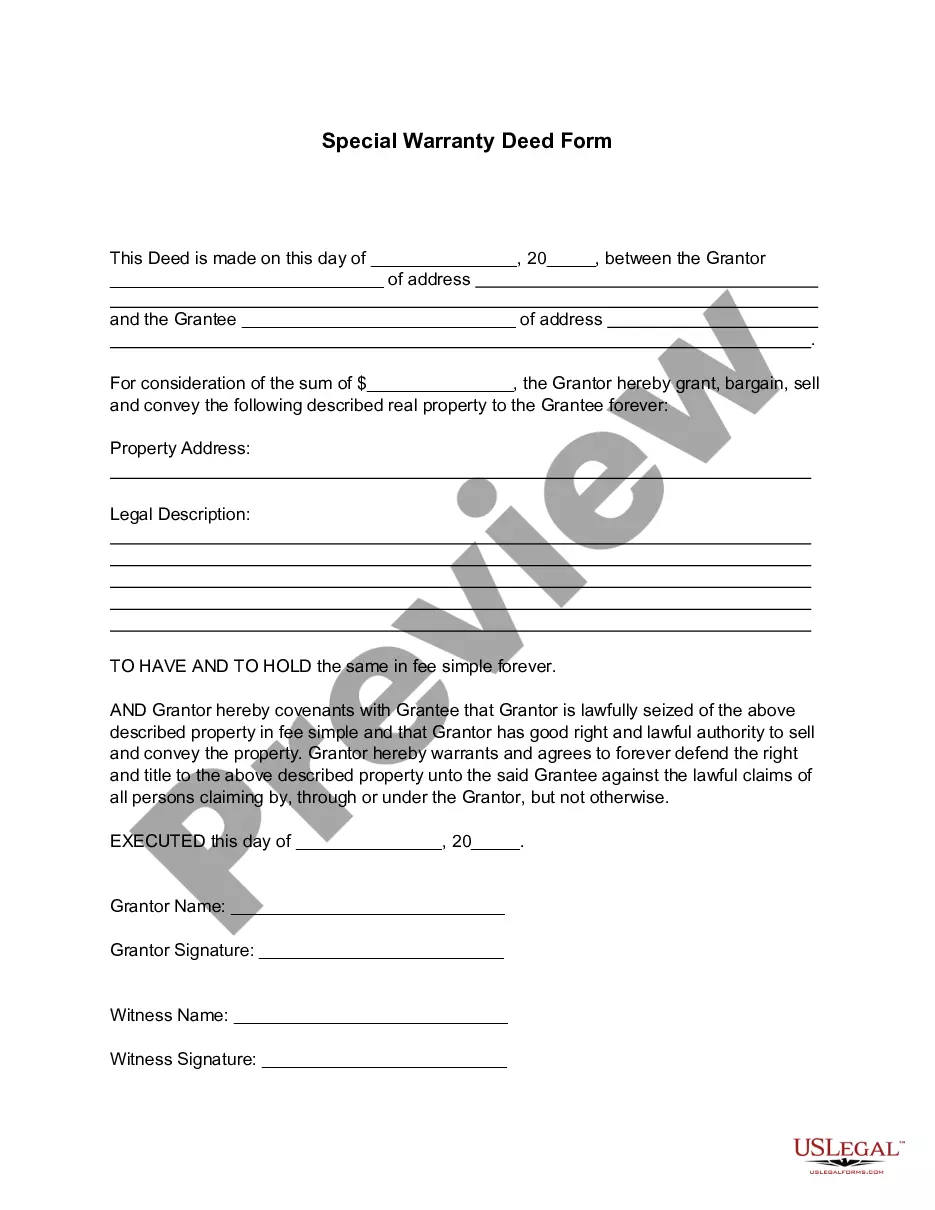
The Deed - Short Form is a legal document used to transfer property ownership from one party to another. Unlike more detailed deeds, this short form provides a straightforward mechanism for property conveyance. It is essential for ensuring that the transfer is legally recognized and properly documented in the designated state.
Main sections of this form
- Grantor Information: Name and address of the person transferring the property.
- Grantee Information: Name and address of the person receiving the property.
- Property Description: Legal description of the real property being transferred.
- Consideration Amount: The amount paid for the property, listed in dollars.
- Signatures: Signature of the grantor to execute the transfer.
- Notary Section: Area for notarization when needed for legal validation.
When to use this form
This form should be used during property transactions, particularly when an individual is selling or transferring ownership of real estate. It is ideal for straightforward transactions where a simple deed suffices without additional complexities that may require a longer deed format.
Who needs this form
- Property owners looking to transfer ownership to another party.
- Buyers and sellers involved in real estate transactions.
- Real estate agents or attorneys facilitating property transfers.
- Individuals seeking a simple method for documenting property conveyance.
Instructions for completing this form
- Identify the parties: Fill in the full names and addresses of the grantor and grantee.
- Specify the property: Describe the real property being transferred accurately.
- Enter the consideration amount: State the price for which the property is being sold.
- Provide signatures: The grantor must sign the form to validate the transfer.
- Obtain notarization: Have the document notarized for legal recognition if required.
Is notarization required?
This document requires notarization to meet legal standards. US Legal Forms provides secure online notarization powered by Notarize, allowing you to complete the process through a verified video call, available 24/7.
Get your form ready online
Our built-in tools help you complete, sign, share, and store your documents in one place.
Make edits, fill in missing information, and update formatting in US Legal Forms—just like you would in MS Word.
Download a copy, print it, send it by email, or mail it via USPS—whatever works best for your next step.
Sign and collect signatures with our SignNow integration. Send to multiple recipients, set reminders, and more. Go Premium to unlock E-Sign.
If this form requires notarization, complete it online through a secure video call—no need to meet a notary in person or wait for an appointment.
We protect your documents and personal data by following strict security and privacy standards.

Make edits, fill in missing information, and update formatting in US Legal Forms—just like you would in MS Word.

Download a copy, print it, send it by email, or mail it via USPS—whatever works best for your next step.

Sign and collect signatures with our SignNow integration. Send to multiple recipients, set reminders, and more. Go Premium to unlock E-Sign.

If this form requires notarization, complete it online through a secure video call—no need to meet a notary in person or wait for an appointment.

We protect your documents and personal data by following strict security and privacy standards.
Typical mistakes to avoid
- Neglecting to provide complete addresses for both parties.
- Omitting the legal description of the property.
- Failure to sign the document by the grantor.
- Not having the form notarized when necessary, according to local laws.
- Using outdated or incorrect versions of the form.
Advantages of online completion
- Convenience: Access and download the form from anywhere at any time.
- Editability: Tailor the form to fit specific transaction details before downloading.
- Reliability: Forms are drafted by licensed attorneys and are compliant with current laws.
Looking for another form?
Form popularity
FAQ
Yes, a quitclaim deed must be notarized in Colorado to be legally effective. The notarization process adds a layer of authenticity to the document, ensuring that all signatures are valid. When using a Colorado Deed - Short Form from uslegalforms, you can follow the included instructions to ensure the document is properly executed and witnessed as required by state law.
To fill out a quitclaim deed in Colorado, start by obtaining the necessary form, which can often be found online through resources like uslegalforms. Provide clear information about the grantor and grantee, describe the property accurately, and include the date of transfer. Using a Colorado Deed - Short Form can simplify this process and help ensure that all essential elements are included.
One primary disadvantage of a quitclaim deed is that it offers no guarantees about the property’s title. This means the grantee may receive a property with existing liens or other claims. Additionally, a Colorado Deed - Short Form can transfer ownership quickly, but it does not protect the grantee if problems arise after the transfer, making it essential to conduct due diligence before proceeding.
Filling out a Colorado quitclaim deed involves several steps. First, you need to identify the grantor and grantee in the document. Next, provide a legal description of the property along with the address. Finally, make sure to include any relevant details required by state law, and you may find it helpful to use a Colorado Deed - Short Form template from uslegalforms to ensure accuracy.
Yes, Colorado is a deed state, meaning that property transfers are accomplished through the use of deeds. In this system, the transfer of ownership involves executing and recording a deed, which officially documents the change in title. Understanding how deeds work in Colorado can help ensure proper processes are followed during real estate transactions. When in doubt, platforms like uslegalforms can assist you in preparing the necessary documents for a Colorado Deed - Short Form.
A short form warranty deed is a simplified version of a traditional warranty deed. It contains essential information and asserts the grantor's commitment to defend the title against any claims. This document facilitates quicker transactions while still providing adequate protections for the buyer. If you're looking for an efficient way to handle a property transfer, a Colorado Deed - Short Form might be the perfect option.
The most common deed used in Colorado is the warranty deed, specifically the general warranty deed. This type of deed is favored because it offers the highest level of security for buyers, ensuring that they receive a clear title to the property. Given its comprehensive protection against prior claims, it's often the go-to choice for real estate transactions in the state. For a straightforward approach, consider utilizing a Colorado Deed - Short Form.
In Colorado, the two primary types of warranty deeds are the general warranty deed and the special warranty deed. A general warranty deed guarantees that the title is clear and protects the buyer from any claims against the property, even those arising from previous owners. On the other hand, a special warranty deed only protects against claims that occurred during the seller's ownership. Understanding the differences can help you choose the right Colorado Deed - Short Form for your needs.
A quitclaim deed can be viewed as risky because it offers no protections to the buyer regarding the property's title. Since the seller does not guarantee a clear title, it is possible for defects or claims to exist without the buyer's knowledge. Although a Colorado deed - short form is a fast way to transfer property ownership, it can lead to complications, especially if the buyer discovers title issues later on. Proceed with caution and consider getting legal advice.
The main disadvantage of receiving a quitclaim deed is the lack of warranty or guarantee about the property’s title. This means that if there are any liens or claims against the property, the buyer assumes all risk. While a Colorado deed - short form provides a quick transfer of ownership, buyers should understand that they could face unexpected issues down the line. It is crucial to conduct a title search before proceeding.