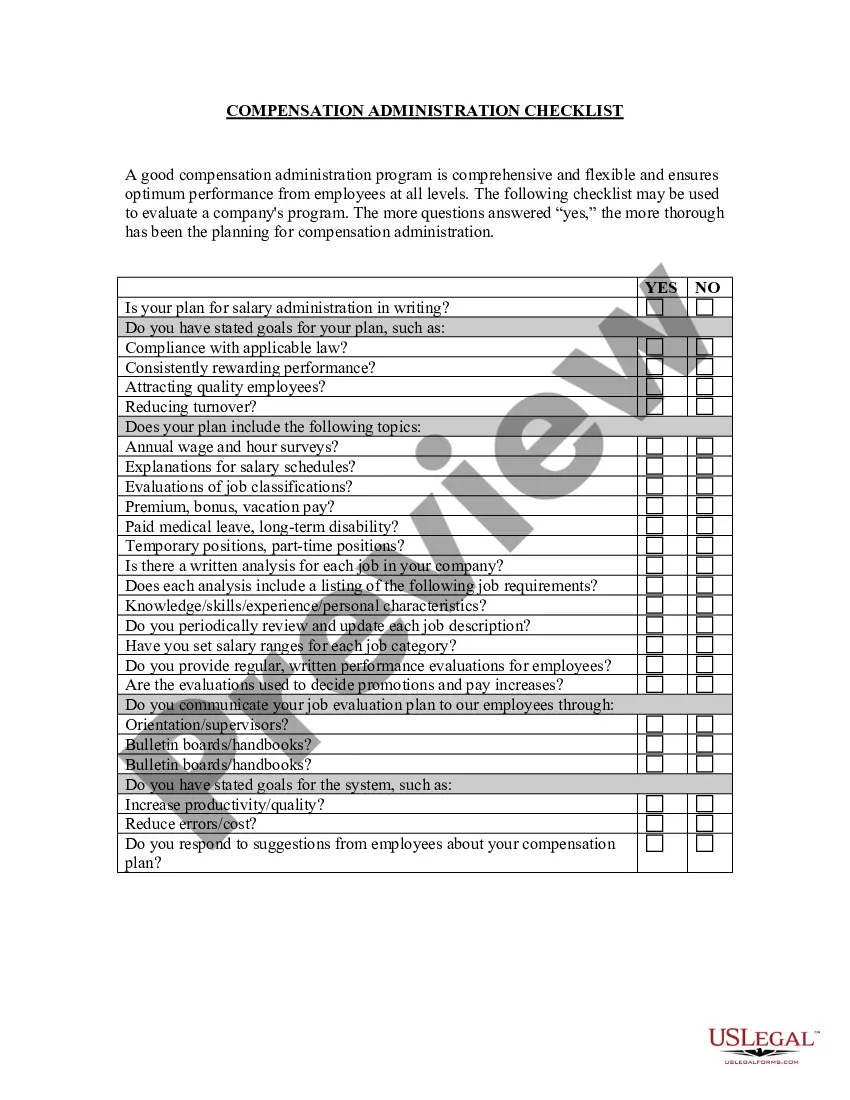
Compensation Administration Checklist
Understanding this form
The Compensation Administration Checklist is a vital tool for evaluating a company's compensation system. This form helps businesses assess their compensation administration process, identify strengths and weaknesses, and ensure it aligns with best practices. Unlike other forms, this checklist is specifically designed to aid in the structured evaluation of various compensation-related topics, making it easier for companies to implement effective planning and management strategies.
What’s included in this form
- Written plan for salary administration
- Stated goals for the compensation plan
- Annual wage and hour surveys
- Job analysis and requirements
- Salary ranges for job categories
- Regular performance evaluations
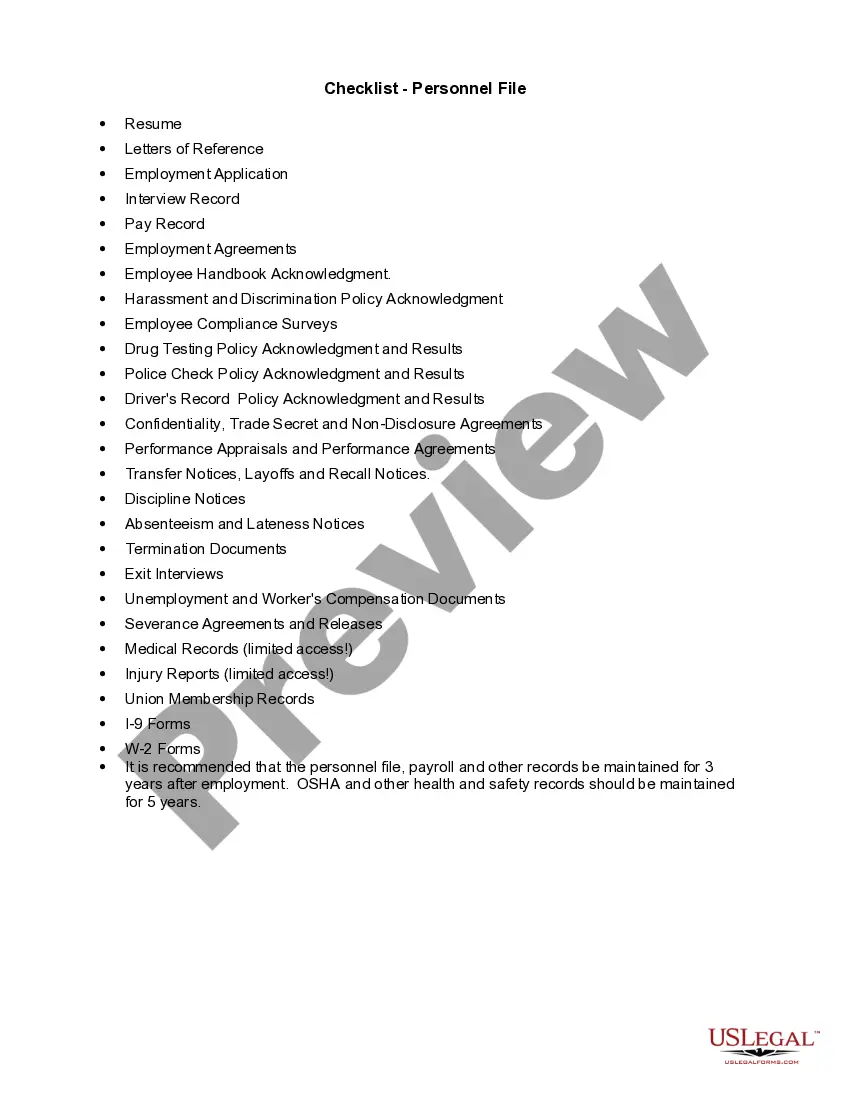

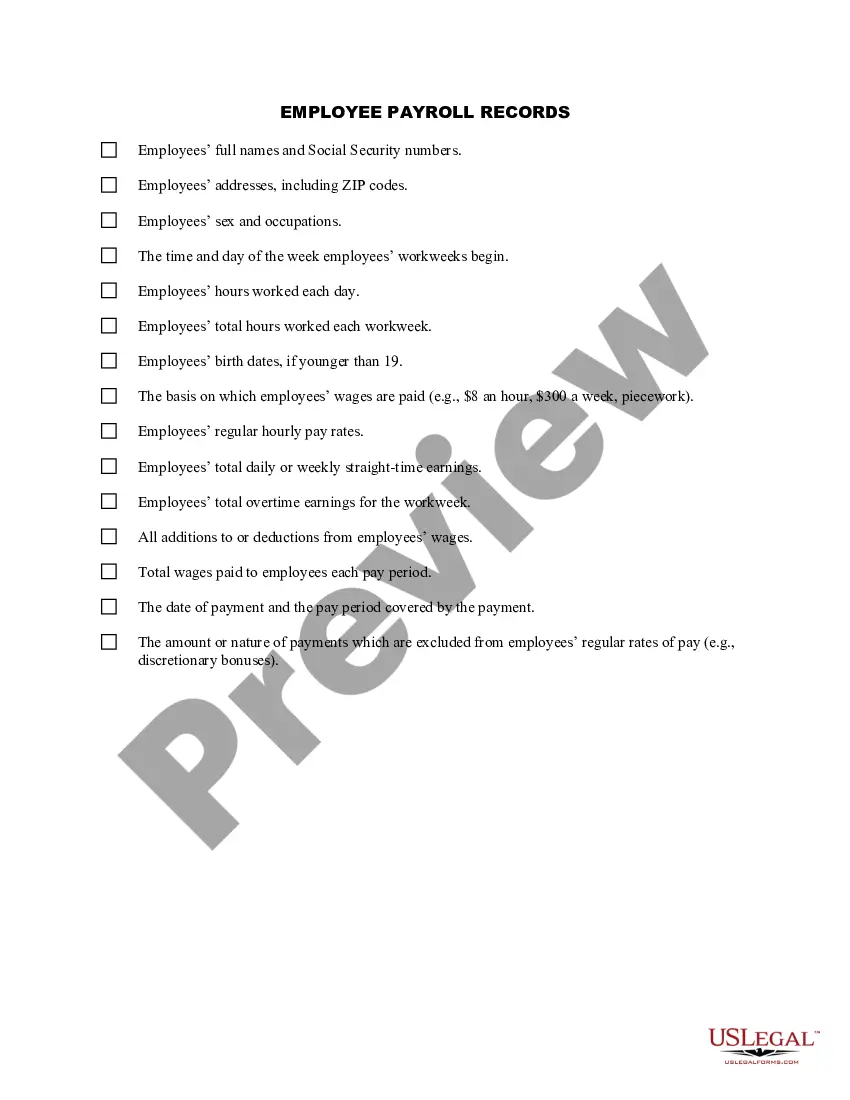
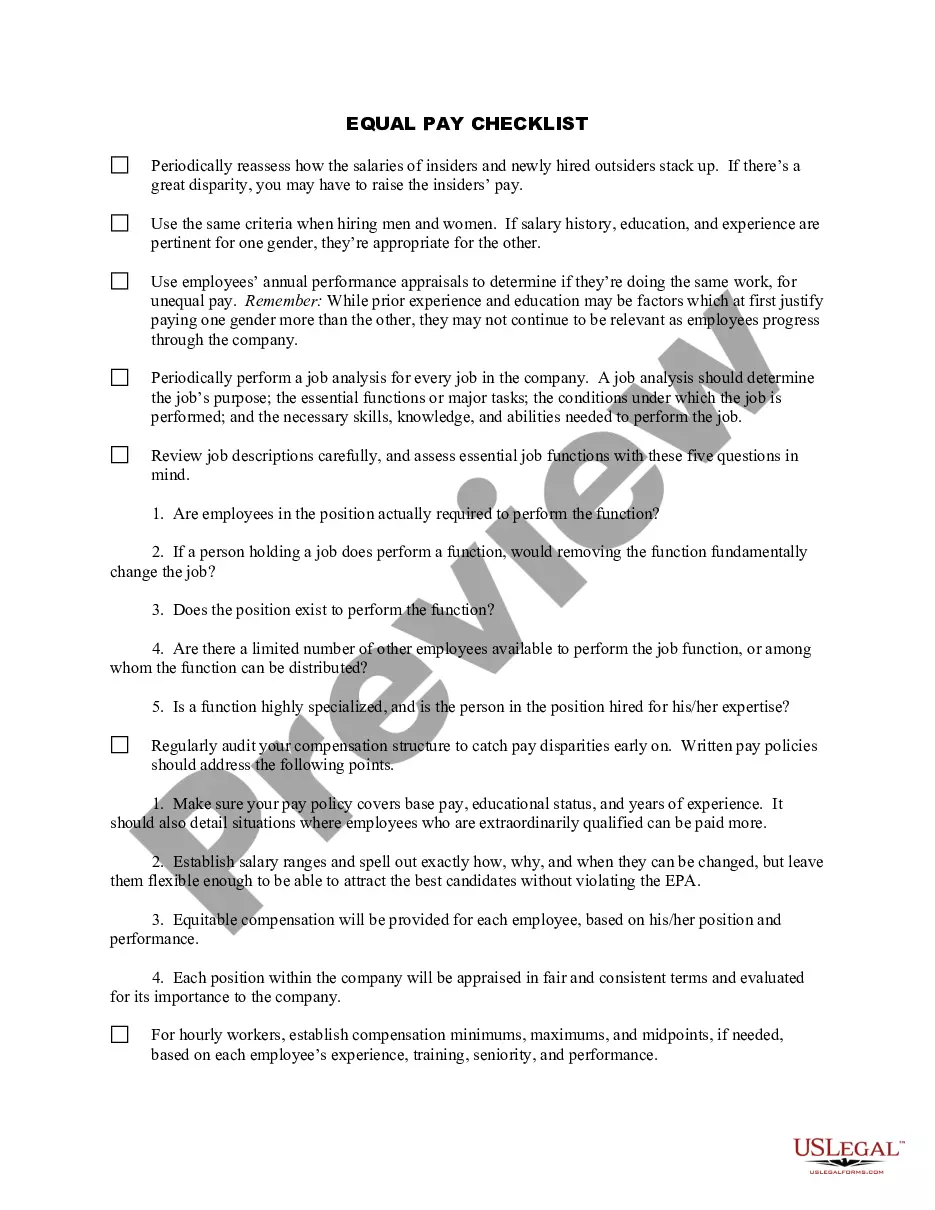
When this form is needed
This form should be used when a company wants to evaluate its compensation administration strategies. It can be useful during annual reviews, when adjusting salary structures, or when addressing employee concerns regarding pay and benefits. Additionally, it serves as a guide for ensuring compliance with pertinent laws and optimizing employee performance.
Intended users of this form
This checklist is intended for:
- Human resources professionals
- Managers overseeing employee performance and pay
- Business owners looking to refine their compensation strategies
- Consultants advising companies on compensation and benefits
Instructions for completing this form
- Review your company's current compensation administration plan.
- Answer each question in the checklist honestly, marking "yes" or "no."
- Identify areas that need improvement based on your answers.
- Document any discrepancies or action items for each section.
- Share the completed checklist with key stakeholders for feedback.
Notarization requirements for this form
This form usually doesn’t need to be notarized. However, local laws or specific transactions may require it. Our online notarization service, powered by Notarize, lets you complete it remotely through a secure video session, available 24/7.
Get your form ready online
Our built-in tools help you complete, sign, share, and store your documents in one place.
Make edits, fill in missing information, and update formatting in US Legal Forms—just like you would in MS Word.
Download a copy, print it, send it by email, or mail it via USPS—whatever works best for your next step.
Sign and collect signatures with our SignNow integration. Send to multiple recipients, set reminders, and more. Go Premium to unlock E-Sign.
If this form requires notarization, complete it online through a secure video call—no need to meet a notary in person or wait for an appointment.
We protect your documents and personal data by following strict security and privacy standards.

Make edits, fill in missing information, and update formatting in US Legal Forms—just like you would in MS Word.

Download a copy, print it, send it by email, or mail it via USPS—whatever works best for your next step.

Sign and collect signatures with our SignNow integration. Send to multiple recipients, set reminders, and more. Go Premium to unlock E-Sign.

If this form requires notarization, complete it online through a secure video call—no need to meet a notary in person or wait for an appointment.

We protect your documents and personal data by following strict security and privacy standards.
Common mistakes to avoid
- Neglecting to update the checklist regularly.
- Failing to communicate the compensation plan to employees.
- Not including input from different departments in the evaluation.
Advantages of online completion
- Convenience of accessing the form anytime and anywhere.
- Editable features allow customization to suit specific company needs.
- Quick download and easy storage for future reference.
Legal use & context
- This checklist serves as a guideline for best practices in compensation administration.
- It may help reduce legal risks associated with improper pay practices.
- The form does not constitute legal advice; consult a legal professional for specific compliance issues.
Key takeaways
- The Compensation Administration Checklist is essential for evaluating compensation systems.
- It helps identify strengths and weaknesses in your compensation practices.
- Regular use can enhance company compliance and employee satisfaction.
Looking for another form?
Form popularity
FAQ
Salary/hourly rate. Medical benefits coverageinclude amount paid by employee and employer. Flexible spending account information. Paid leaveinclude vacation/sick/PTO, holiday, personal, bereavement, military pay, jury duty, etc. Disability insurance. Life insurance. Employee assistance program.
Secrecy is for the benefit of the employee, not the company. Lots of companies have a policy which prohibits employees from discussing their compensation with each other. Subjectivity is a necessary evil. Supply and demand still matter. Profit sharing is not inherently wrong.
Start from scratch. Create a job description for each position. Determine the appropriate amount of compensation. Factor in overtime. Identify the benefits and incentives that you will provide. Detail your decisions in a document.
Talent Attraction and Retention. The compensation system is attractive for performance-oriented individuals with an entrepreneurial mindset and focused on long-term value creation. Pay for Performance. Recognition. Simplicity and Transparency. Impact and Cash Preservation.
Responsible for claims monitoring and administration, report generation, and communication with employees, managers, insurance carriers, medical staff, and lawyers. Being a Workers Compensation Administrator determines the need of inside or outside workers' compensation program or policy. May report data to OSHA.
1Salary/hourly rate.2Medical benefits coverageinclude amount paid by employee and employer.3Flexible spending account information.4Paid leaveinclude vacation/sick/PTO, holiday, personal, bereavement, military pay, jury duty, etc.5Disability insurance.What should be included in a total compensation statement? - SHRM\nwww.shrm.org > resourcesandtools > tools-and-samples > hr-qa > pages > t...
3P Compensation is a system designed to pay salaries according to employee's merit and performance in order to create fairness, encouragment in company helping each employee maximize his abilities in works, contribuiting to company development.
Step One: Set Goals. Step Two: Examine Your Organization's Current Pay Practices and Pay Philosophy. Step Three: Gather the Data. Step Four: Put the Data into Action and Set Ranges. Step Five: Follow Through and Implement Changes.
A general model of compensation administration encompasses the creation and management of a pay system based on four basic, interrelated policy decisions: internal consistency, external competitiveness, employee contributions, and administration of the compensation program.