New Jersey Deed for Slope Easement
Understanding this form
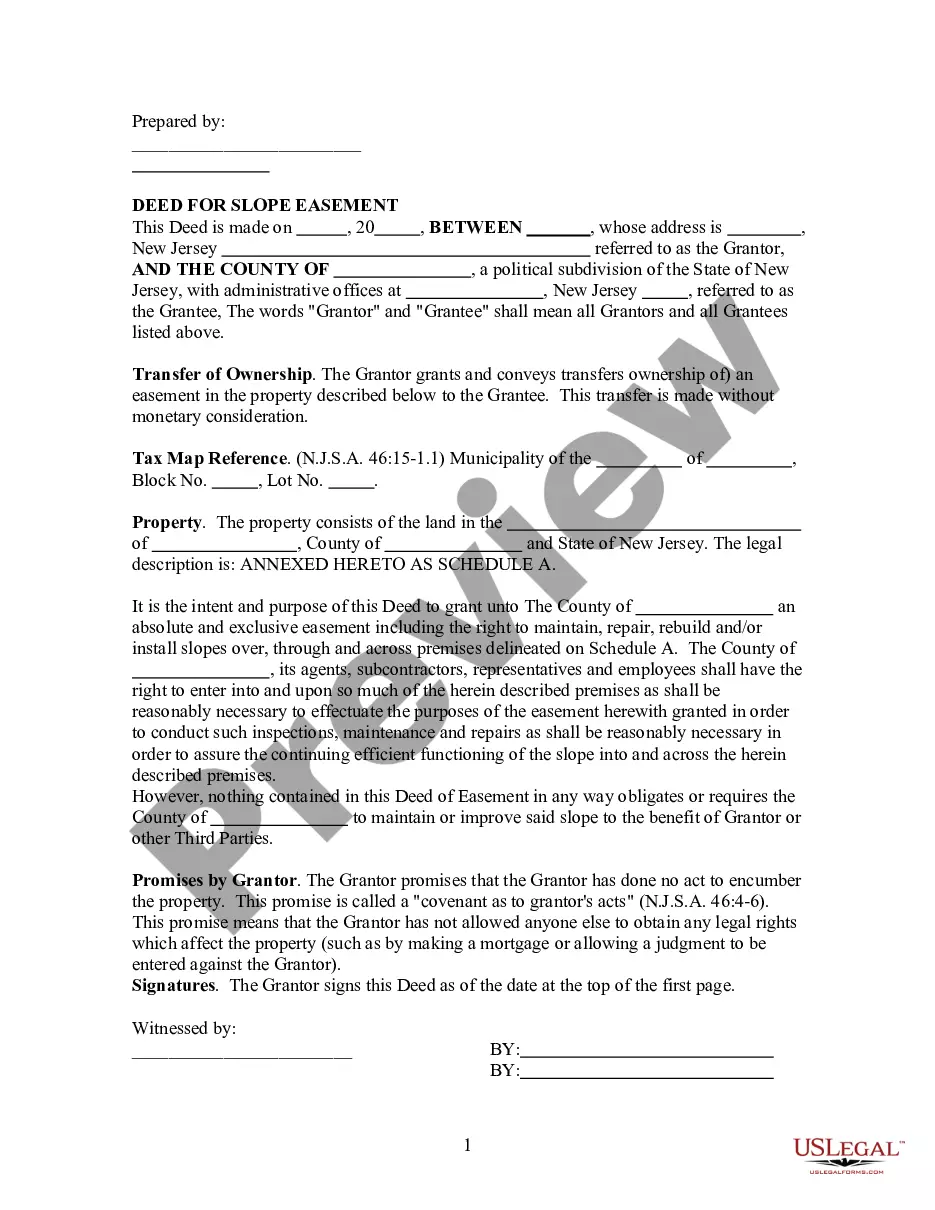
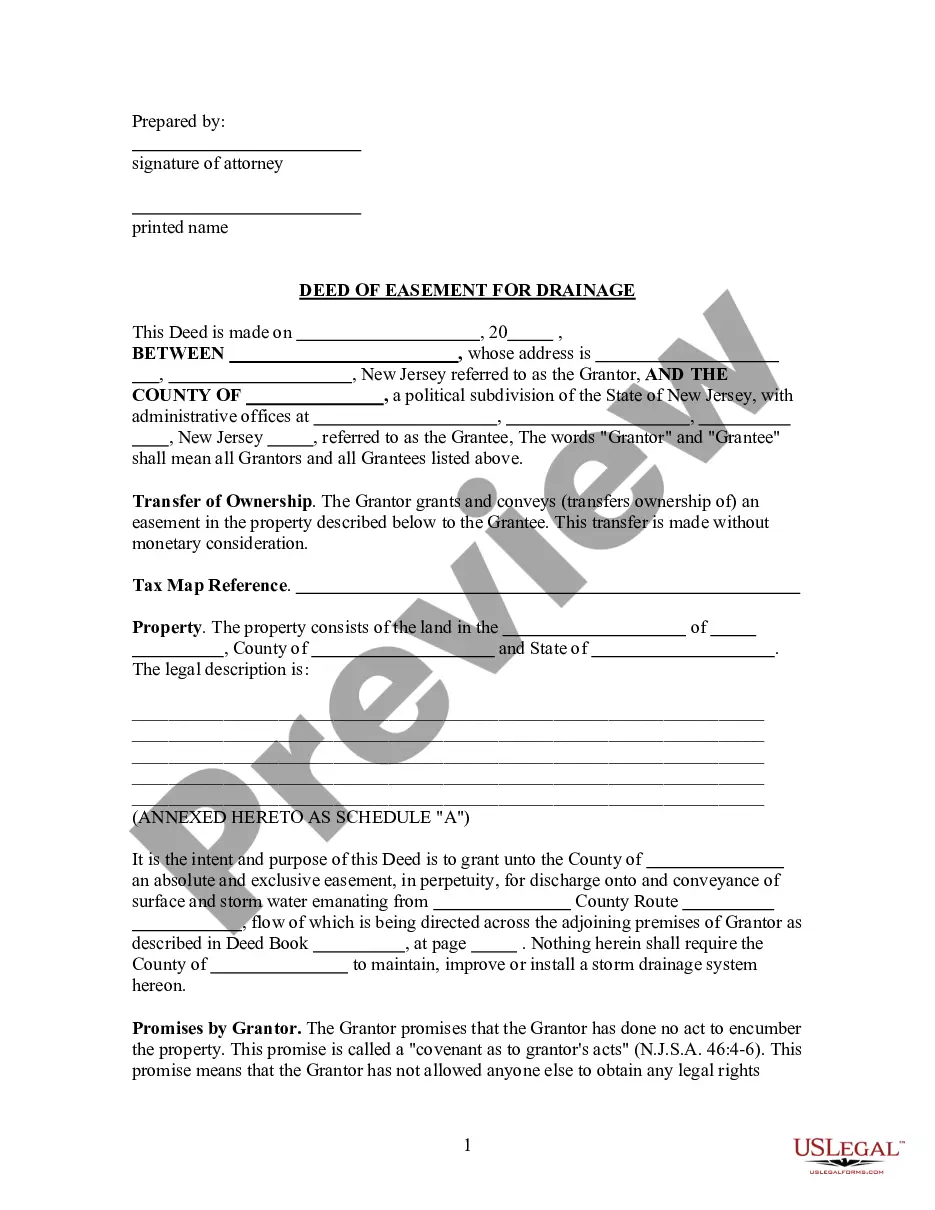
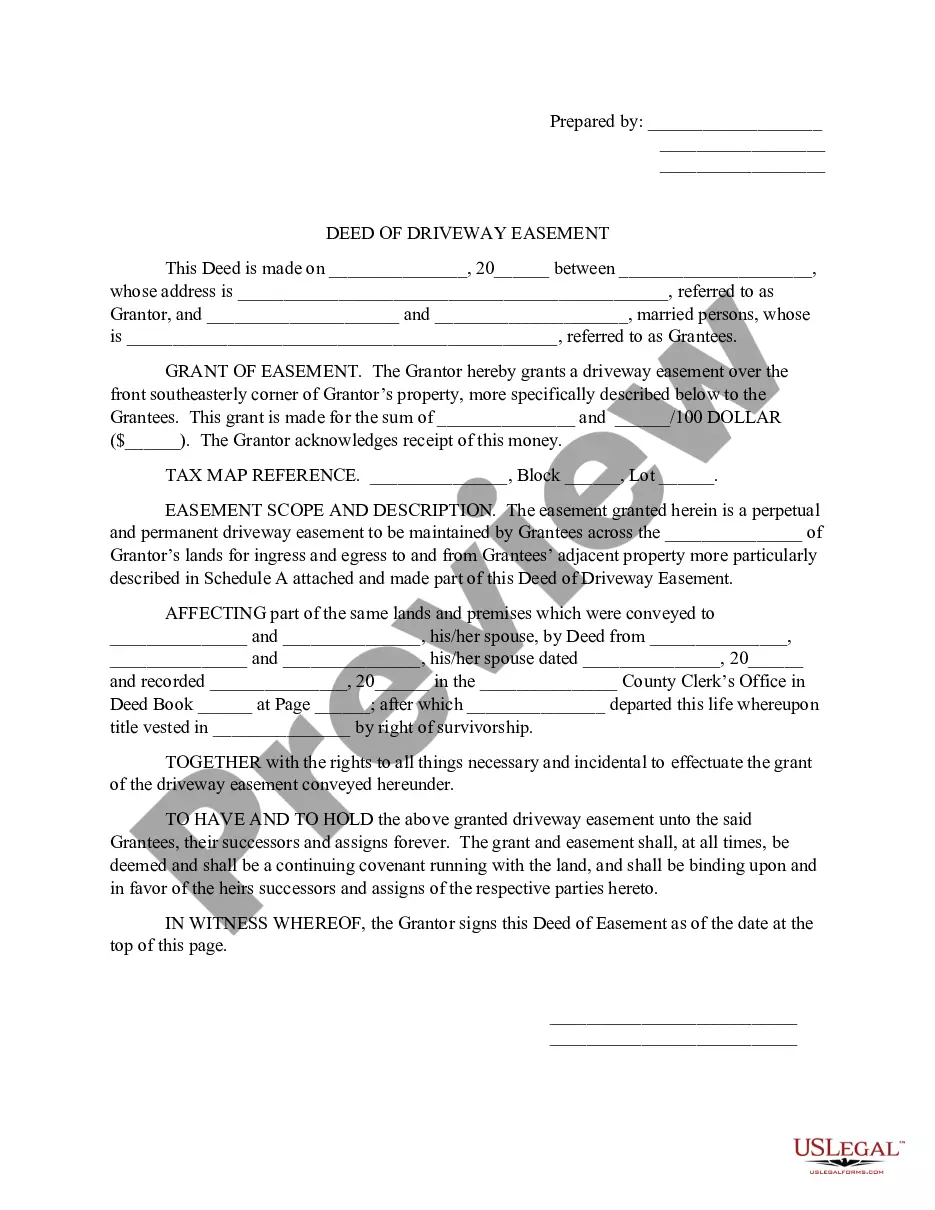
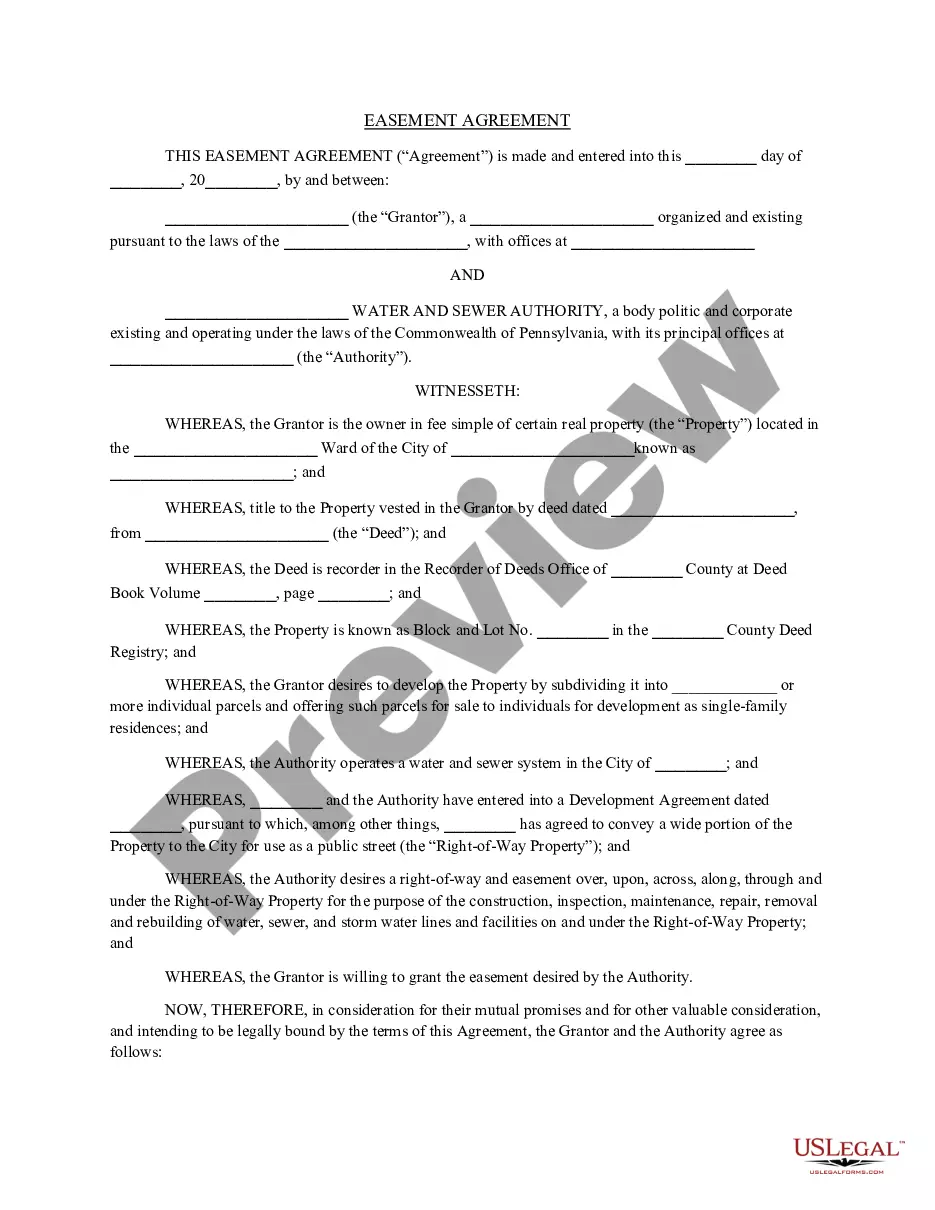
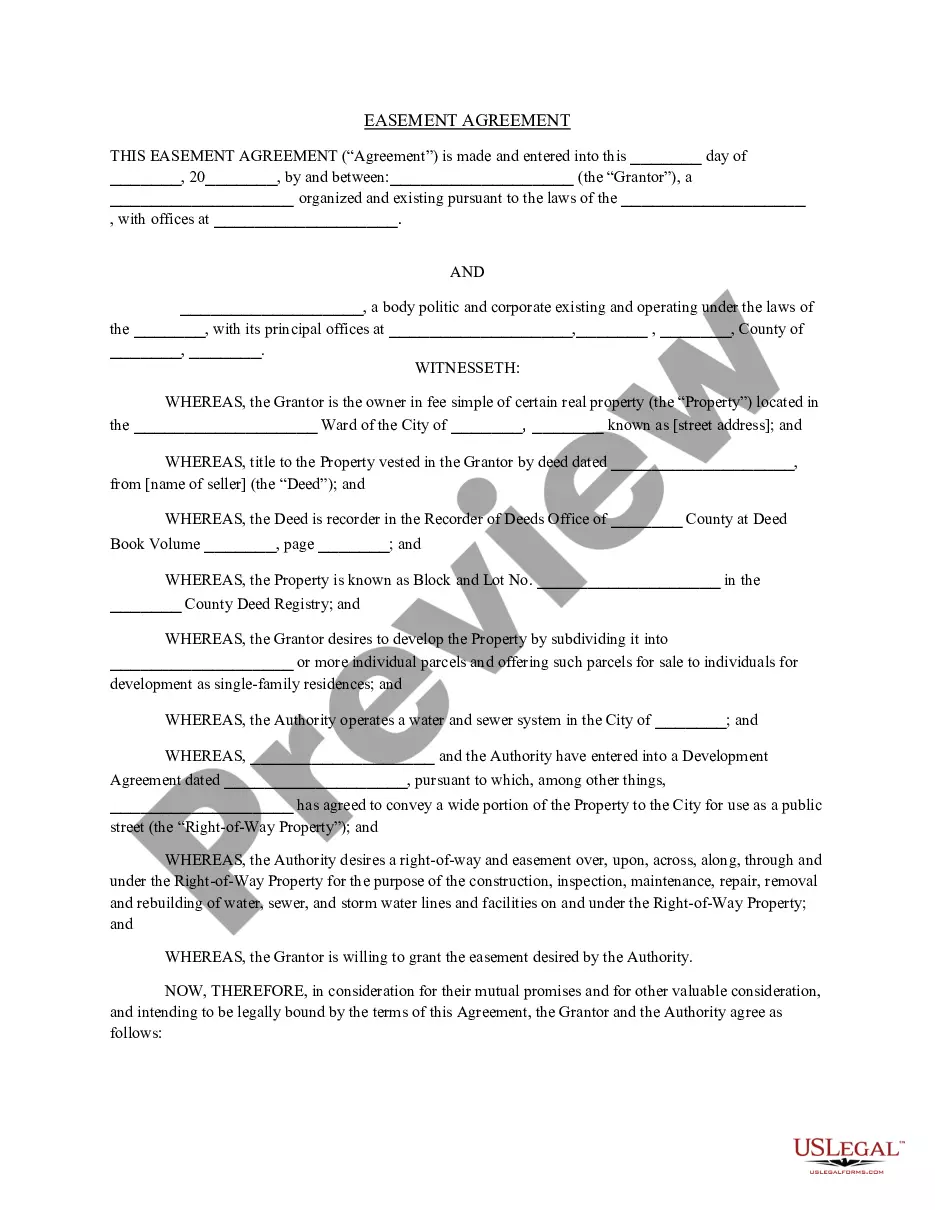
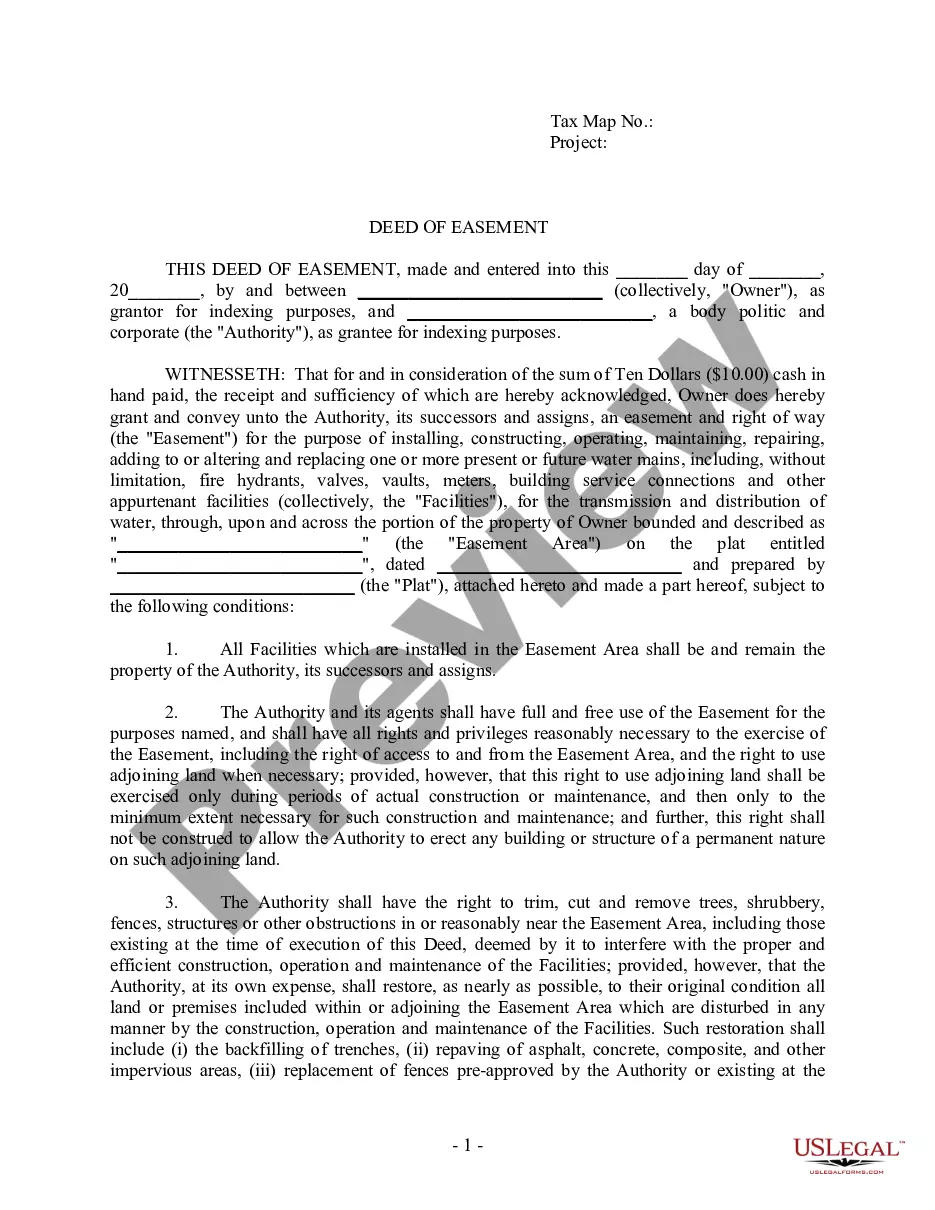
The Deed for Slope Easement is a legal document that grants a party the right to maintain, repair, rebuild, and/or install slopes over, through, and across a property. Unlike other easement forms, this deed specifically focuses on slope-related rights, making it essential for property owners where slopes may affect land use or development. This form ensures that both parties understand their rights and obligations regarding slope maintenance and usage.
Form components explained
- Identifies the Grantor (property owner) and Grantee (party receiving the easement).
- Specifies the property affected by the easement.
- Includes a declaration of consideration (monetary or other compensation for the easement).
- Details the rights granted, particularly concerning maintenance and repair of slopes.
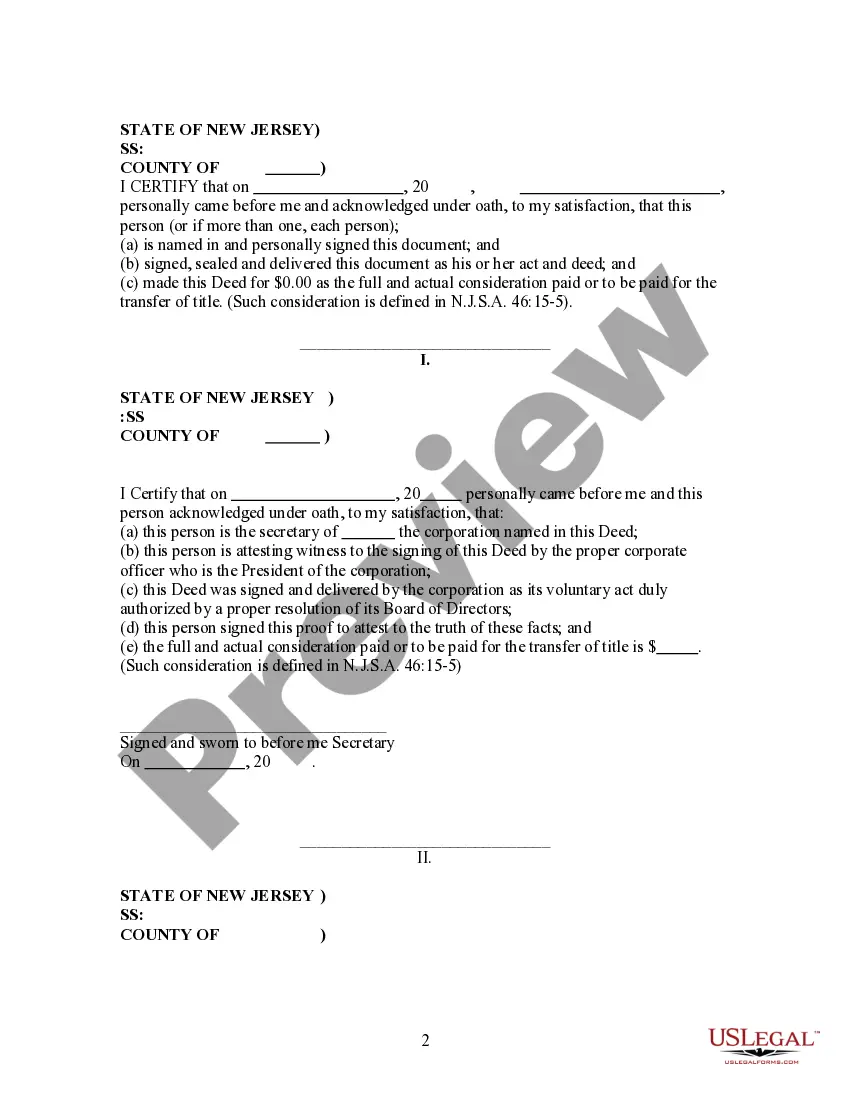
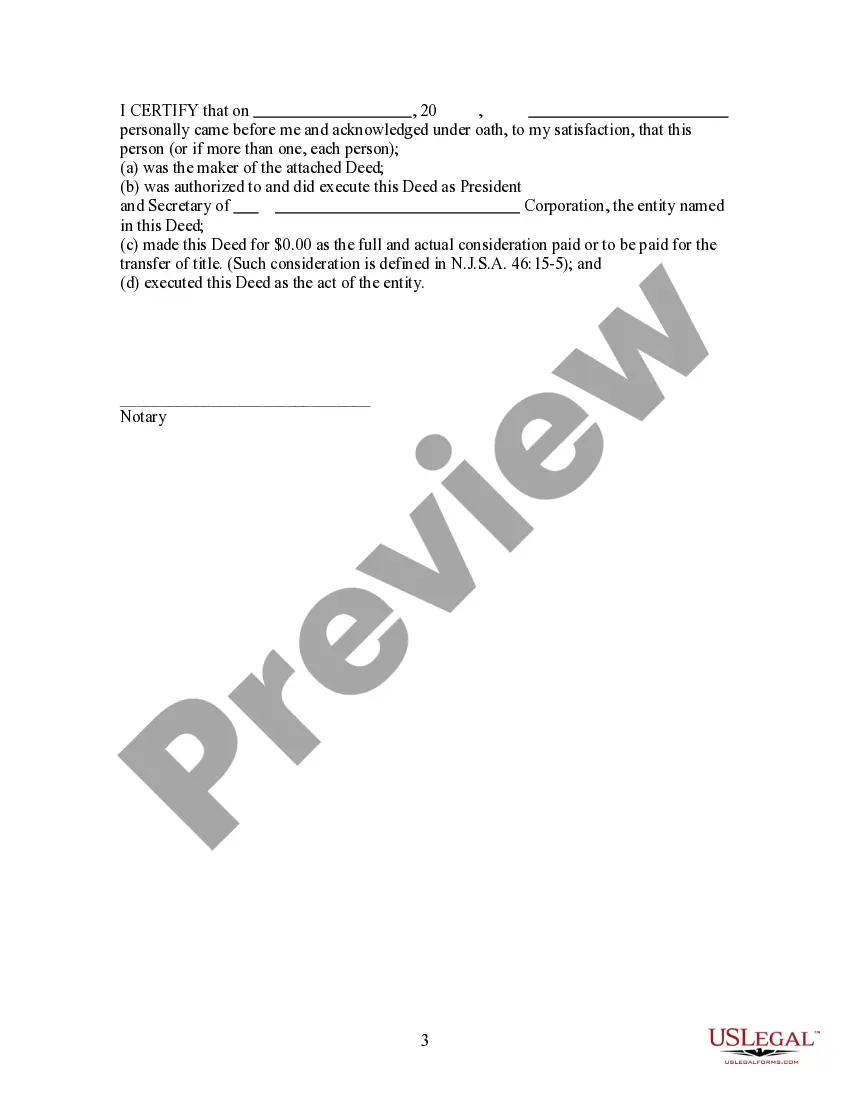
- Signatures of involved parties, witnesses, and notary requirements, if applicable.
When to use this form
This form is essential when a property owner wants to allow another party access to specific slopes on their land for purposes such as maintenance or construction. Situations may include residential developments, landscaping projects, or ensuring public access to slope areas that could impact drainage or stability. Utilizing this form helps prevent disputes by clearly defining the allowed activities on the slopes and the responsibilities of all parties involved.
Who should use this form
- Property owners looking to grant slope easements to contractors or adjacent landowners.
- Developers needing to secure rights to slopes for larger construction projects.
- Neighbors who require access across another person's property for landscaping or maintenance of slopes.
- Investors involved in property transactions with slope considerations.
Instructions for completing this form
- Identify the Grantor (the property owner) and the Grantee (the party receiving the easement).
- Clearly specify the property where the easement will be granted.
- Enter the full consideration amount that reflects payment for the easement.
- Sign and date the form in the presence of witnesses and a notary as required.
- Ensure all parties retain a copy of the signed document for their records.
Does this form need to be notarized?
To make this form legally binding, it must be notarized. Our online notarization service, powered by Notarize, lets you verify and sign documents remotely through an encrypted video session.
Get your form ready online
Our built-in tools help you complete, sign, share, and store your documents in one place.
Make edits, fill in missing information, and update formatting in US Legal Forms—just like you would in MS Word.
Download a copy, print it, send it by email, or mail it via USPS—whatever works best for your next step.
Sign and collect signatures with our SignNow integration. Send to multiple recipients, set reminders, and more. Go Premium to unlock E-Sign.
If this form requires notarization, complete it online through a secure video call—no need to meet a notary in person or wait for an appointment.
We protect your documents and personal data by following strict security and privacy standards.

Make edits, fill in missing information, and update formatting in US Legal Forms—just like you would in MS Word.

Download a copy, print it, send it by email, or mail it via USPS—whatever works best for your next step.

Sign and collect signatures with our SignNow integration. Send to multiple recipients, set reminders, and more. Go Premium to unlock E-Sign.

If this form requires notarization, complete it online through a secure video call—no need to meet a notary in person or wait for an appointment.

We protect your documents and personal data by following strict security and privacy standards.
Common mistakes
- Failing to accurately describe the property involved in the easement.
- Not including the necessary witness signatures and notarization when required.
- Leaving out the declaration of consideration, which is necessary for validity.
- Using vague language regarding the rights granted to the Grantee.
Benefits of completing this form online
- Convenience of creating a legal document from home, saving time and effort.
- Easy customization to suit specific property needs and situations.
- Reliable access to templates prepared by licensed attorneys to ensure legal compliance.
- Ability to download and print the form for immediate use.
Looking for another form?
Form popularity
FAQ
An easement is extinguished when the dominant owner releases it, expressly or impliedly, to the servient owner. Such release can be made only in the circumstances and to the extent in and to which the dominant owner can alienate the dominant heritage.A, without the consent of B and C, release the easement.
You are not permitted to build for that reason is the "slope easement". satisfy that. right up against the edge of the roadway could be a traffic hazard.
The right to walk is the easement and lawful use cannot be trespassing. If the easement sets out a right to walk, then the owner of the land is bound to abide by that and allow use.
Quiet the Title. Allow the Purpose for the Easement to Expire. Abandon the Easement. Stop Using a Prescriptive Easement. Destroy the Reason for the Easement. Merge the Dominant and Servient Properties. Execute a Release Agreement.
There are two types of easements: affirmative and negative. An affirmative easement gives the easement holder the right to do something on the grantor of the easement's land, such as travel on a road through the grantor's land.
There are four types of easement Section. 5 of Easement Act deals with the types of easement. It provides that the easements are either continuous or discontinuous ,apparent or non apparent. A continuous easement is one whose enjoyment is, or may be, continual without the act of man.
A slope easement is an easement in land which will contain or be used for the construction of a slope on your property and generally will be used to adjust the elevation difference between your property and your adjoining property because it...
The party gaining the benefit of the easement is the dominant estate (or dominant tenement), while the party granting the benefit or suffering the burden is the servient estate (or servient tenement). For example, the owner of parcel A holds an easement to use a driveway on parcel B to gain access to A's house.
You can terminate an easement by release. A release is a surrender of a right or interest, such as an easement. Only the person holding the right can release it, such as the owner of the dominant estate in an easement appurtenant or the holder of an easement in gross.