Compensation for Change Orders and Builder Allowance Underage
Understanding this form
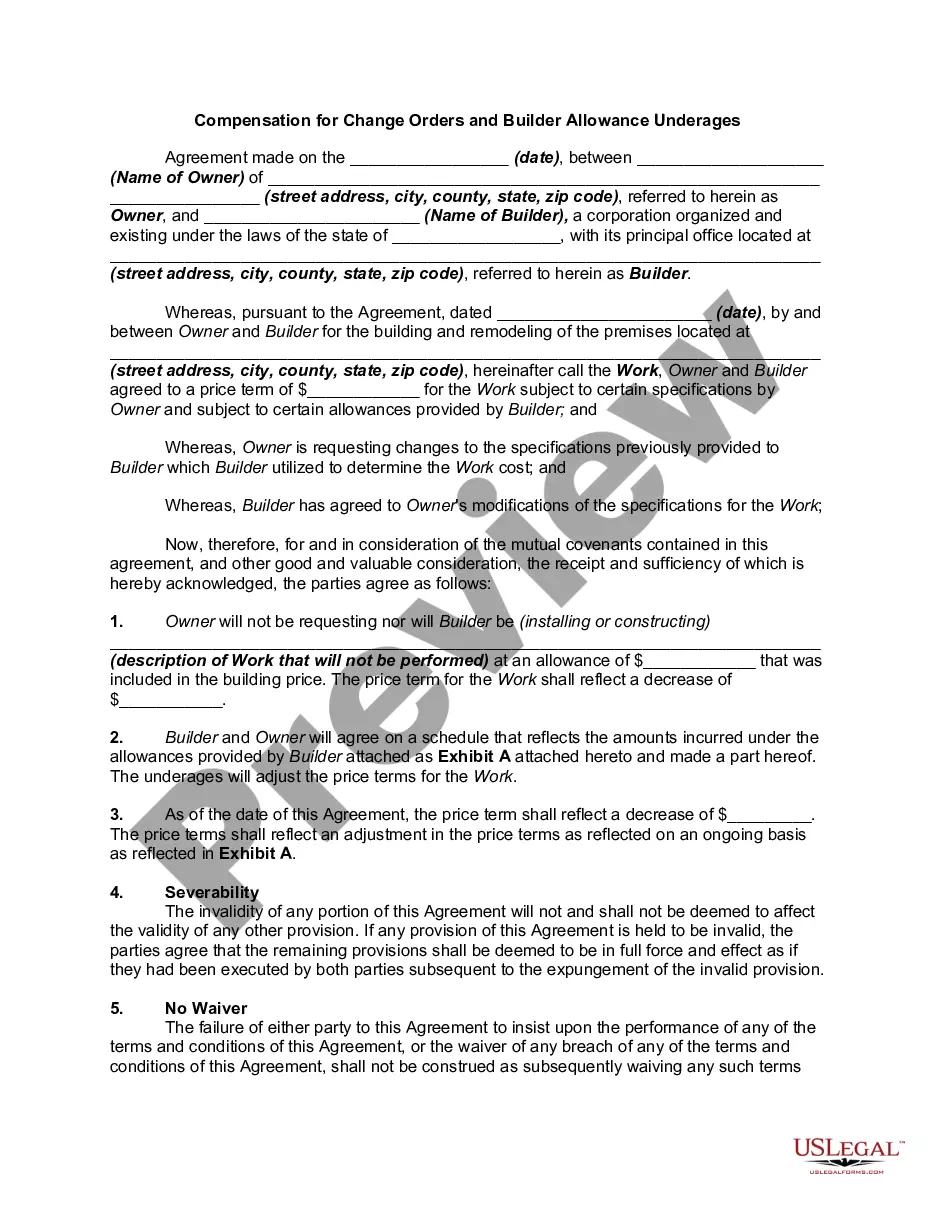
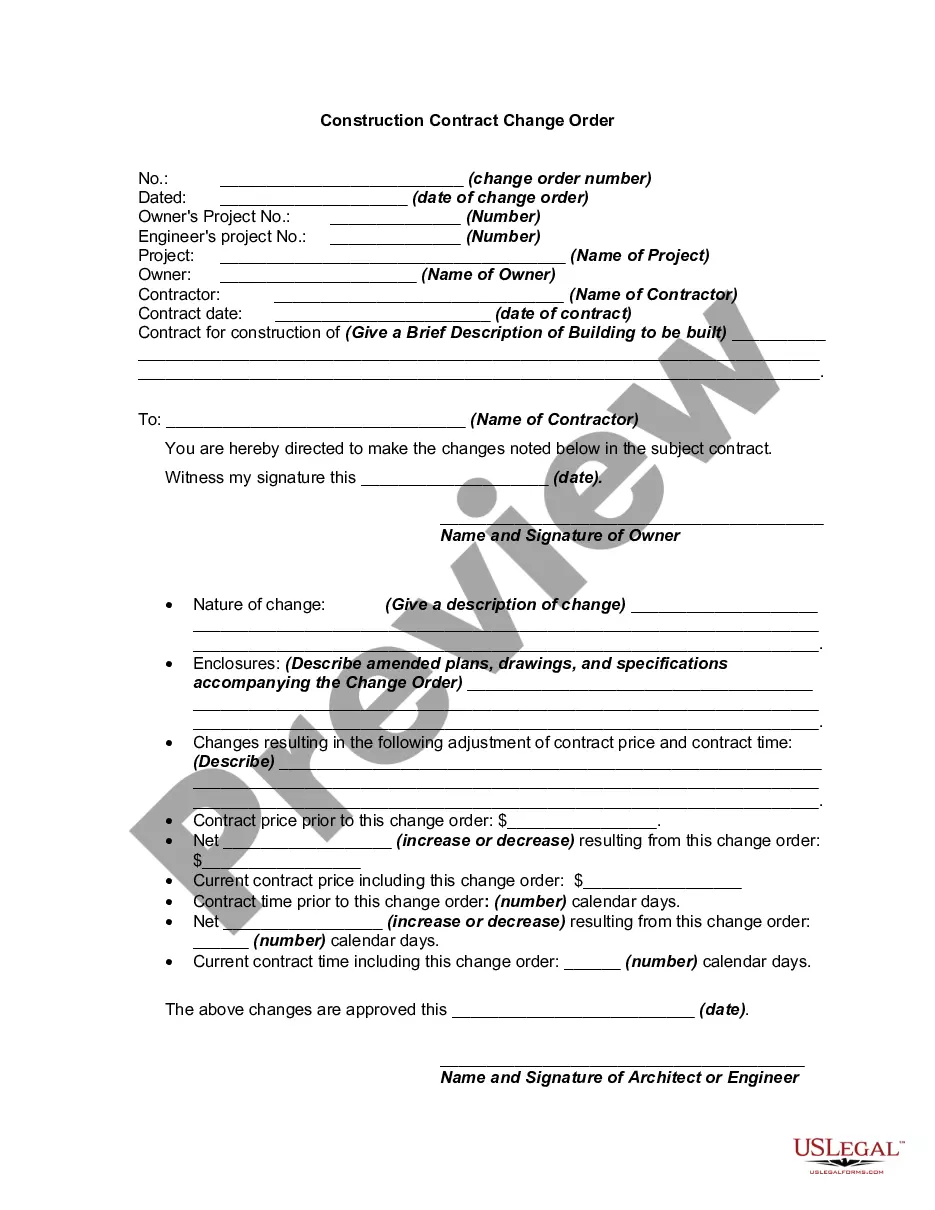
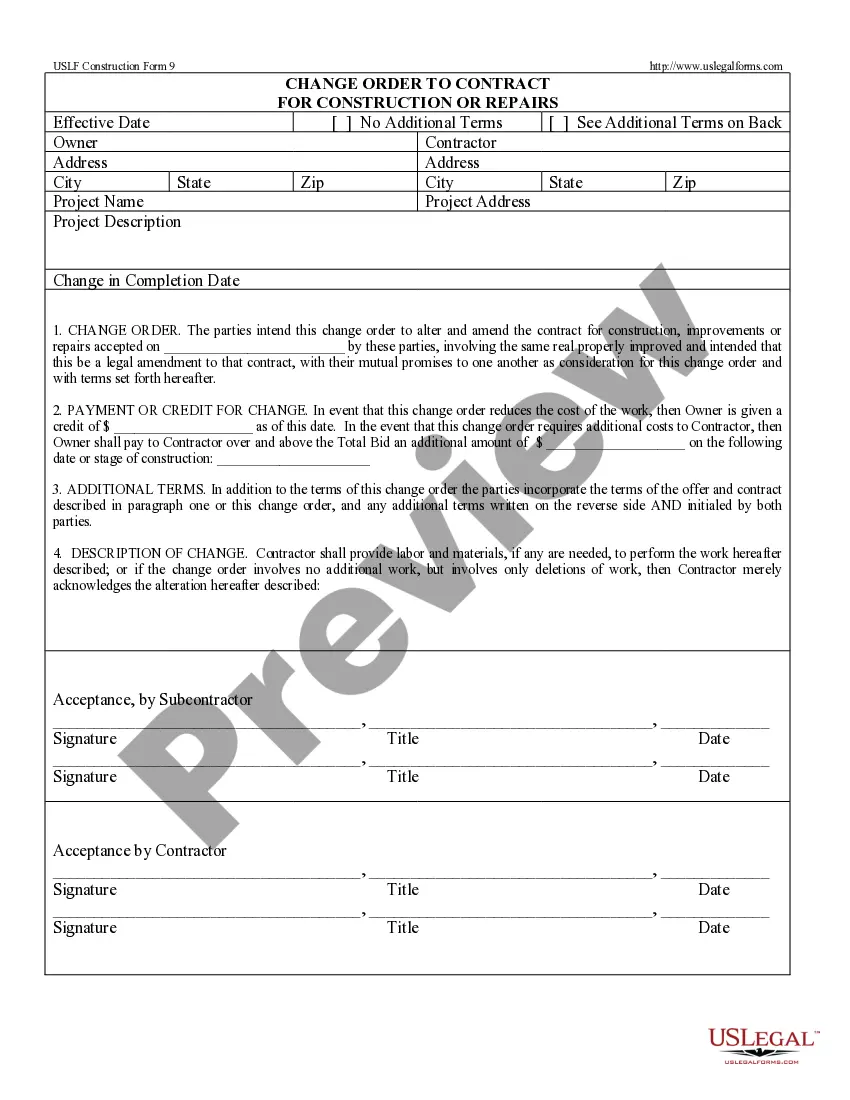
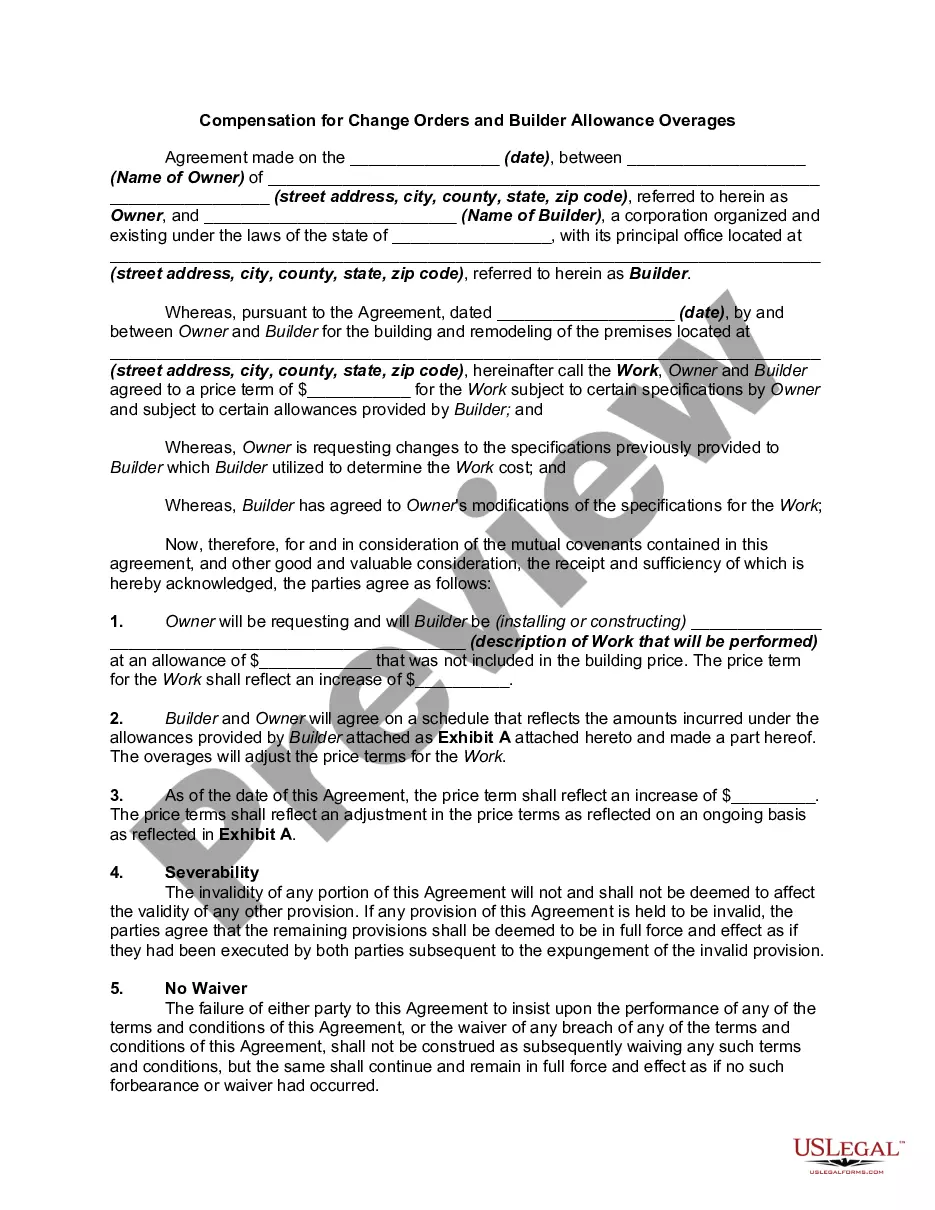
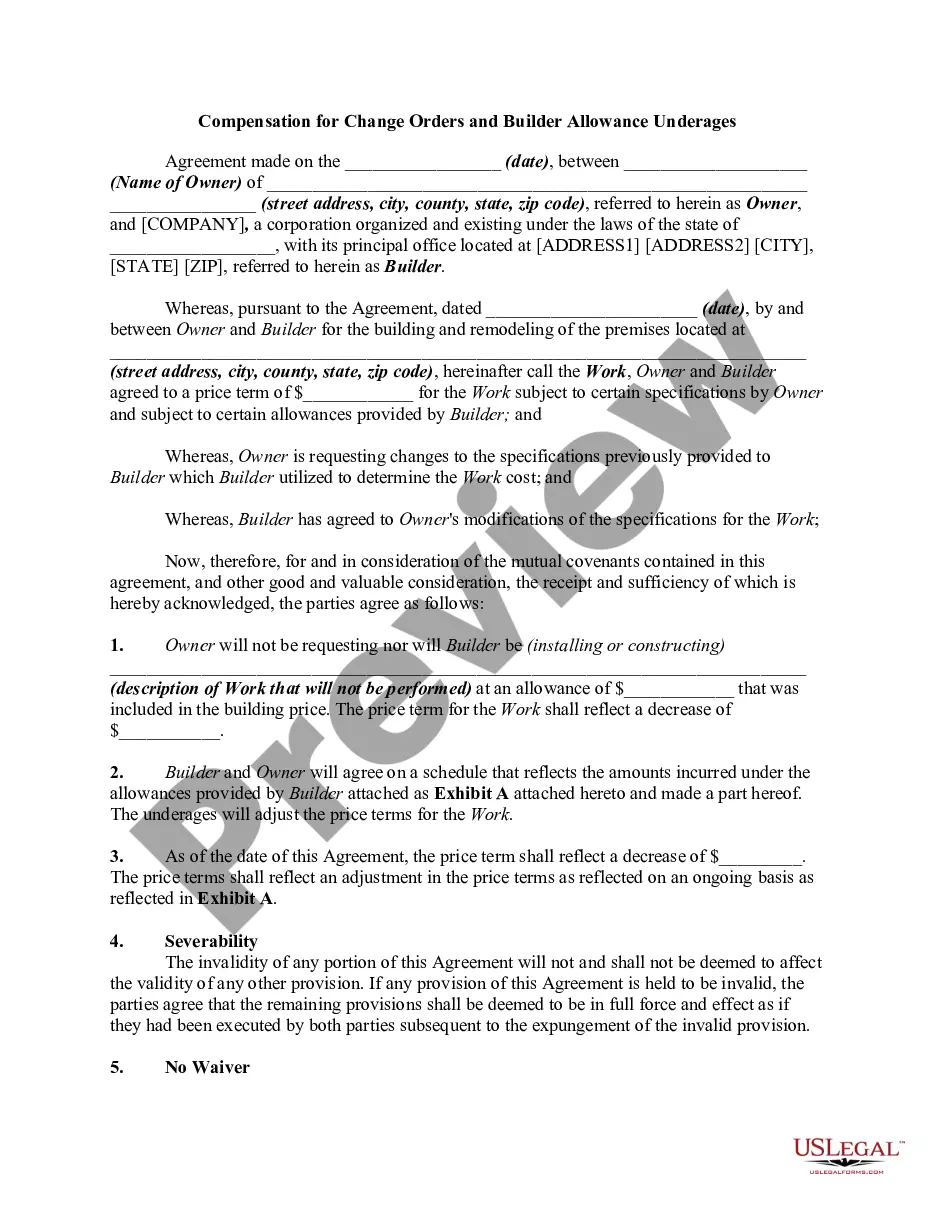
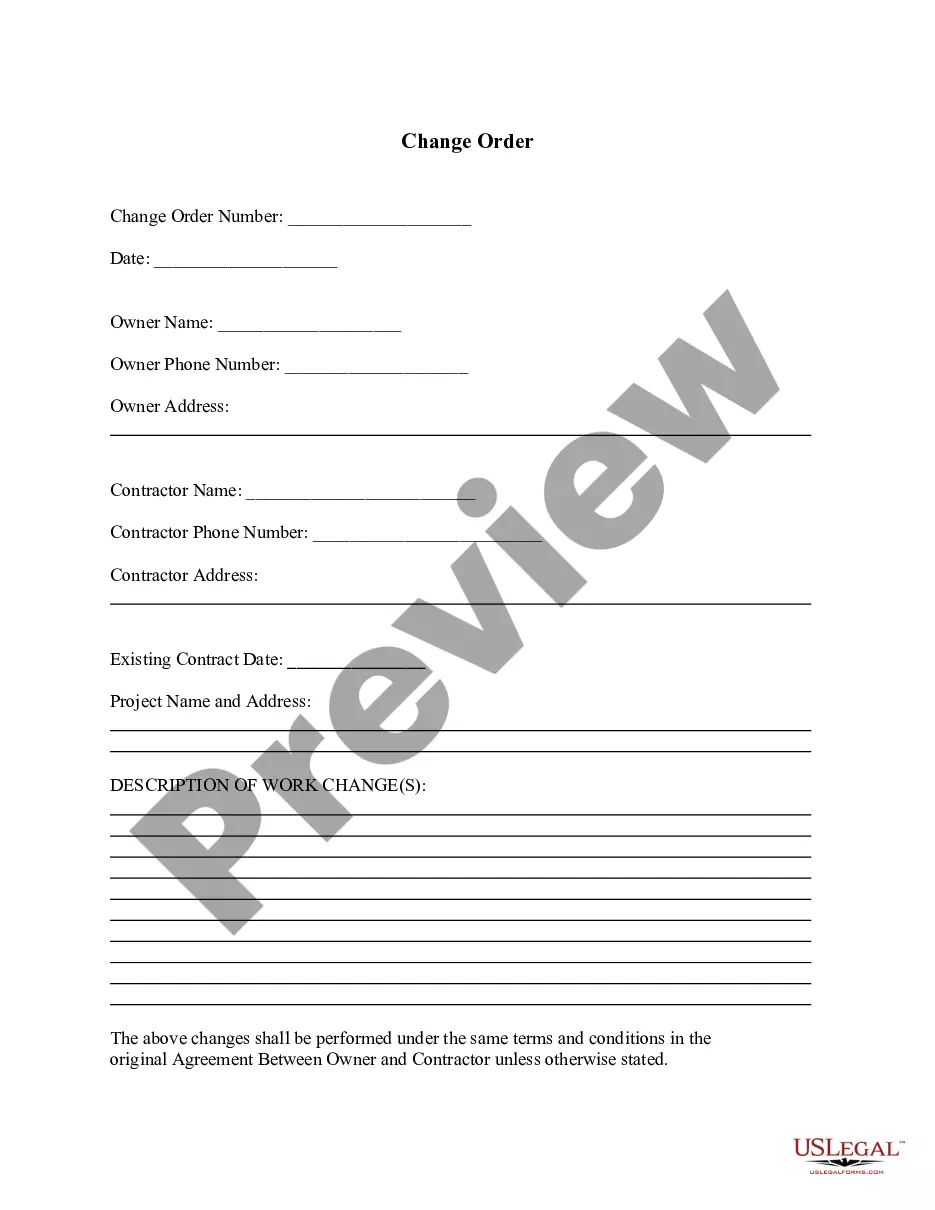
The Compensation for Change Orders and Builder Allowance Underage form is a legal document used in construction projects to account for changes requested by the owner after the original plans were agreed upon. This form helps both the owner and builder adjust the project specifications and costs accordingly. It is particularly useful in large projects where modifications to the original contract terms are common, ensuring that all contractual obligations remain clear and enforceable.
Key parts of this document
- Date and parties involved: Establishes the agreement date and identifies the owner and builder.
- Work description: Details the construction work to be performed and specifies changes to the original agreement.
- Price adjustments: Reflects both decreases and increases in the project cost based on changes requested by the owner.
- Exhibit A: Lists all allowances and underages associated with the project modifications.
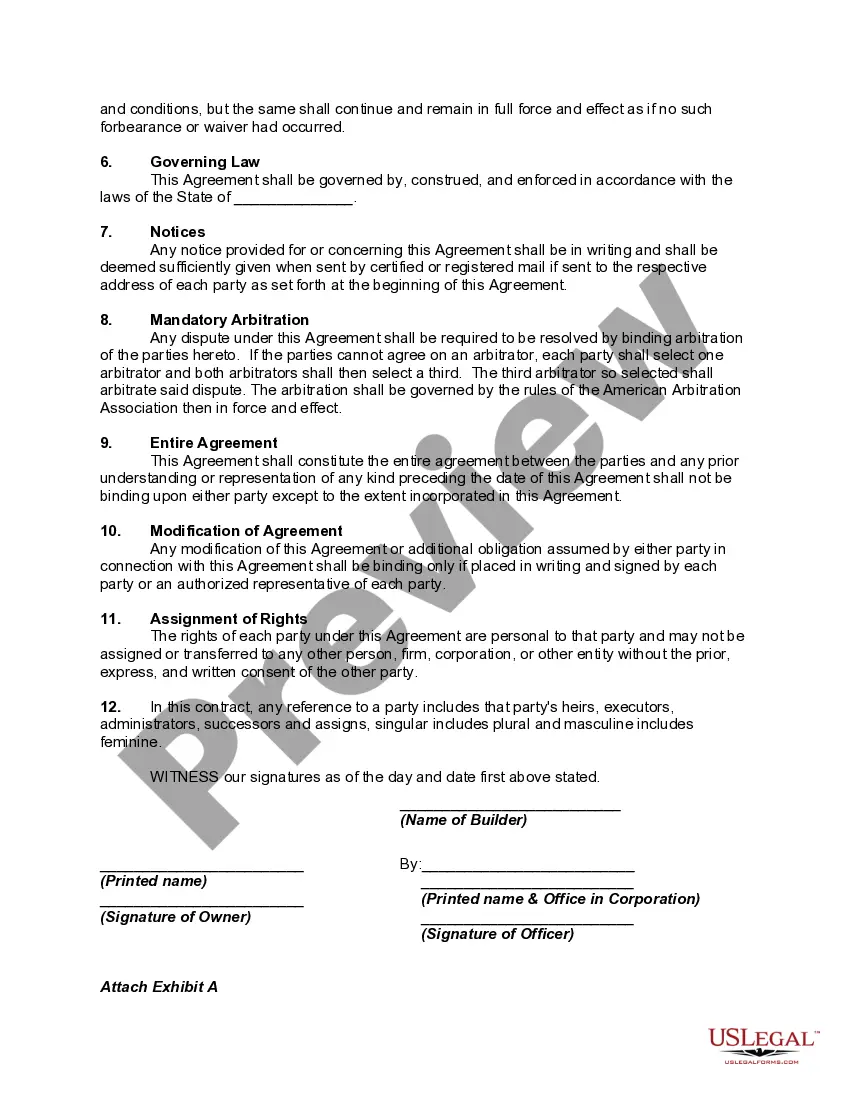
- Severability clause: Ensures that if one part of the agreement is invalid, the rest remains enforceable.
- Mandatory arbitration clause: Outlines the process for resolving disputes through arbitration.
When to use this form
This form should be utilized when an owner requests modifications to the agreed construction plans, resulting in a need to adjust the project's pricing and terms. Typical scenarios include discovering unexpected challenges on-site, needing adjustments due to budgeting issues, or the owner's desire to incorporate additional features or options not originally planned.
Intended users of this form
This form is intended for:
- Property owners who are planning to make changes to their construction projects.
- Builders or contractors who need to document and formalize alterations to existing agreements.
- Legal professionals involved in construction-related transactions and agreements.
How to complete this form
- Identify the parties: Fill in the names and addresses of both the owner and builder.
- Specify the date: Enter the date on which the agreement is made.
- Detail the work: Clearly describe the work that will not be performed and the corresponding allowances.
- Adjust the pricing: Indicate the new decreased price and reflect changes in the pricing terms within Exhibit A.
- Obtain signatures: Ensure all parties involved sign and date the document to validate the agreement.
Notarization requirements for this form
This form does not typically require notarization unless specified by local law. It is always advisable to check specific legal requirements in your jurisdiction regarding the execution of change order agreements.
Get your form ready online
Our built-in tools help you complete, sign, share, and store your documents in one place.
Make edits, fill in missing information, and update formatting in US Legal Forms—just like you would in MS Word.
Download a copy, print it, send it by email, or mail it via USPS—whatever works best for your next step.
Sign and collect signatures with our SignNow integration. Send to multiple recipients, set reminders, and more. Go Premium to unlock E-Sign.
If this form requires notarization, complete it online through a secure video call—no need to meet a notary in person or wait for an appointment.
We protect your documents and personal data by following strict security and privacy standards.

Make edits, fill in missing information, and update formatting in US Legal Forms—just like you would in MS Word.

Download a copy, print it, send it by email, or mail it via USPS—whatever works best for your next step.

Sign and collect signatures with our SignNow integration. Send to multiple recipients, set reminders, and more. Go Premium to unlock E-Sign.

If this form requires notarization, complete it online through a secure video call—no need to meet a notary in person or wait for an appointment.

We protect your documents and personal data by following strict security and privacy standards.
Typical mistakes to avoid
- Failing to include all specifications related to work that will not be performed, leading to misunderstandings.
- Not updating Exhibit A with the correct allowances and underage amounts.
- Leaving out signatures from one or both parties, which can invalidate the agreement.
Benefits of using this form online
- Convenience: Easily download and complete the form from anywhere at any time.
- Editability: Make adjustments as needed without hassle, ensuring accuracy and compliance with regulations.
- Reliability: Ensure you are using a template drafted by licensed attorneys, increasing the integrity of your agreement.
- This form ensures that change orders are documented properly, protecting both the owner and builder legally.
- It outlines how to handle allowances that have not been utilized, which is crucial for cost management.
- Presence of mandatory arbitration helps resolve disputes amicably and efficiently.
Key takeaways
- The form is vital for documenting any changes to construction plans and associated compensation.
- It helps avoid disputes by outlining clear terms agreed upon by both parties.
- Ensure all relevant details are correctly filled out and both parties sign to make it enforceable.
Looking for another form?




Form popularity
FAQ
If the agreement said that any changes to the agreement require a written amendment signed by both parties and you wanted to use change orders, the agreement should say that change orders signed by both parties constitute an amendment to the agreement.
Job name, address and phone number. Owner's name. A complete description of new work to be performed. Total price for materials and labor to complete the change. Revised date of completion due to the change order. Signatures of the company representative.
A change order is work that is added to or deleted from the original scope of work of a contract, however, depending on the magnitude of the change, it may or may not alter the original contract amount and/or completion date. A change order may force a new project to handle significant changes to the current project.
1Project and contact information. The change order form should include:2Dates of the change.3Details of the change.4Updated schedule.5Cost of the change.6Updated contract value.7Match the payment application.8Get it in writing and save it.
The contractor prepares a change order proposal quoting a price for the extra work. Once the owner and contractor have agreed on scope, price, and schedule, a formal, written change order is prepared and signed by all parties. Then, the contractor proceeds to perform the changed work.
A description of the requested change compared to the original contract or bid. Itemized documentation of any subcontractor costs. A summary by the contractor of the total costs of the proposed change.
Job name, address and phone number. Owner's name. A complete description of new work to be performed. Total price for materials and labor to complete the change. Revised date of completion due to the change order. Signatures of the company representative.
Start With the Contract. Review Plans and Specifications. Don't Ignore or Delay Change Orders. Communicate With All Parties Involved. Negotiating the Change Order. Document Everything.