Construction Contract Change Order
Overview of this form
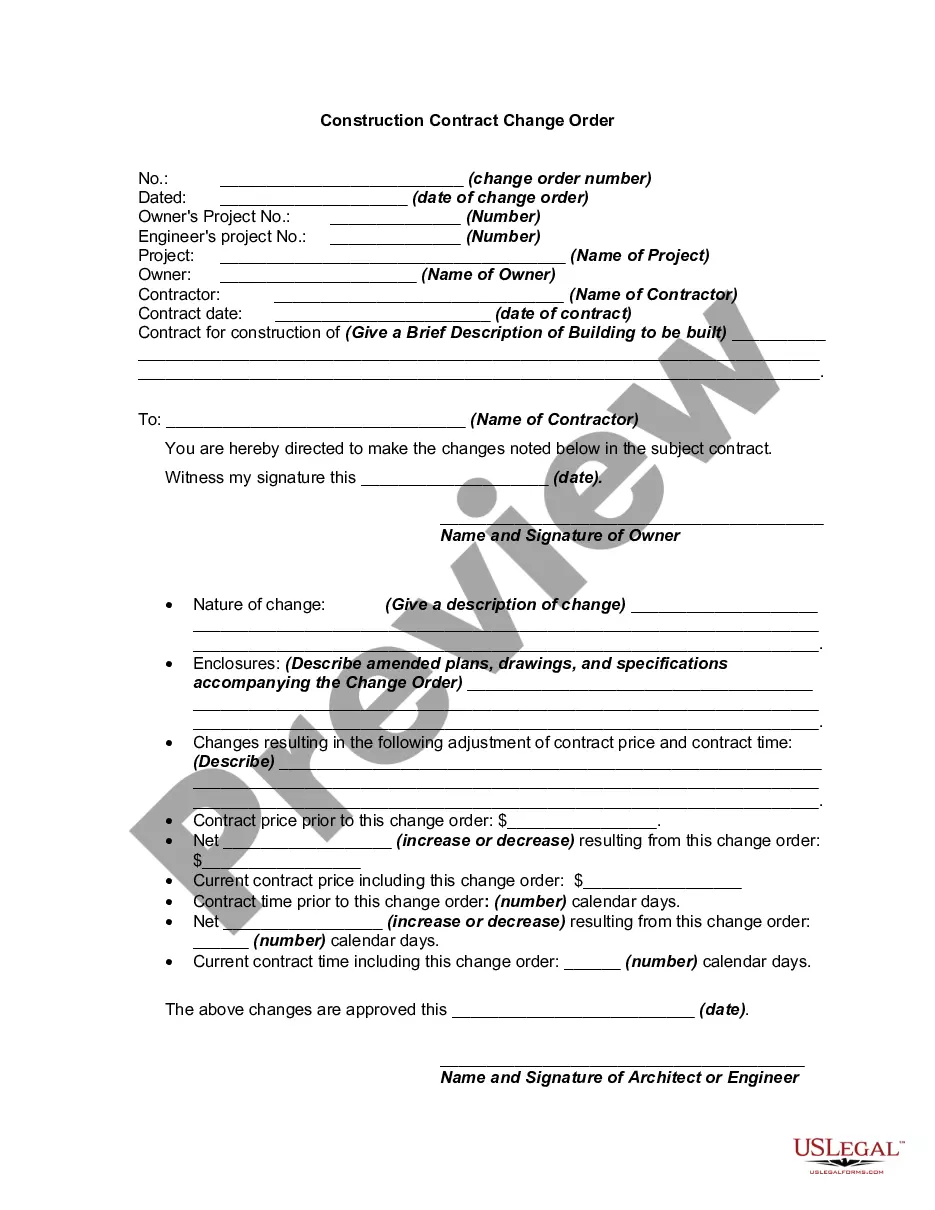
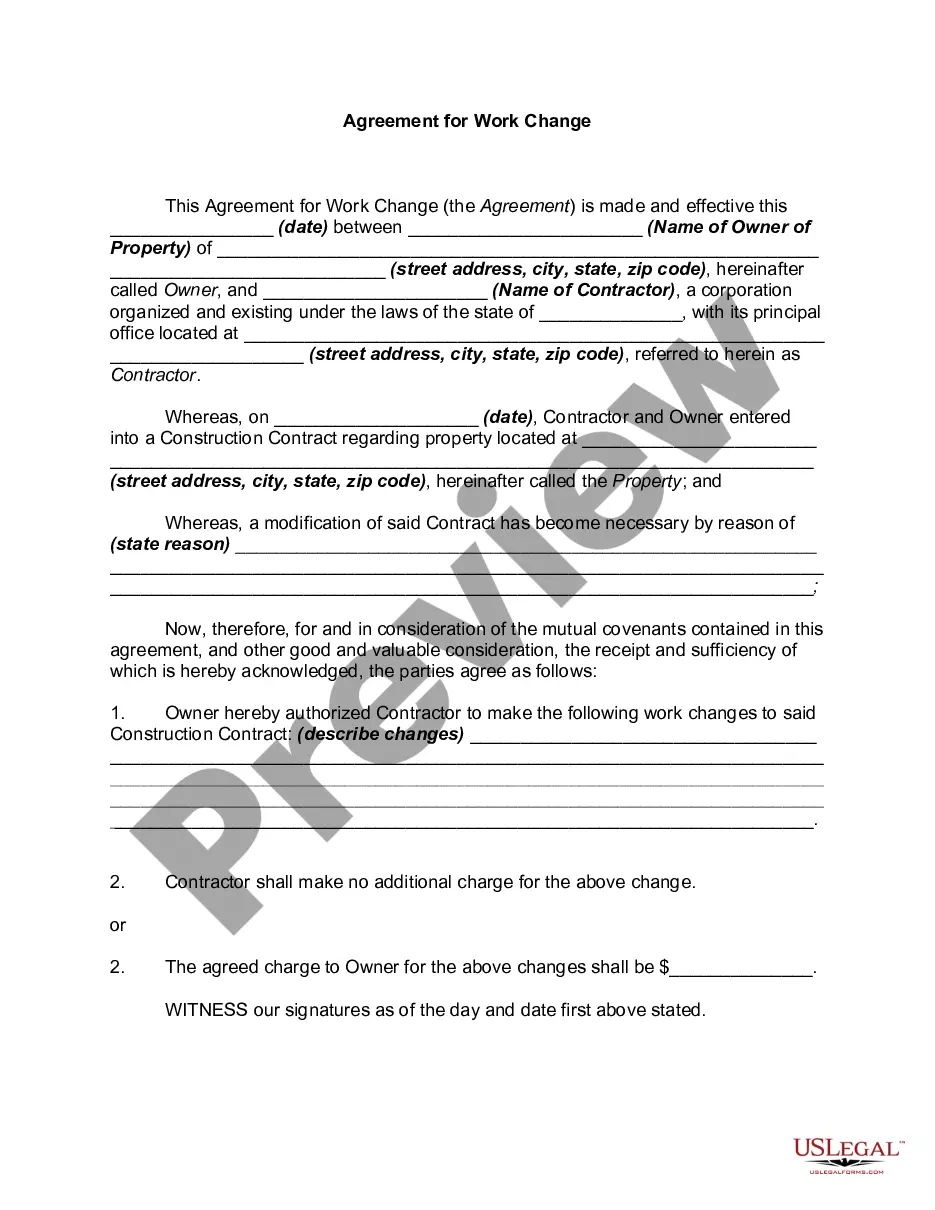
The Construction Contract Change Order is a legal document used to formally request changes to an existing construction contract. It outlines any modifications to the original scope of work, including adjustments in price and timelines. Unlike other forms, this document provides a structured way to communicate changes, ensuring both the owner and contractor are in agreement on the revised plans.
What’s included in this form
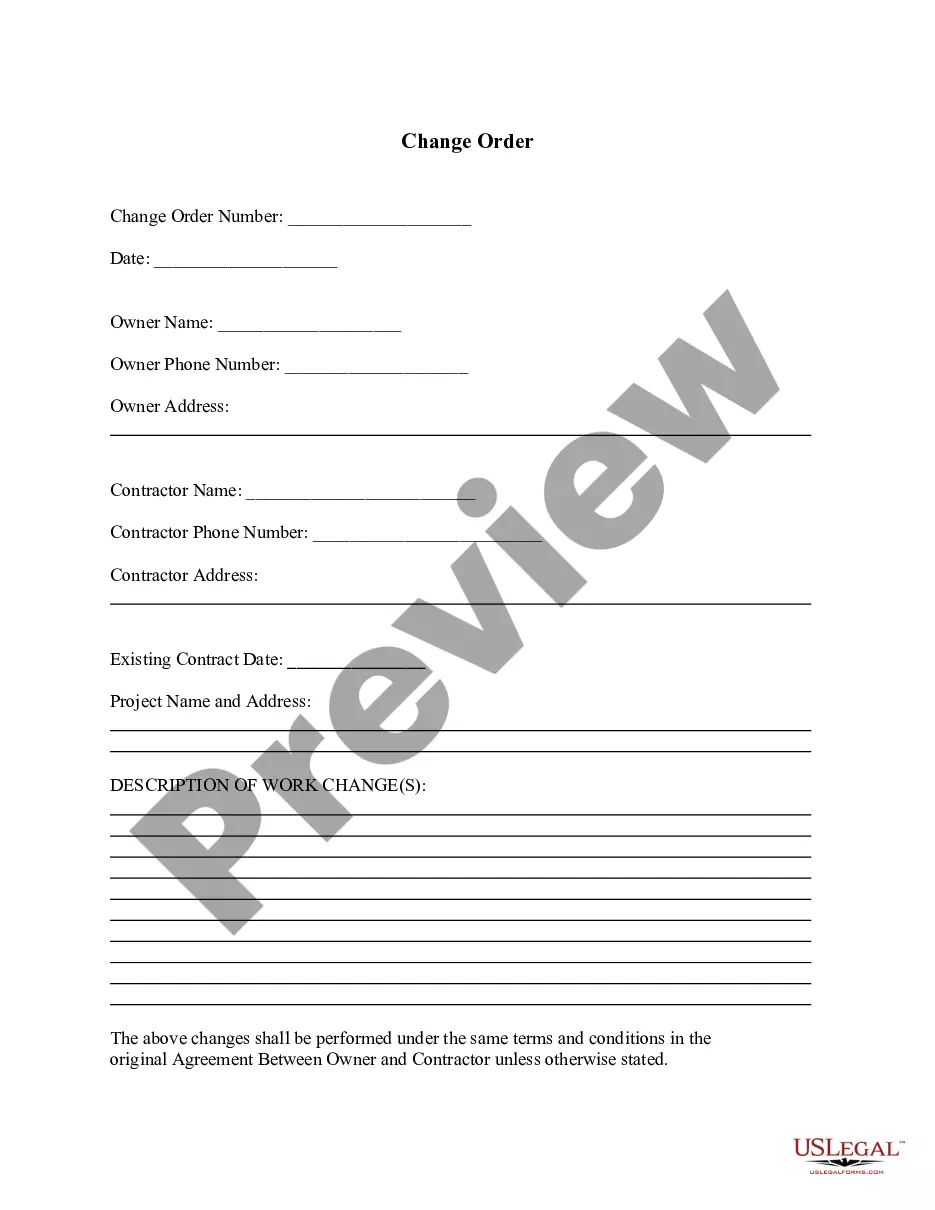
- Change order number to identify the specific revision.
- Date of the change order and contract details.
- Names of the owner, contractor, and their project numbers.
- Description of the changes being requested.
- Amended plans or specifications accompanying the change order.
- Adjustments to contract price and contract time resulting from changes.
- Signatures of the owner, contractor, and architect/engineer to confirm changes.

When this form is needed
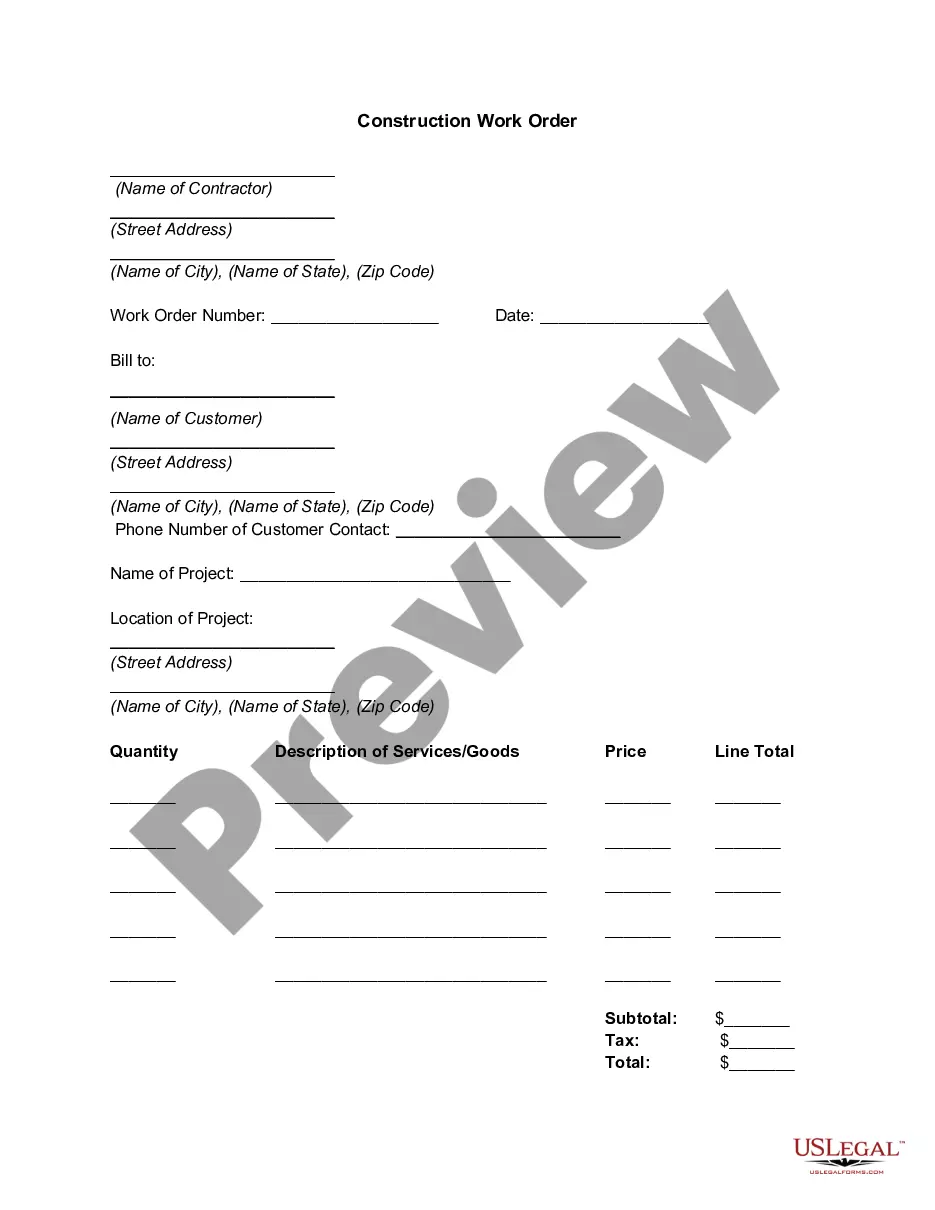
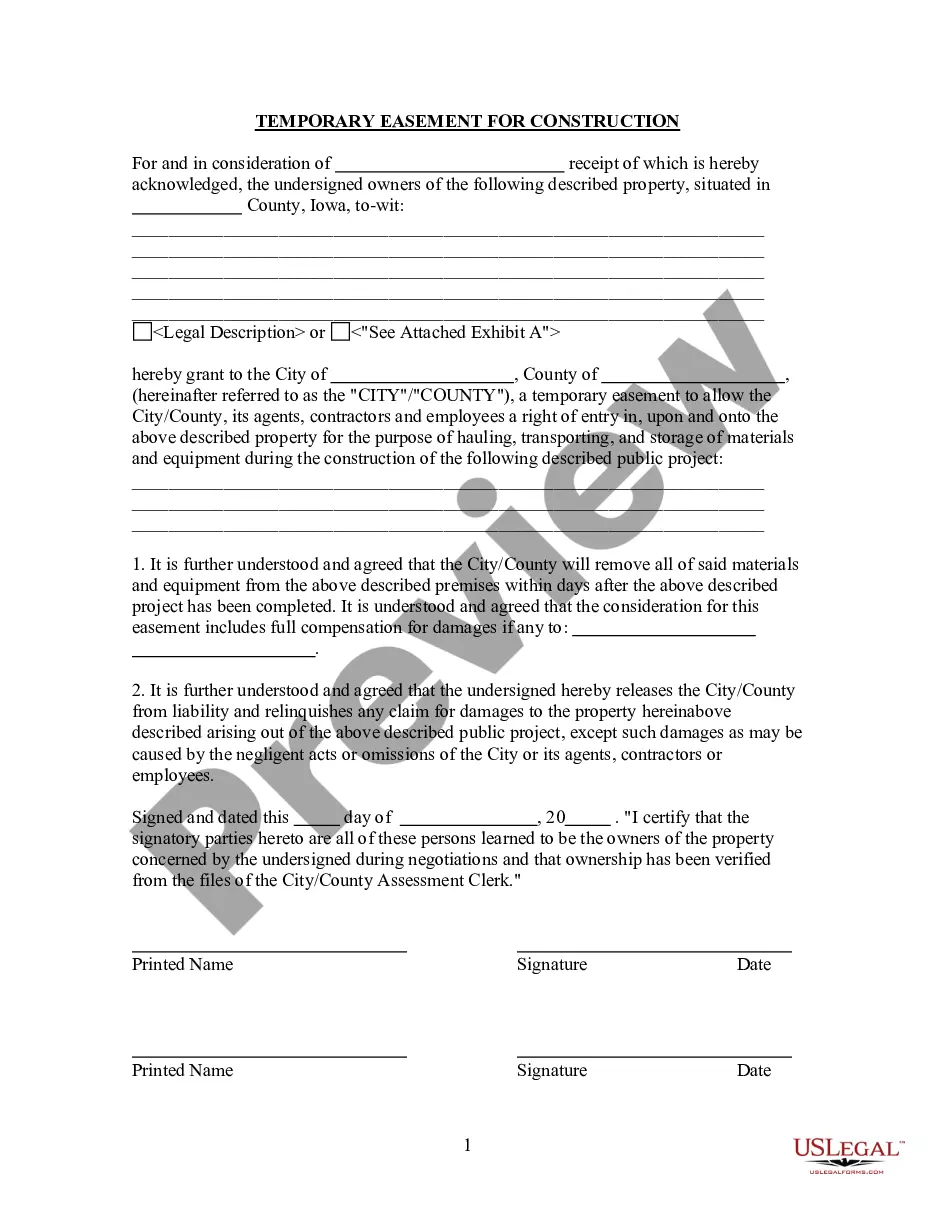
This form should be used whenever there are necessary modifications to the initial construction plans due to unforeseen circumstances. Common scenarios include discovering obstacles that impact the project, estimating errors, requests for additional features, or changes in project scope that require additional time or financial resources.
Who can use this document
This form is intended for:
- Property owners who need to communicate changes to contractors.
- Contractors responsible for executing construction projects.
- Architects or engineers who oversee project compliance and design alterations.
Instructions for completing this form
- Enter the change order number and date at the top of the form.
- Fill in the owner and contractor's names along with the project numbers.
- Describe the specific changes to be made, including any new features.
- Detail any changes to the contract price and time, indicating net adjustments.
- Ensure all necessary parties sign and date the document for validity.
Notarization requirements for this form
This form does not typically require notarization unless specified by local law. However, having it notarized can enhance its legal standing and provide an additional layer of protection for both parties involved in the contract changes.
Get your form ready online
Our built-in tools help you complete, sign, share, and store your documents in one place.
Make edits, fill in missing information, and update formatting in US Legal Forms—just like you would in MS Word.
Download a copy, print it, send it by email, or mail it via USPS—whatever works best for your next step.
Sign and collect signatures with our SignNow integration. Send to multiple recipients, set reminders, and more. Go Premium to unlock E-Sign.
If this form requires notarization, complete it online through a secure video call—no need to meet a notary in person or wait for an appointment.
We protect your documents and personal data by following strict security and privacy standards.

Make edits, fill in missing information, and update formatting in US Legal Forms—just like you would in MS Word.

Download a copy, print it, send it by email, or mail it via USPS—whatever works best for your next step.

Sign and collect signatures with our SignNow integration. Send to multiple recipients, set reminders, and more. Go Premium to unlock E-Sign.

If this form requires notarization, complete it online through a secure video call—no need to meet a notary in person or wait for an appointment.

We protect your documents and personal data by following strict security and privacy standards.
Mistakes to watch out for
- Failing to include all necessary signatures, which can invalidate the change order.
- Not specifying the project number or relevant details clearly, leading to confusion.
- Neglecting to outline all financial and time adjustments in detail.
Benefits of using this form online
- Convenience of downloading the form anytime, anywhere.
- Editability allows customization to fit specific project needs.
- Reliability backed by templates drafted by licensed attorneys.
Legal use & context
- The construction contract change order serves as a formal agreement to changes approved by both the owner and contractor.
- It helps protect all parties' interests in case disputes arise regarding project modifications.
- Utilizing this document ensures compliance with legal requirements related to construction contracts.
Key takeaways
- A Construction Contract Change Order is vital for formalizing changes to existing construction contracts.
- It is essential for ensuring clear communication between all parties involved in the project.
- Properly completing this form can help avoid misunderstandings and legal disputes later on.
Looking for another form?

Form popularity
FAQ
Review Your Contract Anticipating Change Orders. Specifications for managing change orders should be spelled out clearly in the contract. Review All Plans. Write It Down. Set Communication Procedures. There's a Solution for That.
A description of the requested change compared to the original contract or bid. Itemized documentation of any subcontractor costs. A summary by the contractor of the total costs of the proposed change.
Job name, address and phone number. Owner's name. A complete description of new work to be performed. Total price for materials and labor to complete the change. Revised date of completion due to the change order. Signatures of the company representative.
Job name, address and phone number. Owner's name. A complete description of new work to be performed. Total price for materials and labor to complete the change. Revised date of completion due to the change order. Signatures of the company representative.
A description of the requested change compared to the original contract or bid.Itemized documentation of any subcontractor costs.A summary by the contractor of the total costs of the proposed change.What Is a Change Order in Construction? - Digital Builder\nconstructionblog.autodesk.com > change-order
A change order is work that is added to or deleted from the original scope of work of a contract, however, depending on the magnitude of the change, it may or may not alter the original contract amount and/or completion date. A change order may force a new project to handle significant changes to the current project.
Change orders are often negotiated By submitting an aggressive price, when you need to discount your client, you're still profiting on the change order. Change Orders are often challenged They can be challenged because they believe the work is part of your contract.
A change order is work that is added to or deleted from the original scope of work of a contract, however, depending on the magnitude of the change, it may or may not alter the original contract amount and/or completion date. A change order may force a new project to handle significant changes to the current project.
First, let's start with the fact that there is no law that says that you have to have changes or change orders in a construction contract.Contractors are not banks, yet they are routinely used as such by owners who order changes, but refuse to execute change orders, which can then be billed.