Punctuality Policy
Understanding this form
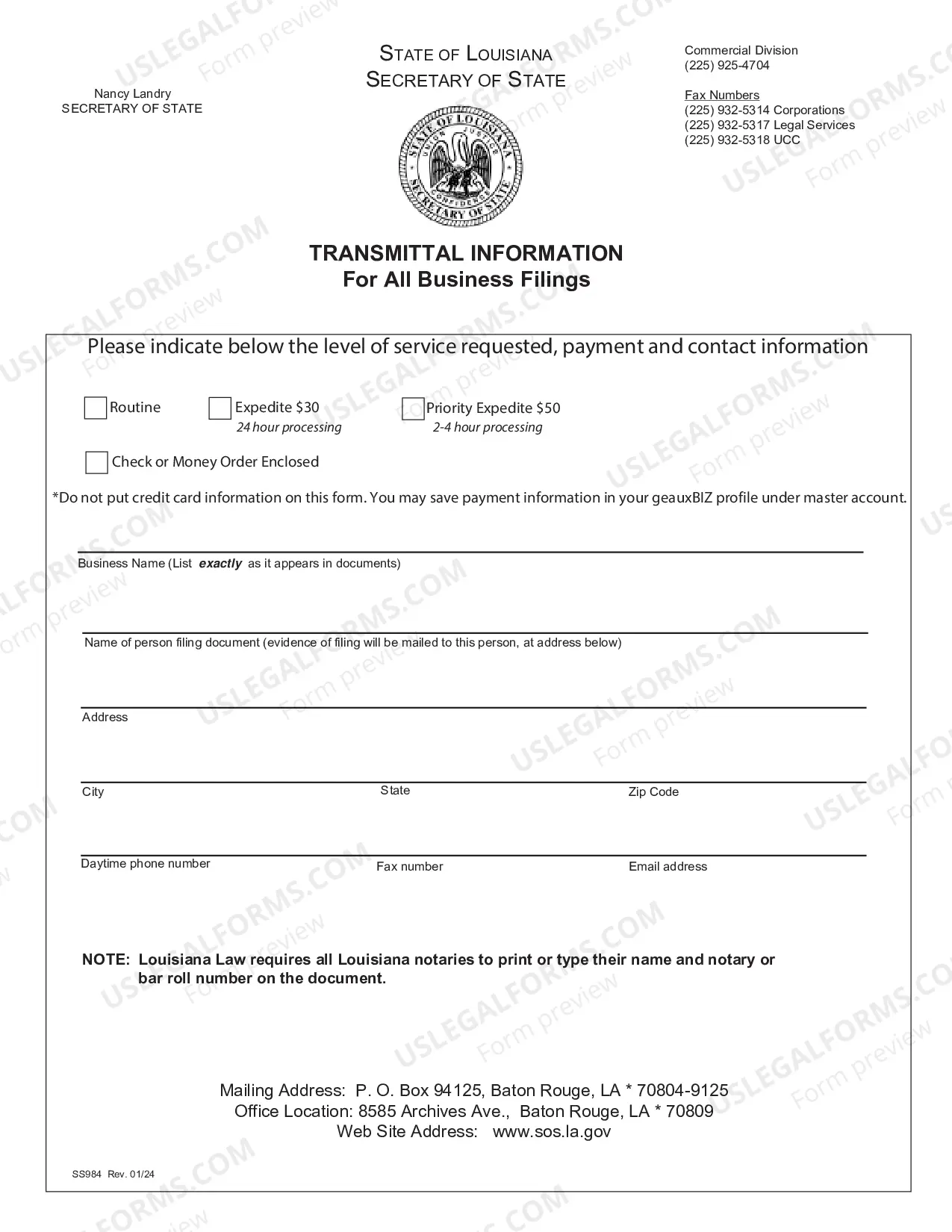
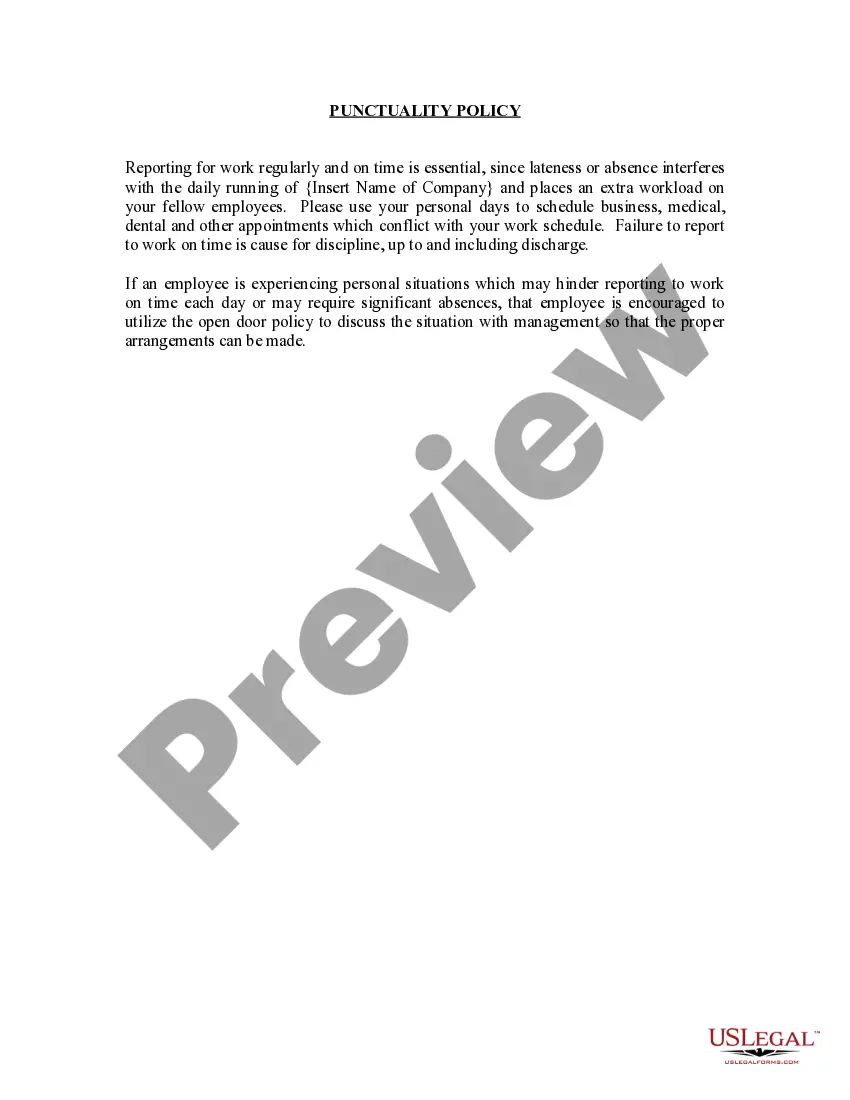
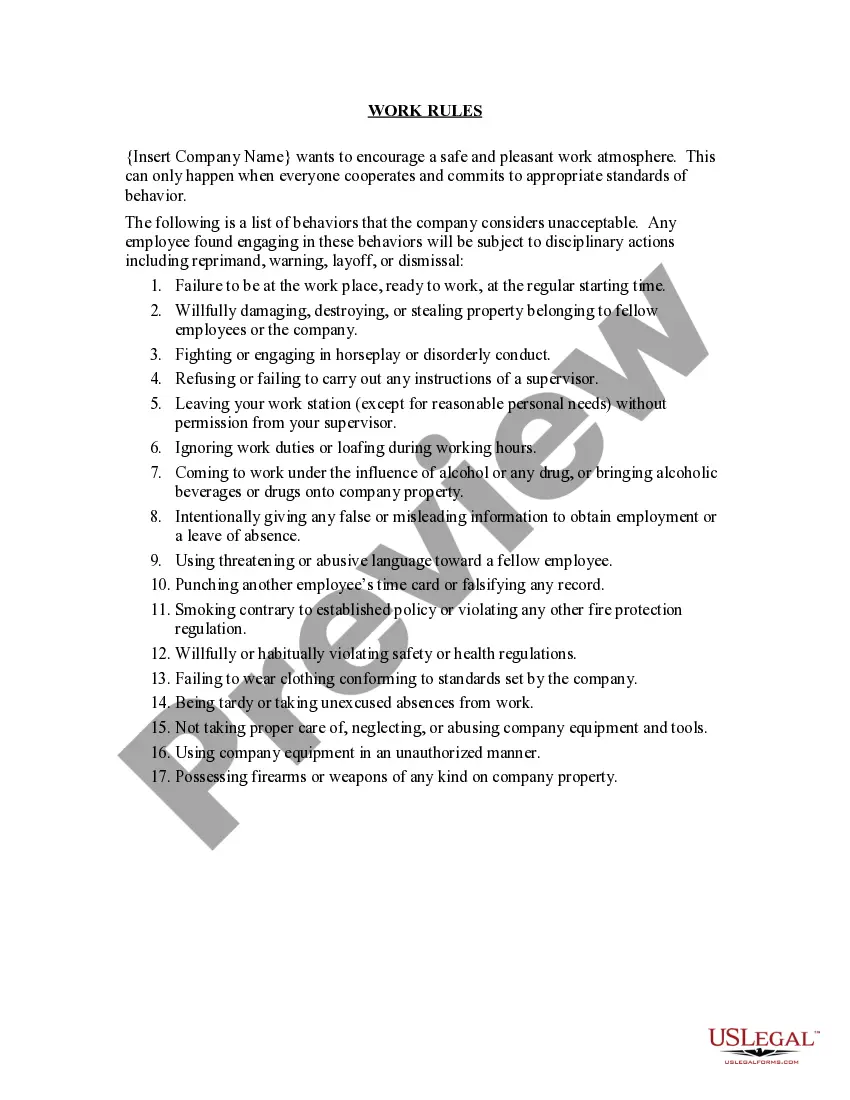
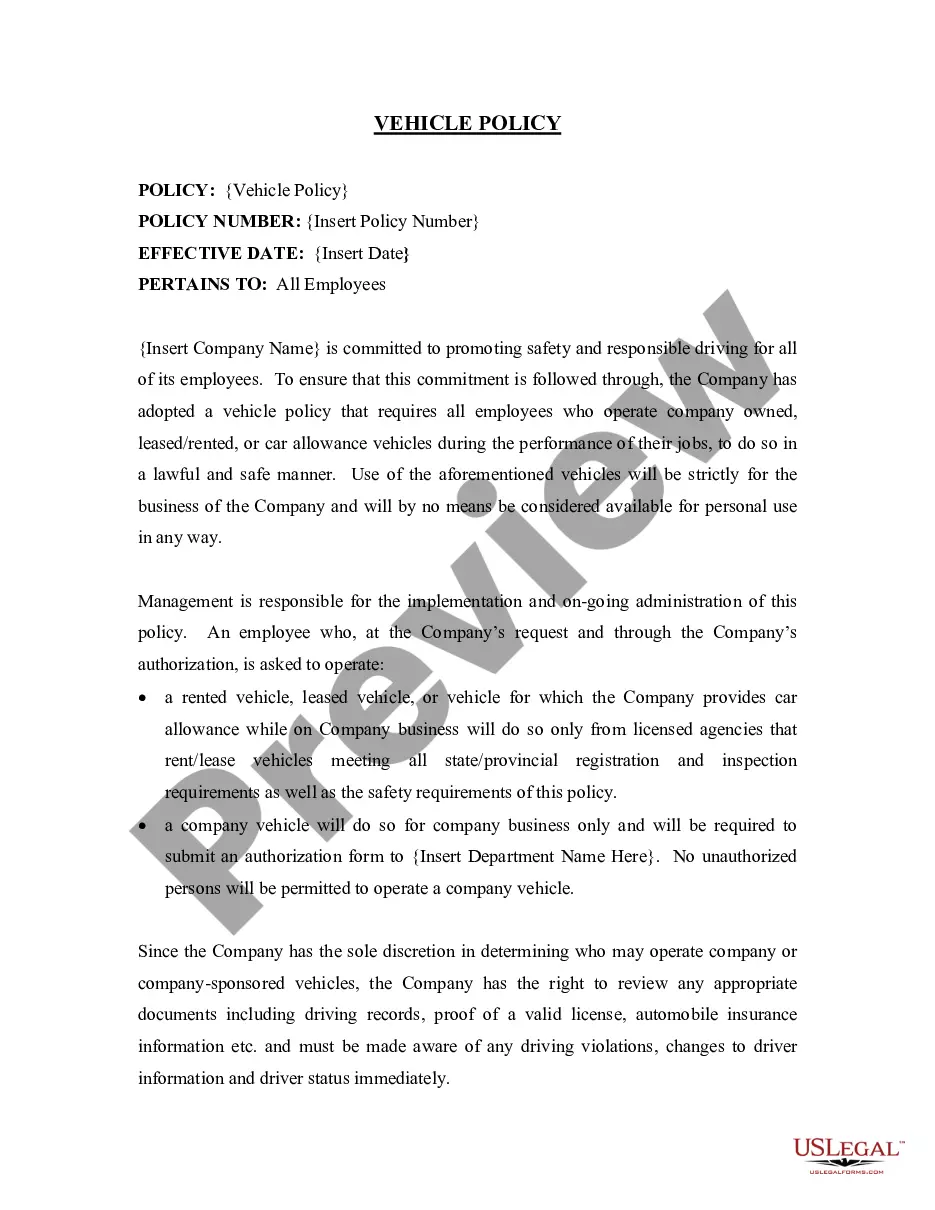
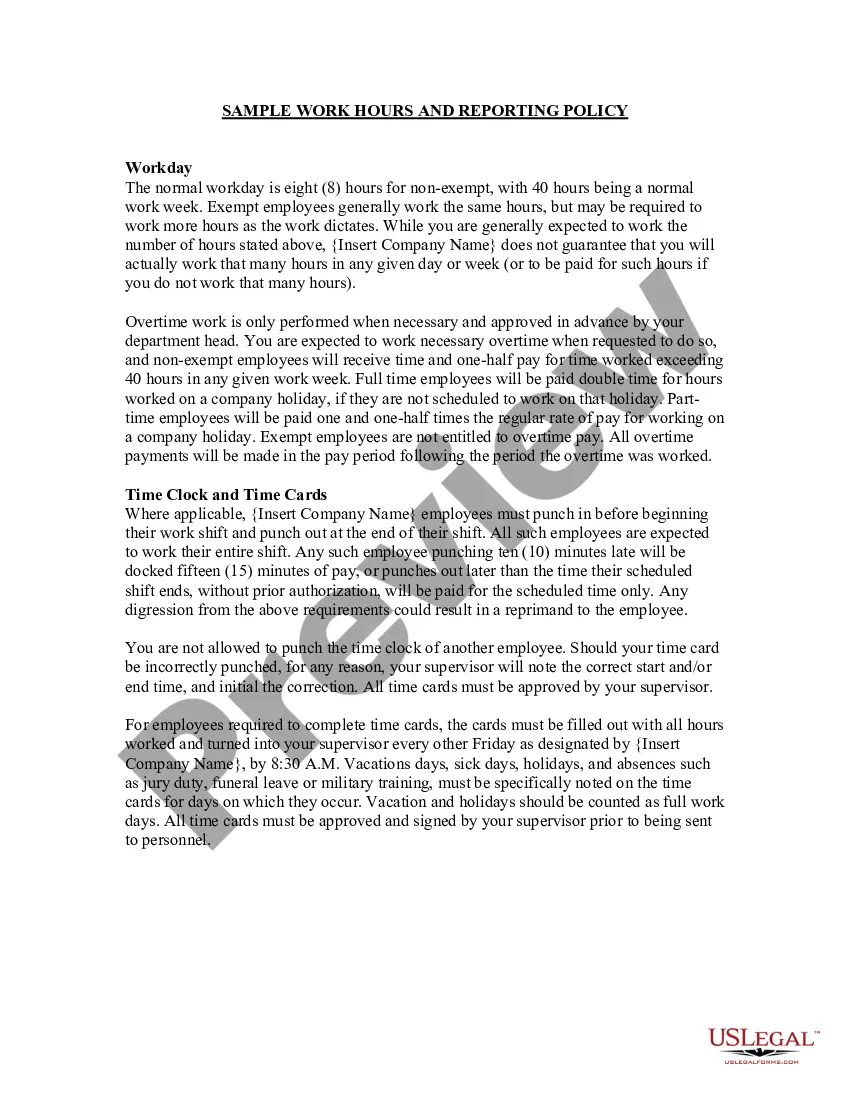
The punctuality policy is a crucial workplace document that outlines the expectations and guidelines for employee attendance and timeliness. This form aims to clearly communicate the importance of punctuality to employees and ensure that they understand the consequences of lateness and absenteeism. Unlike other general attendance forms, this policy specifically addresses the approach to managing punctuality within the organization.
Main sections of this form
- Definition of punctuality and its importance to workplace operations.
- Guidance on how to schedule personal appointments without affecting work responsibilities.
- Consequences of failing to adhere to punctuality standards, including potential disciplinary actions.
- Encouragement for employees to communicate personal issues that may affect attendance.
Common use cases
This form should be utilized when establishing or updating company policies regarding employee punctuality. It is particularly important in situations where employees' attendance has become an issue, or when clear guidelines are needed to promote timely arrivals and minimize disruptions to the work environment.
Who needs this form
- Employers looking to set clear attendance guidelines for their employees.
- Human resources professionals tasked with managing workplace policies.
- Administrators seeking to create a structured approach to handling punctuality-related issues.
How to complete this form
- Clearly state the company's expectations for punctuality.
- Specify any required actions for employees to follow when tardiness occurs.
- Outline disciplinary measures for failing to adhere to the policy.
- Encourage open communication by including a section for employees to express personal concerns affecting attendance.
Is notarization required?
Notarization is not commonly needed for this form. However, certain documents or local rules may make it necessary. Our notarization service, powered by Notarize, allows you to finalize it securely online anytime, day or night.
Get your form ready online
Our built-in tools help you complete, sign, share, and store your documents in one place.
Make edits, fill in missing information, and update formatting in US Legal Forms—just like you would in MS Word.
Download a copy, print it, send it by email, or mail it via USPS—whatever works best for your next step.
Sign and collect signatures with our SignNow integration. Send to multiple recipients, set reminders, and more. Go Premium to unlock E-Sign.
If this form requires notarization, complete it online through a secure video call—no need to meet a notary in person or wait for an appointment.
We protect your documents and personal data by following strict security and privacy standards.

Make edits, fill in missing information, and update formatting in US Legal Forms—just like you would in MS Word.

Download a copy, print it, send it by email, or mail it via USPS—whatever works best for your next step.

Sign and collect signatures with our SignNow integration. Send to multiple recipients, set reminders, and more. Go Premium to unlock E-Sign.

If this form requires notarization, complete it online through a secure video call—no need to meet a notary in person or wait for an appointment.

We protect your documents and personal data by following strict security and privacy standards.
Typical mistakes to avoid
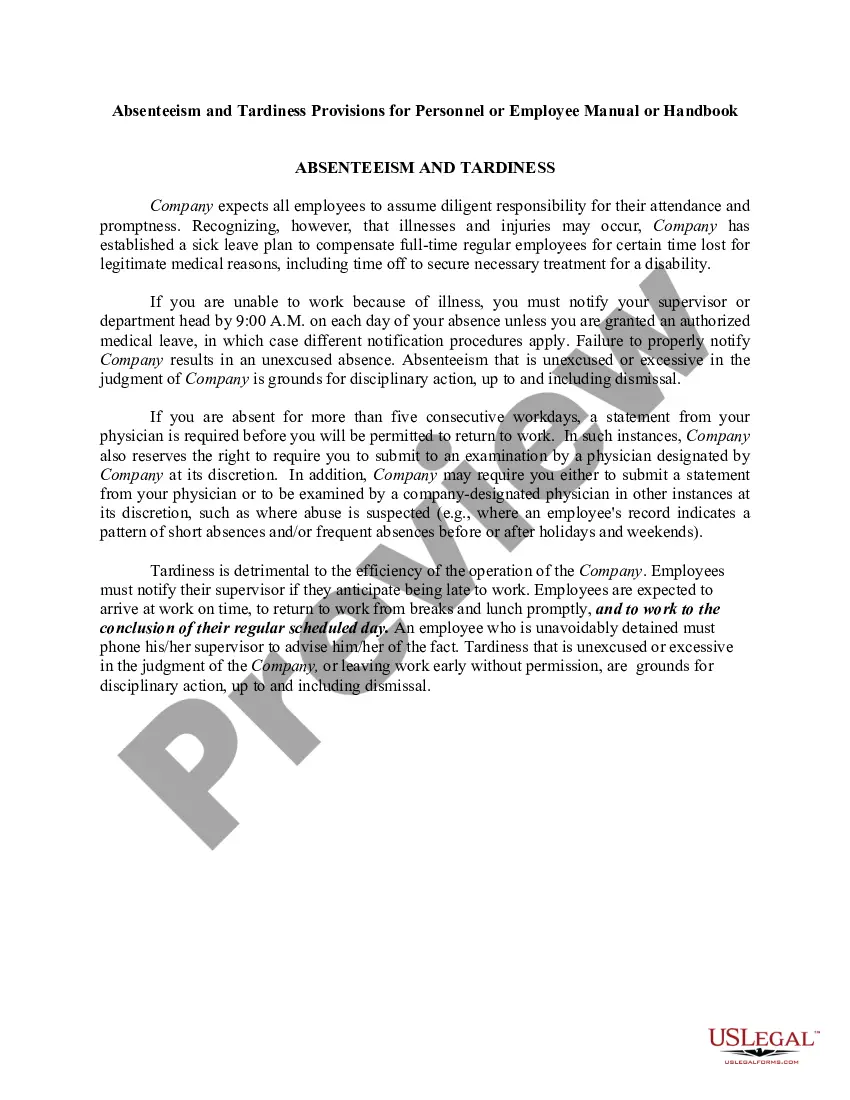
- Failing to communicate the consequences of tardiness clearly.
- Not providing a method for employees to address personal issues with management.
- Overlooking updates to the policy as workplace dynamics change.
Why use this form online
- Easy and quick access to download the policy template.
- Editable format allows for customization based on specific company needs.
- Reliable templates drafted by licensed attorneys ensure legal compliance.
Legal use & context
- The Punctuality Policy helps set clear expectations for employee behavior and responsibilities.
- It can serve as a basis for disciplinary actions if punctuality rules are not followed.
- Employers need to consider state-specific labor laws to ensure the policy is enforceable.
Quick recap
- The urgency and importance of punctuality are central to workplace effectiveness.
- Clear communication of expectations helps prevent misunderstandings.
- Utilizing this policy assists in creating a supportive work environment.
Looking for another form?
Form popularity
FAQ
Employees who request time off from work in advance for personal or vacation leave are typically not considered absent. According to the Bureau of Labor Statistics (BLS), the absence rate for all full-time wage and salary workers is 2.8%.
What is a good attendance policy? A good attendance policy includes all guidelines regarding taking leave, tardiness, early outs and no shows. The policy should be detailed and list all the repercussions for poor attendance.
Make Being Prompt a Priority. Know Why You Want to Be Punctual. Track How Long Tasks Take. Use a Timer. Be Ruthless With Your To Do List. Be Prepared to Be On Time. Give Yourself a Time Cushion. Be Prepared to Wait.
An employee attendance policy is a documented set of rules designed to improve employee productivity, reduce absenteeism, and set clear and consistent expectations for employees.Download the free employee attendance policy and customize it to your needs!
Regular attendance and punctuality are vital attributes for all employees. It is important for employees to attend work regularly and to arrive at work on time, because failure to do so detrimentally affects employee morale and productivity.
An employee attendance policy is a documented set of rules designed to improve employee productivity, reduce absenteeism, and set clear and consistent expectations for employees.
Maintaining a good attendance record at work includes more than just not calling in sick regularly. It also means starting your job duties on time, staying on the job throughout the day to complete duties properly and attending all scheduled meetings and appointments.
Punctuality displays a person's respect for people and time.Many people work from home these days, to them punctuality means being available online during office hours, logging in into meetings punctually, and meeting project deadlines.
On average, two weeks (14 total days) per year is acceptable for missing work (planned with excuse). 0 days is acceptable to miss work without excuses.