Vehicle Policy
About this form
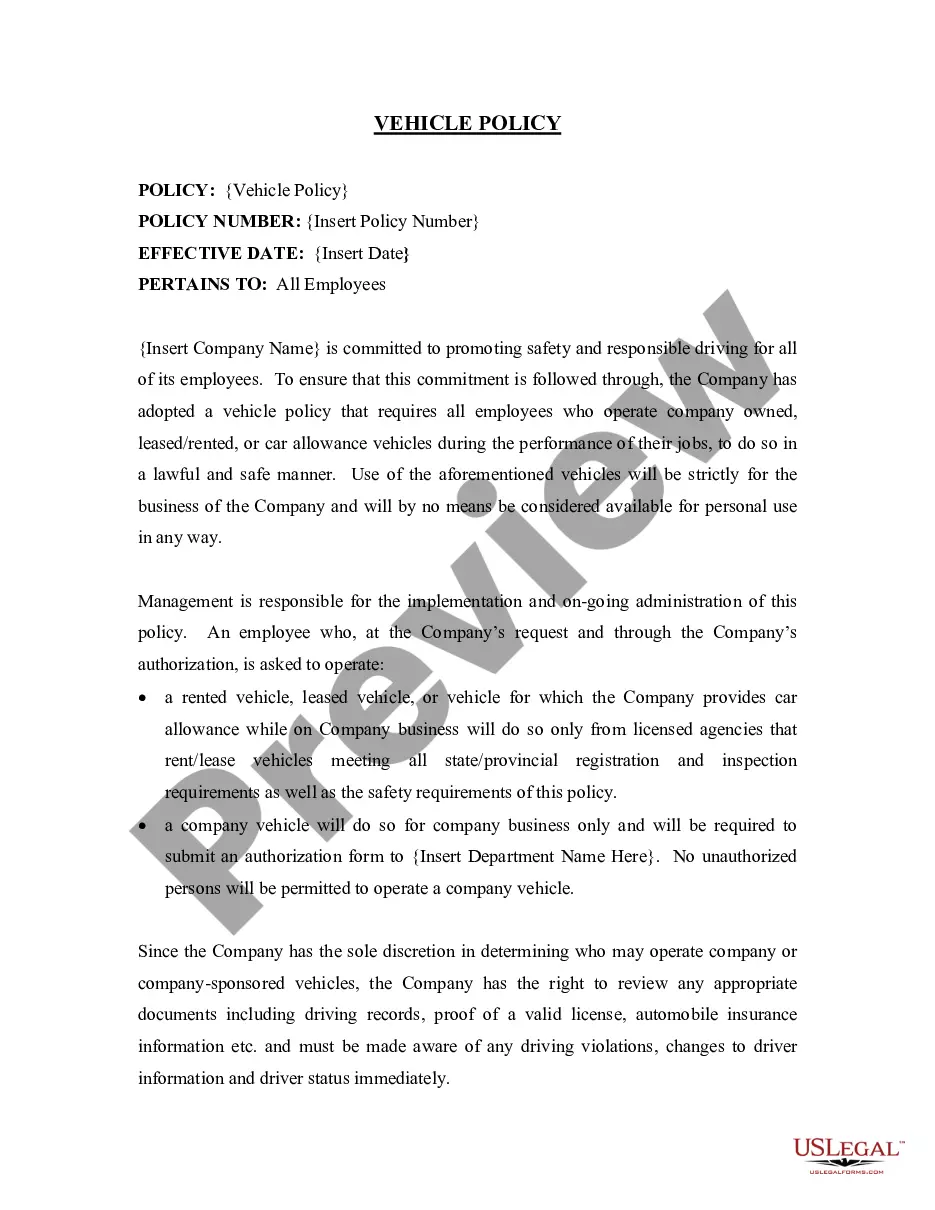
The Vehicle Policy form outlines a company's regulations regarding the use of vehicles by employees during the performance of their job duties. This document ensures that all employees adhere to safe driving practices and comply with the company's rules while operating company-owned, leased, or rented vehicles. It is essential for fostering a safe work environment and protecting the organization from liability, distinguishing it from other vehicle-related documents.
Main sections of this form
- Policy number and effective date for tracking and reference.
- Description of the company's commitment to safety and responsible driving.
- Usage restrictions specifying that vehicles are only for business purposes.
- Management responsibilities for implementing and administering the policy.
- Requirements for drivers, including valid licensing and insurance checks.
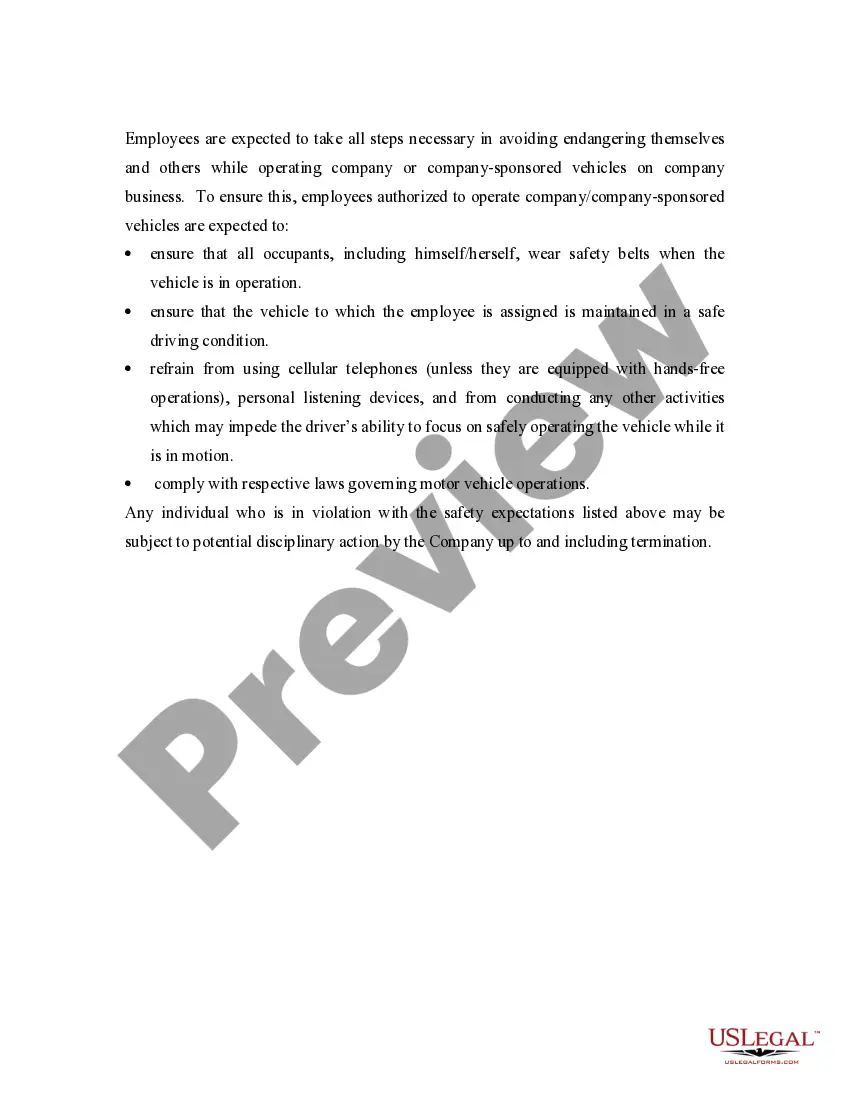
- Safety obligations for drivers and vehicle maintenance expectations.
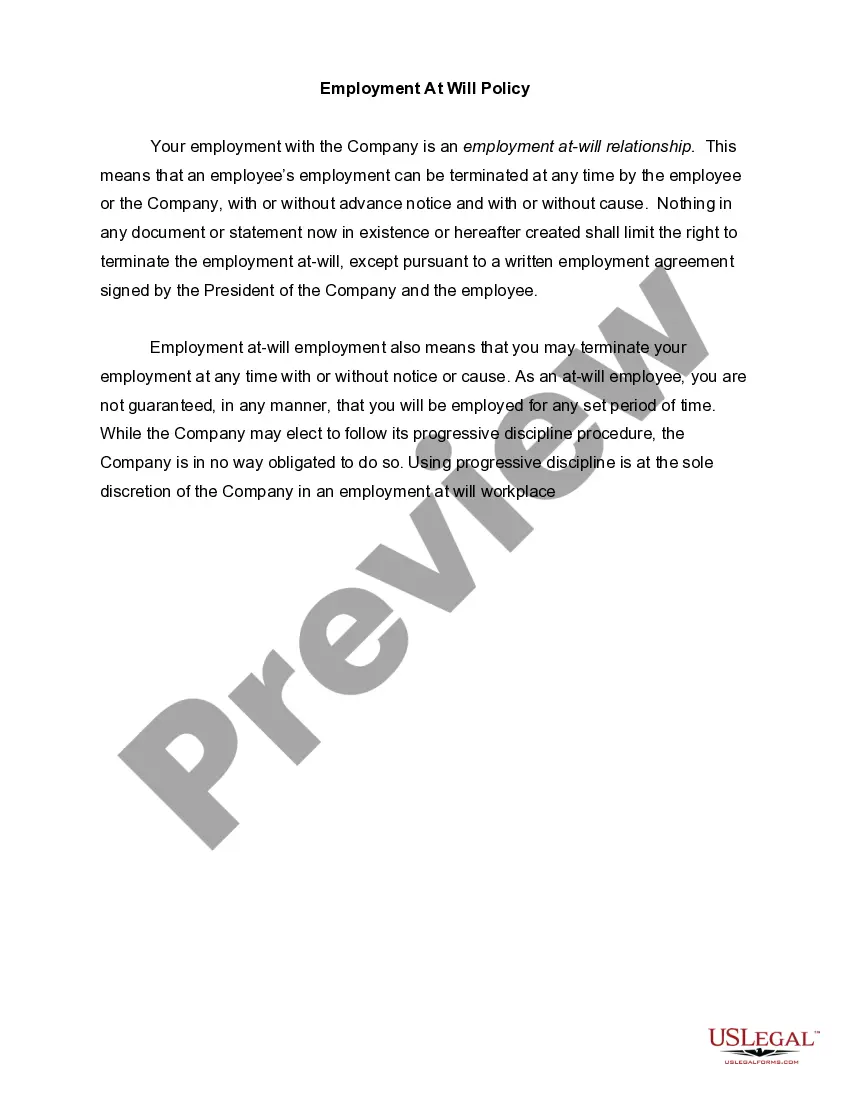
- Consequences for violations of the policy, including disciplinary actions.
When to use this form
Use the Vehicle Policy form when establishing or updating your company's vehicle usage regulations. This is particularly important when employing new staff who will operate company vehicles, addressing previous safety issues, or when your organization is expanding its fleet of vehicles. The form serves as an essential tool for ensuring consistent communication of safety expectations to all employees.
Who can use this document
The following individuals or entities should consider using this form:
- Business owners or managers who provide vehicles for employee use.
- Human resources personnel responsible for employee training and policy enforcement.
- Safety officers tasked with ensuring compliance with vehicle safety standards.
- Employees who operate company vehicles and need to understand their responsibilities.
Steps to complete this form
- Insert the policy number and effective date at the top of the document.
- Specify the company name where indicated.
- Clearly define the responsibilities of management and employees regarding vehicle use.
- Detail the necessary qualifications for employees operating company vehicles.
- Include any additional safety protocols or company-specific requirements.
- Finalize the document with the signatures of the relevant parties to acknowledge agreement and adherence.
Does this form need to be notarized?
Notarization is generally not required for this form. However, certain states or situations might demand it. You can complete notarization online through US Legal Forms, powered by Notarize, using a verified video call available anytime.
Get your form ready online
Our built-in tools help you complete, sign, share, and store your documents in one place.
Make edits, fill in missing information, and update formatting in US Legal Forms—just like you would in MS Word.
Download a copy, print it, send it by email, or mail it via USPS—whatever works best for your next step.
Sign and collect signatures with our SignNow integration. Send to multiple recipients, set reminders, and more. Go Premium to unlock E-Sign.
If this form requires notarization, complete it online through a secure video call—no need to meet a notary in person or wait for an appointment.
We protect your documents and personal data by following strict security and privacy standards.

Make edits, fill in missing information, and update formatting in US Legal Forms—just like you would in MS Word.

Download a copy, print it, send it by email, or mail it via USPS—whatever works best for your next step.

Sign and collect signatures with our SignNow integration. Send to multiple recipients, set reminders, and more. Go Premium to unlock E-Sign.

If this form requires notarization, complete it online through a secure video call—no need to meet a notary in person or wait for an appointment.

We protect your documents and personal data by following strict security and privacy standards.
Typical mistakes to avoid
- Failing to update the policy for changes in state regulations or company practices.
- Not clearly communicating the policy to all employees who will operate vehicles.
- Leaving out specific safety requirements or procedures.
- Omitting the consequences of violations, which can lead to misunderstanding.
Why complete this form online
- Convenience: Downloadable forms save you time and can be accessed at your convenience.
- Editability: Customize the form quickly to fit your organization's specific needs.
- Reliability: All templates are drafted by licensed attorneys to ensure legal accuracy.
Legal use & context
- This policy establishes clear expectations for vehicle usage in the business context.
- It serves legally to protect the company by outlining employee responsibilities.
- Non-compliance may result in disciplinary actions, ensuring accountability.
Quick recap
- The Vehicle Policy form establishes essential guidelines for the safe use of company vehicles.
- It is crucial for organizations to clearly define vehicle usage and safety expectations for employees.
- Regular updates and clear communication of the policy can help maintain compliance and ensure the safety of all employees.
Looking for another form?
Form popularity
FAQ
The Vehicle Policy is a company document that governs how employees use company-owned, leased, or rented vehicles, with a focus on safe driving and adherence to company rules. It is used when establishing or updating vehicle usage regulations and communicating safety expectations, and it includes sections for policy number, effective date, and enforcement procedures.
An example of a Vehicle Policy describes rules for business-use only, driver eligibility, and vehicle maintenance, along with consequences for violations. This form provides a template that includes a policy number, an effective date, safety commitments, and driver responsibilities to support consistent application across a multi-vehicle fleet.
A Vehicle Policy is a formal company document that governs how employees may use company-owned, leased, or rented vehicles, including safety obligations and usage restrictions, with management responsibilities and disciplinary actions defined in this form.
The Vehicle Policy helps safety and compliance by setting clear safety commitments, driver requirements (such as licensing checks), and maintenance expectations, while assigning management responsibility for administering the policy and enforcing consequences for violations.
Updating and maintaining the Vehicle Policy when the fleet changes is the responsibility of management to administer the policy; use this form to revise guidelines, record changes with an effective date, and maintain consistent application across employees and vehicles.
The Vehicle Policy form is tailored for employment use across a multi-state context and includes elements like policy number and effective date, driver licensing and insurance checks, and clearly defined consequences for violations, which distinguishes it from a generic policy used outside employment or in single-state contexts.