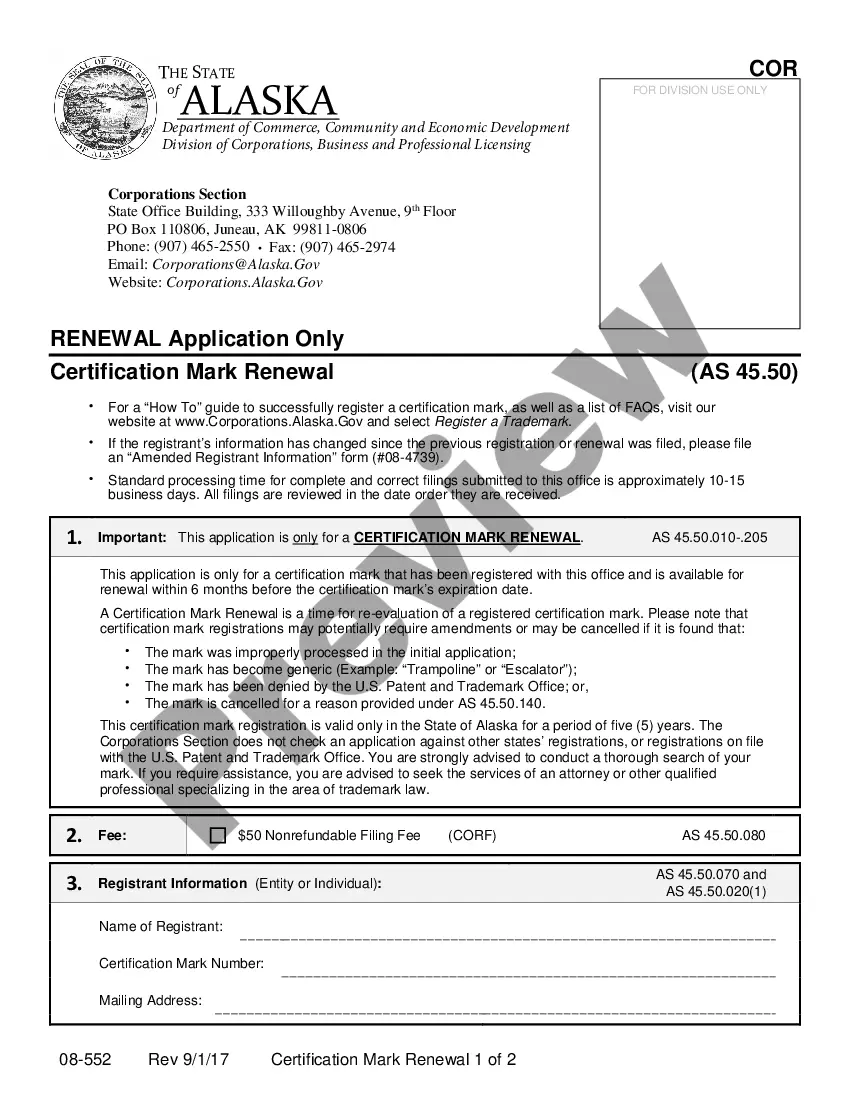
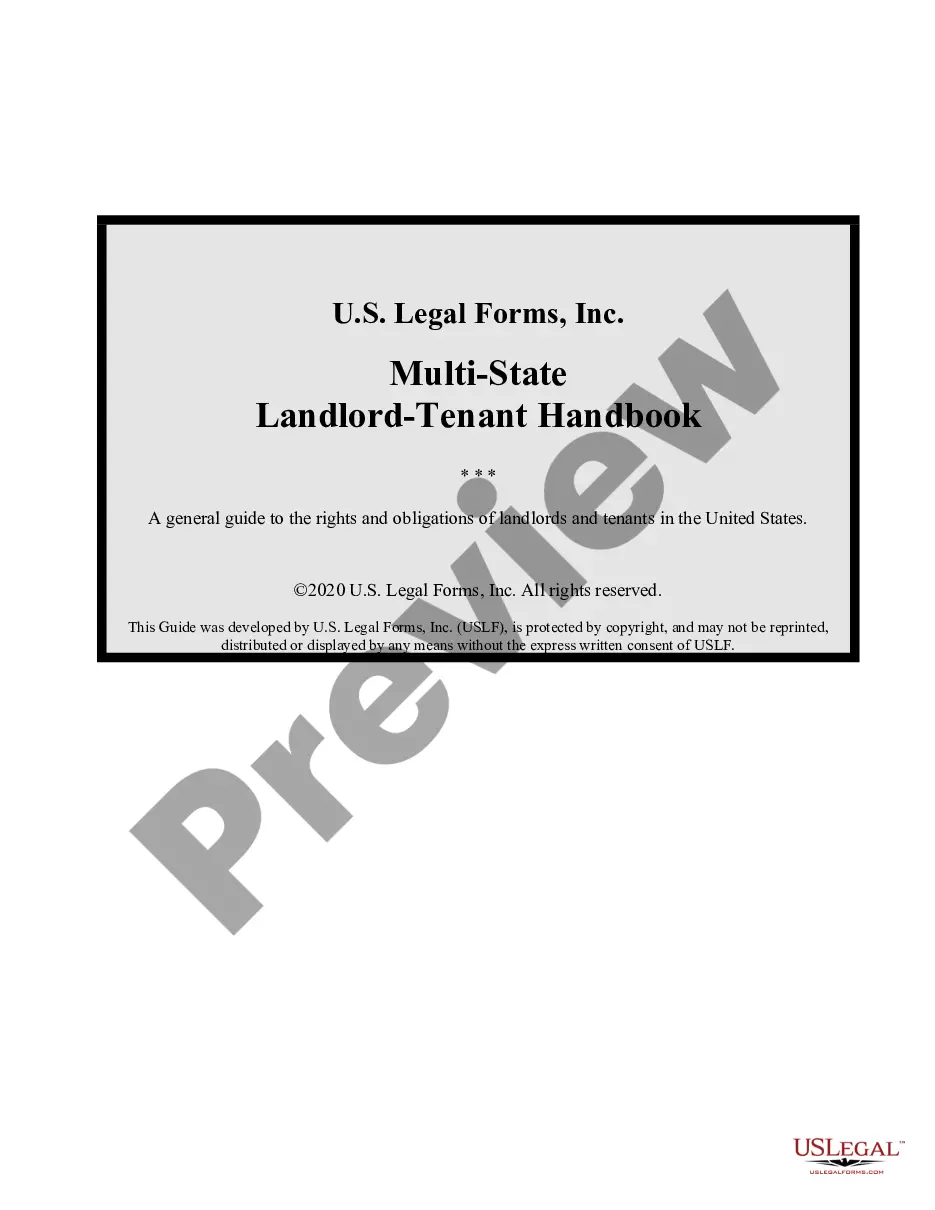
Alaska LegalLife Multistate Guide and Handbook for Selling or Buying Real Estate
About this form
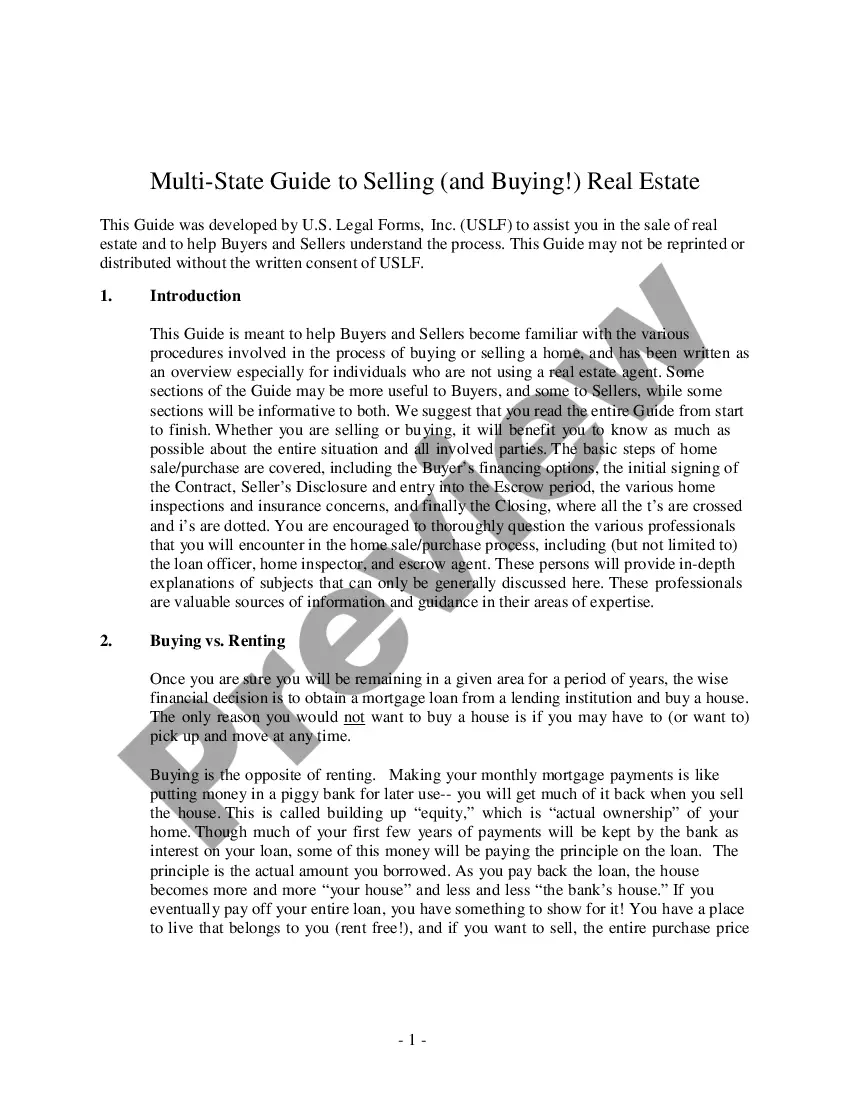
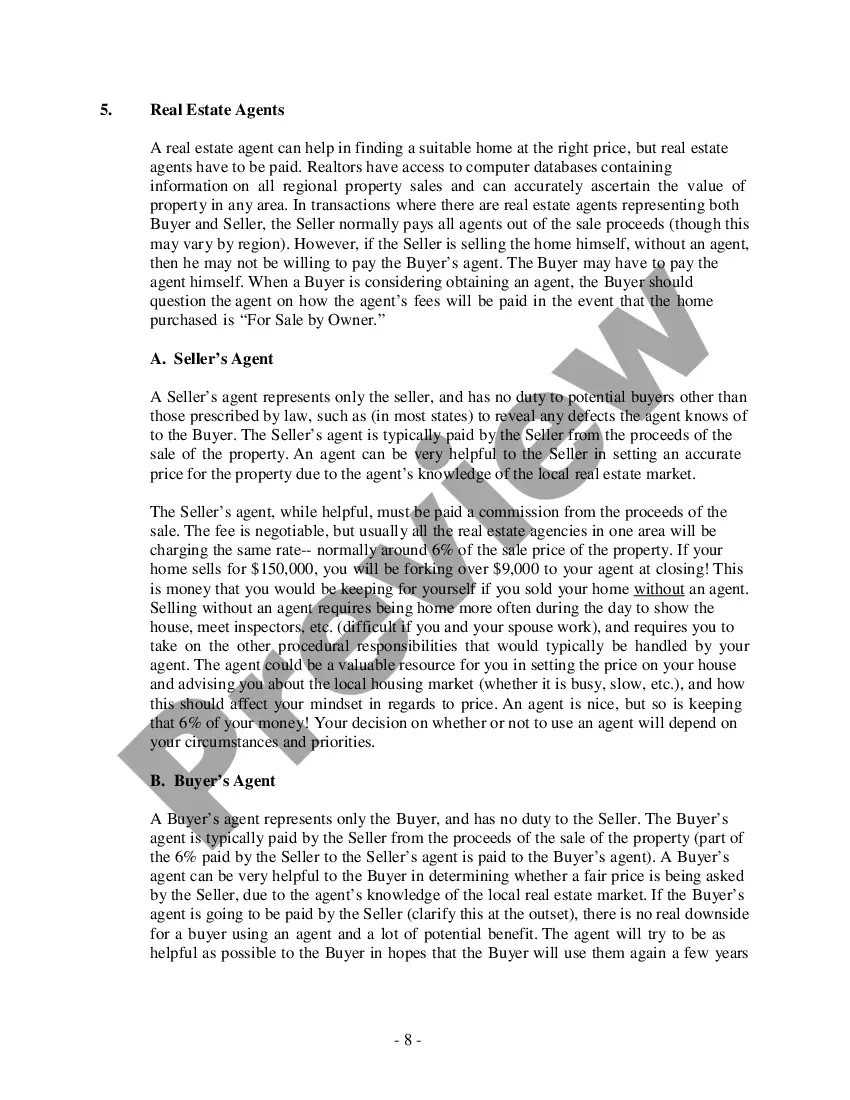
The LegalLife Multistate Guide and Handbook for Selling or Buying Real Estate serves as a comprehensive resource for individuals engaged in real estate transactions. This guide helps buyers and sellers understand the various stages of selling or buying a home while incorporating state-specific legal considerations, making it a crucial tool for those navigating this complex process.
Main sections of this form
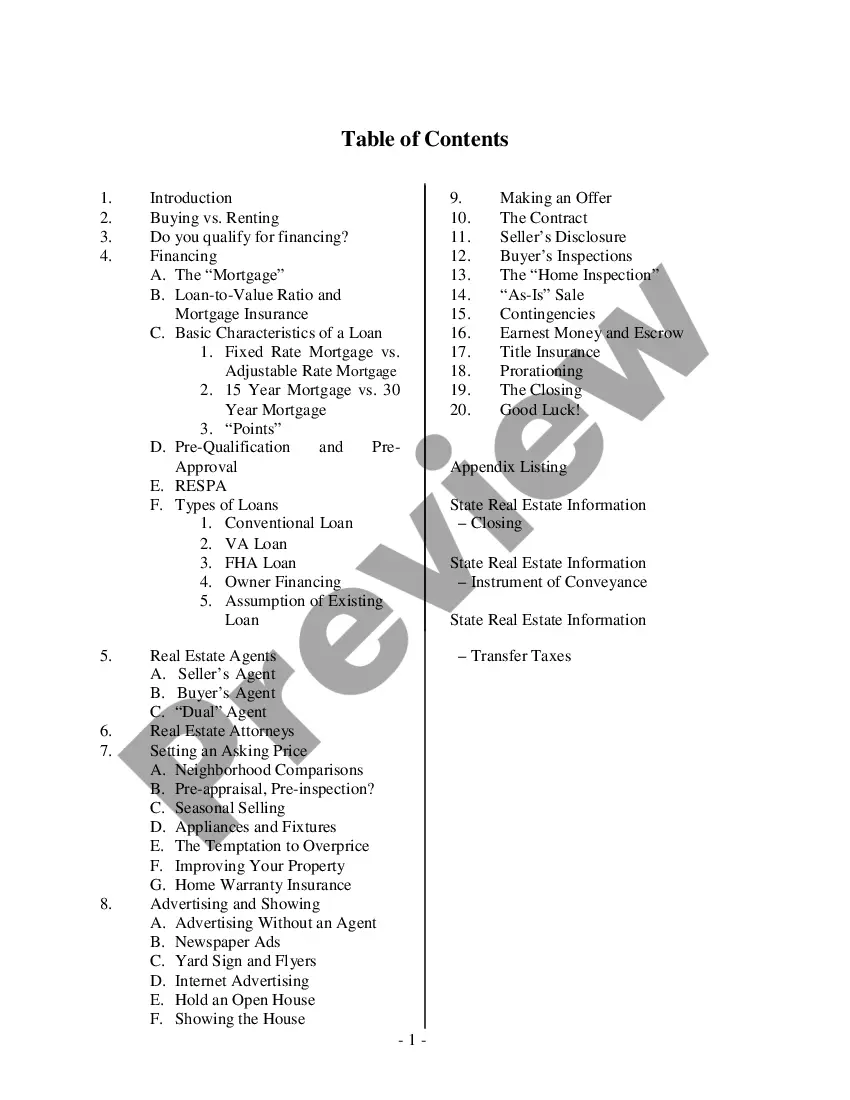
- Introduction to real estate transactions
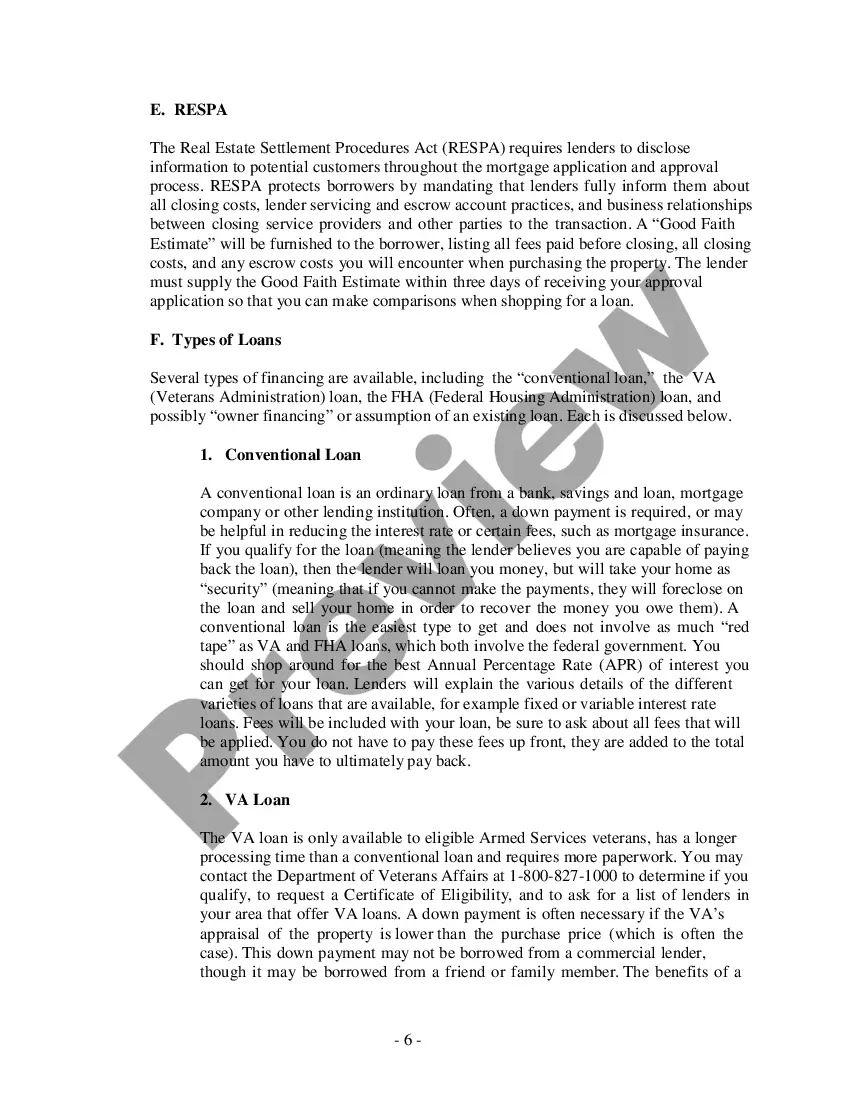
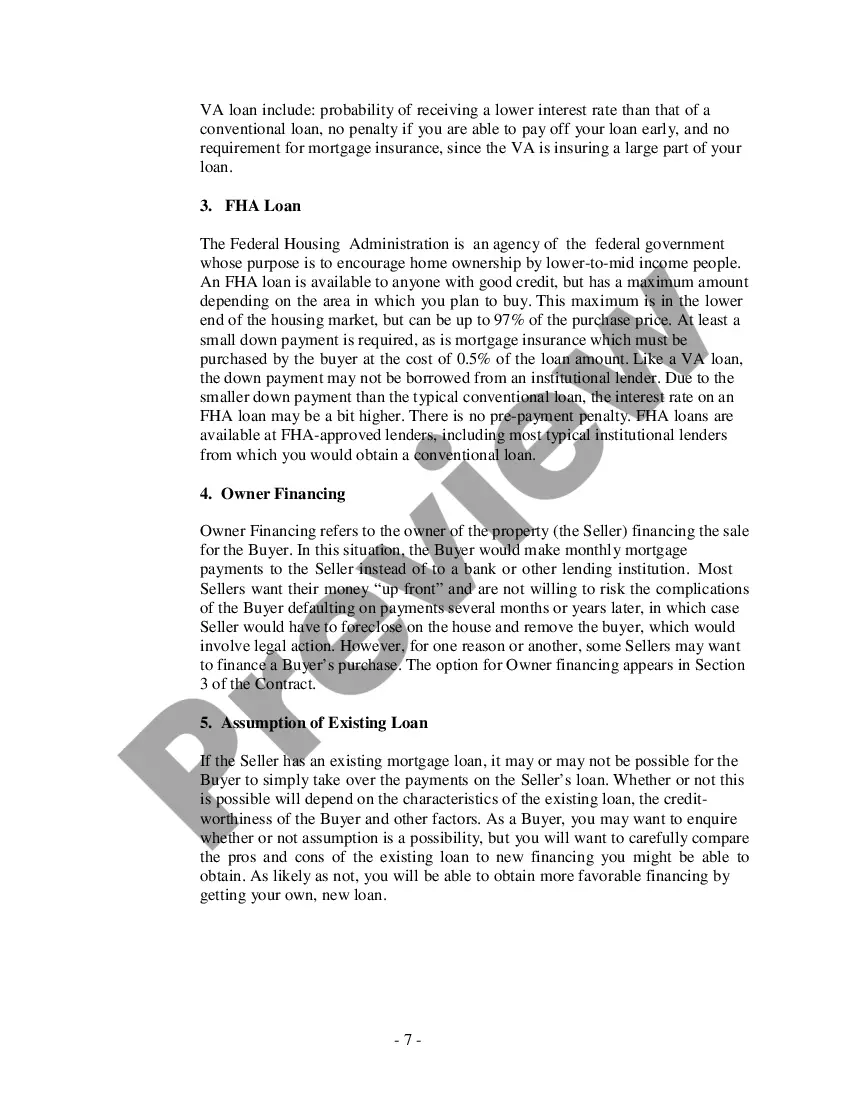
- Overview of financing options, including mortgages
- Guidelines for determining property value and setting asking prices
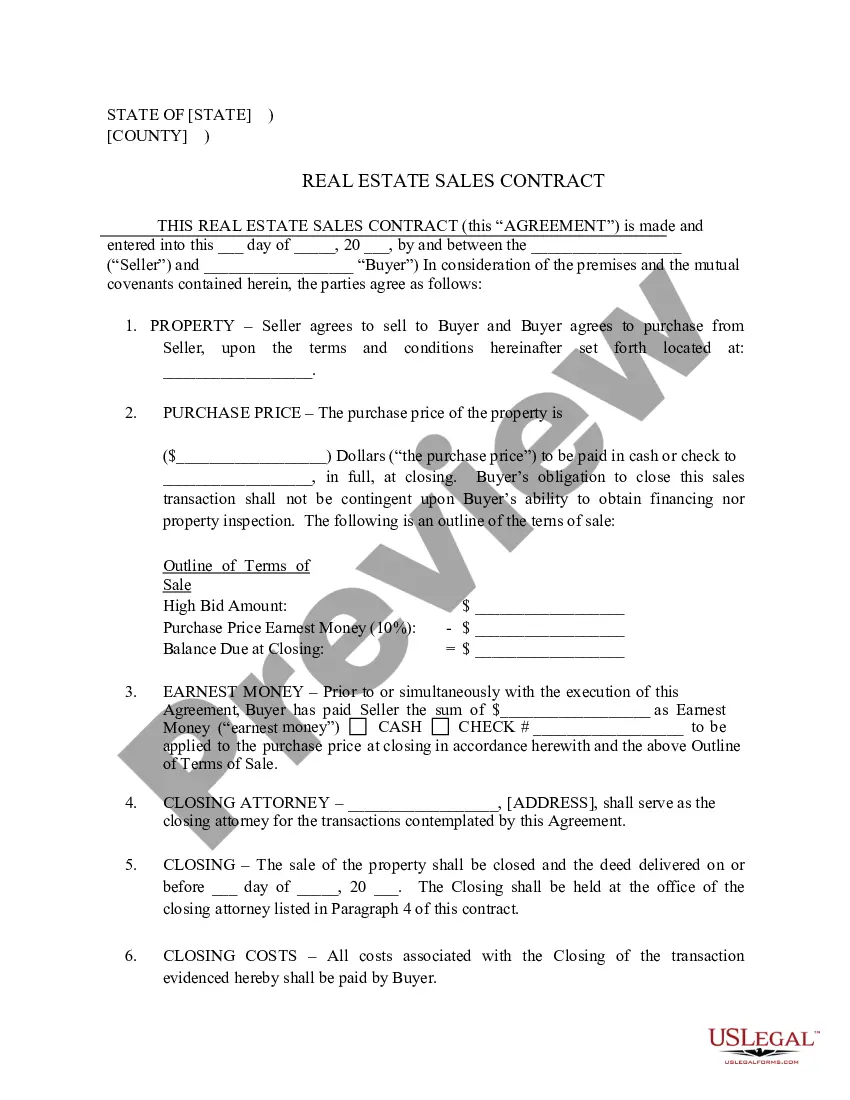
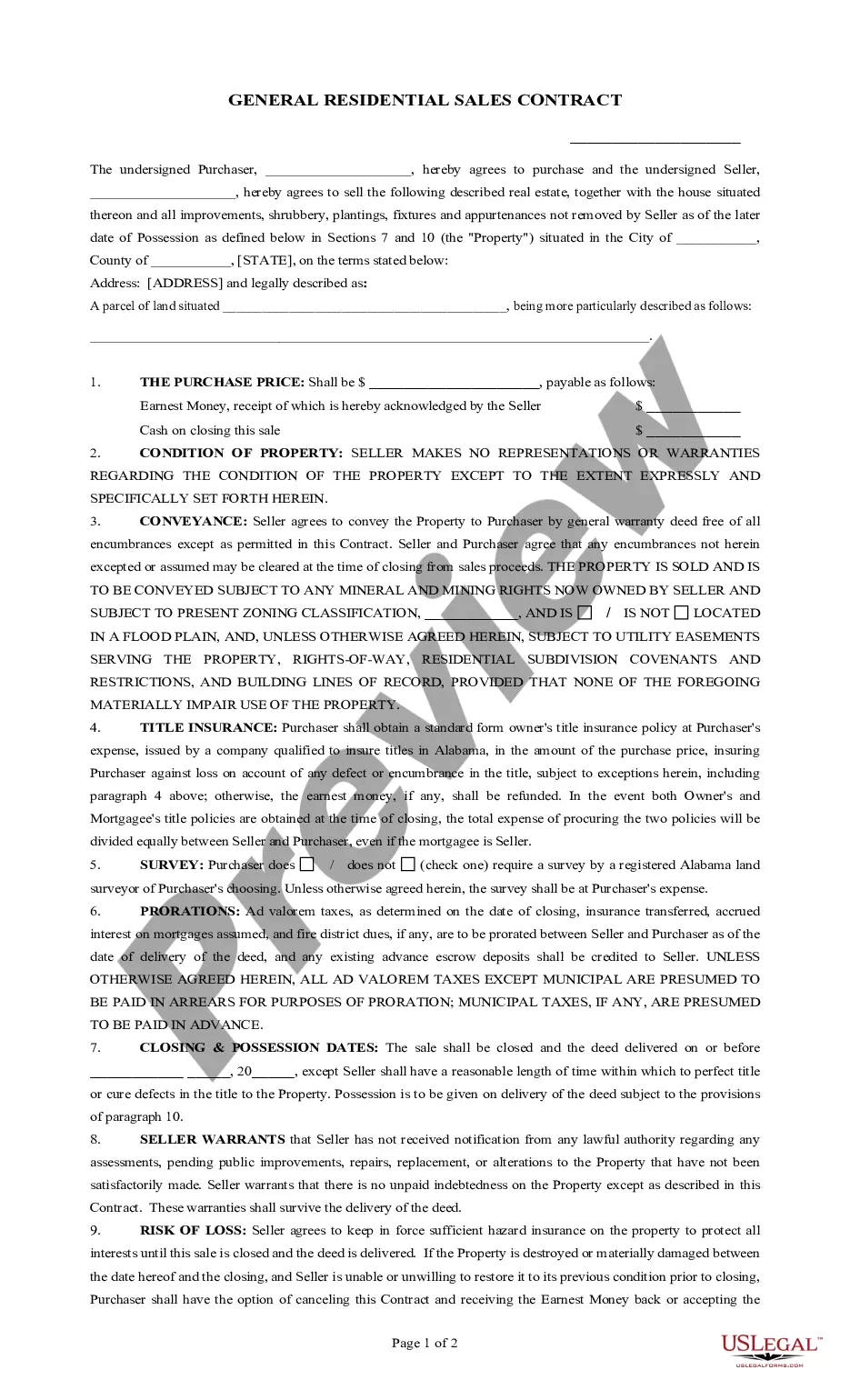
- Details on the contract, sellerâs disclosure, and buyerâs inspections
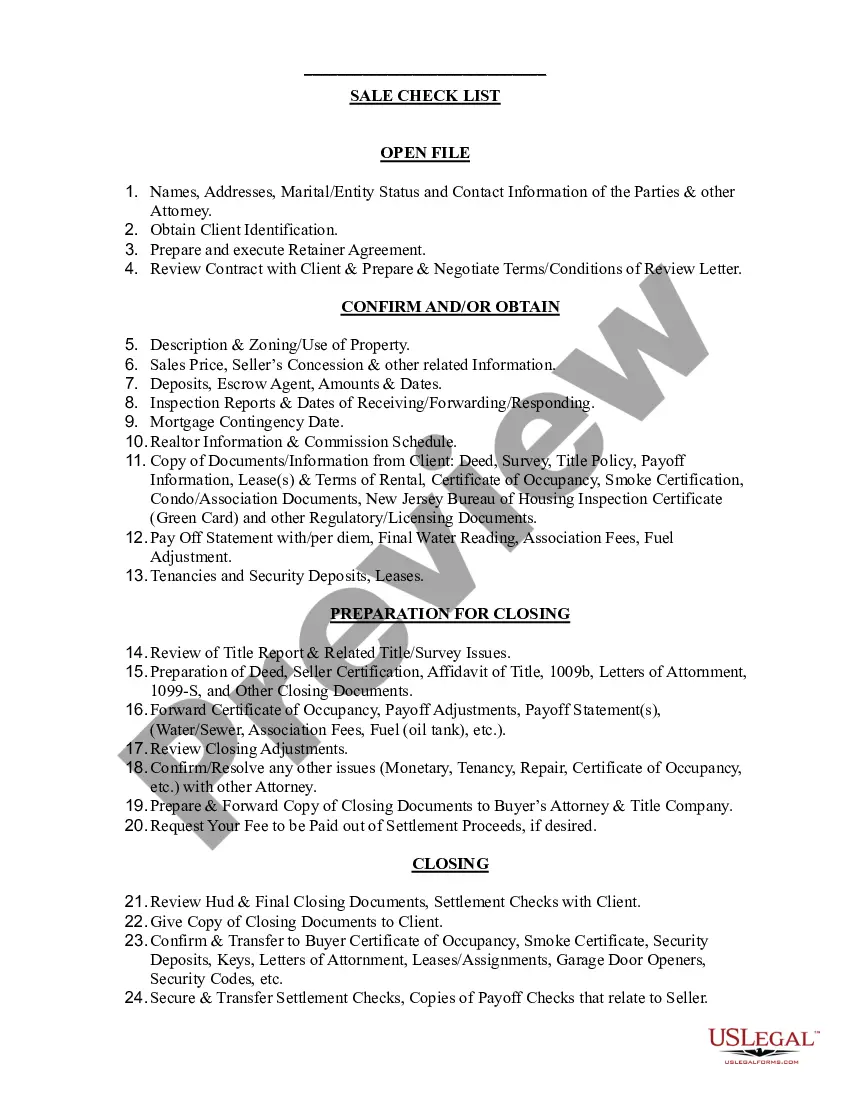
- Explanation of closing processes and necessary legal documentation

When to use this form
This guide is invaluable for anyone looking to buy or sell real estate, particularly those who choose to navigate the process without a real estate agent. It provides essential information on financing, offers, inspections, and closing, making it an ideal resource throughout your transaction.
Who needs this form
- Homeowners planning to sell their property
- Individuals looking to purchase a home
- First-time buyers unfamiliar with the real estate process
- Sellers managing their own sales without an agent
- Real estate professionals seeking additional reference material
How to complete this form
- Read the entire guide to familiarize yourself with the real estate process.
- Identify the financing options available to you based on your financial situation.
- Determine your property value using neighborhood comparisons and reviews.
- Utilize the provided templates for contracts, disclosures, and inspection requests.
- Prepare for closing by compiling necessary documentation as outlined in the guide.
Does this form need to be notarized?
This form does not typically require notarization unless specified by local law. It is recommended to check any state-specific requirements regarding the notarization of documents in real estate transactions.
Get your form ready online
Our built-in tools help you complete, sign, share, and store your documents in one place.
Make edits, fill in missing information, and update formatting in US Legal Forms—just like you would in MS Word.
Download a copy, print it, send it by email, or mail it via USPS—whatever works best for your next step.
Sign and collect signatures with our SignNow integration. Send to multiple recipients, set reminders, and more. Go Premium to unlock E-Sign.
If this form requires notarization, complete it online through a secure video call—no need to meet a notary in person or wait for an appointment.
We protect your documents and personal data by following strict security and privacy standards.

Make edits, fill in missing information, and update formatting in US Legal Forms—just like you would in MS Word.

Download a copy, print it, send it by email, or mail it via USPS—whatever works best for your next step.

Sign and collect signatures with our SignNow integration. Send to multiple recipients, set reminders, and more. Go Premium to unlock E-Sign.

If this form requires notarization, complete it online through a secure video call—no need to meet a notary in person or wait for an appointment.

We protect your documents and personal data by following strict security and privacy standards.
Common mistakes
- Underestimating the importance of inspections before purchasing
- Failing to disclose known property defects as a seller
- Choosing not to get pre-approved for financing before house hunting
- Overpricing a property based on unrealistic market expectations
- Not understanding the implications of contingencies in the contract
Why use this form online
- Convenient access to the latest real estate forms and guidelines
- Edit and customize the guide as necessary for your specific situation
- Reliable and up-to-date information drafted by licensed attorneys
- Ability to download and print the documents for easy use during transactions
Legal use & context
- This guide serves as an educational tool rather than a binding legal document.
- Information provided here should be used in conjunction with legal advice when necessary.
- Ensures compliance with common real estate practices and laws across multiple jurisdictions.
What to keep in mind
- The guide covers essential steps in buying and selling real estate.
- Understanding your local laws and practices is crucial for a successful transaction.
- Thorough preparation and knowledge can significantly enhance your real estate experience.
- Seek professional guidance when needed for complex situations.
Glossary of terms used in this form
- Mortgage: A loan used to purchase real estate, secured by the property.
- Escrow: A financial arrangement where a third party holds funds or documents until certain conditions are met.
- Contingency: A condition that must be fulfilled for a contract to be valid.
- Disclosure: A formal statement expressing relevant information about the property being sold.
Looking for another form?
Form popularity
FAQ
Location: The Most Important Factor In Real Estate.
A 'Subject to Sale' offer is an offer on a property with a condition attached: the buyer has their own property that needs to be sold first. So, if you're looking to upgrade your home and put an offer like this on a property, that offer will only proceed once your own home is sold.
Buying subject-to means buying a home subject-to the existing mortgage. It means the seller is not paying off the existing mortgage. Instead, the buyer is taking over the payments. The unpaid balance of the existing mortgage is then calculated as part of the buyer's purchase price.
Step 1: Determine the fair market value of your home. You must get this step right. Step 2: Prepare the home for sale. Step 3: Market the home for sale. Step 4: Negotiate the sale. Step 5: Handle the closing.
What is the most important document in a real estate transaction and why? Contract of sale because it determines virtually all the important aspects of the transactionprice and other terms, property interest conveyed, grantee(s), conditions of the transaction.
Identify Your Financial Stage. Choose a Specific Real Estate Investing Strategy. Pick a Target Market. Decide Your Investment Property Criteria. Build Your Team. Line Up Financing. Raise Cash For Down Payments & Reserves.
The Deed: public record of the ownership of the property It often includes a description of the property and signed by both parties. Deeds are the most important documents in your closing package because they contain the statement that the seller transfers all rights and stakes in the property to the buyer.
Buying subject-to means buying a home subject-to the existing mortgage. It means the seller is not paying off the existing mortgage. Instead, the buyer is taking over the payments. The unpaid balance of the existing mortgage is then calculated as part of the buyer's purchase price.
Remove toys, equipment, and clutter from the yard. Repair/replace damaged shingles. Repair/replace light fixtures, doorbell, and doorknobs. Fix broken windows, shutters, and torn screens. Clean/repair gutters and HVAC units.