Sample Letter for Stock Purchase
Overview of this form
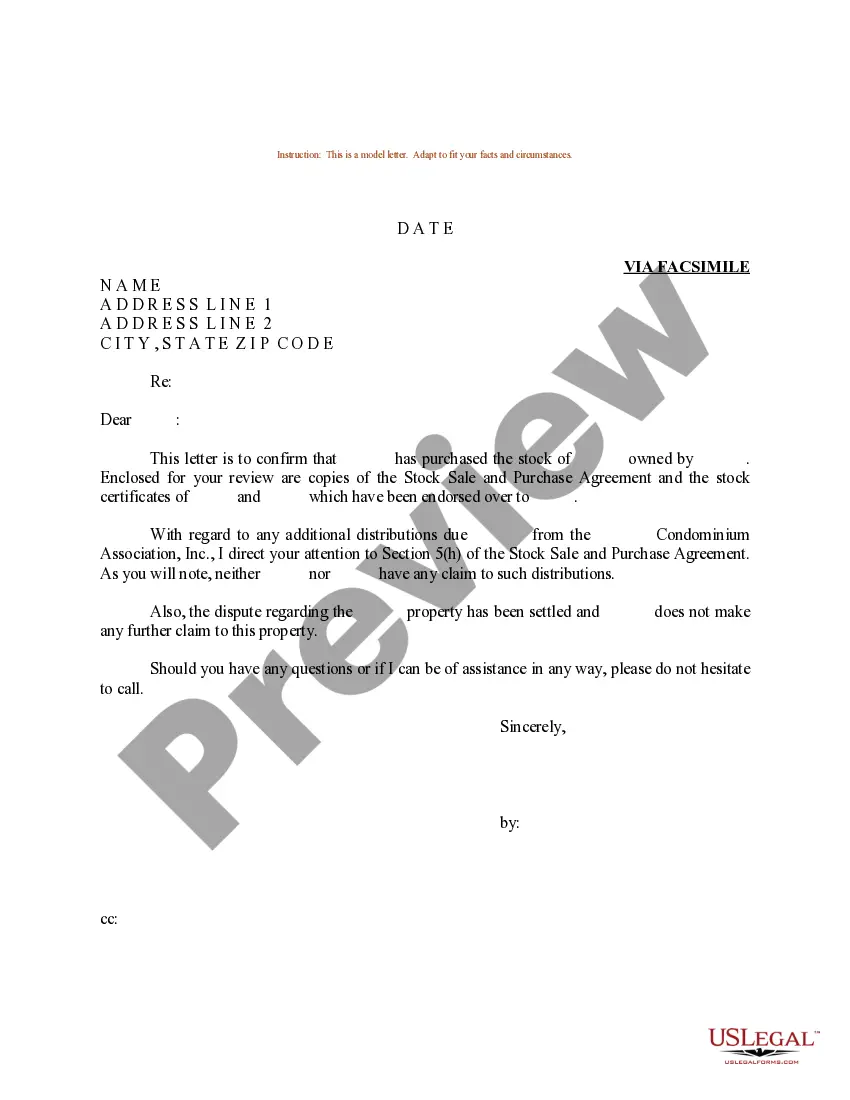
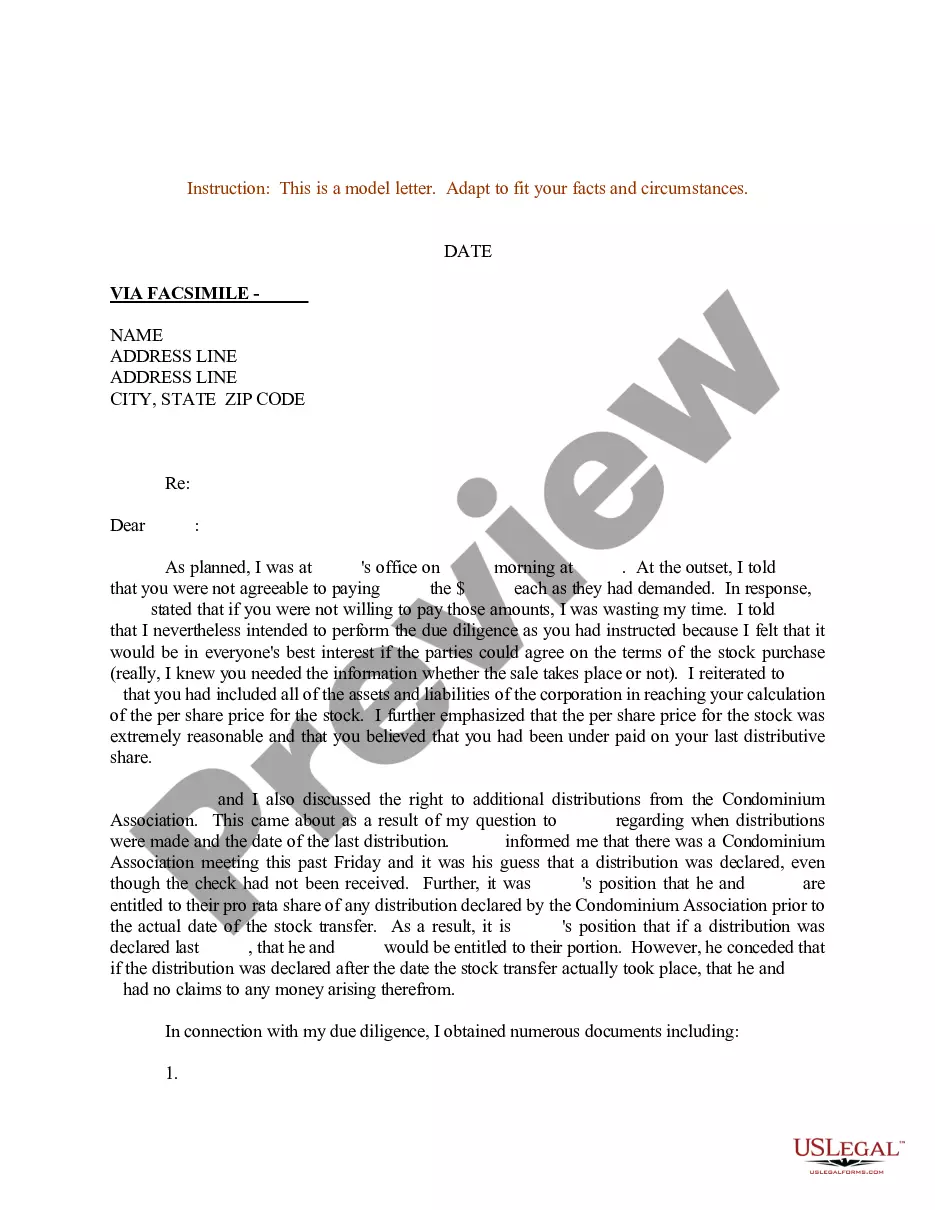
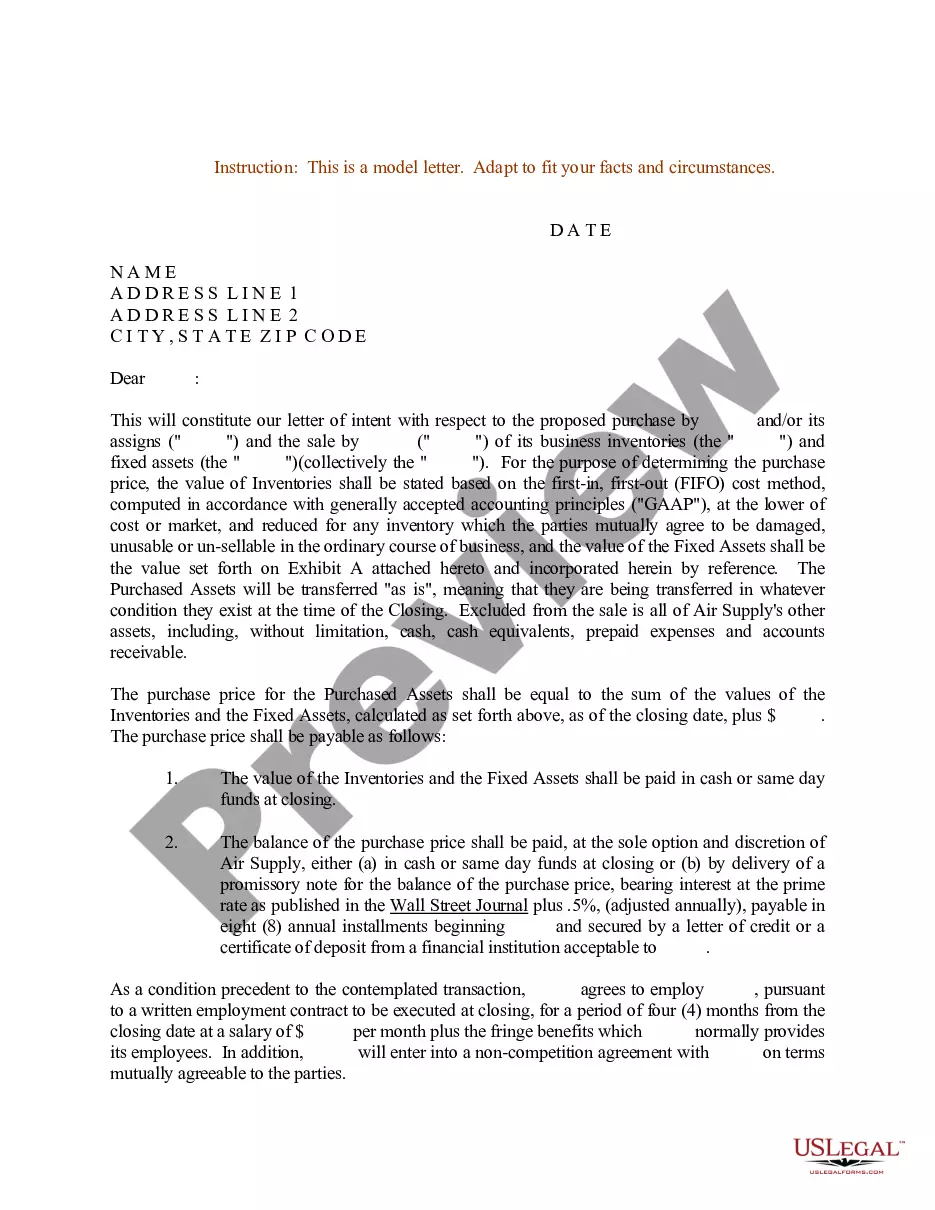
The Sample Letter for Stock Purchase is a legal document used to formally communicate the intention to buy shares of stock from a seller. This letter outlines the details of the stock purchase agreement, such as the name of the seller, the number of shares being purchased, and the purchase price. It serves as a formal offer and differs from other stock purchase forms by focusing specifically on the communication aspect rather than the contract details themselves.
Key parts of this document
- Identification of the buyer and seller
- Details of the stock being purchased
- Purchase price and payment terms
- Signature lines for both parties
- Date of the letter
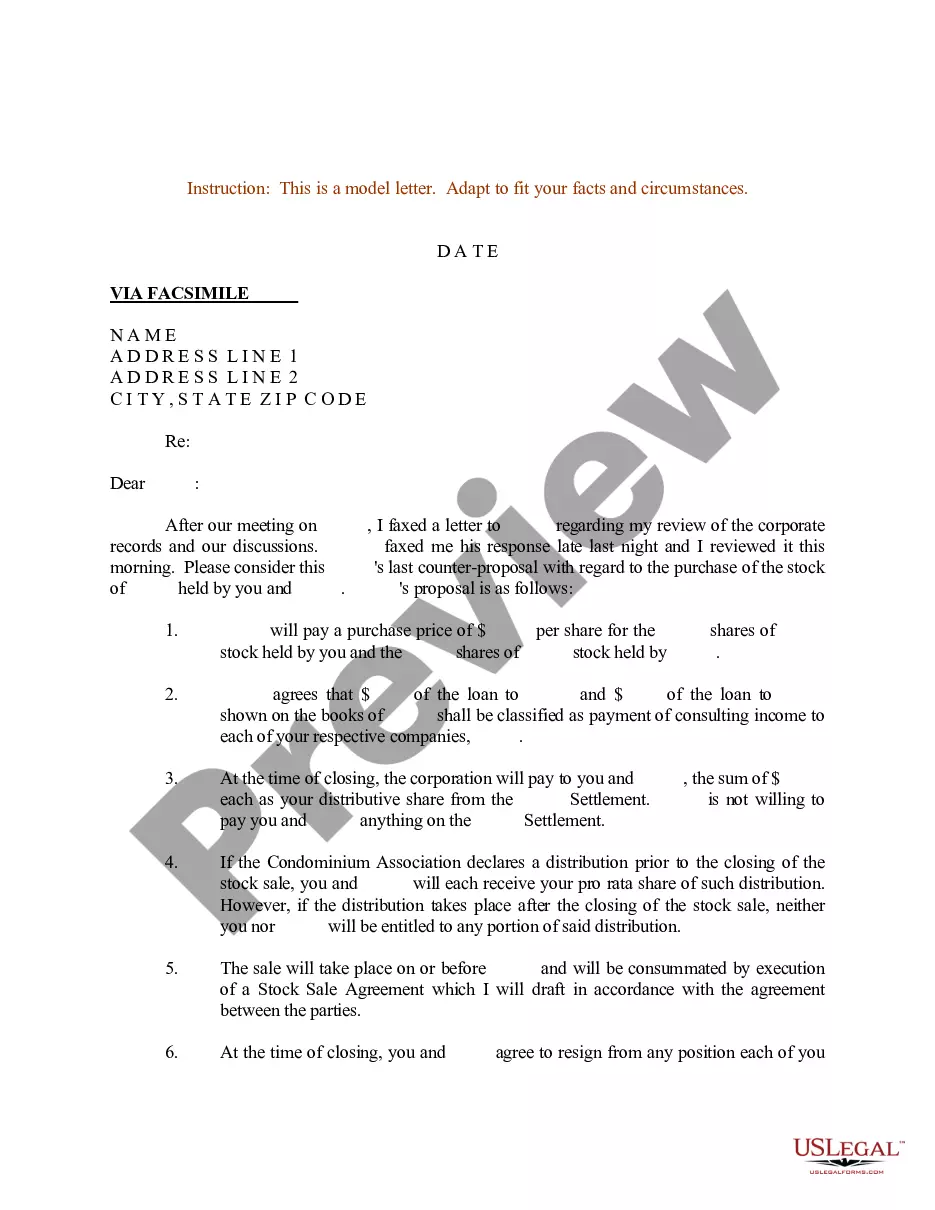
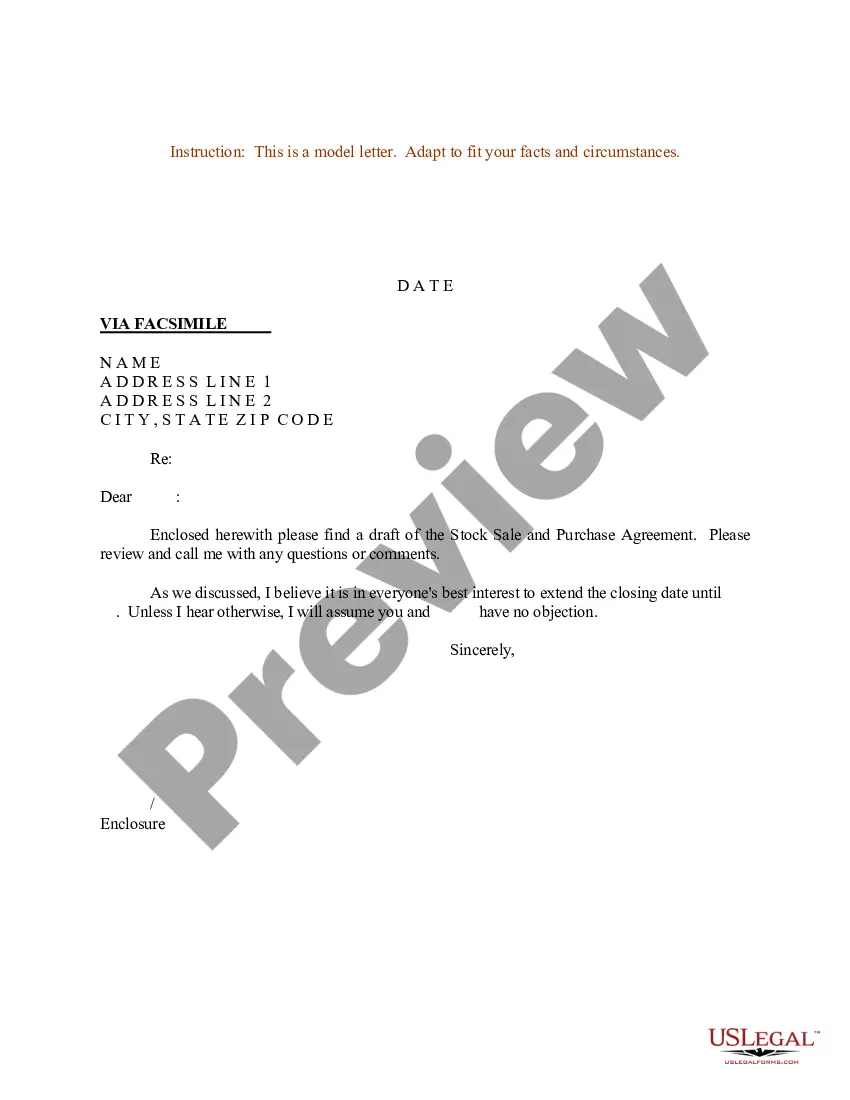
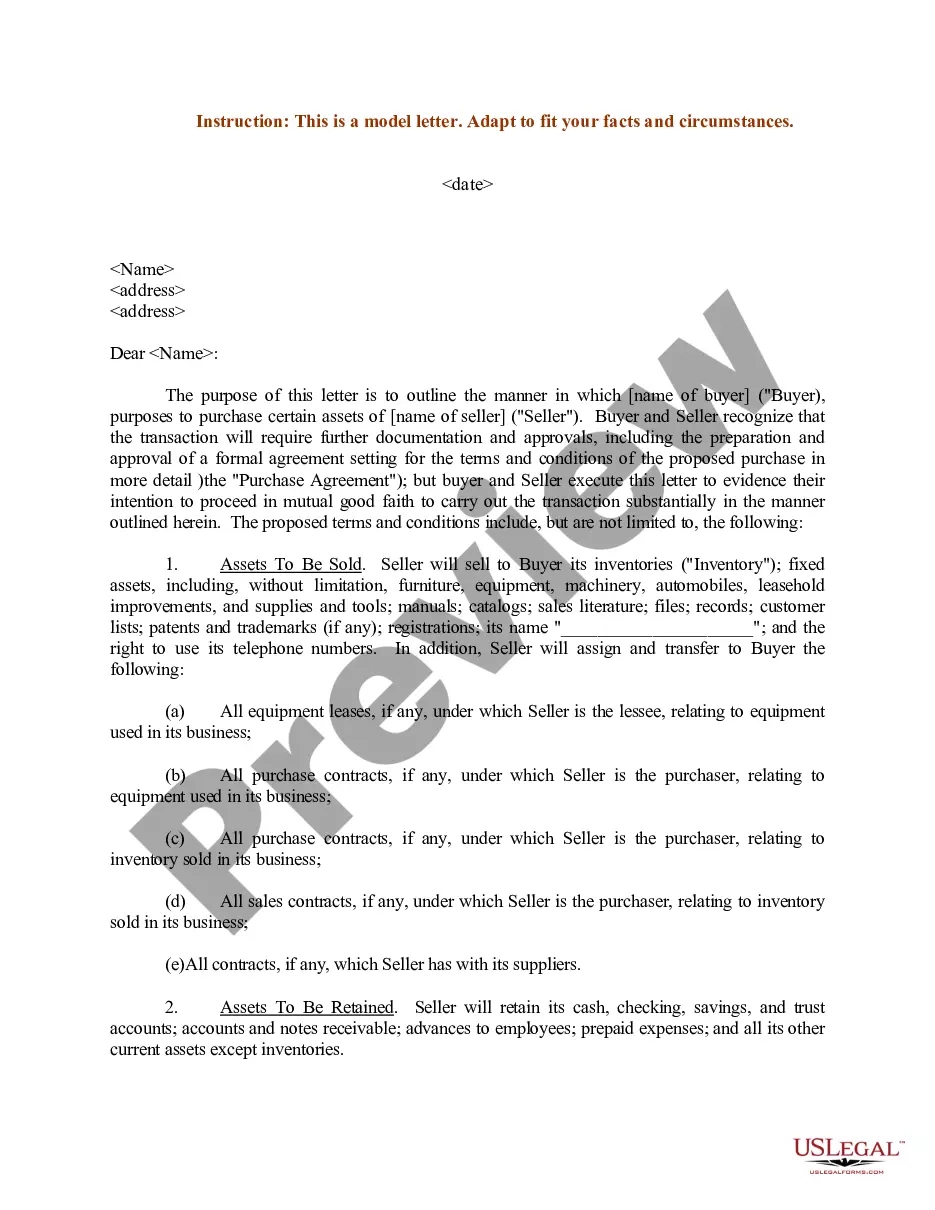
Common use cases
This form is useful when an individual or business intends to purchase shares from another party. It can be used in situations such as entering into private stock transactions, negotiating sales of shares in a company, or following up on verbal agreements regarding stock purchases.
Who needs this form
This letter is intended for:
- Individuals looking to purchase stock from a seller
- Business owners involved in stock transactions
- Investors engaging in stock purchases
Instructions for completing this form
- Identify the buyer and seller by entering their names and addresses.
- Specify the type and number of shares to be purchased.
- Detail the purchase price and any payment terms agreed upon.
- Include the date on which the letter is written.
- Both parties should sign the letter to indicate their agreement.
Notarization guidance
Notarization is generally not required for this form. However, certain states or situations might demand it. You can complete notarization online through US Legal Forms, powered by Notarize, using a verified video call available anytime.
Get your form ready online
Our built-in tools help you complete, sign, share, and store your documents in one place.
Make edits, fill in missing information, and update formatting in US Legal Forms—just like you would in MS Word.
Download a copy, print it, send it by email, or mail it via USPS—whatever works best for your next step.
Sign and collect signatures with our SignNow integration. Send to multiple recipients, set reminders, and more. Go Premium to unlock E-Sign.
If this form requires notarization, complete it online through a secure video call—no need to meet a notary in person or wait for an appointment.
We protect your documents and personal data by following strict security and privacy standards.

Make edits, fill in missing information, and update formatting in US Legal Forms—just like you would in MS Word.

Download a copy, print it, send it by email, or mail it via USPS—whatever works best for your next step.

Sign and collect signatures with our SignNow integration. Send to multiple recipients, set reminders, and more. Go Premium to unlock E-Sign.

If this form requires notarization, complete it online through a secure video call—no need to meet a notary in person or wait for an appointment.

We protect your documents and personal data by following strict security and privacy standards.
Typical mistakes to avoid
- Forgetting to specify the number of shares being purchased.
- Not including the purchase price or terms of payment.
- Failing to date the letter, which can create confusion.
- Omitting signatures from both the buyer and seller.
Benefits of completing this form online
- Convenient access to customizable templates.
- Easy to edit and update with specific information.
- Reliable source of attorney-drafted forms for legal accuracy.
Looking for another form?

Form popularity
FAQ
Flatter first. Your offer to purchase letter is an emotional pitch. Get to the point. You may have 10 great ideas that you'd like to tell the seller. Paint a picture. Don't remodel the house. Show stability. Show humility. Don't whine. Close your offer to purchase letter with clarity.
Sell the shares back to the company. Sell the shares to another investor. Sell the shares on a private-securities market. Get your company to do an IPO.
A letter of intent (LOI) is a document that someone uses in order to declare their intent to do something, such as make a purchase, apply for a job or education program, or to clarify points in a business transaction. They are written in letter format, and signed by one party (the party writing it).
The full names of the buyer and the seller. The complete address of the property. The agreed-upon purchase price. The agreed-upon earnest deposit. The date of signing the SPA. The terms and conditions that surround the earnest deposit.
A purchase letter of intent is the written intention to purchase products or services from a vendor. The customer will make use of this letter to demonstrate their seriousness as a buyer and their motivation to transact business in the future.
Identify your letter as a letter of intent to sell shares. Define the company and who is meant by "seller" and "buyer." Include contact information for all the parties. Include the postal and registered address of the company, if they're different. Name every shareholder involved in the sale.
Salutation. Begin with a professional salutation. Body Paragraph 1: Introduction. Body Paragraph 2: Highlight Relevant Skills. Body Paragraph 3: Call to Action. Closing. Use the appropriate format. When sending an email, include a clear subject line. Research the company.
You can redeem your mutual fund shares or transfer securities to another financial institution using a letter of instruction. This letter gives your financial institution the authority to sell or transfer shares on your behalf.