New Jersey Electrical Contractor Package
What this form package covers
The New Jersey Electrical Contractor Package is a comprehensive selection of legal forms designed specifically for electrical contractors and related parties. This form package provides essential documents that facilitate clear communication and agreements among electricians, property owners, suppliers, and subcontractors during new construction or electrical repair projects. It includes a state-compliant electrical contract and various supporting forms, ensuring protection and clarity in all transactions.
Forms provided in this package
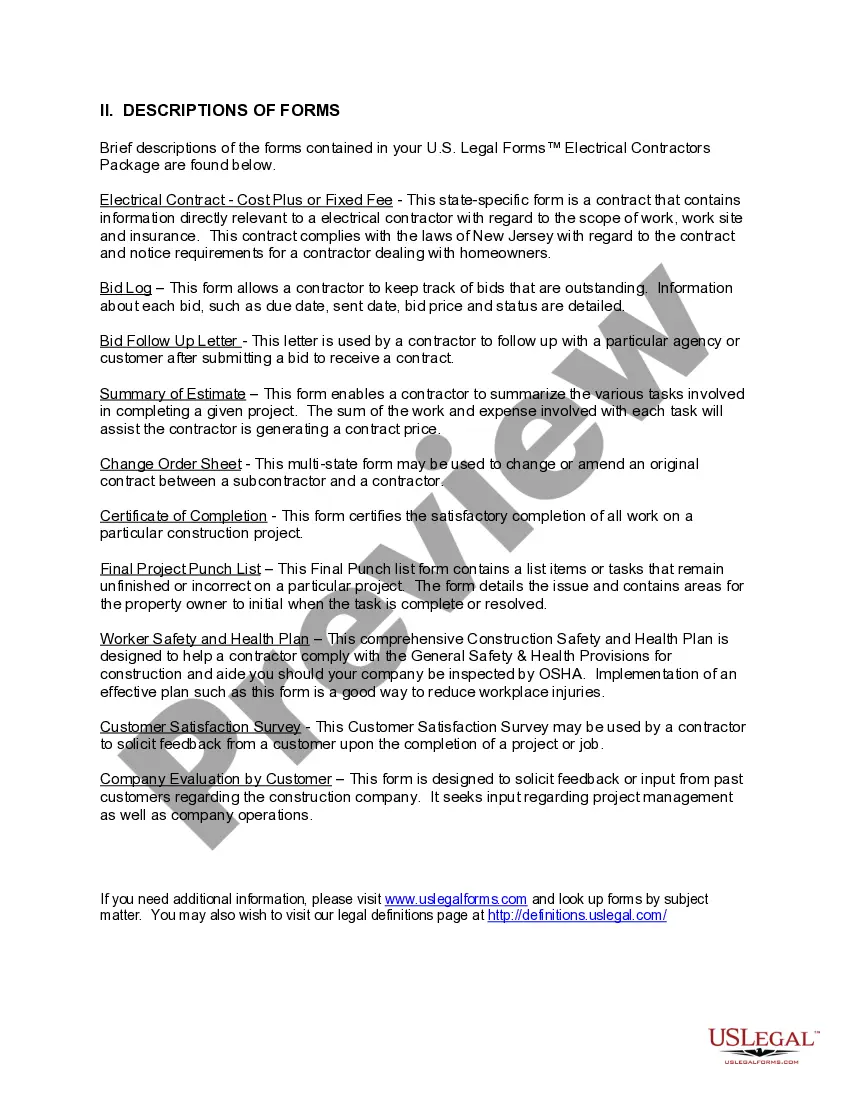
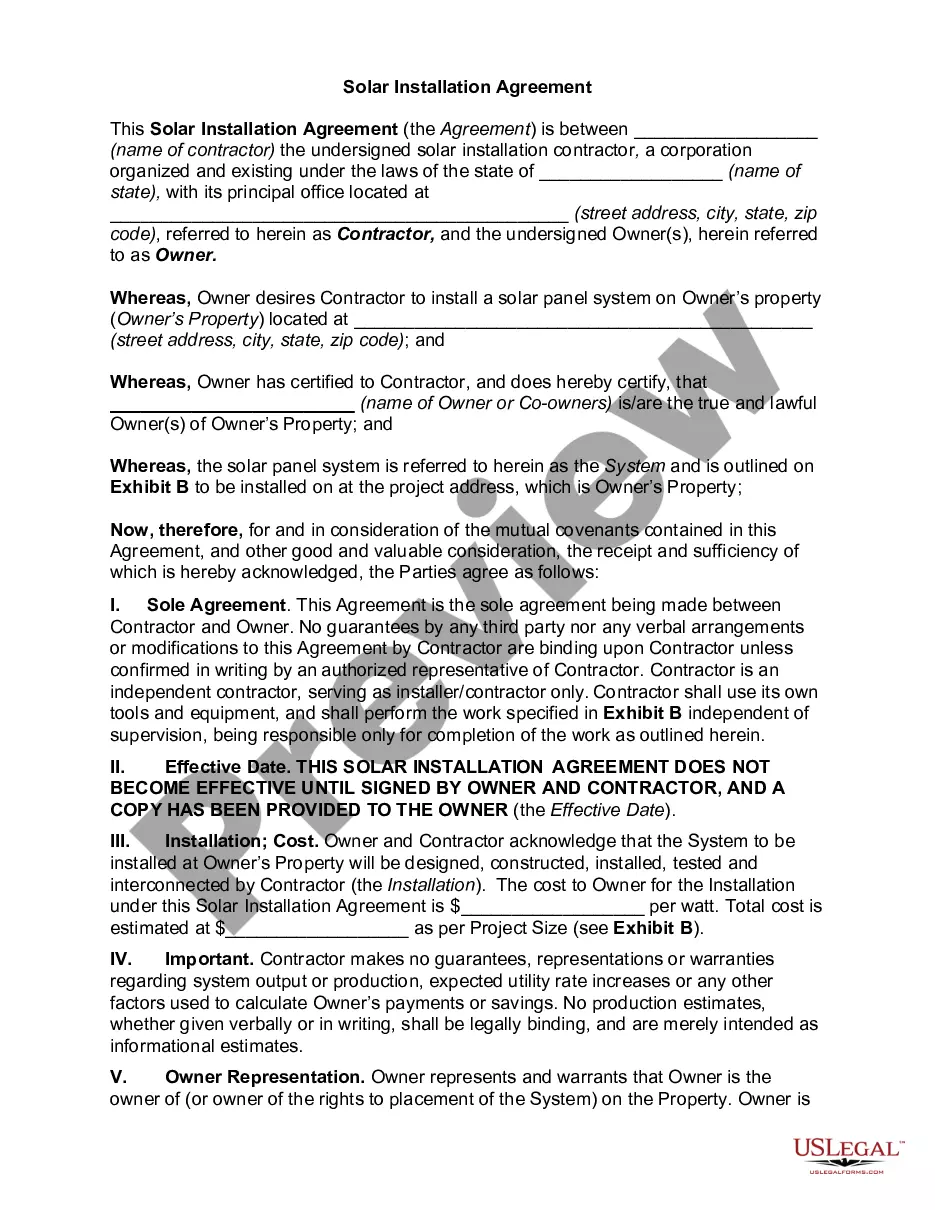
- Electrical Contract for Contractor
- Contractor's Bid Log
- Contractor's Bid Follow Up Letter
- Contractor's Summary of an Estimate
- Contractor's Final Punch List
- Customer Satisfaction Survey
- Construction Company Evaluation by a Customer
- Construction Safety and Health Plan
- Change Order for Construction or Repairs by Contractor
- Certification of Completion by Contractor


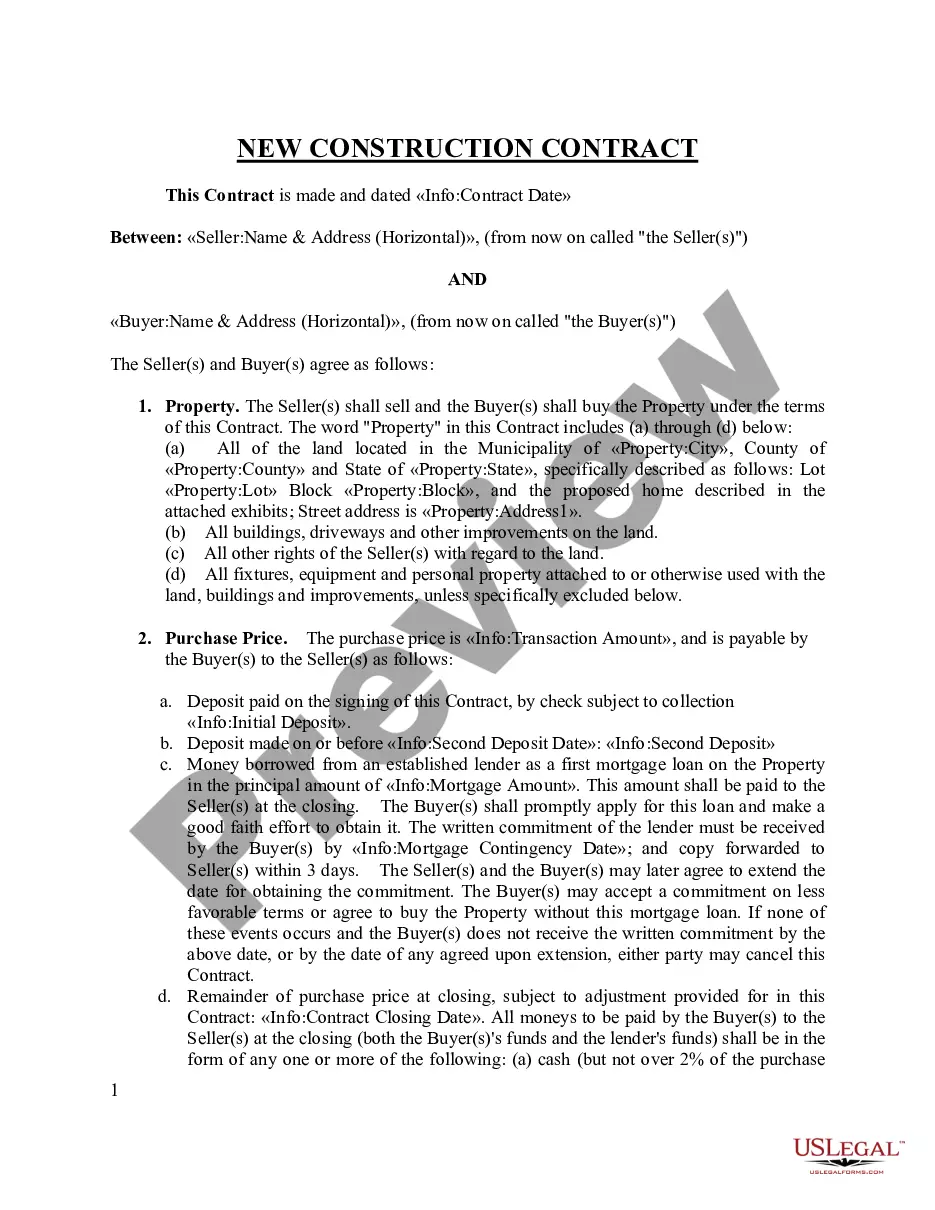
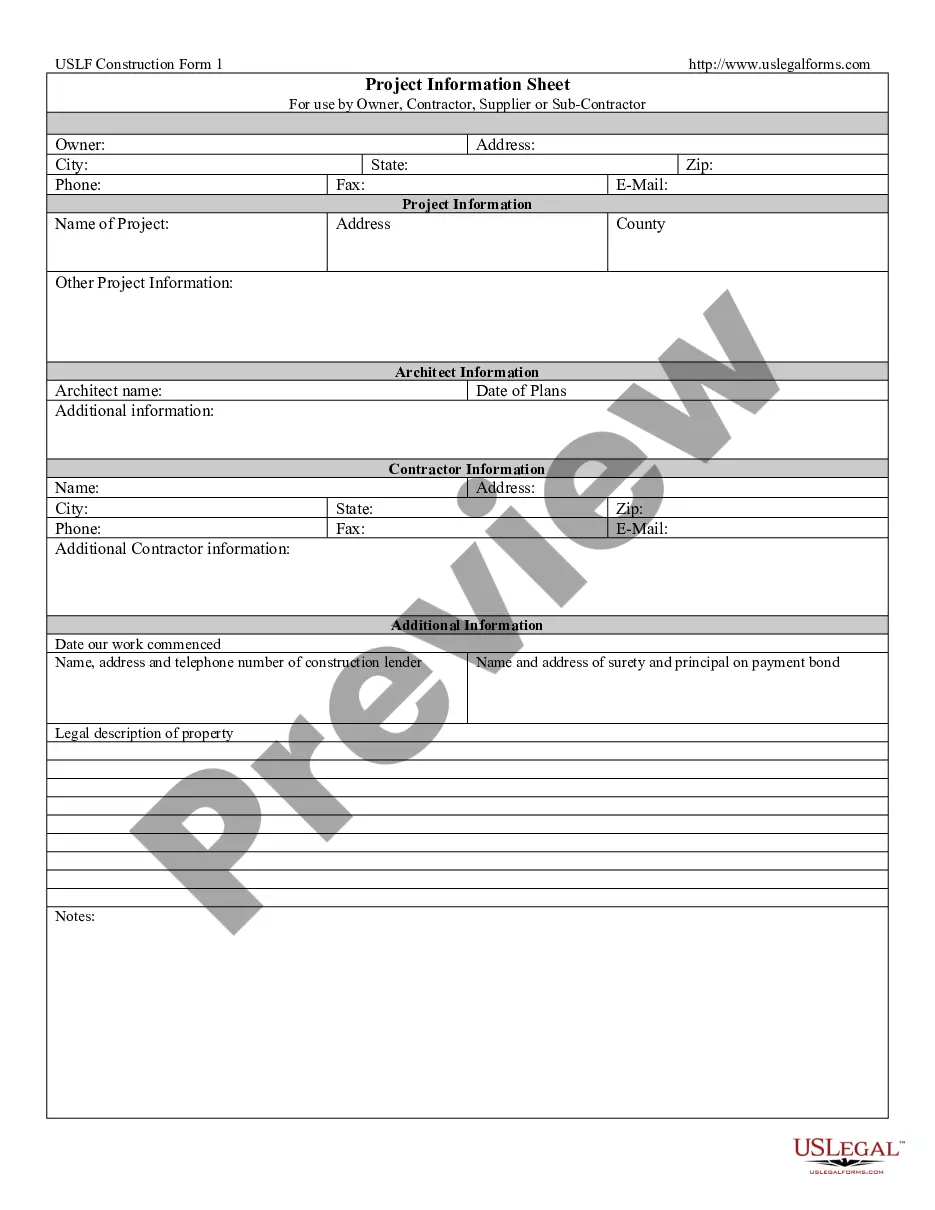

When to use this form package
This form package is ideal for use in multiple scenarios, such as:
- When starting a new electrical project, whether for new construction or renovations.
- When negotiating contracts with property owners or subcontractors.
- When submitting bids for electrical work and needing to track outstanding offers.
- When implementing changes to existing contracts through change orders.
- When completing a project and needing to document final assessments and client feedback.
Who needs this form package
- Electrical contractors operating in New Jersey.
- Subcontractors involved in electrical work.
- Property owners hiring electrical contractors.
- Suppliers providing materials for electrical projects.
- Any individual or entity involved in the electrical construction and repair process.
How to complete these forms
- Review each included form and understand its purpose.
- Identify all parties involved in the project and ensure their information is accurately entered.
- Complete the New Jersey Electrical Contract, specifying terms such as payment structure and project scope.
- Use the Bid Log to track bids and follow up as necessary with clients or vendors.
- After project completion, fill out the Certificate of Completion and Final Project Punch List to confirm all work has been completed to satisfaction.
Notarization guidance for this package
Most forms in this package do not require notarization. However, local laws or specific situations may demand it. Our online notarization service, powered by Notarize, lets you complete the process through a verified video call, available anytime.
Get your form ready online
Our built-in tools help you complete, sign, share, and store your documents in one place.
Make edits, fill in missing information, and update formatting in US Legal Forms—just like you would in MS Word.
Download a copy, print it, send it by email, or mail it via USPS—whatever works best for your next step.
Sign and collect signatures with our SignNow integration. Send to multiple recipients, set reminders, and more. Go Premium to unlock E-Sign.
If this form requires notarization, complete it online through a secure video call—no need to meet a notary in person or wait for an appointment.
We protect your documents and personal data by following strict security and privacy standards.

Make edits, fill in missing information, and update formatting in US Legal Forms—just like you would in MS Word.

Download a copy, print it, send it by email, or mail it via USPS—whatever works best for your next step.

Sign and collect signatures with our SignNow integration. Send to multiple recipients, set reminders, and more. Go Premium to unlock E-Sign.

If this form requires notarization, complete it online through a secure video call—no need to meet a notary in person or wait for an appointment.

We protect your documents and personal data by following strict security and privacy standards.
Typical mistakes to avoid
- Failing to specify important terms in the electrical contract, leading to misunderstandings.
- Neglecting to document bid submissions and follow-ups, which can result in lost opportunities.
- Overlooking the completion of safety and health plans, risking compliance issues.
- Not obtaining client signatures on essential documents, which can affect enforceability.
Benefits of completing this package online
- Immediate access: Download and complete forms from anywhere at any time.
- Editability: Customize forms according to specific project needs.
- Cost savings: Purchasing the complete package is more economical than buying individual forms.
- Professional support: Ensures that forms are drafted in compliance with legal standards by licensed attorneys.
Legal use & context
- The included forms provide a legal framework for electrical contracts and obligations.
- Failure to properly execute these forms may affect enforceability in a legal dispute.
- Users are advised to consult with a licensed attorney for complex situations.
Main things to remember
- The New Jersey Electrical Contractor Package is essential for managing legal aspects of electrical projects.
- Understanding and correctly filling out these forms can prevent potential disputes.
- This package offers significant cost savings compared to purchasing each form individually.
Looking for another form?
Form popularity
FAQ
A license is a grant of permission from a statutory body for an individual to perform work in an approved category of work (electrician, plumber, builder, etc.), while a certification is the credentialing of an individual for a particular discipline that is portable, i.e., across municipal, county or state lines.
Some handymen are licensed to to electrical work. These are the type of handymen who do all kinds of repair work.Of course, since they are licensed to do so. You might need a master electrician to do major wiring jobs, but for small electrical repairs, you can hire a handyman as long as he has an electrical license.
You Could Make Six Figures According to PayScale, the average annual salary for electricians is $55,477. Per the BLS, the highest 10% of electricians earn more than $90,420.Electricians who join unions can make more than those who do not.
Recent developments help to clarify the employee/independent contractor distinction, and sound a warning to employers who rely on workers they have classified as contractors.
Licensed general contractors can perform a wide variety of work. It can be earthmoving, plumbing, electrical, foundations, framing, or roofing work.General Contractor Type A can perform large projects that require engineering knowledge.
An electrical contractor is different from an electrician; an electrician is an individual tradesman and an electrical contractor is a business person or company that employs electricians.Electricians may work for an electrical contractor, or directly for individuals or companies.
Apprentice Electrician. Journeyman Electrician. Master Electrician.
An electrical engineer makes around $93,000 every year. On the other hand, electricians make about $53,000.For example, a project electrical engineer can go up to more than $100,000, while electrical electronic engineers earn around $75,000.
Have a high school diploma or GED. Submit a color photo ID. Work at least 8,000 hours as an electrician. Complete at least 576 hours of classroom instruction. Have a valid electrical contractor license.