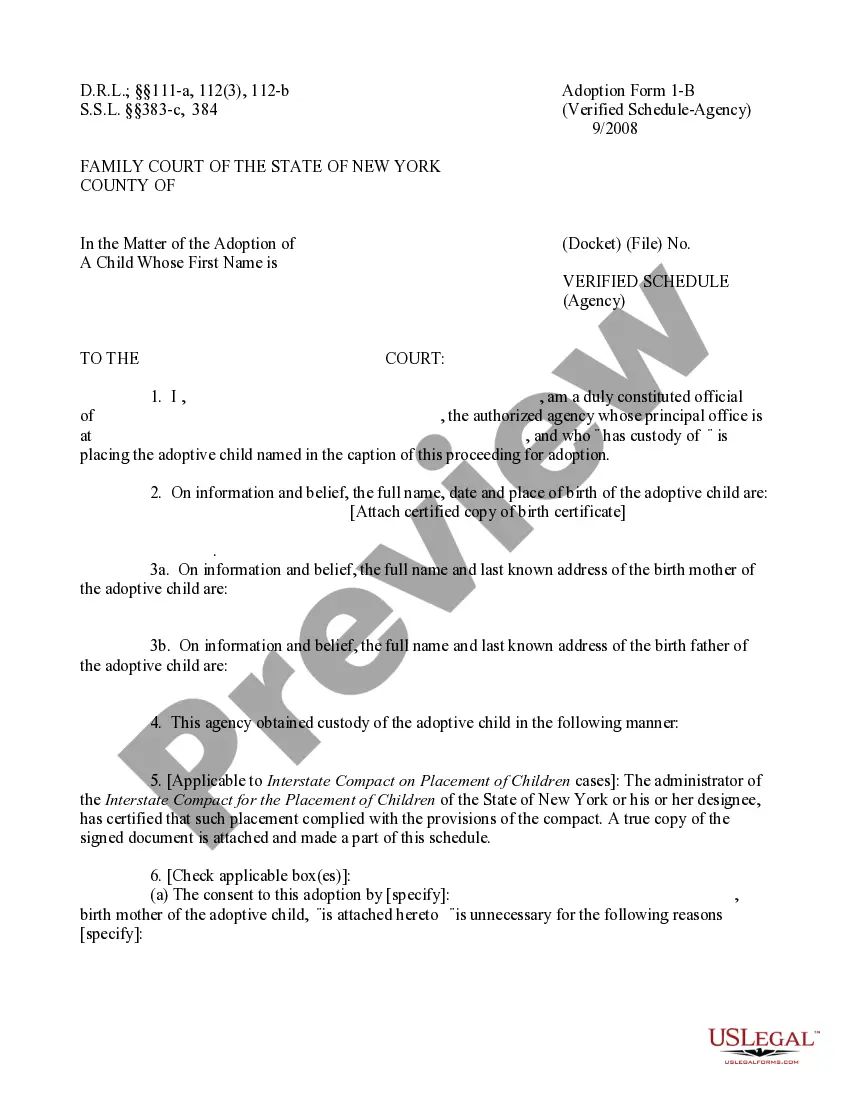
New Jersey Electrical Contract for Contractor
What is this form?
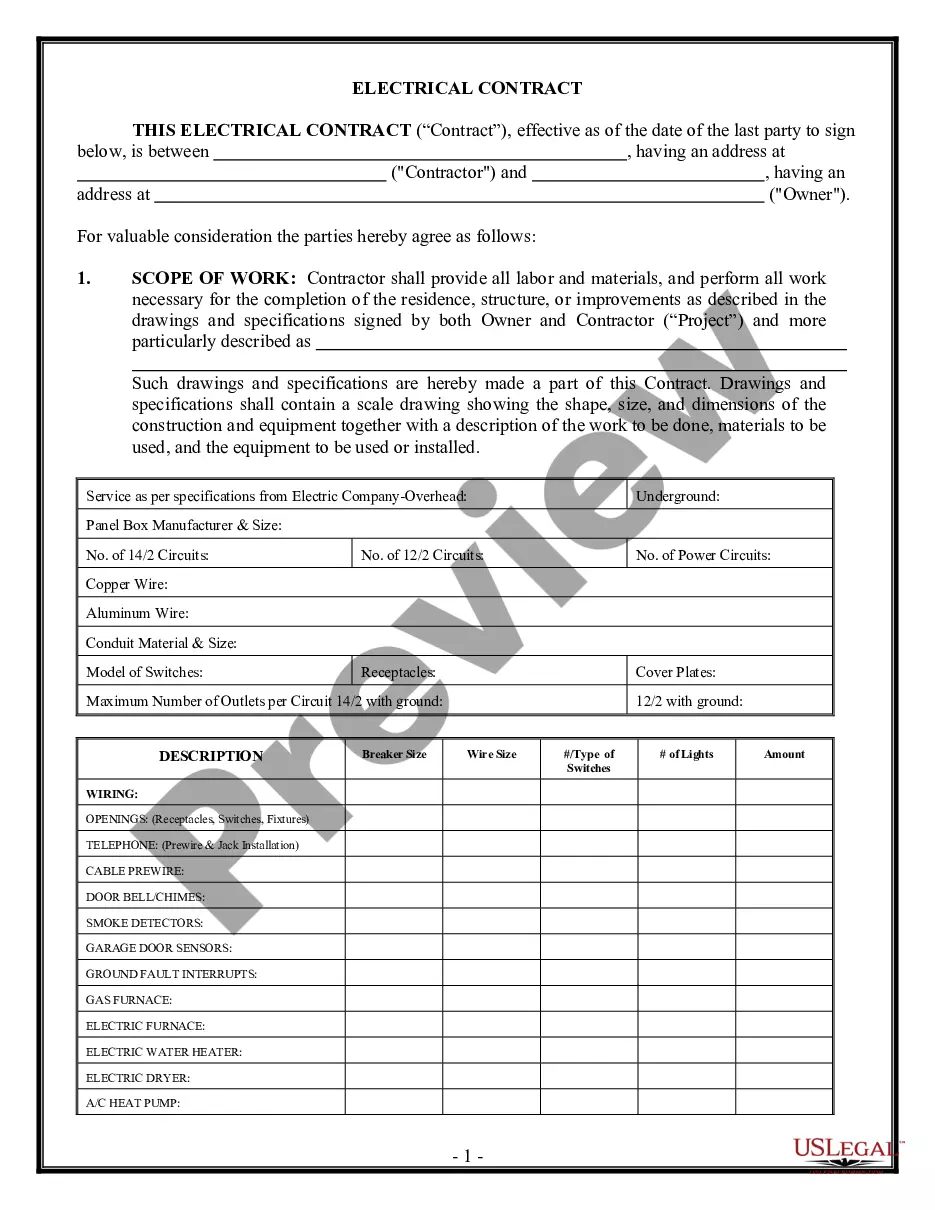
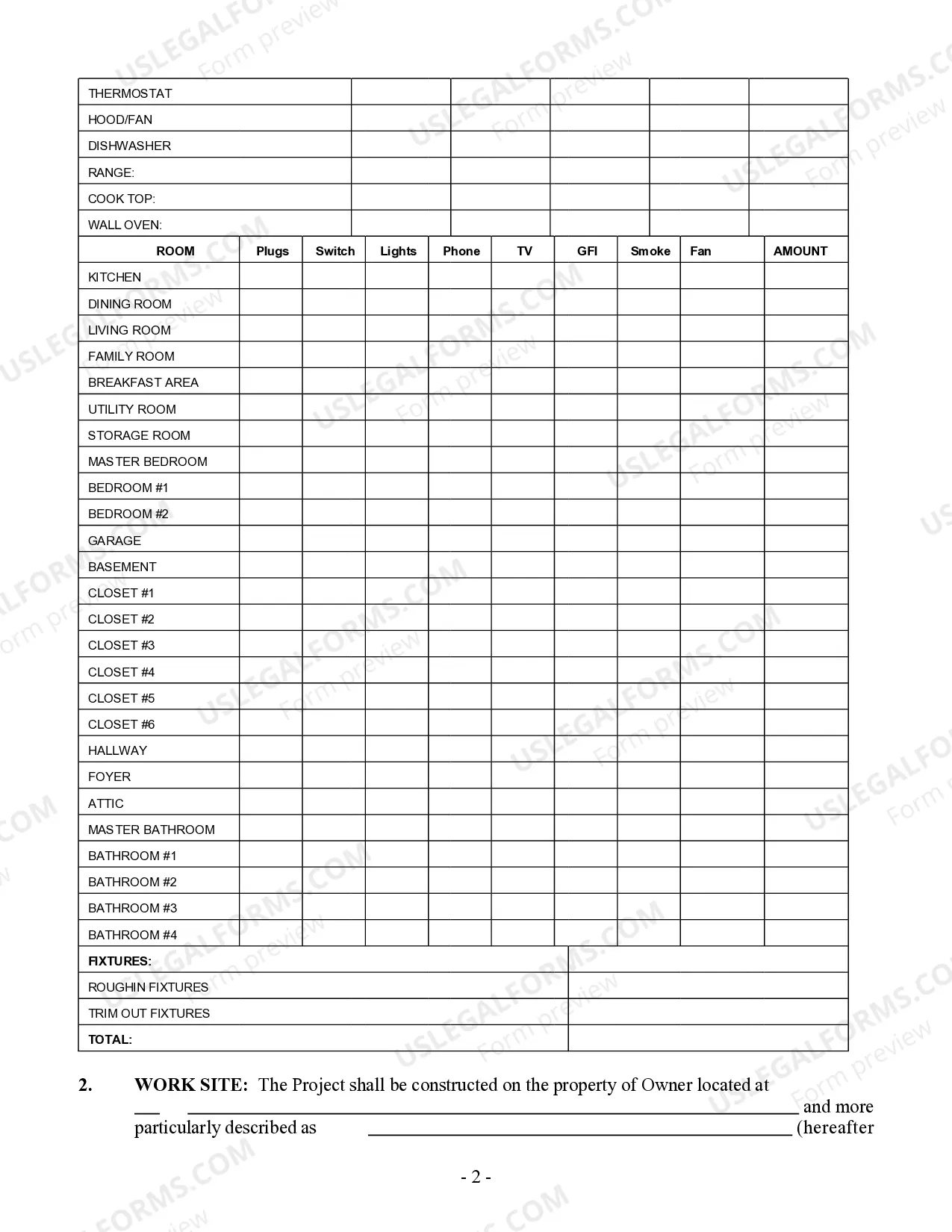
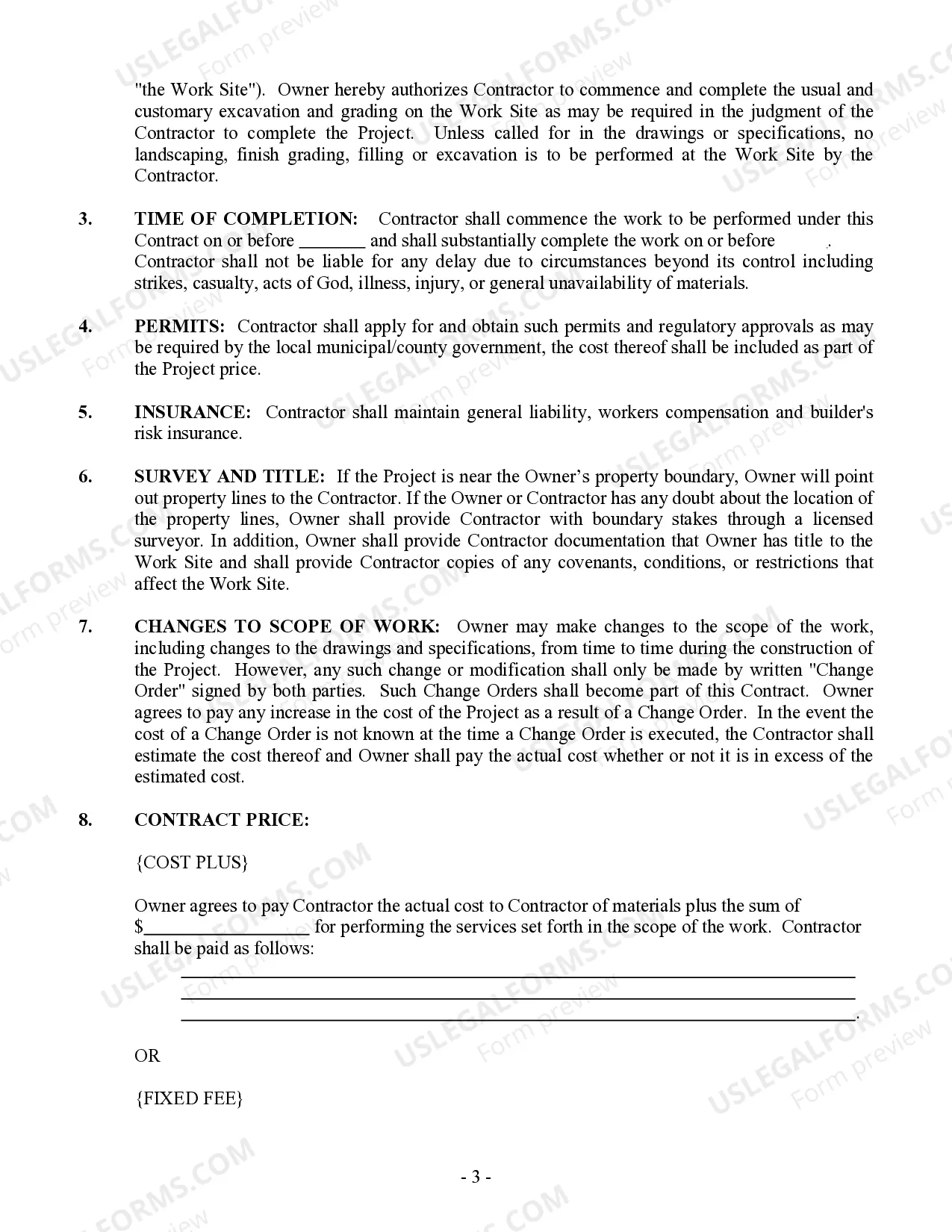
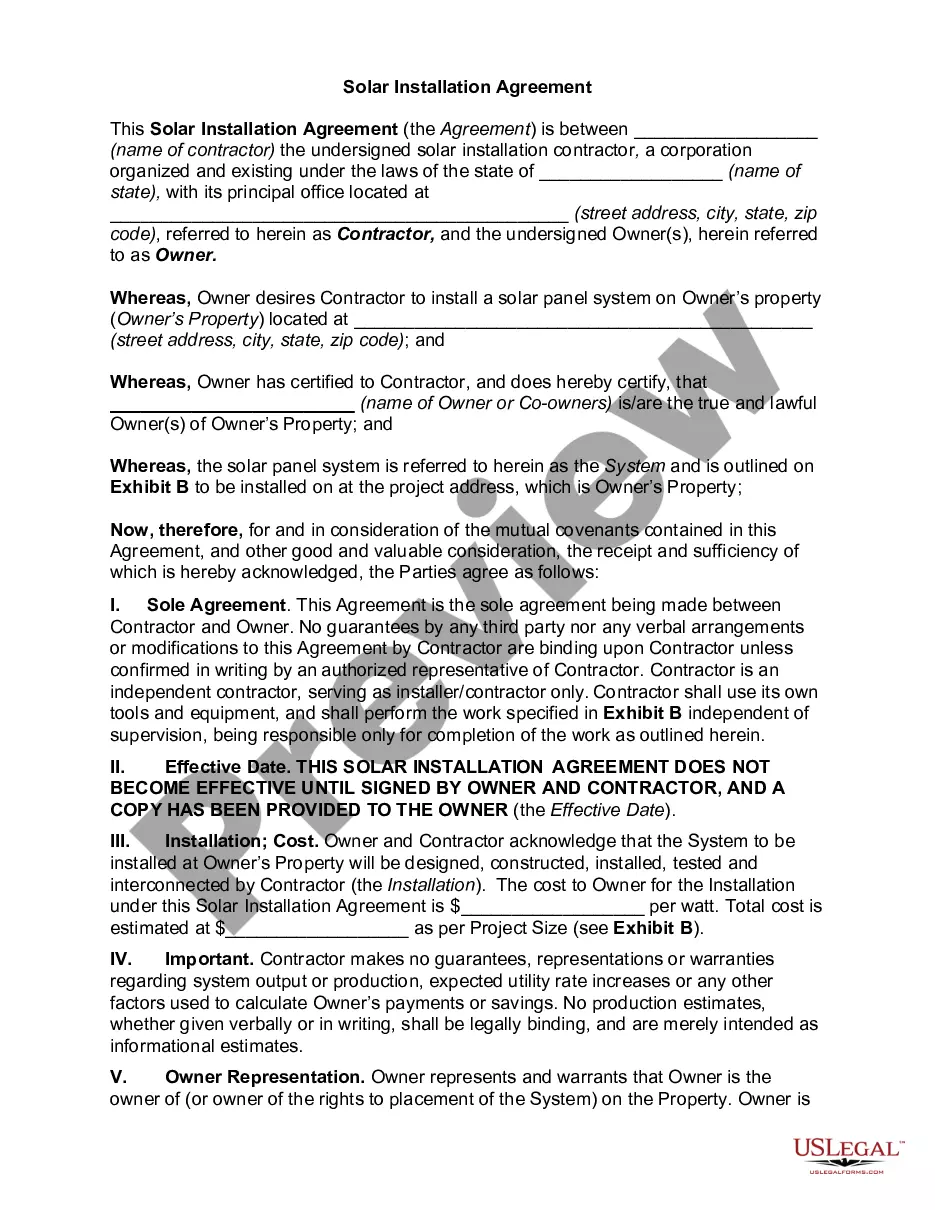
The Electrical Contract for Contractor is a legal document that outlines the agreement between electrical contractors and property owners. It details the scope of work, payment arrangements, and responsibilities of both parties. Unlike generic contracts, this form specifically adheres to the laws of New Jersey, making it suitable for projects within this state. This contract is designed to clarify expectations and protect the interests of both the contractor and the property owner.
What’s included in this form
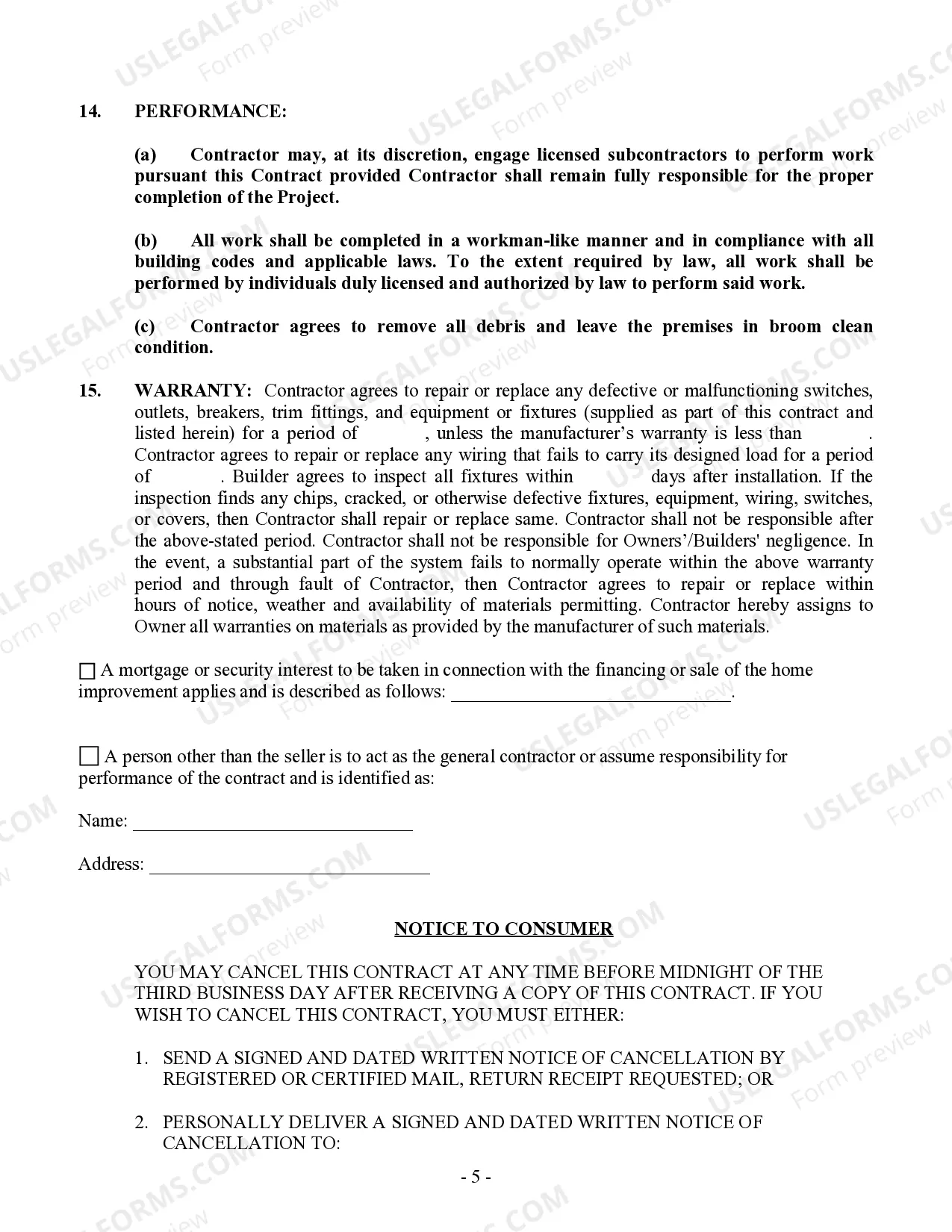
- Permits: Contractor is responsible for obtaining necessary permits and approvals.
- Insurance: Clearly defines required insurance coverage for general liability and workers' compensation.
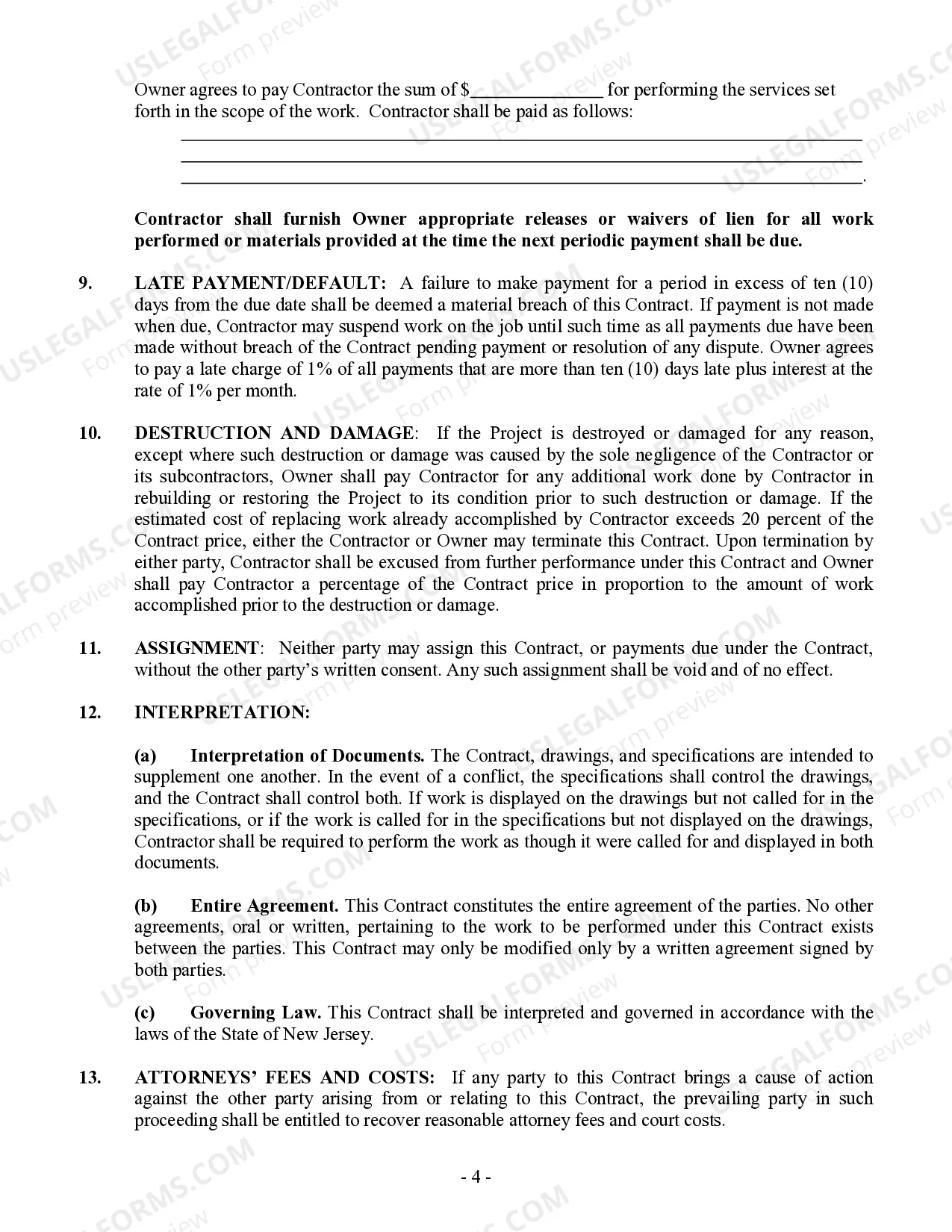
- Scope of Work Changes: Allows property owners to make changes with written consent documented as Change Orders.
- Destruction and Damage: Outlines responsibilities and payment in the event of project damage.
- Assignment: Prohibits assignment of the contract without written consent from the other party.
- Legal and Governing Laws: Specifies the governing law and acknowledgement of attorney fees in case of disputes.



When to use this form
This form should be used when entering into an agreement for electrical work on a residential or commercial property in New Jersey. It is appropriate for situations where a property owner wishes to hire a contractor for electrical services, especially under variable payment structures like fixed fee or cost-plus arrangements. Utilizing this contract helps to ensure that both parties have their rights and obligations clearly defined.
Intended users of this form
- Property owners who wish to hire electrical contractors for specific projects.
- Electrical contractors seeking a formal agreement with property owners.
- Anyone involved in large-scale renovation or construction projects requiring electrical work.
Steps to complete this form
- Identify the parties involved: Clearly state the names and addresses of both the contractor and the property owner.
- Define the project scope: Specify the work to be performed and any materials to be used.
- Set payment terms: Choose between a fixed fee or cost-plus arrangement and document it clearly.
- Include insurance details: Ensure both parties understand the insurance coverage required.
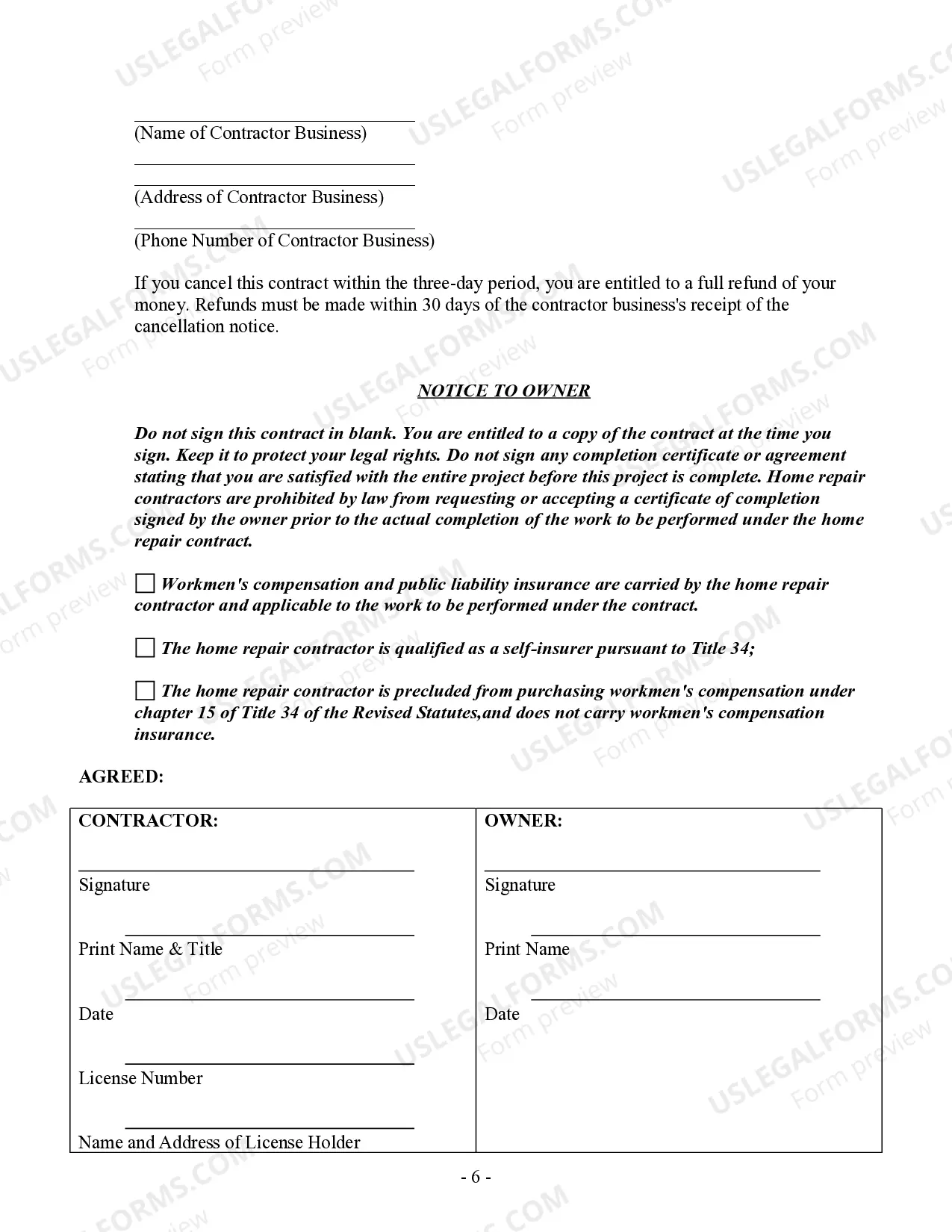
- Sign the contract: Both parties must sign and date the form to make it legally binding.
Does this form need to be notarized?
This form does not typically require notarization unless specified by local law. However, ensuring all parties retain a signed copy is advisable for legal protection.
Get your form ready online
Our built-in tools help you complete, sign, share, and store your documents in one place.
Make edits, fill in missing information, and update formatting in US Legal Forms—just like you would in MS Word.
Download a copy, print it, send it by email, or mail it via USPS—whatever works best for your next step.
Sign and collect signatures with our SignNow integration. Send to multiple recipients, set reminders, and more. Go Premium to unlock E-Sign.
If this form requires notarization, complete it online through a secure video call—no need to meet a notary in person or wait for an appointment.
We protect your documents and personal data by following strict security and privacy standards.

Make edits, fill in missing information, and update formatting in US Legal Forms—just like you would in MS Word.

Download a copy, print it, send it by email, or mail it via USPS—whatever works best for your next step.

Sign and collect signatures with our SignNow integration. Send to multiple recipients, set reminders, and more. Go Premium to unlock E-Sign.

If this form requires notarization, complete it online through a secure video call—no need to meet a notary in person or wait for an appointment.

We protect your documents and personal data by following strict security and privacy standards.
Avoid these common issues
- Failing to include specific details about the scope of work.
- Not obtaining necessary permits before starting the project.
- Omitting signatures from both parties, making the contract unenforceable.
Advantages of online completion
- Convenient access to professionally drafted forms at any time.
- Edit and customize the contract according to your specific project needs.
- Reliable legal compliance, ensuring your contract meets state-specific laws.
Key takeaways
- The Electrical Contract for Contractor is essential for outlining agreements between contractors and property owners.
- It is customized to comply with New Jersey laws, protecting the interests of both parties.
- Clear terms regarding payment, permits, and insurance are crucial for successful project execution.
Looking for another form?


Form popularity
FAQ
Some handymen are licensed to to electrical work. These are the type of handymen who do all kinds of repair work.Of course, since they are licensed to do so. You might need a master electrician to do major wiring jobs, but for small electrical repairs, you can hire a handyman as long as he has an electrical license.
$25 for each additional 25. (example: 1- to 50 = $65; 51 to 75 = $90; 76 to 100 = $115; 101 to 125 = $140, etc.) $65 for service up to 200 amp. $50 minimum fee for appliances (example: Washing machine, stove, etc.)
You can apply online for a visa through the websites of the General Directorate of Residency and Foreigners Affairs (GDRFA) Dubai. GDRFA of Dubai provides one more website Amer.ae, through which Dubai nationals and residents can apply for entry permit and residence visa for their families.
The applicant must wait for permit approval to start any work. The building department legally has 20 business days after submittal to issue the permit, however this process does not normally take this long unless there are incompletions with the application.
In New Jersey are authorized to alter, paint, remodel, repair, restore, renovate, move, modernize, or demolish any part of residential properties. This work includes patios, kitchens, cabinets, porches, doors, fences, bathrooms, garages, basements, and floor coverings.
In general anything major related to structure, electrical and plumbing require permits. This applies to work both inside and outside of a house and includes things like moving gas lines, replacing or expanding electrical systems, foundation repair, removing walls and so much more.
To do home construction and many types of substantial home repairs in New Jersey, an individual must be a licensed contractor. Obtaining an NJ contractor license requires the contractor to register with the New Jersey Division of Consumer Affairs, a process that involves multiple smaller steps.
The Simple Differences Between an Electrician and a General Contractor. And there is a difference. While both can perform some of the same functions, the essential difference is that when you hire a general contractor you're hiring someone who is a licensed electrician, but not a master electrician.
Licensed general contractors can perform a wide variety of work. It can be earthmoving, plumbing, electrical, foundations, framing, or roofing work.General Contractor Type A can perform large projects that require engineering knowledge.