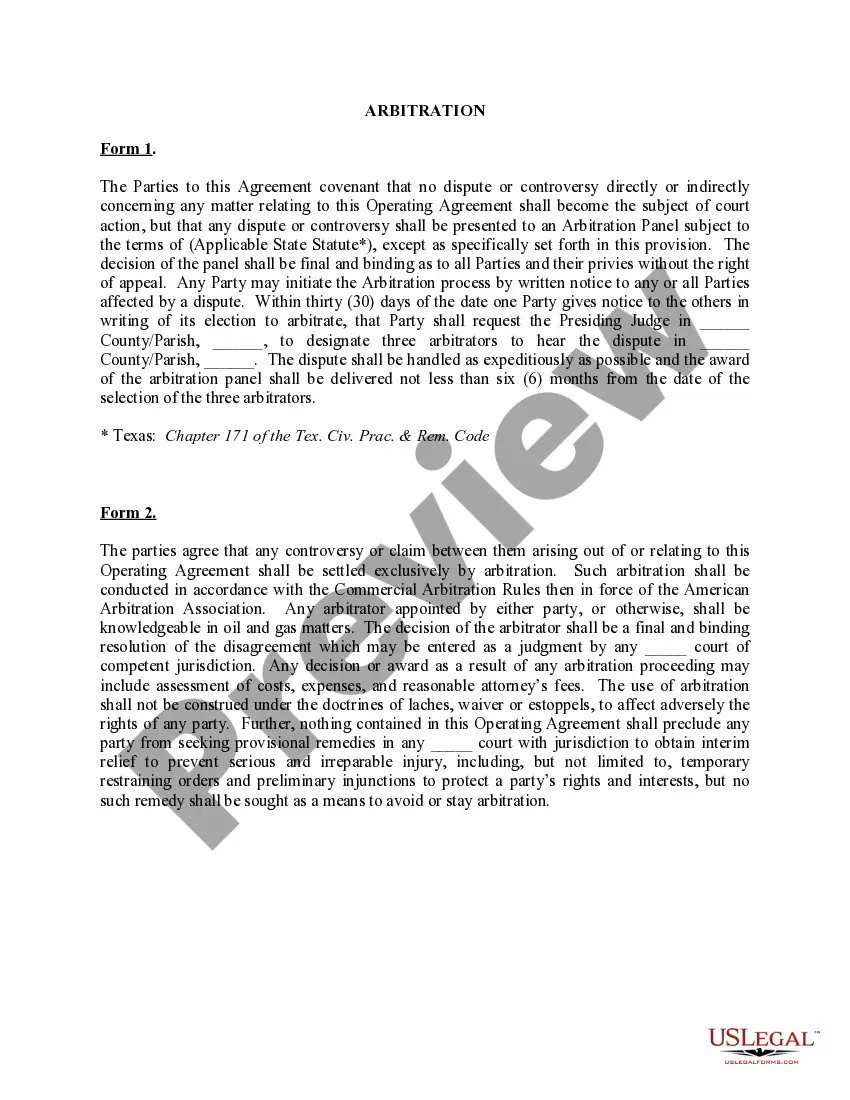
New York Shared Driveway Agreement
Overview of this form
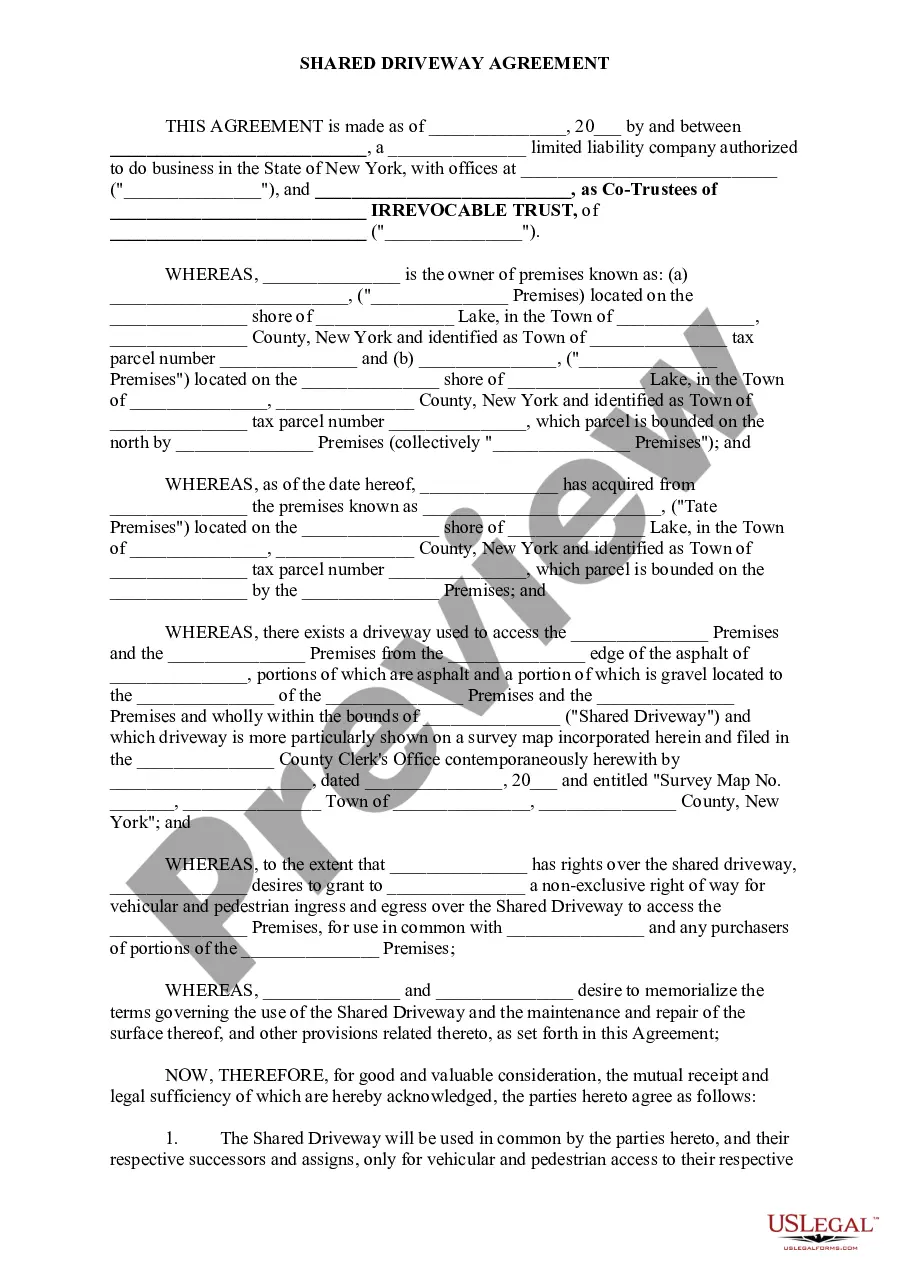
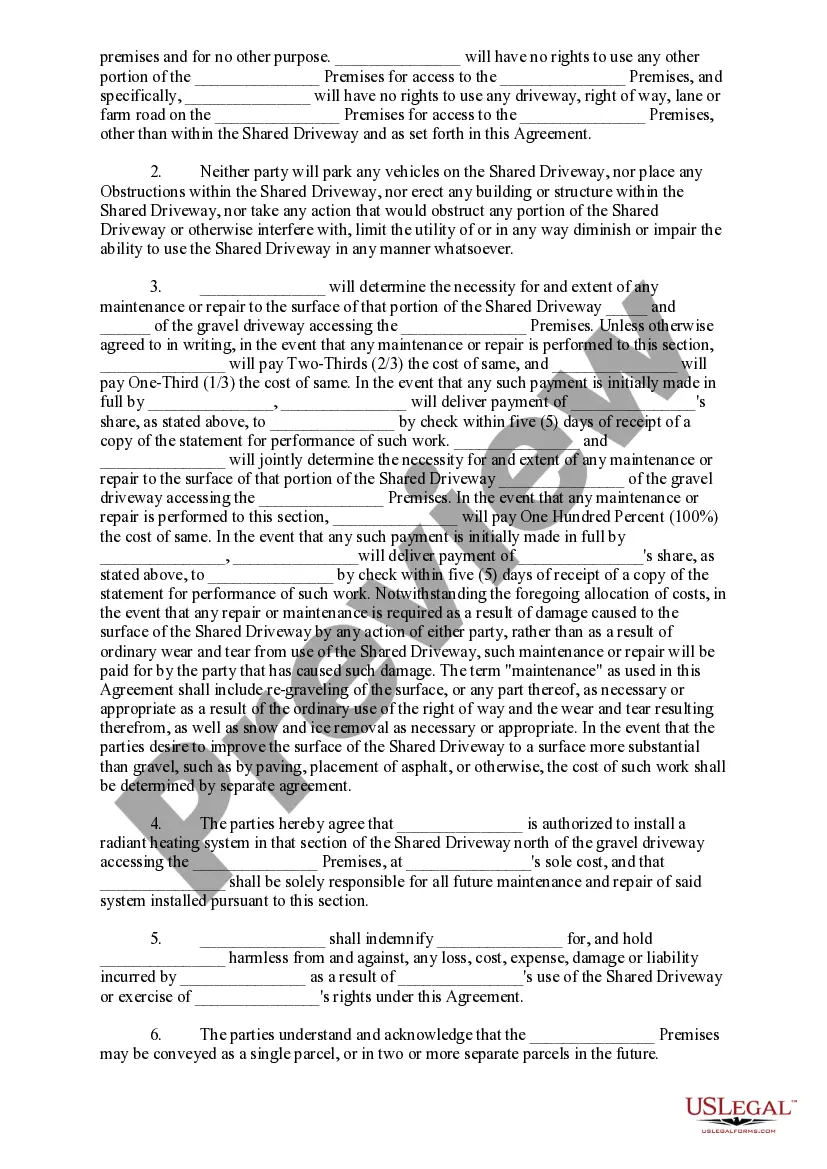
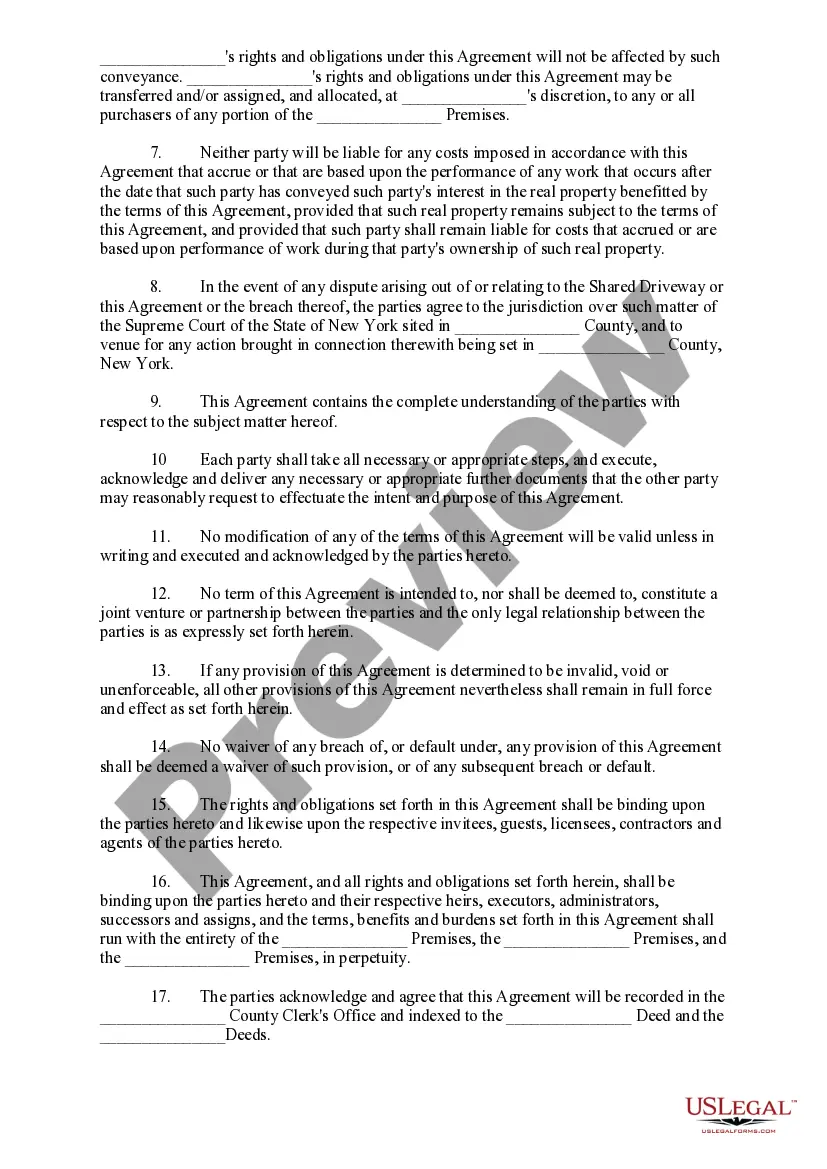
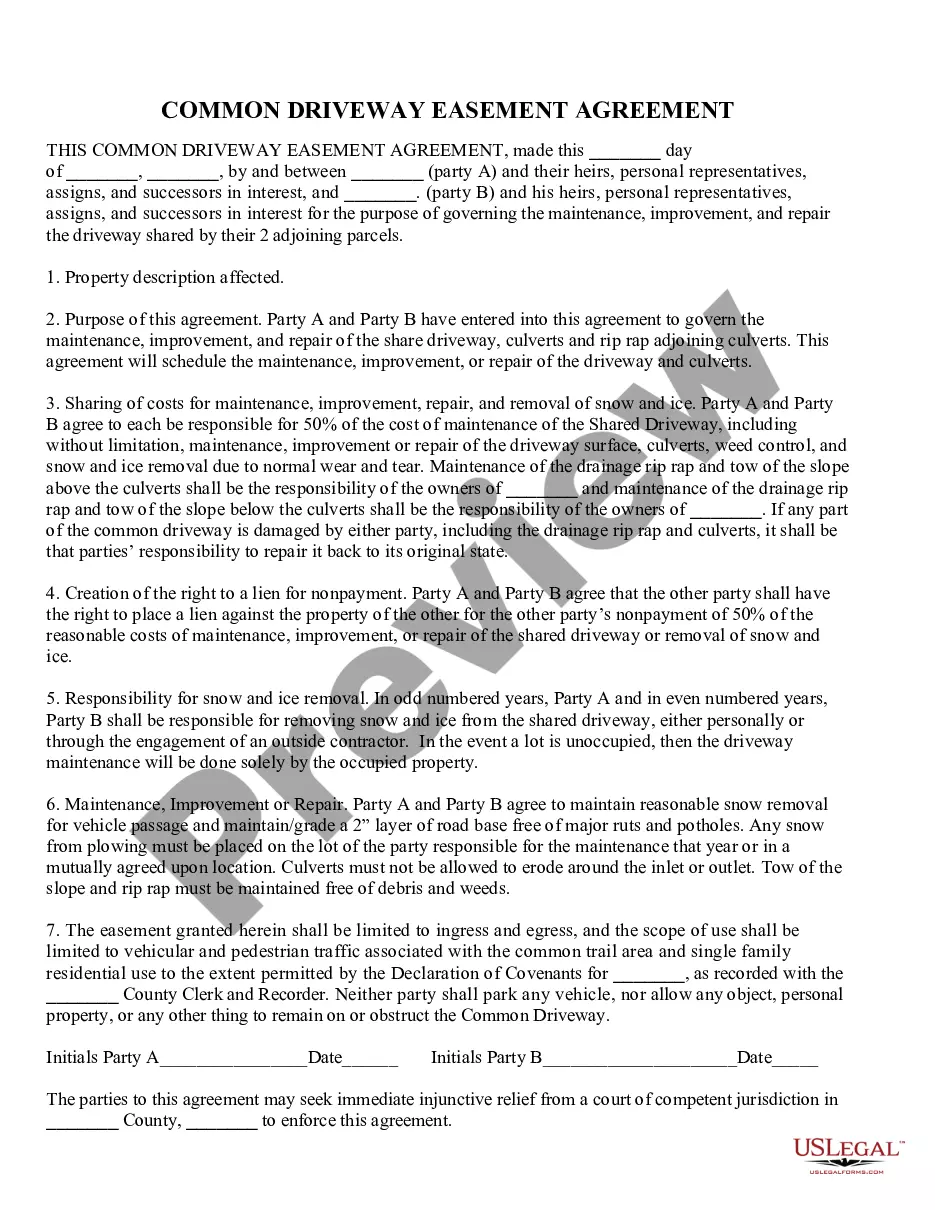
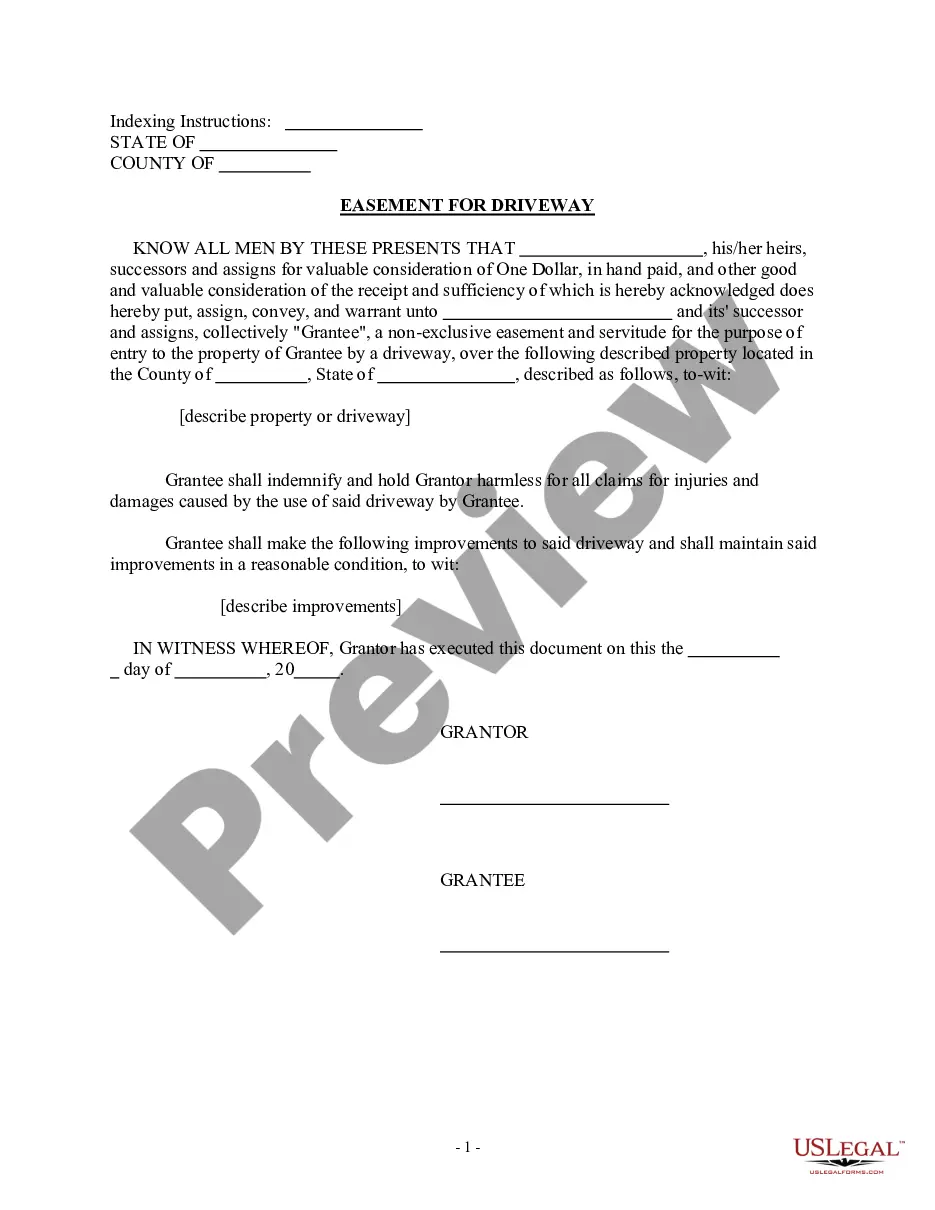
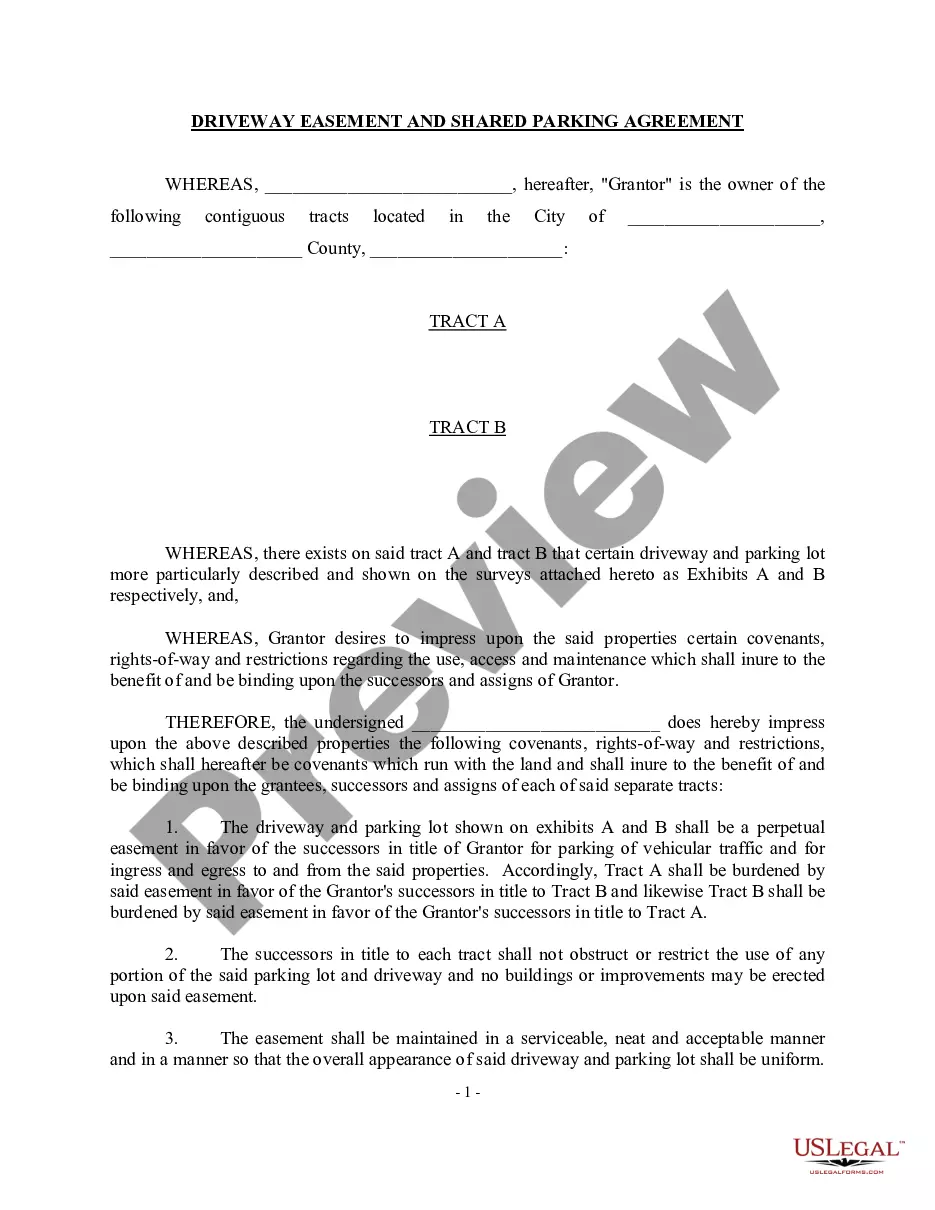
A Shared Driveway Agreement is a legal document that allows two adjacent property owners to jointly use a common driveway. This agreement outlines the rights and responsibilities of each party regarding maintenance and access rights, ensuring that both parties can use the driveway without conflict. This differs from other property agreements by explicitly addressing shared access and obligations for upkeep, thus preventing potential disputes over property use and maintenance.
Form components explained
- Identification of the parties involved and the properties affected.
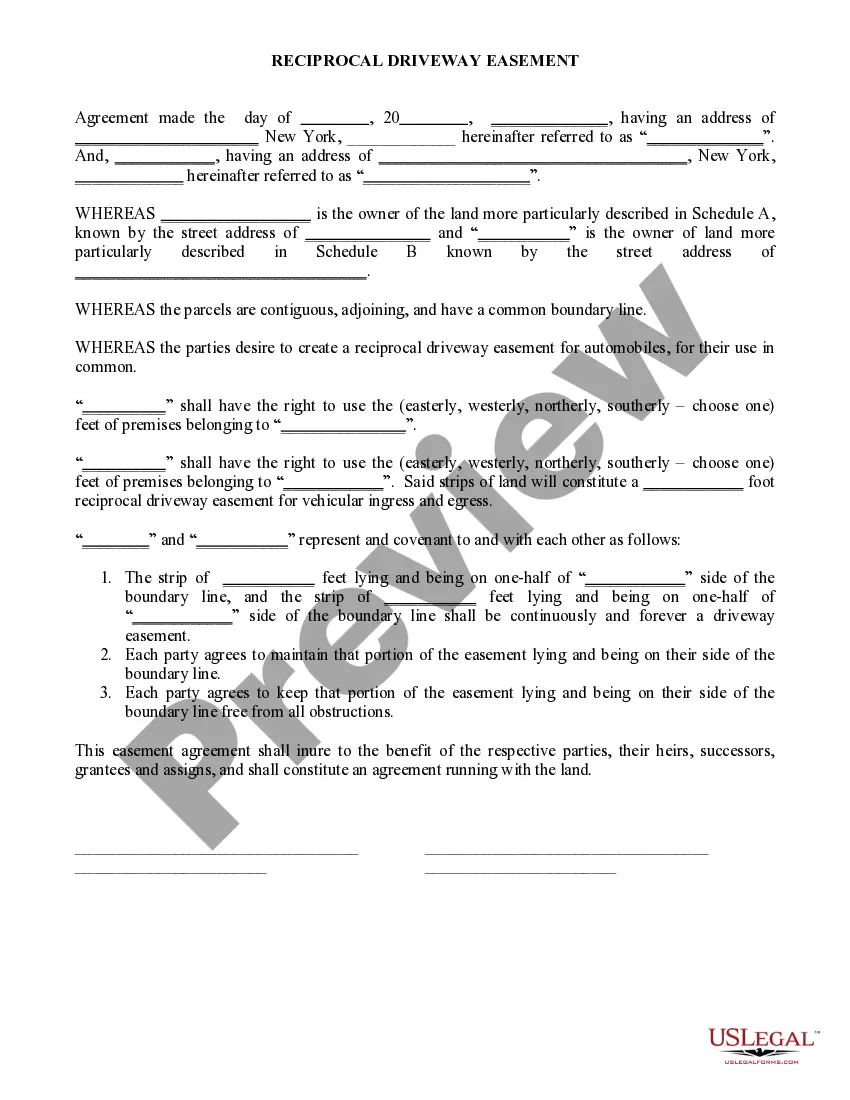
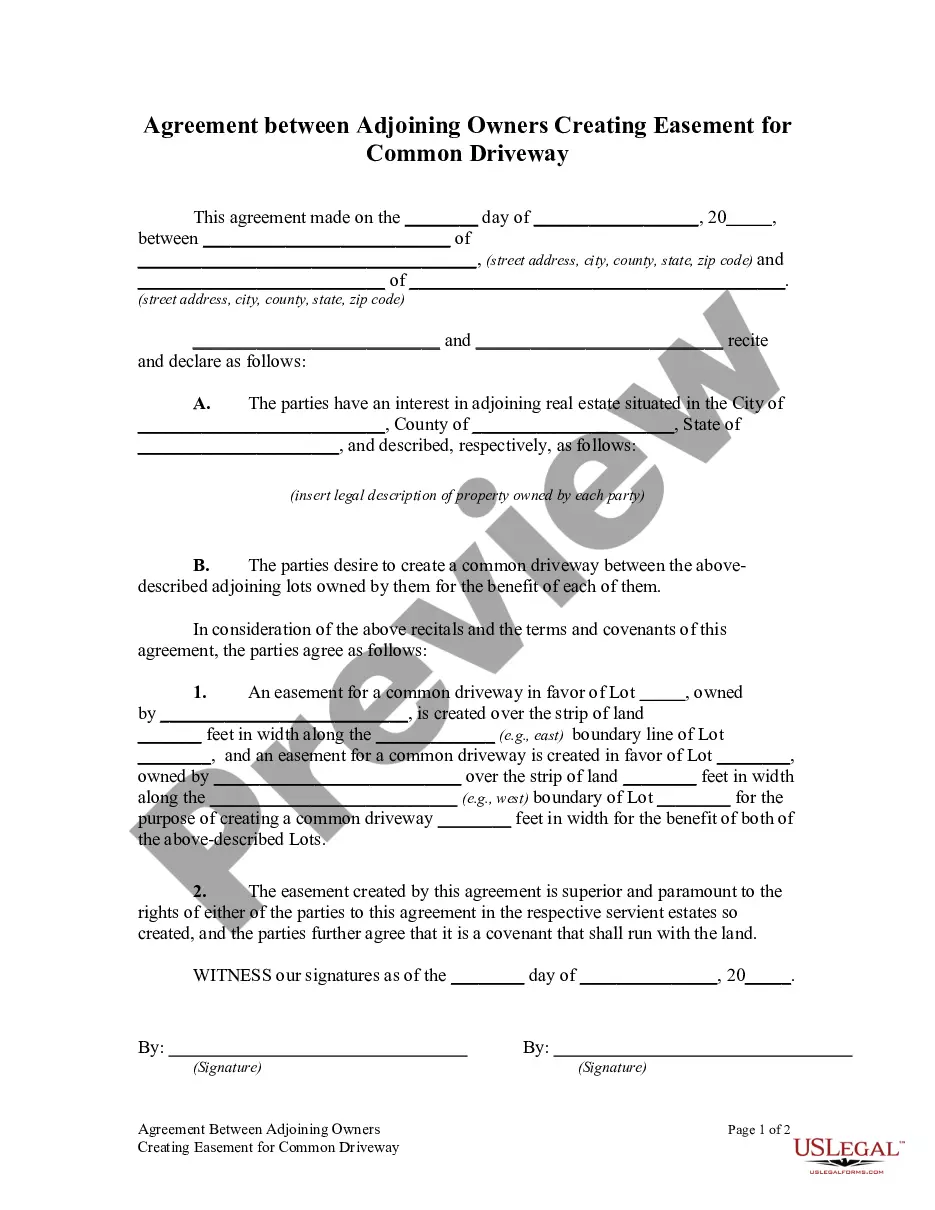
- Detailed description of the shared driveway and its boundaries.
- Terms of use, stating that the driveway is for vehicular and pedestrian access only.
- Maintenance responsibilities and cost-sharing agreements for repairs.
- Indemnification clause to protect parties from liabilities.
- Conditions for modifying the agreement or if the properties are sold.
When to use this document
This form should be used when two property owners share a driveway and need a legally binding agreement to outline access rights and maintenance responsibilities. It is particularly useful when new owners purchase properties that rely on a shared access point, or when existing agreements are informal or non-existent, creating potential for misunderstandings or disputes.
Who this form is for
- Property owners who share a driveway with adjacent properties.
- Individuals looking to formalize access rights and maintenance responsibilities for a shared driveway.
- Attorneys assisting clients in creating or modifying property agreements.
- Trustees managing shared property agreements on behalf of beneficiaries.
How to prepare this document
- Identify the parties involved in the agreement and their property details.
- Clearly describe the shared driveway and its location in relation to each property.
- Outline the maintenance obligations and cost-sharing percentages for repairs.
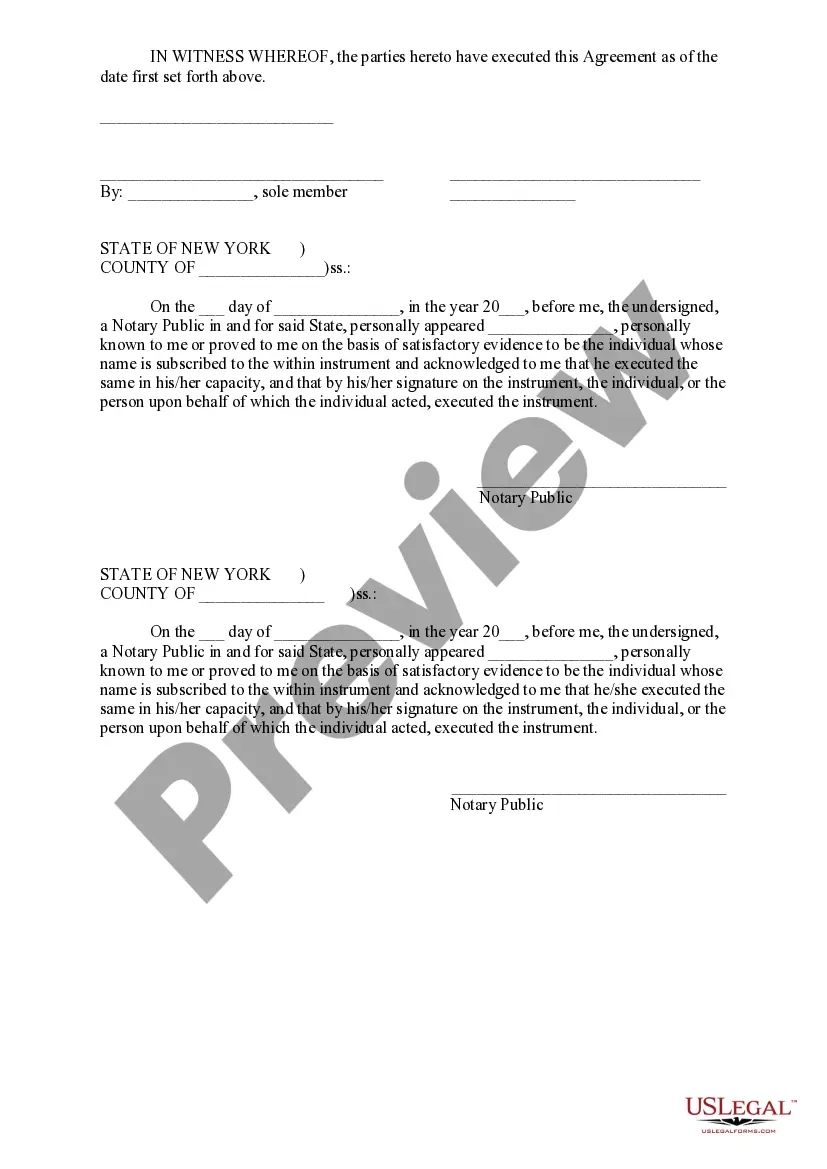
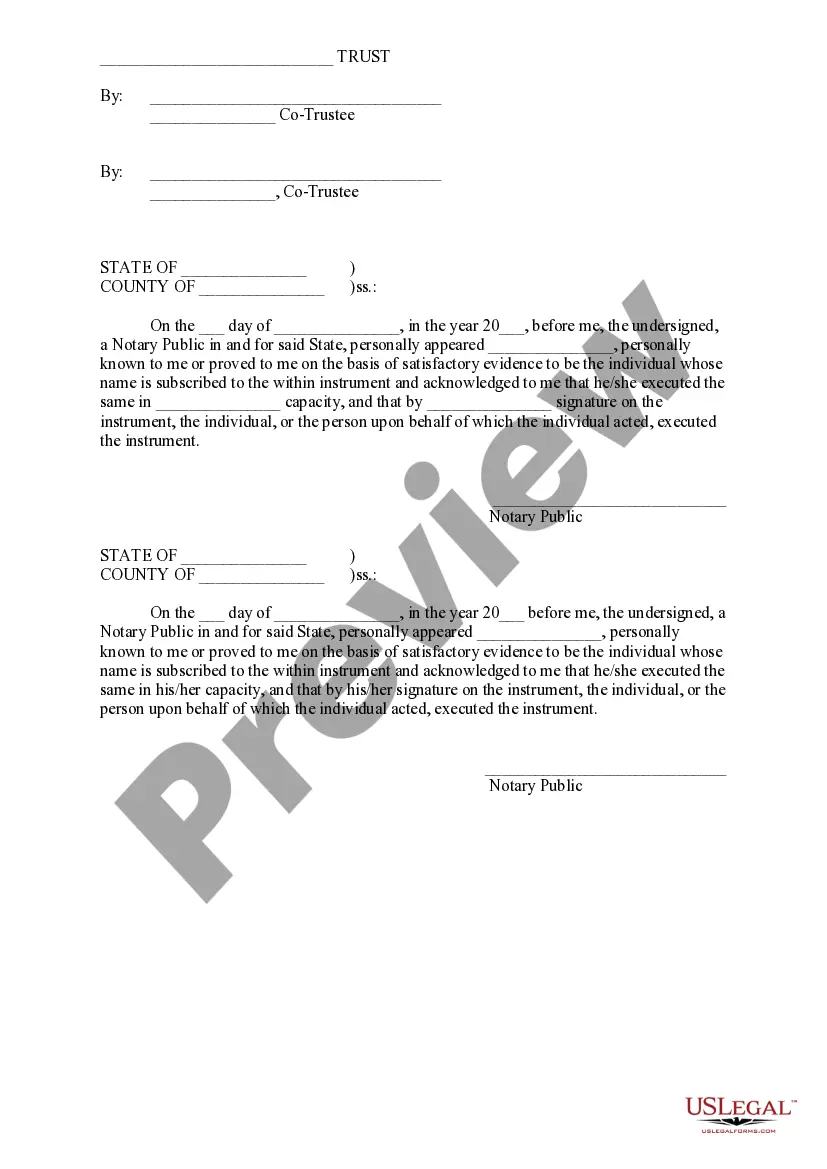
- Obtain signatures from all parties involved and have the document notarized.
- File the agreement with the appropriate county clerkâs office to ensure enforceability.
Notarization requirements for this form
Yes, this form must be notarized to be legally valid. Notarization ensures that the identities of the parties signing the agreement are verified. US Legal Forms offers integrated online notarization services, providing a convenient and secure way to complete this step through video calls, available 24/7.
Get your form ready online
Our built-in tools help you complete, sign, share, and store your documents in one place.
Make edits, fill in missing information, and update formatting in US Legal Forms—just like you would in MS Word.
Download a copy, print it, send it by email, or mail it via USPS—whatever works best for your next step.
Sign and collect signatures with our SignNow integration. Send to multiple recipients, set reminders, and more. Go Premium to unlock E-Sign.
If this form requires notarization, complete it online through a secure video call—no need to meet a notary in person or wait for an appointment.
We protect your documents and personal data by following strict security and privacy standards.

Make edits, fill in missing information, and update formatting in US Legal Forms—just like you would in MS Word.

Download a copy, print it, send it by email, or mail it via USPS—whatever works best for your next step.

Sign and collect signatures with our SignNow integration. Send to multiple recipients, set reminders, and more. Go Premium to unlock E-Sign.

If this form requires notarization, complete it online through a secure video call—no need to meet a notary in person or wait for an appointment.

We protect your documents and personal data by following strict security and privacy standards.
Mistakes to watch out for
- Failing to accurately describe the shared driveway location and boundaries.
- Not specifying maintenance responsibilities, leading to future disagreements.
- Neglecting to have the agreement signed and notarized, which can affect its validity.
- Overlooking the need to file the agreement with local authorities.
Why use this form online
- Quick access to a professionally drafted legal document tailored for shared driveways.
- Convenient online completion and downloading, allowing for easy collaboration between homeowners.
- Editable templates ensure that the form fits specific needs and circumstances.
- Ability to store and retrieve forms securely online for future reference.
Looking for another form?

Form popularity
FAQ
Put Up "No Trespassing" Sign & Warning Sign. Install Motion Detection Surveillance Camera. Talk to the Parents in Advance. Good Fence Makes Good Deterrent. Plant Natural Barriers. Get Guard Dogs or Watch Dogs.
One option for dividing property lines down a shared driveway is to install chain link fencing. A chain link fence is a relatively inexpensive fence to have installed, and can readily be placed over asphalt. Asphalt is soft enough to allow fence posts to be sunk into the driveway.
So called "shared driveways" can occur in open plan front gardens or they can be retro-fitted to older housing. Examples of the latter occur in 1930's houses where two neighbours have made an agreement with each other that enables each to build a garage in his rear garden.
Fencing. One option for dividing property lines down a shared driveway is to install chain link fencing. A chain link fence is a relatively inexpensive fence to have installed, and can readily be placed over asphalt. Asphalt is soft enough to allow fence posts to be sunk into the driveway.
So called "shared driveways" can occur in open plan front gardens or they can be retro-fitted to older housing. Examples of the latter occur in 1930's houses where two neighbours have made an agreement with each other that enables each to build a garage in his rear garden.
Typically, shared driveways fall into one of three categories of legal ownership: (1) the entire driveway is owned by one neighbor but the other neighbor has an easement over the driveway (a right to use the driveway); (2) ownership of the driveway is divided in two, with one neighbor owning part and the other neighbor
No. 1 Negotiate with the Person Directly. Firstly, you should try and find out if any of your neighbors know whose car it is or if they saw the person who parked there. No. 2 Call the police. No. 3 Install a Security Camera. No. 4 Put up Signs. No. 5 Install a Fence.
Some people refer to a shared driveway as a common driveway, but it has a legal definition. Almost all shared driveways are appurtenant easements, or rights to exercise a limited form of ownership or possession of the property of another individual, real estate lawyers say.
You should not buy a house with a shared driveway where a maintenance agreement isn't already in place. Also, if you drive at the property and the shared driveway is in poor repair, this will indicate a lack of a maintenance agreement. Think carefully before you buy a house with a poorly maintained shared driveway.