Easement for Driveway
What is this form?
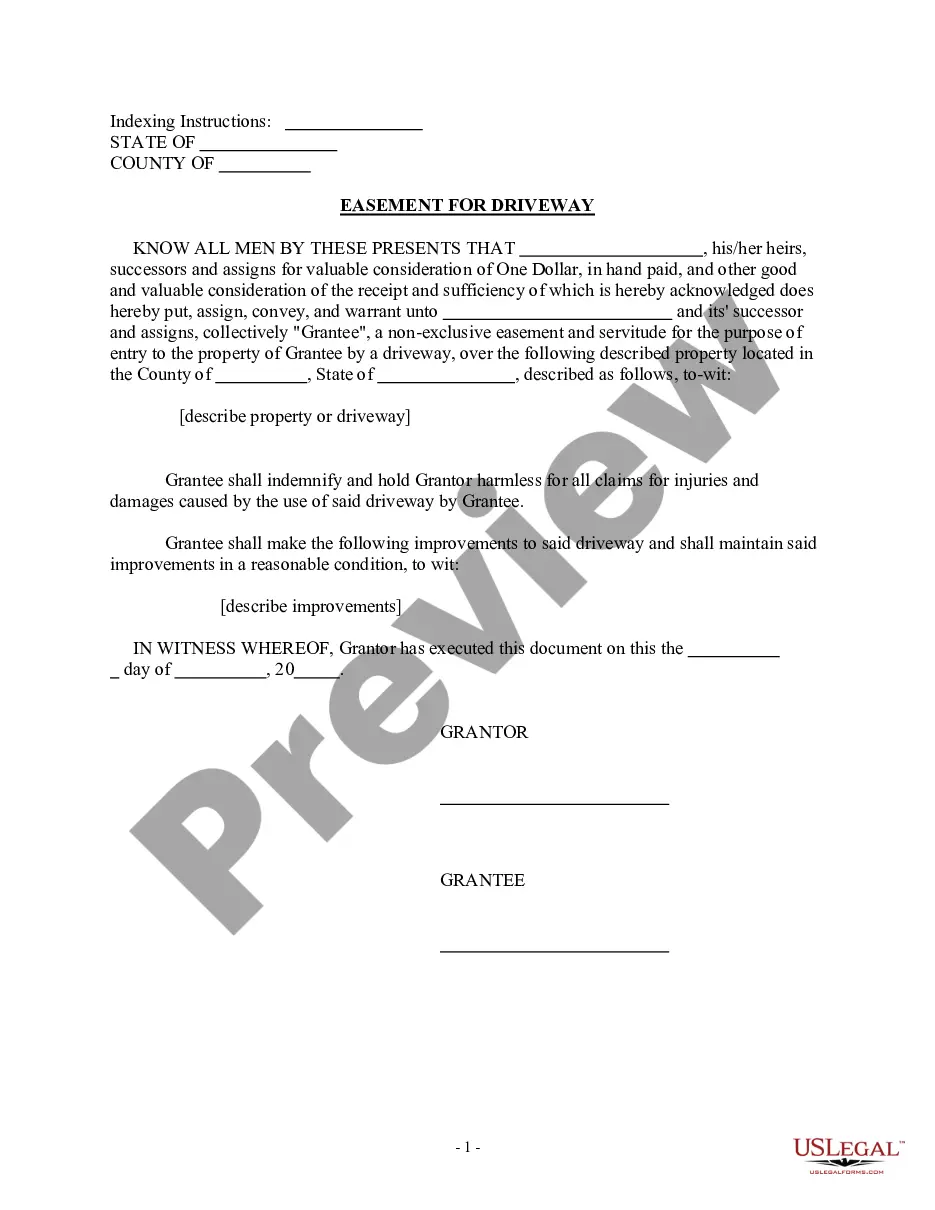
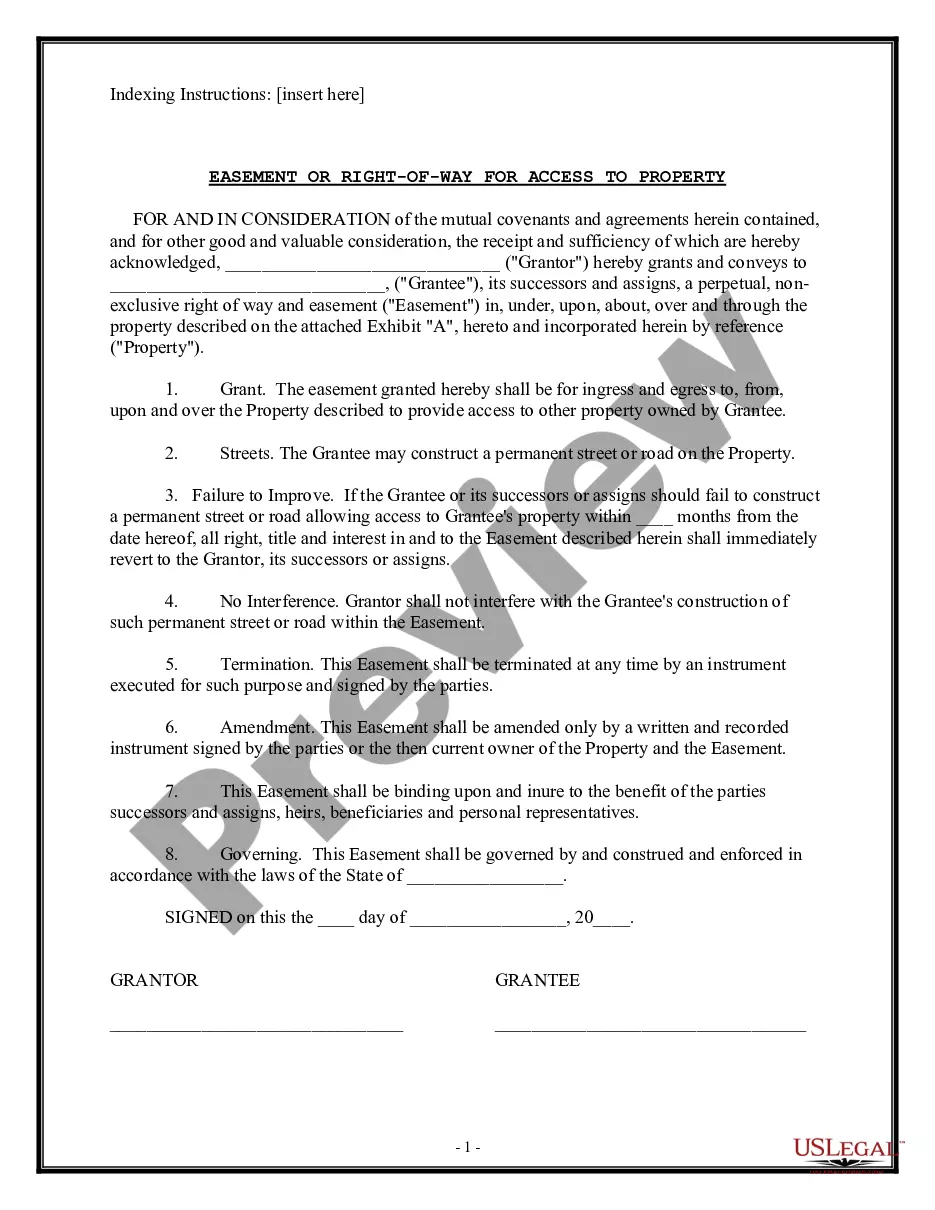
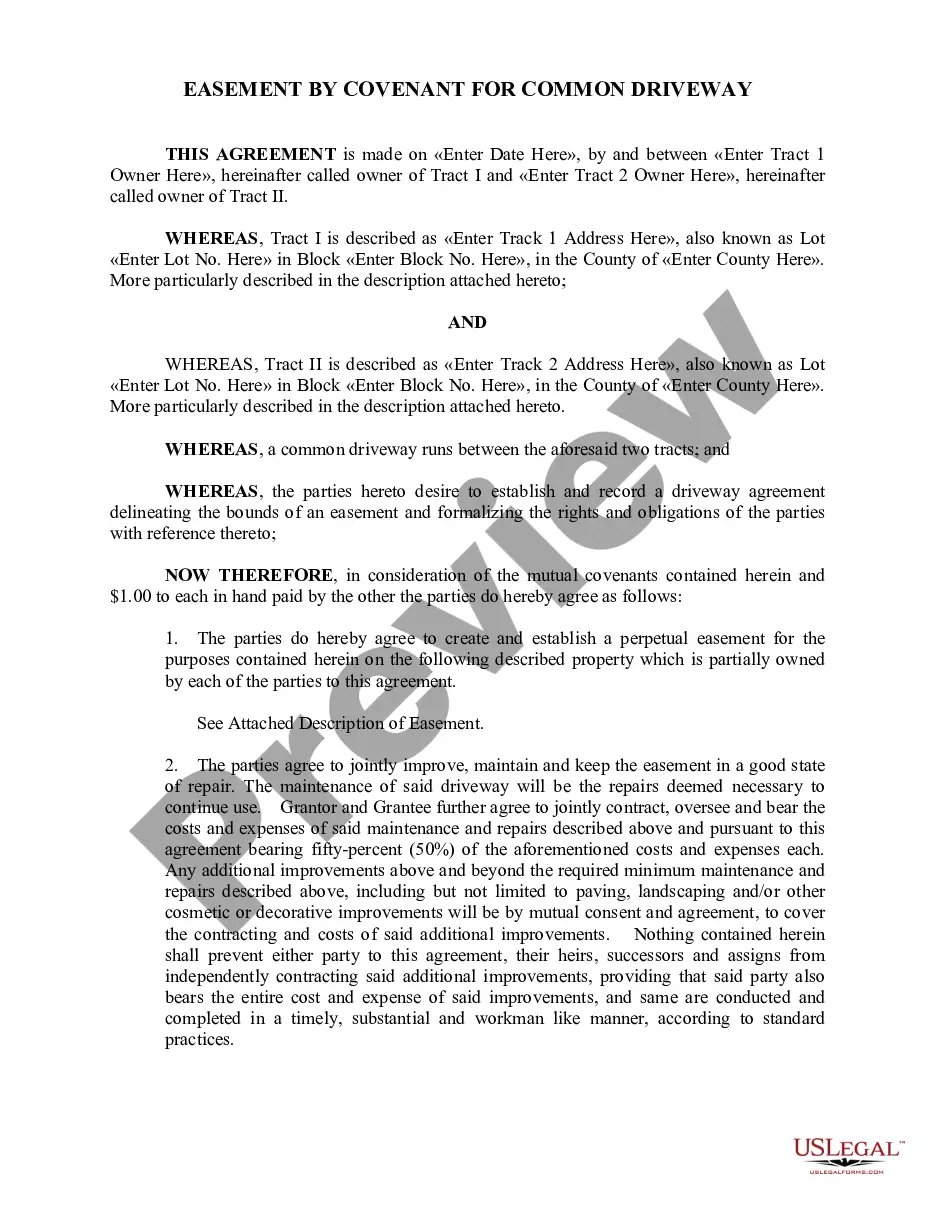
The Easement for Driveway is a legal document that grants one party the right to access another party's property via a designated driveway. This form is essential for establishing non-exclusive easement rights, ensuring that the beneficiary can use the specified driveway without infringing on the property ownerâs rights. Unlike other easement forms, this one focuses specifically on driveway use, outlining the terms of access and maintenance responsibilities.
What’s included in this form
- Detailed description of the property or driveway in question.
- Indemnity clause protecting the property owner from liability.
- Specification of any improvements that the easement holder is required to make to the driveway.
- Clear boundaries defining the extent of the easement for both parties.

Common use cases
This form should be used when a property owner wants to grant another party the right to access their property via a driveway. Common scenarios include shared driveways between neighbors, access to landlocked properties, or when a homeowner needs to facilitate entry for maintenance or repair purposes. Utilizing this form can help prevent disputes regarding driveway usage and access rights in the future.
Who needs this form
- Property owners looking to grant driveway access to others.
- Individuals purchasing adjacent properties with shared access needs.
- Entities needing access for utilities or maintenance purposes.
How to complete this form
- Identify the parties involved (Grantor and Grantee).
- Clearly describe the property or driveway that will be subject to the easement.
- Specify any improvements to be made to the driveway.
- Include indemnity clauses to protect against claims related to the easement.
- Enter the date and provide signatures from all parties involved.
Notarization guidance
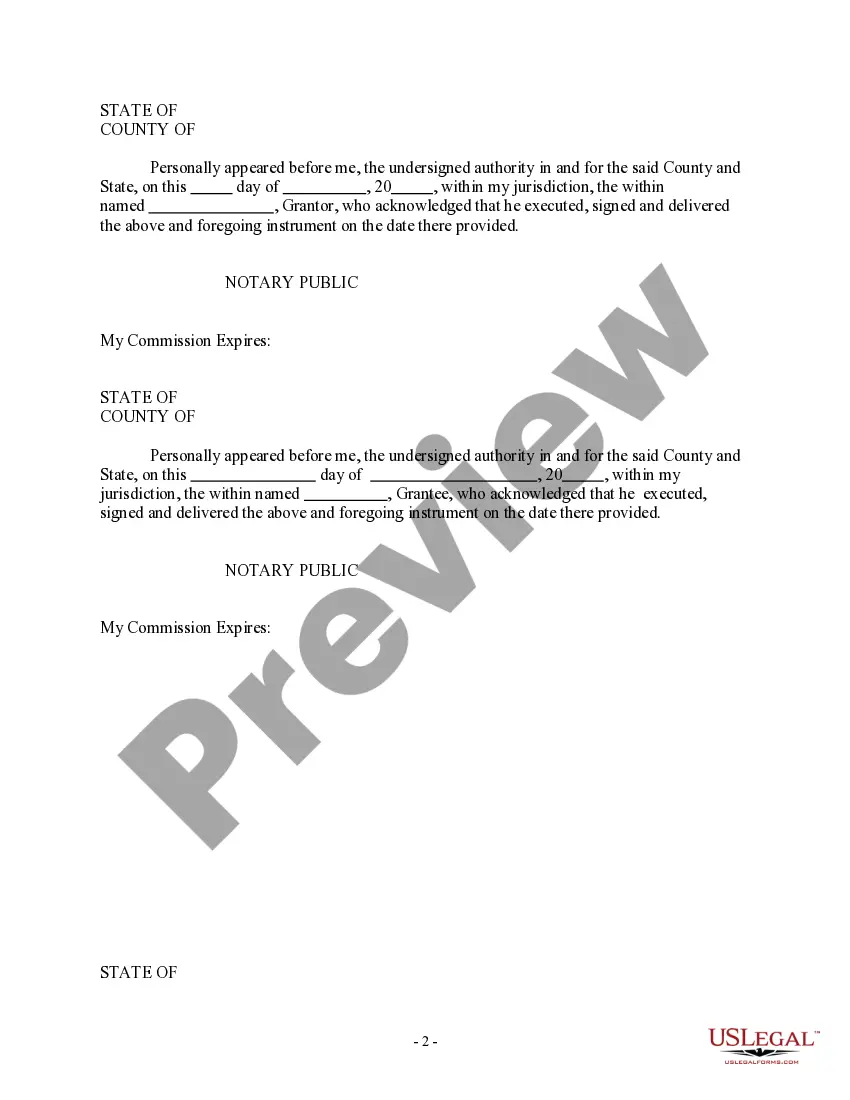
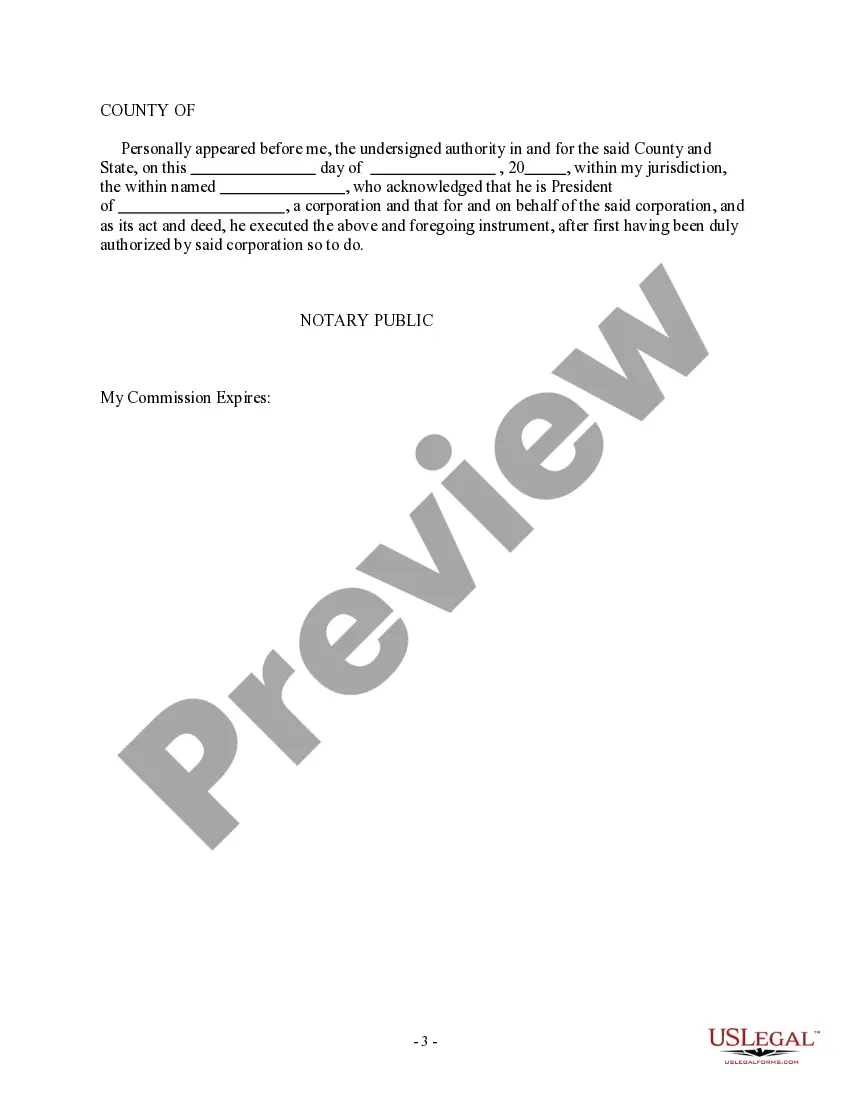
This form does not typically require notarization unless specified by local law. However, having the easement notarized is advisable to enhance its enforceability and provide clear evidence of the parties' intentions.
Get your form ready online
Our built-in tools help you complete, sign, share, and store your documents in one place.
Make edits, fill in missing information, and update formatting in US Legal Forms—just like you would in MS Word.
Download a copy, print it, send it by email, or mail it via USPS—whatever works best for your next step.
Sign and collect signatures with our SignNow integration. Send to multiple recipients, set reminders, and more. Go Premium to unlock E-Sign.
If this form requires notarization, complete it online through a secure video call—no need to meet a notary in person or wait for an appointment.
We protect your documents and personal data by following strict security and privacy standards.

Make edits, fill in missing information, and update formatting in US Legal Forms—just like you would in MS Word.

Download a copy, print it, send it by email, or mail it via USPS—whatever works best for your next step.

Sign and collect signatures with our SignNow integration. Send to multiple recipients, set reminders, and more. Go Premium to unlock E-Sign.

If this form requires notarization, complete it online through a secure video call—no need to meet a notary in person or wait for an appointment.

We protect your documents and personal data by following strict security and privacy standards.
Typical mistakes to avoid
- Failing to clearly define the boundaries of the easement.
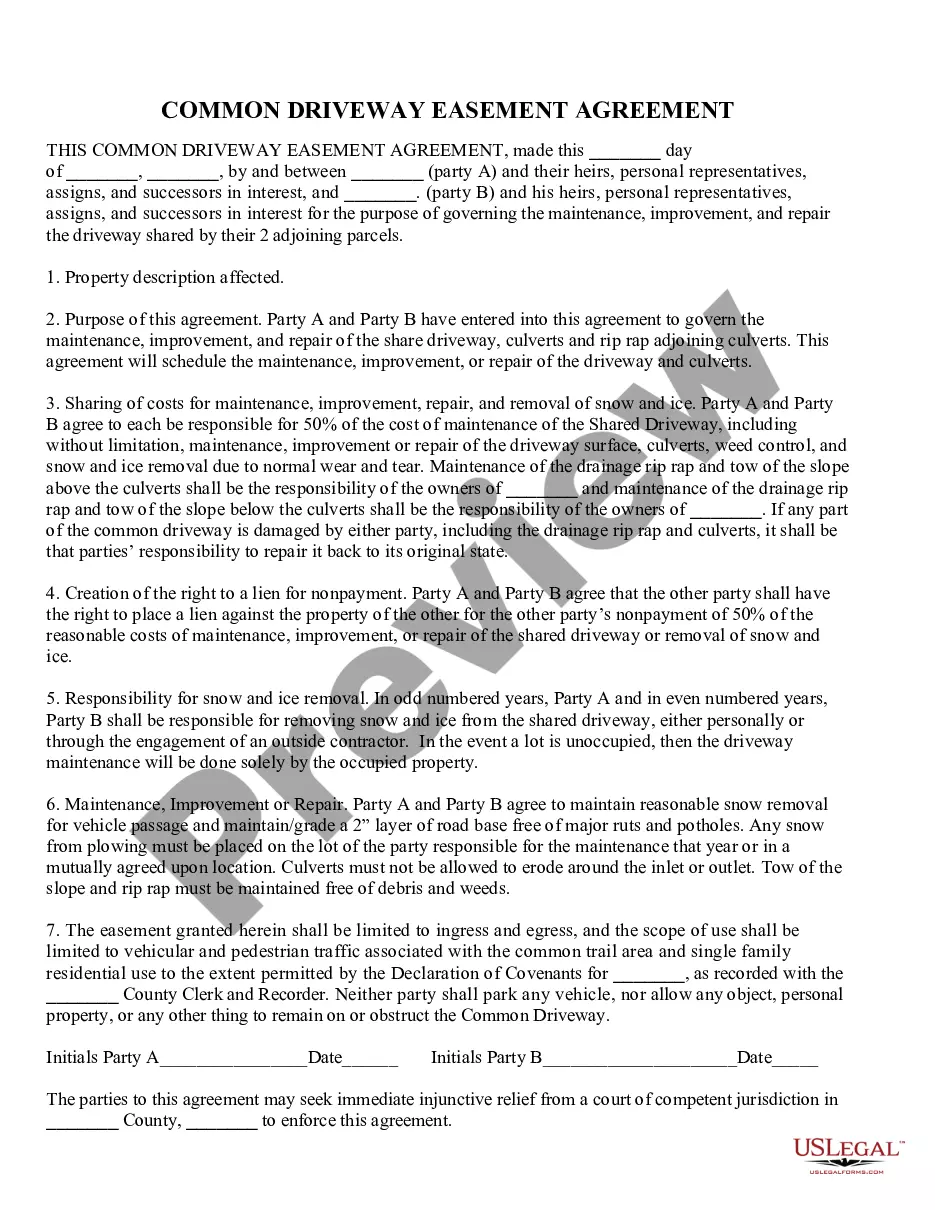
- Neglecting to include maintenance responsibilities for the driveway.
- Not having the form properly signed or notarized as required.
Advantages of online completion
- Convenient access to the form from anywhere at any time.
- The ability to edit and customize the form to your specific needs.
- Reliable templates drafted by licensed attorneys, ensuring legal compliance.
Looking for another form?
Form popularity
FAQ
When you're buying a house, you might find out that the property has an easement on it. Essentially this means that someone other than you could have access to the land. This isn't necessarily a bad thing. For example, utility companies typically hold easements in case they need to access pipes or cables.
Easement holders have the right to use the land to their enjoyment as long as it does not place an unreasonable burden on the servient estate. Landowners have the right to make whatever use of the land as long as it doesn't unduly affect the easement.
The owner of the land that has the benefit of the right of way (the user) also has no obligation to maintain and repair but is entitled to maintain and repair the way but if he does so, he has to do so at his own cost.
An easement can decrease the value of a real estate, increase the value of the real estate or it can have no impact on the value of the real estate at all. The most important fact is that each property and situation should be evaluated on individual basis, taking into account all the circumstances.
When one of the owners of either the dominant estate which an easement benefits or the servient estate over which the easement runs becomes the owner of both properties, then there is a unity of the two titles, and since an owner does not need an easement over the owner's own property, according to Florida law, the
The party gaining the benefit of the easement is the dominant estate (or dominant tenement), while the party granting the benefit or suffering the burden is the servient estate (or servient tenement). For example, the owner of parcel A holds an easement to use a driveway on parcel B to gain access to A's house.
An easement is an interest in a real estate property or parcel of land.Essentially this means that someone other than you could have access to the land. This isn't necessarily a bad thing.
A property easement is a legal situation in which the title to a specific piece land remains with the landowner, but another person or organization is given the right to use that land for a distinct purpose.
Basically, the person or party using an easement, known as an easement holder, has a duty to maintain it. Easement holders don't become owners of the land attached to their easements, though, and within limits the actual landowners retain most rights over it.