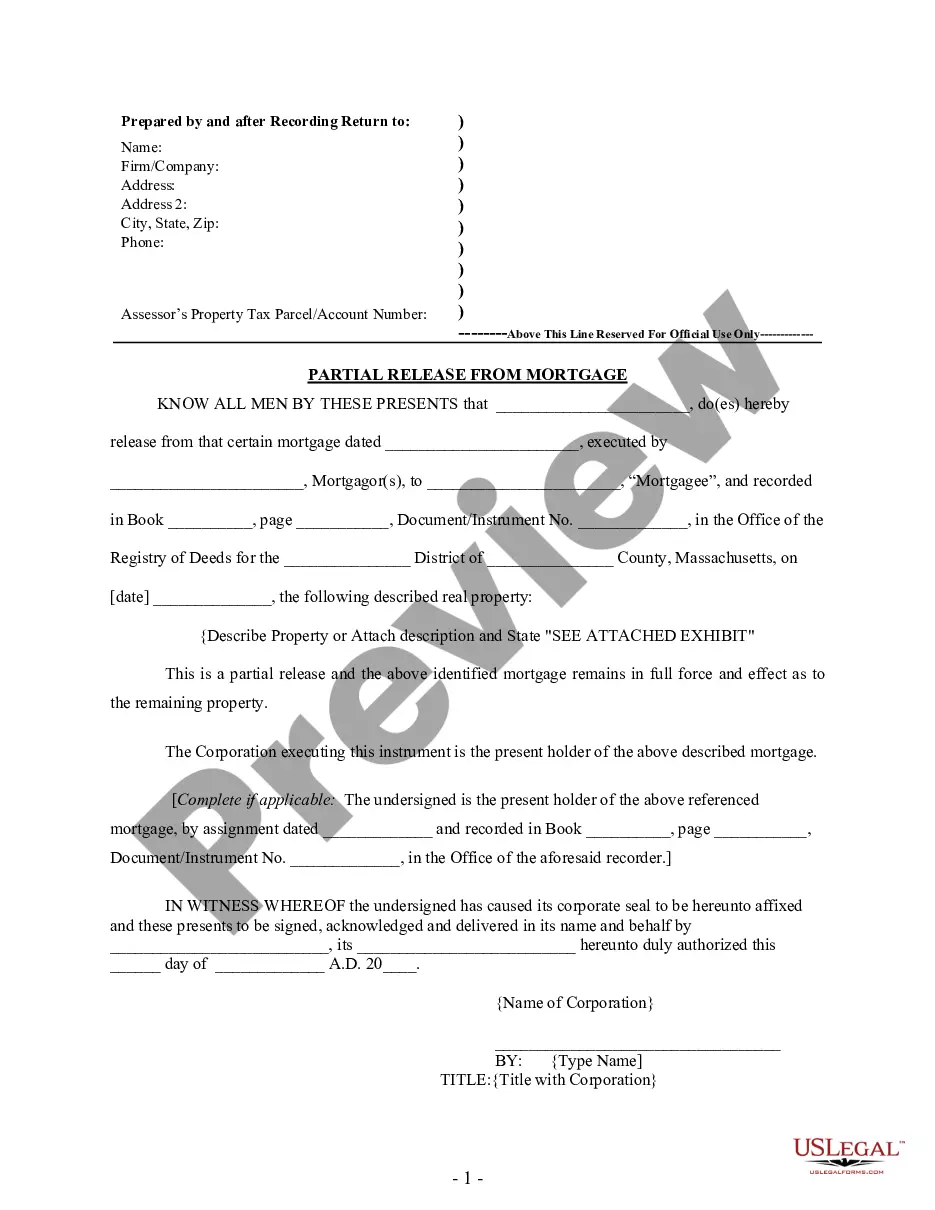
Pennsylvania Landscape Contract for Contractor
Understanding this form
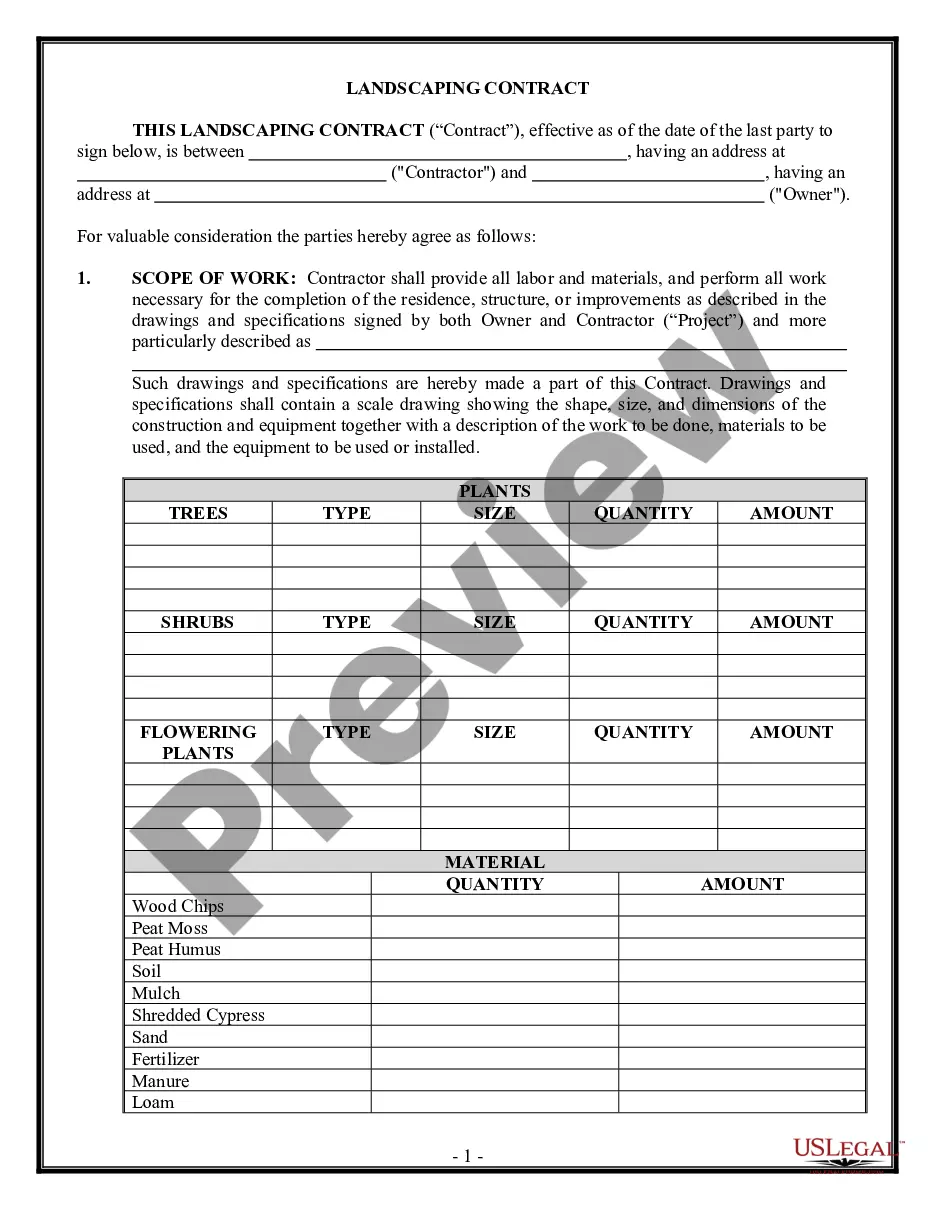
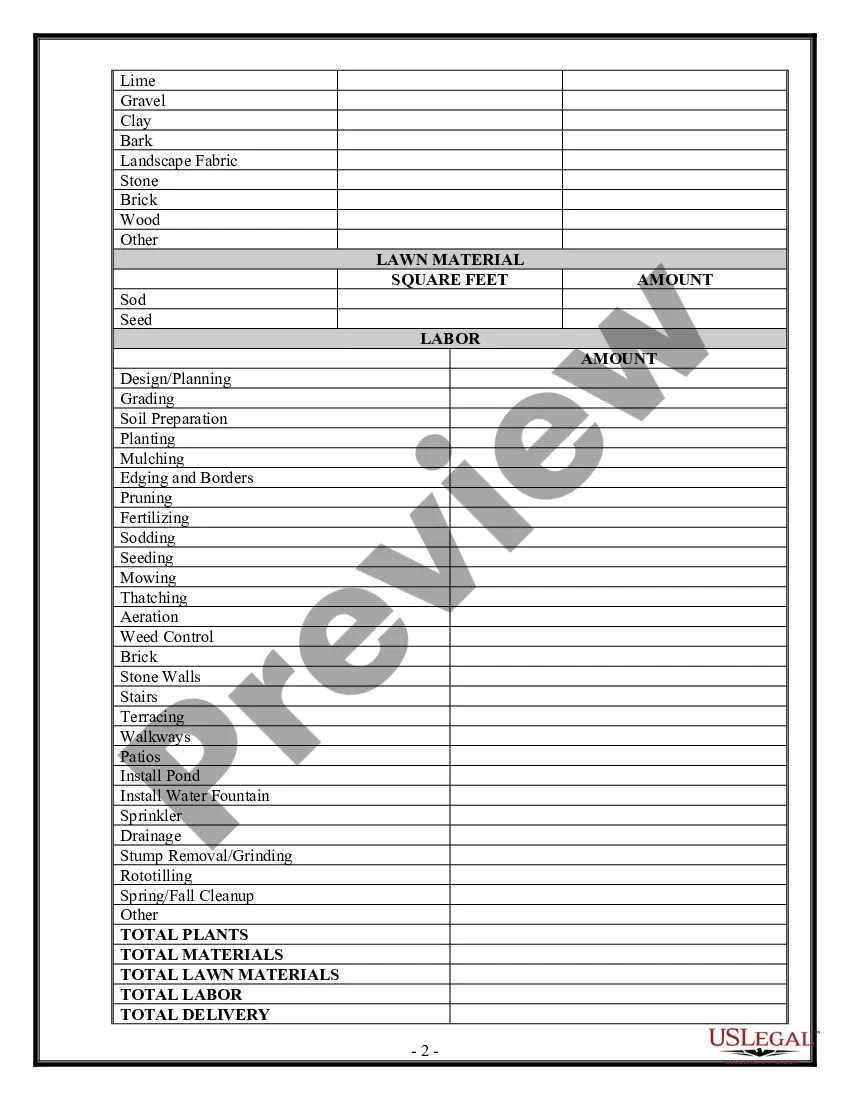
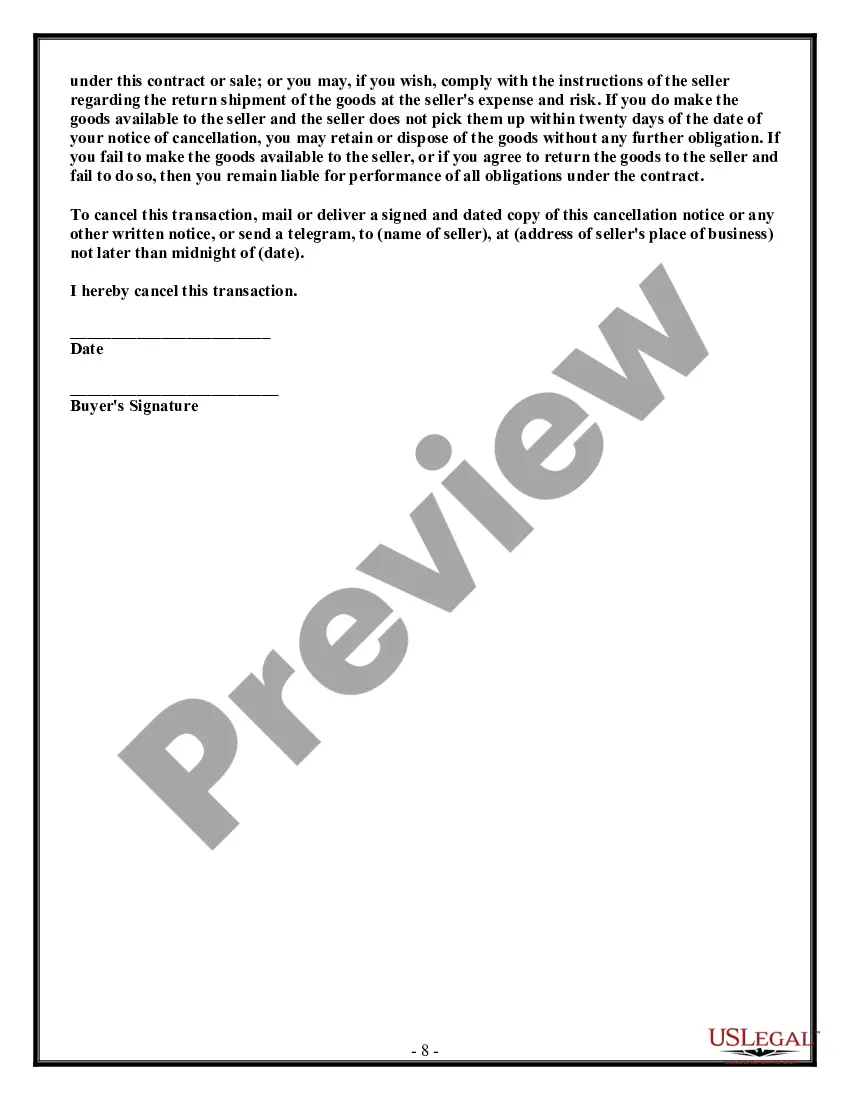
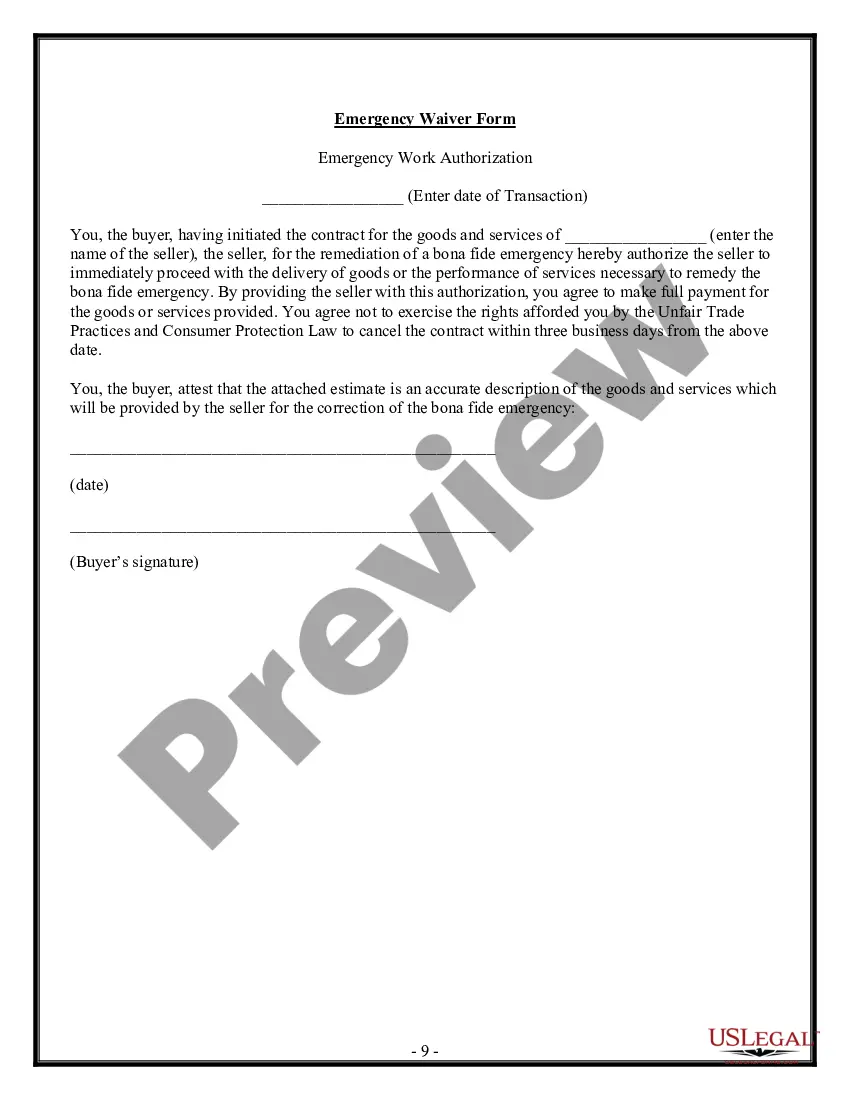
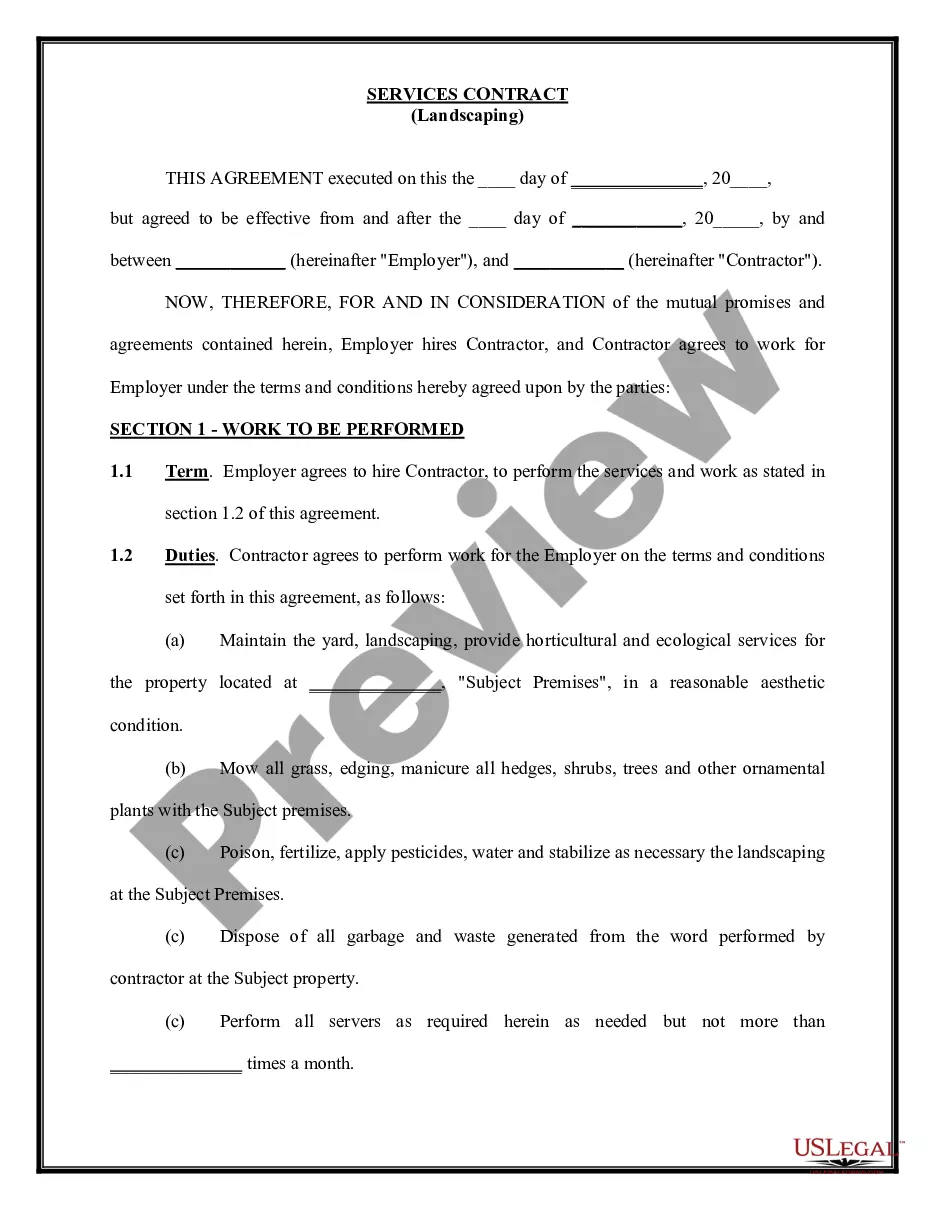
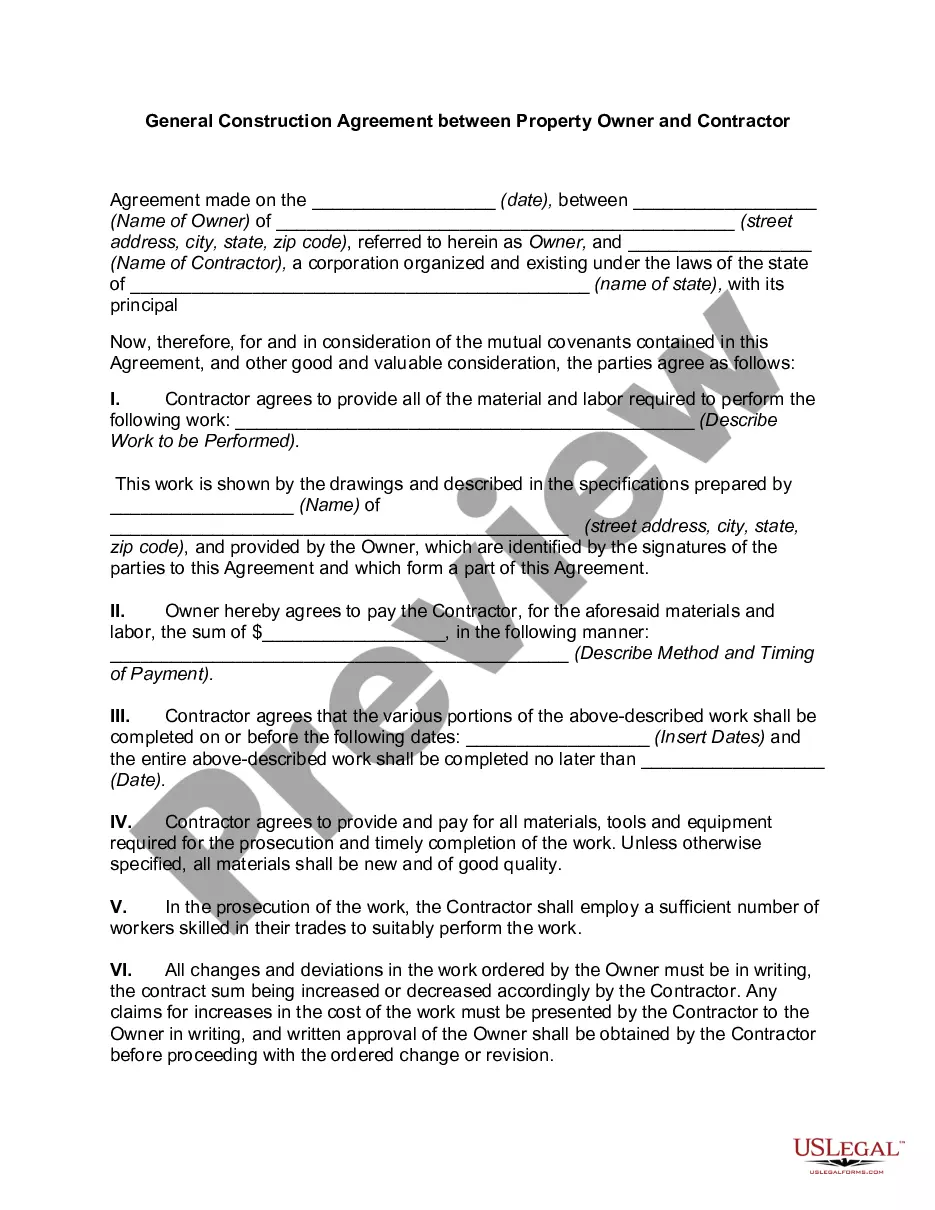
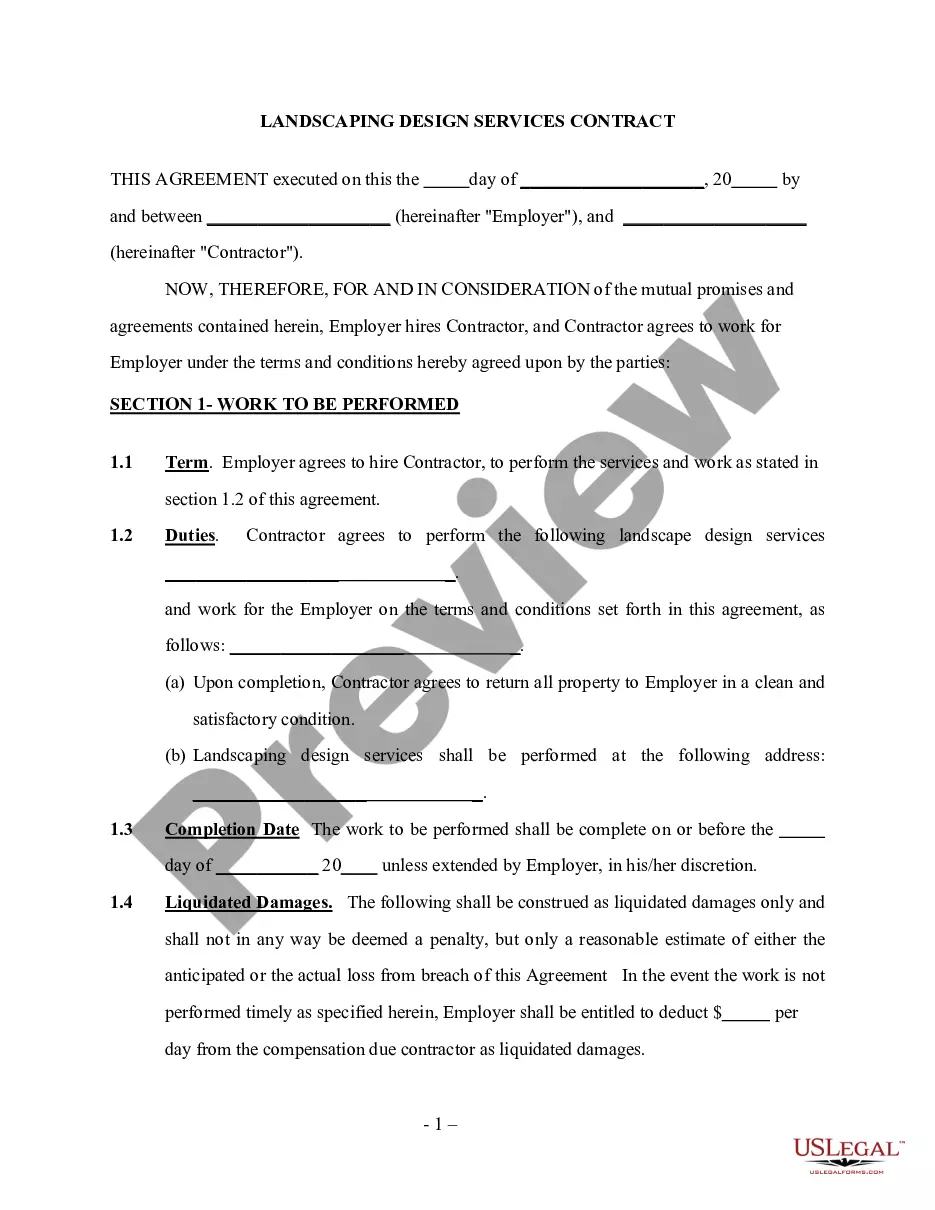
The Landscape Contract for Contractor is a legal document intended for use between landscape contractors and property owners. This contract stipulates the terms and conditions of the landscaping work, covering payment arrangements, scope of work, and various legal obligations. It is specifically designed to comply with Pennsylvania law, ensuring that both parties are protected and clear on their responsibilities and expectations throughout the project.
Key components of this form
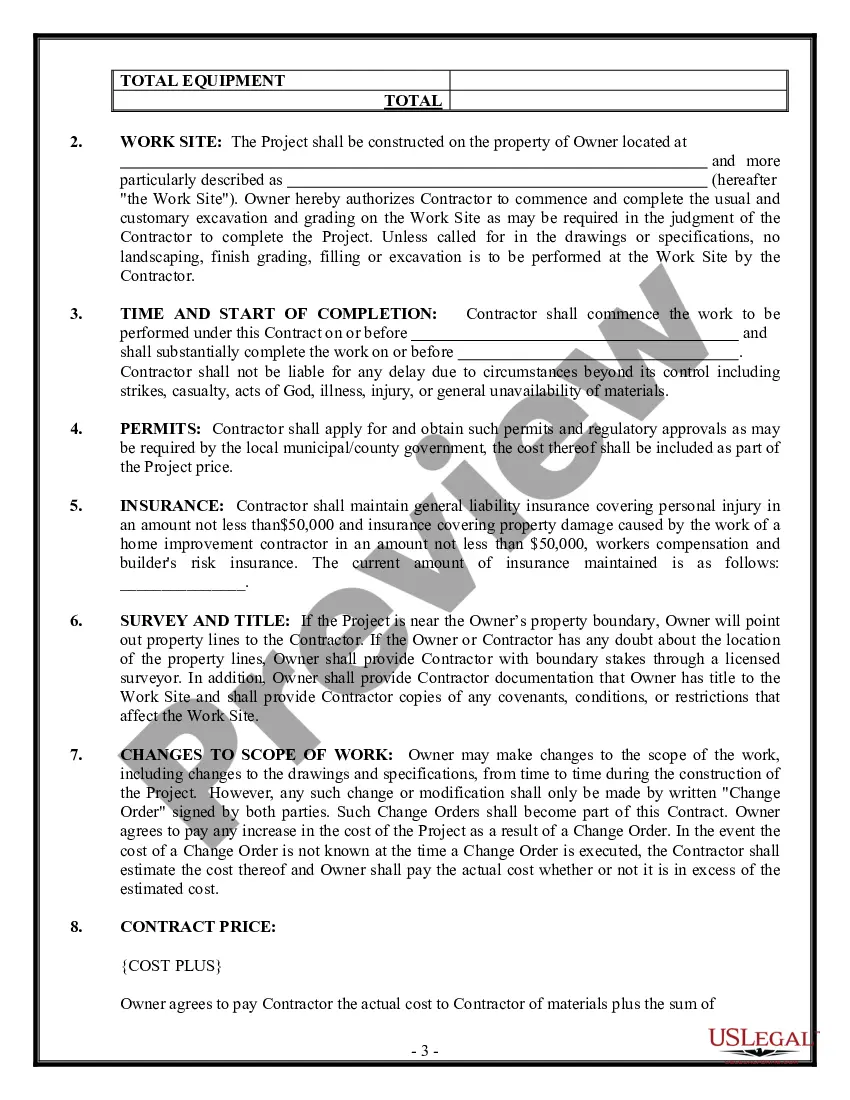
- Permits: Clarifies that the contractor is responsible for obtaining necessary permits and regulatory approvals.
- Insurance: Requires the contractor to maintain specific types of insurance to protect against liabilities.
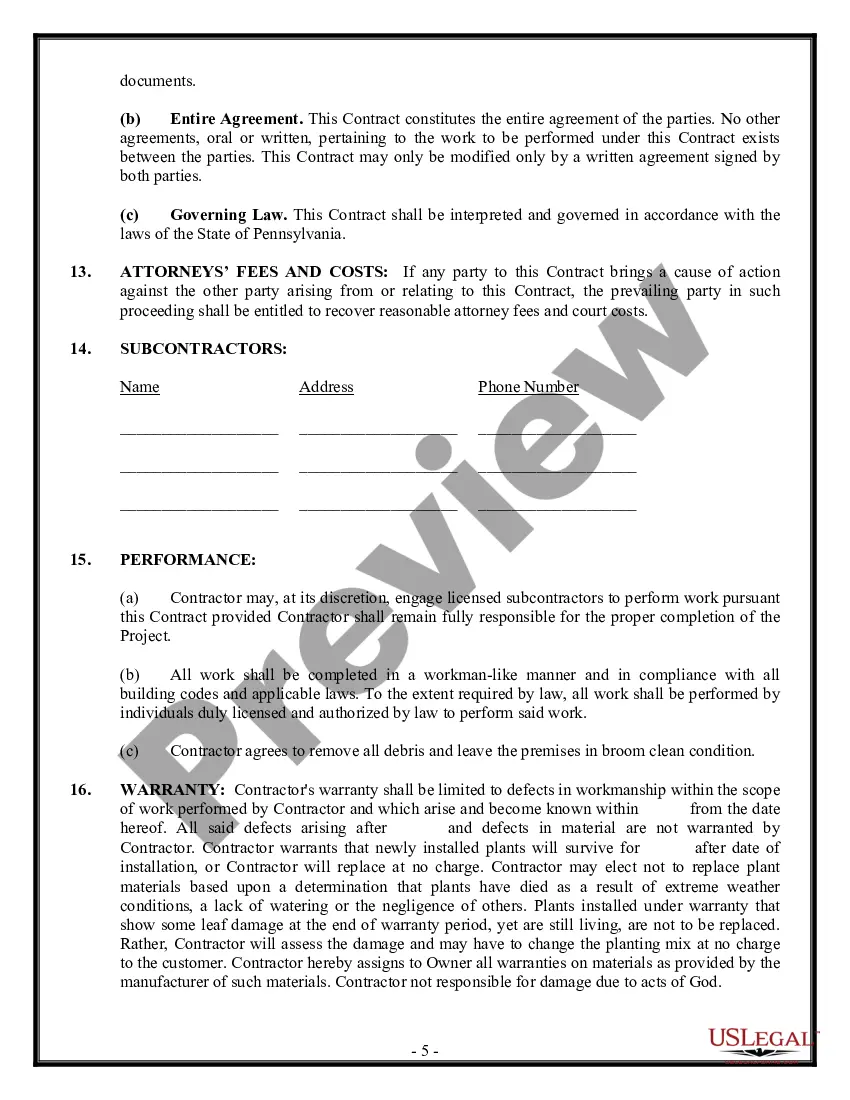
- Changes: Details how changes to the scope of work are made and how costs are adjusted accordingly.
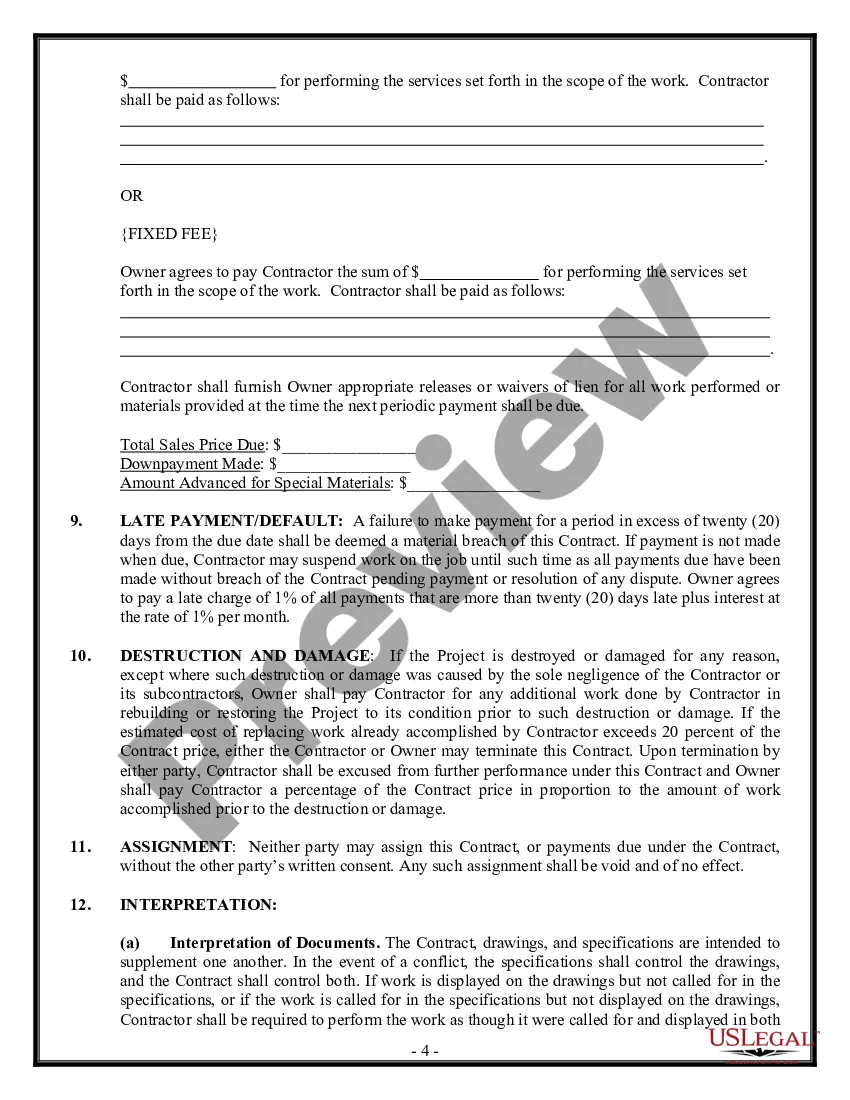
- Contract Pricing: Outlines payment terms, whether cost-plus or fixed fee.
- Defaults: Defines what constitutes a material breach of the contract related to late payments.
- Termination: Describes the conditions under which either party can terminate the contract due to damage or destruction of the project.

Situations where this form applies
This form should be used when a property owner hires a landscape contractor for landscaping services, particularly when the project involves significant investment and work requiring clear communication of expectations and legal protections. It is beneficial when alterations to the work scope may arise, ensuring both parties agree to any changes formally.
Who this form is for
- Landscape contractors seeking to execute formal agreements with clients.
- Property owners planning landscaping projects that require professional services.
- Individuals or businesses involved in home improvement and landscaping investments.
Steps to complete this form
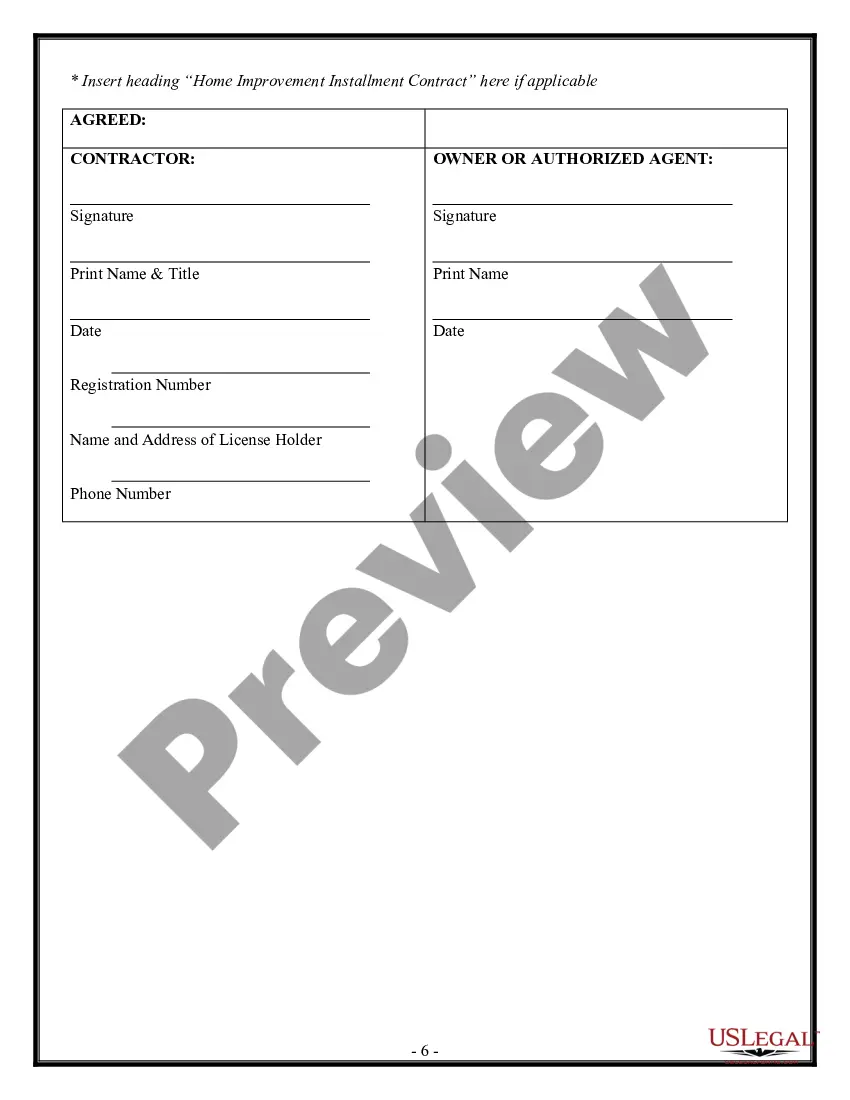
- Enter the names and contact information of both the contractor and property owner at the top of the form.
- Specify the details of the work to be performed, including descriptions and any relevant drawings.
- Clearly indicate the payment structure, whether it is a fee-for-service or cost-plus arrangement.
- Review and input any change orders as needed, ensuring both parties sign off on modifications.
- Complete the insurance requirements and permit responsibilities as outlined in the contract.
Does this form need to be notarized?
This form does not typically require notarization unless specified by local law. However, both parties may choose to notarize the agreement for added legal assurance and credibility.
Get your form ready online
Our built-in tools help you complete, sign, share, and store your documents in one place.
Make edits, fill in missing information, and update formatting in US Legal Forms—just like you would in MS Word.
Download a copy, print it, send it by email, or mail it via USPS—whatever works best for your next step.
Sign and collect signatures with our SignNow integration. Send to multiple recipients, set reminders, and more. Go Premium to unlock E-Sign.
If this form requires notarization, complete it online through a secure video call—no need to meet a notary in person or wait for an appointment.
We protect your documents and personal data by following strict security and privacy standards.

Make edits, fill in missing information, and update formatting in US Legal Forms—just like you would in MS Word.

Download a copy, print it, send it by email, or mail it via USPS—whatever works best for your next step.

Sign and collect signatures with our SignNow integration. Send to multiple recipients, set reminders, and more. Go Premium to unlock E-Sign.

If this form requires notarization, complete it online through a secure video call—no need to meet a notary in person or wait for an appointment.

We protect your documents and personal data by following strict security and privacy standards.
Mistakes to watch out for
- Failing to specify the scope of work clearly, leading to misunderstandings.
- Not obtaining necessary permits before starting the project, which may incur legal issues.
- Neglecting to discuss and formally agree on change orders, creating disputes later.
- Ignoring insurance requirements, which can leave parties exposed to liabilities.
Benefits of completing this form online
- Convenience of downloading and customizing the form from anywhere at any time.
- Accessing professionally drafted legal content ensures that all necessary clauses are included.
- Easy edits allow for modifications as specific project needs arise.
- Enhanced reliability through a standardized approach to landscaping contracts.
- The contract is enforceable in Pennsylvania, providing legal protection for both parties.
- It is designed to prevent disputes by clearly outlining the rights and obligations of each party.
- Proper execution of the contract helps mitigate risks associated with verbal agreements.
Summary of main points
- The Landscape Contract for Contractor outlines responsibilities, payment structures, and project specifics.
- It is tailored for use in Pennsylvania, ensuring compliance with local laws.
- Using this form helps mitigate risks and misunderstandings between contractors and property owners.
Looking for another form?

Form popularity
FAQ
Contractors can legally only ask for 1/3 of the contract price up front. It's considered fraud if a substantial portion of the work is not performed in the time requested, or more than 45 days go by without work being done.
Renovation. Repairing. Removal. Demolition. Remodeling. Replacement. Installation. Conversion.
The Commonwealth of Pennsylvania currently has no licensure or certification requirements for most construction contractors (or their employees).
Fortunately, Pennsylvania does a fairly good job of providing options to resolve your contractor dispute. Your first and least expensive option is to make a formal complaint to the Pennsylvania Attorney General's office. If you go to the website attorneygeneral.gov there is an option to File a Complaint.
The Commonwealth of Pennsylvania currently has no licensure or certification requirements for most construction contractors (or their employees).
If the contractor requests a large sum of money before work has begun, Mozen says you should ask specifically what types of work or materials those payments are covering.Contractors sometimes have other motives, other than purchasing materials, when they ask for large amounts of money in advance, Fowler says.
A: It's not uncommon for contractors to ask for a down payment up front to secure your spot on their schedule or purchase some of the job materials in advance. Asking for more than half of the project cost up front, though, is a big red flag.I recommend tying payments to progress made during the job.
In California, the state limits advance payment at the time of contract signing to 10% of the total estimated job cost or $1,000, whichever amount is lower! All payments thereafter are supposed to be made for work performed or for materials delivered to the job site.
Estimates, generally, must be professionally reasonable. A 10-20% overage might be considered reasonable, especially if the contractor discovered issues along the way that he couldn't have been aware of initially (for example, mold or flooding).