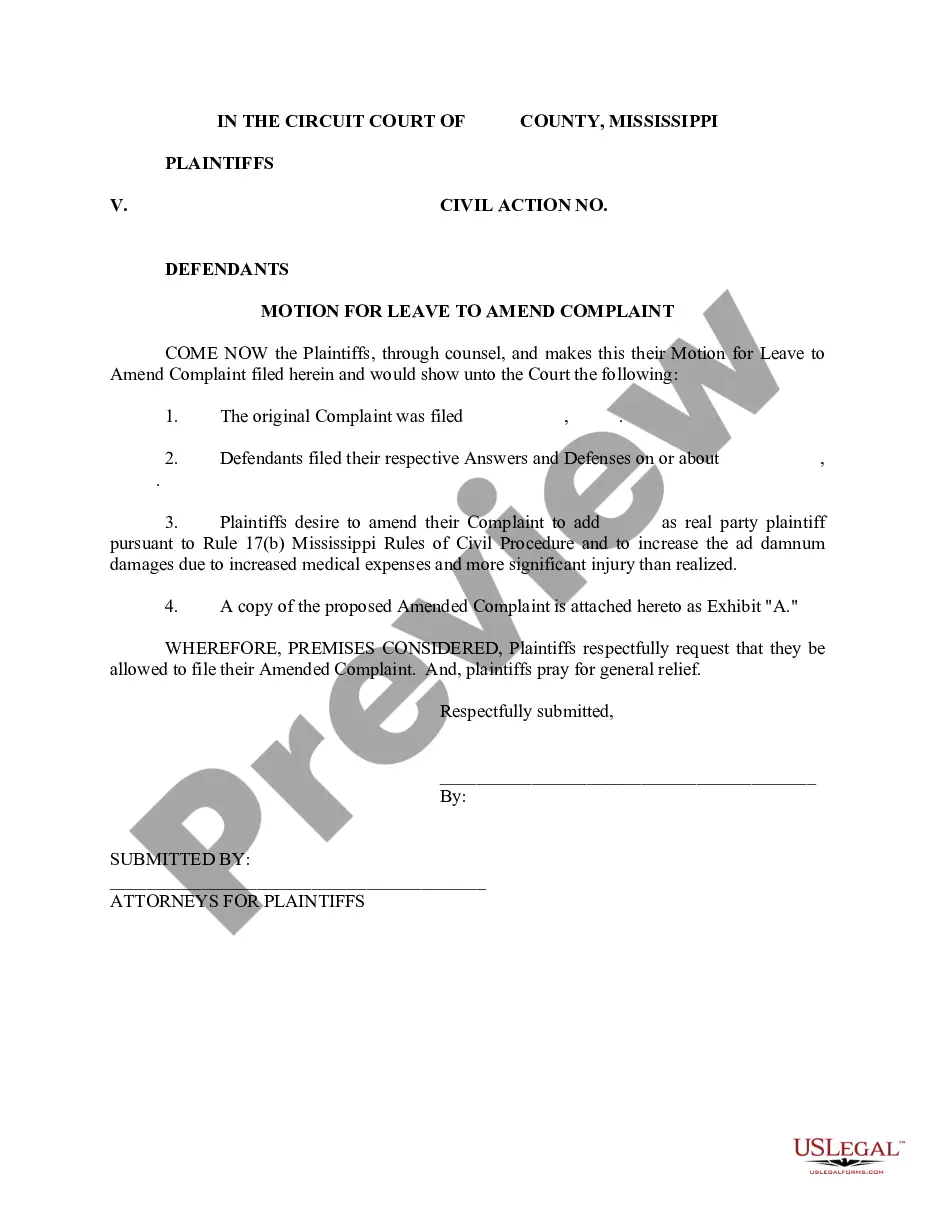
Louisiana Receipt and Release
What this document covers
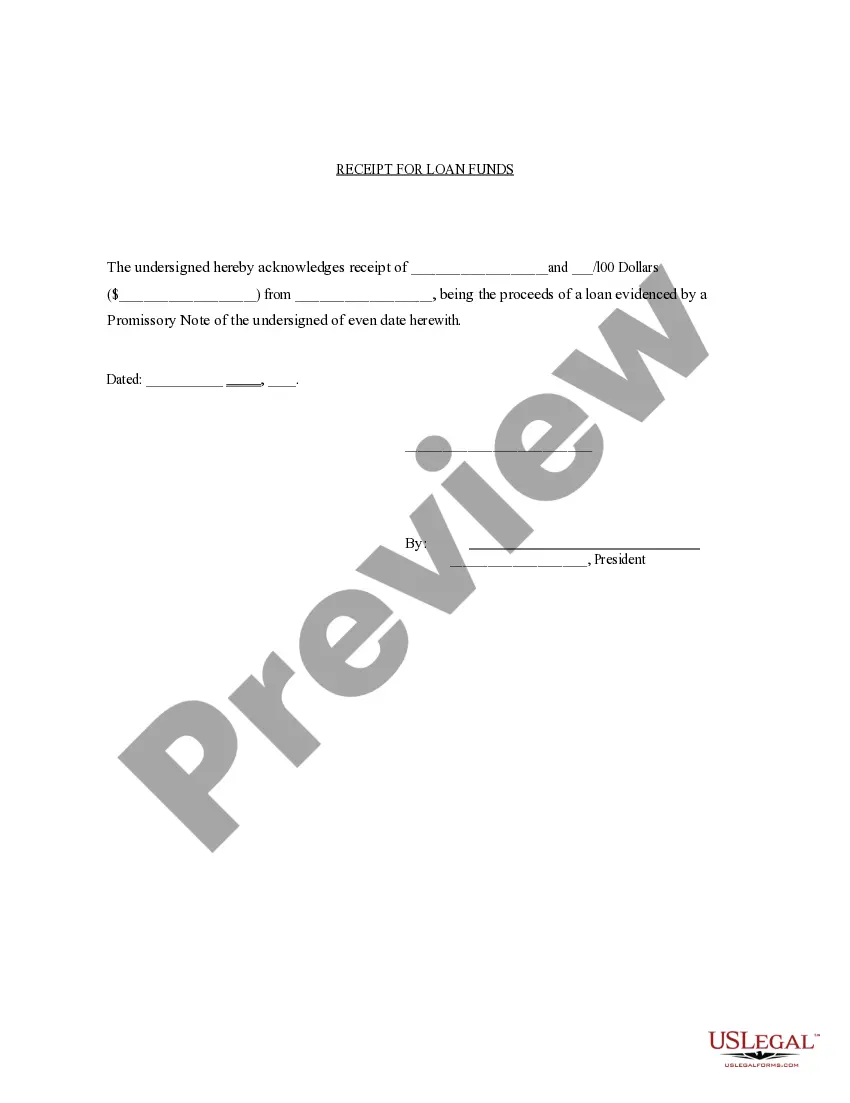
The Receipt and Release is a legal document used to acknowledge the receipt of payment for an unsecured conventional obligation. This form specifically serves to confirm that a creditor accepts the payment as full settlement of any outstanding balance related to various obligations, such as promissory notes or open accounts. It is essential for both creditors and borrowers to clarify their financial transactions and conclude their obligations appropriately.
Key components of this form
- Identification of the parish where the release is executed.
- The names and addresses of the creditor and borrower.
- Details about the agent representing the creditor.
- The specific payment amount being acknowledged.
- Clear description of the type of obligation and related documents.
- Signature fields for both parties and a notary public.

When to use this form
This form should be used when a borrower has satisfied a financial obligation to a creditor and both parties wish to formally document this agreement. It is particularly useful in situations involving unsecured loans, open accounts, or other business transactions where a clear release of obligation is necessary to prevent future disputes.
Who should use this form
- Creditors who have received payment from a borrower for an unsecured debt.
- Borrowers wishing to ensure that their obligations are formally released after payment.
- Businesses and individuals involved in transactions requiring documentation of payment and release of debt.
How to prepare this document
- Identify the parish where the release is being executed.
- Fill in the names and addresses of both the creditor and borrower.
- Specify the payment amount acknowledged by the creditor.
- Describe the type of obligation and any relevant documents.
- Ensure the signatures of both parties and the notary public are obtained.
Notarization requirements for this form
This form needs to be notarized to ensure legal validity. US Legal Forms provides secure online notarization powered by Notarize, allowing you to complete the process through a verified video call, available anytime.
Get your form ready online
Our built-in tools help you complete, sign, share, and store your documents in one place.
Make edits, fill in missing information, and update formatting in US Legal Forms—just like you would in MS Word.
Download a copy, print it, send it by email, or mail it via USPS—whatever works best for your next step.
Sign and collect signatures with our SignNow integration. Send to multiple recipients, set reminders, and more. Go Premium to unlock E-Sign.
If this form requires notarization, complete it online through a secure video call—no need to meet a notary in person or wait for an appointment.
We protect your documents and personal data by following strict security and privacy standards.

Make edits, fill in missing information, and update formatting in US Legal Forms—just like you would in MS Word.

Download a copy, print it, send it by email, or mail it via USPS—whatever works best for your next step.

Sign and collect signatures with our SignNow integration. Send to multiple recipients, set reminders, and more. Go Premium to unlock E-Sign.

If this form requires notarization, complete it online through a secure video call—no need to meet a notary in person or wait for an appointment.

We protect your documents and personal data by following strict security and privacy standards.
Avoid these common issues
- Failing to include all necessary details about the parties involved.
- Not providing a clear description of the obligations being released.
- Omitting signatures from one or more parties or the notary public.
- Using an incorrect or vague payment amount that does not match any obligations.
Why complete this form online
- Convenient access to the form at any time, without the need to visit a legal office.
- Editable templates allow users to customize the form to their specific situation.
- Instant downloads provide immediate access to documentation needed for financial transactions.
- Reliable resources ensure the form complies with necessary legal standards.
Looking for another form?

Form popularity
FAQ
If there is a refusal to sign the final release, then the executor should seek a court order to approve the final accounting without release.
Beneficiaries often must sign off on the inheritance they receive to acknowledge receipt of the distribution. For example, if you inherit a portion of real estate from the decedent, you must sign a deed accepting that real estate.
If you are a beneficiary and have been asked to sign a release or waiver under suspicious or unfair circumstances, do not sign anything until you have a lawyer review the release with you.
States vary, but the deadline is commonly within 30 or 60 days of the settlor's death. How long does a trustee have to notify beneficiaries? This is partially because creditors against the estate need time to become aware of the process and make any claims against the estate.
A release provides protection to the trustee in a scenario where the beneficiary later decides to sue the trustee. The trustee can use the release to show that the beneficiary released the trustee of any legal claims the beneficiary might later bring.