Probate

Probate forms help manage and settle an estate after someone’s death. Access attorney-drafted templates that make estate administration clear, efficient, and easy to complete online.

intro Probate
Form preview

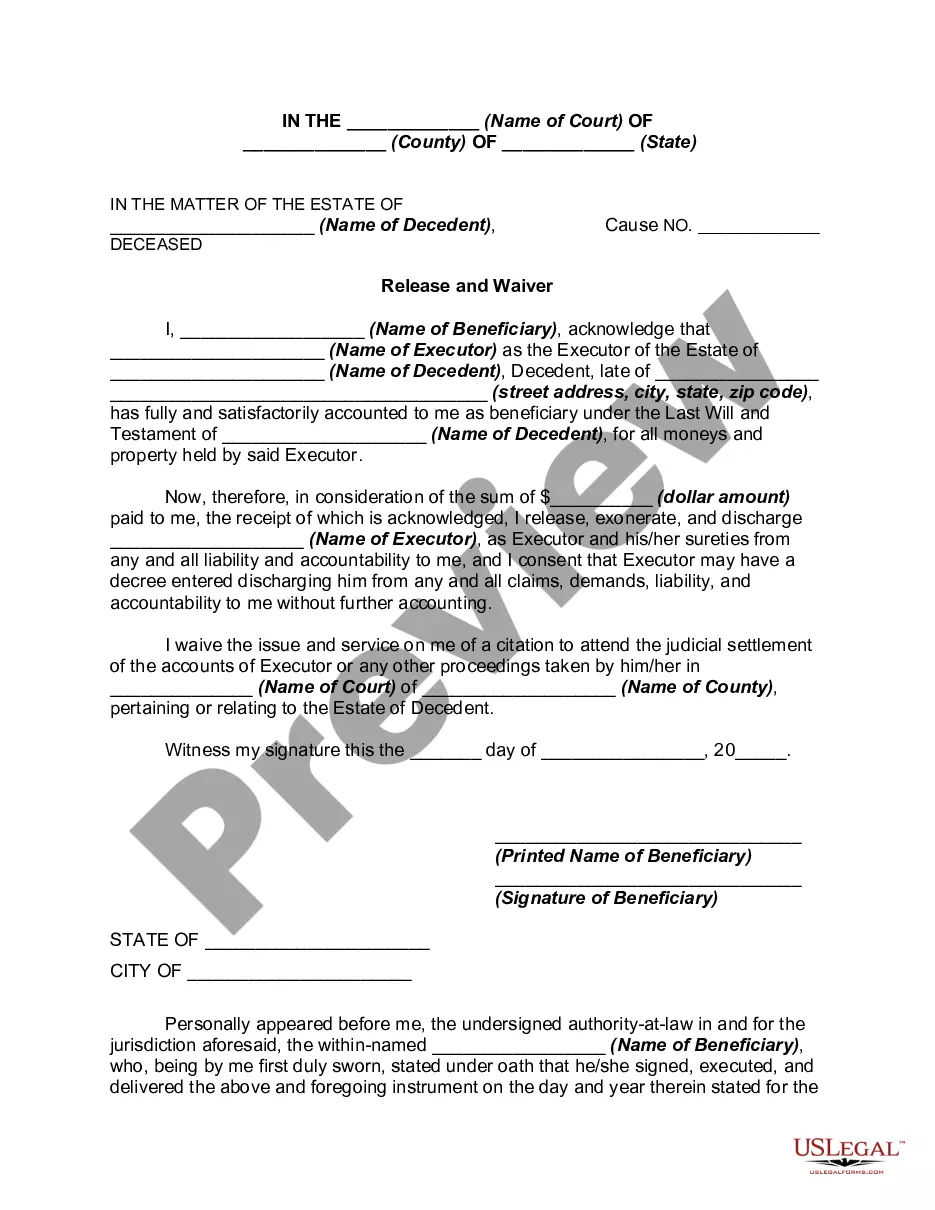
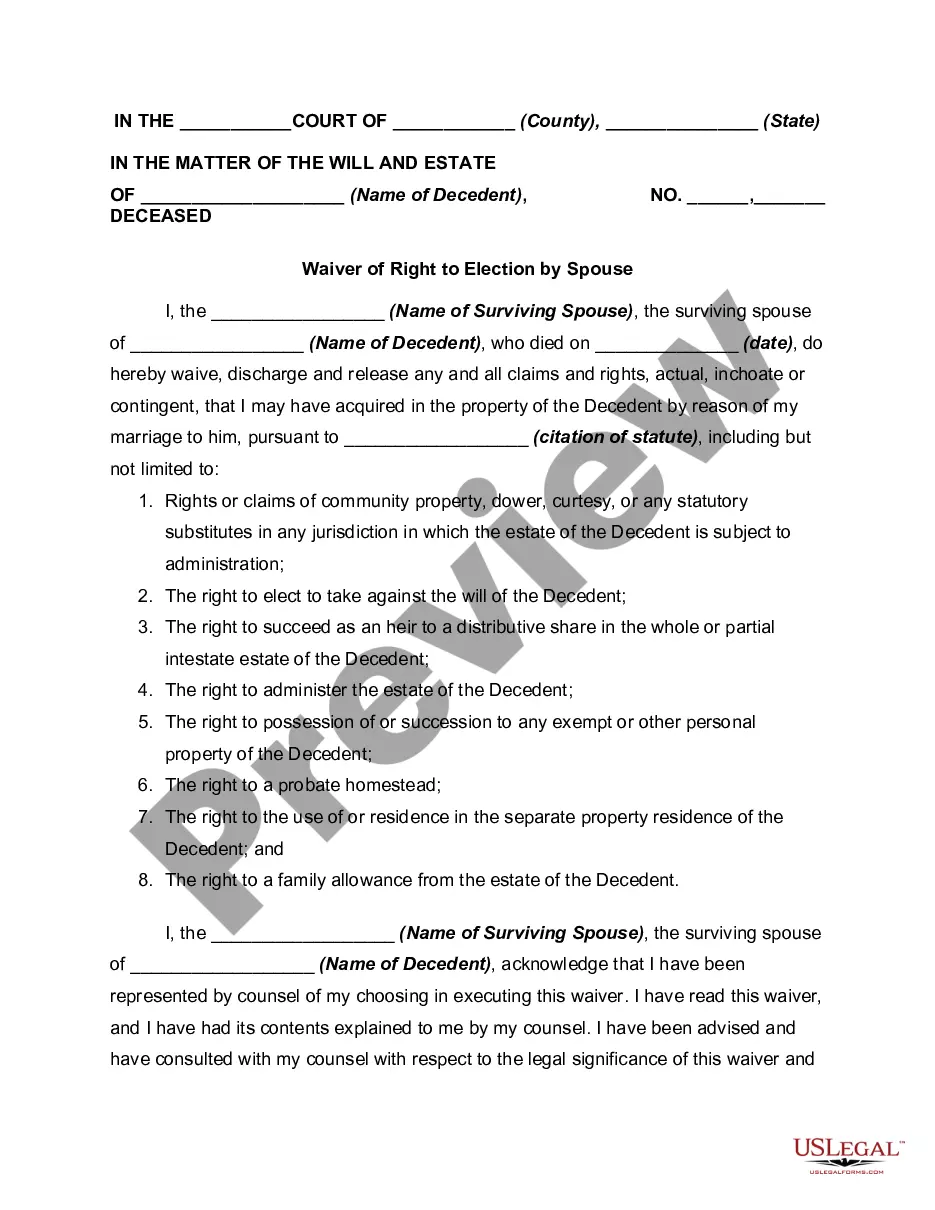
Summary Administration for Estates Not More Than $37,050 - Small Estates

Use this form to initiate a simplified estate administration for estates valued under $37,050, streamlining the process for small estates.

Select your state Please select your state
Select state
Get form

Common Probate documents

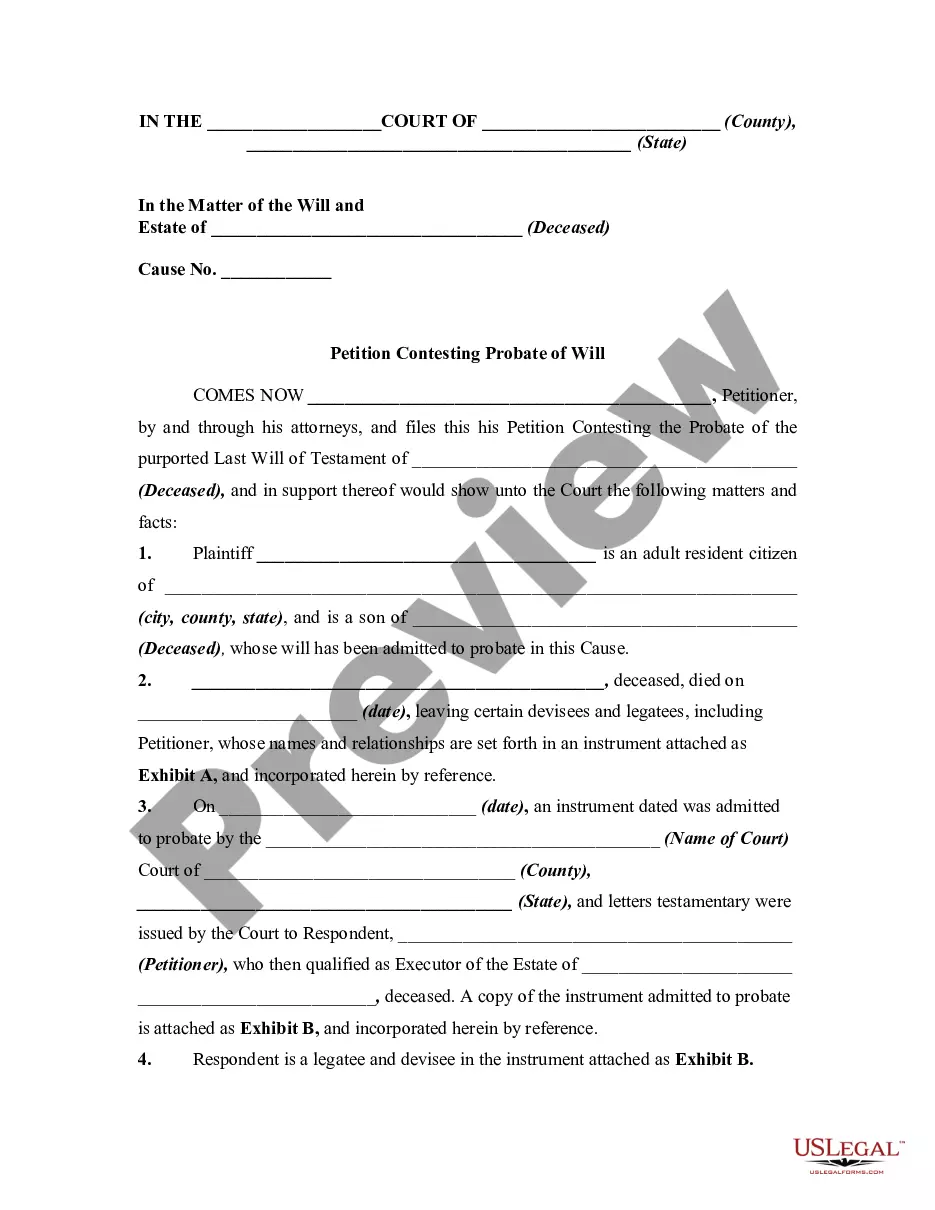
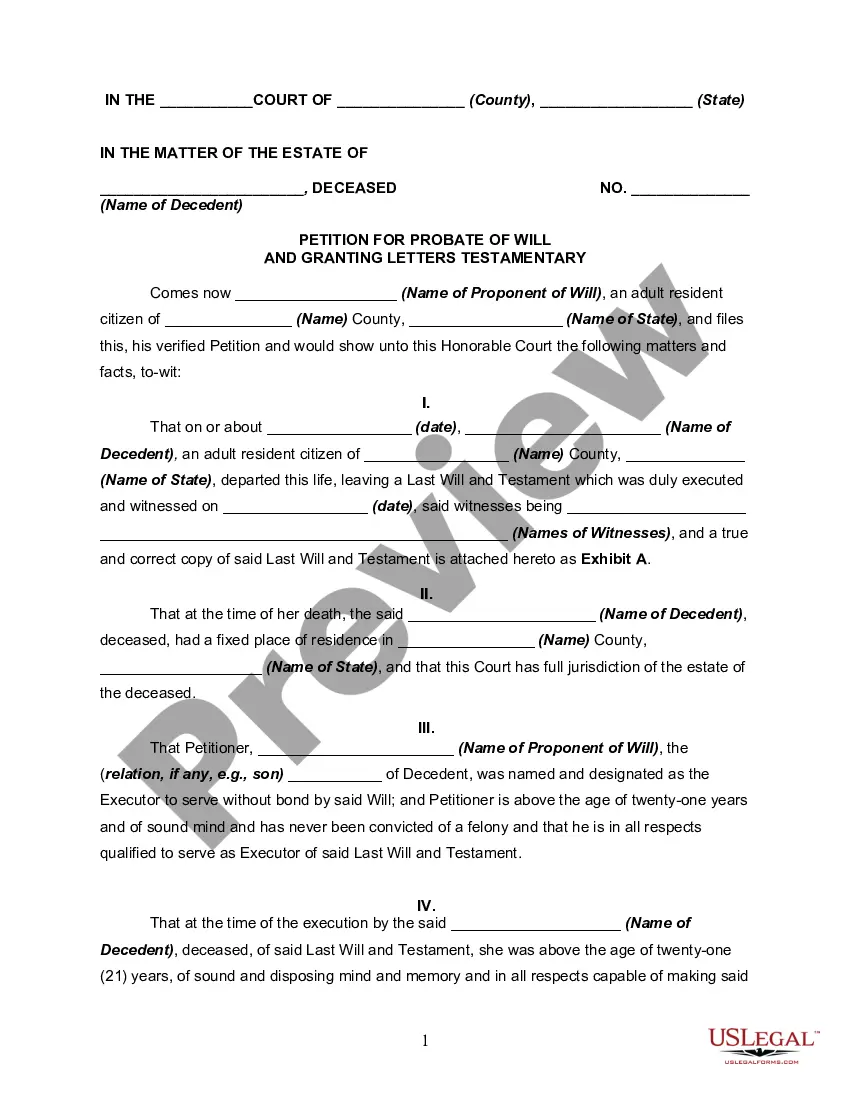
  • Petition for Probate — Requests court approval to begin the probate process.
  • Letters Testamentary — Authorizes an executor named in a will to manage the estate.
  • Letters of Administration — Appoints an administrator when there’s no will.
  • Inventory and Appraisement Form — Lists estate assets and values for court review.
  • Notice of Probate — Notifies heirs and creditors that probate has started.
  • Final Accounting Form — Details income, expenses, and distributions before closing the estate.
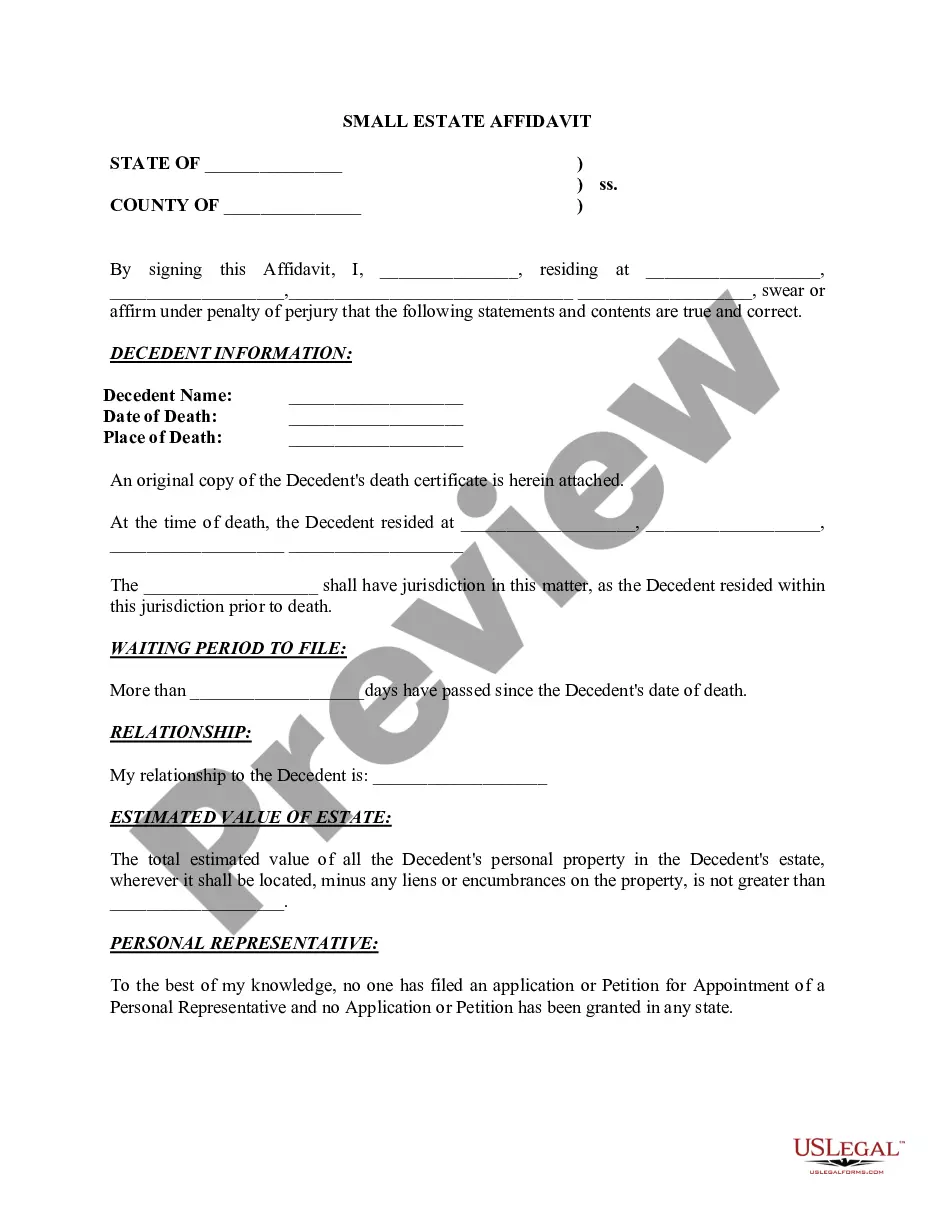
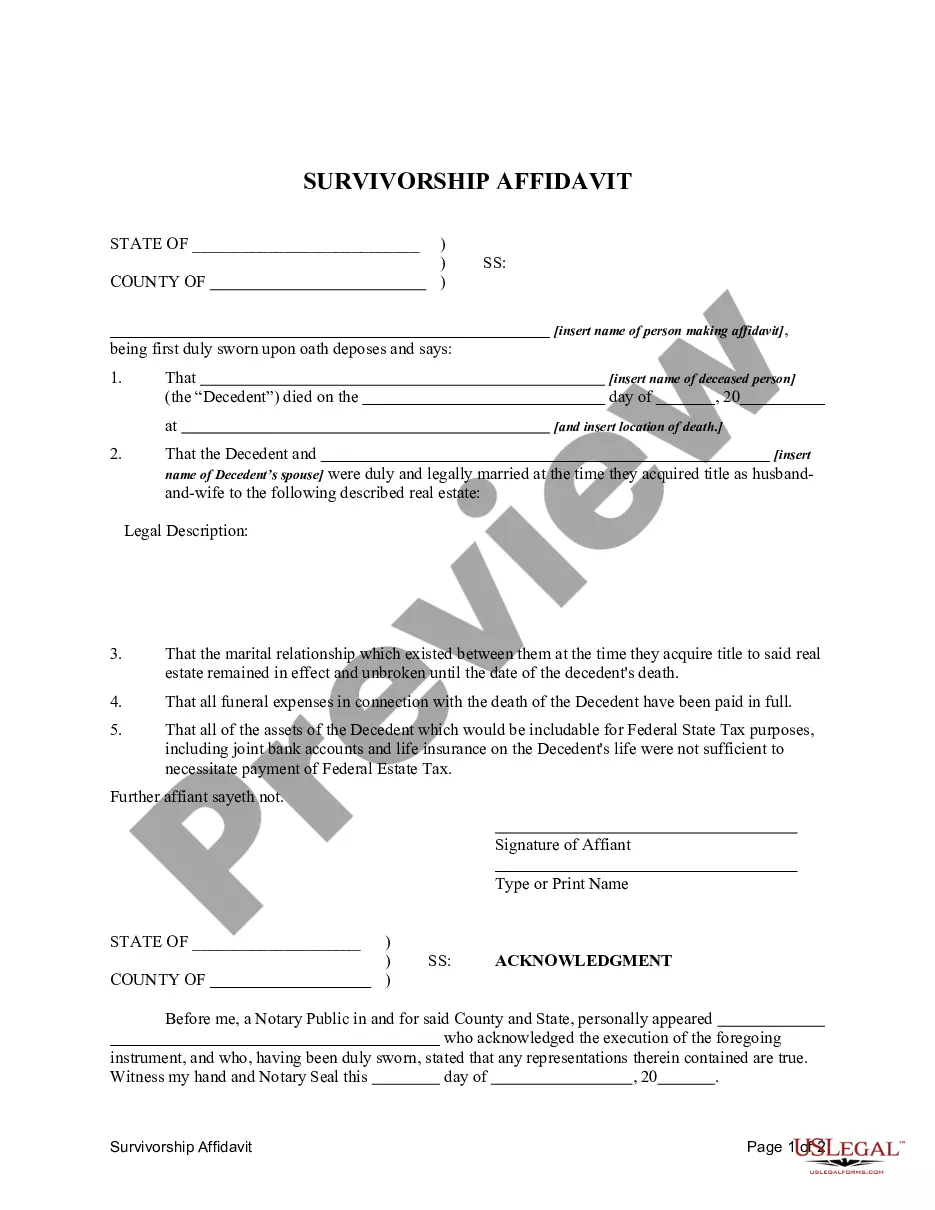
  • Small Estate Affidavit — Allows transfer of assets without full probate when the value of the estate qualifies.
  • Affidavit for Collection of Personal Property — Simplifies collection of small amounts of property outside court.
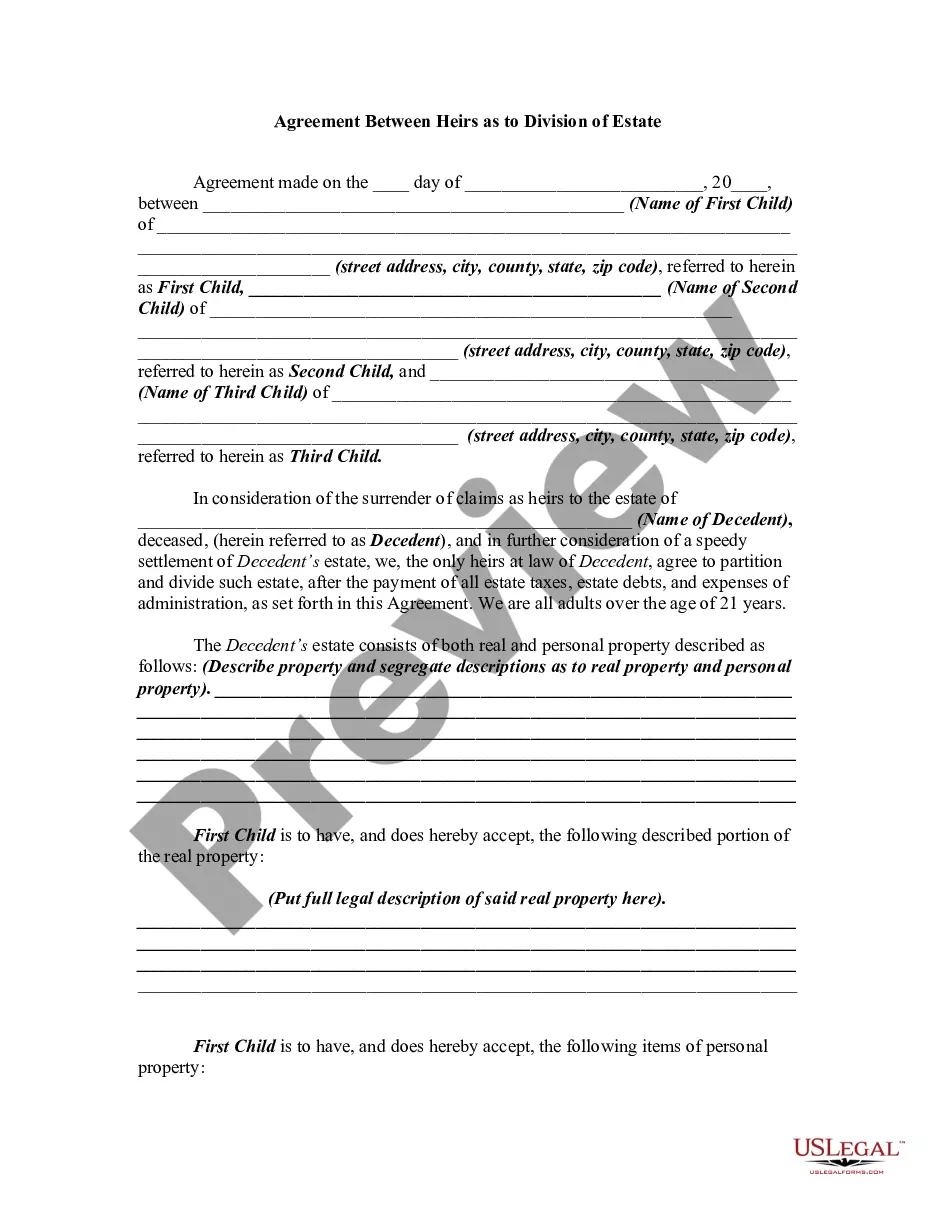
  • Estate Distribution Form — Records how assets are divided among beneficiaries.

Similar documents: key differences

  • Letters Testamentary vs. Letters of Administration — Testamentary applies when there’s a will; administration applies when there isn’t.
  • Petition for Probate vs. Petition for Letters of Administration — Both start probate, but one relies on a will and the other doesn’t.
  • Executor vs. Administrator — Executor acts under a will; administrator handles estates without one.
  • Summary Administration vs. Formal Probate — Summary is simplified for smaller or uncontested estates; formal probate involves full court supervision.
  • Small Estate Affidavit vs. Full Probate Petition — A small estate affidavit skips formal probate if the estate meets value limits.
  • Probate vs. Non-Probate Assets — Probate assets go through court; non-probate transfer automatically by title or beneficiary designation.

How to get started

Begin settling an estate or small estate quickly with these steps.

  • Find the probate or small estate form package that fits your situation.
  • Review the description, preview, and signing requirements.
  • Get full access with a subscription.
  • Complete your documents easily in the online editor.
  • Export or send — download, email, mail, notarize online, or e-sign (Premium).

FAQs

It confirms a will’s validity, settles debts, and ensures property is distributed according to law or the will.

A small estate is one with limited assets that may qualify for simplified transfer using an affidavit instead of full probate.

No. Some assets pass directly to heirs through beneficiary designations or joint ownership.

Usually a trusted person named in the will or appointed by the court if none is named.

After debts, taxes, and distributions are completed and the final accounting is approved by the court.

Glossary

  • Probate — Court process settling a deceased person’s estate.
  • Executor — Person named in a will to manage the estate.
  • Administrator — Appointed when no will exists.
  • Letters Testamentary — Court authorization for an executor.
  • Letters of Administration — Appointment for an estate without a will.
  • Petition for Probate — Request to open probate.
  • Small Estate Affidavit — Form to transfer assets from small estates without full probate.
  • Inventory — List of estate property and appraised values.
  • Final Accounting — Report of estate income, expenses, and distributions.
  • Estate Distribution — Division of remaining property among heirs or beneficiaries.

Trusted by over 3 million people of the world’s leading companies