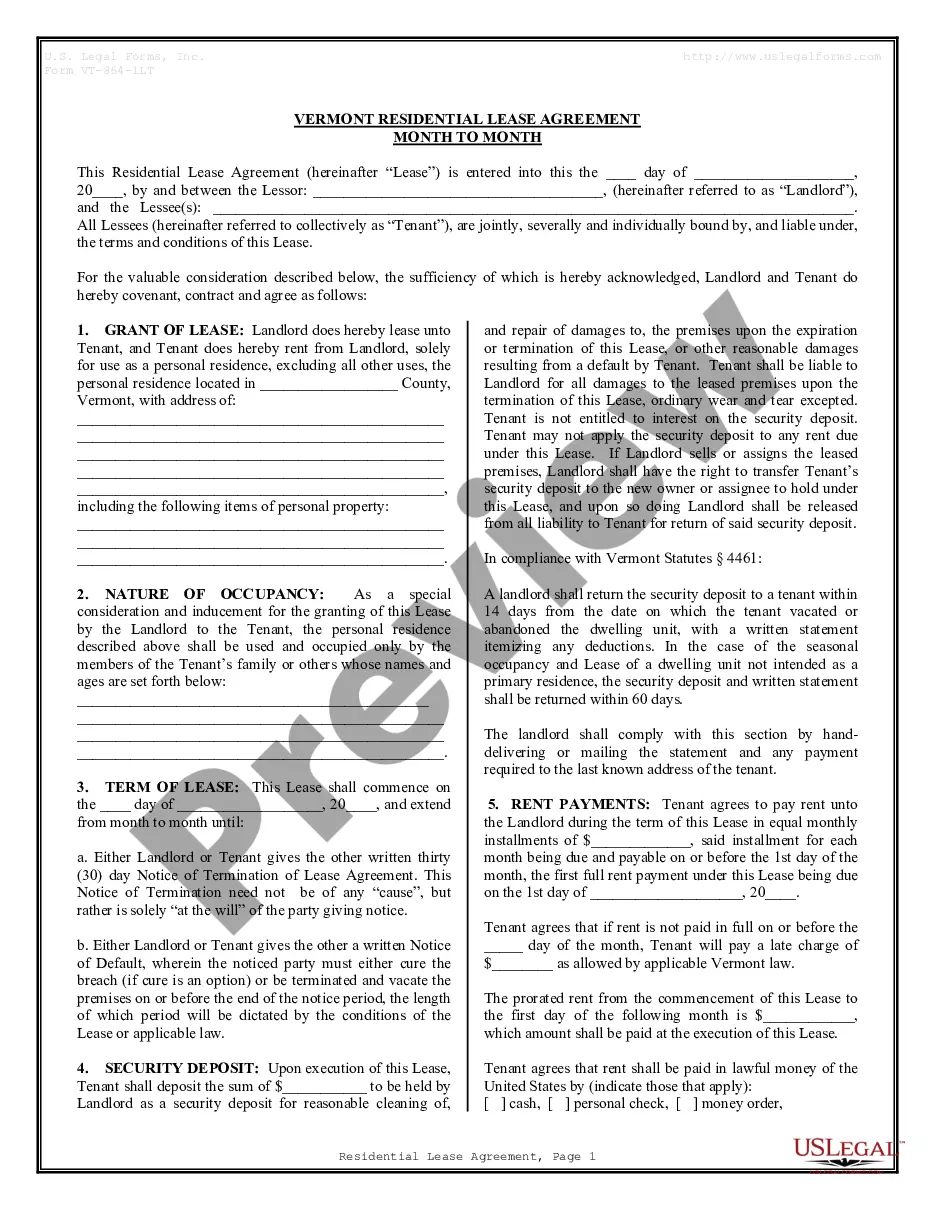
What is Lease?
Leases are legal agreements between landlords and tenants outlining the terms of property rental. These documents are used in various leasing scenarios. Explore our state-specific templates for your needs.
Leases are essential documents for rental agreements in Vermont. Our attorney-drafted templates are quick and simple to complete.

Get everything you need for lease purchase agreements in one place, including essential legal forms for buying or selling real estate.
Access a collection of essential forms for transferring a lease to another party, providing everything you need in one convenient package.
Get everything needed to manage storage services and handle customer issues in one convenient package.
Access essential forms to modify lease terms conveniently and stay compliant with state laws.
Everything needed for managing commercial leases in one place, including multiple related forms for landlords and tenants.
Get essential forms for storage agreements and customer defaults in one convenient package.
This package provides multiple legal forms for managing commercial landlord-tenant relationships, offering everything needed for smooth operation in one place.
Everything you need for managing commercial landlord-tenant relationships in one convenient package of related legal forms.
Get everything needed for efficient landlord-tenant relationships in one place with multiple related legal forms.
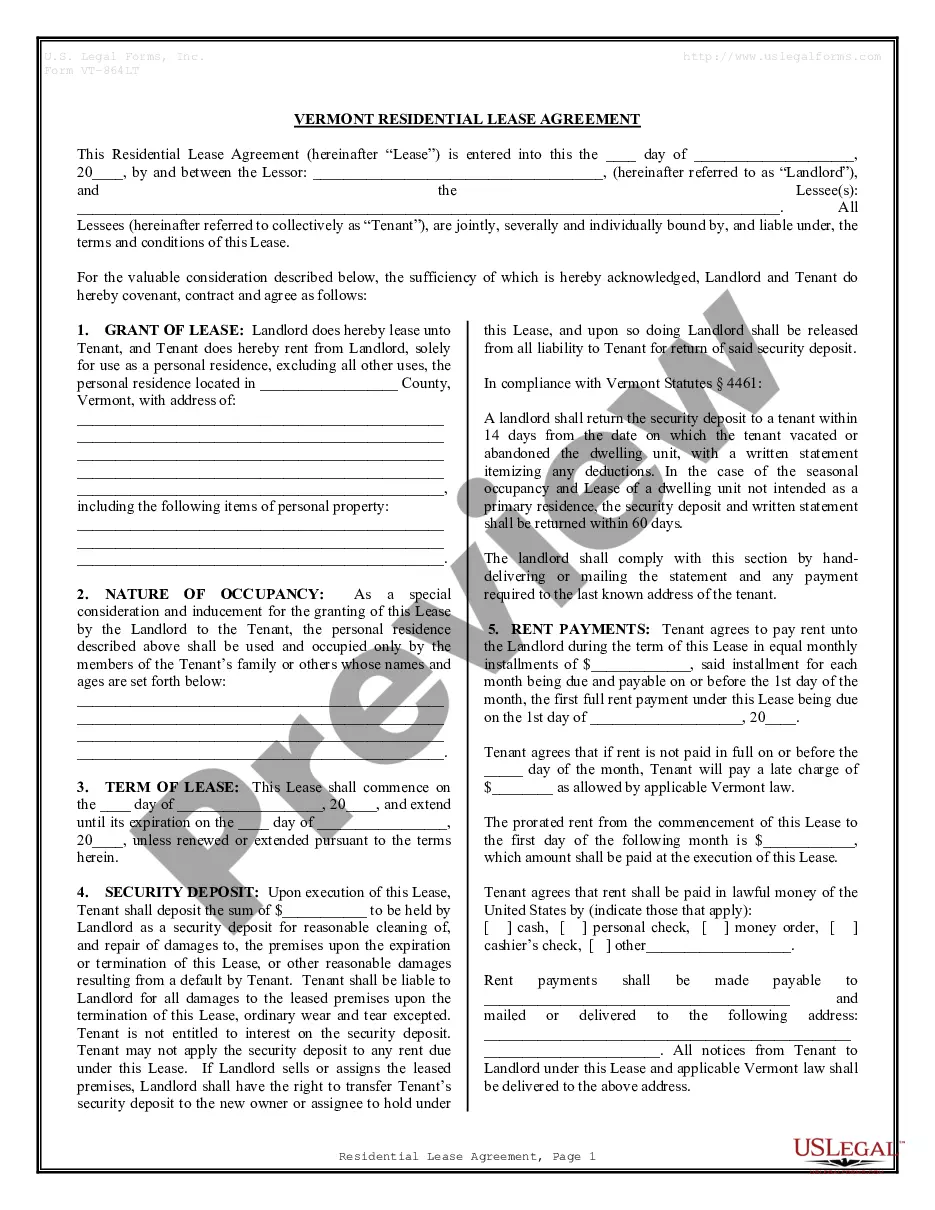
Secure your rental arrangement with this essential document outlining rights and responsibilities of landlords and tenants in Vermont.
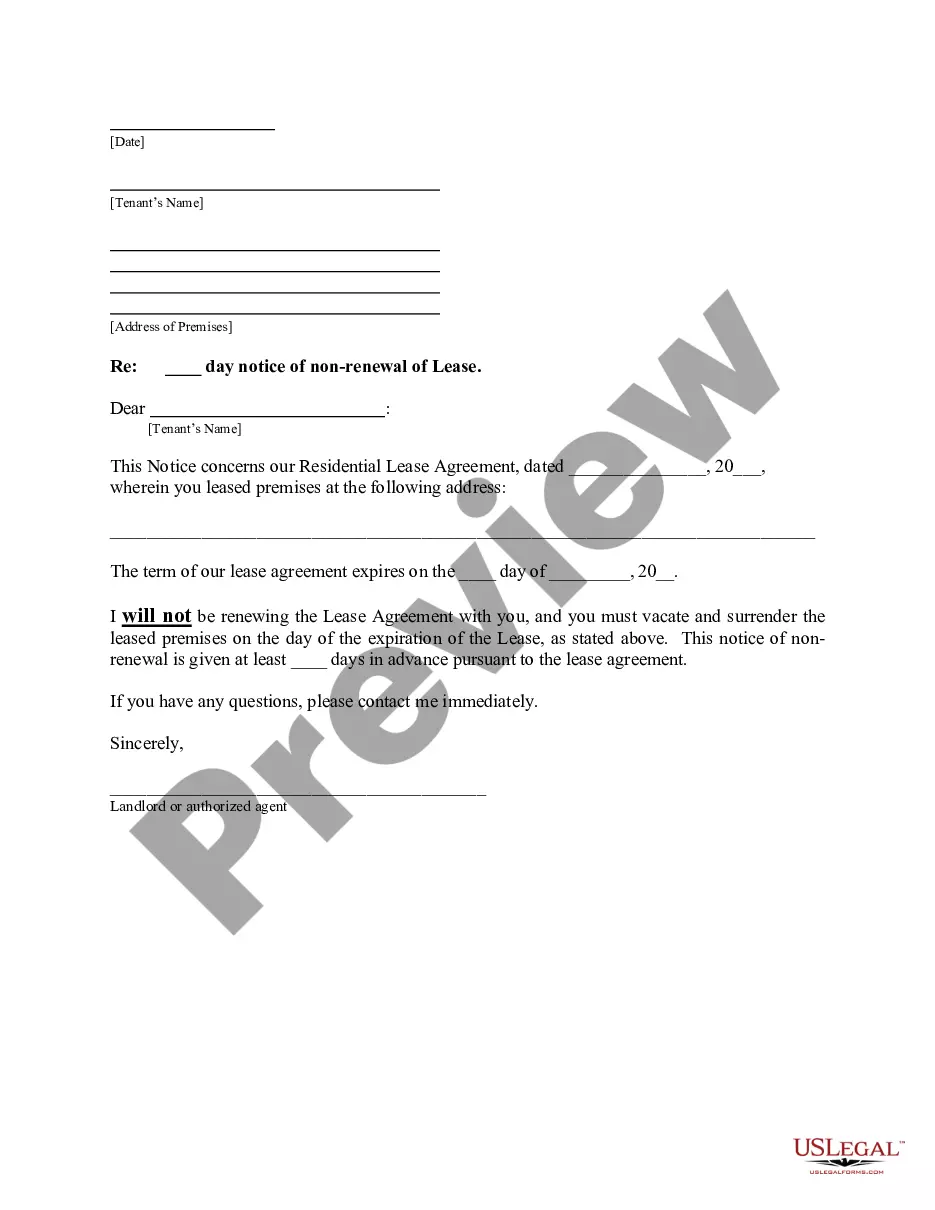
Notify tenants about lease expiration and non-renewal, ensuring they vacate the premises on schedule.
Get everything you need for lease purchase agreements in one place, including essential legal forms for buying or selling real estate.
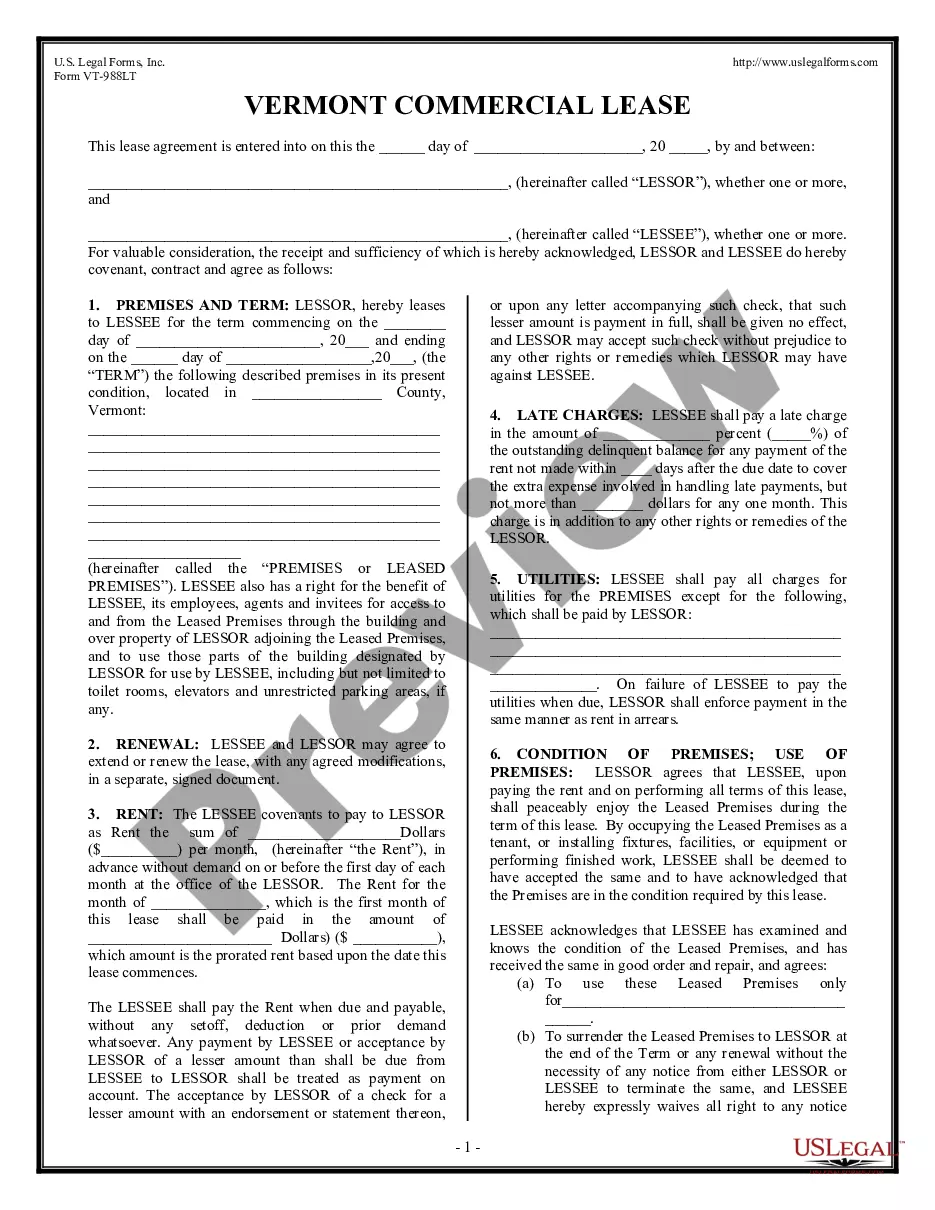
Establish terms for leasing commercial space, detailing responsibilities, payments, and conditions for both landlord and tenant.
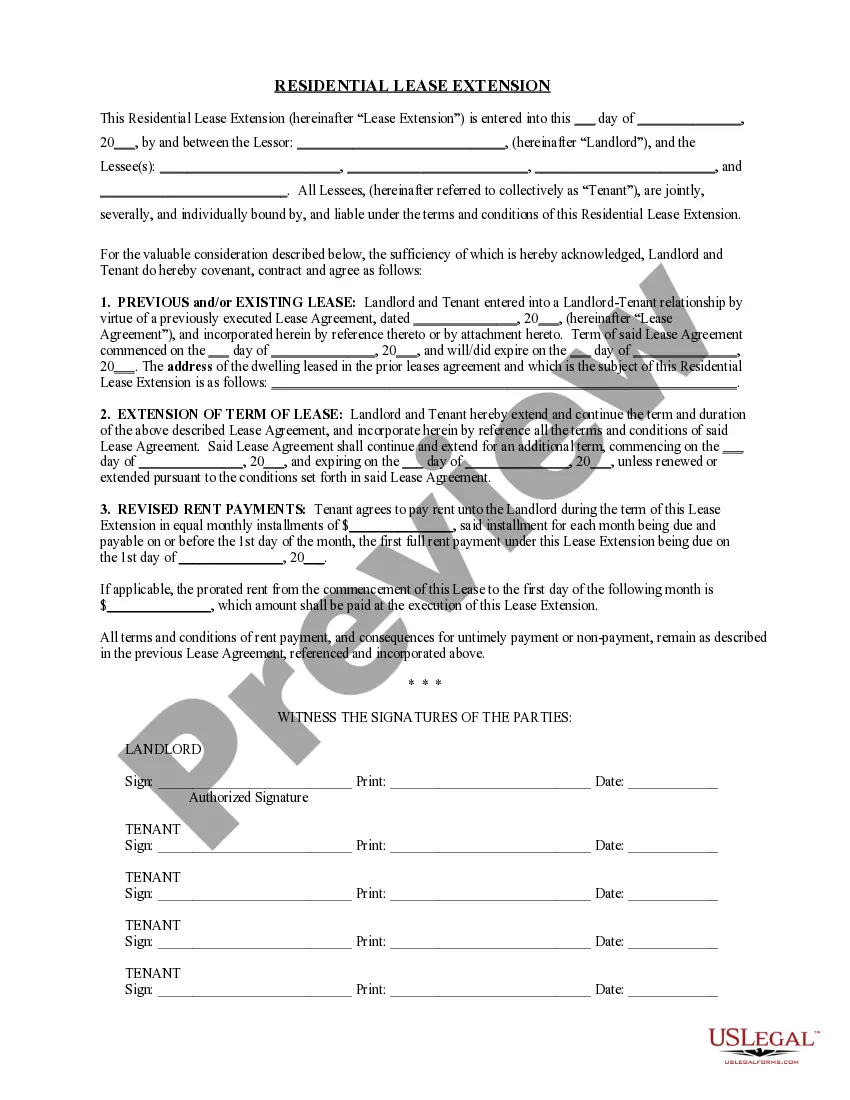
Extend your existing lease agreement to maintain your rental arrangement without interruption.
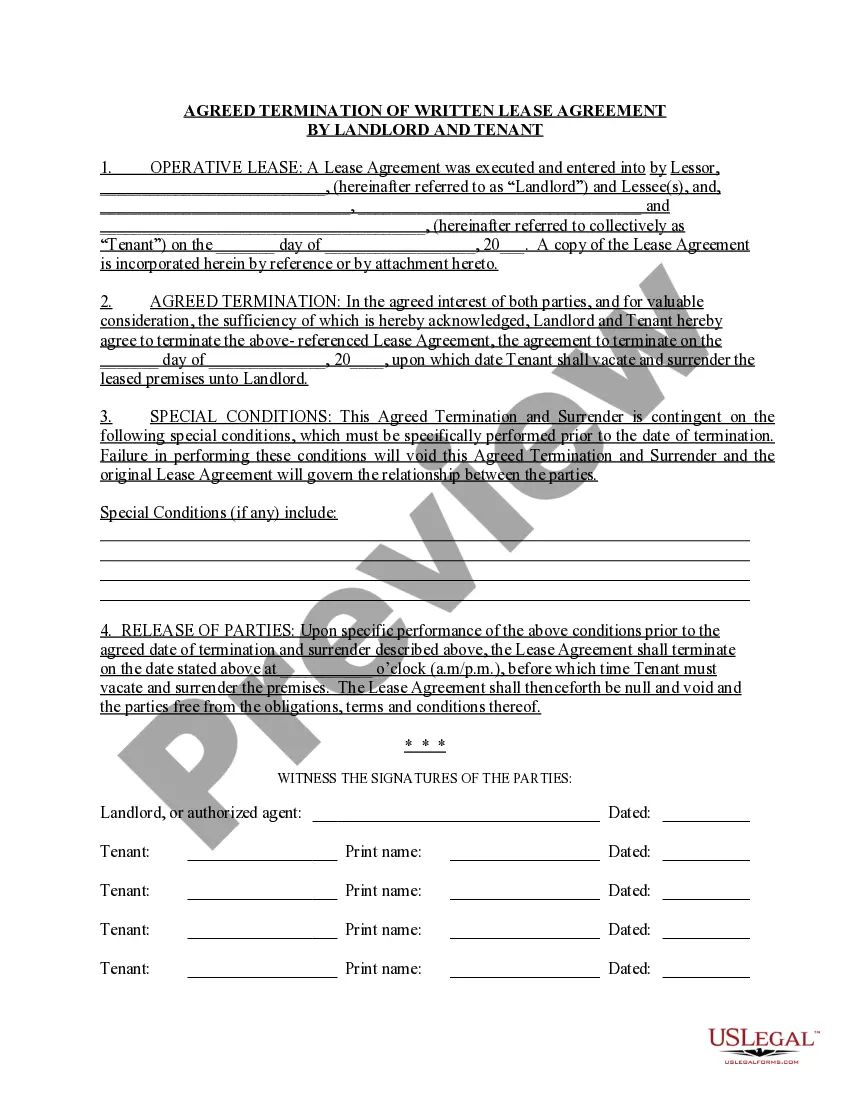
Find out how to formally end a lease agreement as both landlord and tenant agree on termination terms.
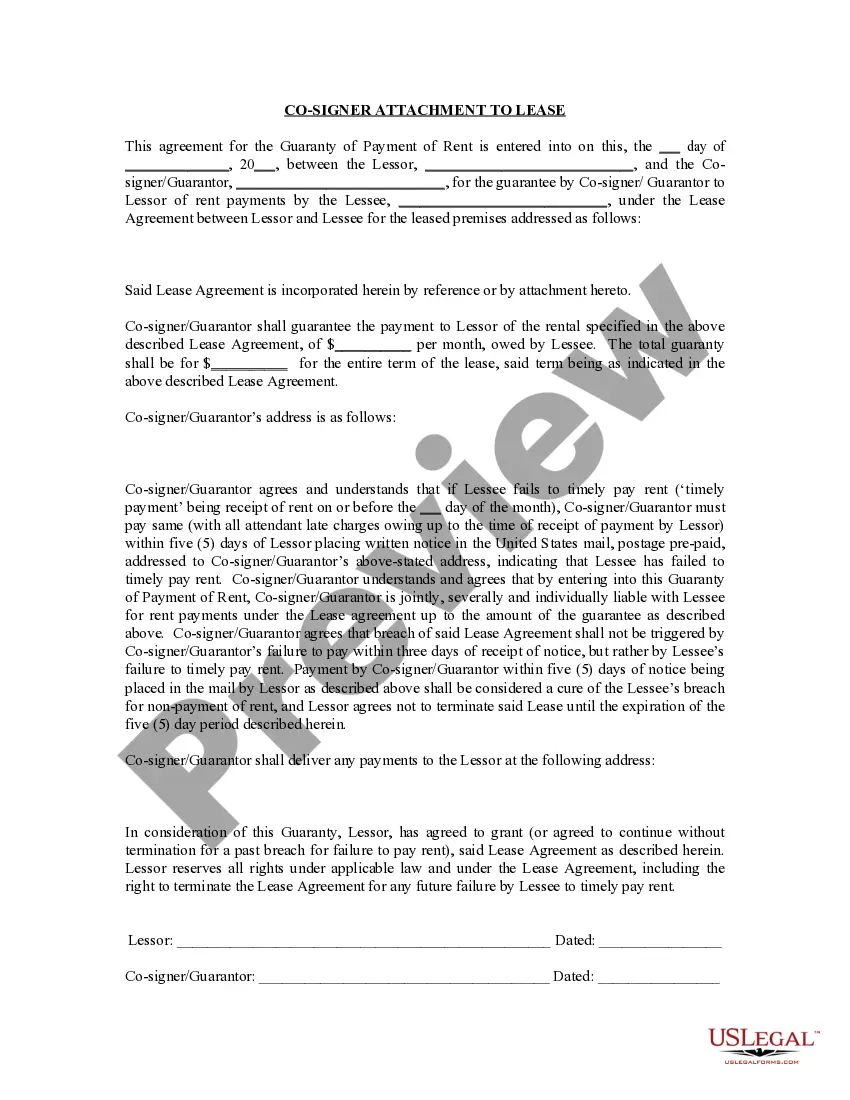
Ensure financial security in a lease agreement by adding a cosigner or guarantor to share responsibility for rent payments.
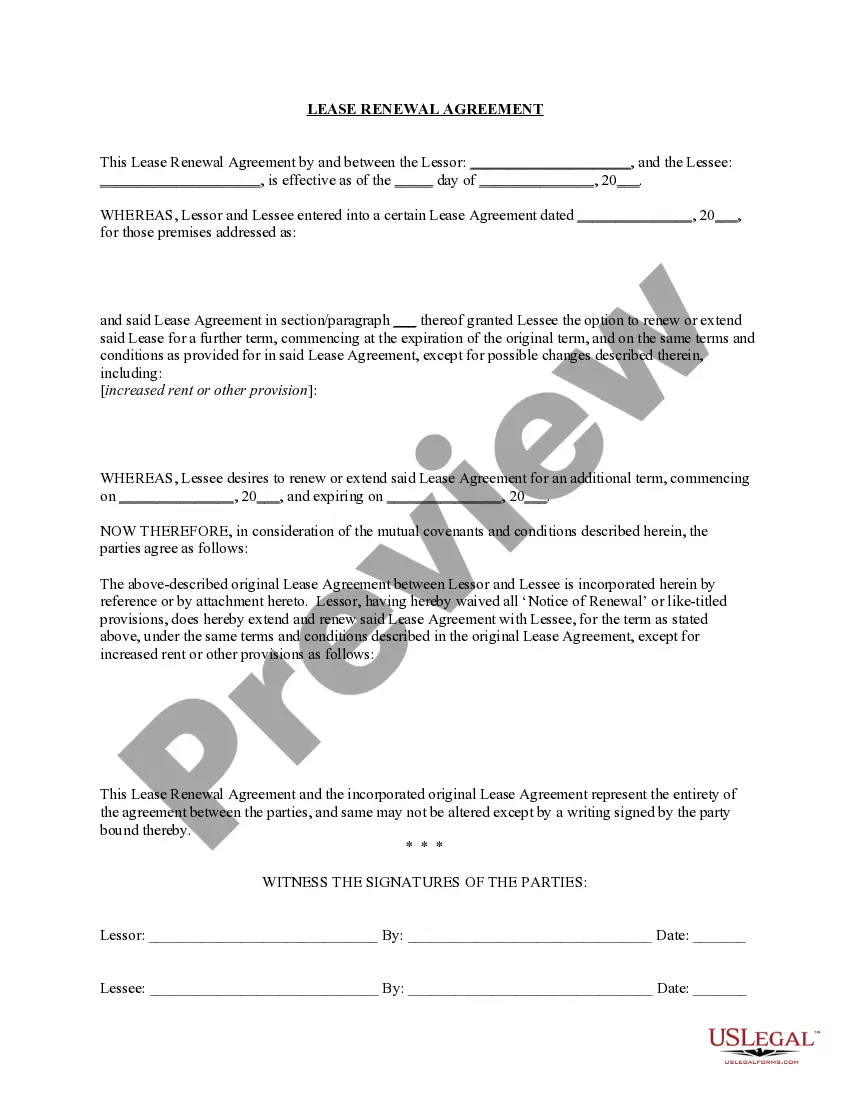
Renew your lease easily with this agreement to ensure continued tenancy and updated terms.
Ideal for flexible housing arrangements, this agreement allows tenants and landlords to establish terms for month-to-month rental occupancy.
Leases define the rights and responsibilities of landlords and tenants.
Most residential leases require specific information about rental terms.
Security deposits are often collected to cover potential damages.
Termination clauses outline how a lease can be ended by either party.
Both parties should keep copies of signed lease agreements.
Begin in just a few minutes with these easy steps.
A lease is a legal agreement between a landlord and tenant regarding property rental.
Yes, many leases include terms for renewal or extension.
Breaking a lease may result in penalties or loss of the security deposit.
While verbal agreements can be valid, written leases are recommended for clarity.
A lease typically covers a longer duration than a rental agreement.