Vermont Amendment of Residential Lease
Understanding this form
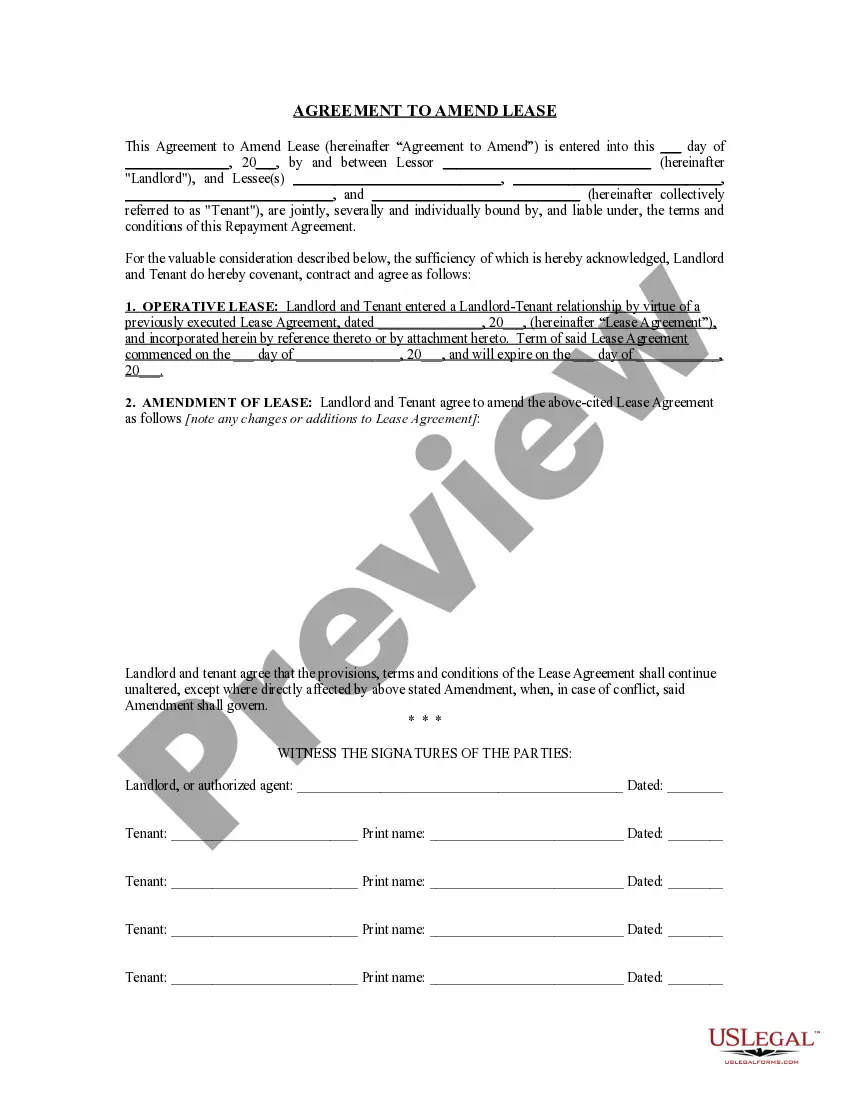
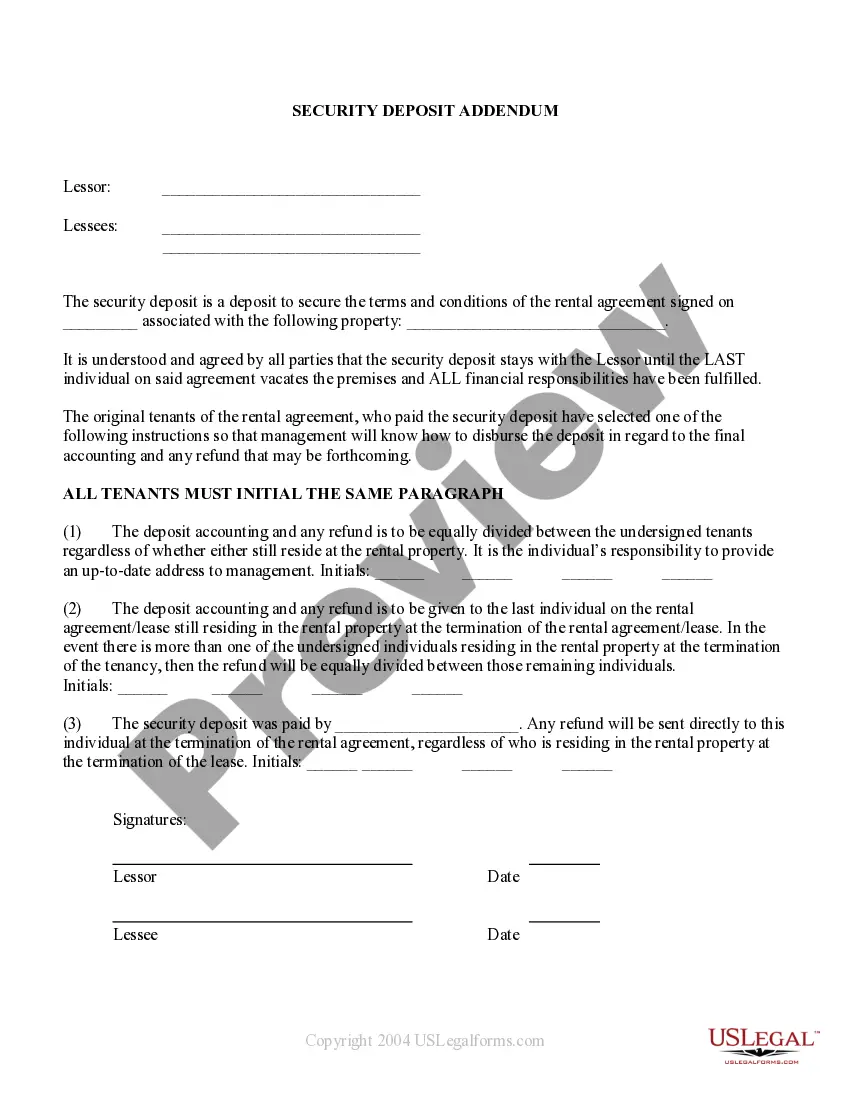
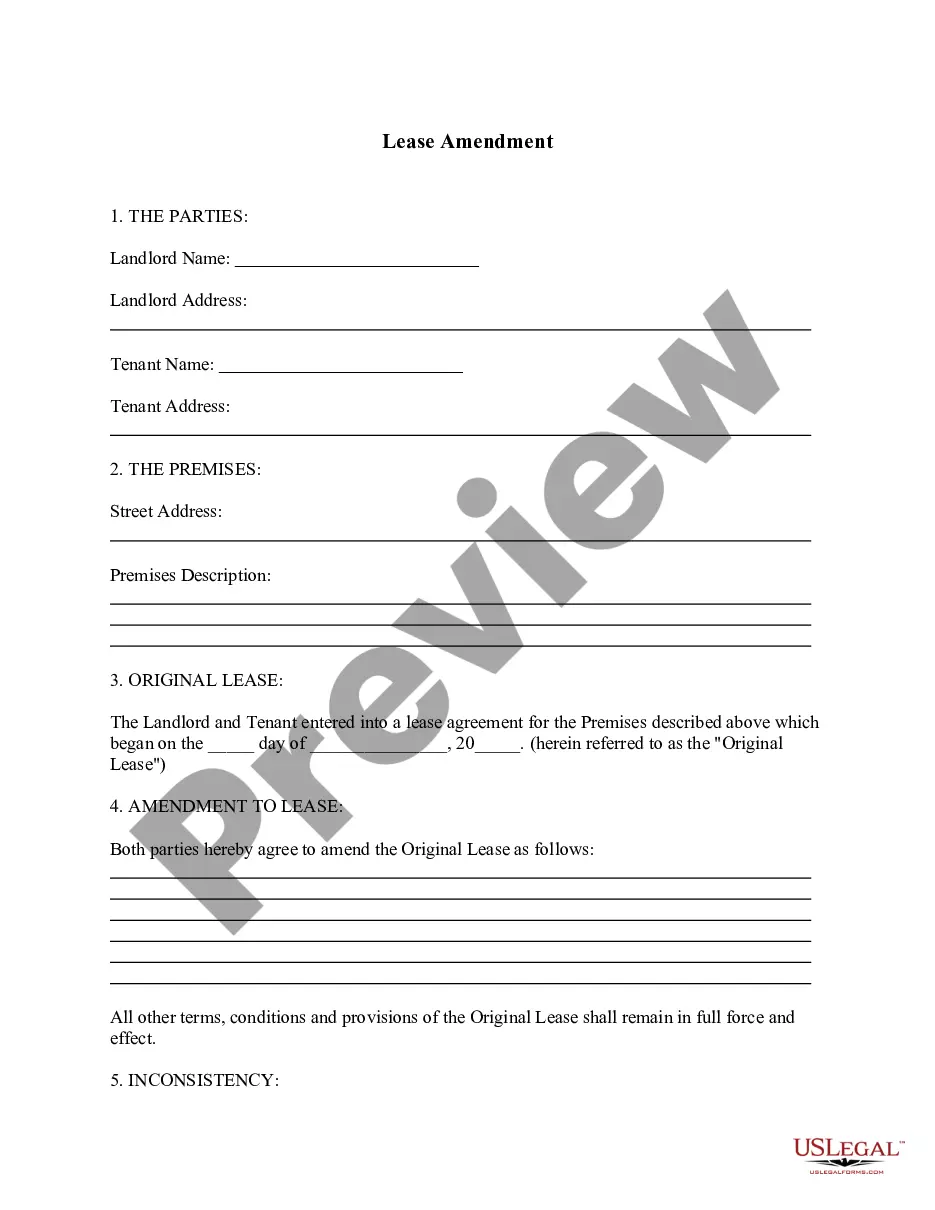
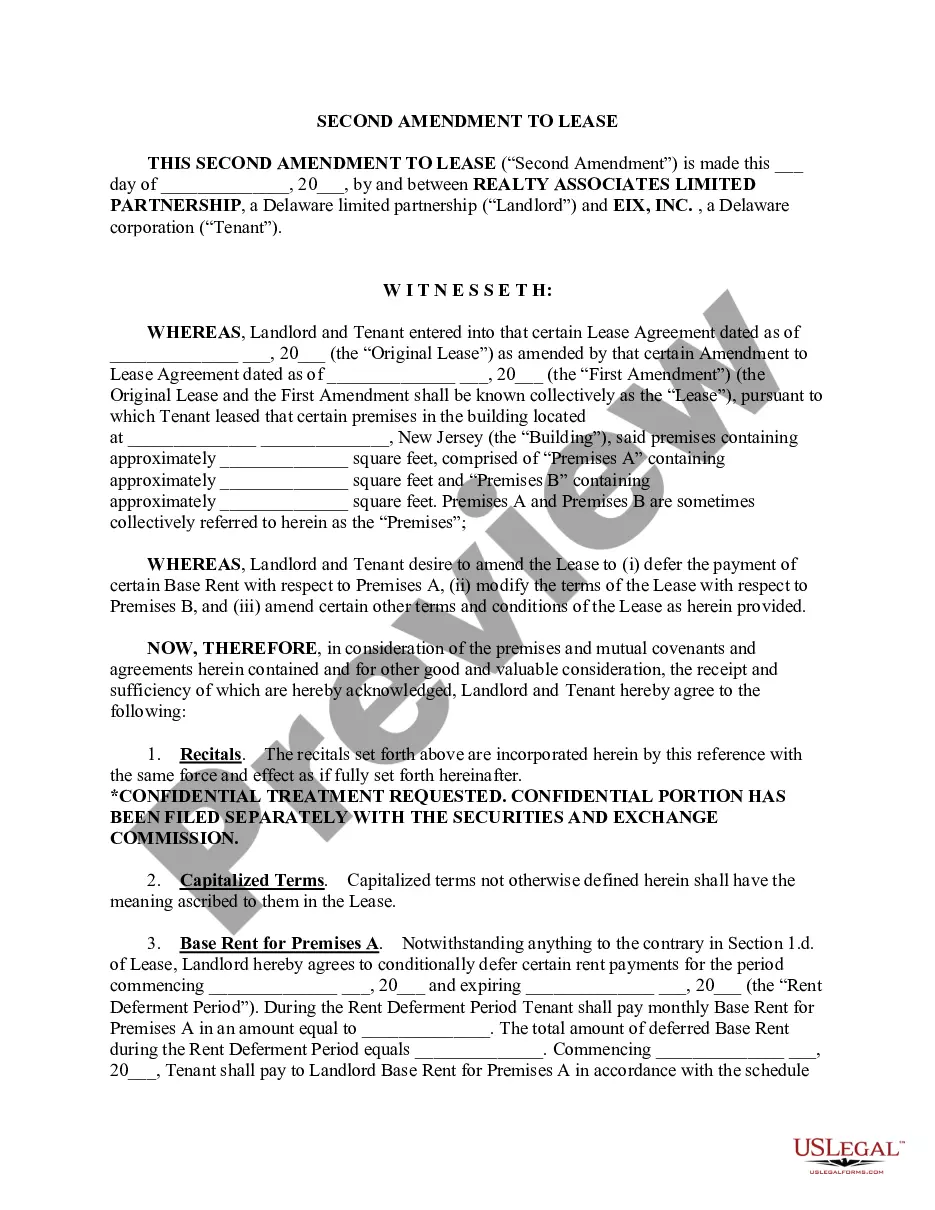
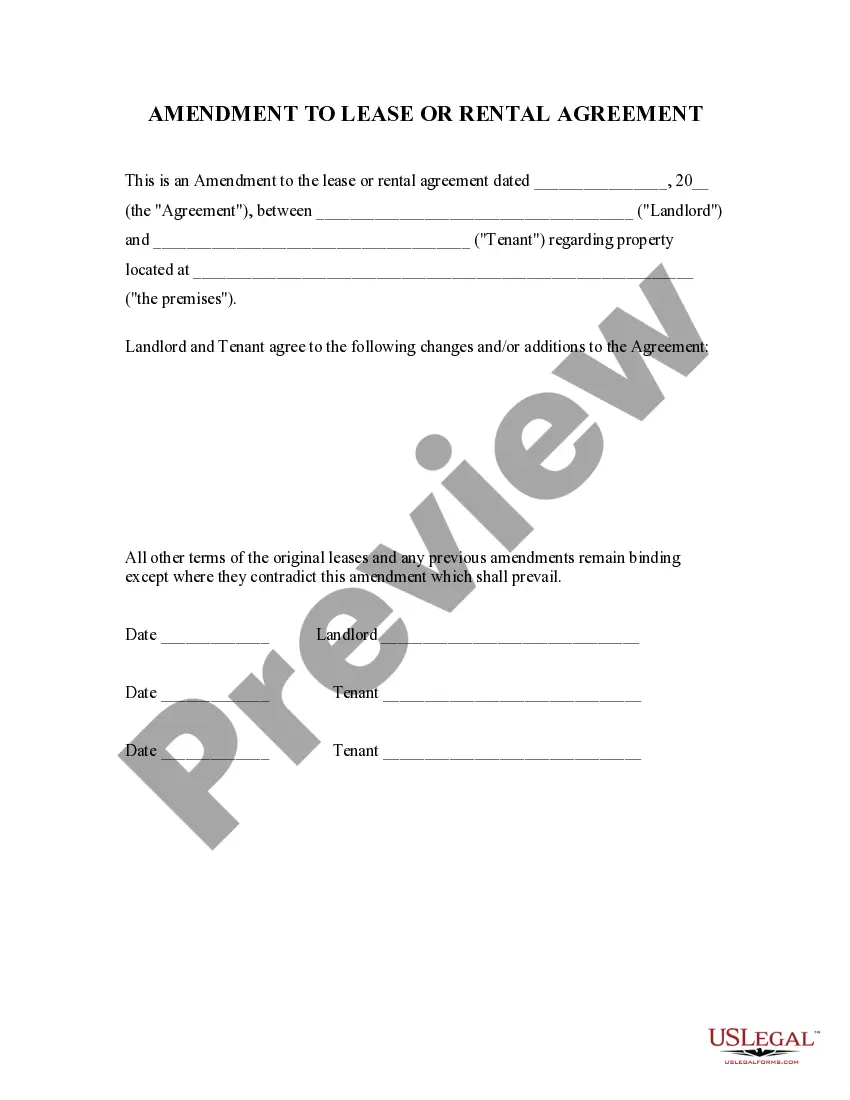
The Amendment of Residential Lease is a legal document used to modify existing terms in a residential lease agreement. This form allows landlords and tenants to agree on changes without misunderstanding, ensuring compliance with state laws. It differs from other lease forms by specifically focusing on amendments, rather than terms of a new lease.
Form components explained
- Parties involved: Identification of the landlord and tenant(s).
- Original lease reference: Details of the initial lease agreement being amended.
- Amendments: Clear specifications of the changes to be made to the lease terms.
- Effective date: The date when the amendments take effect.
- Signatures: Space for both parties to sign and date the amendment.
When to use this form
This form should be used in situations where changes to an existing residential lease agreement are necessary. Examples include modifications to the rent amount, lease duration, or any special conditions that have arisen during the tenancy. It is essential when the landlord and tenant reach a mutual understanding on changes that need to be formally documented.
Who can use this document
- Landlords who wish to adjust terms of a current lease.
- Tenants who need to propose changes to their lease agreement.
- Property management companies managing lease agreements.
How to complete this form
- Identify all parties involved: Enter the names of the landlord and tenant(s).
- Reference the original lease: Specify the original lease agreement date.
- Detail the amendments: Clearly state the changes to the lease terms.
- Specify the effective date: Indicate when the amendments will take effect.
- Gather signatures: Ensure all parties sign and date the form.
Does this form need to be notarized?
This form does not typically require notarization unless specified by local law. It is advisable to check local regulations to ensure compliance with all legal requirements related to lease amendments.
Get your form ready online
Our built-in tools help you complete, sign, share, and store your documents in one place.
Make edits, fill in missing information, and update formatting in US Legal Forms—just like you would in MS Word.
Download a copy, print it, send it by email, or mail it via USPS—whatever works best for your next step.
Sign and collect signatures with our SignNow integration. Send to multiple recipients, set reminders, and more. Go Premium to unlock E-Sign.
If this form requires notarization, complete it online through a secure video call—no need to meet a notary in person or wait for an appointment.
We protect your documents and personal data by following strict security and privacy standards.

Make edits, fill in missing information, and update formatting in US Legal Forms—just like you would in MS Word.

Download a copy, print it, send it by email, or mail it via USPS—whatever works best for your next step.

Sign and collect signatures with our SignNow integration. Send to multiple recipients, set reminders, and more. Go Premium to unlock E-Sign.

If this form requires notarization, complete it online through a secure video call—no need to meet a notary in person or wait for an appointment.

We protect your documents and personal data by following strict security and privacy standards.
Mistakes to watch out for
- Failing to include all parties' signatures.
- Not specifying the effective date of the amendments.
- Omitting reference to the original lease agreement.
- Using vague language in the amendments section.
Benefits of completing this form online
- Convenience of accessing the form anytime and from anywhere.
- Editability to tailor the amendments to specific needs.
- Reliable templates drafted by licensed attorneys, ensuring legal compliance.
What to keep in mind
Key takeaways regarding the Amendment of Residential Lease include:
- This form is essential for formalizing modifications to an existing lease agreement.
- All parties must agree to and sign the amendment for it to be enforceable.
- Understanding state-specific requirements is crucial when modifying lease terms.
Looking for another form?
Form popularity
FAQ
Moving In. In Alberta, most landlords require a tenant to pay a security deposit or damage deposit before moving in. A security deposit is a one-time only payment and cannot be more than one month's rent. A landlord must place a security deposit in a trust account within two days of receiving it.
Tenants cannot use a deposit as last month's rent. Deposits can be deducted from for unpaid rent, unpaid utility bills, damages and cleaning. Deposits cannot be kept as a penalty for breaking a lease. Leases can be verbal or written.
In some circumstances, a tenant can break a fixed-term agreement early without penalty. A tenant can give 14 days' written notice to end an agreement early without penalty if: they have accepted an offer of social housing (e.g. from DCJ Housing)
Vermont state law requires that before ending a tenancy a tenant must give the landlord notice in writing at least one full rental payment period prior to the move-out date, if there is no written rental agreement to the contrary.
Give the landlord/agent a written termination notice and vacate move out and return the keys according to your notice, and/or. apply to the NSW Civil & Administrative Tribunal (NCAT) for a termination order.
During the lease period, no landlord old or new may terminate the lease, raise the rent or change any terms without the tenant's consent, unless otherwise specified in the lease. At the end of the lease term, however, the landlord may raise rent and change lease terms dependent upon state and local laws.
Dear (Name of landlord or manager), This letter constitutes my written (number of days' notice that you need to give based on your lease agreement)-day notice that I will be moving out of my apartment on (date), the end of my current lease. I am leaving because (new job, rent increase, etc.)
Give the landlord/agent a written termination notice and vacate move out and return the keys according to your notice, and/or. apply to the NSW Civil & Administrative Tribunal (NCAT) for a termination order.
Unless such a condition is explicitly stated in the lease or there is a rare jurisdictional law that requires a cooling period, your lease is binding the second you sign your name. The landlord has the right to decide whether to mutually agree to terminate the lease or to hold you to the terms.