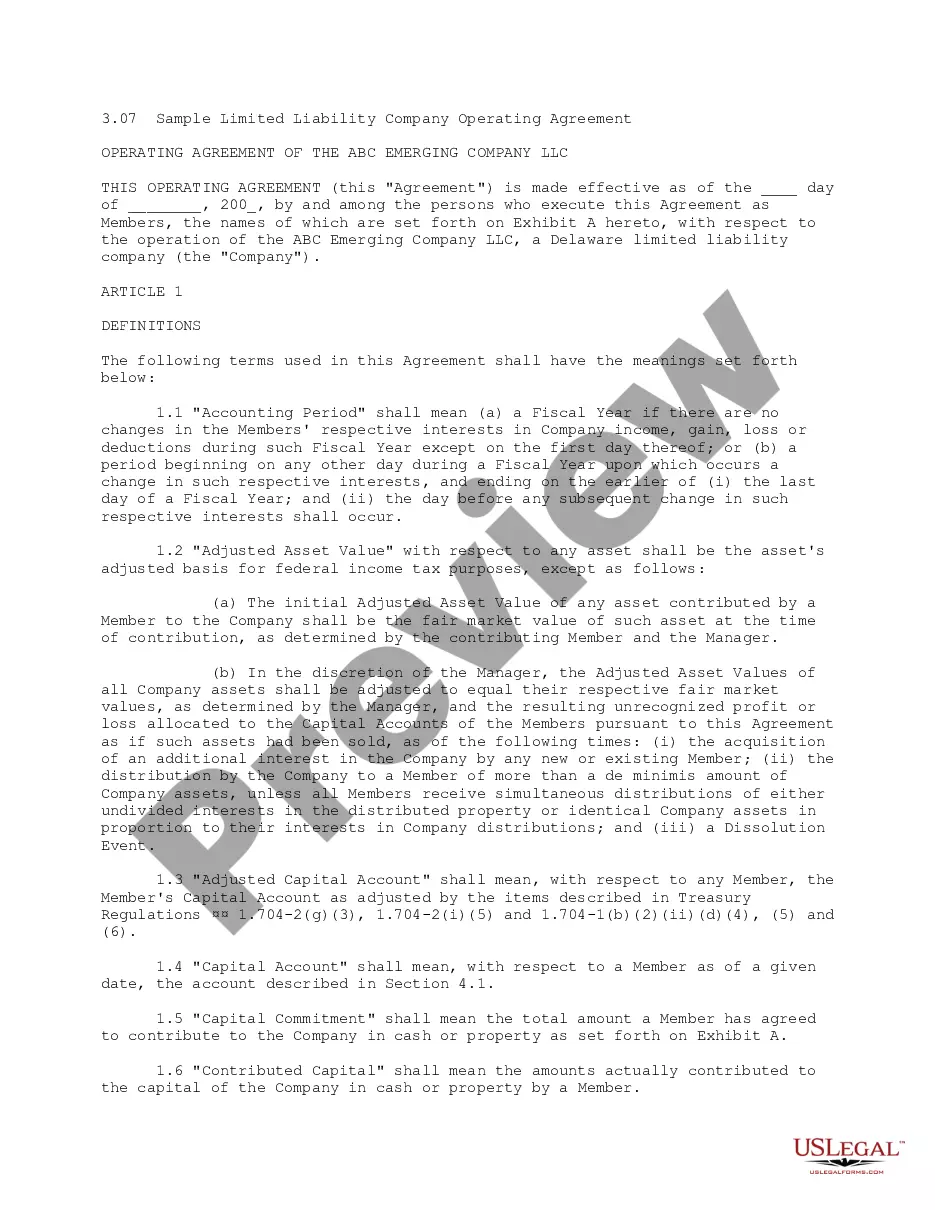
Lease Agreement - Office Space
Understanding this form
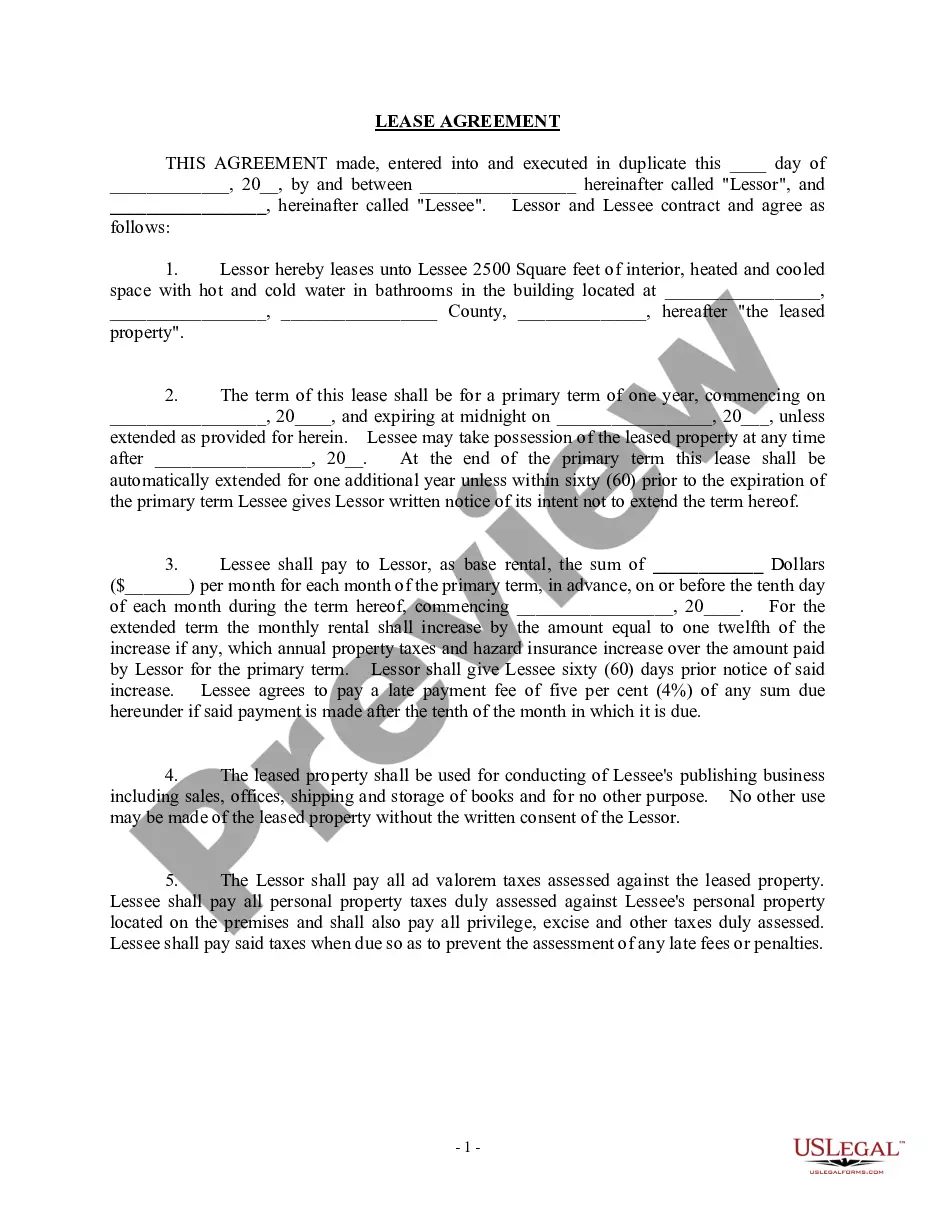
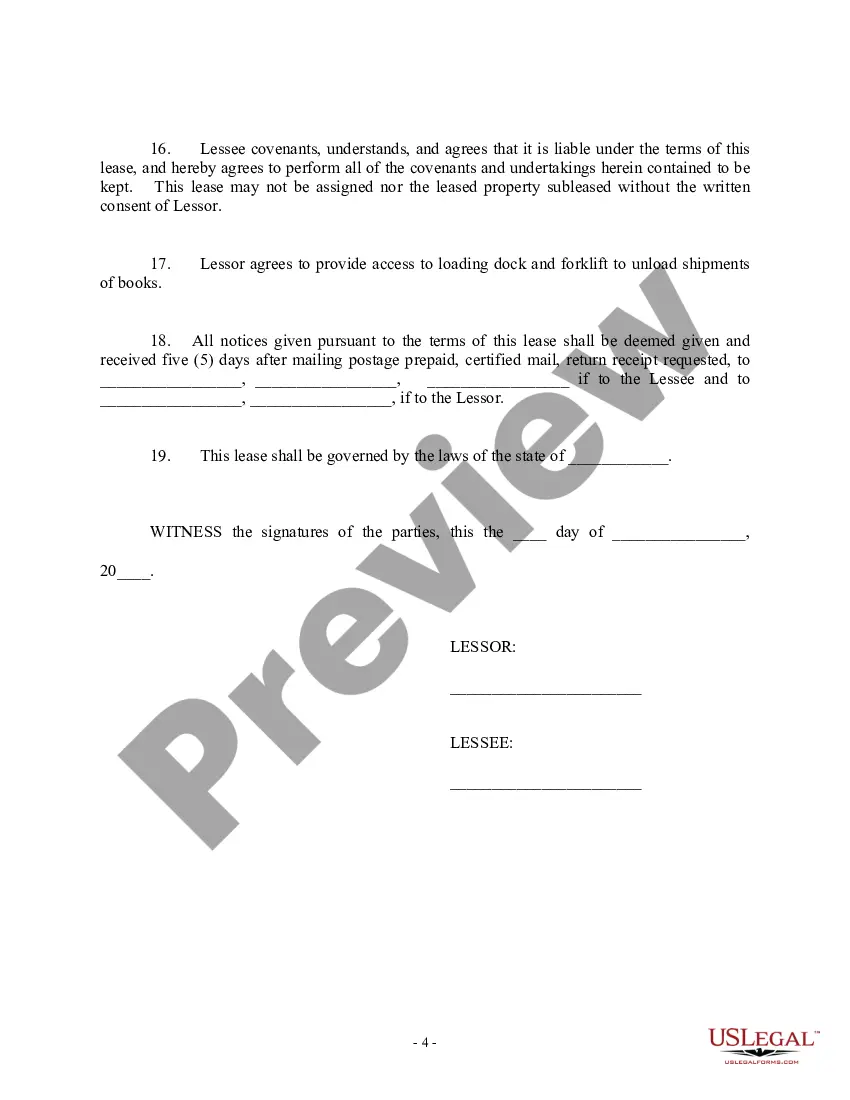
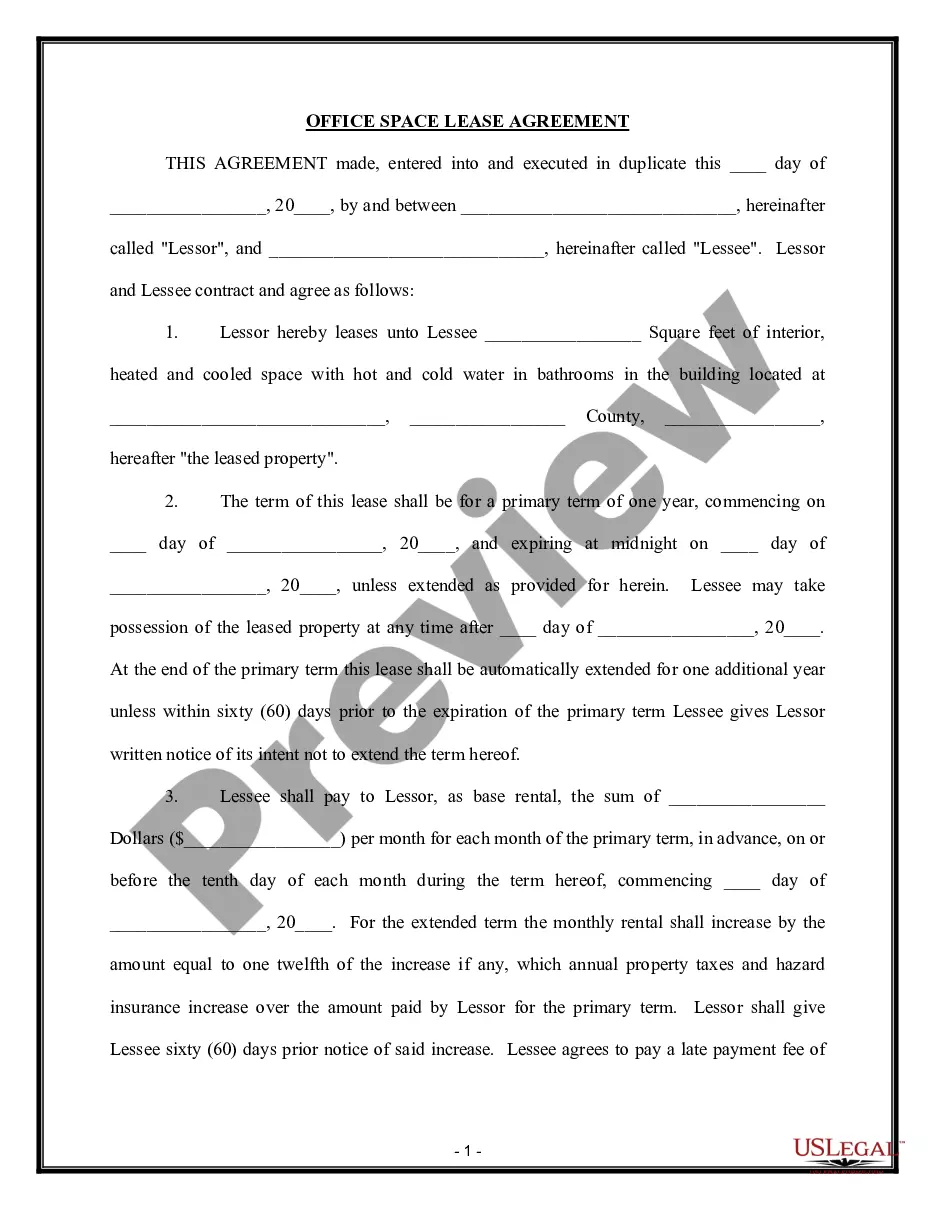
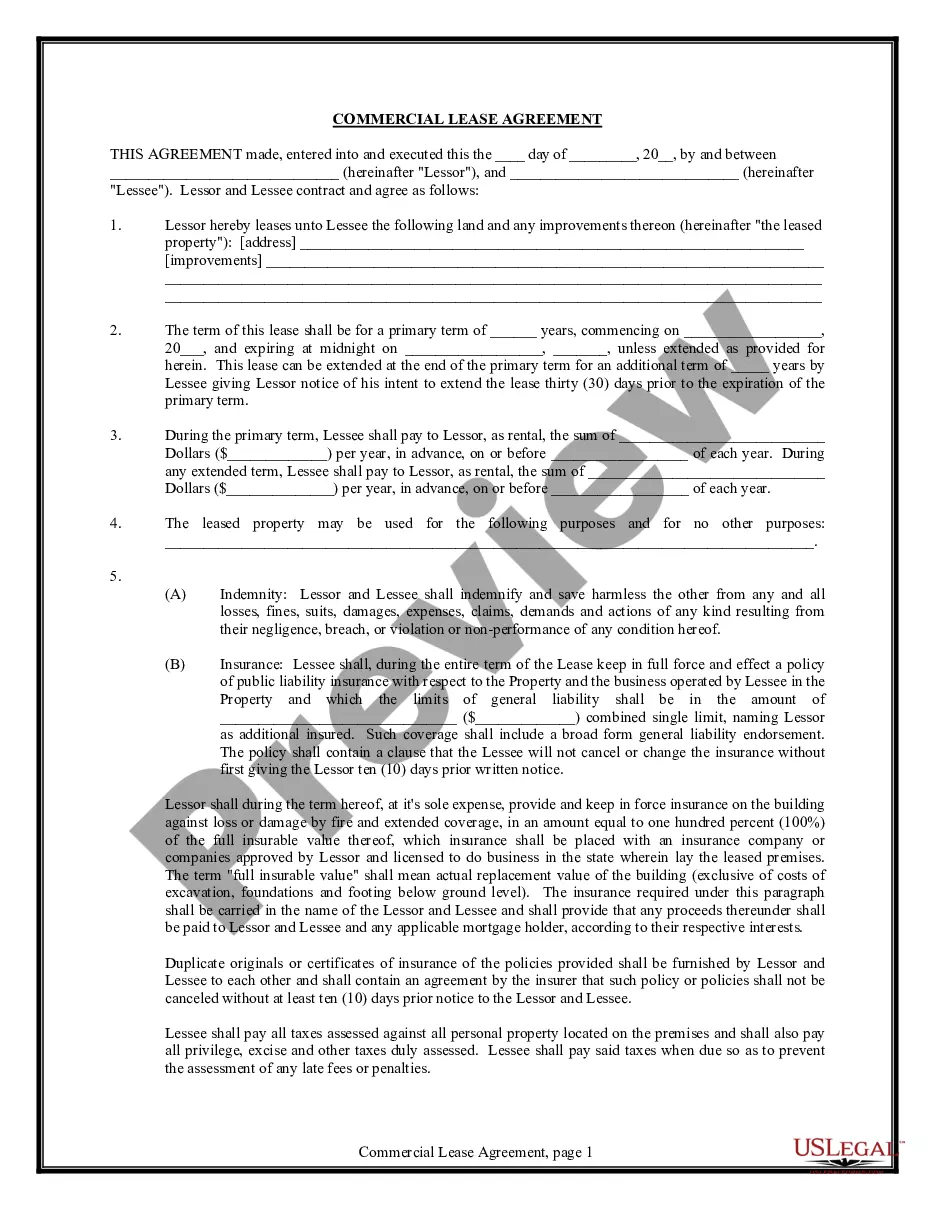
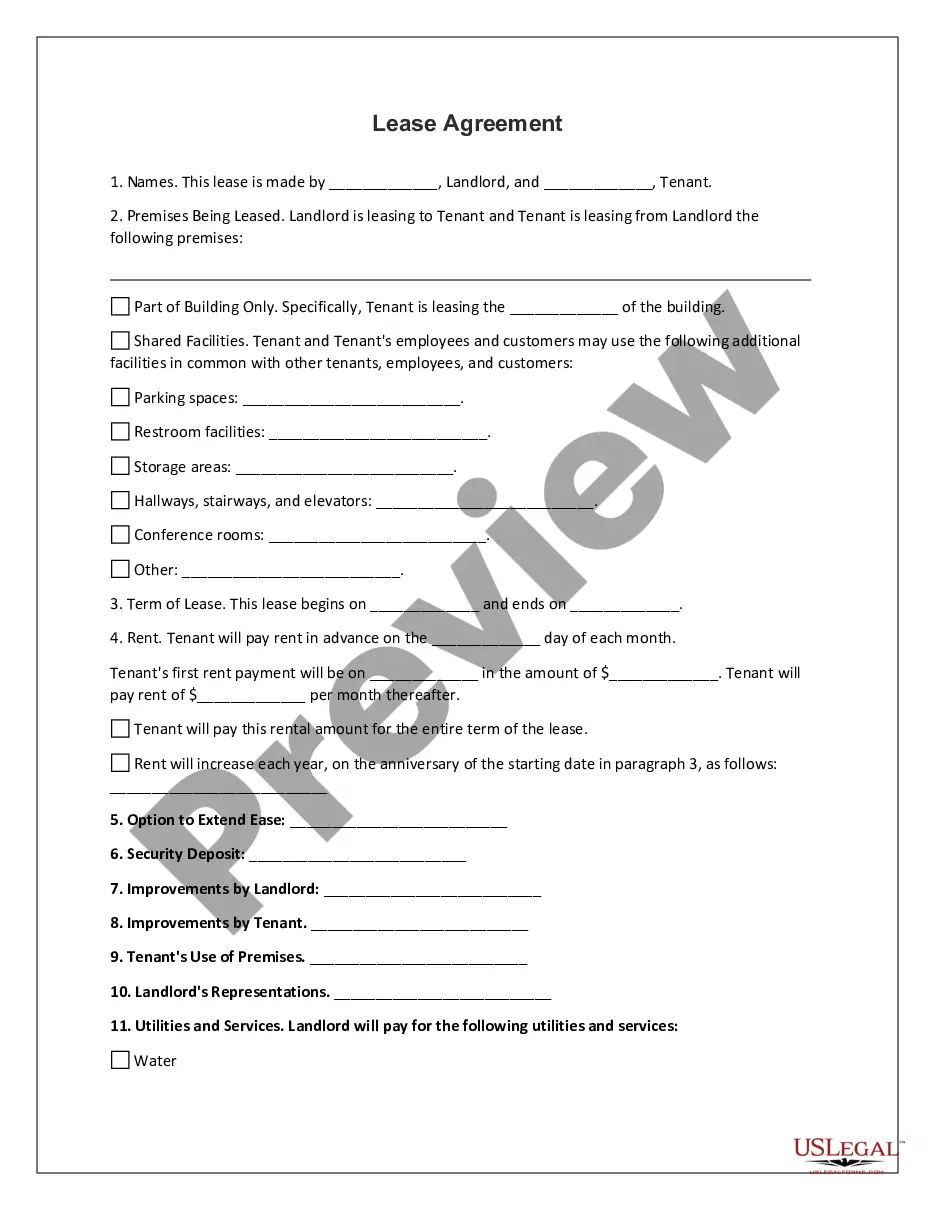
The Lease Agreement - Office Space is a legal document that formalizes the rental arrangement between a lessor (the property owner) and lessee (the tenant) for a designated office space. This form outlines the terms of the lease, including the rental duration, payment obligations, property use, and maintenance responsibilities. It is essential for establishing the rights and duties of both parties, ensuring a clear understanding of expectations in the lease agreement, which distinguishes it from other rental agreements that may pertain to residential properties or different types of commercial spaces.
What’s included in this form
- Identification of parties: Clearly names the lessor and lessee.
- Property description: Details the leased office space, including its size and location.
- Lease term: Specifies a one-year primary term with an automatic extension option.
- Rental payment terms: Lists monthly payment amount and conditions for payment increases.
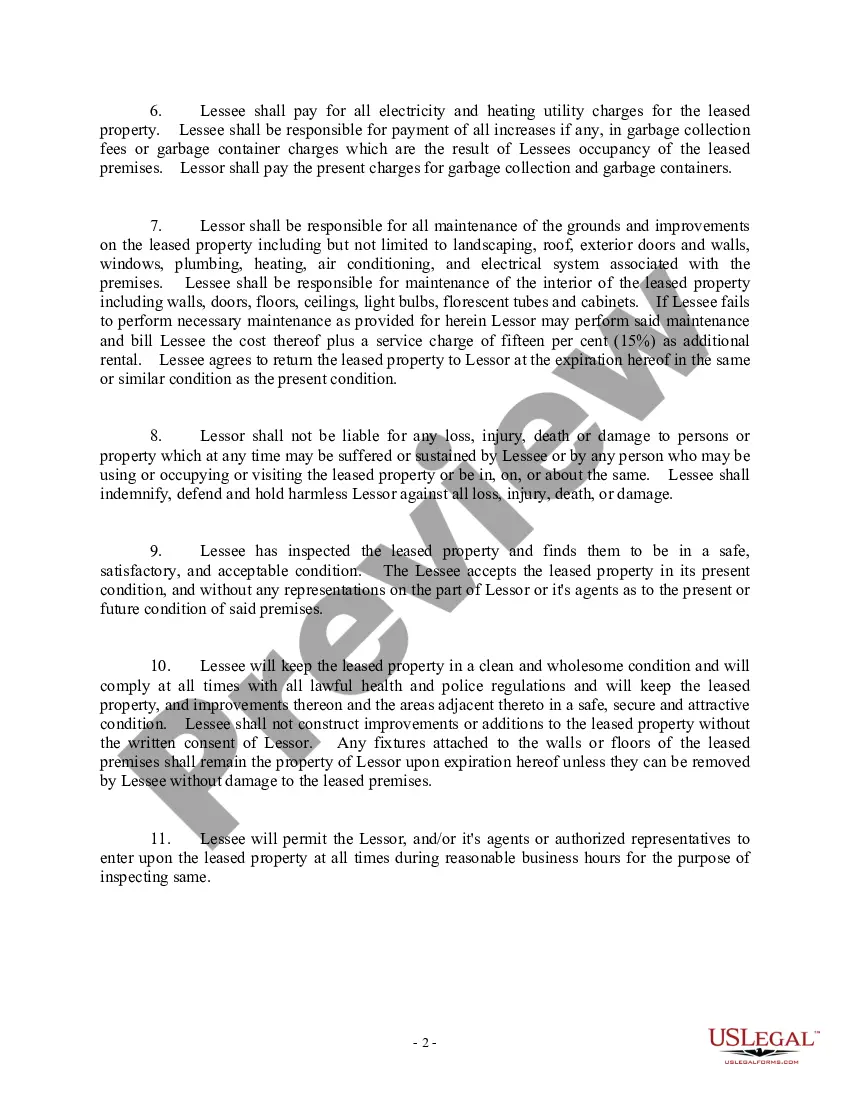
- Maintenance responsibilities: Outlines who is responsible for maintaining the property.
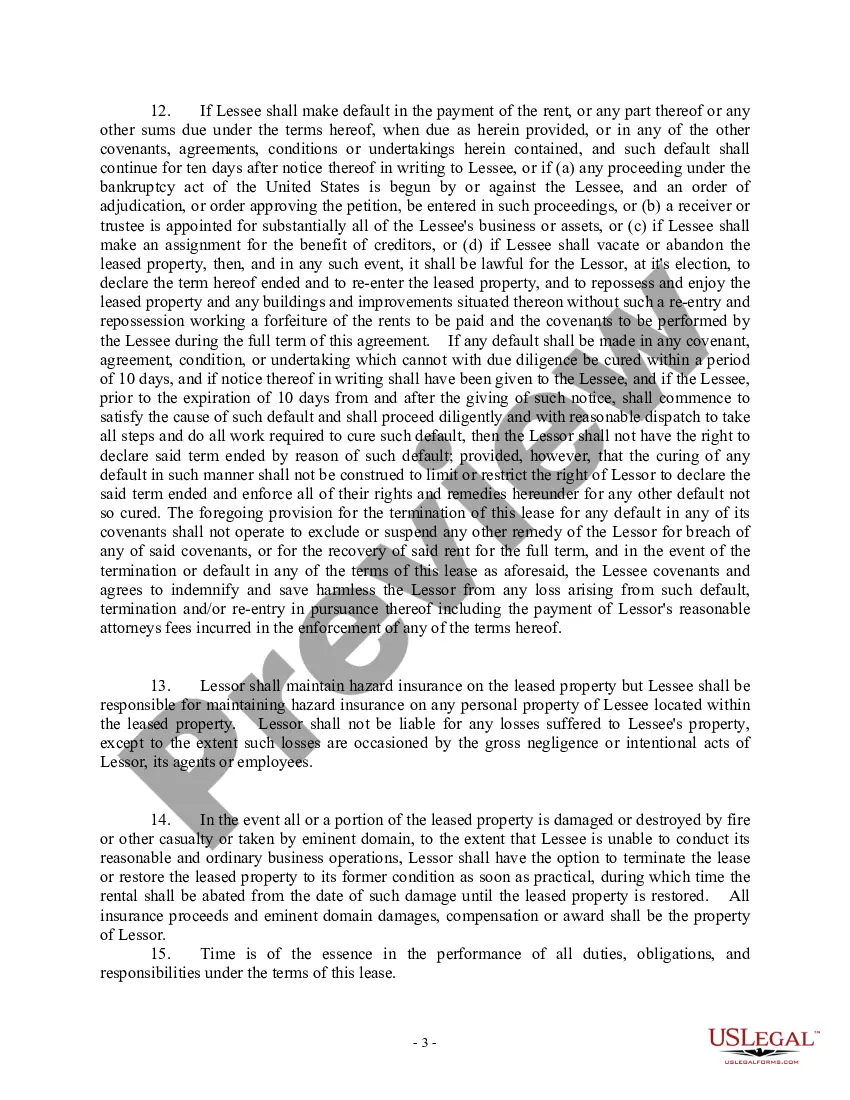
- Indemnity clause: Addresses liability and indemnification for injuries and damages.
When this form is needed
This Lease Agreement is ideal for use when a business or individual needs to rent office space for a specified time. It is appropriate for lessors wanting to ensure clear terms with their tenants regarding rent payments, property use, and maintenance obligations. This document is particularly useful for smaller businesses or startups that require formal contracts to govern their rental relationships, providing legal protection in case of disputes over the lease terms.
Who this form is for
This Lease Agreement is suitable for:
- Property owners (lessors) who wish to lease their office space.
- Business owners (lessees) seeking a formal agreement for renting office premises.
- Individuals or companies needing to have clear legal terms regarding their lease arrangements.
- Startups looking to establish structured rental contracts for their office needs.
Steps to complete this form
- Identify the parties by entering the names of the lessor and lessee in the designated fields.
- Specify the exact address and description of the office space being leased.
- Enter the lease commencement and expiration dates, as well as the monthly rental amount.
- Outline any special conditions or amendments related to property use in the agreement.
- Ensure all parties sign the agreement to validate the terms stipulated.
Does this document require notarization?
Notarization is not commonly needed for this form. However, certain documents or local rules may make it necessary. Our notarization service, powered by Notarize, allows you to finalize it securely online anytime, day or night.
Get your form ready online
Our built-in tools help you complete, sign, share, and store your documents in one place.
Make edits, fill in missing information, and update formatting in US Legal Forms—just like you would in MS Word.
Download a copy, print it, send it by email, or mail it via USPS—whatever works best for your next step.
Sign and collect signatures with our SignNow integration. Send to multiple recipients, set reminders, and more. Go Premium to unlock E-Sign.
If this form requires notarization, complete it online through a secure video call—no need to meet a notary in person or wait for an appointment.
We protect your documents and personal data by following strict security and privacy standards.
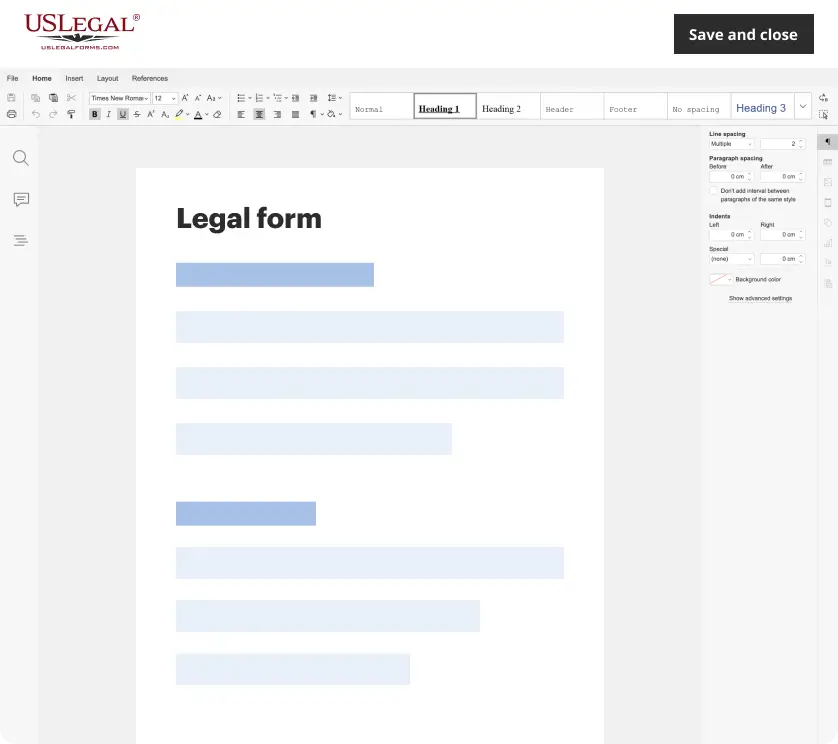
Make edits, fill in missing information, and update formatting in US Legal Forms—just like you would in MS Word.
Download a copy, print it, send it by email, or mail it via USPS—whatever works best for your next step.
Sign and collect signatures with our SignNow integration. Send to multiple recipients, set reminders, and more. Go Premium to unlock E-Sign.
If this form requires notarization, complete it online through a secure video call—no need to meet a notary in person or wait for an appointment.
We protect your documents and personal data by following strict security and privacy standards.
Typical mistakes to avoid
- Failing to specify the exact property address or details.
- Omitting to outline the responsibilities for maintenance or repairs.
- Not including the conditions for the automatic lease renewal or termination notice.
- Forgetting to obtain signatures from both parties, making the agreement unenforceable.
Benefits of completing this form online
- Access to professionally drafted content, ensuring legal validity.
- Convenience of downloading and printing at your own pace.
- The ability to edit the form easily to suit specific needs.
- Reliability by using established templates recommended by licensed attorneys.
Looking for another form?

Form popularity
FAQ
Find leverage. Regardless of whether it's a landlord's market or a tenants' market, something can alsways be used for leverage. Don't think rates. Think term. It's never true that a tenant gets anything free. Arrange for a solid legal review. Negotiate protections for an exit.
1) Absolutely engage the services of a tenant representation broker. 2) Introduce competition into the negotiation. 3) Start early. 4) Do not accept the landlord's first proposal. 5) Ask for more than you can get. 6) Ask for more than just a great rate. 7) Do not expect returns on your good tenancy.
If your lease renewal comes with a rent increase, or if your new lease comes with some hefty fees or high rent, then it's time to consider negotiating. Remember, you can negotiate more than just a lower rent!
In a full-service lease, or gross lease, the tenant pays the base rent, and the landlord pays for the utilities, insurance, taxes and other costs of operating the building.In a net lease, by contrast, the tenants pay a portion of the operating costs of the building.
Don't pay asked base rent. But landlords don't actually expect anyone to agree to that amount. Come in with your counter offer at 10-15% beneath what they're asking for. After that, you'll typically be able to work out a number in between that works for both of you.
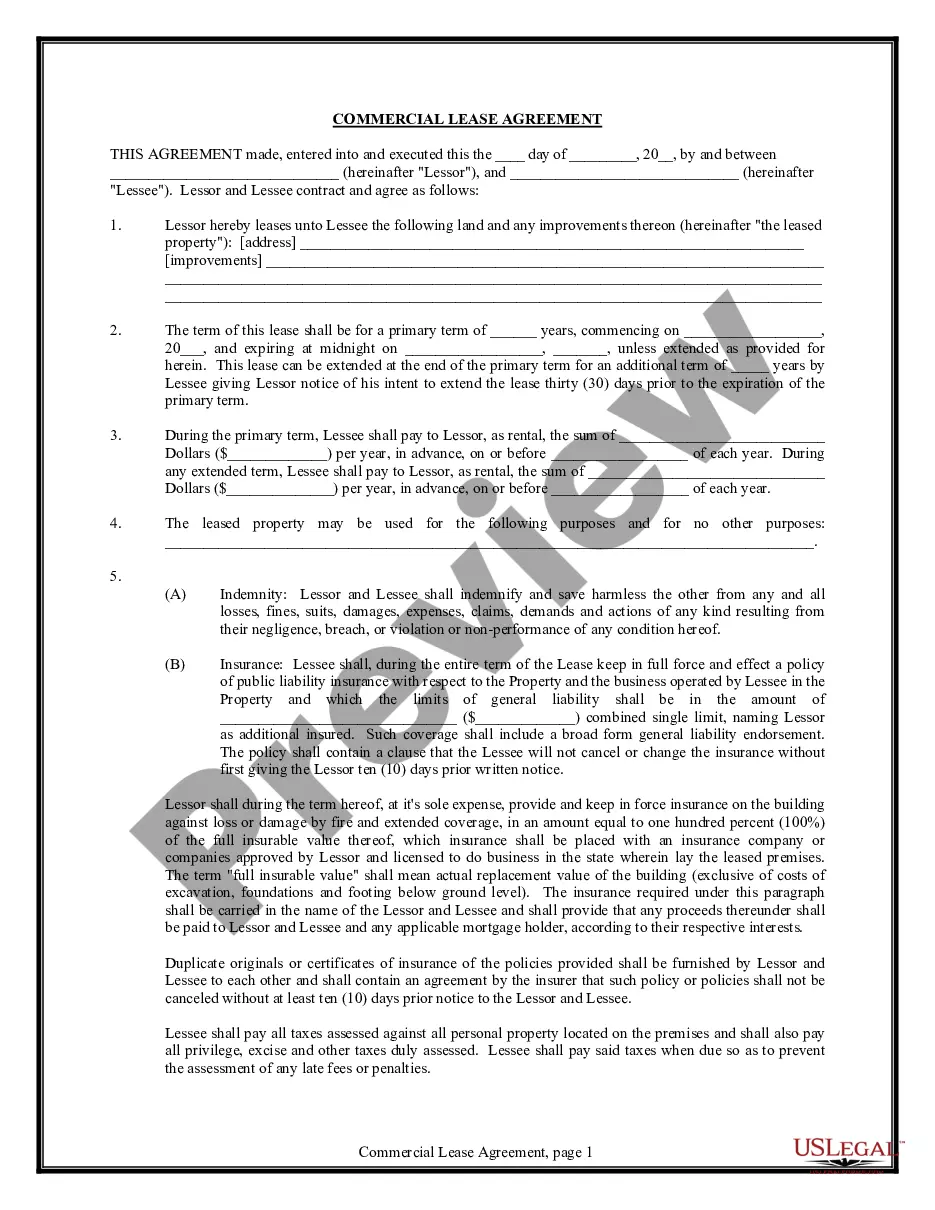
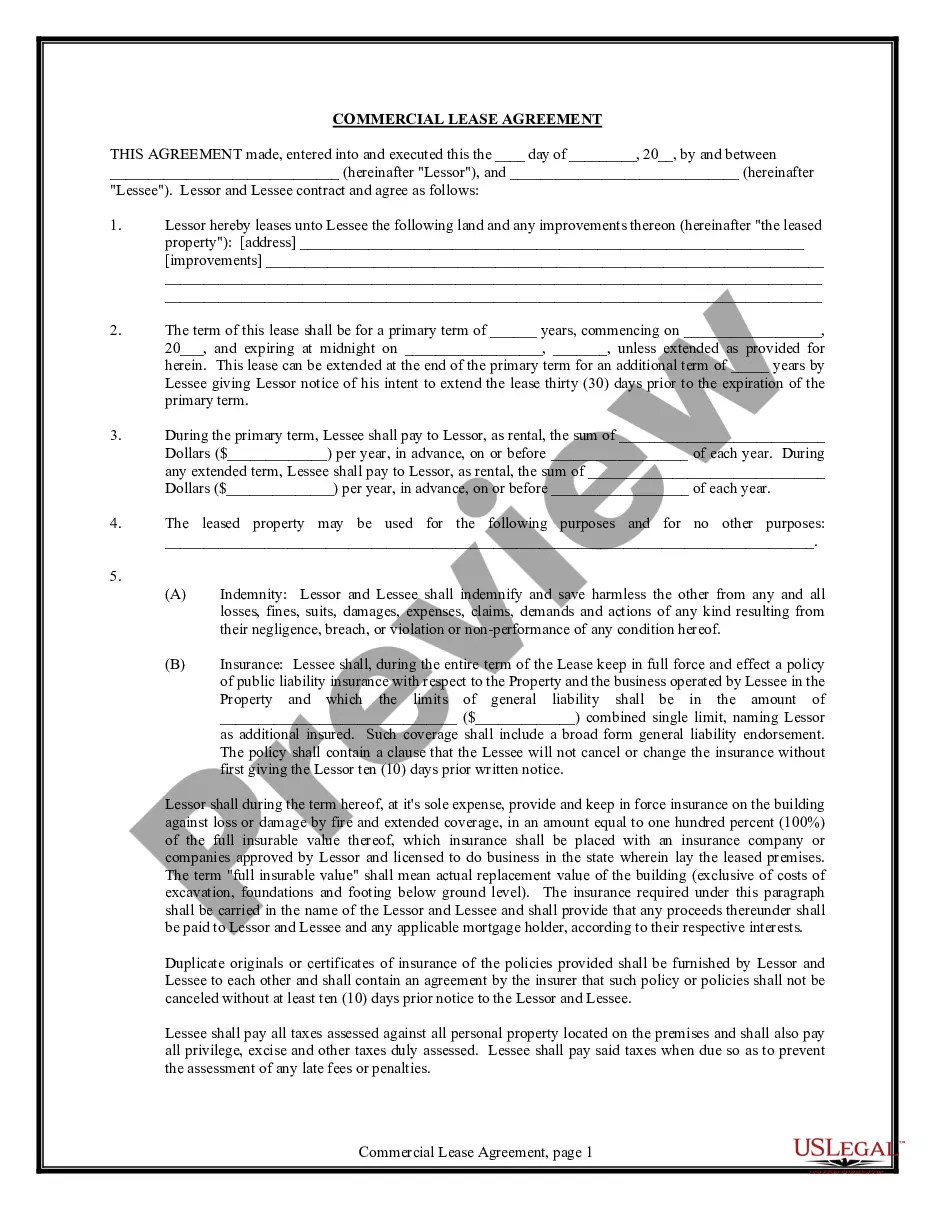
Elements of a commercial lease agreement At a minimum, information regarding the rent, security deposit, lease duration and any additional costs the tenant may be subject to should be clearly defined within the lease, according to Khanna.
Justify Why You Need Free Office Rent. Don't just ask for it for no reason. Build-Out Period. Base Rent Free OR Base Rent & Operating Expenses? Early Occupancy. Ask For More Free Rent Than You Need. Consider Adding More Term to The Lease. Offer to Spread The Free Rent Out Over a Period of Time.
Commercial leases generally fall into one of three major categories based on how the building's operating expenses are passed on to tenants: Gross or full-service lease. You pay a flat monthly rate from which the landlord pays all operating expenses, including utilities, property taxes and maintenance.
OFFICE LEASES This form is used to lease commercial property where there are more than one tenant/s occupying a building and they share a common area (landscape areas, parking lots, ingress/egress and loading areas) outside the building and a common area (hallways, restrooms and lobbies) inside the building.