Commercial Lease Modification Agreement
Understanding this form
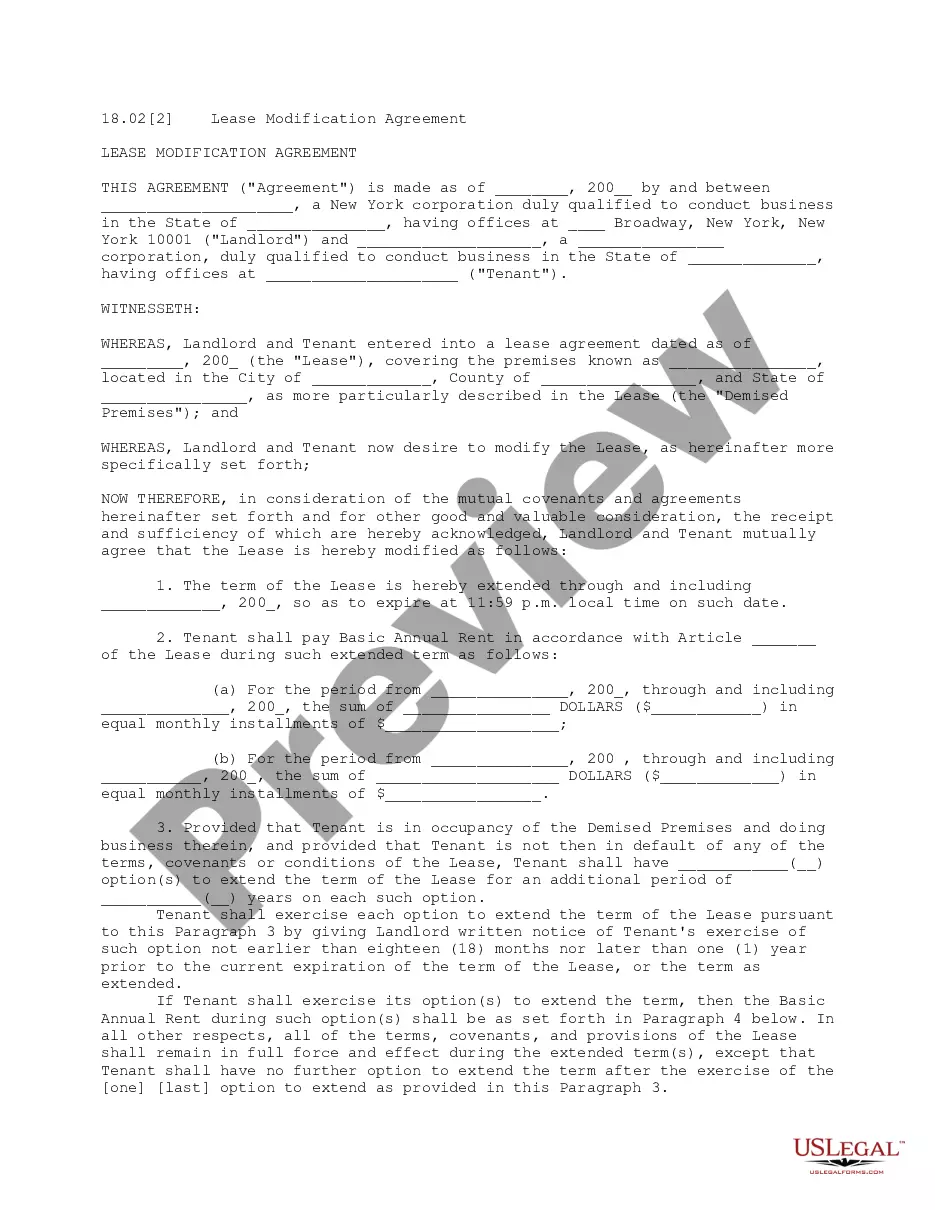
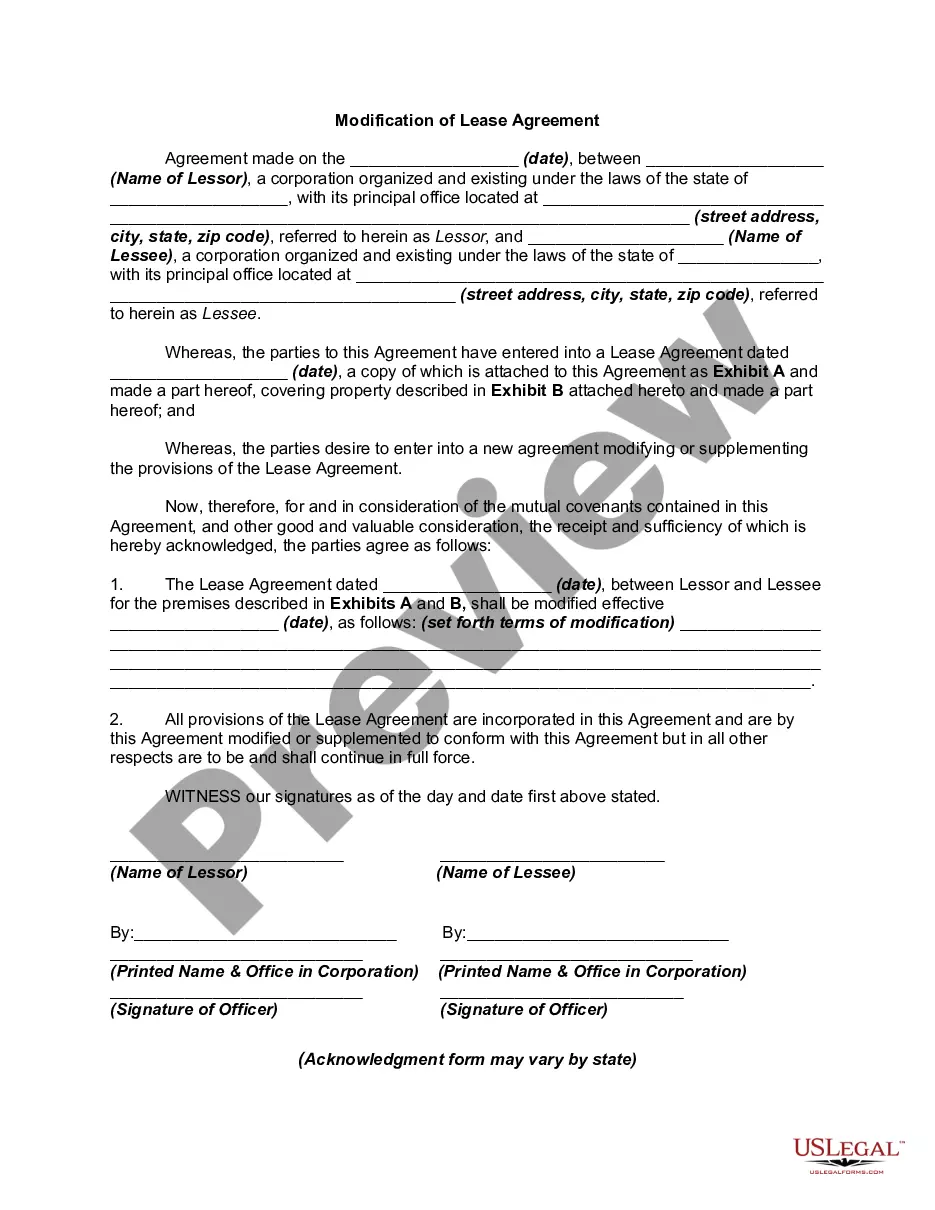
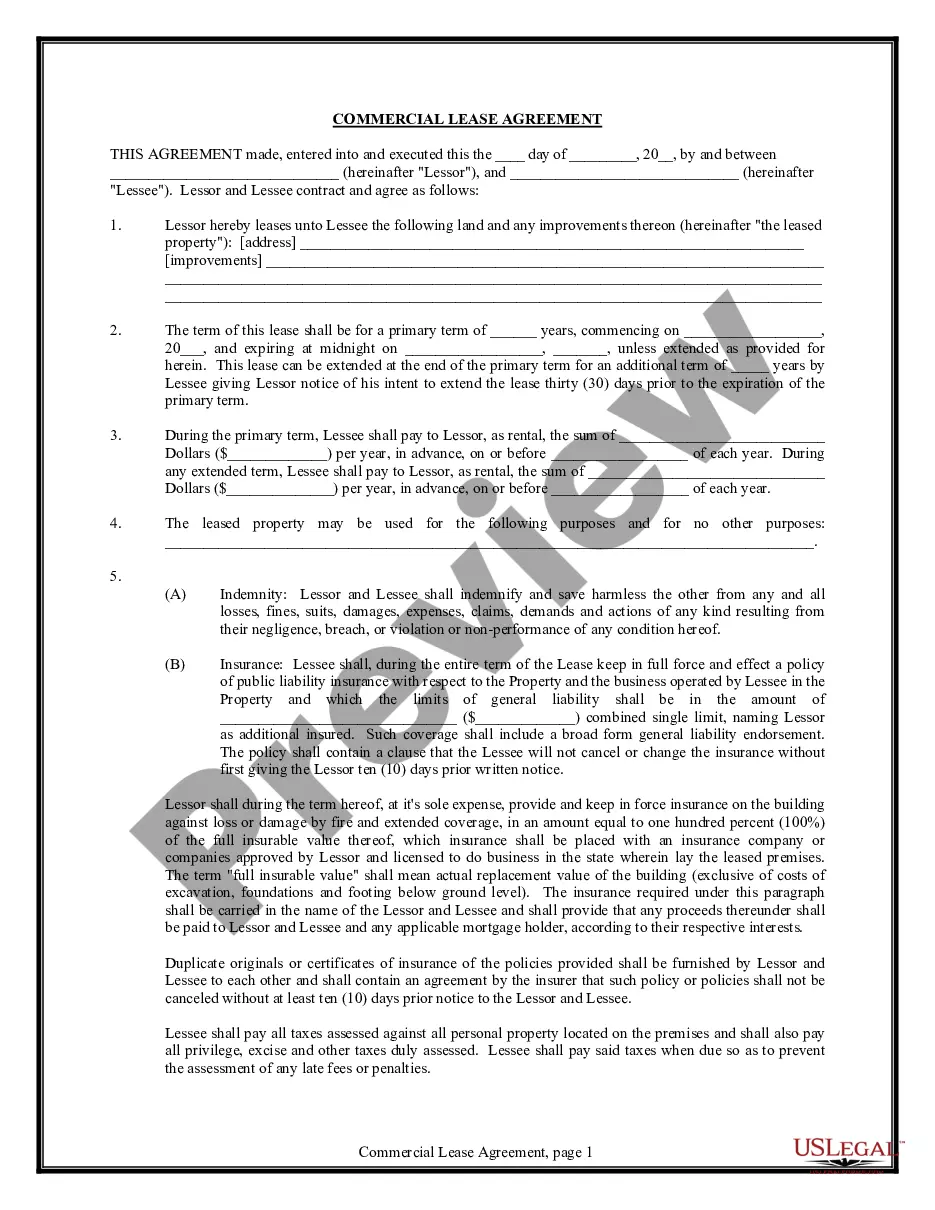
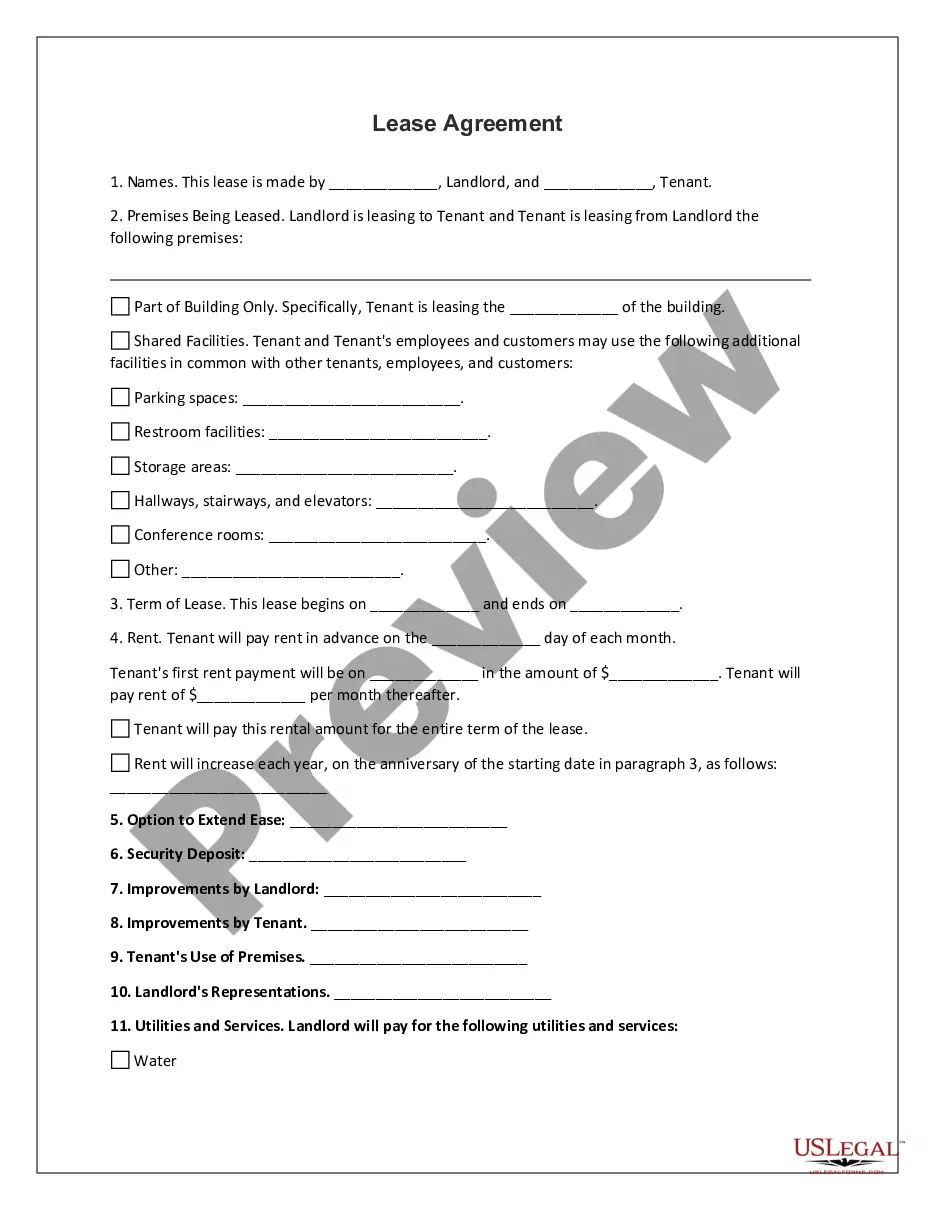
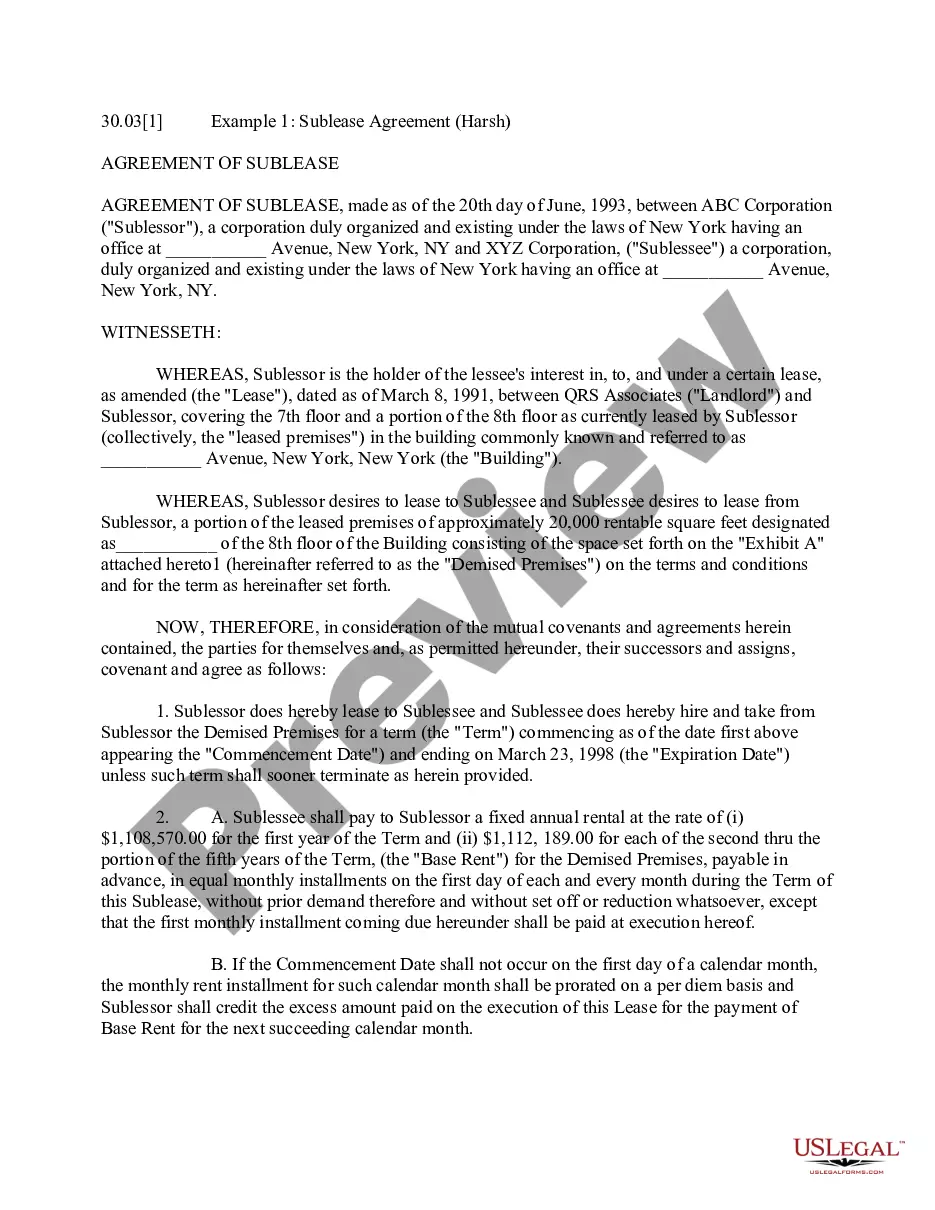
The Commercial Lease Modification Agreement is a legal document used to modify the terms of an existing office lease. Unlike a lease termination or a new lease, this agreement allows landlords and tenants to make specific changes to the existing lease while maintaining its original effective terms. It ensures that both parties are clear about the updated conditions, including changes in the lease term, rental amounts, and any other important modifications.
What’s included in this form
- Identification of the landlord and tenant, including their business entities.
- Original lease date and details of the premises being leased.
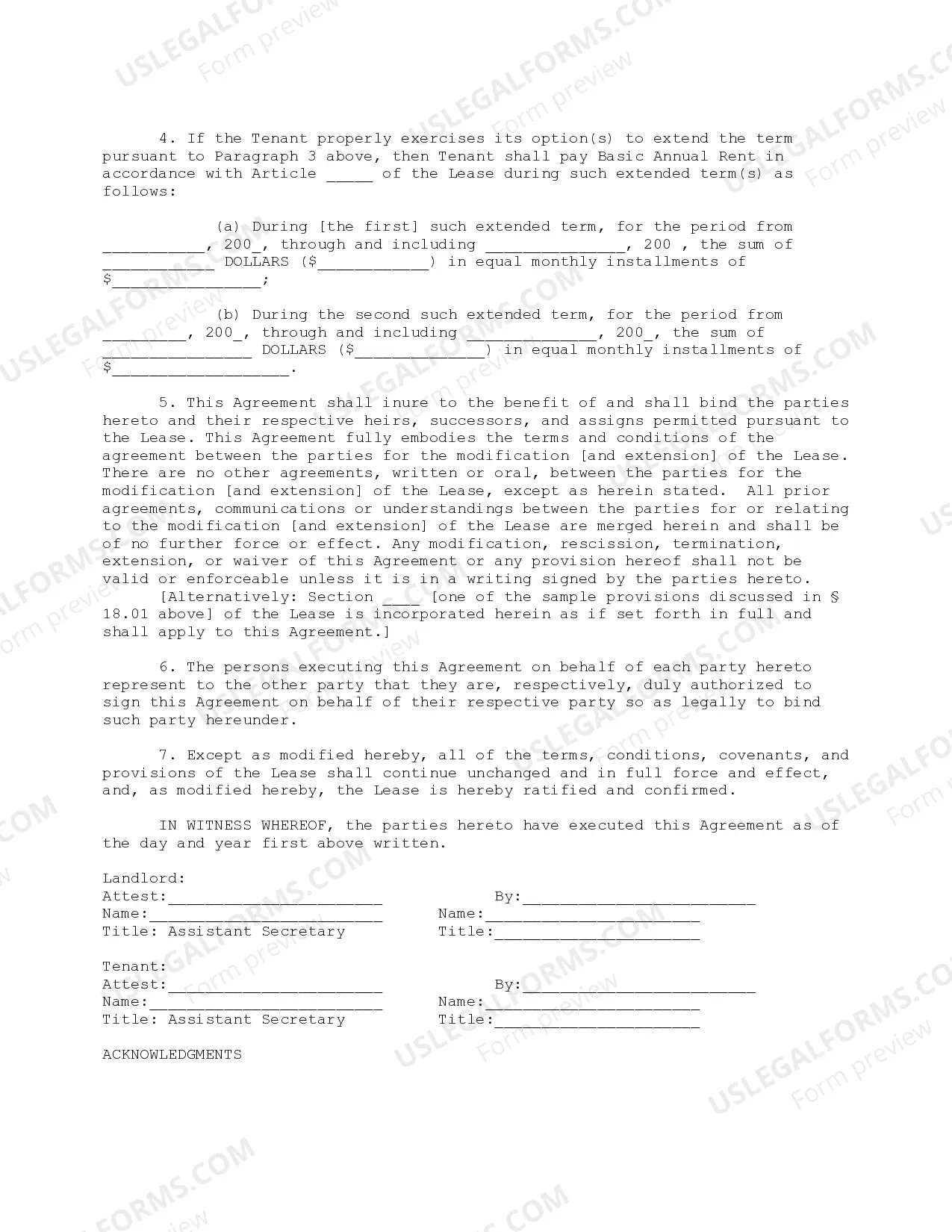
- Terms of the lease modification, including any extensions and changes to rent.
- Options for the tenant to extend the lease with specified terms.
- Confirmation that all previous agreements are merged within this document.
- Signatures and acknowledgment by both parties to ensure legality.
When this form is needed
This form is needed when either the landlord or tenant wishes to change specific terms of an existing lease agreement, such as extending the lease duration, altering the rent amount, or updating other lease provisions. Common scenarios include a tenant wishing to remain in a space longer due to business growth, or a landlord wanting to adjust rent to current market conditions.
Intended users of this form
- Landlords seeking to formalize modifications to an existing commercial lease.
- Tenants needing to adjust the terms of their lease agreement.
- Businesses in a rented commercial space looking to secure favorable lease conditions.
- Real estate attorneys or agents assisting clients with lease modifications.
Completing this form step by step
- Identify the parties involved, including landlords and tenants, and enter their business details.
- Specify the original lease date and the property being leased.
- Clearly outline any changes to the lease terms, including rental amounts and extension dates.
- Include options for the tenant to extend the lease, stating the number of options and terms associated with them.
- Ensure signatures are provided from authorized representatives of both parties to make the agreement binding.
Does this document require notarization?
This form usually doesn’t need to be notarized. However, local laws or specific transactions may require it. Our online notarization service, powered by Notarize, lets you complete it remotely through a secure video session, available 24/7.
Get your form ready online
Our built-in tools help you complete, sign, share, and store your documents in one place.
Make edits, fill in missing information, and update formatting in US Legal Forms—just like you would in MS Word.
Download a copy, print it, send it by email, or mail it via USPS—whatever works best for your next step.
Sign and collect signatures with our SignNow integration. Send to multiple recipients, set reminders, and more. Go Premium to unlock E-Sign.
If this form requires notarization, complete it online through a secure video call—no need to meet a notary in person or wait for an appointment.
We protect your documents and personal data by following strict security and privacy standards.

Make edits, fill in missing information, and update formatting in US Legal Forms—just like you would in MS Word.

Download a copy, print it, send it by email, or mail it via USPS—whatever works best for your next step.

Sign and collect signatures with our SignNow integration. Send to multiple recipients, set reminders, and more. Go Premium to unlock E-Sign.

If this form requires notarization, complete it online through a secure video call—no need to meet a notary in person or wait for an appointment.

We protect your documents and personal data by following strict security and privacy standards.
Common mistakes
- Failing to enter the correct original lease date.
- Not specifying the property details accurately.
- Omitting signature from one of the parties.
- Not reviewing terms carefully to ensure both parties agree on changes.
Advantages of online completion
- Convenient access to legally accurate forms at any time.
- Editability allows for easy customization to meet specific needs.
- Reliable templates drafted by licensed attorneys ensure compliance with legal standards.
Looking for another form?
Form popularity
FAQ
With Tenant Consent. If the tenant and landlord both agree to the change, the parties can either (1) execute a new lease or rental agreement that includes the new clause, or (2) amend the existing lease or rental agreement. Without Tenant Consent.
Evaluate the Length of the Lease. Research Comparable Rents. Look for Hidden Costs. Ask for Favorable Clauses. Check the Termination Clause Closely.
If you are a leaseholder, you cannot change the lease terms without agreeing such change with your landlord. The reason for this is that as the lease is a contract between two parties, the leaseholder and the landlord, both parties must agree to change (referred to also as variation) of the terms of the lease.
A lease is automatically void when it is against the law, such as a lease for an illegal purpose. In other circumstances, like fraud or duress, a lease can be declared void at the request of one party but not the other.
Read the terms of your agreement. Before you start the process of trying to renegotiate, it's important to clearly understand the terms of your lease agreement. Do research. Write a letter or call to explain your situation. Alter the lease terms.
1 attorney answer No, not without the landlord's agreement to amend the lease to shorten its duration, or a signed lease termination agreement. Under California law, all leases have the implied...
Your landlord can change a rental agreement at any time during the term of the agreement, with or without your consent. Changes must be made with adequate notice; notice periods are 30 days in most states. Changing a lease is harder because both parties must consent to almost any change.
The Introduction. The beginning of the lease agreement should contain the name of the landlord and tenant, as well as a statement of the agreement into which they are entering. Rent. Deposit. Taxes. Property Insurance. Utilities and Amenities. Remodeling and Improvements. Repairs and Maintenance.
An addendum must include the basic elements of any landlord/tenant agreement. You should include the date, the address of the rental property and the names of each party just as you would in the original lease.