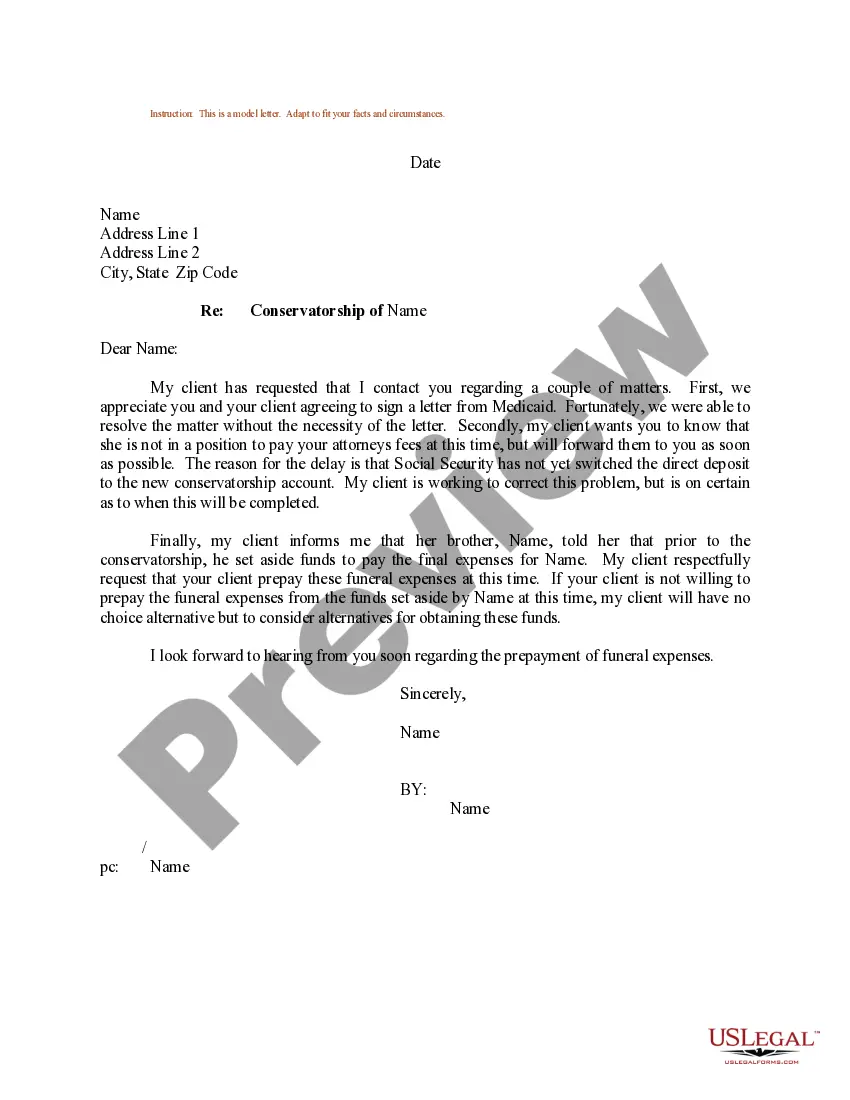
Sample Letter for Conservatorship - Request to Prepay Funeral Expenses
What is this form?
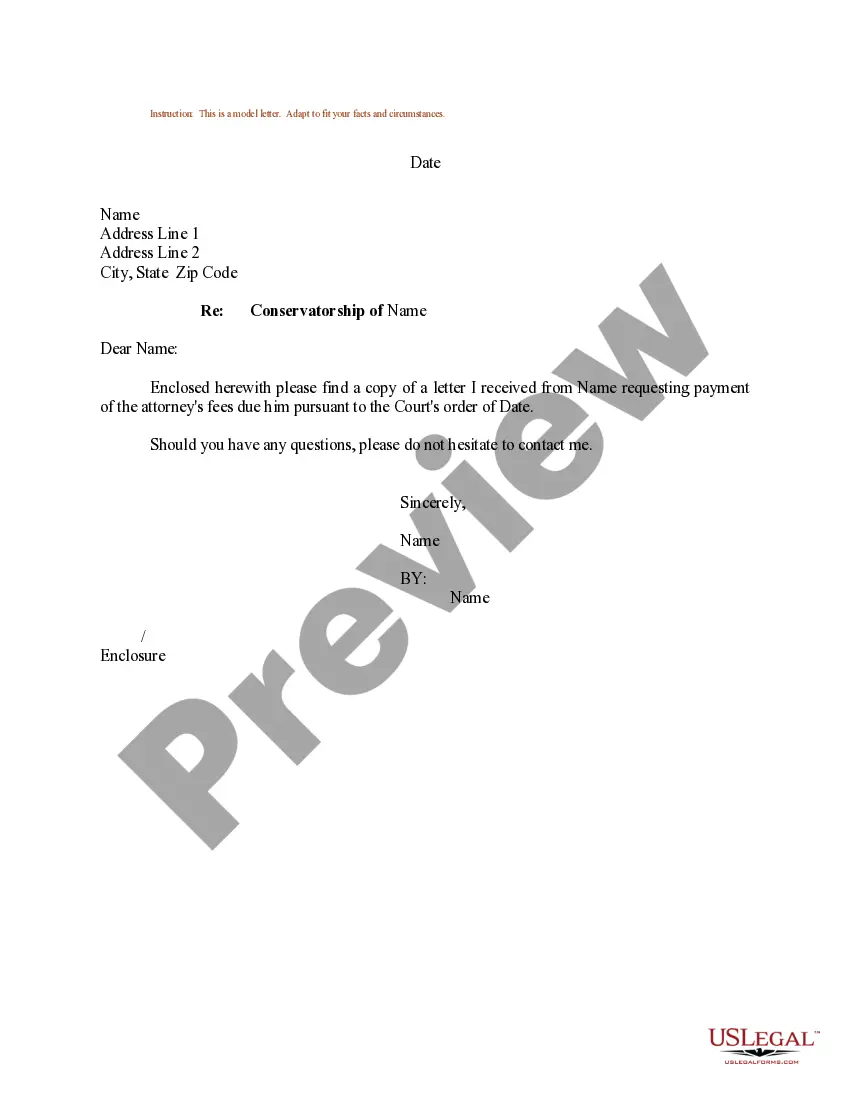
The Sample Letter for Conservatorship - Request to Prepay Funeral Expenses is a template letter designed to formally request the prepayment of funeral expenses from a conservatorship account. This document specifically assists individuals acting under conservatorship to ensure that necessary funds are allocated for the decedent's final expenses. Unlike other forms of estate management letters, this template focuses directly on the urgency of handling funeral costs while highlighting the responsibilities of the conservator.
Main sections of this form
- Date of the letter
- Recipient's name and address
- Introduction stating the purpose of the letter
- Details about the client's financial situation
- Request for prepayment of funeral expenses
- Statement of potential alternatives if the request is denied

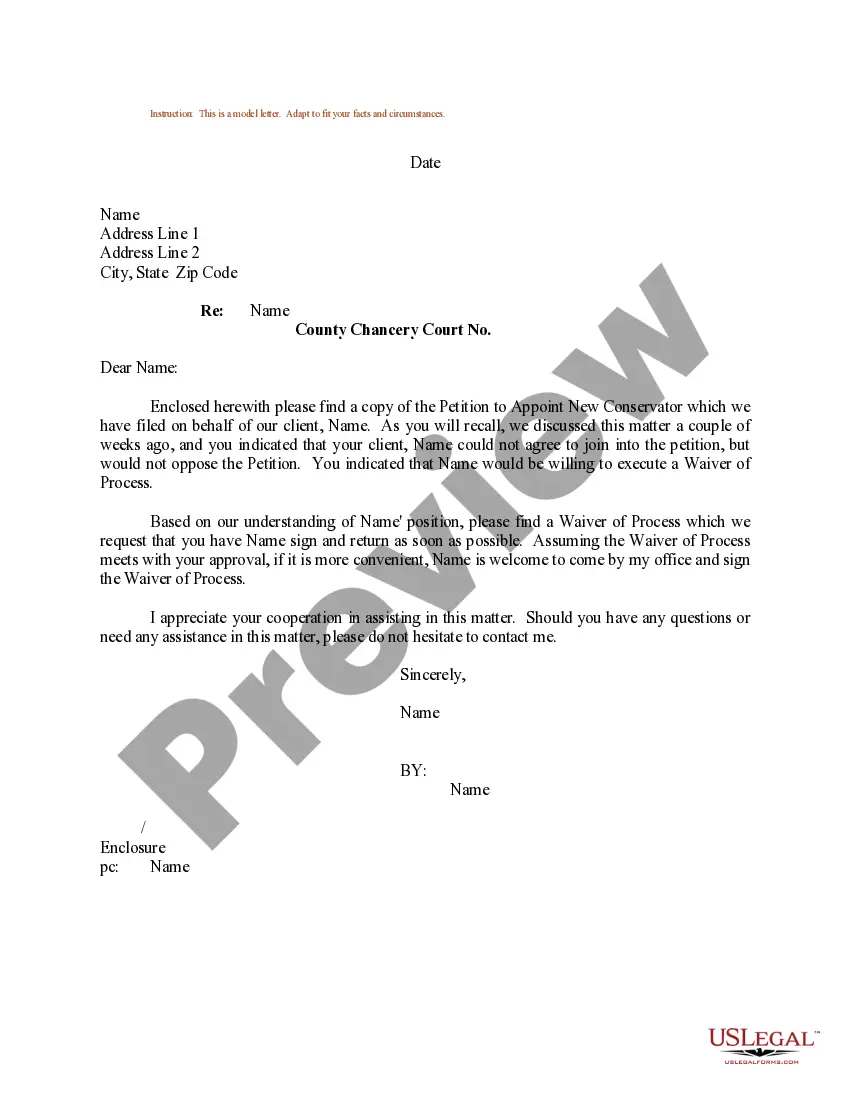
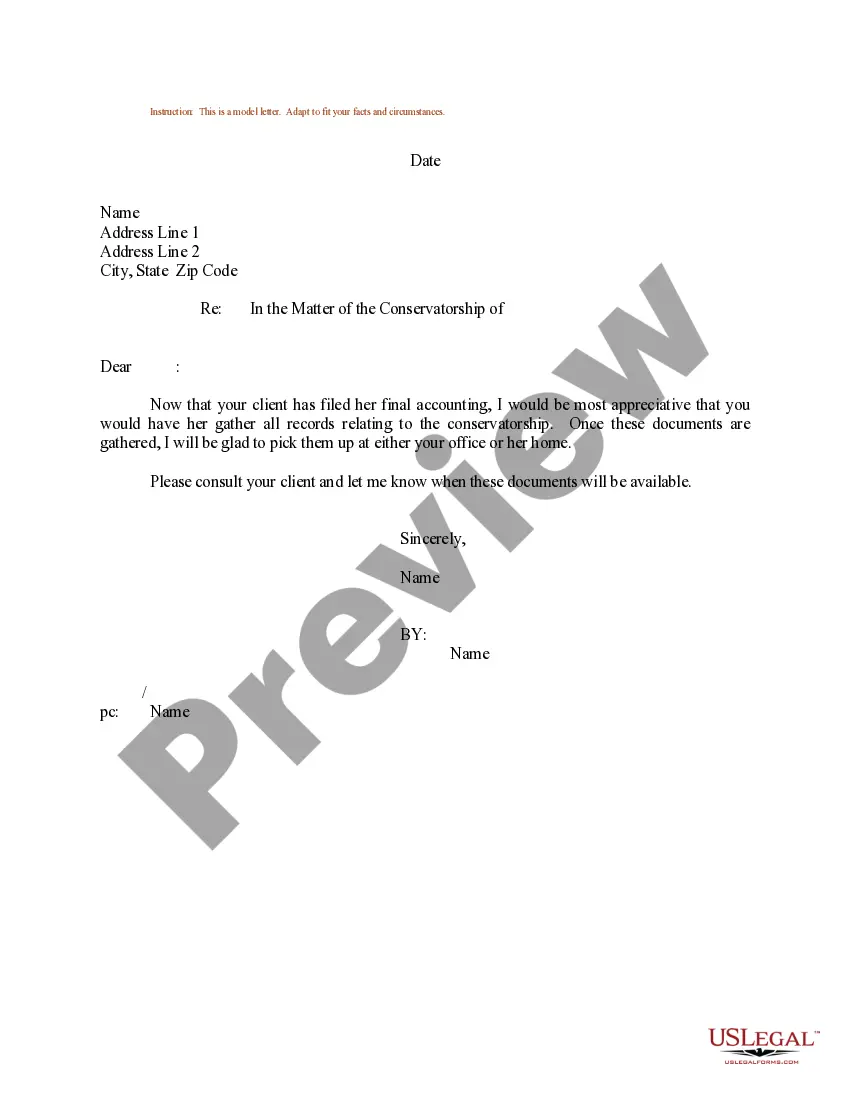
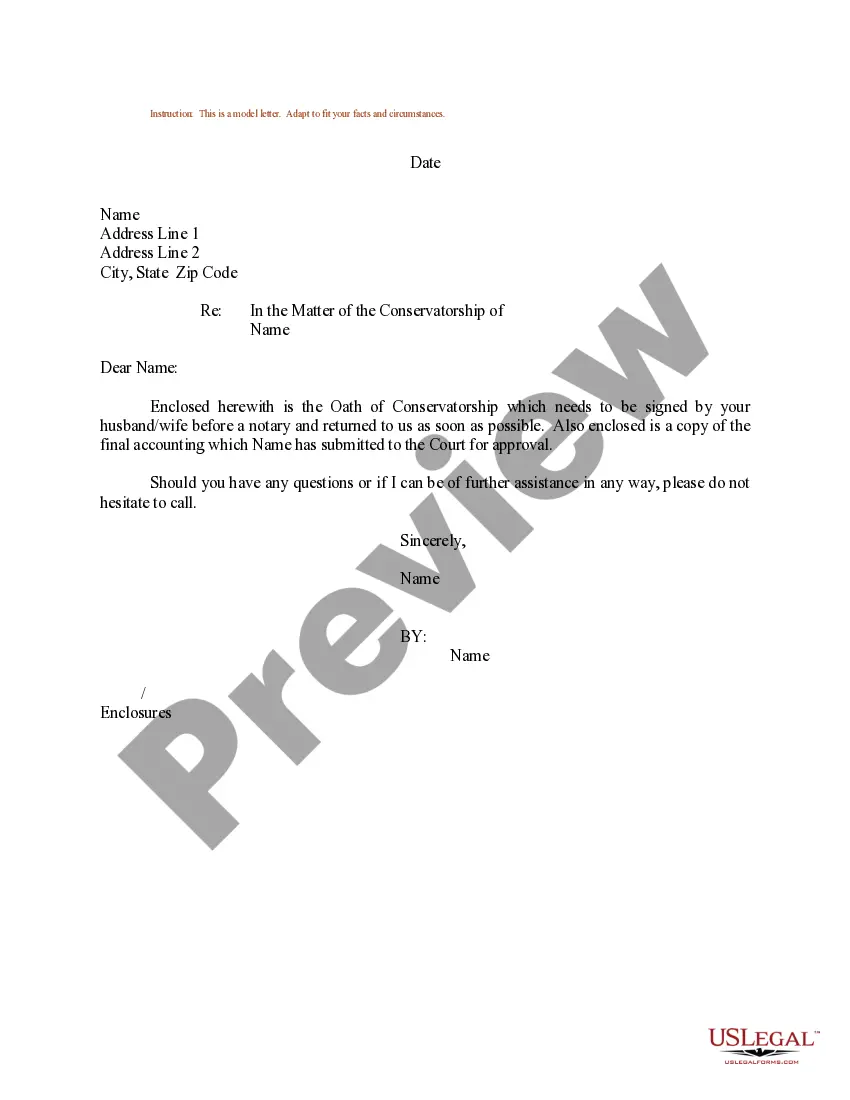
When to use this form
This form is useful when a conservator seeks to prepay funeral expenses for an individual whose estate is under conservatorship. It is typically used when there are already designated funds for this purpose, but access to the funds is temporarily delayed. It can aid in ensuring that funeral arrangements are presented to the involved parties in a formal manner and with legal backing.
Intended users of this form
- Conservators managing the finances of a conservatee
- Family members of the deceased who are involved in the conservatorship
- Attorneys representing clients in conservatorship cases
How to prepare this document
- Enter the date at the top of the letter.
- Fill in the recipient's name and address.
- Clearly state the purpose of the letter in the introduction.
- Explain the client's financial situation and request for prepayment.
- Indicate any potential next steps if the request is not fulfilled.
- Sign the letter and include appropriate contact information.
Does this document require notarization?
Notarization is not commonly needed for this form. However, certain documents or local rules may make it necessary. Our notarization service, powered by Notarize, allows you to finalize it securely online anytime, day or night.
Get your form ready online
Our built-in tools help you complete, sign, share, and store your documents in one place.
Make edits, fill in missing information, and update formatting in US Legal Forms—just like you would in MS Word.
Download a copy, print it, send it by email, or mail it via USPS—whatever works best for your next step.
Sign and collect signatures with our SignNow integration. Send to multiple recipients, set reminders, and more. Go Premium to unlock E-Sign.
If this form requires notarization, complete it online through a secure video call—no need to meet a notary in person or wait for an appointment.
We protect your documents and personal data by following strict security and privacy standards.

Make edits, fill in missing information, and update formatting in US Legal Forms—just like you would in MS Word.

Download a copy, print it, send it by email, or mail it via USPS—whatever works best for your next step.

Sign and collect signatures with our SignNow integration. Send to multiple recipients, set reminders, and more. Go Premium to unlock E-Sign.

If this form requires notarization, complete it online through a secure video call—no need to meet a notary in person or wait for an appointment.

We protect your documents and personal data by following strict security and privacy standards.
Mistakes to watch out for
- Failing to include the date, which may create ambiguity.
- Not providing full names and accurate addresses of parties involved.
- Using unclear language that does not clearly convey the request.
- Neglecting to specify the source of funeral funds.
- Leaving out the signature or contact information of the sender.
Benefits of using this form online
- Conveniently downloadable in Word format for easy customization.
- Editable fields allow for quick personal updates.
- Ensures compliance with common legal standards in conservatorship matters.
- Time-saving template reduces the need for legal consultations.
Looking for another form?



Form popularity
FAQ
Conservator fees range from $50 an hour to $135 an hour or more. Trustee and other professional asset manager fees for high-value estates typically run from 1 to 1.5% of the asset value annually.
Fix the residence or specific dwelling of the young adult child. Have access to the confidential records and papers of the young adult child. Control the right of the young adult child's right to enter into contracts. Give or withhold medical consent regarding the young adult child.
No. The conservator is not liable for the acts or debts of the incapacitated solely by becoming a conservator. However, the conservator can become responsible and liable if he or she grossly mismanages or steals the incapacitated's assets.
When authorized by order of the court under Section 2570, the guardian or conservator may purchase: (a) Real property in this state as a home for the ward or conservatee if such purchase is for the advantage, benefit, and best interest of the ward or conservatee.
Conservator Responsibilities In rare cases, conservatorships can last much longer than state laws mandate (generally 18 or 21 years of age). The conservator uses the ward's finances to pay the bills, including medical and personal bills. They also make sure income taxes are filed and paid as needed.
Retain counsel who can help you prepare the Petition to Terminate Conservatorship; Submit the Petition form to the conservatee's county probate court; Receive notification of hearing date at the conservatee's county probate court. Attend the hearing with counsel;
The conservator has the power to collect all the conservatee's assets, pay bills, make investments, etc. The conservator must seek court supervision for major transactions, such as purchase or sale of property, borrowing money, or gifting of assets.
A Conservator is entitled to reasonable compensation and reimbursement of expenses from the Conservatorship Estate for acts on behalf of the Protected Person for the duration of the Conservatorship.