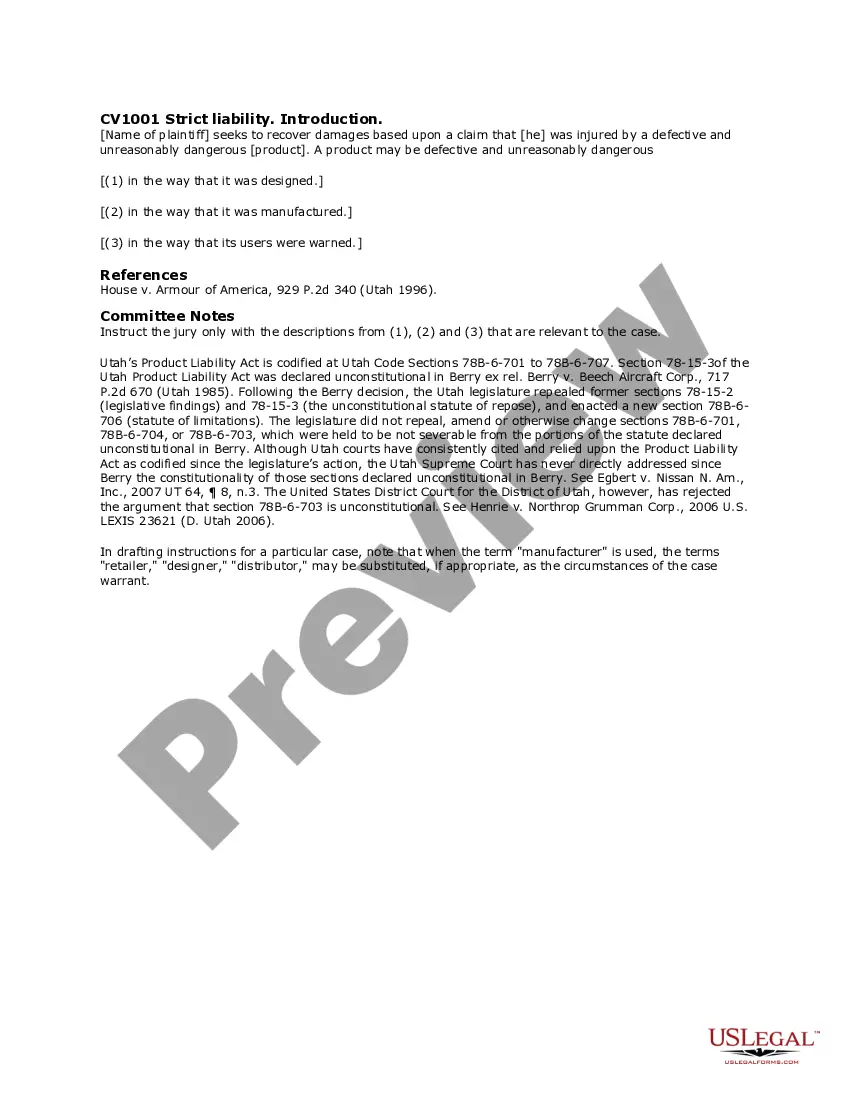
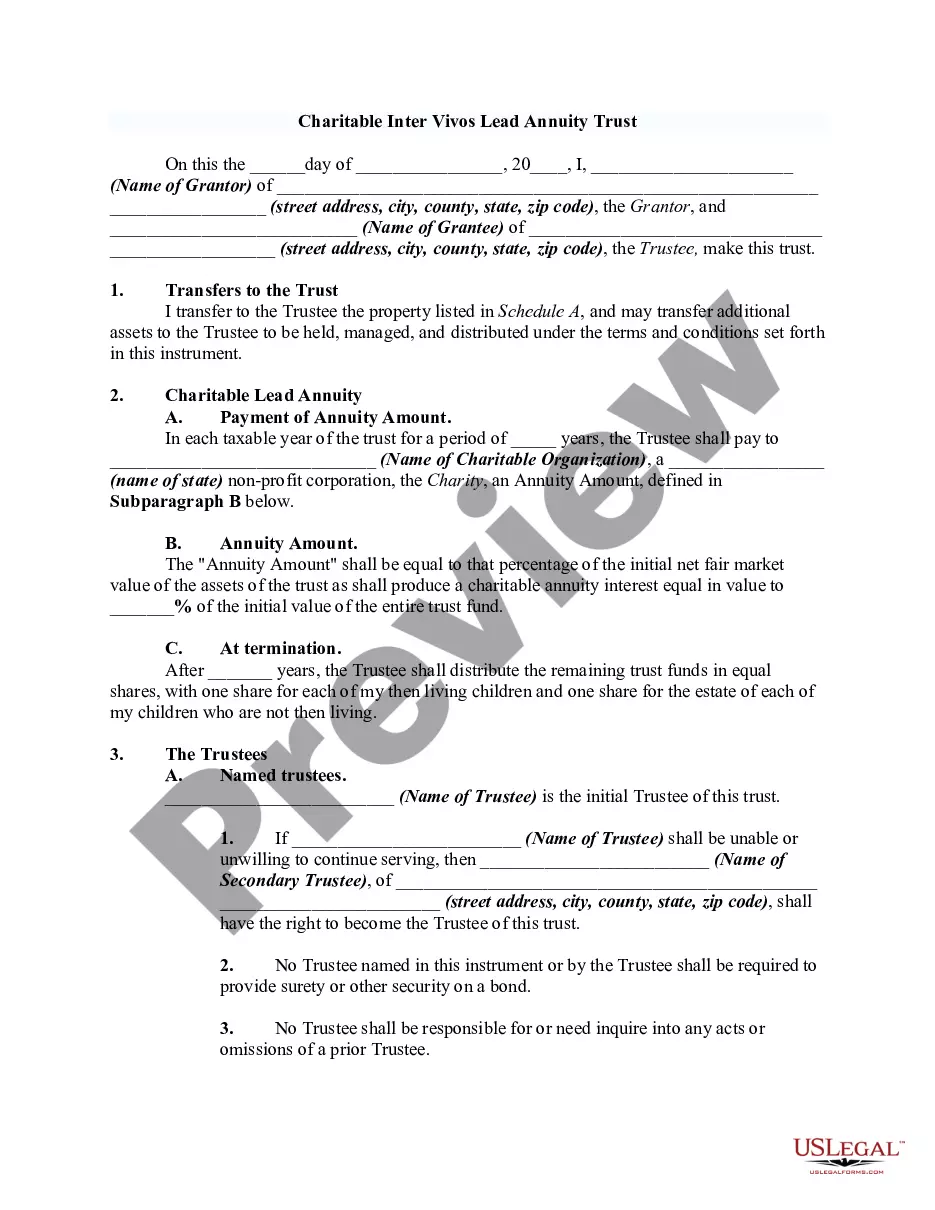
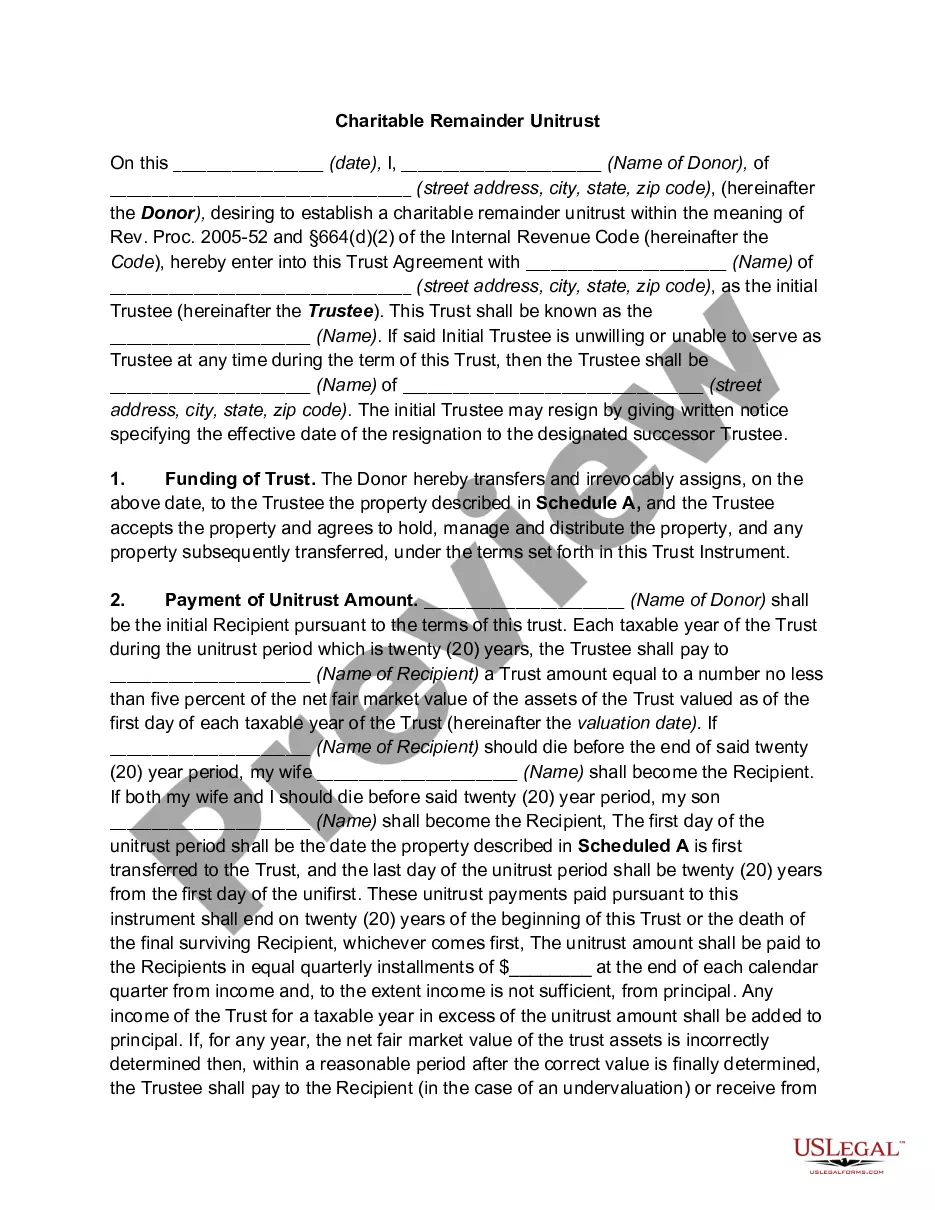
Charitable Remainder Inter Vivos Annuity Trust
Understanding this form
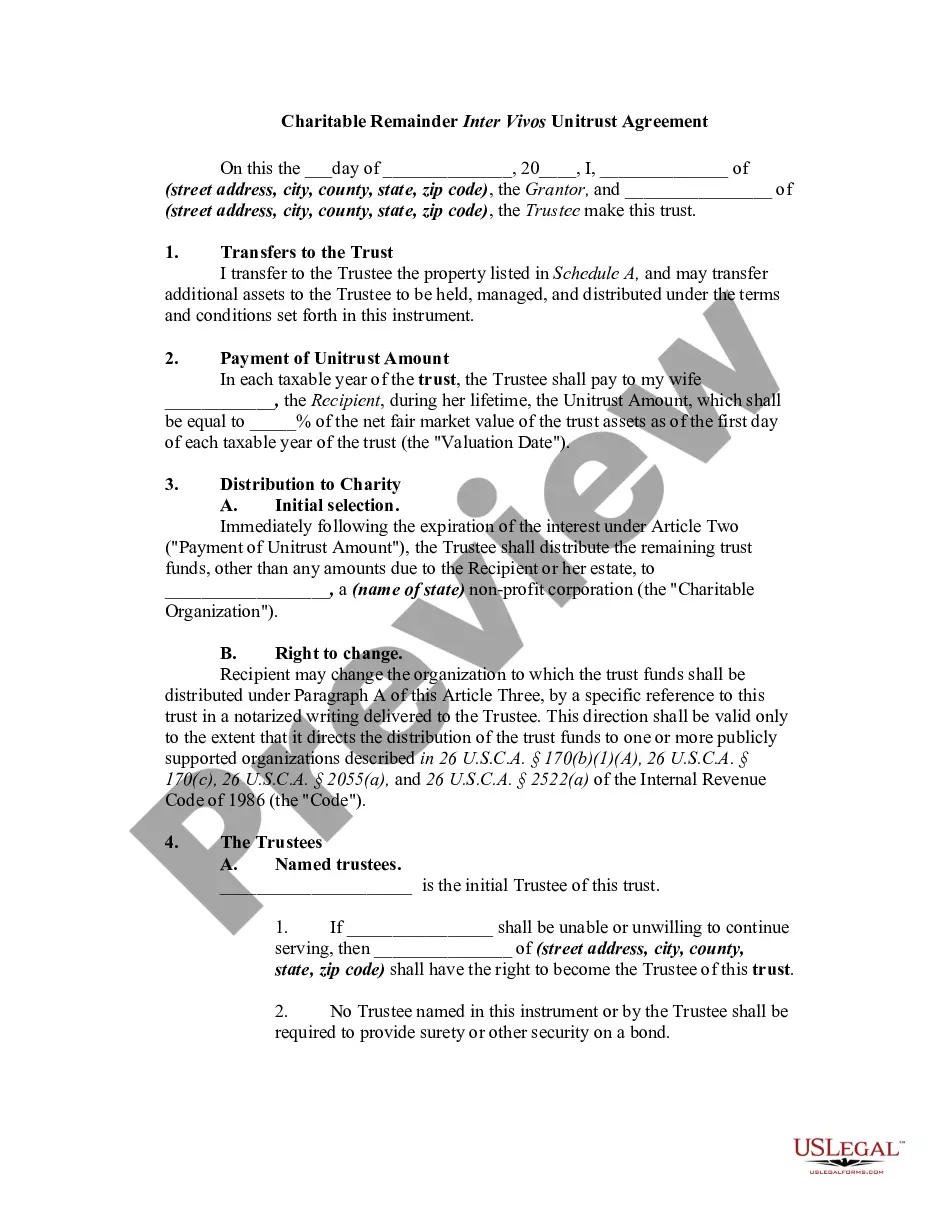
The Charitable Remainder Inter Vivos Annuity Trust form is a legal document that establishes a trust allowing the donor to receive an annuity during their lifetime, with the remaining assets distributed to a charitable organization upon the donor's death. This form is distinct from other trust documents as it specifically combines annuity payments with charitable giving, providing tax benefits under the Internal Revenue Code while supporting the chosen charitable cause.
What’s included in this form
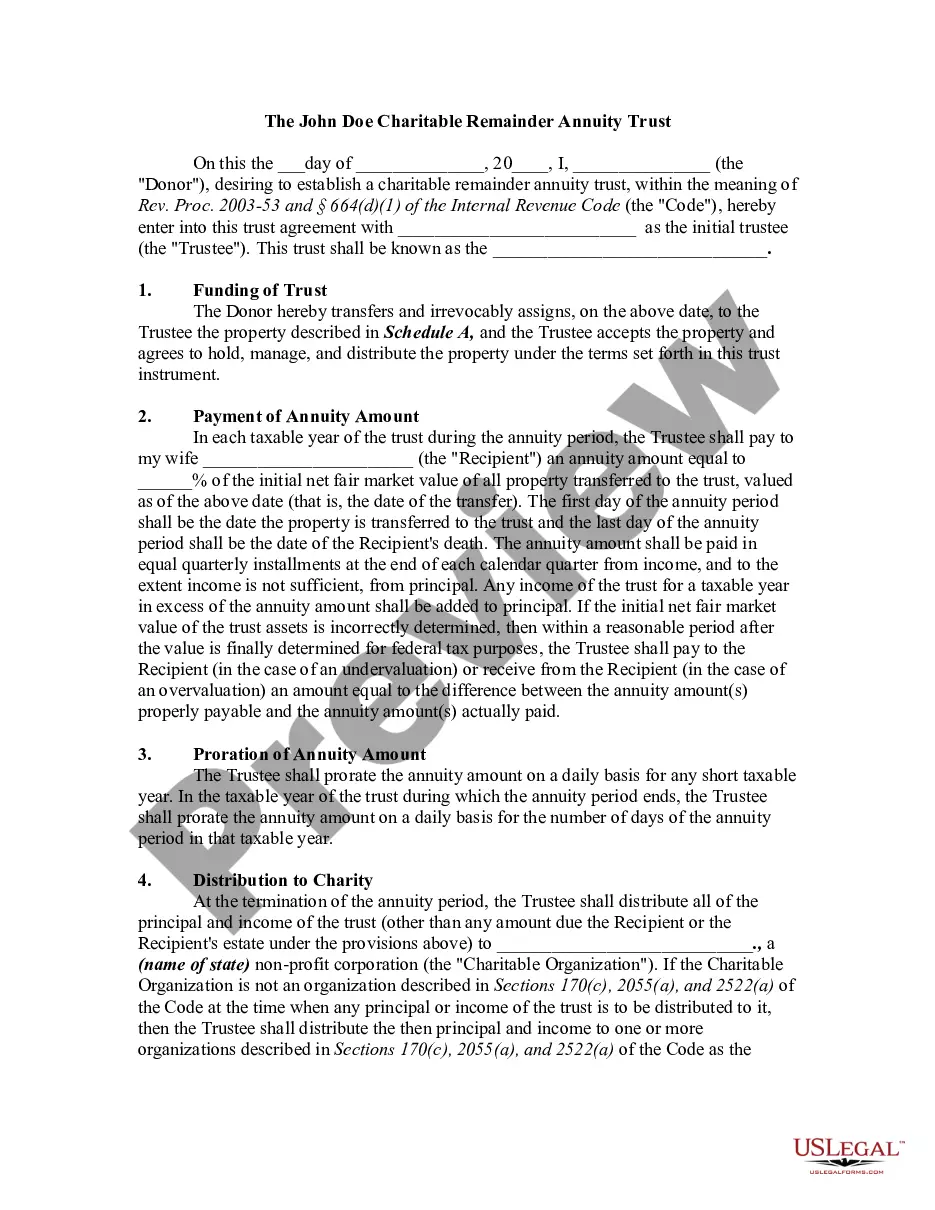
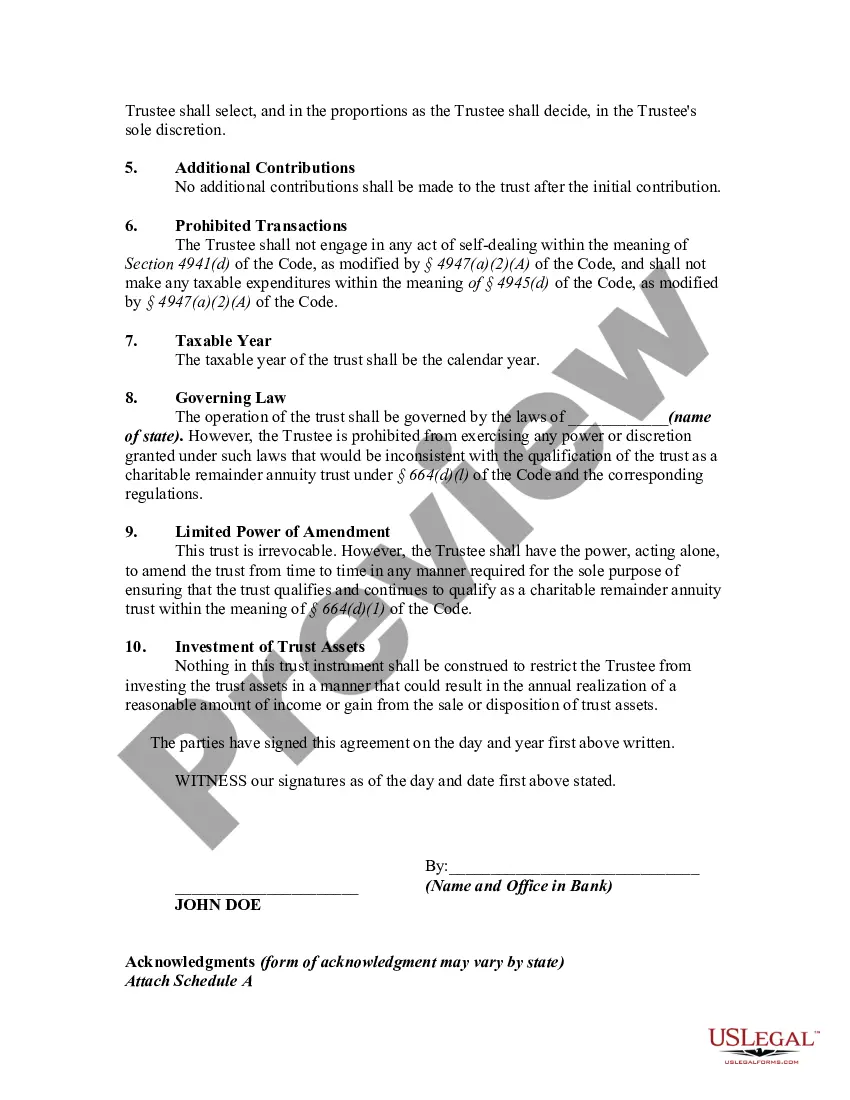
- Funding of the Trust: Details the transfer of property to the Trustee and the management obligations.
- Payment of Annuity Amount: Specifies the annual annuity payment terms and calculation method.
- Distribution to Charity: Outlines how assets are distributed to the charitable organization after the annuity period ends.
- Prohibited Transactions: Prohibits certain transactions to maintain tax qualification.
- Amendment Clause: Allows the Trustee to amend the trust as necessary to ensure its compliance with legal requirements.
When to use this form
This form is useful when an individual (the donor) wishes to create a trust that provides them with income during their lifetime and ultimately benefits a charitable organization. Scenarios include estate planning for individuals looking to minimize tax liabilities while supporting a charitable cause, or for philanthropy planning where the donor desires a fixed income feature while also ensuring their estate contributes to charity after their passing.
Who can use this document
- Individuals interested in philanthropic giving while securing an income stream.
- Those seeking to enhance their estate planning strategies through charitable contributions.
- People looking for a way to support charities while enjoying the benefits of an annuity.
How to prepare this document
- Identify the parties involved: the donor, trustee, and recipient.
- Fill in the donation details, including property descriptions in Schedule A.
- Specify the annuity percentage based on the initial net fair market value of the trust property.
- Enter dates for the signing and the commencement of the annuity payments.
- Ensure signatures are obtained from all parties involved, along with any necessary witnesses.
Notarization guidance
To make this form legally binding, it must be notarized. Our online notarization service, powered by Notarize, lets you verify and sign documents remotely through an encrypted video session.
Get your form ready online
Our built-in tools help you complete, sign, share, and store your documents in one place.
Make edits, fill in missing information, and update formatting in US Legal Forms—just like you would in MS Word.
Download a copy, print it, send it by email, or mail it via USPS—whatever works best for your next step.
Sign and collect signatures with our SignNow integration. Send to multiple recipients, set reminders, and more. Go Premium to unlock E-Sign.
If this form requires notarization, complete it online through a secure video call—no need to meet a notary in person or wait for an appointment.
We protect your documents and personal data by following strict security and privacy standards.

Make edits, fill in missing information, and update formatting in US Legal Forms—just like you would in MS Word.

Download a copy, print it, send it by email, or mail it via USPS—whatever works best for your next step.

Sign and collect signatures with our SignNow integration. Send to multiple recipients, set reminders, and more. Go Premium to unlock E-Sign.

If this form requires notarization, complete it online through a secure video call—no need to meet a notary in person or wait for an appointment.

We protect your documents and personal data by following strict security and privacy standards.
Common mistakes to avoid
- Failing to accurately determine the initial net fair market value of the trust property.
- Neglecting to specify the charitable organization details properly.
- Not including Schedule A with property descriptions.
- Forgetting to have the document signed by all necessary parties.
Why complete this form online
- Immediate access to professionally drafted legal forms to ensure compliance.
- Convenience of downloading and editing the form to meet your specific needs.
- Time savings by avoiding lengthy consultations with attorneys.
- 24/7 availability to complete your legal documents at your own pace.
Legal use & context
- The trust must be irrevocable to qualify as a Charitable Remainder Annuity Trust under tax laws.
- The donor must adhere to IRS rules regarding the valuation and distribution of trust assets.
- Careful adherence to state laws is necessary for the trust to be enforceable.
Looking for another form?





Form popularity
FAQ
All charitable remainder trusts described in section 664 must file Form 5227. All pooled income funds described in section 642(c)(5) and all other trusts such as charitable lead trusts that meet the definition of a split-interest trust under section 4947(a)(2) must file Form 5227 unless the Exception next applies.
Currently, a trust is required to file income tax returns if, during a taxable year it has gross income of $600 or more, or any amount of taxable income.Because a charitable remainder trust is ordinarily tax-exempt, the trust will calculate net income at the trust level, but will pay no tax.
Cash. Publicly traded securities. Some types of closely held stock (Note that CRTs cannot hold S-Corp stock) Real estate. Certain other complex assets.
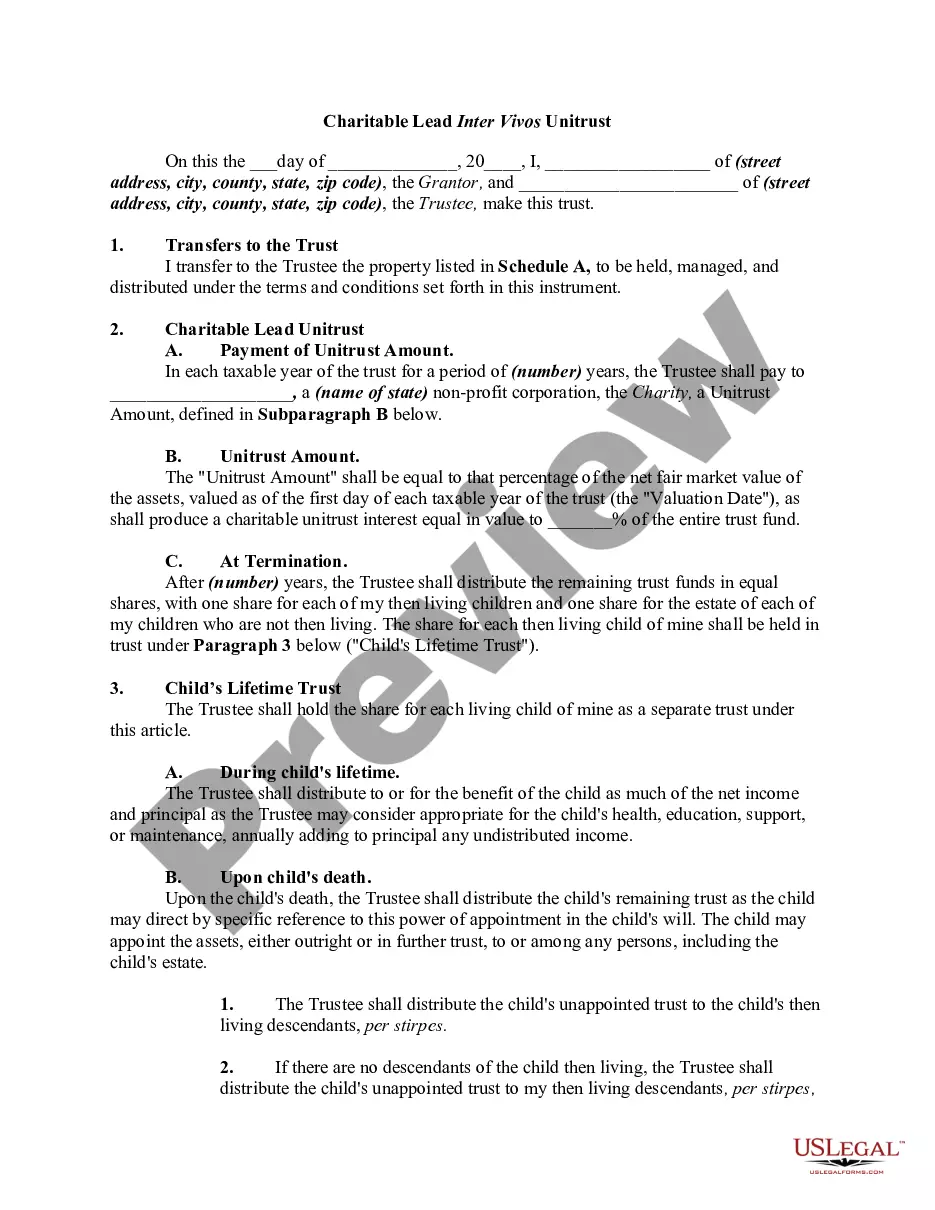
A charitable lead trust is an irrevocable trust designed to provide financial support to one or more charities for a period of time, with the remaining assets eventually going to family members or other beneficiaries. Charitable lead trusts are often considered to be the inverse of a charitable remainder trust.
Charitable lead trusts are often considered to be the inverse of a charitable remainder trust.A charitable remainder trust, in contrast, can provide a stream of income for family members for the term of the trust before the remaining assets are transferred to one or more charitable organization beneficiaries.
Charitable remainder annuity trusts (CRATs) distribute a fixed annuity amount each year, and additional contributions are not allowed. Charitable remainder unitrusts (CRUTs) distribute a fixed percentage based on the balance of the trust assets (revalued annually), and additional contributions can be made.
As a general rule, a charitable trust may last forever, unlike a private trust. In a private trust, the designated beneficiary is the proper person to enforce the trust. In a charitable trust, the state attorney general, who represents the public interest, is the proper person to enforce the trust.
CRTs are exempt from income tax. The CRT assumes the grantor's adjusted cost basis and holding period in the property. If the CRT sells appreciated property, neither the grantor nor the CRT will pay immediate income tax on the sales.