Elder Law Questionnaire
What is this form?
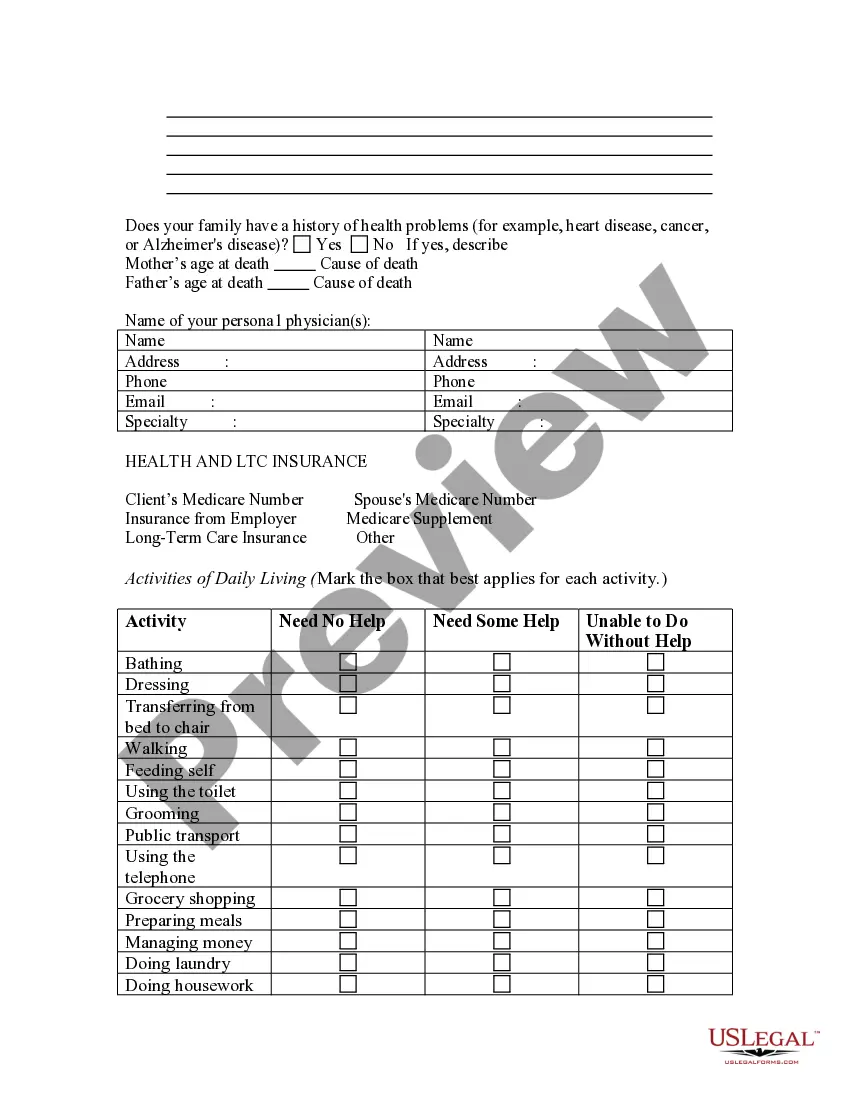
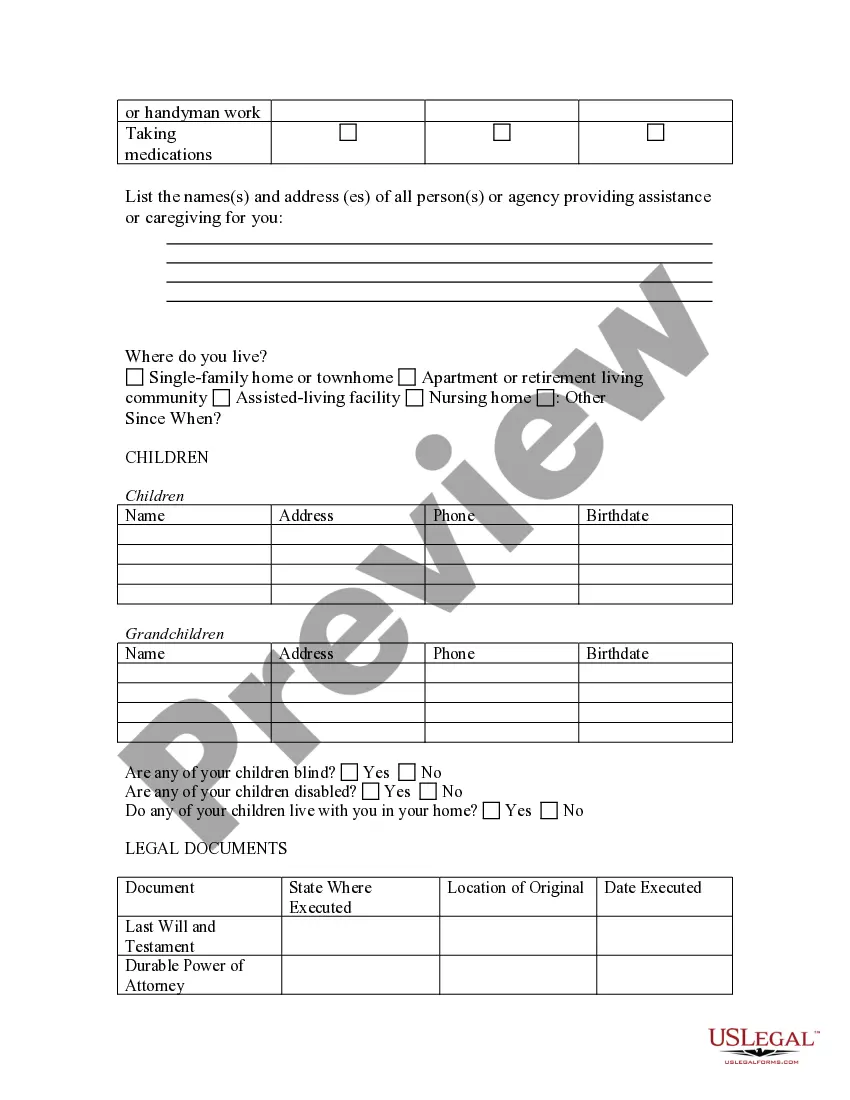
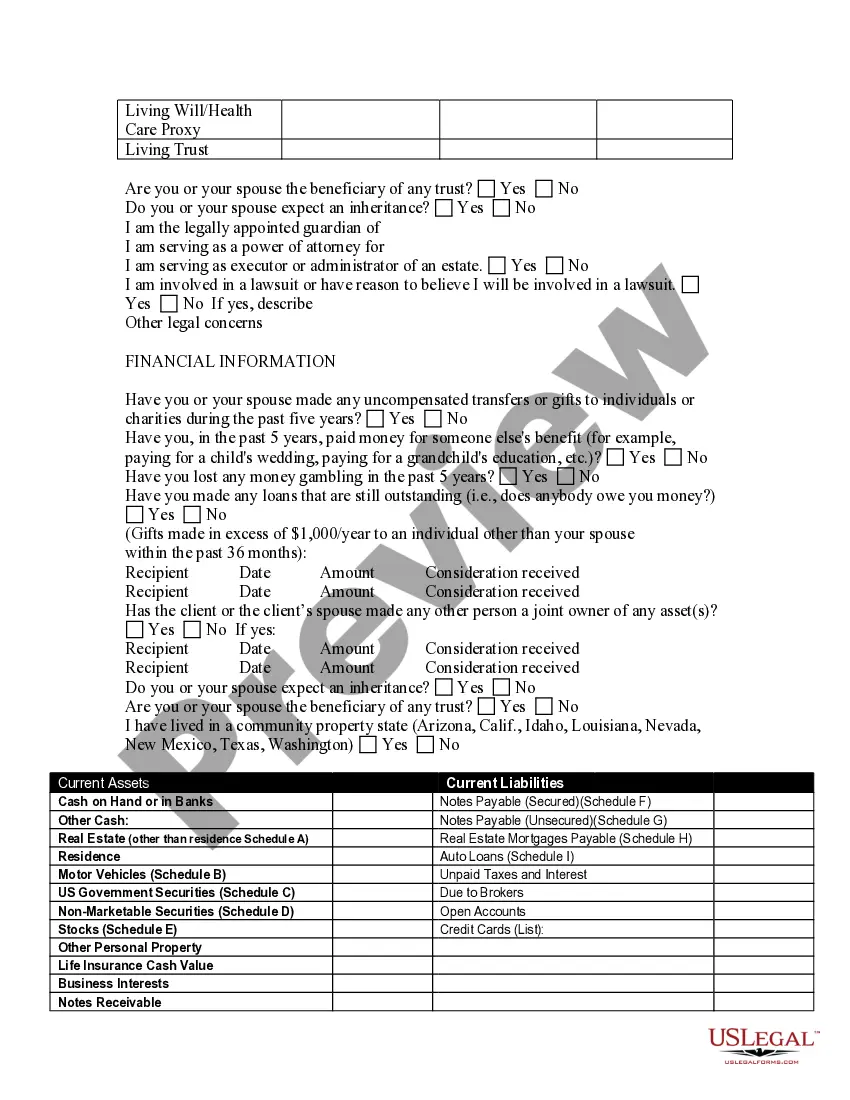
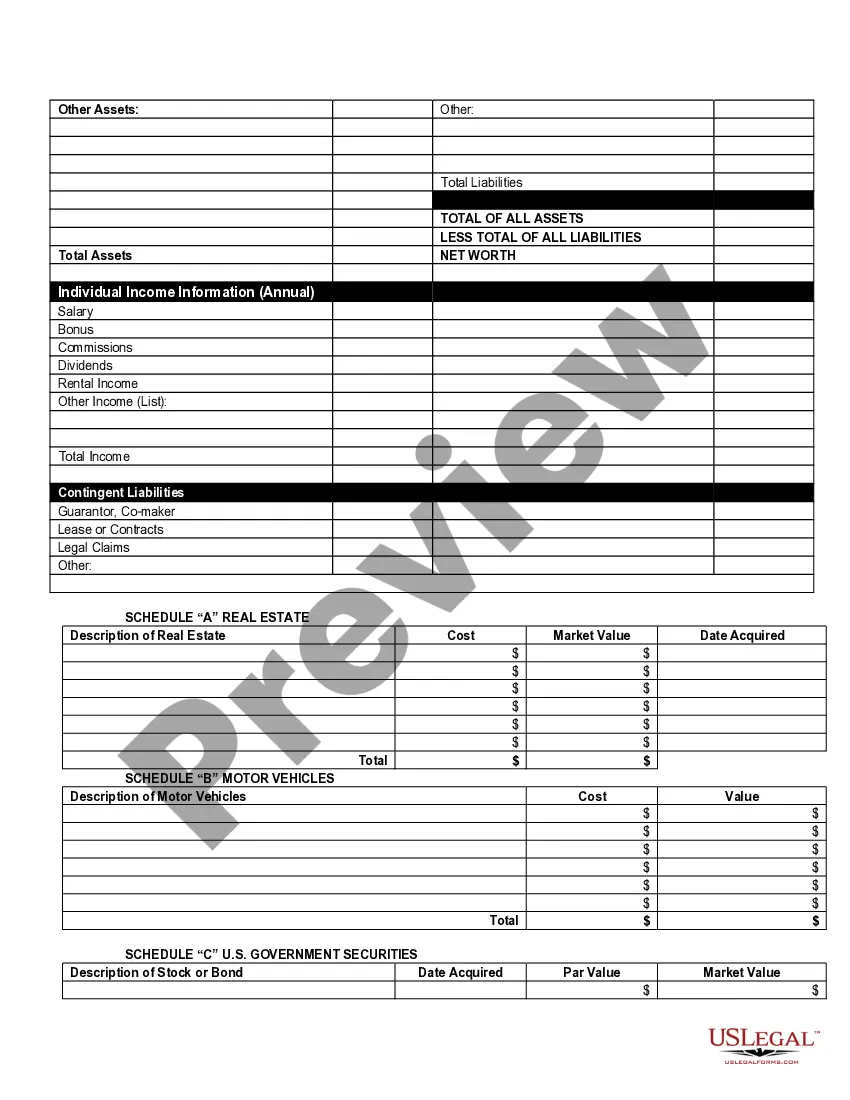
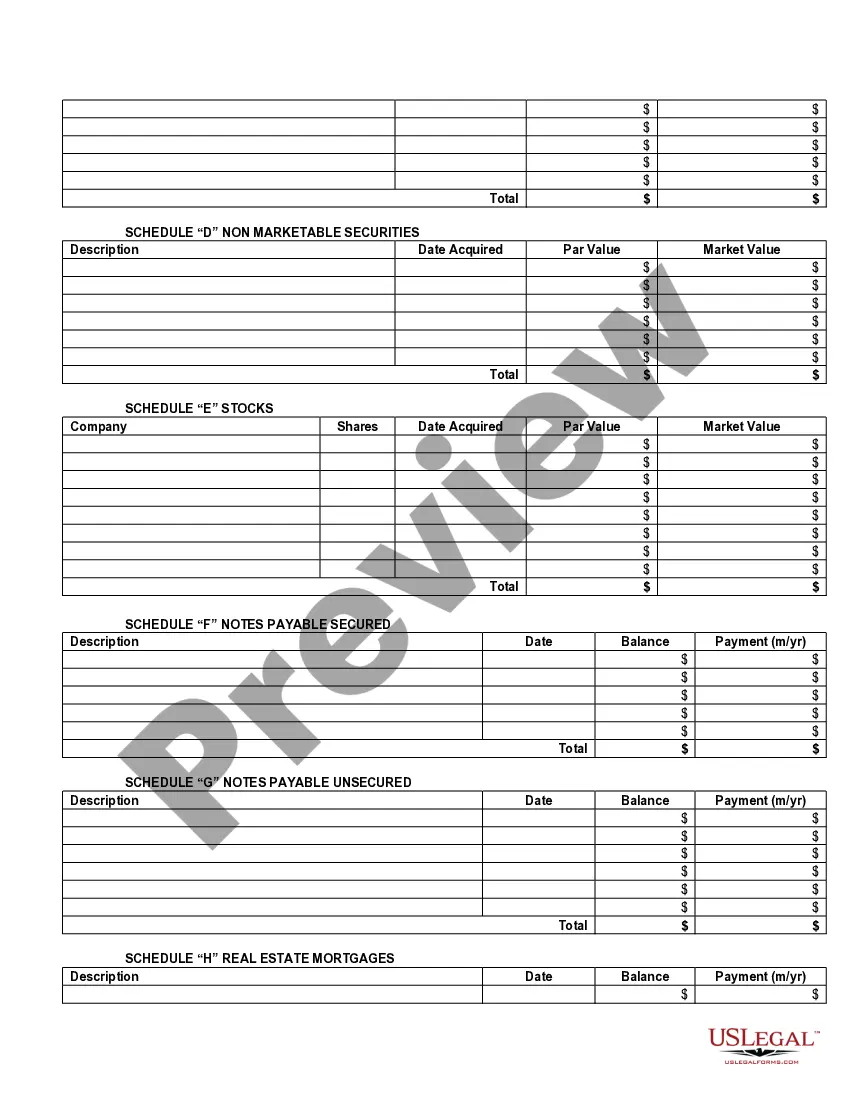
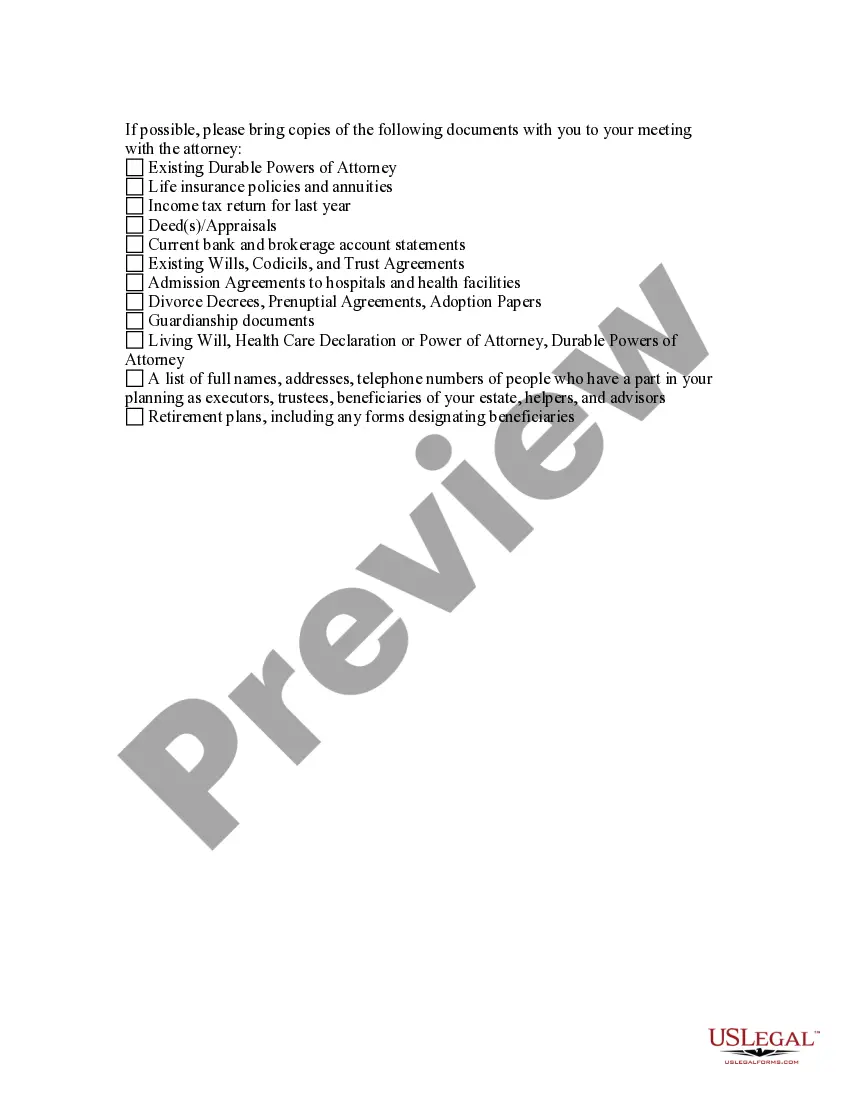
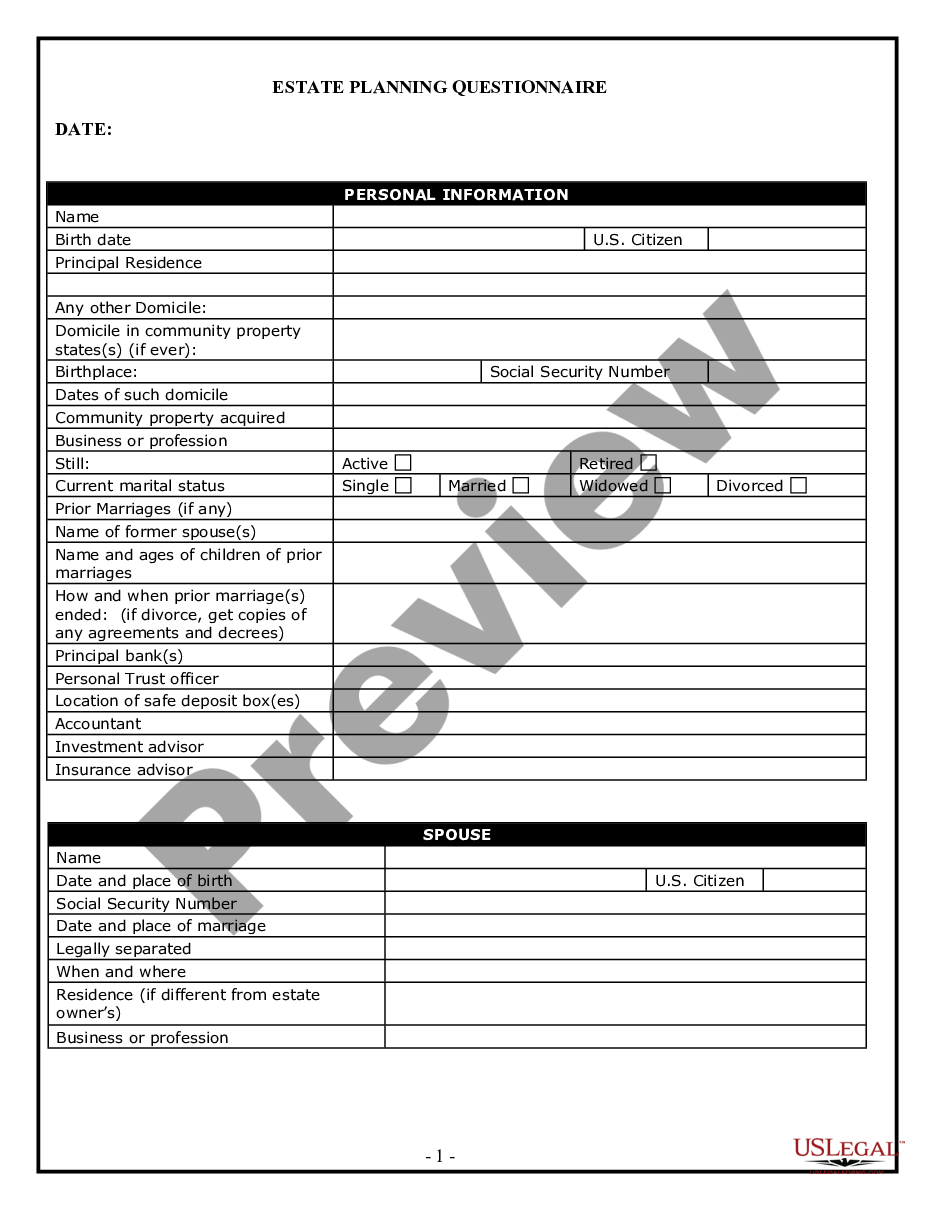
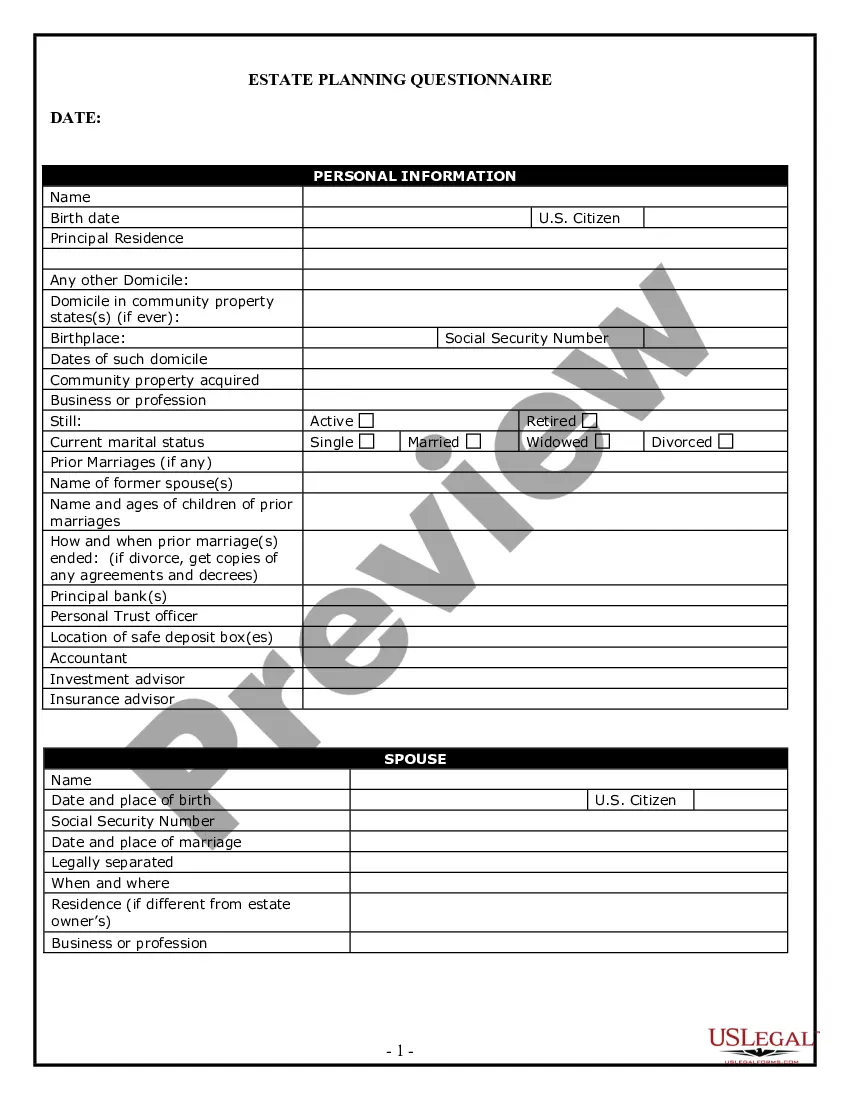
The Elder Law Questionnaire is a comprehensive tool designed to gather essential information regarding your legal rights and obligations in elder law matters. This form focuses on areas like wills, asset protection, and disability planning. It helps individuals identify their unique legal needs, providing attorneys with valuable insights for case evaluation, potentially minimizing preparation costs.
Key components of this form
- Reason for visit: Identifies estate planning, guardianship, probate, and elder law issues.
- Child status: Asks whether you or your spouse have children who have died with children.
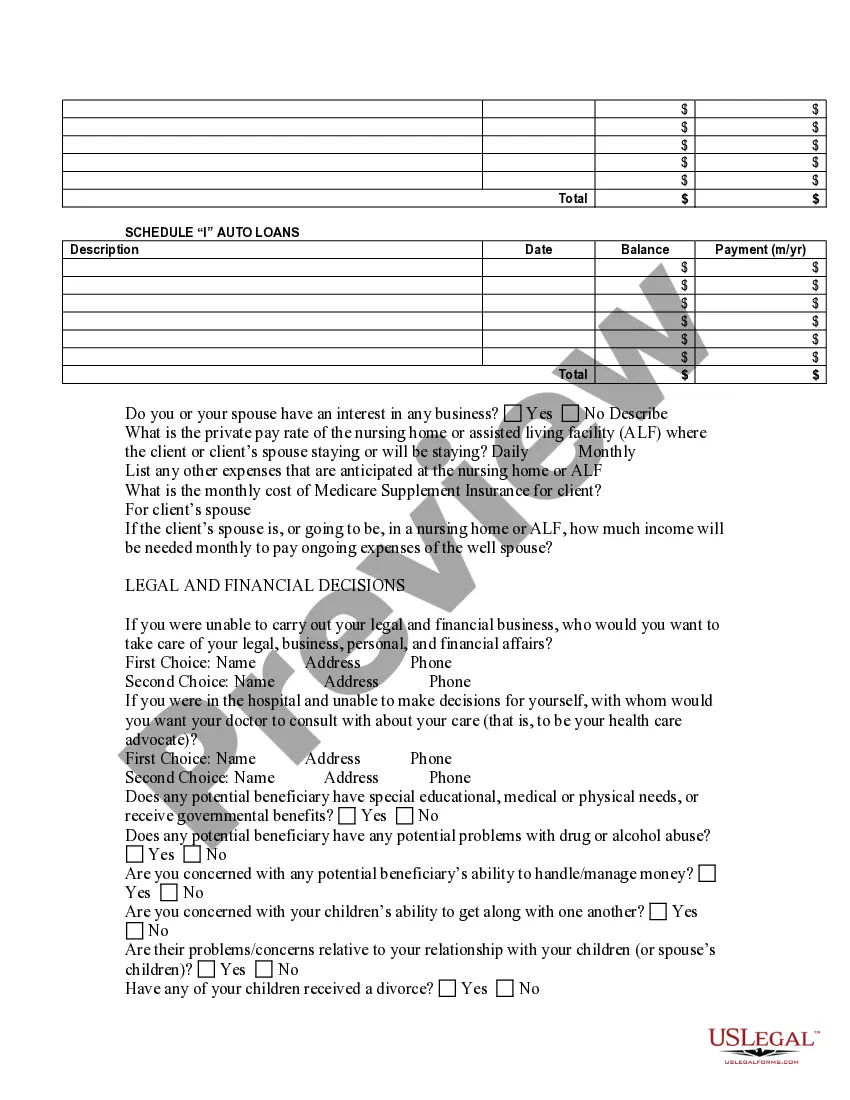
- Financial management concerns: Assesses if any beneficiaries require assistance in managing finances or property.
- Marital agreements: Questions the existence of pre-nuptial or post-nuptial agreements.
- Medical and gambling inquiries: Includes questions about gambling losses and outstanding loans.
- Community property status: Seeks to know if residence is in a community property state.


When this form is needed
This form should be used when you are facing elder law issues such as estate planning, guardianship, or asset protection. It is particularly useful during initial consultations with an attorney, allowing both parties to discuss pertinent information and clarify legal concerns. Completing this questionnaire can streamline the attorney-client relationship and make discussions more effective.
Who needs this form
- Individuals planning for their estates.
- Spouses looking to understand joint financial responsibilities.
- Families with elderly relatives needing assistance with legal and financial matters.
- Legal practitioners seeking to gather client information efficiently.
How to complete this form
- Identify the reason for your visit by checking applicable options related to elder law issues.
- Provide information about your family's status, including details about deceased children and their children.
- Specify whether your beneficiaries need assistance in managing finances or property.
- Indicate any existing marital agreements, such as pre-nuptial or post-nuptial agreements.
- Answer the medical and financial inquiries provided in the questionnaire.
- Note your living situation regarding community property states, if applicable.
Does this document require notarization?
Notarization is not commonly needed for this form. However, certain documents or local rules may make it necessary. Our notarization service, powered by Notarize, allows you to finalize it securely online anytime, day or night.
Get your form ready online
Our built-in tools help you complete, sign, share, and store your documents in one place.
Make edits, fill in missing information, and update formatting in US Legal Forms—just like you would in MS Word.
Download a copy, print it, send it by email, or mail it via USPS—whatever works best for your next step.
Sign and collect signatures with our SignNow integration. Send to multiple recipients, set reminders, and more. Go Premium to unlock E-Sign.
If this form requires notarization, complete it online through a secure video call—no need to meet a notary in person or wait for an appointment.
We protect your documents and personal data by following strict security and privacy standards.

Make edits, fill in missing information, and update formatting in US Legal Forms—just like you would in MS Word.

Download a copy, print it, send it by email, or mail it via USPS—whatever works best for your next step.

Sign and collect signatures with our SignNow integration. Send to multiple recipients, set reminders, and more. Go Premium to unlock E-Sign.

If this form requires notarization, complete it online through a secure video call—no need to meet a notary in person or wait for an appointment.

We protect your documents and personal data by following strict security and privacy standards.
Mistakes to watch out for
- Failing to provide complete information, which could lead to misunderstandings.
- Not discussing all relevant family members or financial situations.
- Ignoring specific questions about asset management or beneficiary needs.
Benefits of completing this form online
- Convenient access to a structured format that can be filled out at your own pace.
- Editability allows for updates and changes before final submission.
- Reliability with forms drafted by licensed attorneys, ensuring legal compliance.
Summary of main points
- The Elder Law Questionnaire is essential for clarifying legal needs related to aging.
- Using this form can reduce attorney fees by streamlining initial consultations.
- It is suitable for various persons involved in elder care and planning.
Looking for another form?

Form popularity
FAQ
Lawyers typically do the following: Advise and represent clients in courts, before government agencies, and in private legal matters. Communicate with their clients, colleagues, judges, and others involved in the case. Conduct research and analysis of legal problems.
Elder rights are the rights of the aged, who in the United States are not recognized as a constitutionally protected class.
An experienced Medicare attorney can help you understand the various options available to you so that you can make informed and confident decisions about your future. Medicare is broken into five separate parts: Part A/Hospital Insurance covers hospital, nursing and hospice care.
Some of the most common services offered by lawyers are in relation to litigation, conveyancing and wills. Also, many of the bigger firms, offer services which cater for the needs of large corporations or instrumentalities such as large government departments. This is more often termed corporate law or commercial law.
Elder care, often referred to as senior care, is specialized care that is designed to meet the needs and requirements of senior citizens at various stages. As such, elder care is a rather broad term, as it encompasses everything from assisted living and nursing care to adult day care, home care, and even hospice care.
A reputable elder law attorney helps protect your senior's legal and financial situation and helps you figure out how to pay for the care they'll need. The fees are well worth it if they can save your family thousands of dollars and avoid future legal headaches.
Older persons should have access to adequate food, water, shelter, clothing and health care through the provision of income, family and community support and self-help. Older persons should have the opportunity to work or to have access to other income-generating opportunities.
An attorney is considered the official name for a lawyer in the United States.An attorney has passed the bar exam and has been approved to practice law in his jurisdiction. Although the terms often operate as synonyms, an attorney is a lawyer but a lawyer is not necessarily an attorney.