North Carolina Protecting Deceased Persons from Identity Theft
Understanding this form package
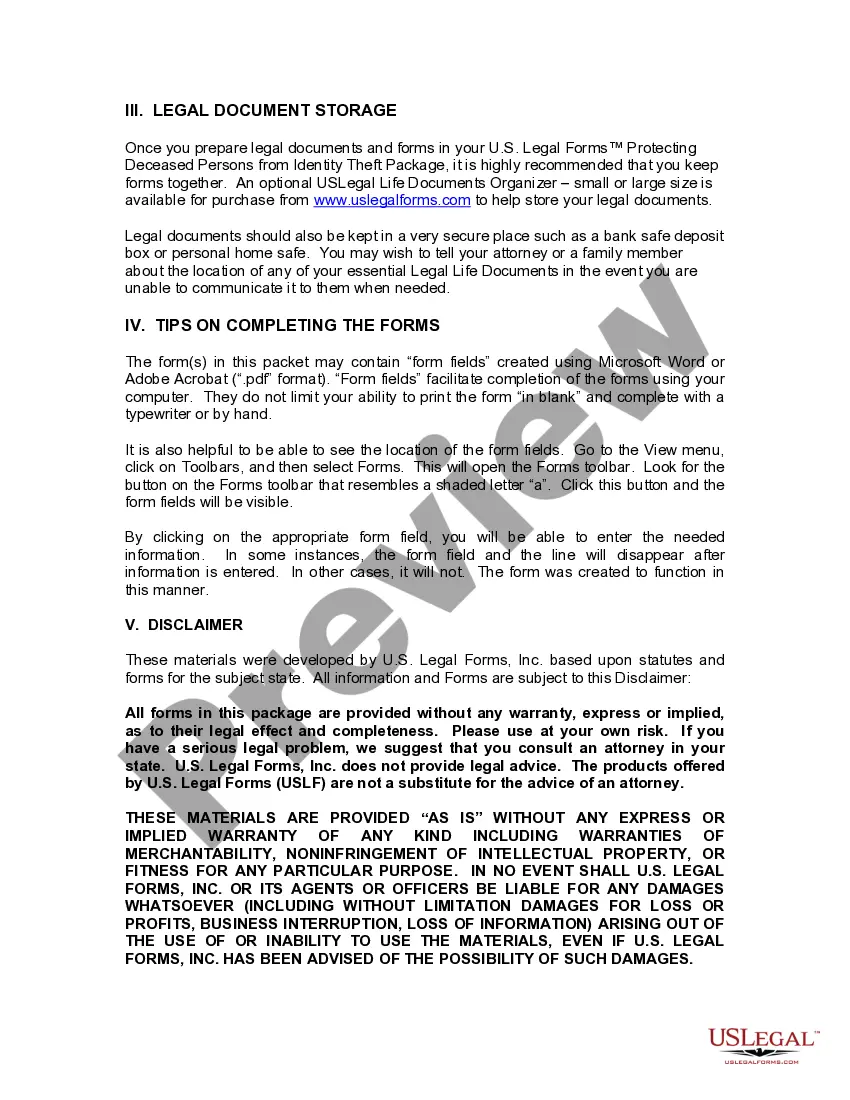
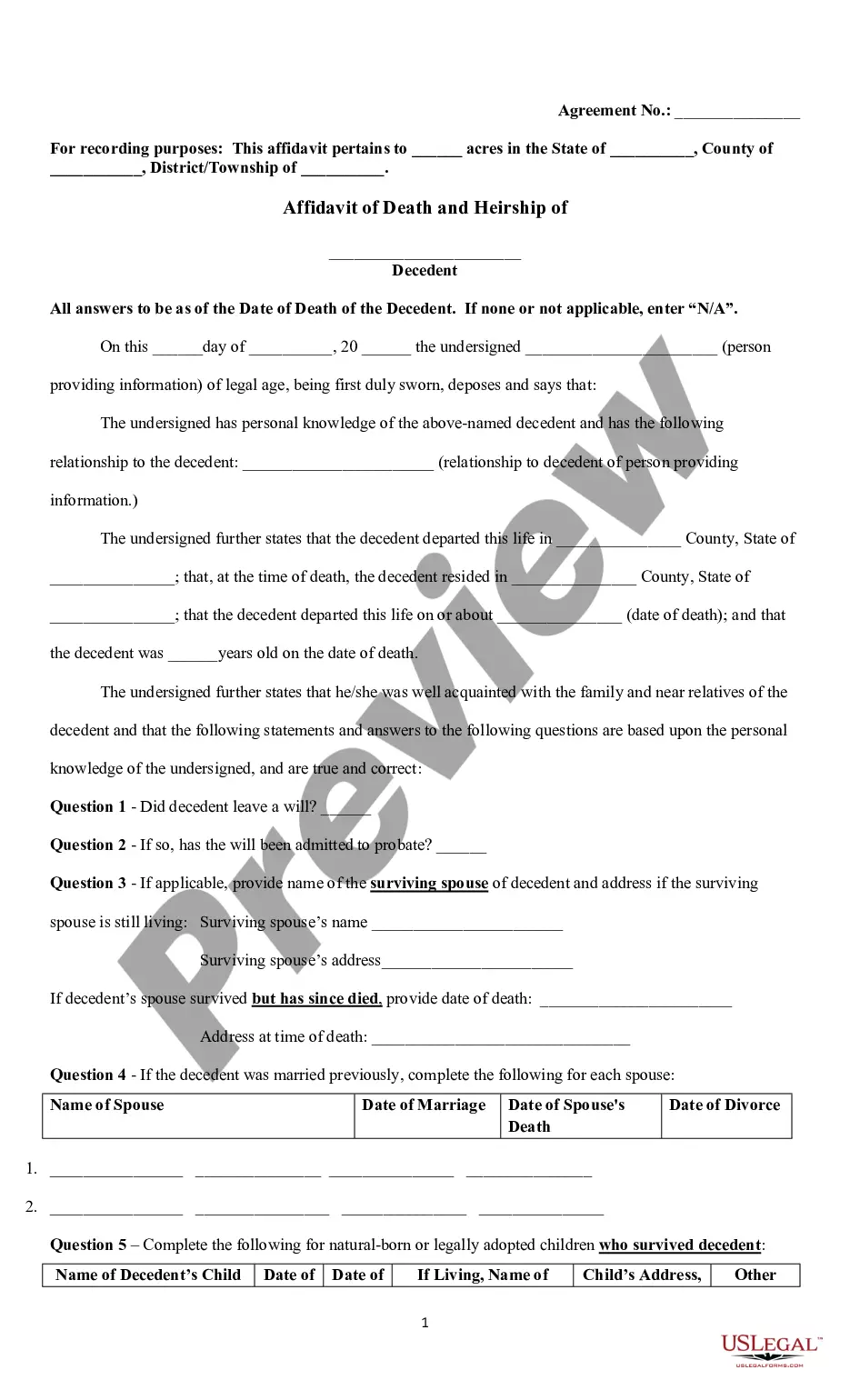
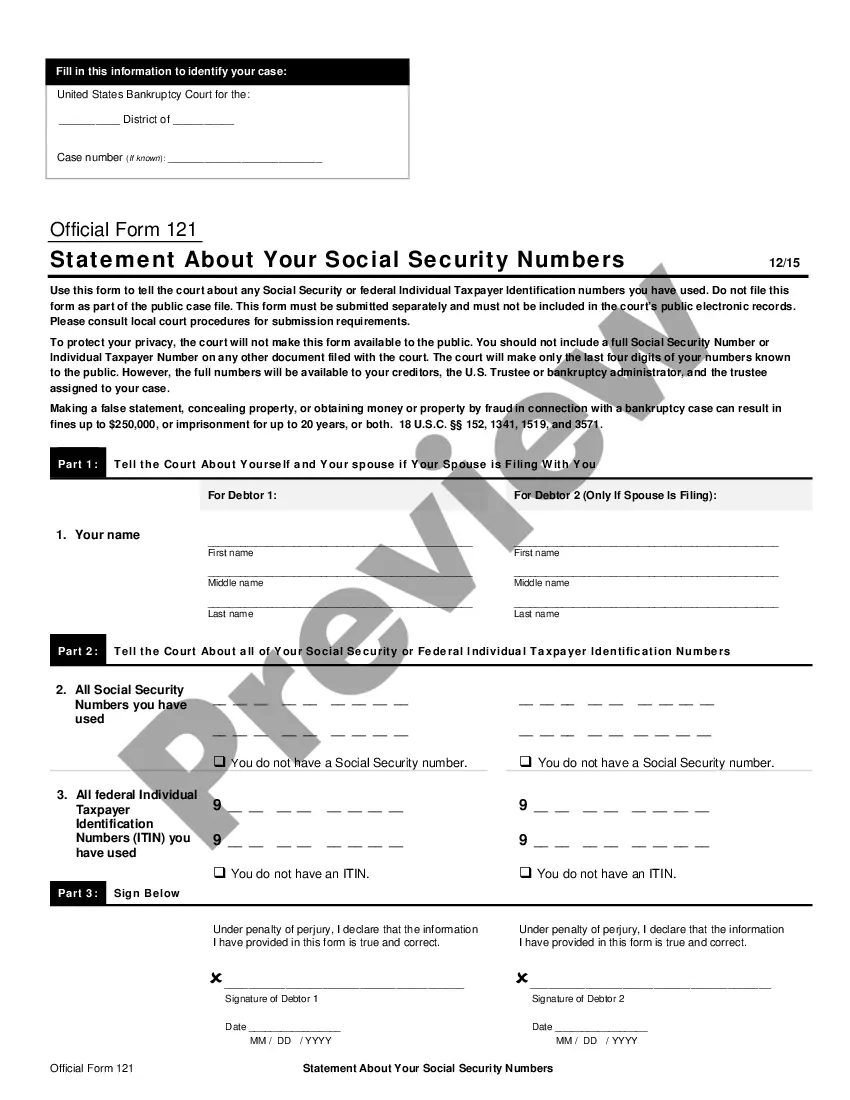
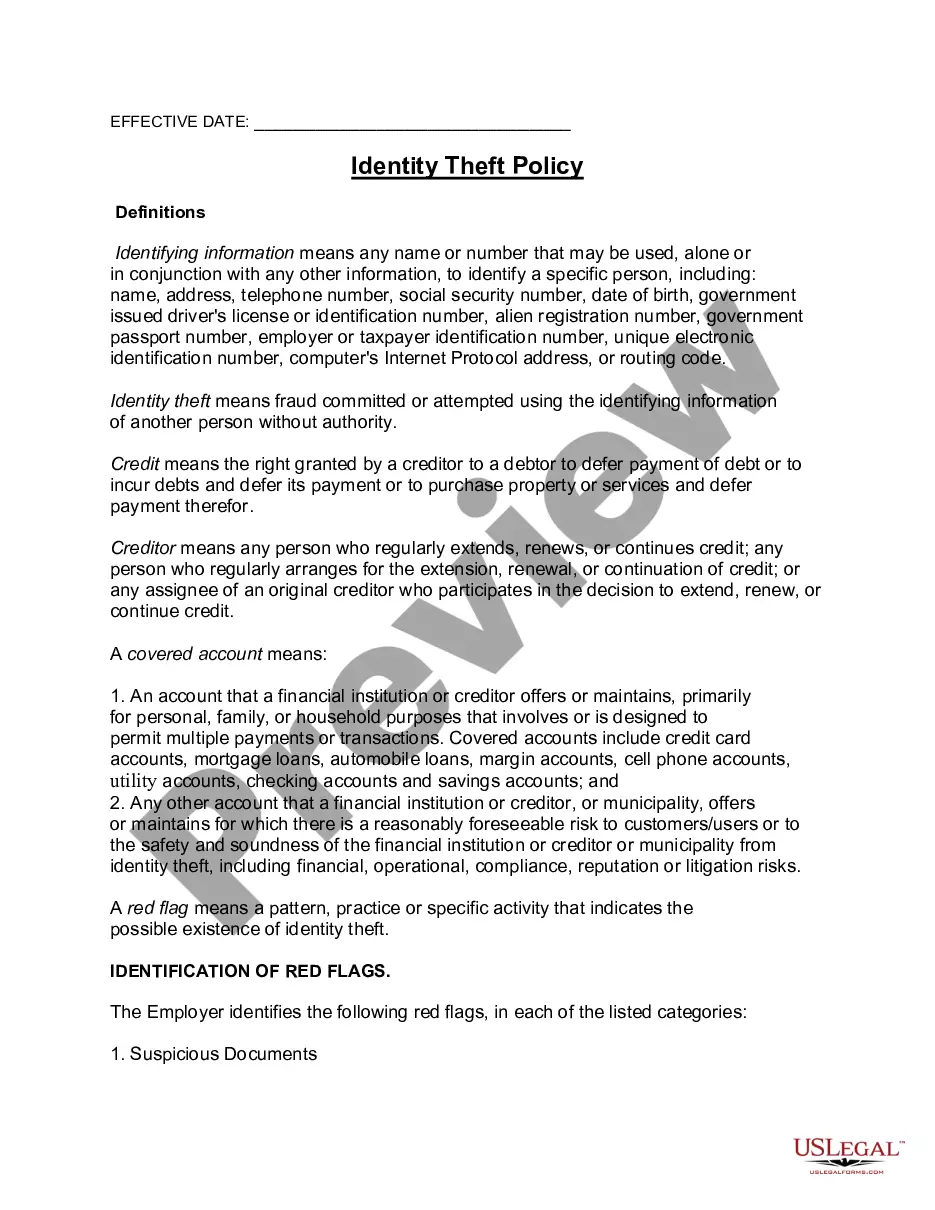
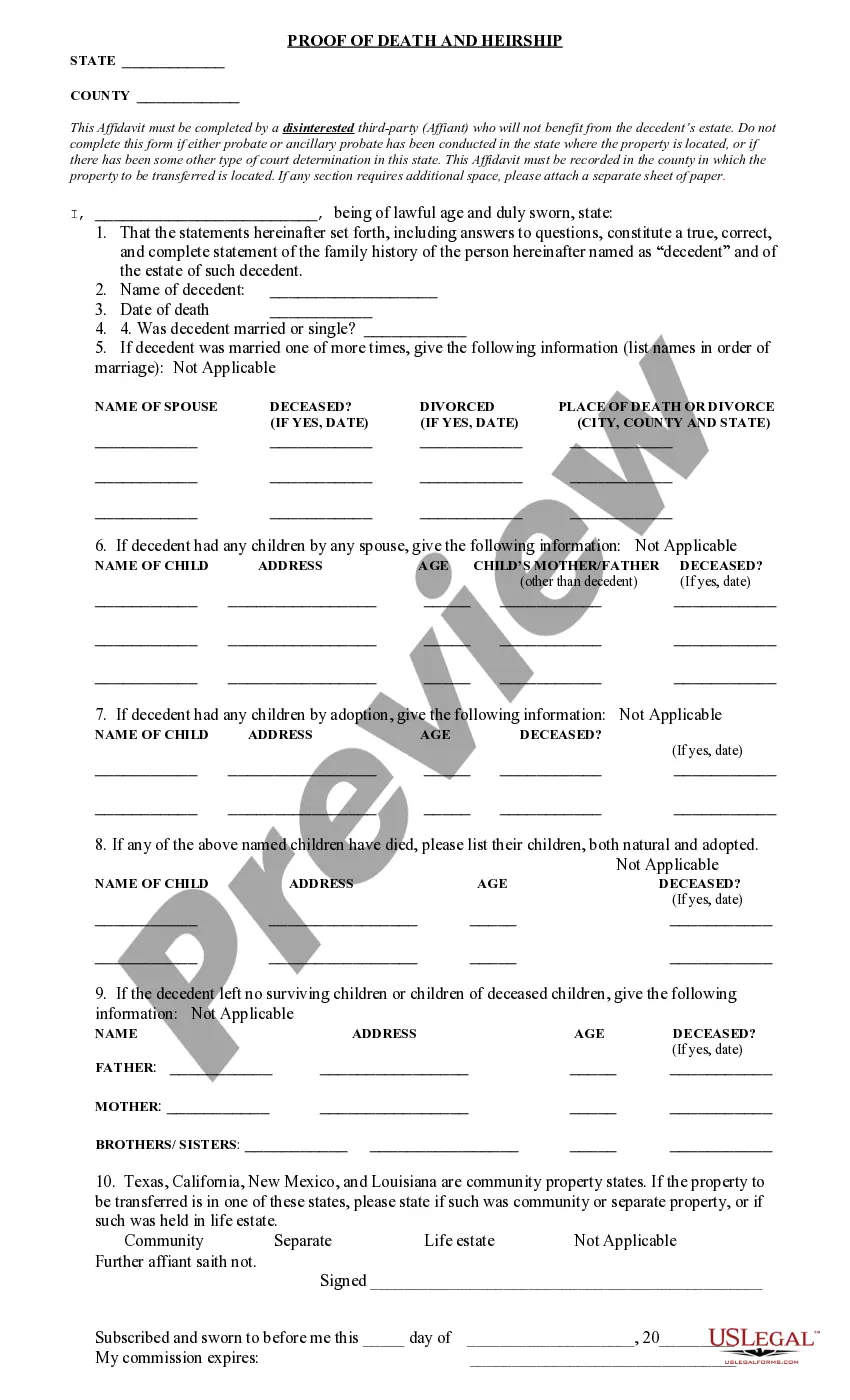
The North Carolina Protecting Deceased Persons from Identity Theft form package contains essential documents designed to help families manage the risk of identity theft affecting deceased individuals. Unlike standard estate planning documents, this package focuses specifically on protecting sensitive information after death and providing guidance on notifying various entities about the death and potential misuse of the deceased's identity. Using this package can help prevent the distressing consequences of identity theft during an already difficult time.
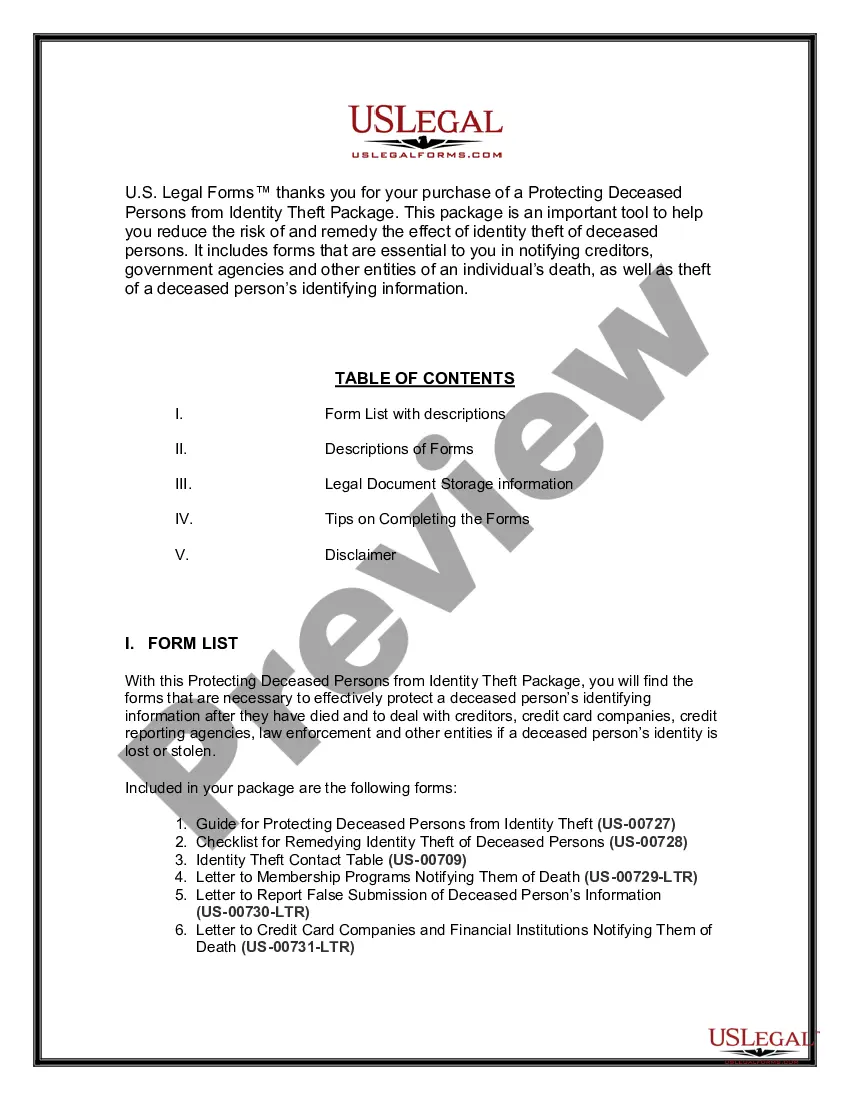
Forms you’ll find in this package
- Identity Theft Contact Table
- Guide for Protecting Deceased Persons from Identity Theft
- Checklist for Remedying Identity Theft of Deceased Persons
- Letter to Membership Programs Notifying Them of Death
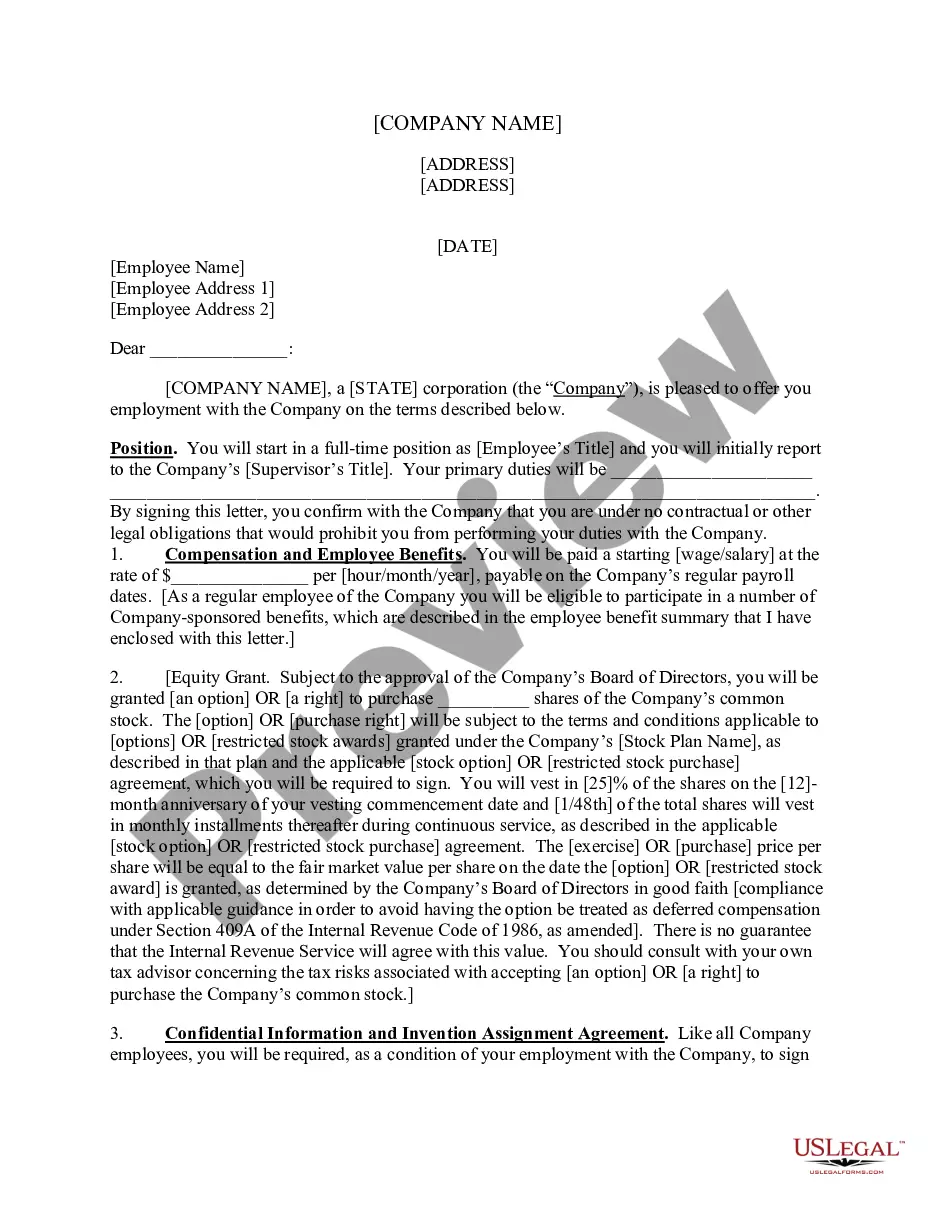
- Letter to Report False Submission of Deceased Person's Information
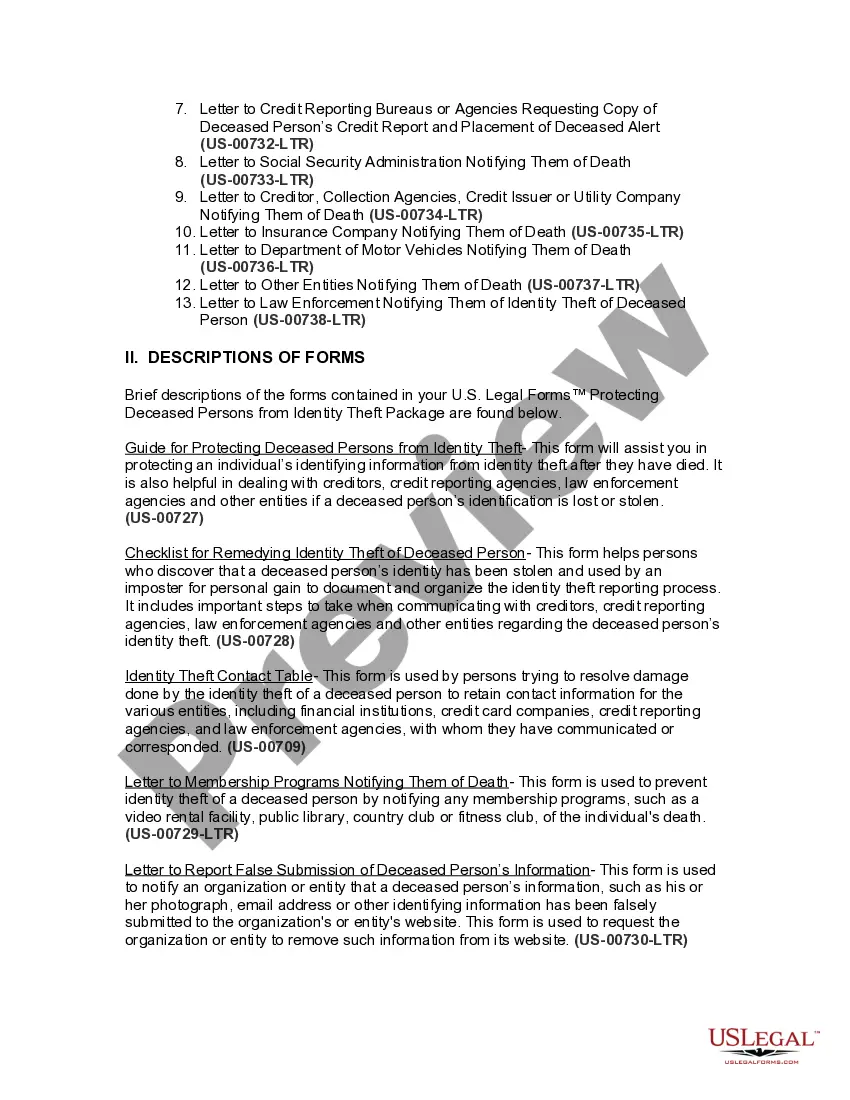
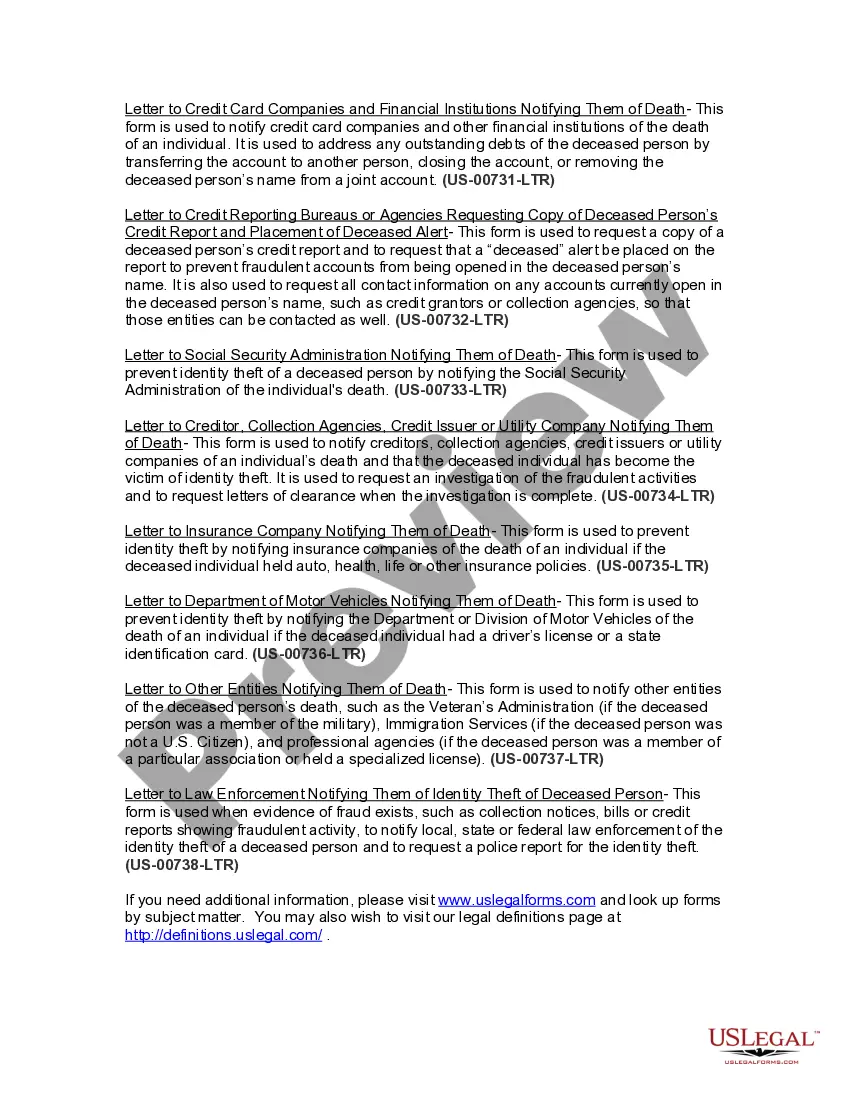
- Letter to Credit Card Companies and Financial Institutions Notifying Them of Death
- Letter to Credit Reporting Bureaus or Agencies Requesting Copy of Deceased Person's Credit Report and Placement of Deceased Alert
- Letter to Social Security Administration Notifying Them of Death
- Letter to Creditor, Collection Agencies, Credit Issuer or Utility Company Notifying Them of Death
- Letter to Insurance Company Notifying Them of Death
- Letter to Department of Motor Vehicles Notifying Them of Death
- Letter to Other Entities Notifying Them of Death
- Letter to Law Enforcement Notifying Them of Identity Theft of Deceased Person
When to use this document
This package is necessary in several scenarios, including:
- When a loved one passes away and there is concern about the misuse of their personal information.
- When notifying creditors, government agencies, or membership programs about the deceased's death.
- When dealing with ongoing financial accounts or obligations of the deceased individual.
- If fraudulent activities linked to the deceased's identity are discovered.
Who this form package is for
- Family members or executors of an estate who are handling the affairs of a deceased person.
- Individuals managing the identity theft concerns of someone who has passed away.
- Any person needing to communicate the death of an individual to various entities and prevent identity theft.
Instructions for completing these forms
- Review the included guide for protecting deceased persons from identity theft.
- Complete the checklist for remedying identity theft if applicable.
- Fill out the necessary notification letters for creditors, financial institutions, and government agencies.
- Compile the Identity Theft Contact Table to track communications.
- Ensure all forms are signed and dated appropriately.
Notarization guidance for this package
Forms in this package typically do not require notarization unless legally mandated by local law. Ensure to check specific requirements for your situation. If needed for any particular form, you can access US Legal Formsâ online notarization services, available 24/7 for your convenience.
Get your form ready online
Our built-in tools help you complete, sign, share, and store your documents in one place.
Make edits, fill in missing information, and update formatting in US Legal Forms—just like you would in MS Word.
Download a copy, print it, send it by email, or mail it via USPS—whatever works best for your next step.
Sign and collect signatures with our SignNow integration. Send to multiple recipients, set reminders, and more. Go Premium to unlock E-Sign.
If this form requires notarization, complete it online through a secure video call—no need to meet a notary in person or wait for an appointment.
We protect your documents and personal data by following strict security and privacy standards.

Make edits, fill in missing information, and update formatting in US Legal Forms—just like you would in MS Word.

Download a copy, print it, send it by email, or mail it via USPS—whatever works best for your next step.

Sign and collect signatures with our SignNow integration. Send to multiple recipients, set reminders, and more. Go Premium to unlock E-Sign.

If this form requires notarization, complete it online through a secure video call—no need to meet a notary in person or wait for an appointment.

We protect your documents and personal data by following strict security and privacy standards.
Avoid these common issues
- Not notifying all relevant entities about the death, which can leave opportunities for identity theft.
- Failing to keep copies of all correspondence for future reference.
- Overlooking the need to secure personal documents and information related to the deceased.
Benefits of using this package online
- Convenience of downloading forms directly to your device without the need for a legal office visit.
- Editability allows you to fill in the appropriate information and rearrange documents as needed.
- Access to reliable, attorney-drafted forms that can help prevent costly identity theft consequences.
Looking for another form?

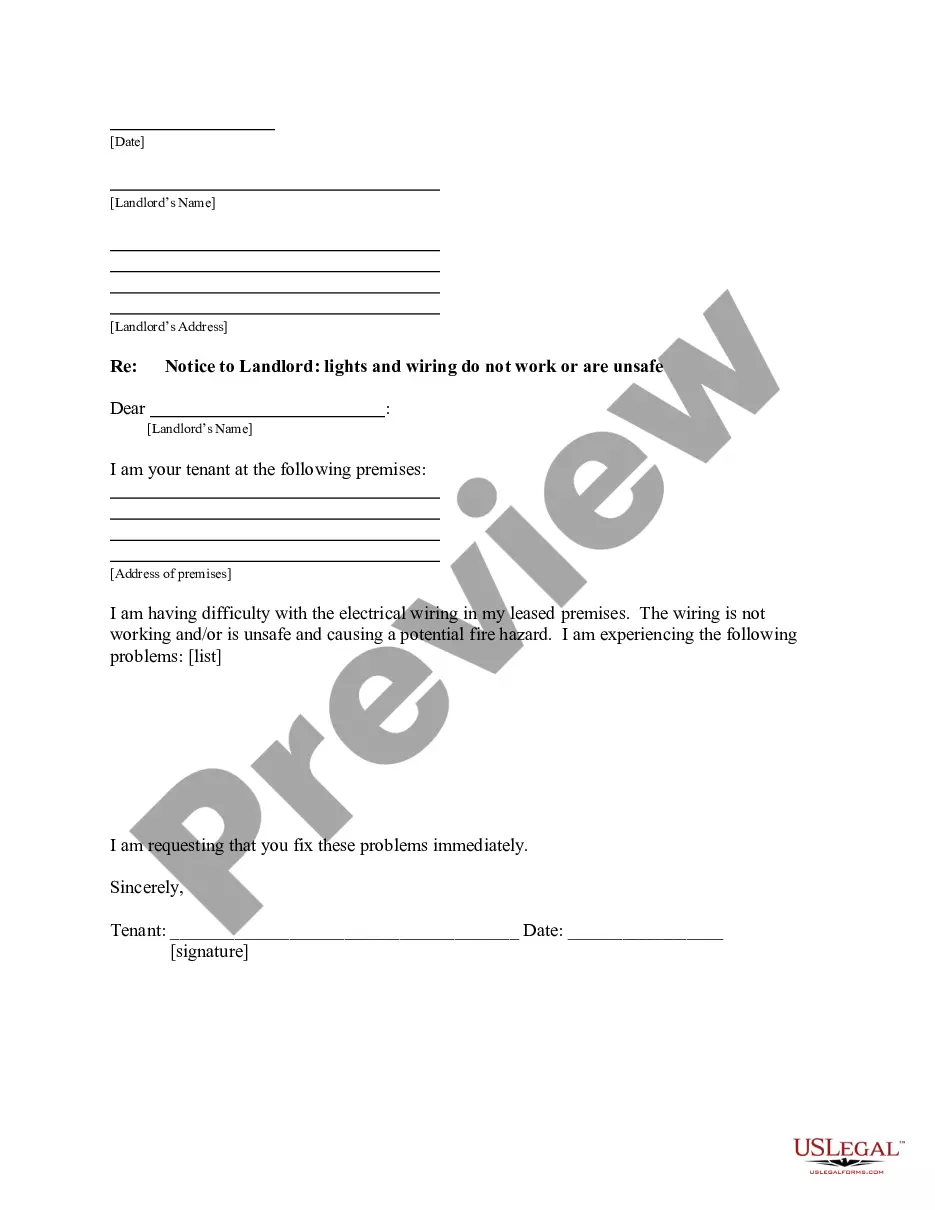
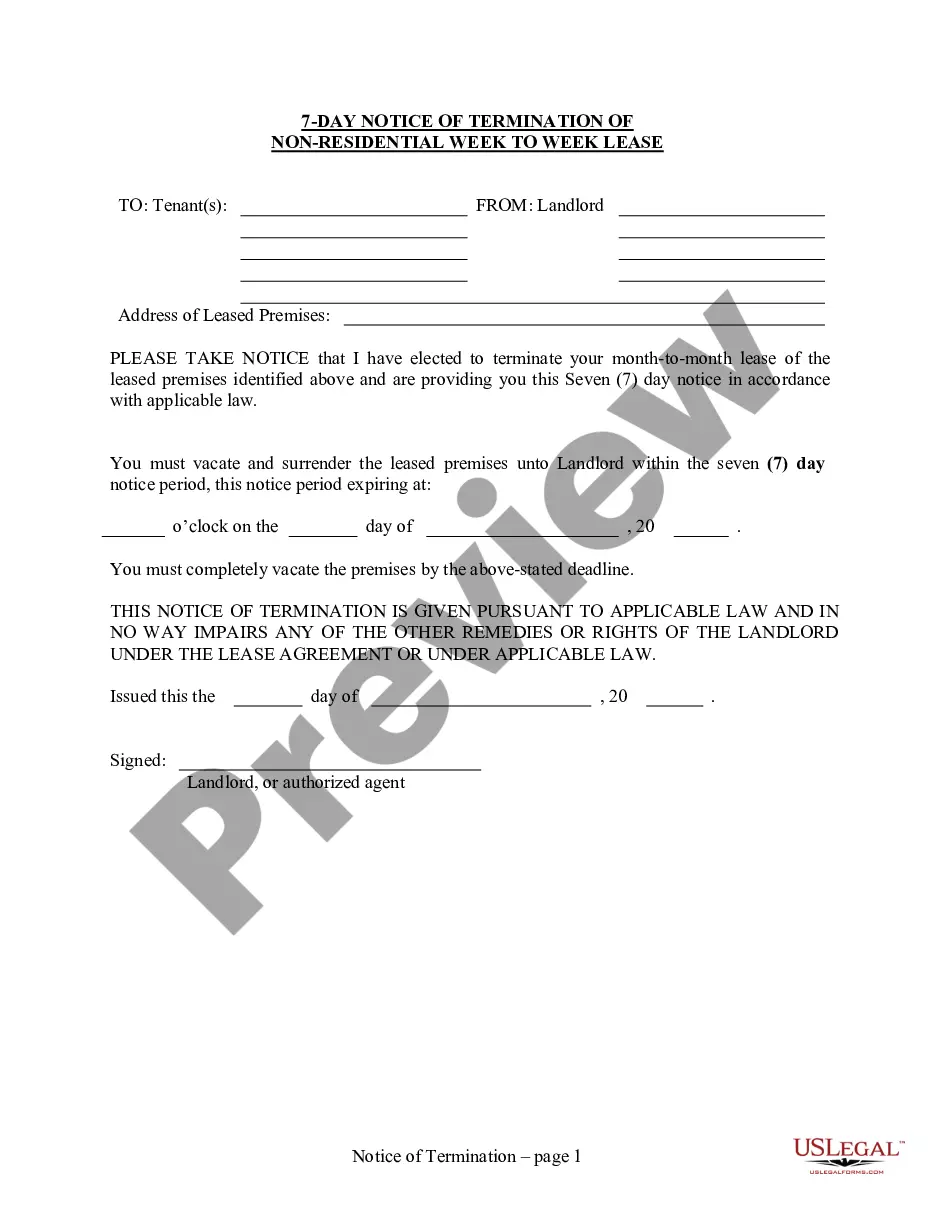
Form popularity
FAQ
It's called ghosting, and it's both scary and surprising. Ghosting is a form of identity theft. It occurs when someone uses the personal information of a dead person, often for monetary gain. A savvy criminal can take over bank accounts, apply for new credit cards, and even file for fraudulent tax refunds.
For joint accounts, remove the deceased's name. Report the death to Social Security by calling 800-772-1213. Contact the department of motor vehicles to cancel the deceased's driver's license, to prevent duplicates from being issued to fraudsters.
What is the first step in protecting yourself from identity theft? Never provide personal data about yourself unless absolutely necessary.
Place a Fraud Alert on Your Credit Report. Freeze Your Credit Report. Order Your Free Credit Reports. Buy Your Credit Reports. Monitor Your Accounts Online. Enroll in Credit Monitoring. Keep Your Social Security Number Safe. Pick Up Your Check Order.
Confront her. Tell her you know she stole from you and you want the items back, or she needs to replace them for you. If she refuses, talk to her parents or legal guardians and ask them for help retrieving your items. If all else fails, call the police.
What happens to your Social Security number after you die? The Social Security Administration (SSA) maintains a national file of reported deaths for the purpose of paying appropriate benefits.The SSA generally receives reports of death from a family member or a funeral home.
File a Police a Report. Identity theft is a crime, and if a family member steals your identity, you are that crime's victim. Alert Credit Bureaus. Contact Creditors. Change Your Passwords. Consider Freezing Your Credit.
The Social Security Administration (www.ssa.gov) does not reappoint a Social Security number to someone else after the original owner's death. The SSA estimates that there are enough new number combinations to last well into the next SEVERAL generations.
Identity thieves can strike even after death. An identity thief's use of a deceased person's Social Security number may create problems for family members.The Social Security Administration (SSA) maintains a national file of reported deaths for the purpose of paying appropriate benefits.