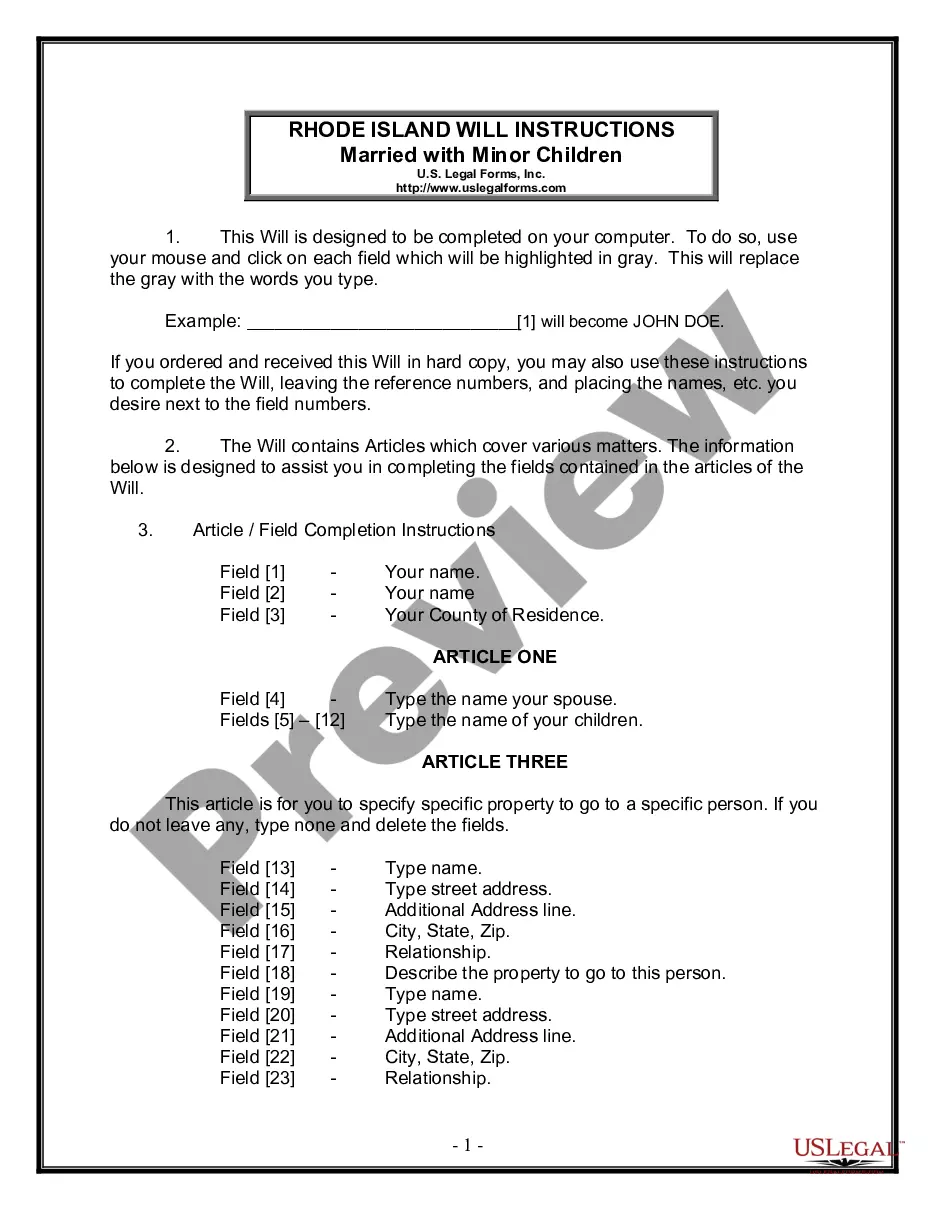
Confidential Data Form
Understanding this form
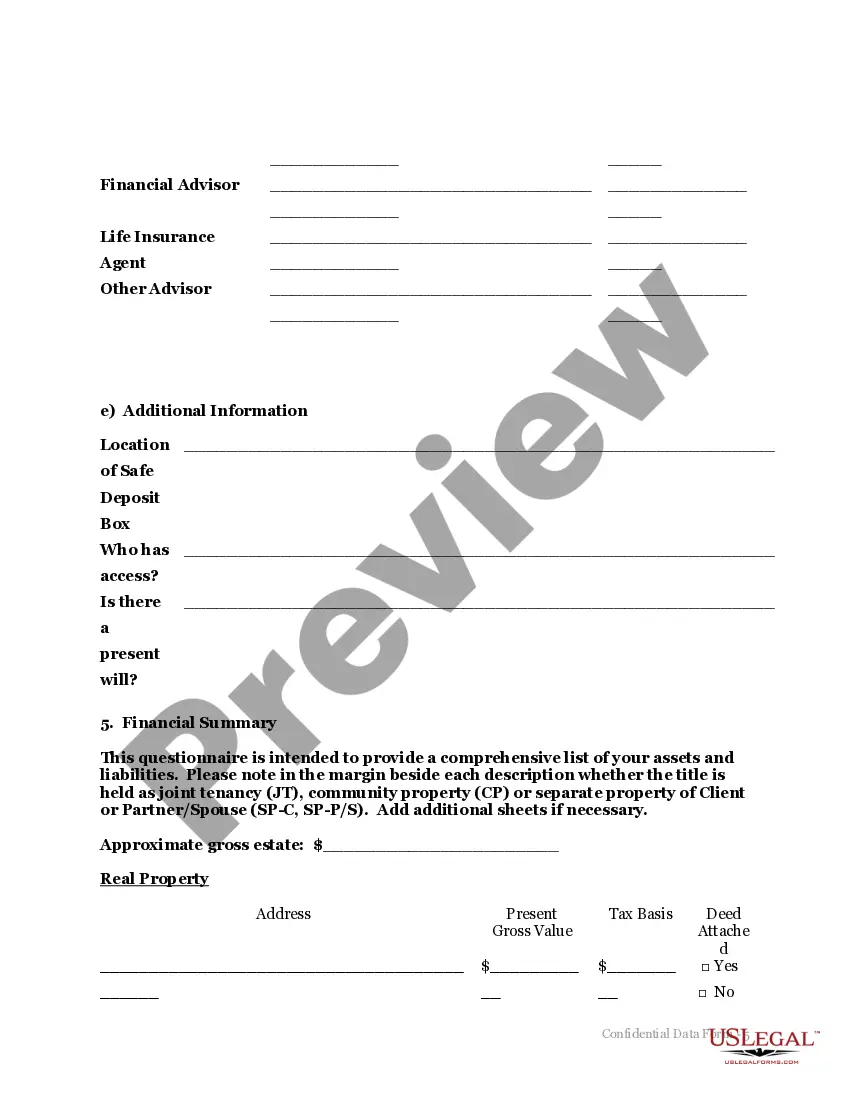
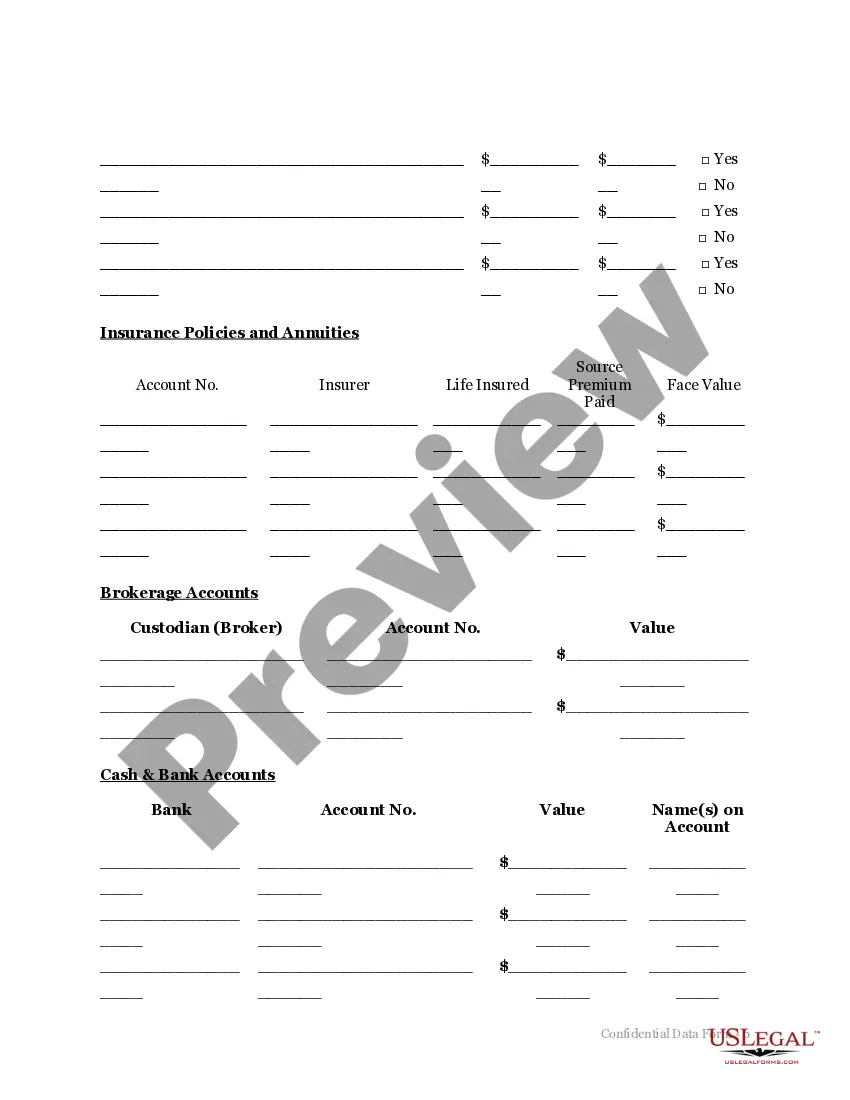
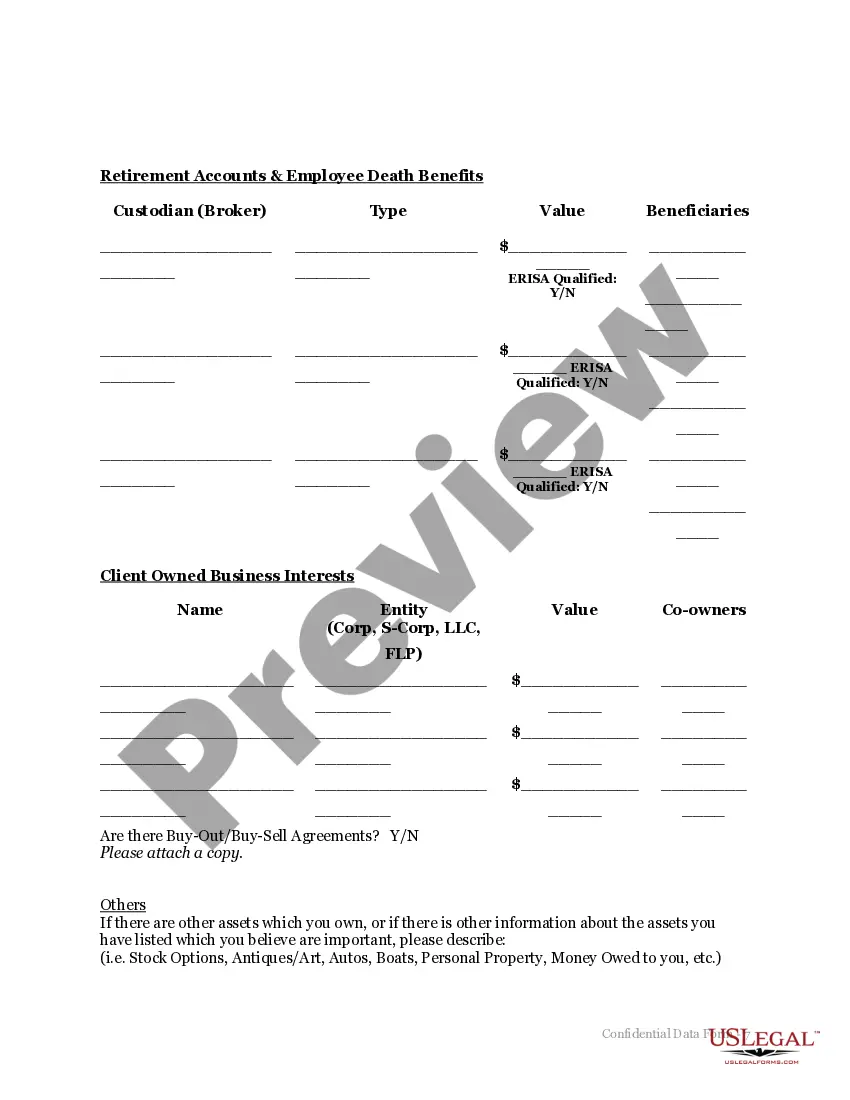
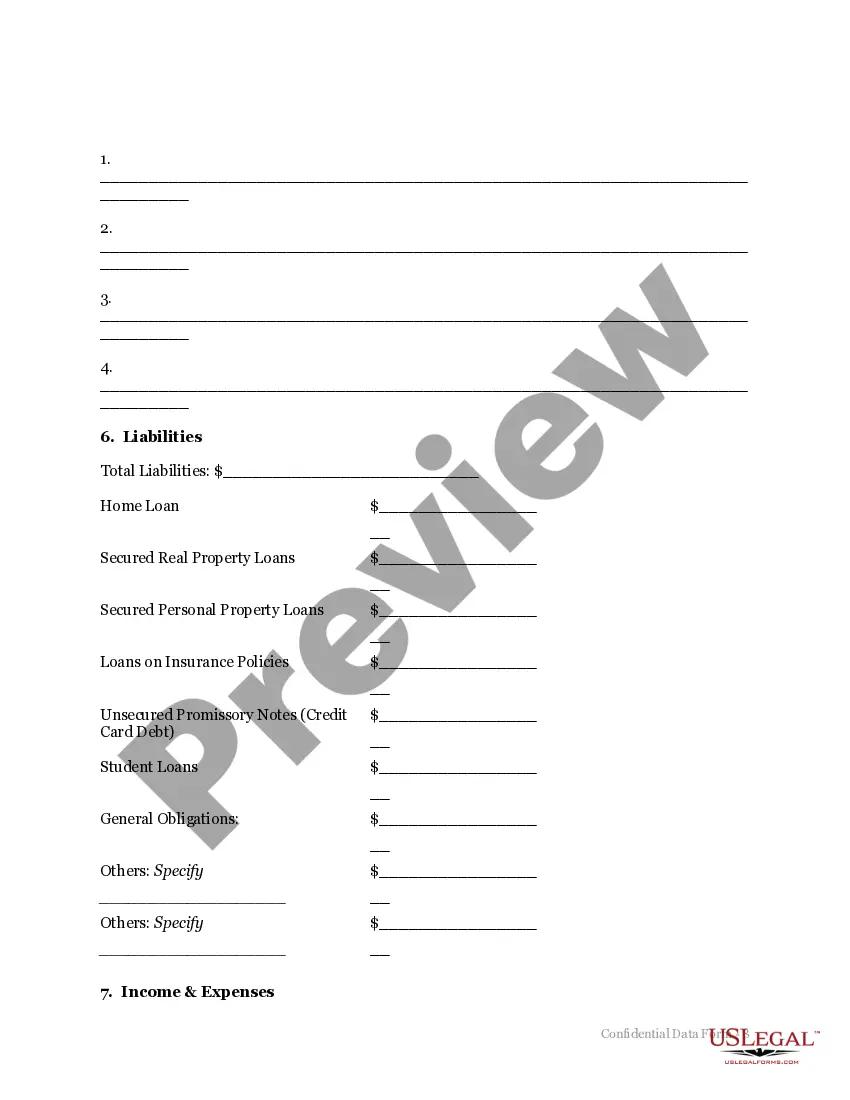
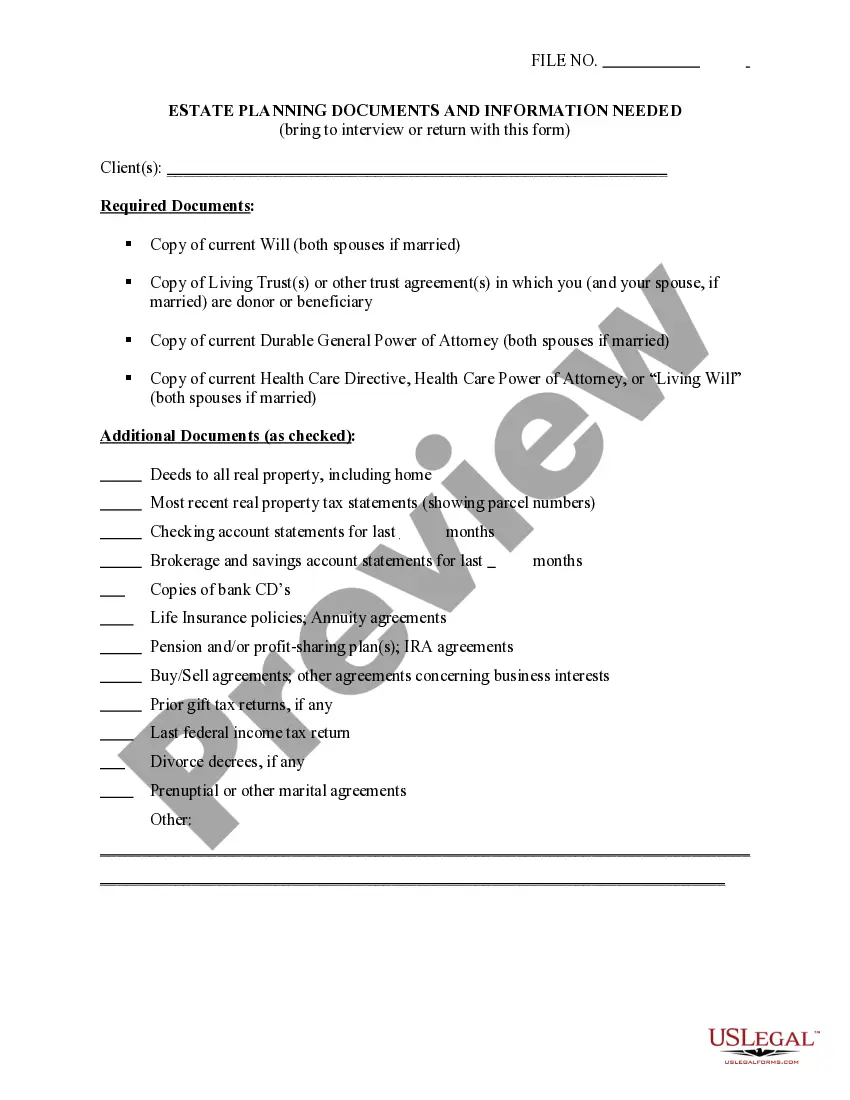
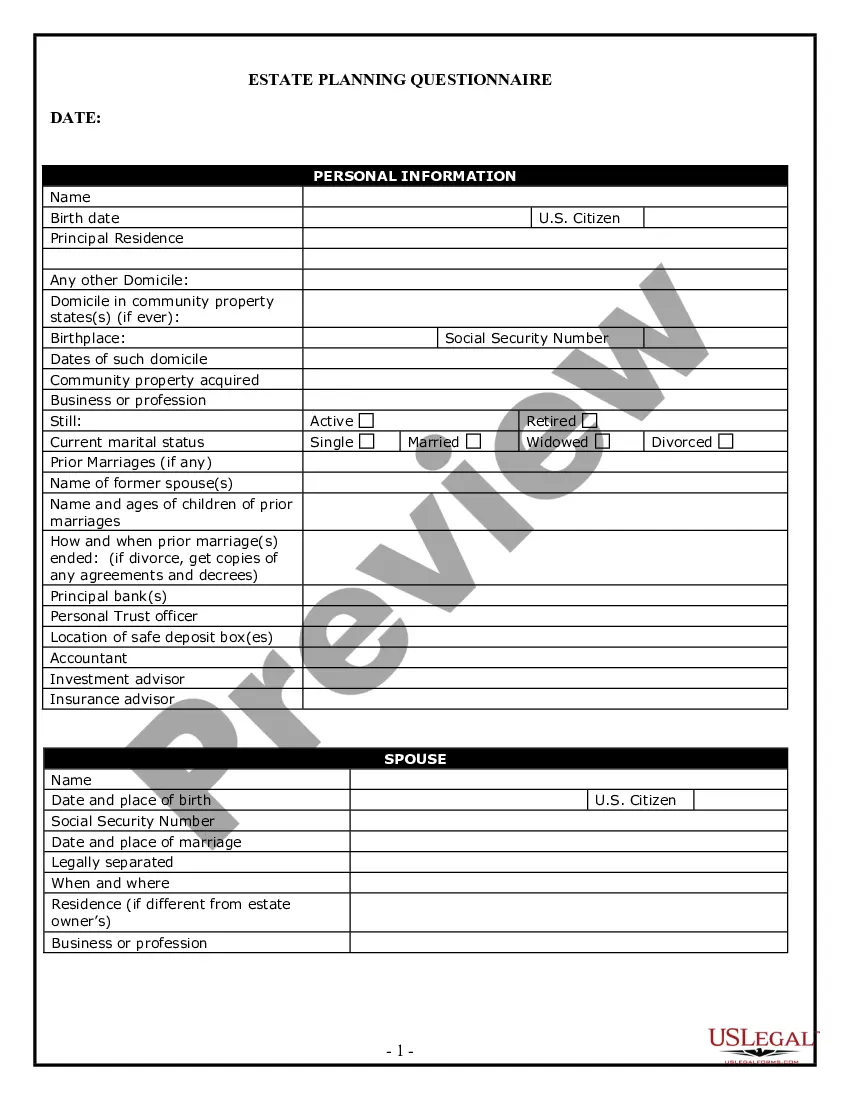
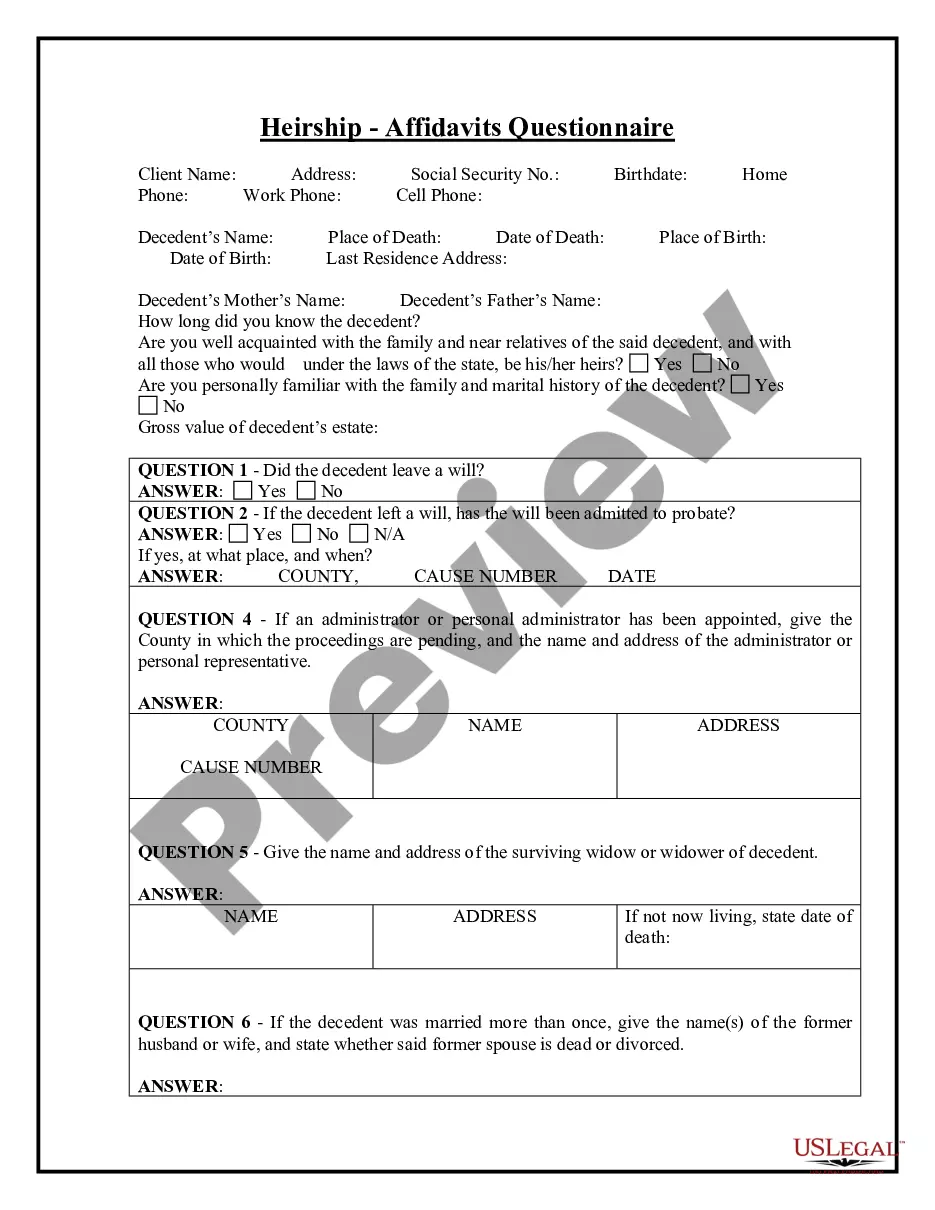
The Confidential Data Form is a comprehensive document designed to collect essential personal information for estate planning purposes. Unlike typical forms, this document gathers detailed family, financial, and health-related data to help create a tailored estate plan, ensuring that your assets are managed according to your wishes and that your loved ones are protected.
What’s included in this form
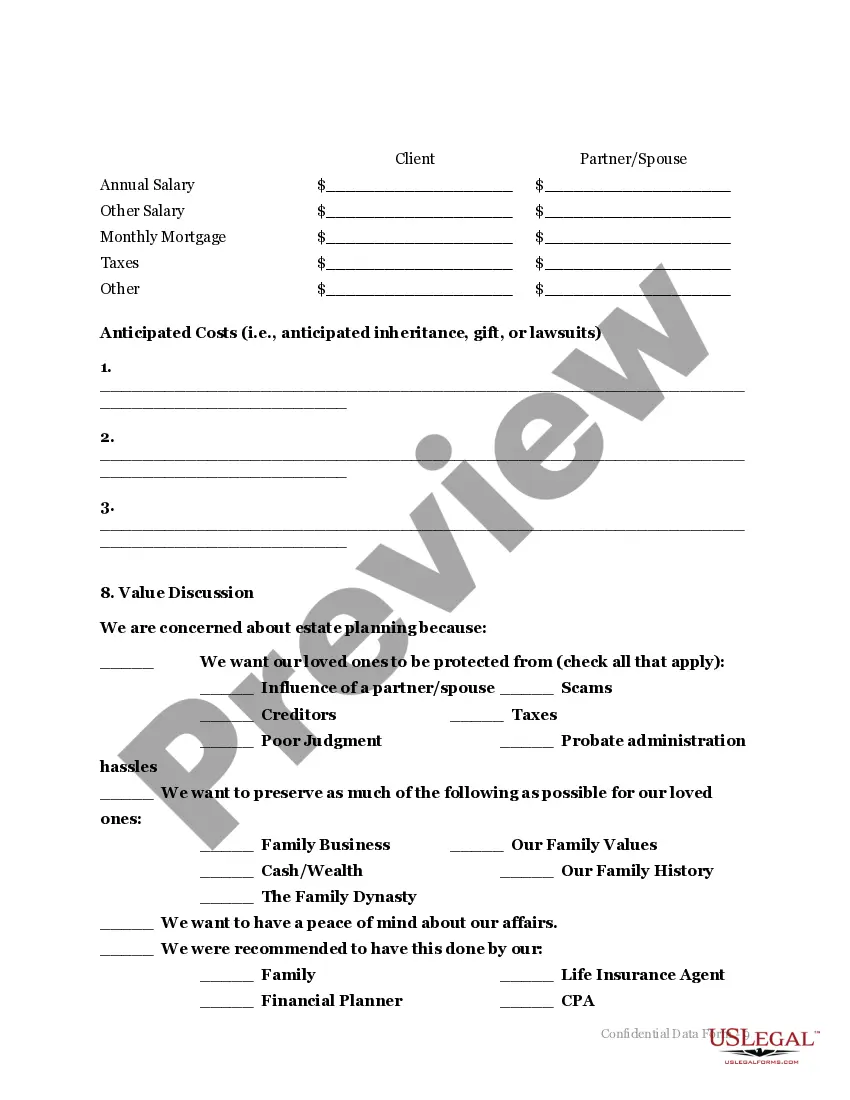
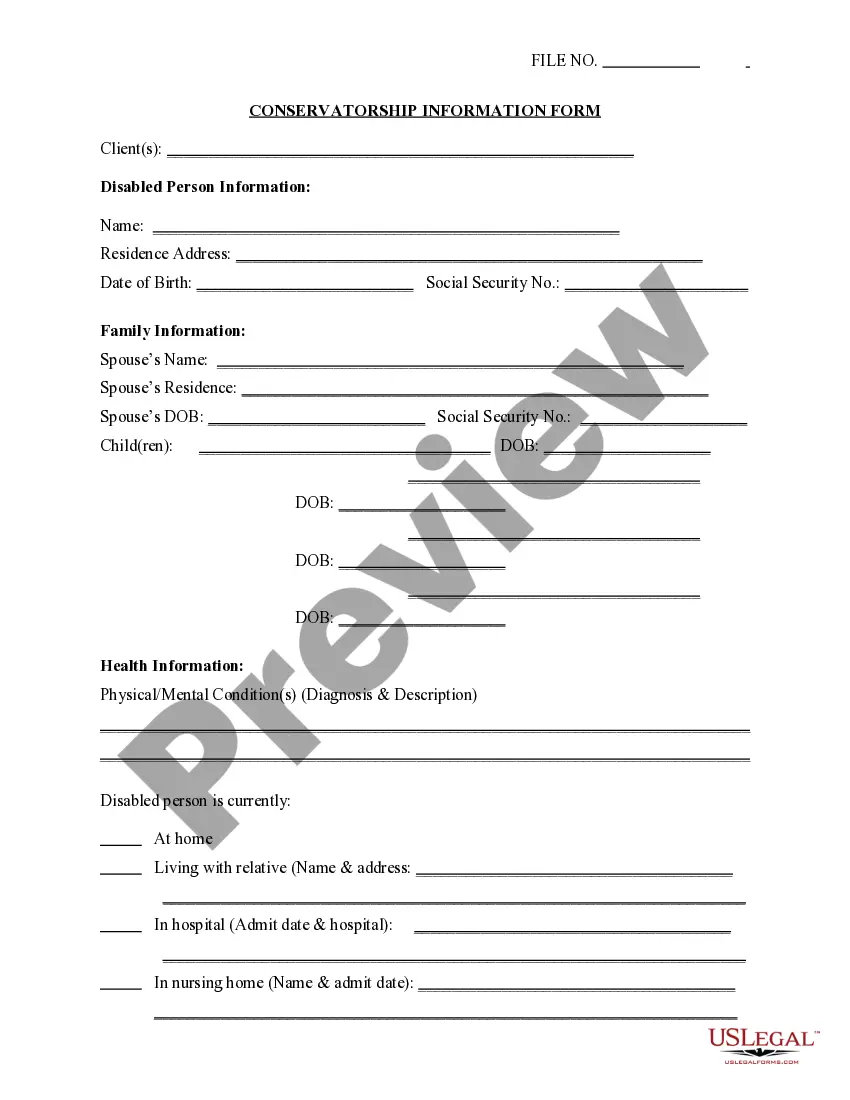
- Client and partner/spouse personal information, including name, social security number, and contact details.
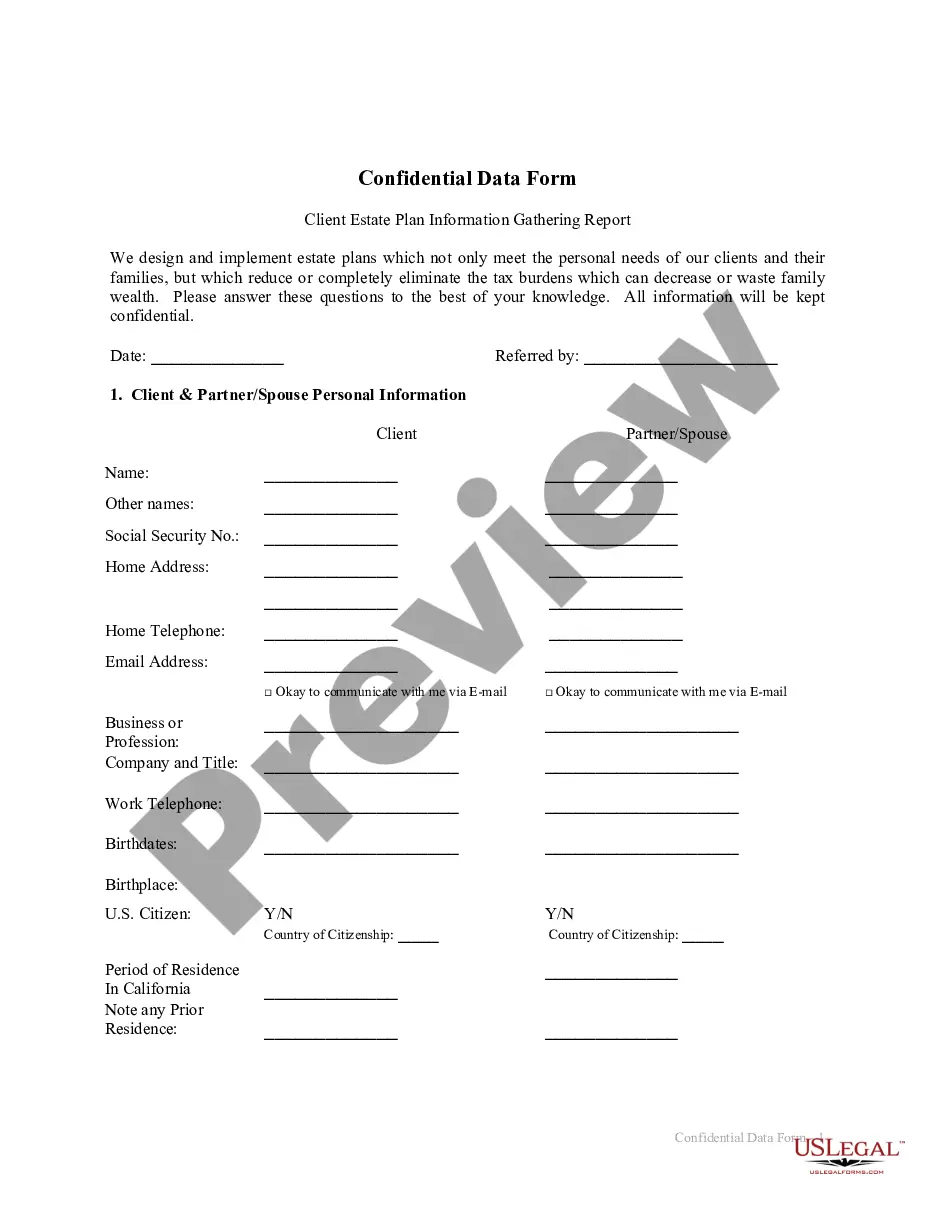
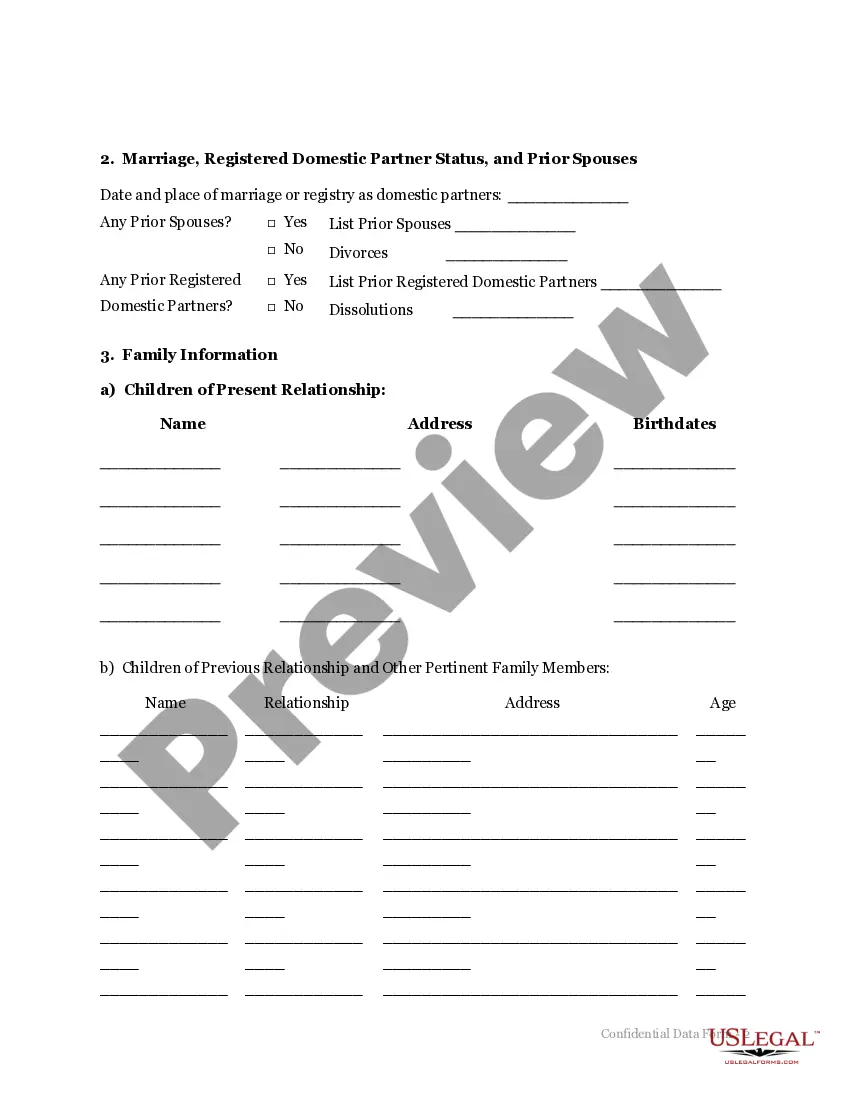
- Family information, including children from current and previous relationships.
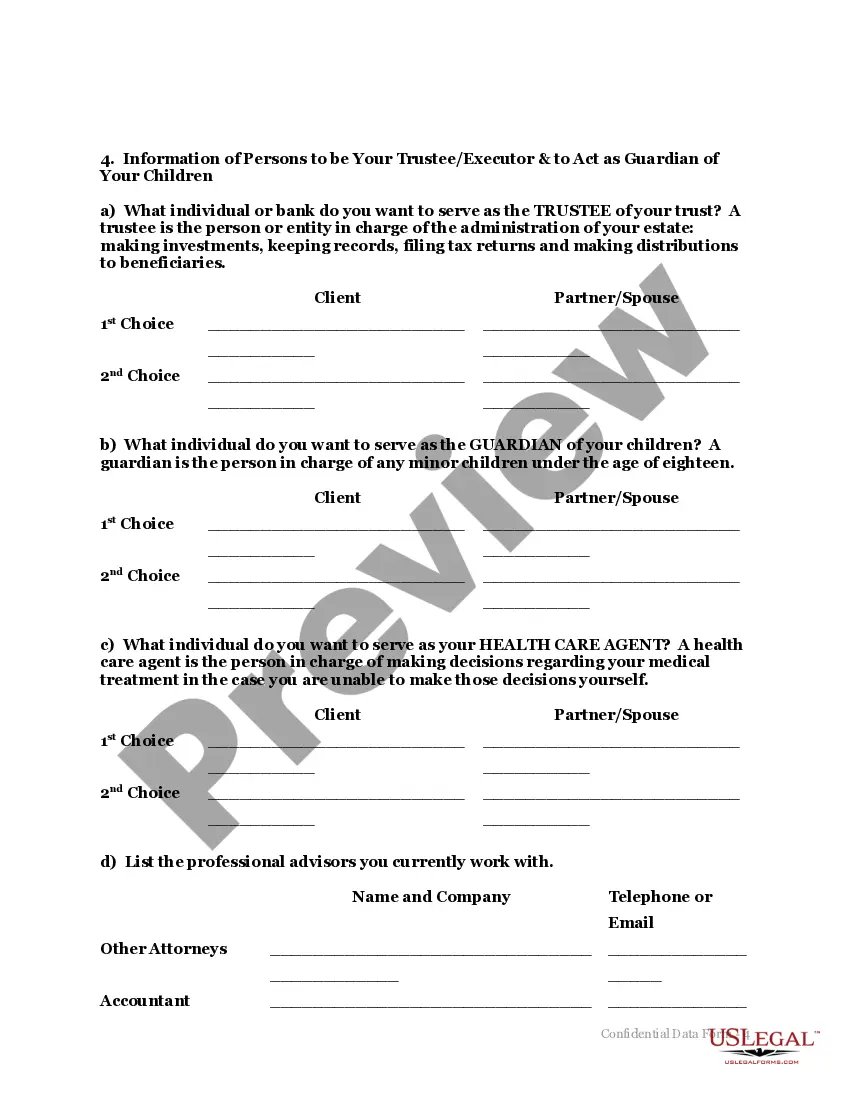
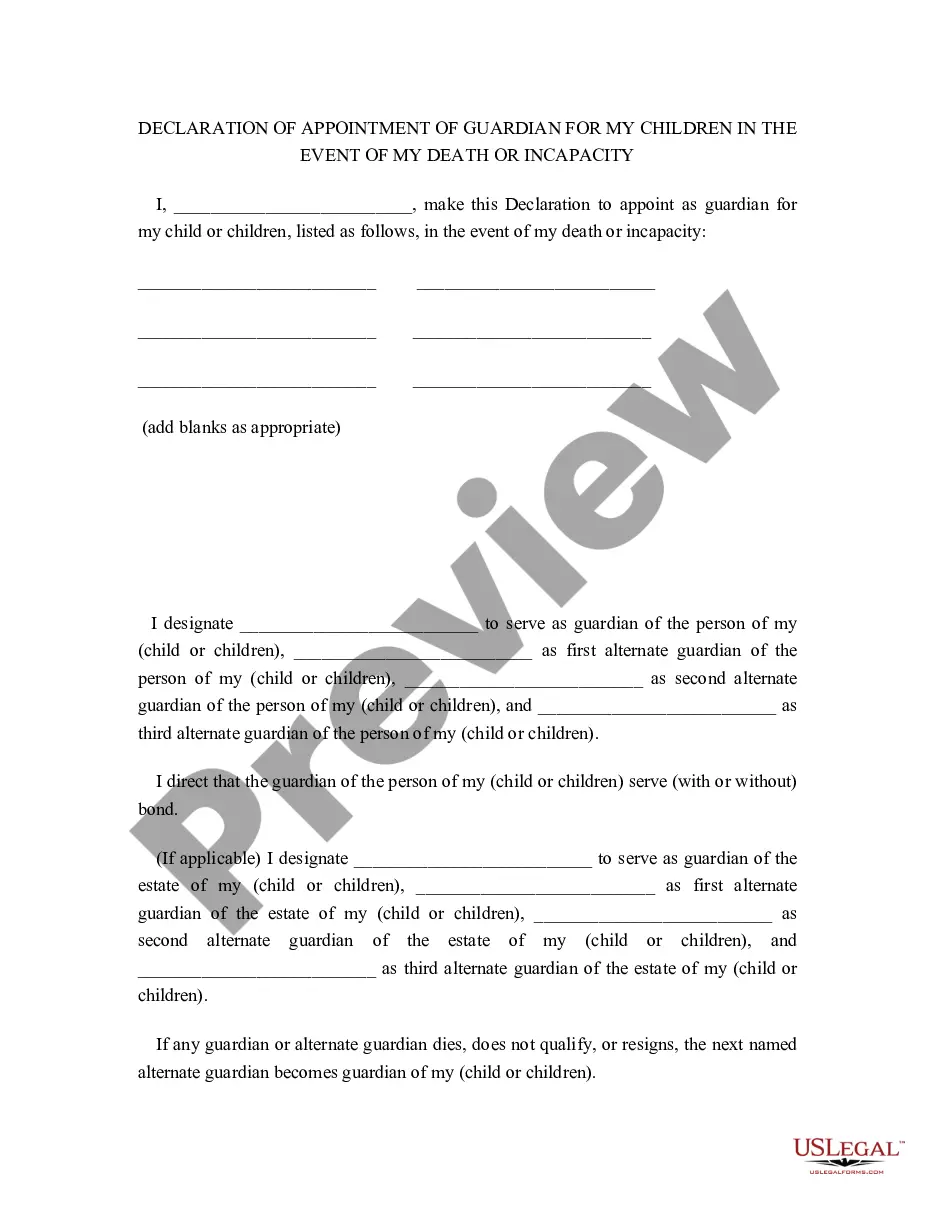
- Details about trustees, executors, and guardians for children.
- A financial summary, including assets, liabilities, and income.
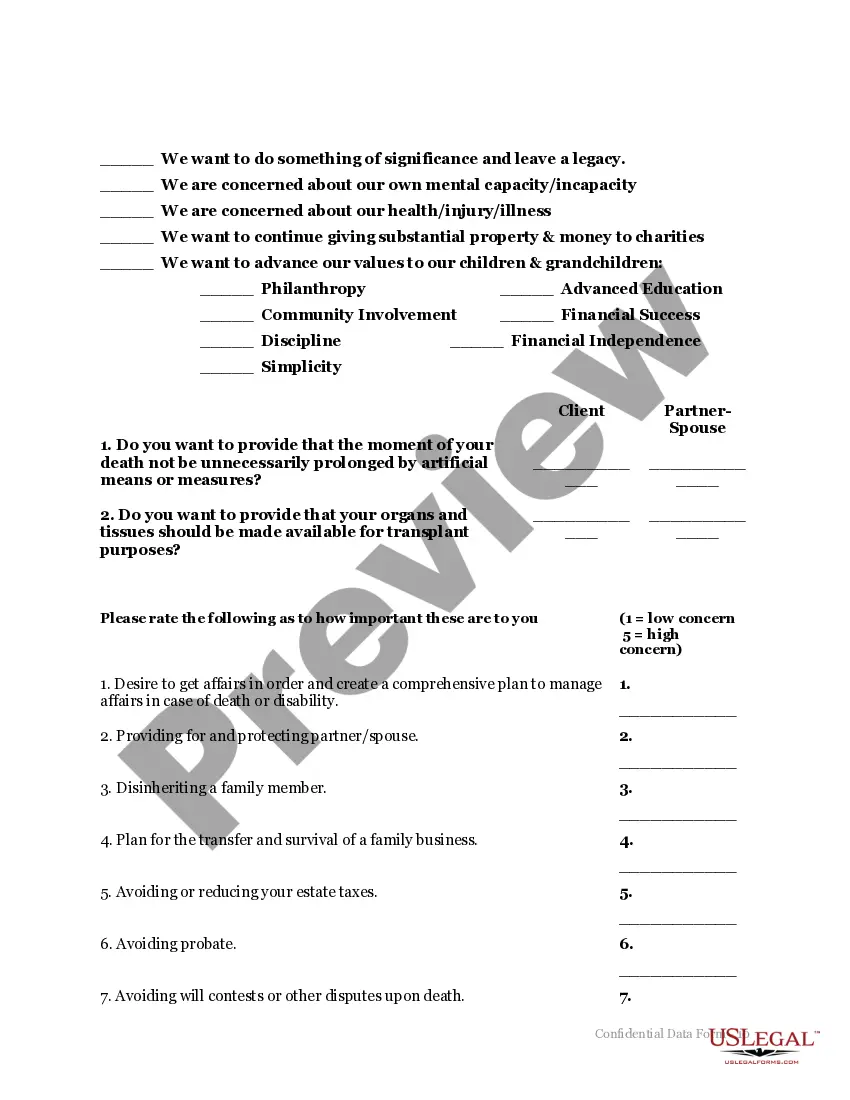
- Questions related to estate planning concerns and wishes.


When this form is needed
This form should be used when you are preparing or updating your estate plan. Whether you are creating a will or a trust, gathering this personal and financial information is essential to ensure your legal documents accurately reflect your wishes and provide clarity for your beneficiaries.
Who this form is for
This form is suitable for:
- Individuals and couples looking to establish or revise their estate plan.
- Parents wanting to designate guardians for their minor children.
- Anyone with significant assets or complex family situations needing tailored estate planning.
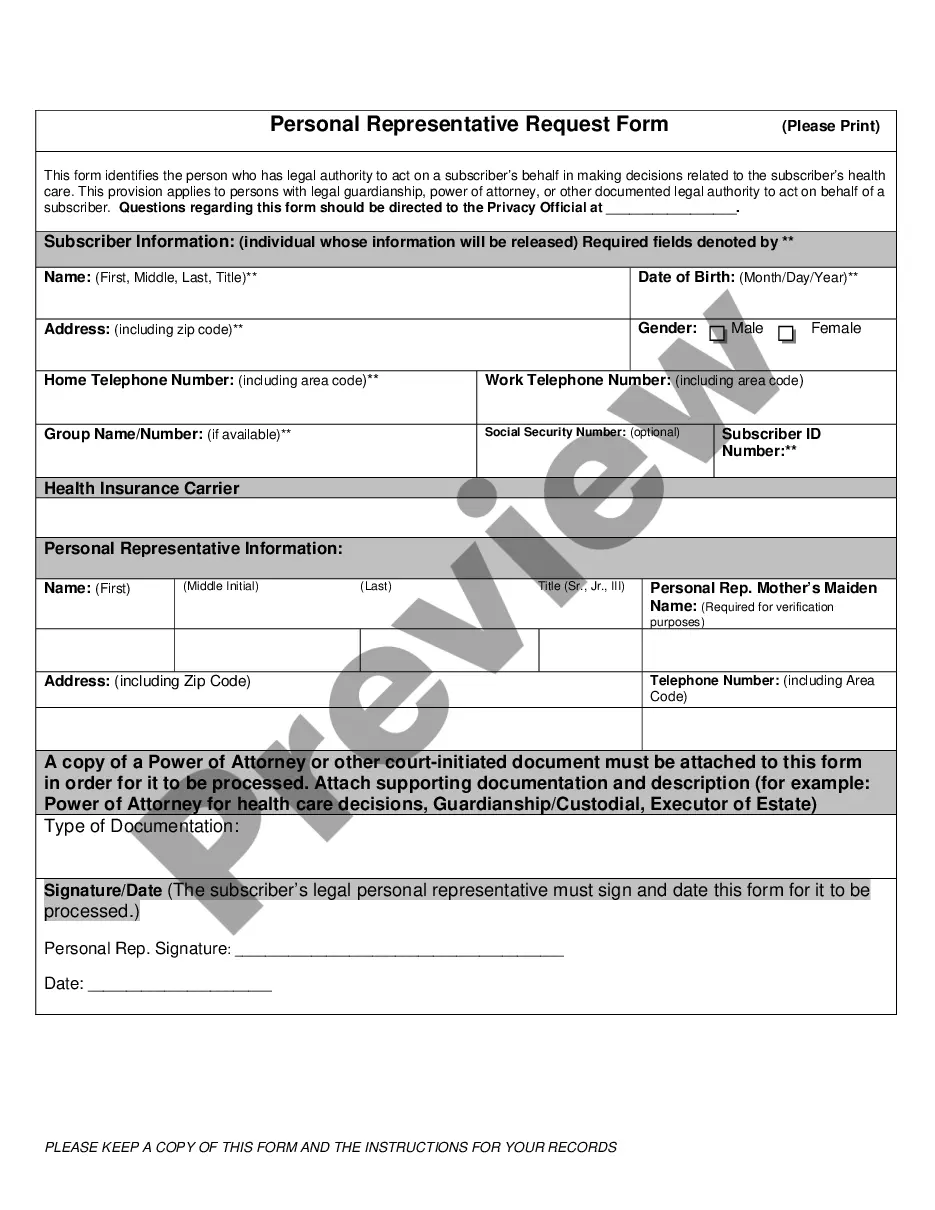
- Individuals seeking to ensure their wishes regarding healthcare and financial decisions are documented.
Instructions for completing this form
- Start by filling in the date and referral source at the top of the form.
- Provide personal information for both the client and the partner/spouse, including names, social security numbers, and contact details.
- Detail family relationships, including children and any prior partners, in the designated sections.
- List your financial assets, liabilities, and income to give a full picture of your estate.
- Address specific questions regarding your estate planning wishes and concerns before finalizing the form.
Does this form need to be notarized?
This form does not typically require notarization unless specified by local law. However, notarization may provide additional legal assurance for your estate planning documents, so it is advisable to check your state's regulations.
Get your form ready online
Our built-in tools help you complete, sign, share, and store your documents in one place.
Make edits, fill in missing information, and update formatting in US Legal Forms—just like you would in MS Word.
Download a copy, print it, send it by email, or mail it via USPS—whatever works best for your next step.
Sign and collect signatures with our SignNow integration. Send to multiple recipients, set reminders, and more. Go Premium to unlock E-Sign.
If this form requires notarization, complete it online through a secure video call—no need to meet a notary in person or wait for an appointment.
We protect your documents and personal data by following strict security and privacy standards.

Make edits, fill in missing information, and update formatting in US Legal Forms—just like you would in MS Word.

Download a copy, print it, send it by email, or mail it via USPS—whatever works best for your next step.

Sign and collect signatures with our SignNow integration. Send to multiple recipients, set reminders, and more. Go Premium to unlock E-Sign.

If this form requires notarization, complete it online through a secure video call—no need to meet a notary in person or wait for an appointment.

We protect your documents and personal data by following strict security and privacy standards.
Typical mistakes to avoid
- Omitting essential financial or personal information that may affect the estate plan.
- Failing to update the form after significant life events (e.g., marriage, divorce, birth of a child).
- Not designating guardians for dependent children or not updating current guardianship choices.
Advantages of online completion
- Convenient access to the form from anywhere, allowing for easy completion at your own pace.
- Editability ensures you can update your information as your circumstances change.
- Reliable templates drafted by licensed attorneys, providing peace of mind that you are using accurate legal language.
Key takeaways
- The Confidential Data Form is crucial for effective estate planning and capturing all relevant personal and financial details.
- Completing this form can help prevent disputes and ensure your wishes are followed after your passing.
- Regular updates to this form are essential to maintain accurate estate plans through life changes.
Looking for another form?


Form popularity
FAQ
What is Typically Considered Confidential Information? Confidential information is any information or documentation that is considered private (non-public) to an individual or a business. This could be any information disclosed by either party to the other party, either directly or indirectly, in writing or orally.
What are examples of Confidential Information? Examples of confidential information include a person's phone number and address, medical records, and social security. Companies also have confidential information such as financial records, trade secrets, customer information, and marketing strategies.
Name, date of birth, age, sex, and address. Current contact details of family. Bank information. Medical history or records.
What is confidential information? Confidential information includes non-public information disclosed or made available to the receiving party, directly or indirectly, through any means of communication or observation.
Three main categories of confidential information exist: business, employee and management information. It is important to keep confidential information confidential as noted in the subcategories below.
Examples include Social Security numbers, credit card numbers and medical records.
Non-Confidential Information means solely such information that, and to the extent it: (i) was known publicly, or was known by the Receiving Party without obligation of confidentiality or non-disclosure, at the time such Property was provided, disclosed, or made available or accessible by the Disclosing Party to, or
Examples of confidential information are: Names, dates of birth, addresses, contact details (of staff, clients, patients, pupils, etcetera). Personal bank details and credit card information. Images of staff, pupils or clients that confirm their identity and can be linked to additional personal information.