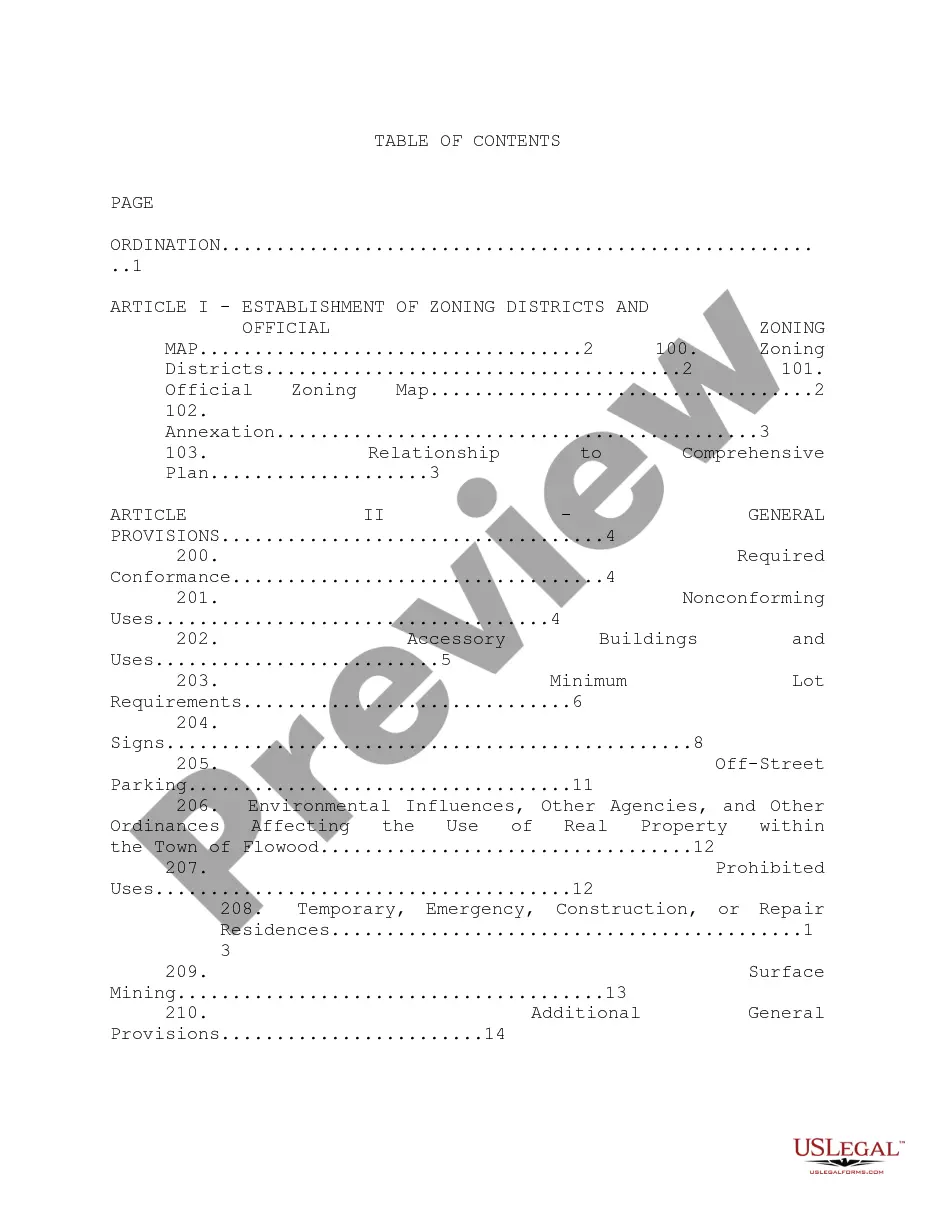
Rhode Island Notice of Default in Payment of Rent as Warning Prior to Demand to Pay or Terminate for Residential Property
Description
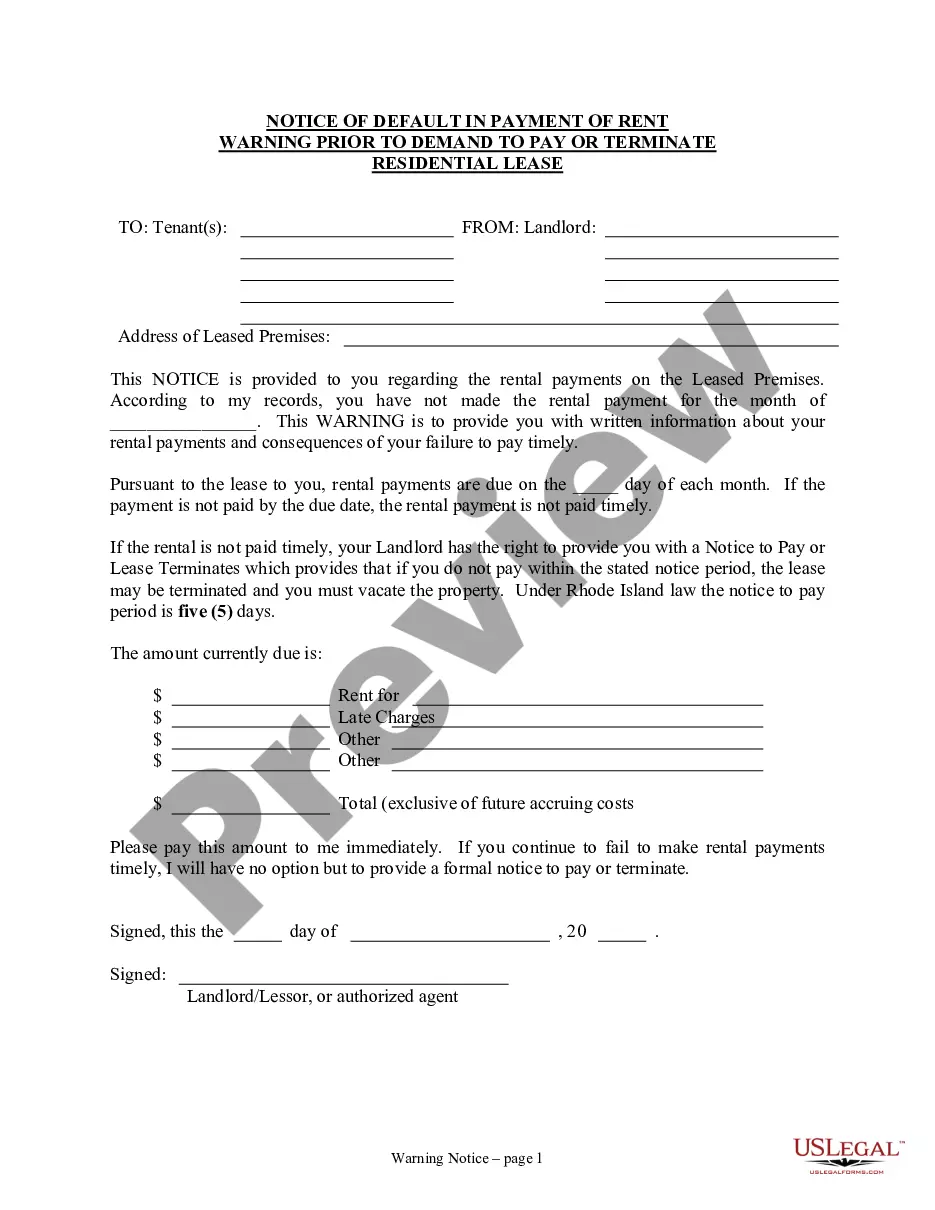
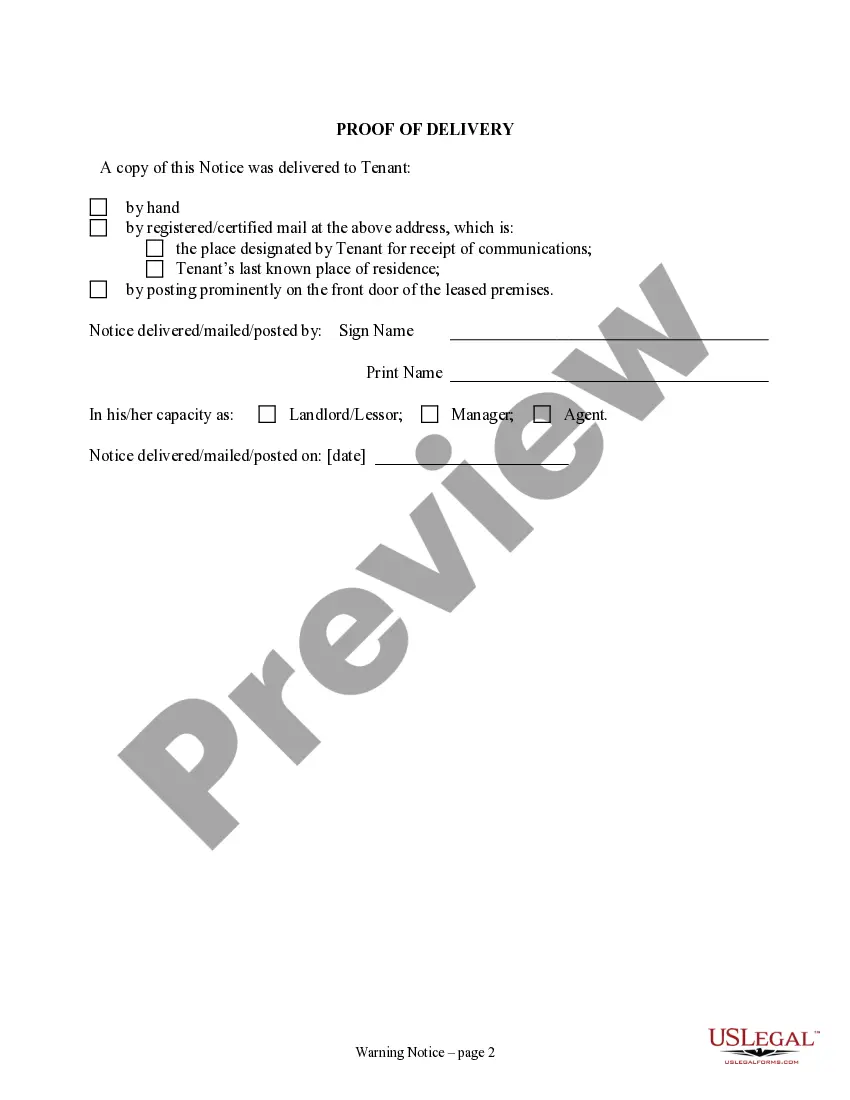
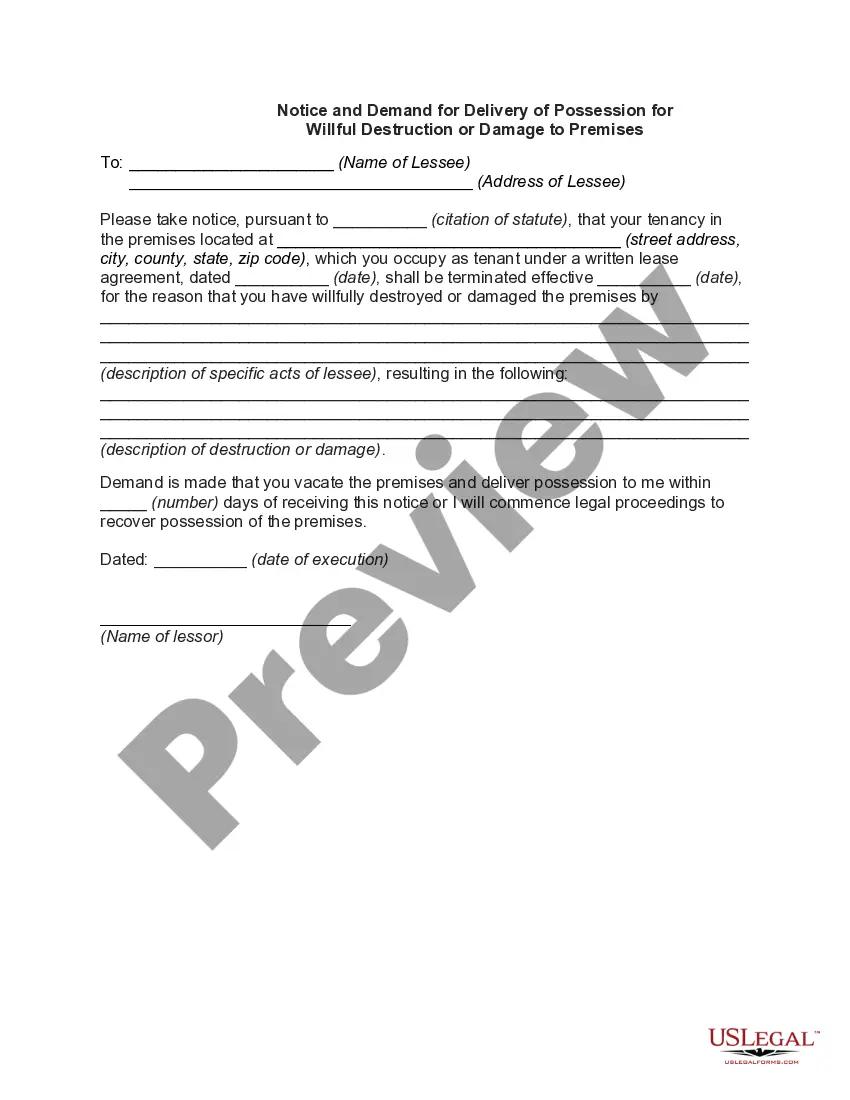
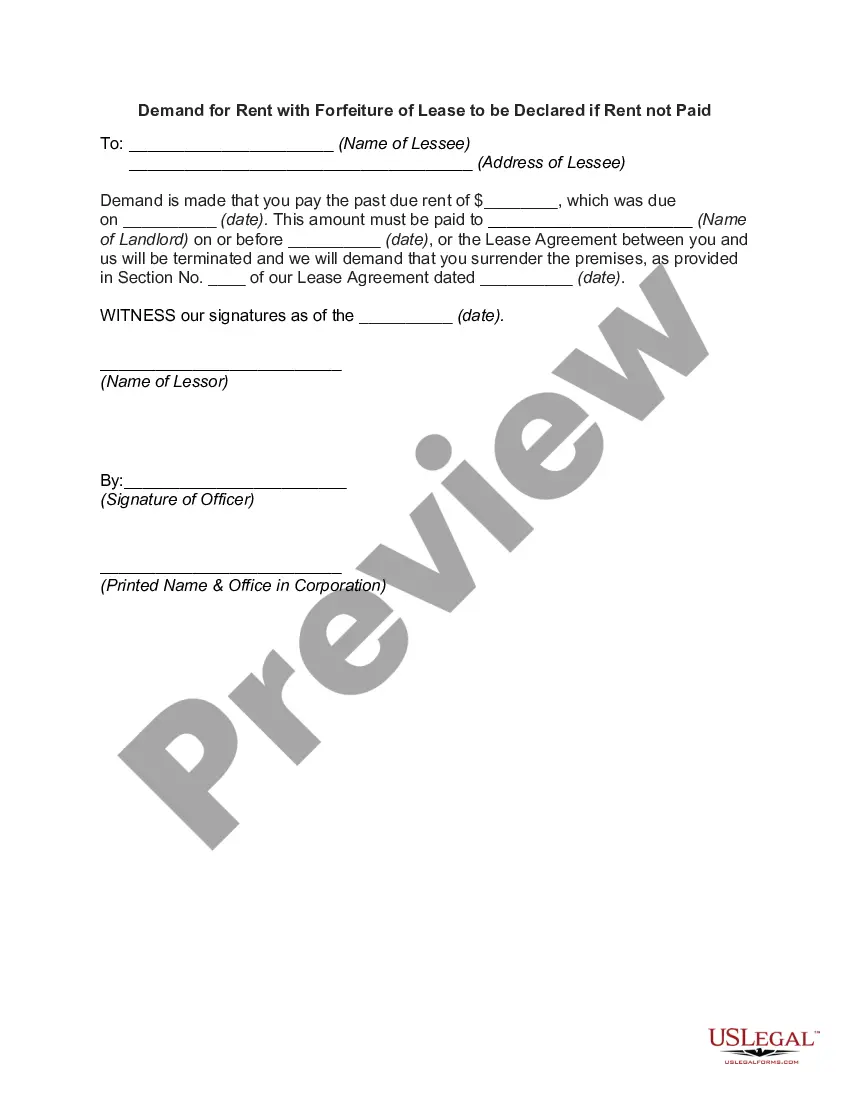
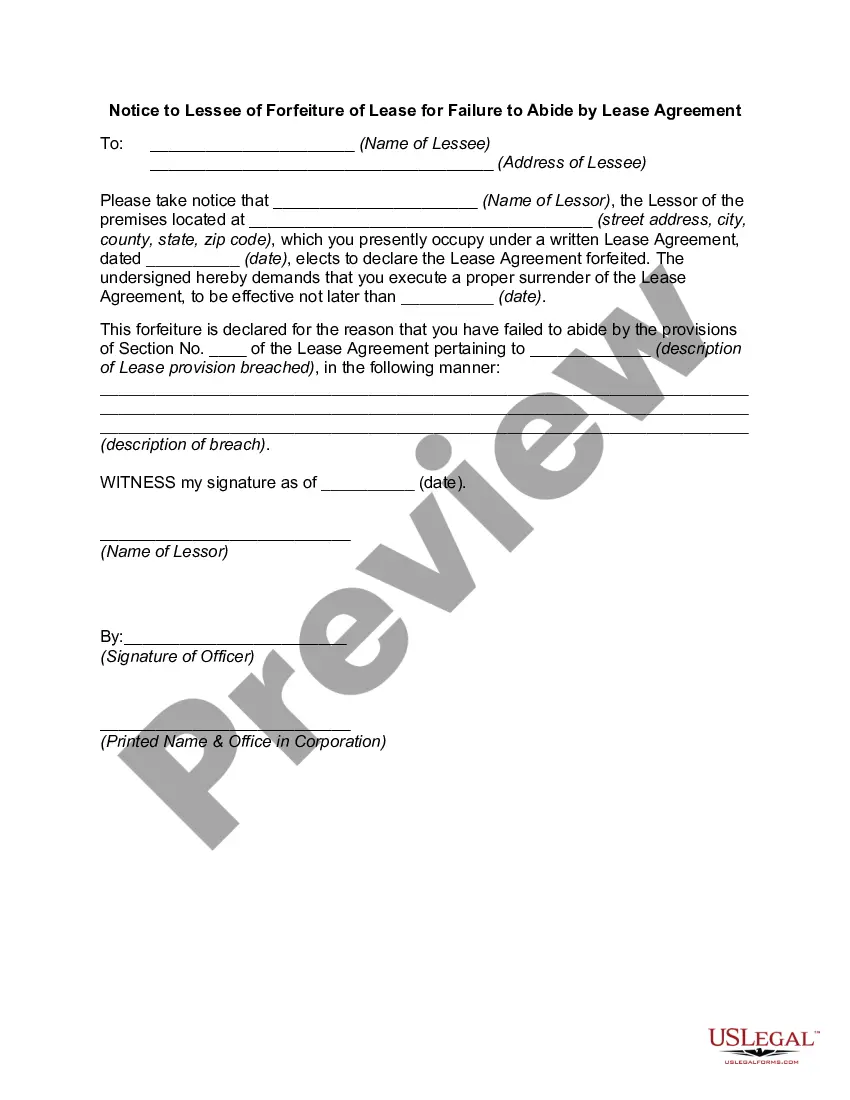





How to fill out Rhode Island Notice Of Default In Payment Of Rent As Warning Prior To Demand To Pay Or Terminate For Residential Property?
Creating papers isn't the most simple job, especially for those who almost never deal with legal paperwork. That's why we advise using correct Rhode Island Notice of Default in Payment of Rent as Warning Prior to Demand to Pay or Terminate for Residential Property templates made by skilled attorneys. It allows you to prevent problems when in court or dealing with formal institutions. Find the files you require on our site for high-quality forms and exact explanations.
If you’re a user having a US Legal Forms subscription, simply log in your account. When you are in, the Download button will automatically appear on the template web page. After getting the sample, it will be saved in the My Forms menu.
Users with no an active subscription can quickly create an account. Make use of this short step-by-step help guide to get the Rhode Island Notice of Default in Payment of Rent as Warning Prior to Demand to Pay or Terminate for Residential Property:
- Ensure that file you found is eligible for use in the state it’s needed in.
- Verify the file. Make use of the Preview option or read its description (if readily available).
- Click Buy Now if this template is the thing you need or use the Search field to find another one.
- Select a suitable subscription and create your account.
- Use your PayPal or credit card to pay for the service.
- Download your document in a required format.
After completing these simple steps, you can fill out the sample in an appropriate editor. Double-check completed details and consider asking a legal representative to examine your Rhode Island Notice of Default in Payment of Rent as Warning Prior to Demand to Pay or Terminate for Residential Property for correctness. With US Legal Forms, everything gets much simpler. Try it now!
Form popularity
FAQ
In Colorado, evictions are sometimes referred to as forcible entry & detainer (FED). Before you can file for eviction, you must generally provide 10 days' notice (increased from 3 days prior) for tenants to correct a deficiency or leave the property, except in certain circumstances.
The tenant must give 60 days notice before the last day of a tenancy year to be effective on the last day of the tenancy year.
Pursuant to RI law, to evict a month-to-month tenant, a landlord must send a 30 day notice to terminate the month to month tenancy. When the 30 day time period expires, then the landlord or the landlord's Rhode Island eviction lawyer may file a complaint for eviction in Providence District Court.
They don't have to give you any reasons why they want to evict you. They have to give you at least 28 days notice, but this could be longer depending on your agreement. If you don't leave by the time your notice ends, your landlord has to go to court to get a court order to make you leave.
A. In a month-to-month tenancy, the landlord may raise the rent after giving the tenant 45 days' written notice.
They have to give you at least 28 days notice, but this could be longer depending on your agreement. If you don't leave by the time your notice ends, your landlord has to go to court to get a court order to make you leave.
If you've been given notice since 29 August 2020, your landlord must give you 6 months to leave. You might have to leave much sooner if you're evicted using a section 8 notice, depending on the reason for eviction.at least 6 months for any notice given on or after 24 July 2020.
Notice Requirements for California Tenants Unless your rental agreement provides a shorter notice period, you must give your landlord 30 days' notice to end a month-to-month tenancy. Be sure to check your rental agreement which may require that you give notice on the first of the month or on another specific date.
Substantial Violation If the landlord is evicting the tenant for any of these reasons, the landlord must give the tenant a three-day notice to quit. (Colo. Rev.If the tenant does not move out of the rental unit by the end of three days, then the landlord can file an eviction lawsuit against the tenant.