Rhode Island Notice of Default in Payment of Rent as Warning Prior to Demand to Pay or Terminate for Residential Property
Overview of this form
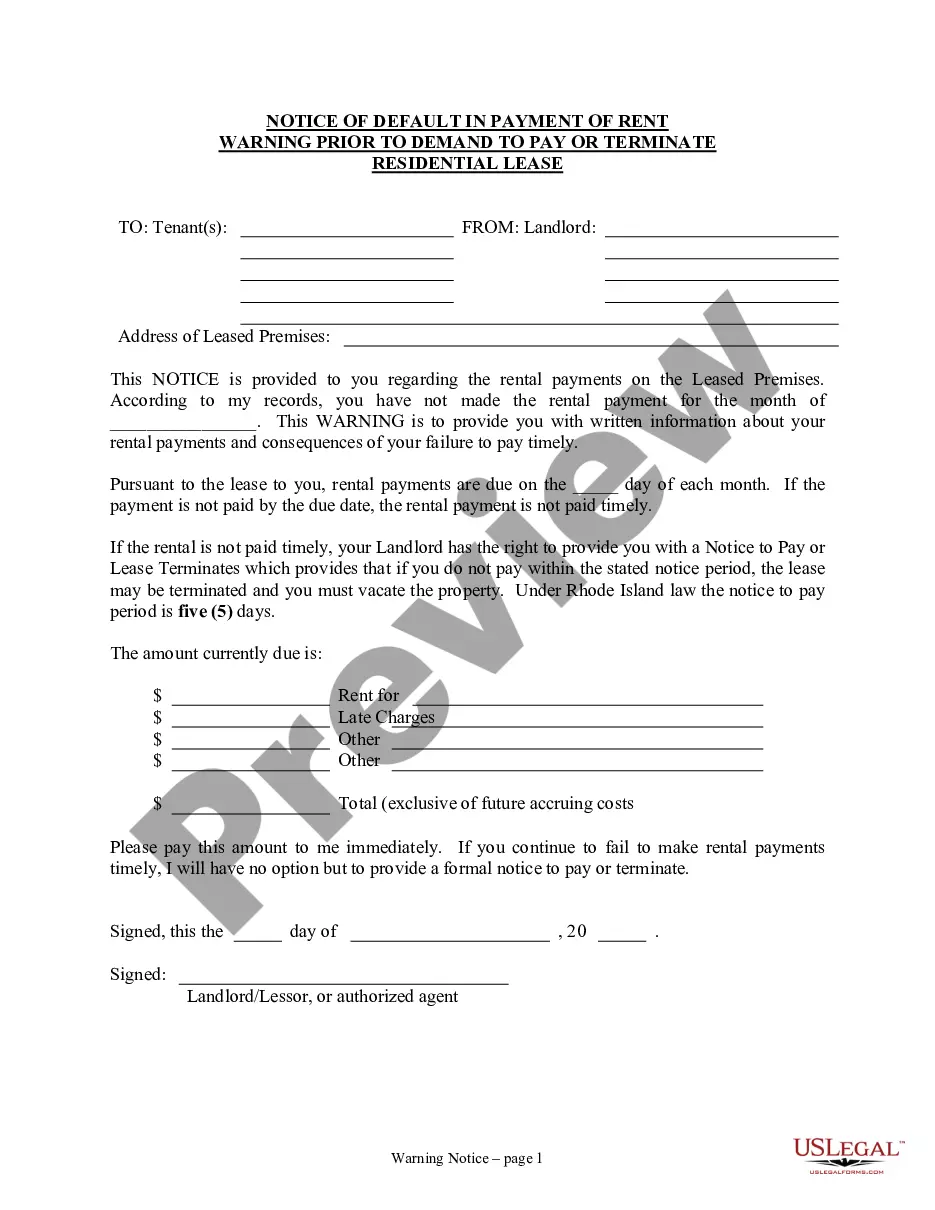
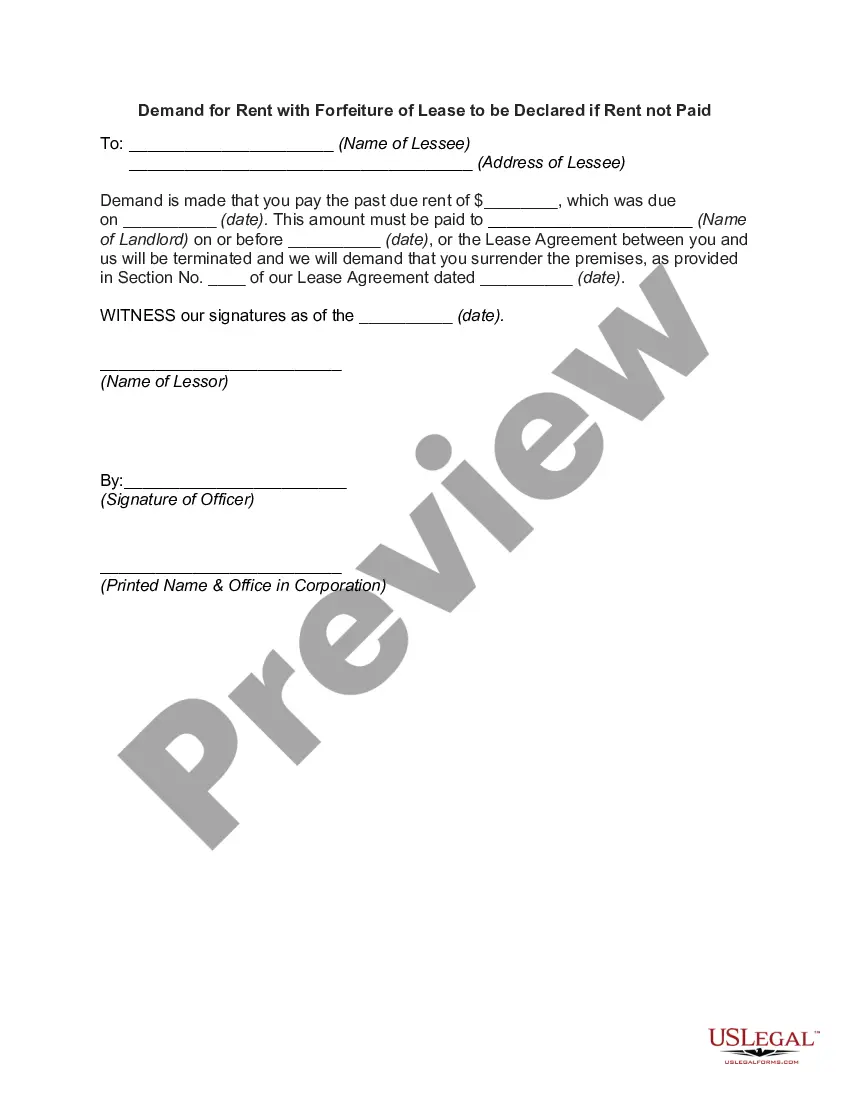
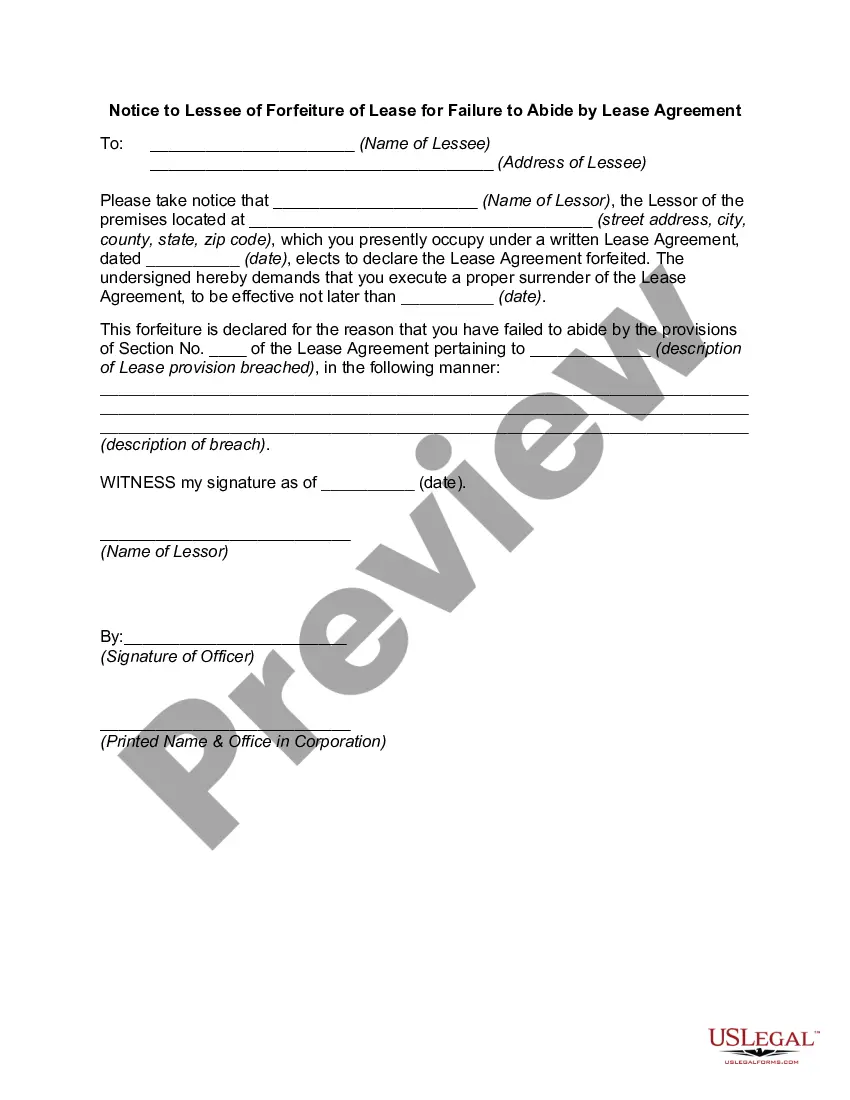
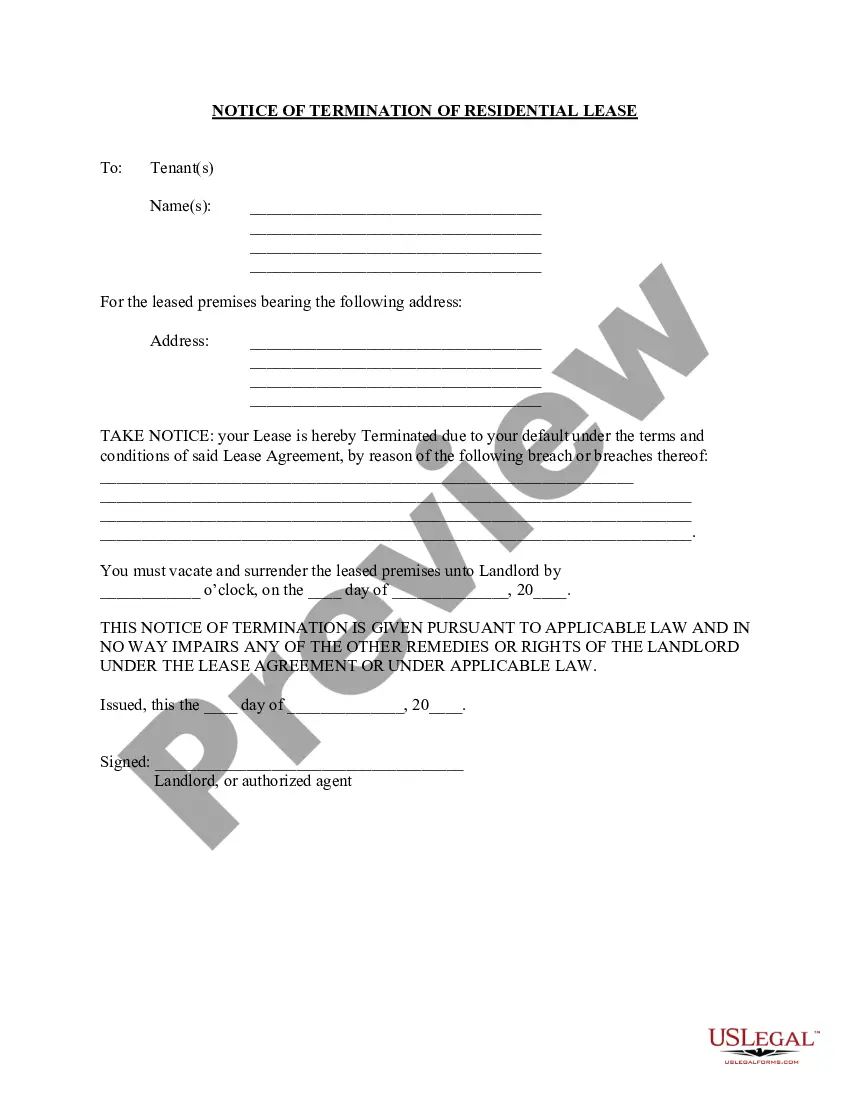
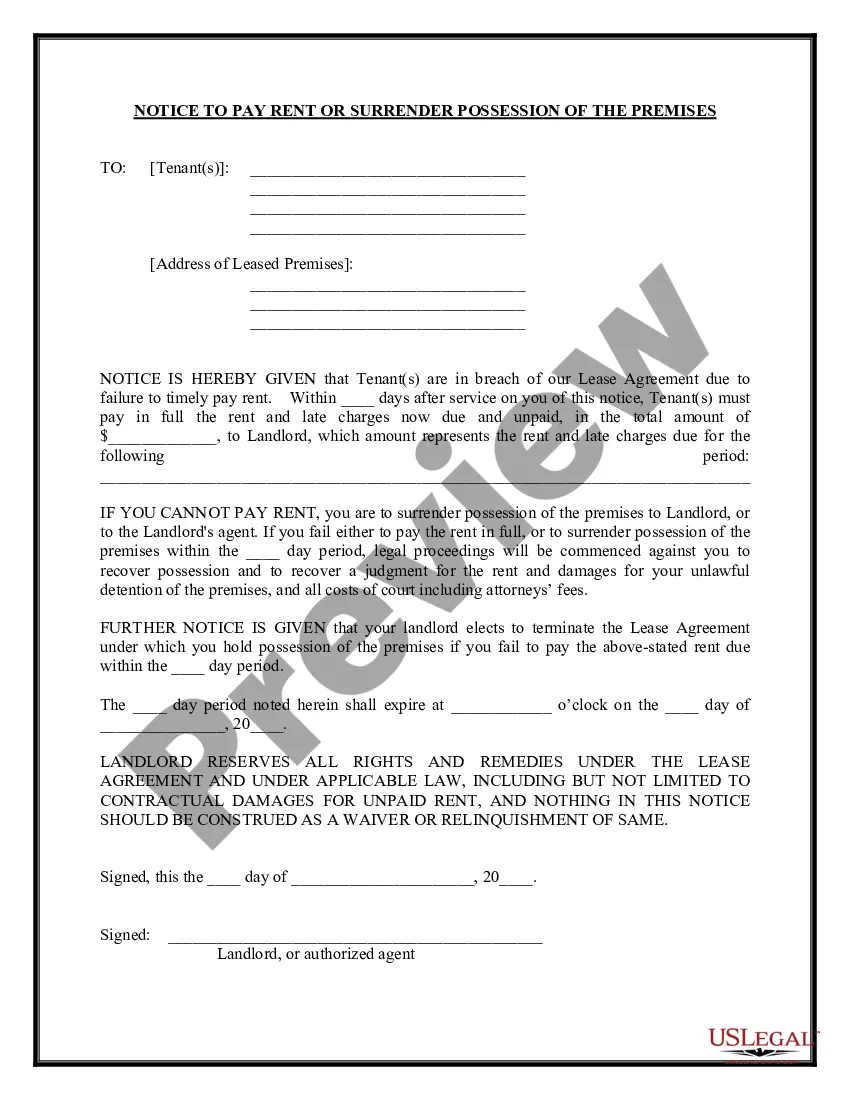
This Notice of Default in Payment of Rent as Warning Prior to Demand to Pay or Terminate for Residential Property is a crucial document for landlords. It serves as a formal notification to tenants regarding missed rent payments, providing them a written warning prior to any further legal actions, such as a demand for payment or lease termination. This form is specifically tailored for residential properties, distinguishing it from similar forms used in commercial contexts, ensuring that landlords can effectively communicate the default and its consequences to tenants.
Key components of this form
- Identification of landlord and tenant details.
- Address of the leased premises where the rent is due.
- Clear statement of the default, including the month for which rent is overdue.
- Due date for rent payments as outlined in the lease agreement.
- Consequences of failure to pay, including potential termination of the lease.
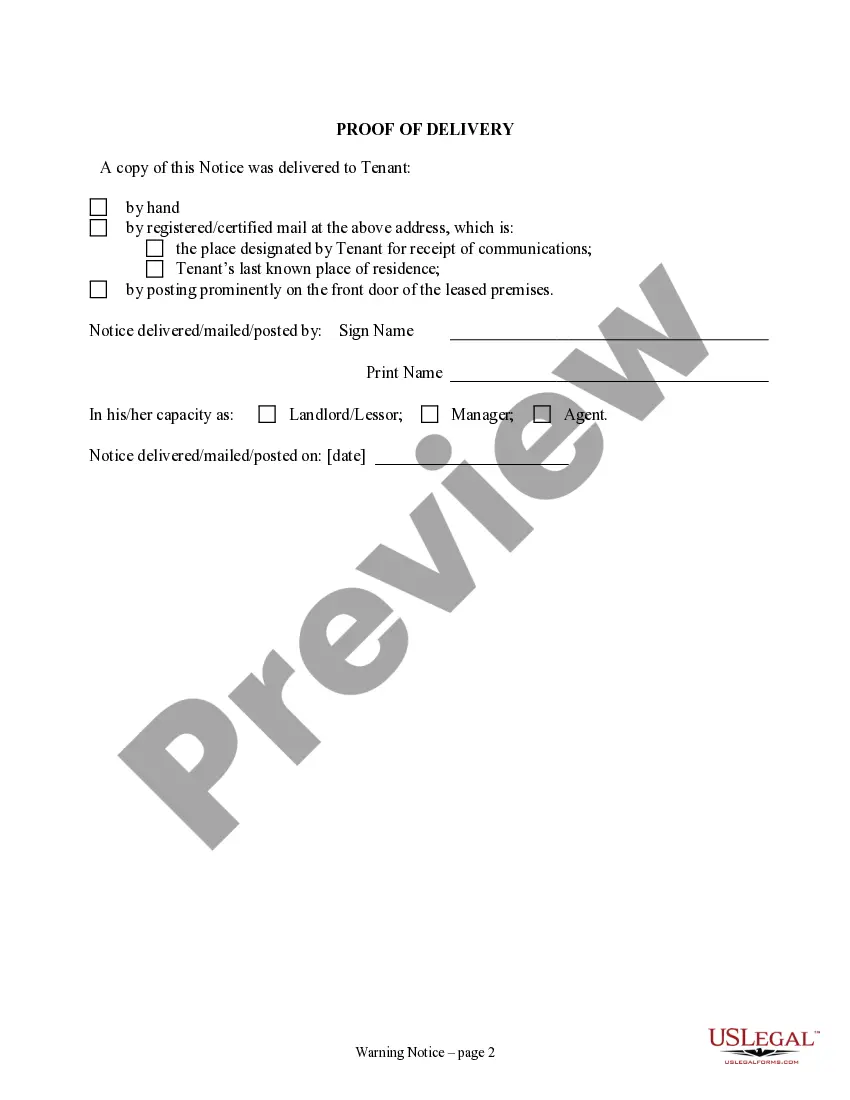
- Instructions for delivery of the notice to the tenant.
When to use this form
This form should be used when a tenant has failed to make a rental payment by the due date, and the landlord wishes to formally notify them of this default. It acts as a warning to the tenant, allowing them to address the issue before any lease termination proceedings begin. It is particularly important in situations where landlords seek to maintain clear communication and compliance with legal requirements regarding rent payment notices.
Intended users of this form
- Landlords of residential properties who need to inform tenants of overdue rent.
- Property managers acting on behalf of landlords to communicate payment defaults.
- Real estate professionals involved in lease agreements and tenant relations.
How to complete this form
- Identify the landlord and tenant names and contact information.
- Specify the address of the leased premises.
- Enter the month for which the rental payment is outstanding.
- Fill in the due date for rental payments as per the lease agreement.
- Calculate the total amount due, including any applicable late fees.
- Provide your signature and position as landlord, authorized agent, or manager.
Does this document require notarization?
Notarization is not commonly needed for this form. However, certain documents or local rules may make it necessary. Our notarization service, powered by Notarize, allows you to finalize it securely online anytime, day or night.
Get your form ready online
Our built-in tools help you complete, sign, share, and store your documents in one place.
Make edits, fill in missing information, and update formatting in US Legal Forms—just like you would in MS Word.
Download a copy, print it, send it by email, or mail it via USPS—whatever works best for your next step.
Sign and collect signatures with our SignNow integration. Send to multiple recipients, set reminders, and more. Go Premium to unlock E-Sign.
If this form requires notarization, complete it online through a secure video call—no need to meet a notary in person or wait for an appointment.
We protect your documents and personal data by following strict security and privacy standards.
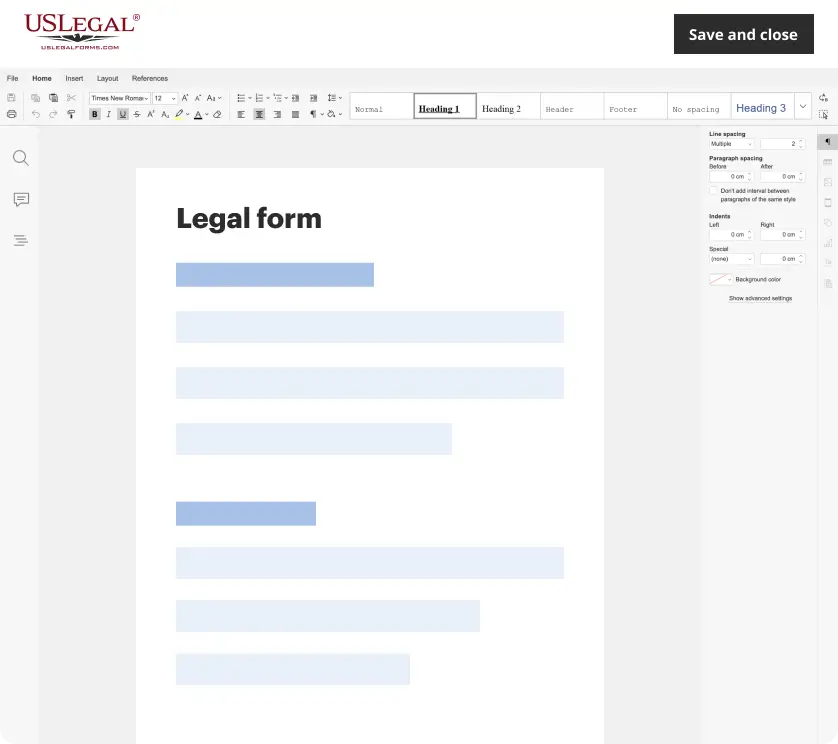
Make edits, fill in missing information, and update formatting in US Legal Forms—just like you would in MS Word.
Download a copy, print it, send it by email, or mail it via USPS—whatever works best for your next step.
Sign and collect signatures with our SignNow integration. Send to multiple recipients, set reminders, and more. Go Premium to unlock E-Sign.

If this form requires notarization, complete it online through a secure video call—no need to meet a notary in person or wait for an appointment.
We protect your documents and personal data by following strict security and privacy standards.
Typical mistakes to avoid
- Failing to accurately state the amount due.
- Not providing the correct delivery method for the notice.
- Omitting the required timeframe for payment or notice to vacate.
Advantages of online completion
- Convenience of downloading and customizing forms to fit specific situations.
- Access to professionally drafted templates that ensure legal compliance.
- The ability to store and manage records electronically, reducing paperwork.
Looking for another form?
Form popularity
FAQ
In Colorado, evictions are sometimes referred to as forcible entry & detainer (FED). Before you can file for eviction, you must generally provide 10 days' notice (increased from 3 days prior) for tenants to correct a deficiency or leave the property, except in certain circumstances.
The tenant must give 60 days notice before the last day of a tenancy year to be effective on the last day of the tenancy year.
Pursuant to RI law, to evict a month-to-month tenant, a landlord must send a 30 day notice to terminate the month to month tenancy. When the 30 day time period expires, then the landlord or the landlord's Rhode Island eviction lawyer may file a complaint for eviction in Providence District Court.
They don't have to give you any reasons why they want to evict you. They have to give you at least 28 days notice, but this could be longer depending on your agreement. If you don't leave by the time your notice ends, your landlord has to go to court to get a court order to make you leave.
A. In a month-to-month tenancy, the landlord may raise the rent after giving the tenant 45 days' written notice.
They have to give you at least 28 days notice, but this could be longer depending on your agreement. If you don't leave by the time your notice ends, your landlord has to go to court to get a court order to make you leave.
If you've been given notice since 29 August 2020, your landlord must give you 6 months to leave. You might have to leave much sooner if you're evicted using a section 8 notice, depending on the reason for eviction.at least 6 months for any notice given on or after 24 July 2020.
Notice Requirements for California Tenants Unless your rental agreement provides a shorter notice period, you must give your landlord 30 days' notice to end a month-to-month tenancy. Be sure to check your rental agreement which may require that you give notice on the first of the month or on another specific date.
Substantial Violation If the landlord is evicting the tenant for any of these reasons, the landlord must give the tenant a three-day notice to quit. (Colo. Rev.If the tenant does not move out of the rental unit by the end of three days, then the landlord can file an eviction lawsuit against the tenant.