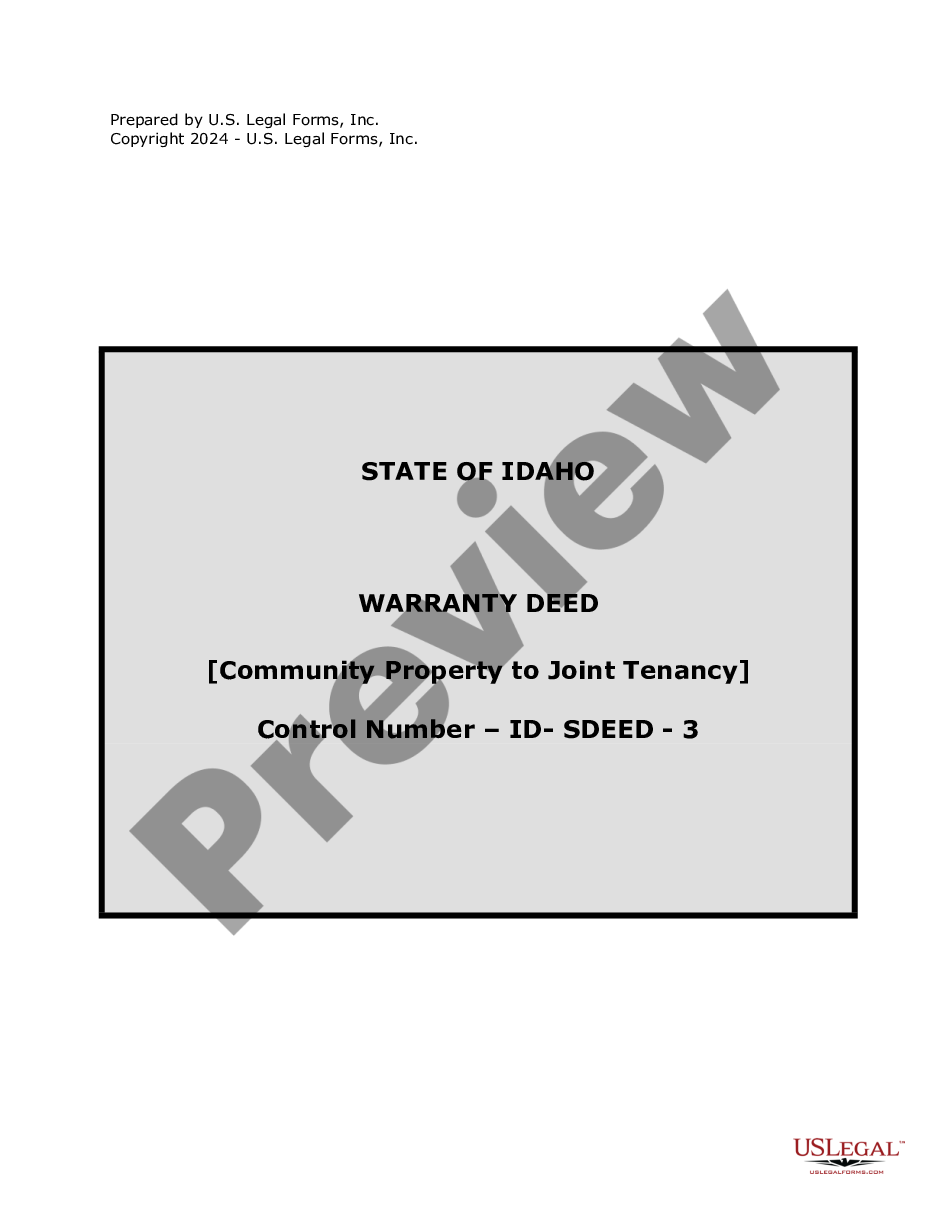
Notice to Lessee of Forfeiture of Lease for Failure to Abide by Lease Agreement
Description
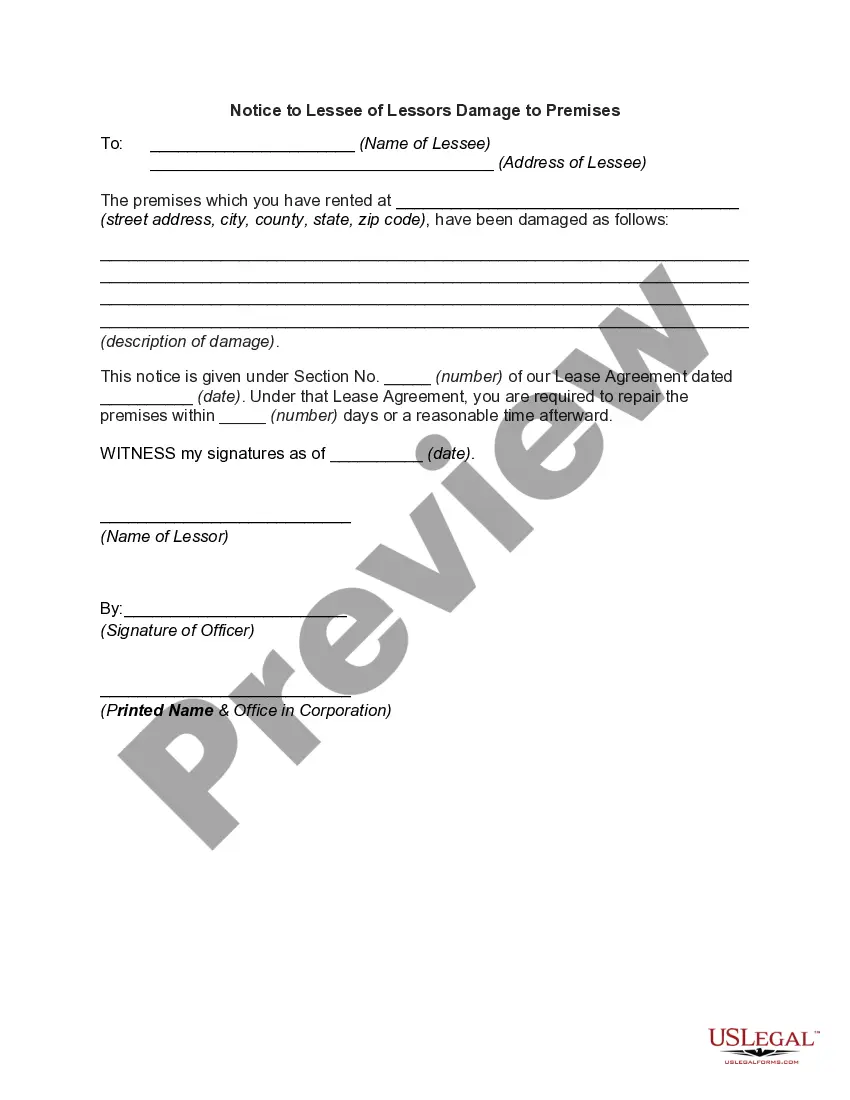
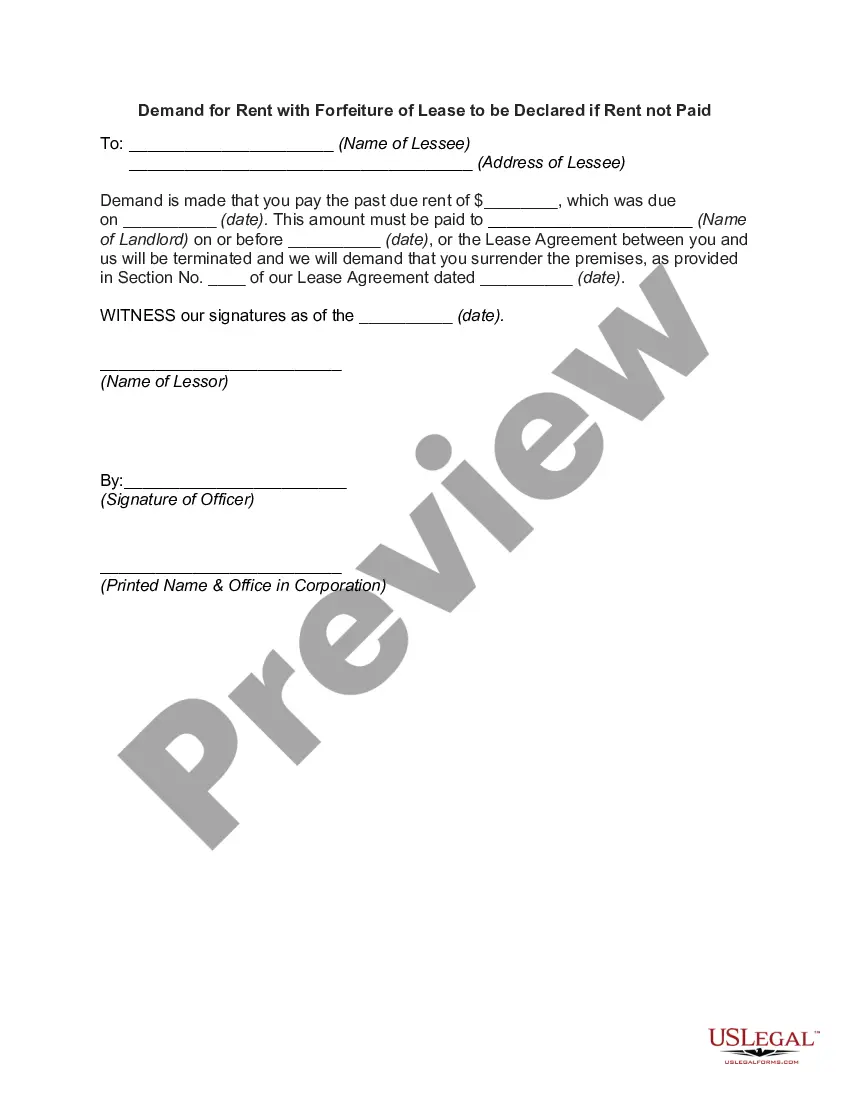
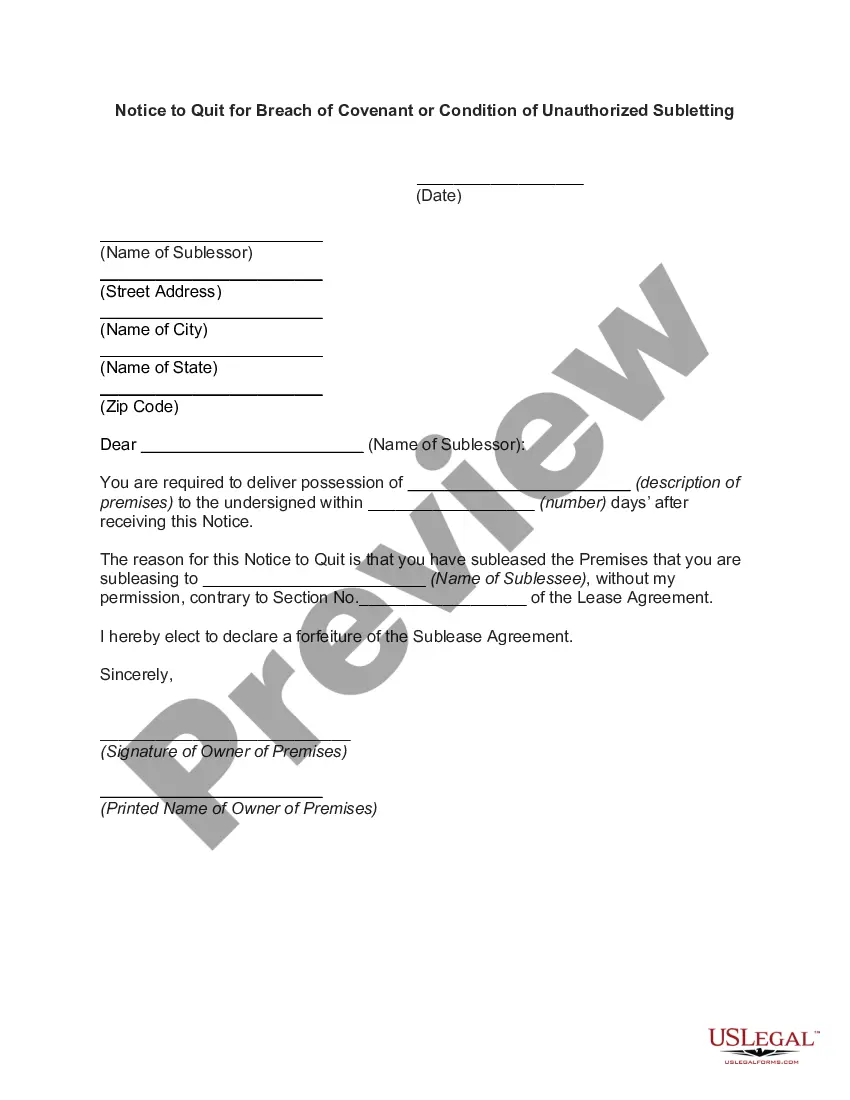


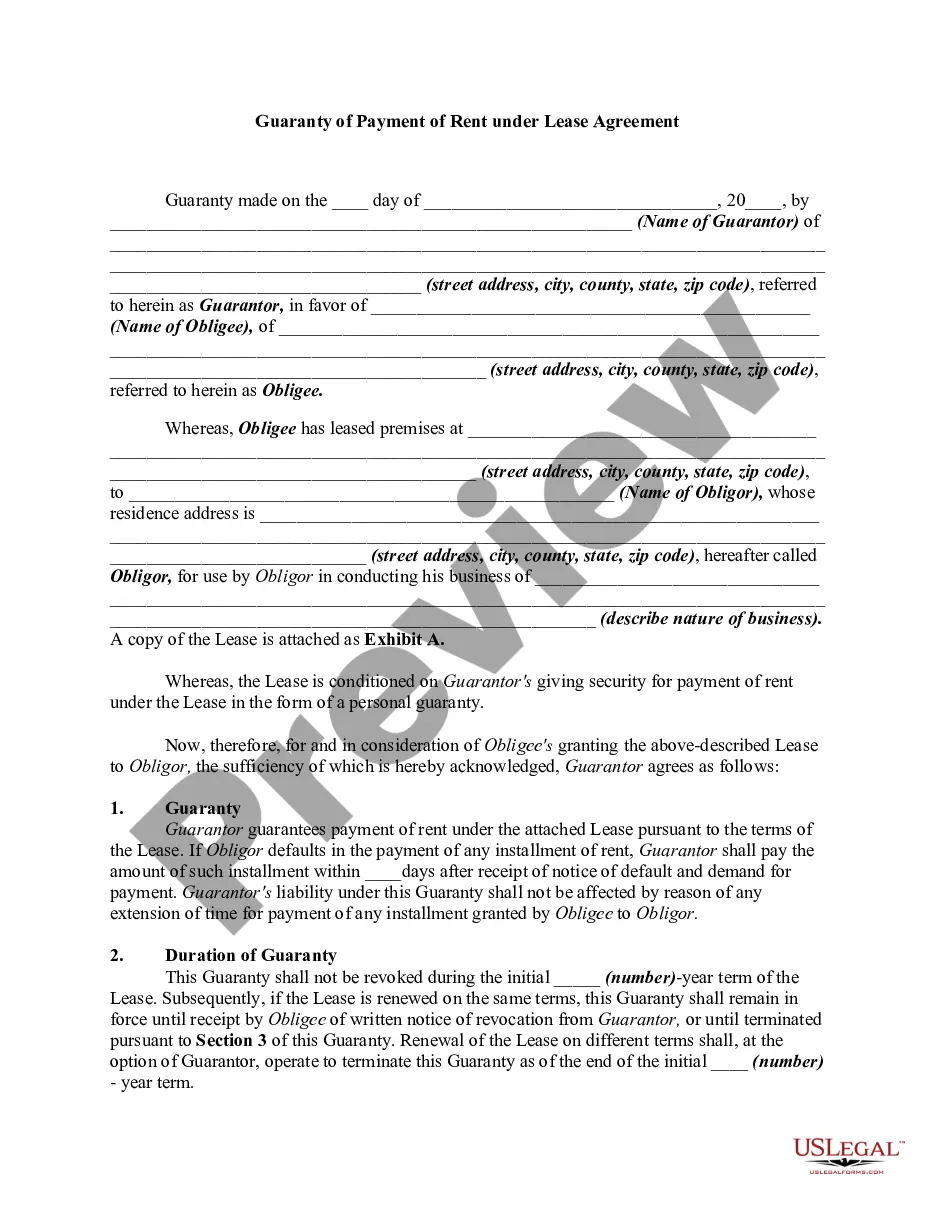
How to fill out Notice To Lessee Of Forfeiture Of Lease For Failure To Abide By Lease Agreement?
Employ the most complete legal library of forms. US Legal Forms is the perfect platform for getting updated Notice to Lessee of Forfeiture of Lease for Failure to Abide by Lease Agreement templates. Our service provides thousands of legal forms drafted by certified attorneys and categorized by state.
To obtain a sample from US Legal Forms, users simply need to sign up for an account first. If you’re already registered on our platform, log in and select the template you are looking for and purchase it. After buying templates, users can find them in the My Forms section.
To get a US Legal Forms subscription online, follow the guidelines below:
- Find out if the Form name you have found is state-specific and suits your needs.
- When the template has a Preview option, utilize it to check the sample.
- If the template does not suit you, make use of the search bar to find a better one.
- Hit Buy Now if the sample meets your expections.
- Select a pricing plan.
- Create a free account.
- Pay with the help of PayPal or with yourr debit/credit card.
- Select a document format and download the template.
- When it’s downloaded, print it and fill it out.
Save your effort and time with our platform to find, download, and complete the Form name. Join a large number of happy customers who’re already using US Legal Forms!
Form popularity
FAQ
The rental property address, including unit number (if applicable) The names of all tenants on the lease agreement. The date the lease violation notice was written. The specific reason for the notice. The time and date the violation occurred (if applicable)
Forfeiture is a means for a landlord to terminate a lease, in the event of some default by the tenant.It can be contrasted with a break clause exercisable by a landlord, which also confers a unilateral right to terminate, but not upon some default of the tenant (such as a right of forfeiture).
If a tenant fails to pay rent, breaks a rule, or significantly damages the property, then it is considered breach of contract and you have grounds for eviction. If there are people living in the unit that are not on the lease, then that is also breach of contract and you have grounds to evict them.
If the headlease is forfeited because the tenant has breached its terms, the underlease will end automatically.As an alternative, a tenant may be able to agree with the landlord that if the headlease is forfeited and the underlease falls away, the landlord will grant a new lease to the undertenant.
Invariably, a lease will contain a provision that in the event the rent is not paid, or some other covenant is breached, then the lease can be brought to an end by the landlord. The impact of this on the lease is that legally it no longer exists.
If a tenant breaches a tenancy agreement it is possible that their landlord will try and evict them from the property. The sort of breaches of tenancy which result in a landlord seeking a court order for possession include:Damage to the property (eg broken windows)
If a tenant breaches a tenancy agreement it is possible that their landlord will try and evict them from the property. The sort of breaches of tenancy which result in a landlord seeking a court order for possession include:Damage to the property (eg broken windows)
In a residential context, a landlord must issue proceedings at court to forfeit the lease. Before he does so, the leaseholder must either admit the breach or there must be a court or tribunal determination that the leaseholder is indeed in breach.
Invariably, a lease will contain a provision that in the event the rent is not paid, or some other covenant is breached, then the lease can be brought to an end by the landlord. The interest the tenant had in the property effectively reverts back to the landlord.