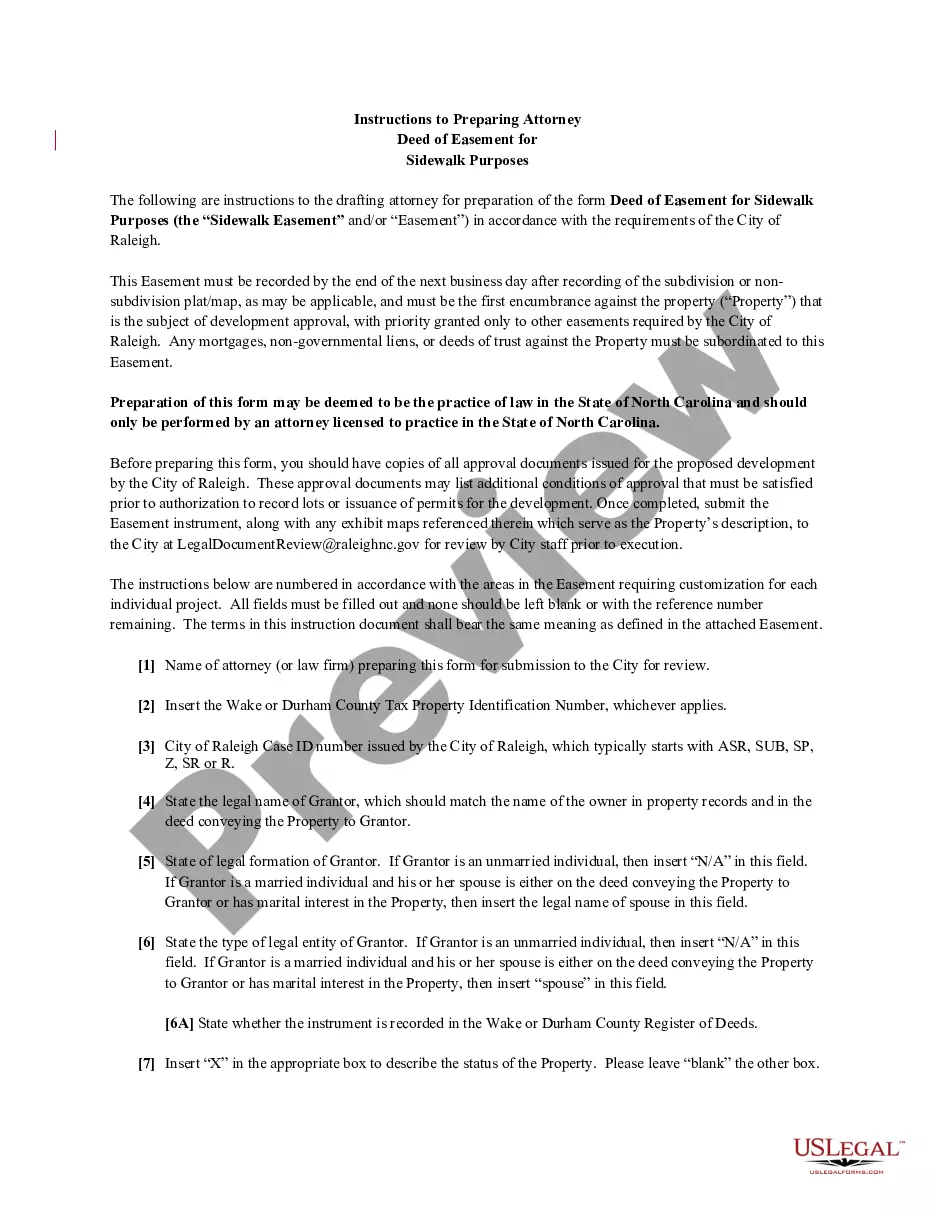
Employee Internet Use Policy Statement
What is this form?
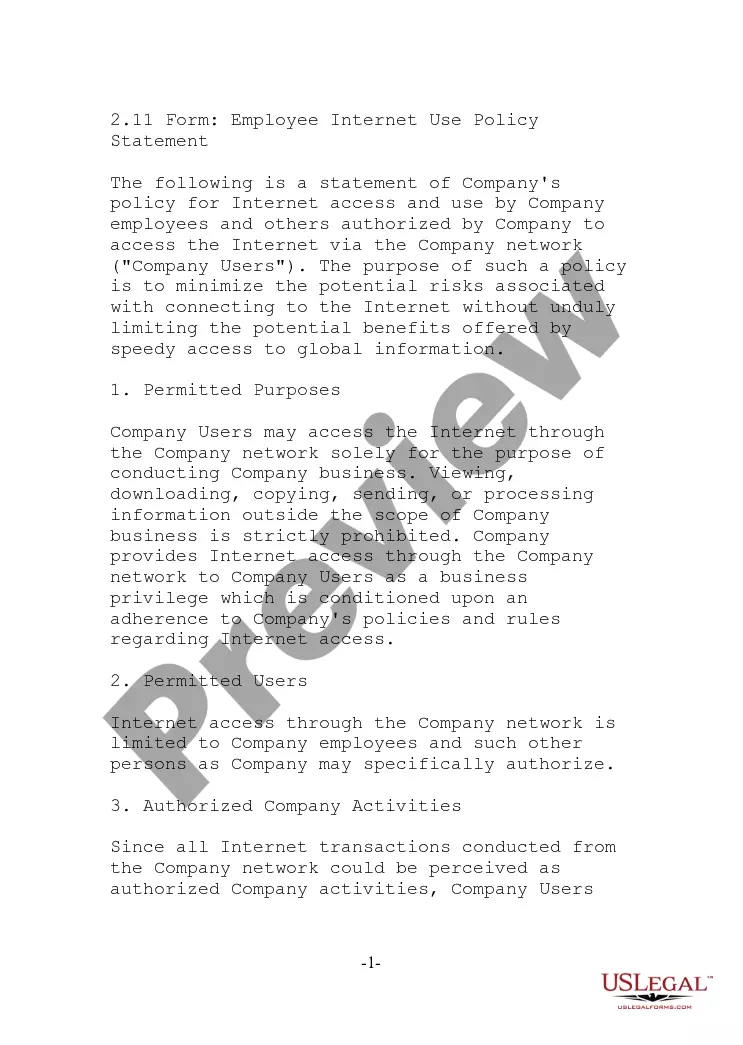
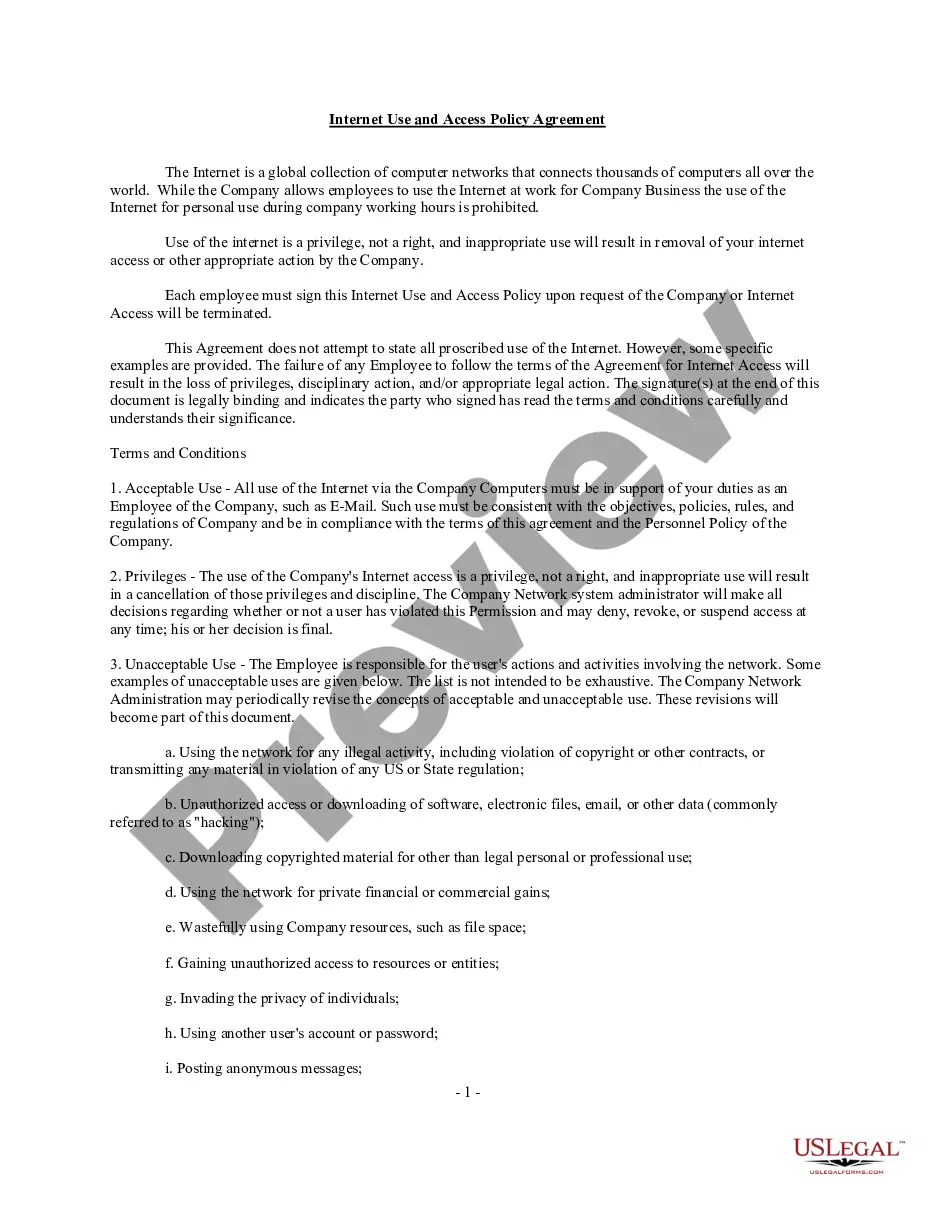
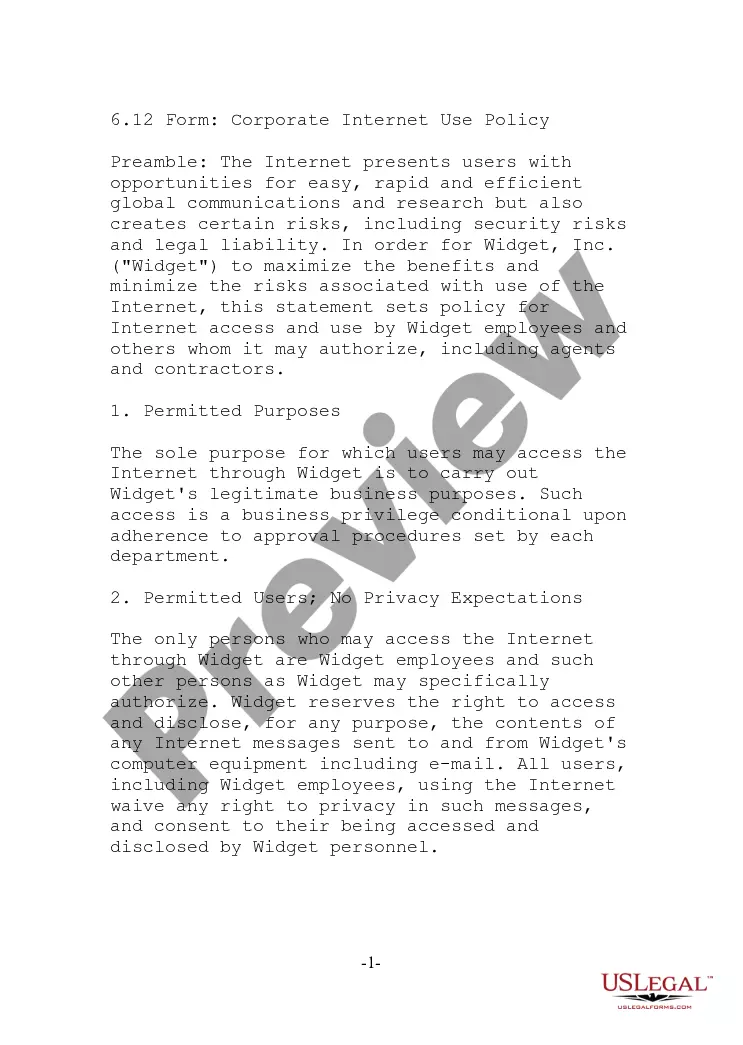
The Employee Internet Use Policy Statement is a crucial document that outlines the acceptable use of the internet by employees accessing it through the company network. This form serves to protect both the company and its employees, ensuring that internet usage is conducted properly and legally. Unlike general internet usage guidelines, this policy is tailored specifically for workplaces, providing detailed rules and expectations for employees, thus minimizing risks while maximizing the benefits of internet access for company business.
Main sections of this form
- Permitted purposes for internet access
- Identification of authorized users
- Standards for publishing information on behalf of the company
- Guidelines on copyright and third-party rights
- Network security and privacy considerations
- Consequences of non-compliance with the policy



Common use cases
This form should be used when establishing a clear internet use policy for employees within a company. It is essential when onboarding new staff, updating existing policies, or whenever changes in technology or legal standards require a refresh of internet usage guidelines. Implementing this form can also help prevent misuse of company resources and protect the company from legal liabilities related to internet usage.
Who needs this form
- Human resources departments looking to create or update internet usage policies
- Business owners wanting to establish guidelines for employee internet access
- Managers responsible for overseeing employee conduct regarding internet use
- IT departments needing to ensure network security and compliance among users
Instructions for completing this form
- Identify the company and include any relevant contact information.
- Specify the permitted purposes for using the internet within the company's context.
- Designate authorized users who are permitted to access the internet on behalf of the company.
- Outline the responsibilities of users regarding copyright and third-party rights.
- Establish consequences for policy violations and ensure employees acknowledge receipt of the policy.
Does this document require notarization?
This form does not typically require notarization unless specified by local law. Ensure to check applicable regulations in your jurisdiction to confirm requirements.
Get your form ready online
Our built-in tools help you complete, sign, share, and store your documents in one place.
Make edits, fill in missing information, and update formatting in US Legal Forms—just like you would in MS Word.
Download a copy, print it, send it by email, or mail it via USPS—whatever works best for your next step.
Sign and collect signatures with our SignNow integration. Send to multiple recipients, set reminders, and more. Go Premium to unlock E-Sign.
If this form requires notarization, complete it online through a secure video call—no need to meet a notary in person or wait for an appointment.
We protect your documents and personal data by following strict security and privacy standards.

Make edits, fill in missing information, and update formatting in US Legal Forms—just like you would in MS Word.

Download a copy, print it, send it by email, or mail it via USPS—whatever works best for your next step.

Sign and collect signatures with our SignNow integration. Send to multiple recipients, set reminders, and more. Go Premium to unlock E-Sign.

If this form requires notarization, complete it online through a secure video call—no need to meet a notary in person or wait for an appointment.

We protect your documents and personal data by following strict security and privacy standards.
Common mistakes
- Failing to clearly define permitted internet usage, leading to confusion among employees.
- Not including consequences for violations, which can lead to inconsistent enforcement.
- Neglecting to update the policy as technology and legal requirements change.
Benefits of completing this form online
- Convenience of accessing the form from anywhere at any time.
- Editability allows companies to customize the policy to fit specific needs.
- Reliability of the form being crafted by licensed attorneys to ensure legal compliance.
Legal use & context
- The policy helps in protecting the company from potential legal liabilities arising from employee actions online.
- It sets the foundation for a clear framework governing employee conduct in digital spaces.
- Enforcement of such a policy can support a secure and productive working environment.
Key takeaways
- The Employee Internet Use Policy Statement safeguards both the company and employees.
- This form clearly defines acceptable internet usage and the responsibilities of users.
- Using this form helps to establish a transparent and accountable internet use framework.
Key terms explained
- Company Users: Employees and authorized individuals who can access the internet via the company's network.
- Publishing: Distributing information online that represents the company, subject to certain guidelines.
- Network Security: Measures taken to protect the companyâs network from unauthorized access and attacks.
Looking for another form?
Form popularity
FAQ
An Acceptable Use Policy is a series of rules that define what end users may or may not do with their technology. Usually, this policy requires some kind of acknowledgment that the rules are well understood, including potential consequences of violation, before issuing any kind of log into the system.
Yes, Internet use and e-mail use policies be covered in an acceptable use policy declaring what is acceptable when using company's network.
Epolicies are policies and procedures that address information management along with the ethical use of computers and the Internet in the business environment . i. ethical computer use policy contains general principles to guide computer user behavior.
E-mail policies protect against unauthorized data access and distribution, the introduction of dangerous viruses and other security threats, and lost productivity.
An effective internet and email policy that helps employees understand what is expected of them regarding how they use their devices for work is a must for employers and employees.Adapt it to suit the needs of your culture and the environment you want to provide employees at work.
A computer usage policy is a document that provides employees with guidelines on how to appropriately use company equipment and the internet on your work computer network.This kind of policy can minimize the risk of computer misuse whether in the university library or a business office.
If you simply want employees to stay off the Internet, consider offering some alternatives such as allowing them to listen to music while they are working. Or set up specific times or limits for personal usage.
Limit personal use or restrict the websites employees can visit when web browsing; control downloads; restrict access to sensitive company data; create guidelines covering use of social networks like Facebook.
Your Rights Social Networking & Computer Privacy. Generally, employers have the right to monitor their employees use of the Internet (including visiting social networking sites, checking e-mails, and instant messaging) on computers owned by the employer, during employees on-duty hours.