Basic Beneficiary Deed
What this document covers
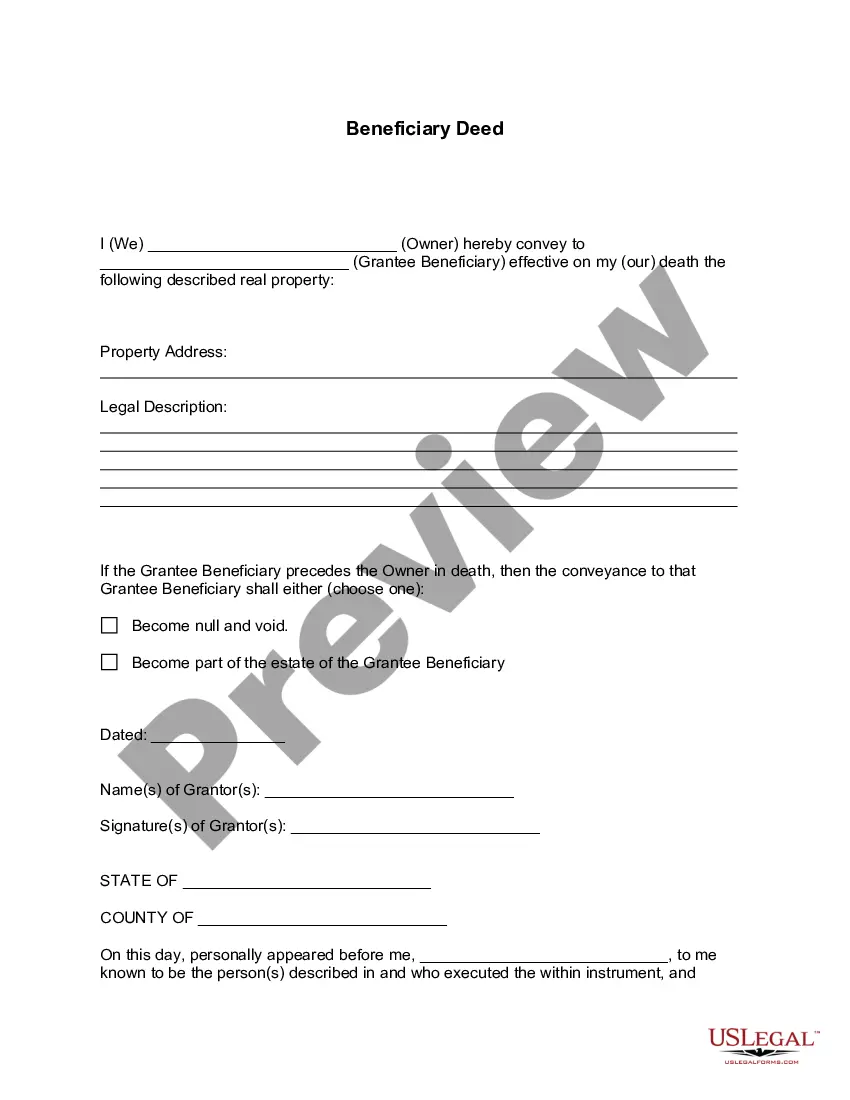
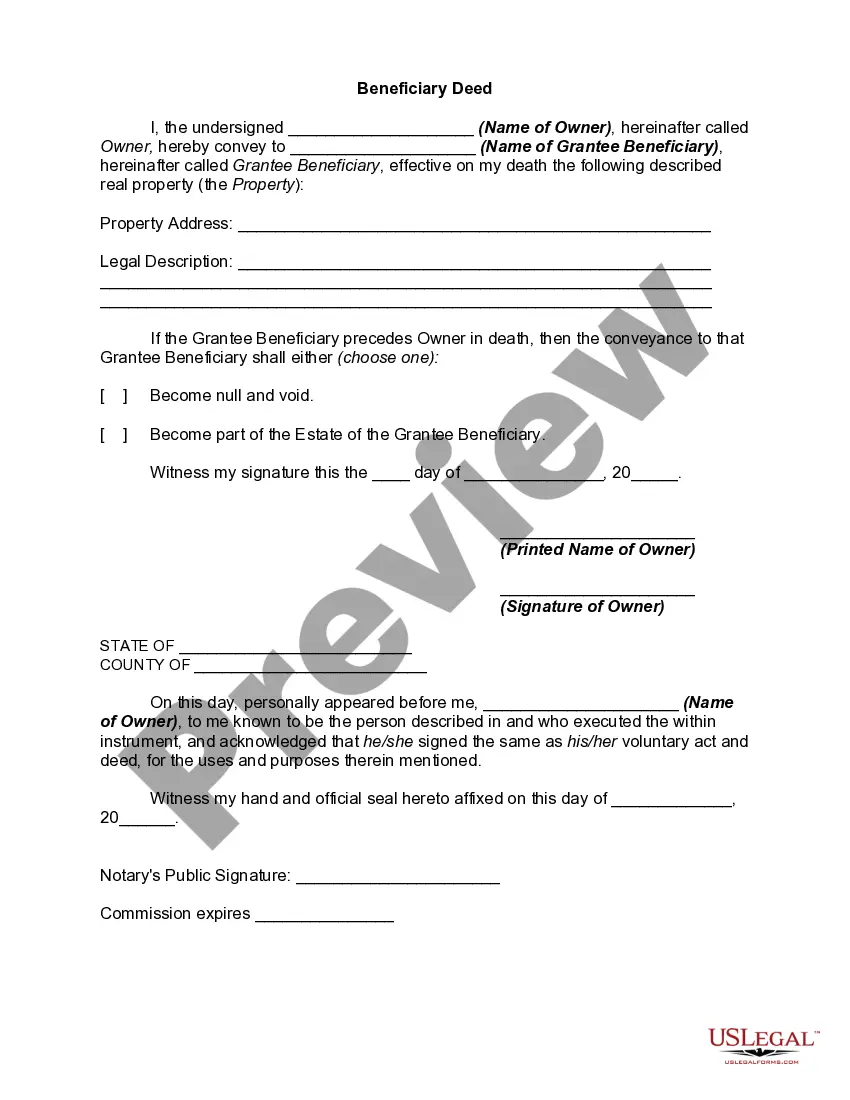
A beneficiary deed is a type of real property deed that allows property owners to transfer their property upon their death without the need for probate. This deed ensures that the ownerâs interest in the property is automatically conveyed to the designated beneficiaries, known as grantees, at the time of death. Unlike a regular property deed, a beneficiary deed does not take effect until the owner's passing, offering a streamlined method of asset transfer for estate planning purposes.
Main sections of this form
- Owner(s): The individual(s) who currently hold the interest in the property.
- Grantee Beneficiary: The person or entity designated to receive the property upon the ownerâs death.
- Property Address: The physical location of the property being transferred.
- Legal Description: A detailed description of the property as defined in public records.
- Contingency Clause: Specifies what happens if the grantee beneficiary dies before the owner.
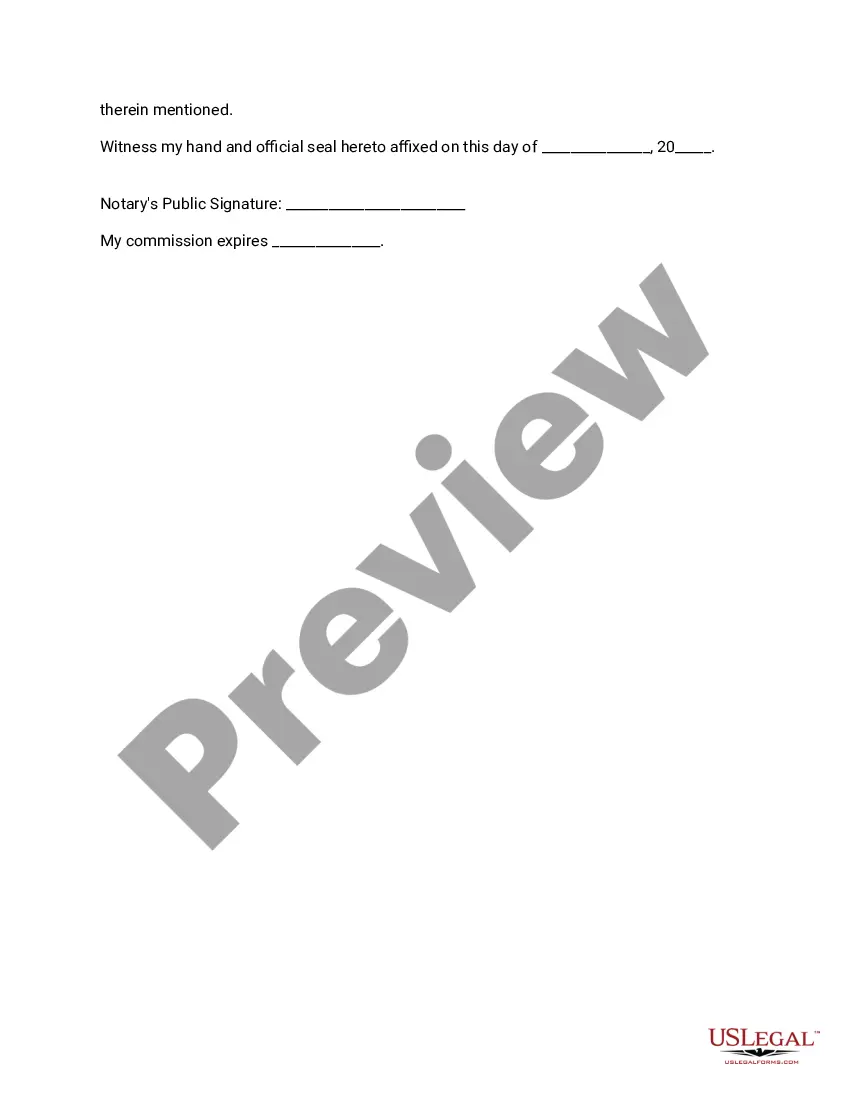
- Signatures and Notarization: The document must be signed by the owner and notarized to ensure legal validity.
When to use this document
This form is useful when an individual wishes to assign their property to specific beneficiaries while avoiding probate after their death. It can be utilized in various estate planning scenarios, such as transferring residential homes, vacation properties, or other real estate to family members, friends, or charitable organizations. It is essential for individuals who want to ensure a smooth transition of property and minimize legal complications for their loved ones.
Who can use this document
- Property owners looking to facilitate the transfer of their real estate after death.
- Individuals who wish to designate specific beneficiaries for their property.
- Anyone engaged in estate planning who prefers to avoid the probate process.
- Homeowners who want to ensure their property goes to the intended heirs without legal hurdles.
Steps to complete this form
- Identify the owner(s) of the property and enter their names in the specified field.
- Designate the grantee beneficiary by entering their name.
- Clearly indicate the property address and provide a legal description.
- Choose the stipulation regarding the grantee beneficiaryâs death preceding the ownerâs death.
- Complete the date, and secure signatures from all grantor(s) in the appropriate places.
- Have the form notarized to ensure it is legally binding.
Does this document require notarization?
Yes, this form must be notarized to be legally valid. This process can often be done through US Legal Formsâ integrated online notarization service, which is available 24/7 and offers secure video calls for your convenience.
Get your form ready online
Our built-in tools help you complete, sign, share, and store your documents in one place.
Make edits, fill in missing information, and update formatting in US Legal Forms—just like you would in MS Word.
Download a copy, print it, send it by email, or mail it via USPS—whatever works best for your next step.
Sign and collect signatures with our SignNow integration. Send to multiple recipients, set reminders, and more. Go Premium to unlock E-Sign.
If this form requires notarization, complete it online through a secure video call—no need to meet a notary in person or wait for an appointment.
We protect your documents and personal data by following strict security and privacy standards.

Make edits, fill in missing information, and update formatting in US Legal Forms—just like you would in MS Word.

Download a copy, print it, send it by email, or mail it via USPS—whatever works best for your next step.

Sign and collect signatures with our SignNow integration. Send to multiple recipients, set reminders, and more. Go Premium to unlock E-Sign.

If this form requires notarization, complete it online through a secure video call—no need to meet a notary in person or wait for an appointment.

We protect your documents and personal data by following strict security and privacy standards.
Common mistakes
- Failing to include a complete and accurate legal description of the property.
- Not properly notarizing the form, which can invalidate the deed.
- Omitting the names or signatures of all required parties.
- Choosing improper contingencies in case the grantee beneficiary dies before the owner.
Benefits of completing this form online
- Convenience of accessing and completing the form from home or any location.
- Easy editability allows users to fill out the form at their own pace.
- Compliance with legal standards ensures the form is drafted correctly by licensed attorneys.
- Secure storage and easy retrieval of completed documents for future reference.
Main things to remember
- A beneficiary deed facilitates property transfer upon death without probate.
- Complete, accurate information is essential for the deed to be effective.
- Notarization is required to validate the document.
- Consult state-specific laws to ensure compliance and validity.