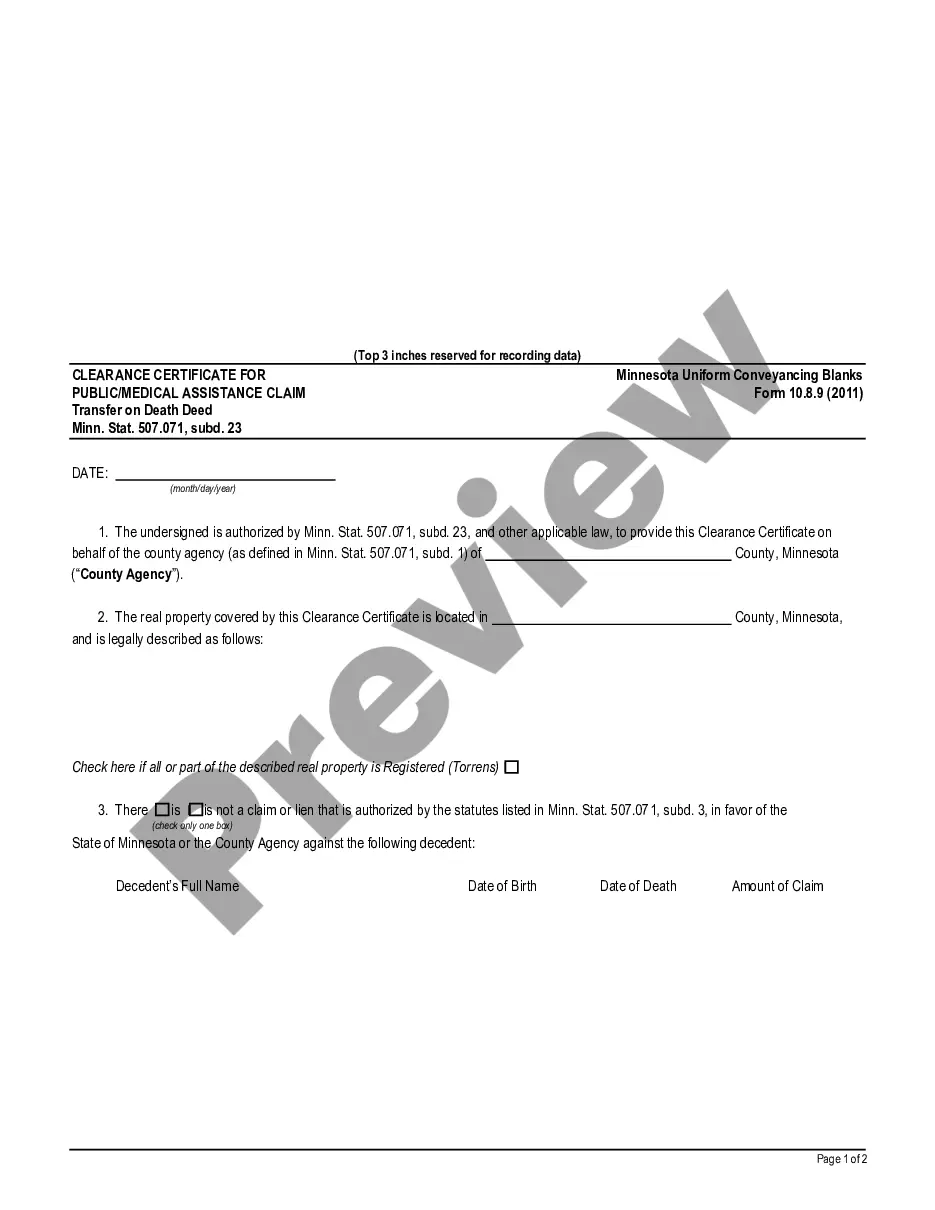
Affidavit of Death and Heirship of Decedent
About this form
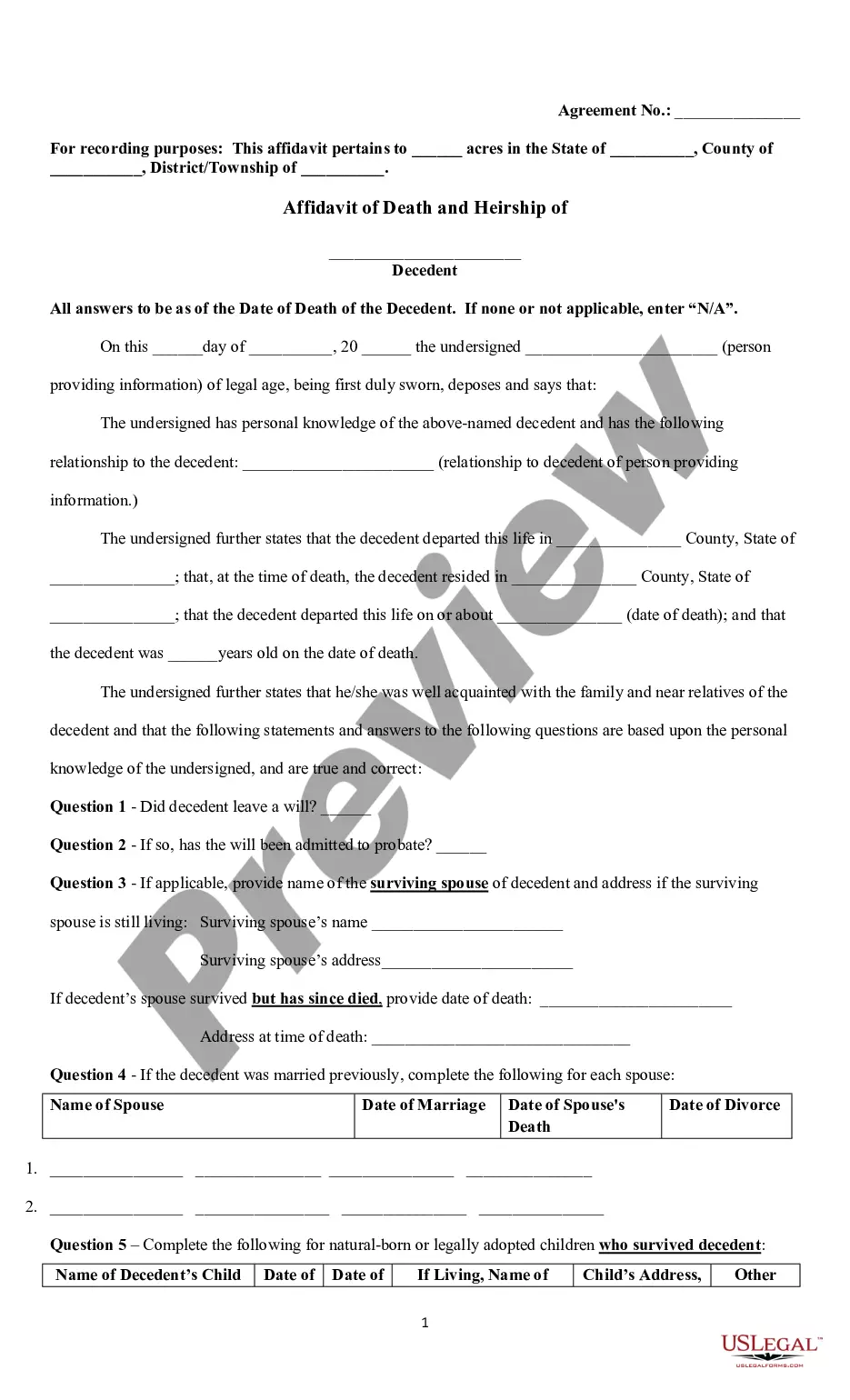
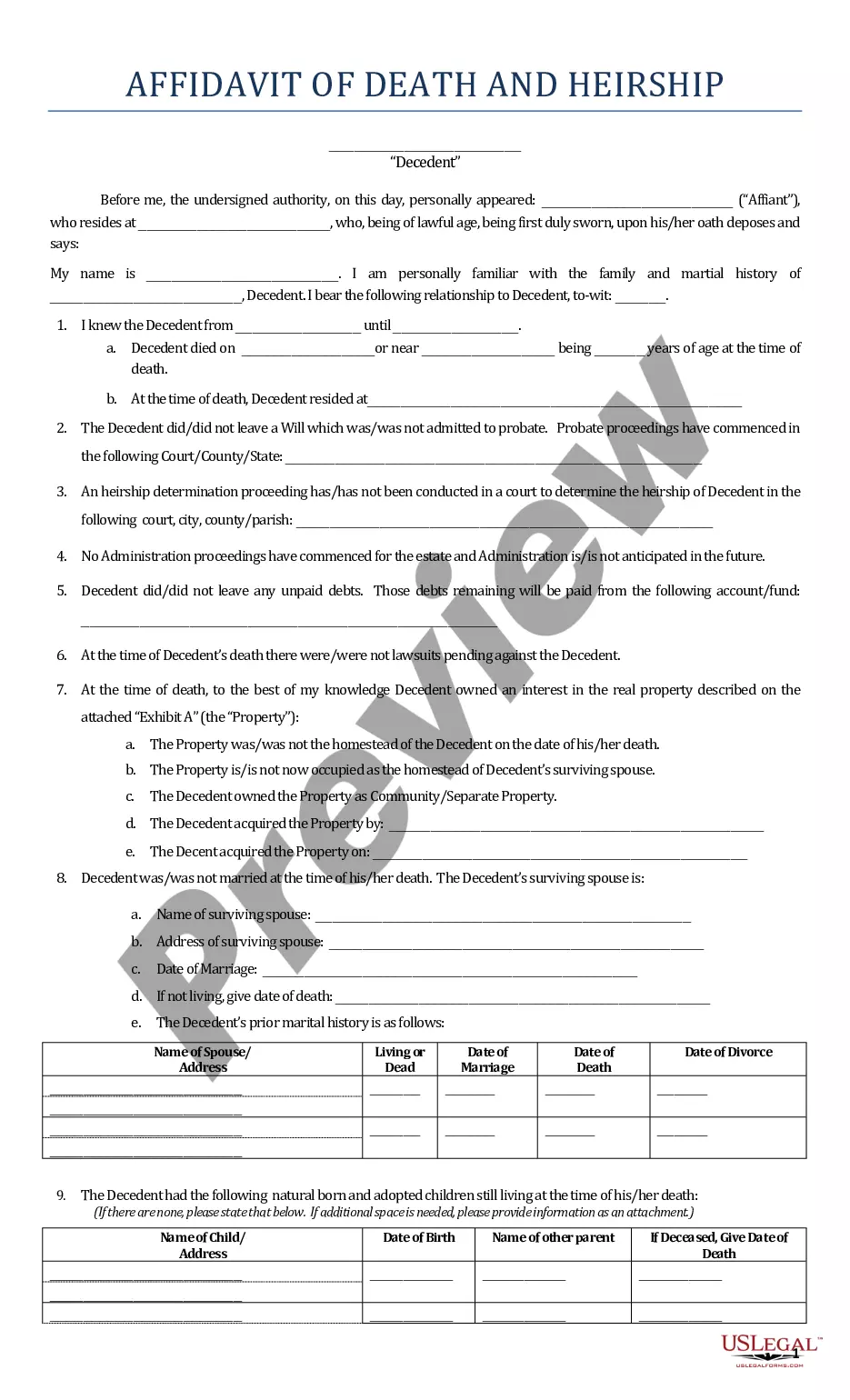
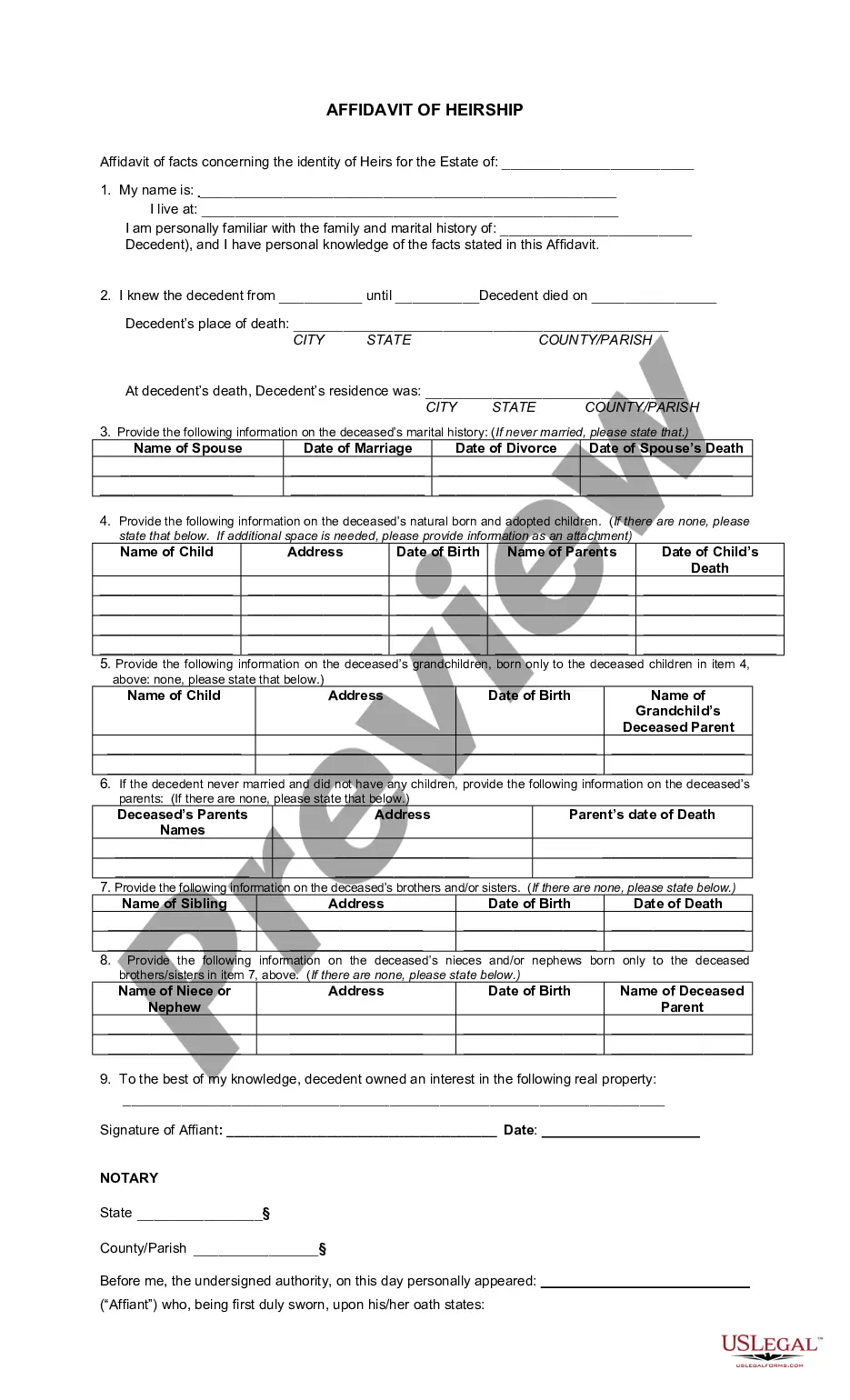
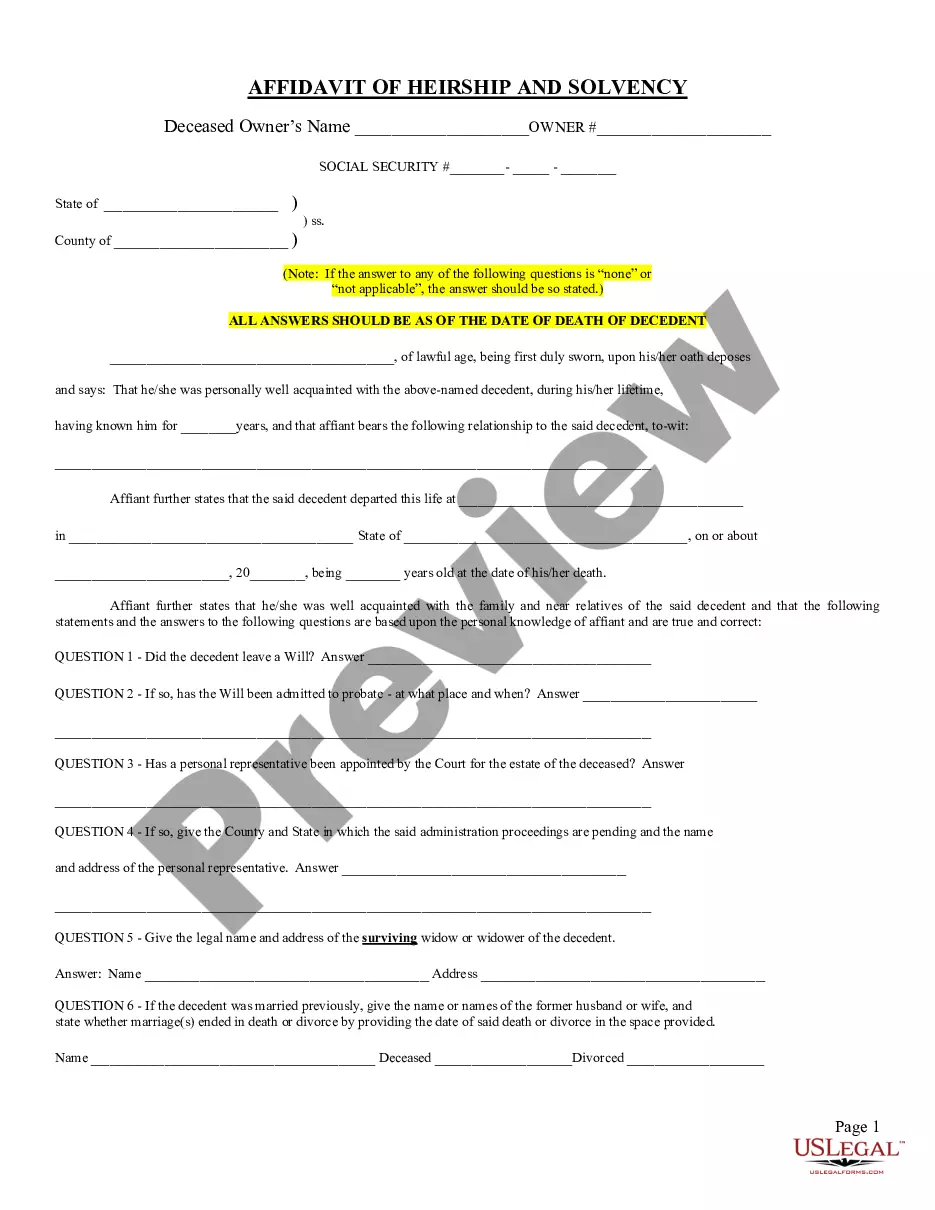
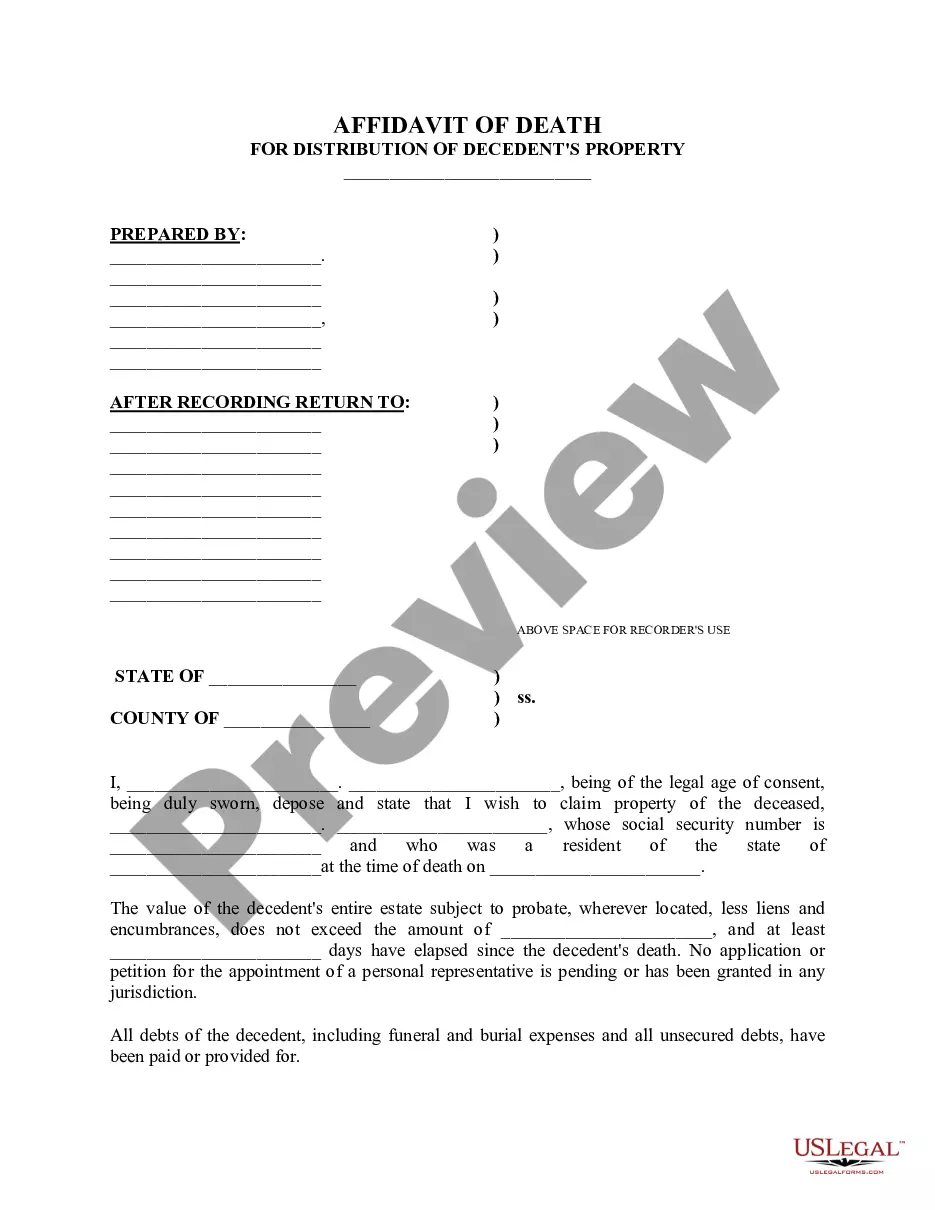
The Affidavit of Death and Heirship of Decedent is a legal document used to declare the heirs of a deceased individual. This form is essential for establishing the rightful ownership of both personal and real property left by the decedent. Unlike a will, this affidavit does not require the probate process, making it a streamlined option for identifying heirs and transferring property rights efficiently.
Main sections of this form
- Details about the decedent, including name and date of death.
- Information on whether the decedent left a will and if it was probated.
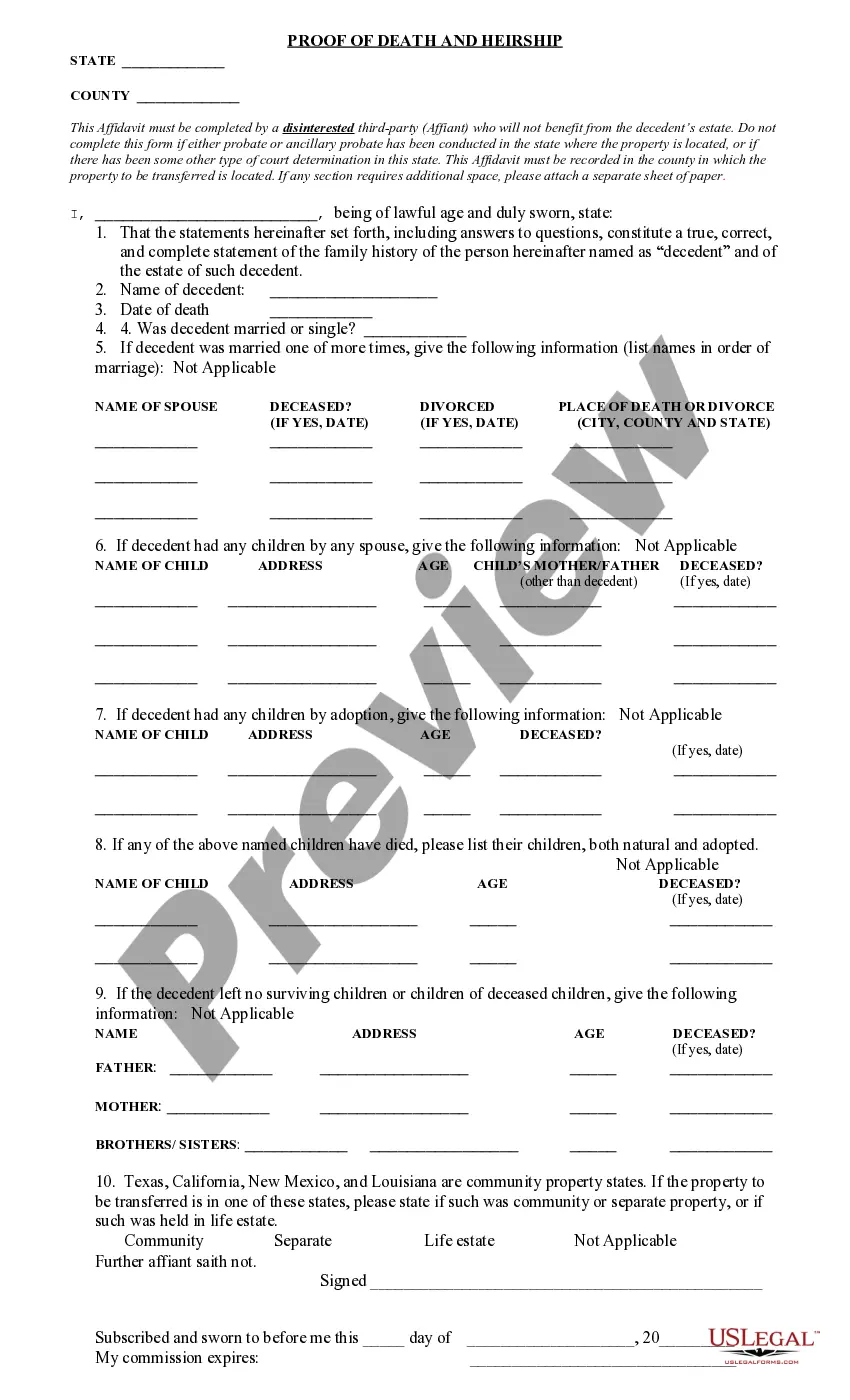
- Names and addresses of surviving family members, including spouses and children.
- Questions related to previous marriages and children, including grandchildren.
- Affirmation of the signerâs personal knowledge regarding the decedent and heirs.
- Notary acknowledgment section for official validation.


Situations where this form applies
This affidavit should be used in situations where the decedent has passed away, and there is no need for a lengthy probate process. It is particularly useful when transferring title to property, verifying heirship for estate claims, or addressing any legal matters that require clarity on the decedent's beneficiaries. By using this form, individuals can present clear documentation of heirs, facilitating smoother transactions regarding the estate.
Who needs this form
- Executors or administrators of an estate.
- Surviving family members or heirs seeking to claim property.
- Individuals settling the affairs of a decedent without a formal will.
- Anyone involved in legal proceedings related to estate matters.
How to complete this form
- Provide the name and details of the decedent, including the date of death and residency at the time of death.
- Indicate whether the decedent left a will and if it has been admitted to probate.
- List the names and relationships of the surviving spouse and children, along with their addresses.
- Fill out information about any previous marriages and children, ensuring all relevant details are included.
- Sign the affidavit in front of a notary to validate the document.
Notarization requirements for this form
Yes, this form must be notarized to be legally valid. A notary public must witness your signature, ensuring the authenticity of the document. US Legal Forms offers integrated online notarization services for convenience, allowing you to complete the process via secure video calls without needing to travel.
Get your form ready online
Our built-in tools help you complete, sign, share, and store your documents in one place.
Make edits, fill in missing information, and update formatting in US Legal Forms—just like you would in MS Word.
Download a copy, print it, send it by email, or mail it via USPS—whatever works best for your next step.
Sign and collect signatures with our SignNow integration. Send to multiple recipients, set reminders, and more. Go Premium to unlock E-Sign.
If this form requires notarization, complete it online through a secure video call—no need to meet a notary in person or wait for an appointment.
We protect your documents and personal data by following strict security and privacy standards.
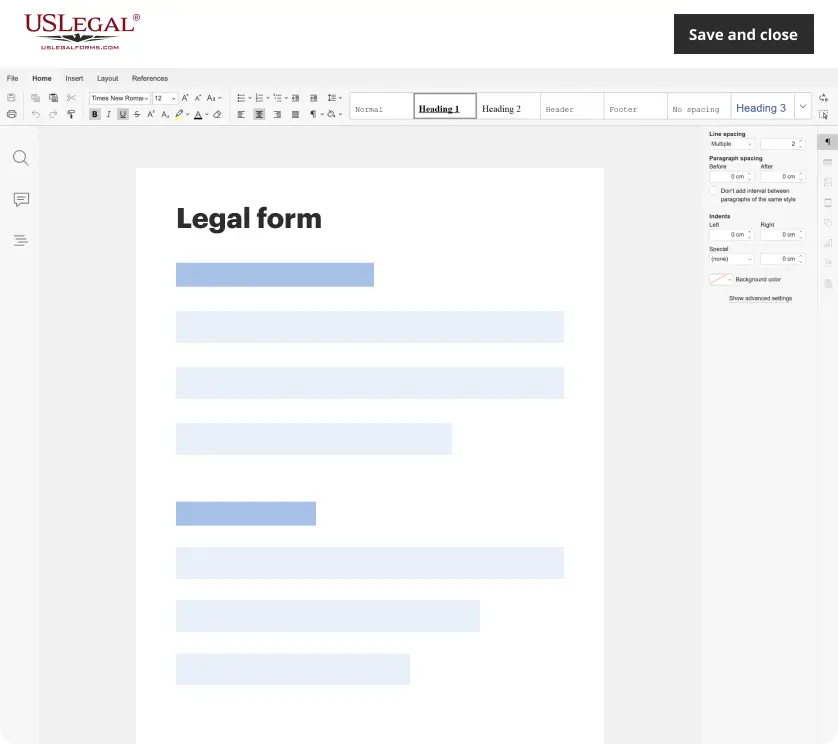
Make edits, fill in missing information, and update formatting in US Legal Forms—just like you would in MS Word.
Download a copy, print it, send it by email, or mail it via USPS—whatever works best for your next step.
Sign and collect signatures with our SignNow integration. Send to multiple recipients, set reminders, and more. Go Premium to unlock E-Sign.

If this form requires notarization, complete it online through a secure video call—no need to meet a notary in person or wait for an appointment.

We protect your documents and personal data by following strict security and privacy standards.
Common mistakes
- Failing to provide complete names and addresses of all heirs.
- Notating the wrong date of death or location of the decedent's residence.
- Omitting information about previous spouses or children.
- Not having the document notarized before submission, if required.
Advantages of online completion
- Convenience of instant download and completion at your own pace.
- Editability allows for customization to fit specific situations and local requirements.
- Access to professionally drafted legal forms ensures reliability and compliance.
Looking for another form?
Form popularity
FAQ
An affidavit of heirship can be contested. This may be done by other heirs who disagree that you should receive the property or believe they should have been listed as an heir on the affidavit.
An affidavit of heirship must be signed by a disinterested person, meaning someone who has no financial interest in the estate's assets.
If a family member has recently passed away owning real property, there may not be a need for a full probate administration. Instead, Tennessee law allows for the filing of a muniment of title and an affidavit of heirship to transfer property.
A ballpark fee for preparation of the affidavit is between $750 for a very simple estate with few heirs to several thousand dollars for a more complicated estate with many heirs. The filing fees to record the affidavit in each county where the real property is located usually run about $50 to $75 in Texas.
Create the affidavit of heirship. The affidavit must include specific information such as the name and address of the affiant, the decedent's name and date of death, marital history, and the names and addresses of the decedent's children and siblings. Sign the affidavit of heirship in front of a notary public.
An affidavit of heirship must be signed and sworn to before a notary public by a person who knew the decedent and the decedent's family history. This person can be a friend of the decedent, an old friend of the family, or a neighbor, for example.
If the deceased property owner had a Will stating who the property should be transferred to, the Will should be filed for Probate within 4 years of the date of death. The property may subsequently be transferred or sold by the Executor named in the Will ing to the wishes of the deceased owner.
Deceased died with a Will If you are named as an heir, you may have to prove to the estate trustee that you are the person named. This can be done by showing the estate trustee identification or providing an affidavit.