Maryland Subcontractors Package
About this form package
The Maryland Subcontractors Package is a comprehensive collection of documents designed specifically for subcontractors managing construction projects in Maryland. This package helps protect your legal rights and ensures compliance with state laws, particularly through its primary document, the subcontractor's agreement. Unlike similar packages, it contains a variety of essential forms to streamline project management and address potential legal issues that may arise during construction.
Documents contained in this package
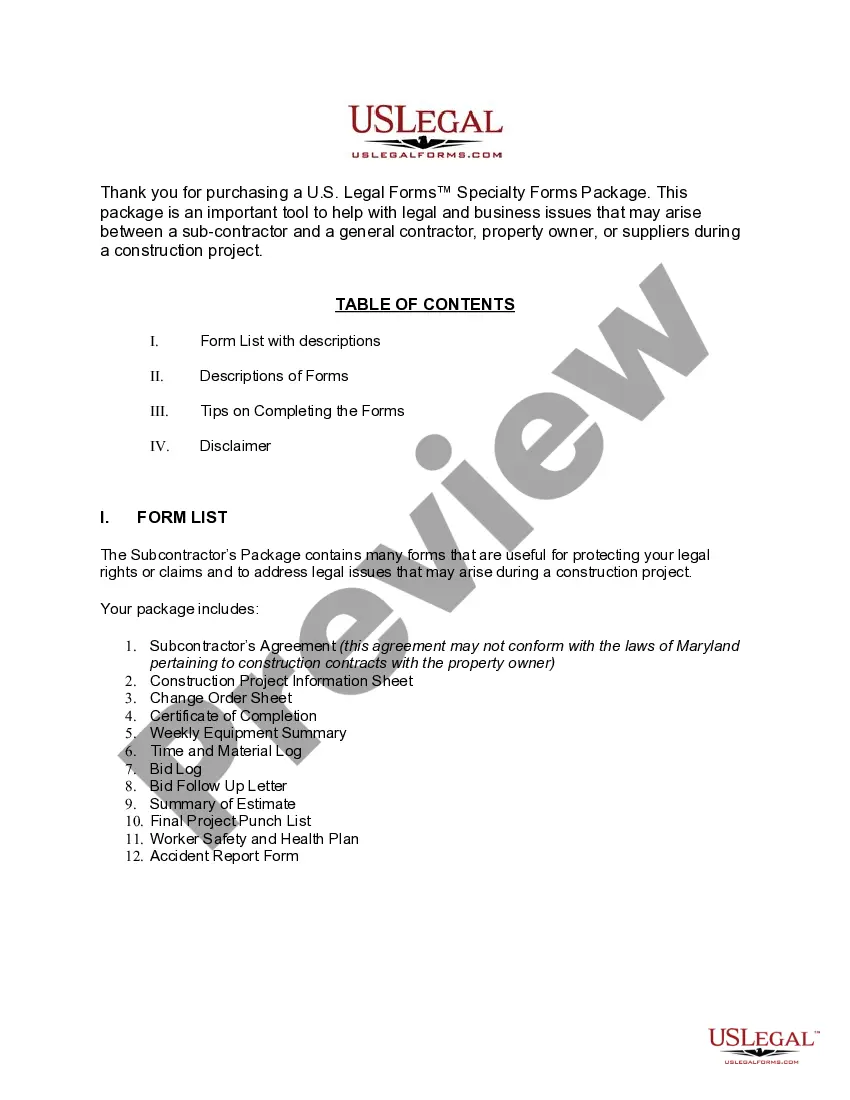
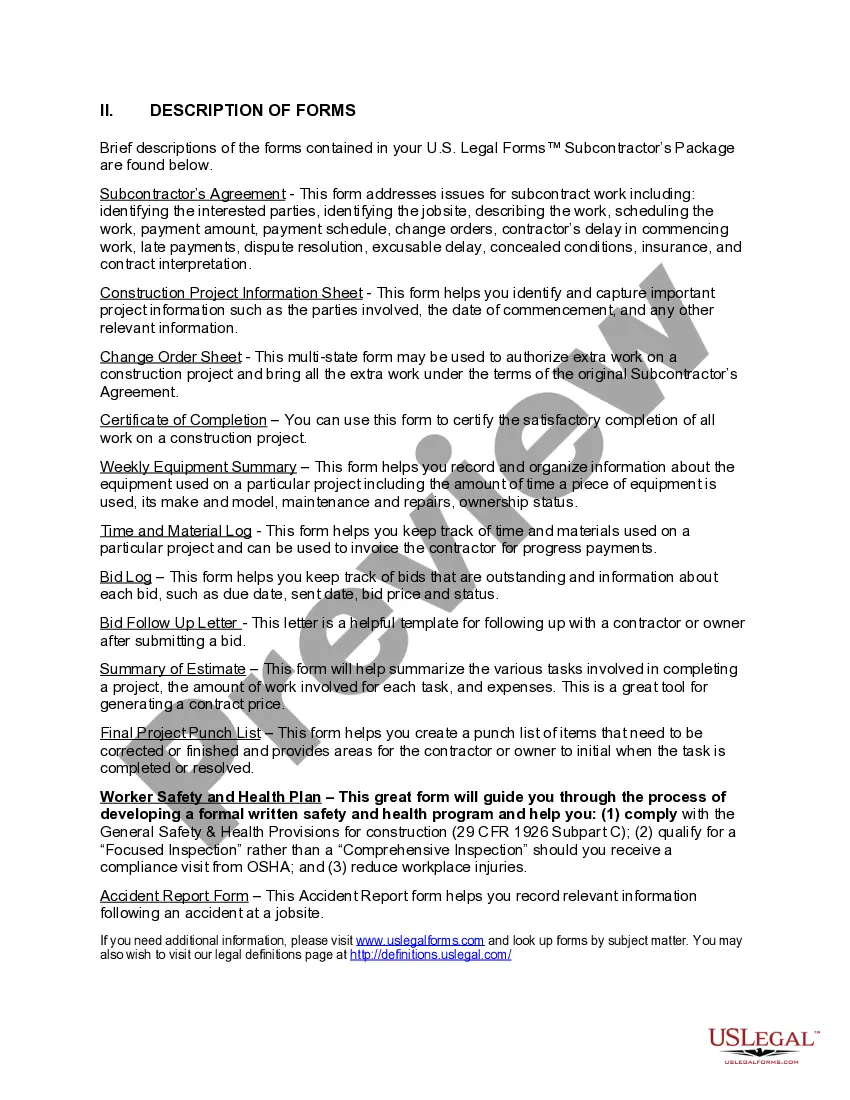
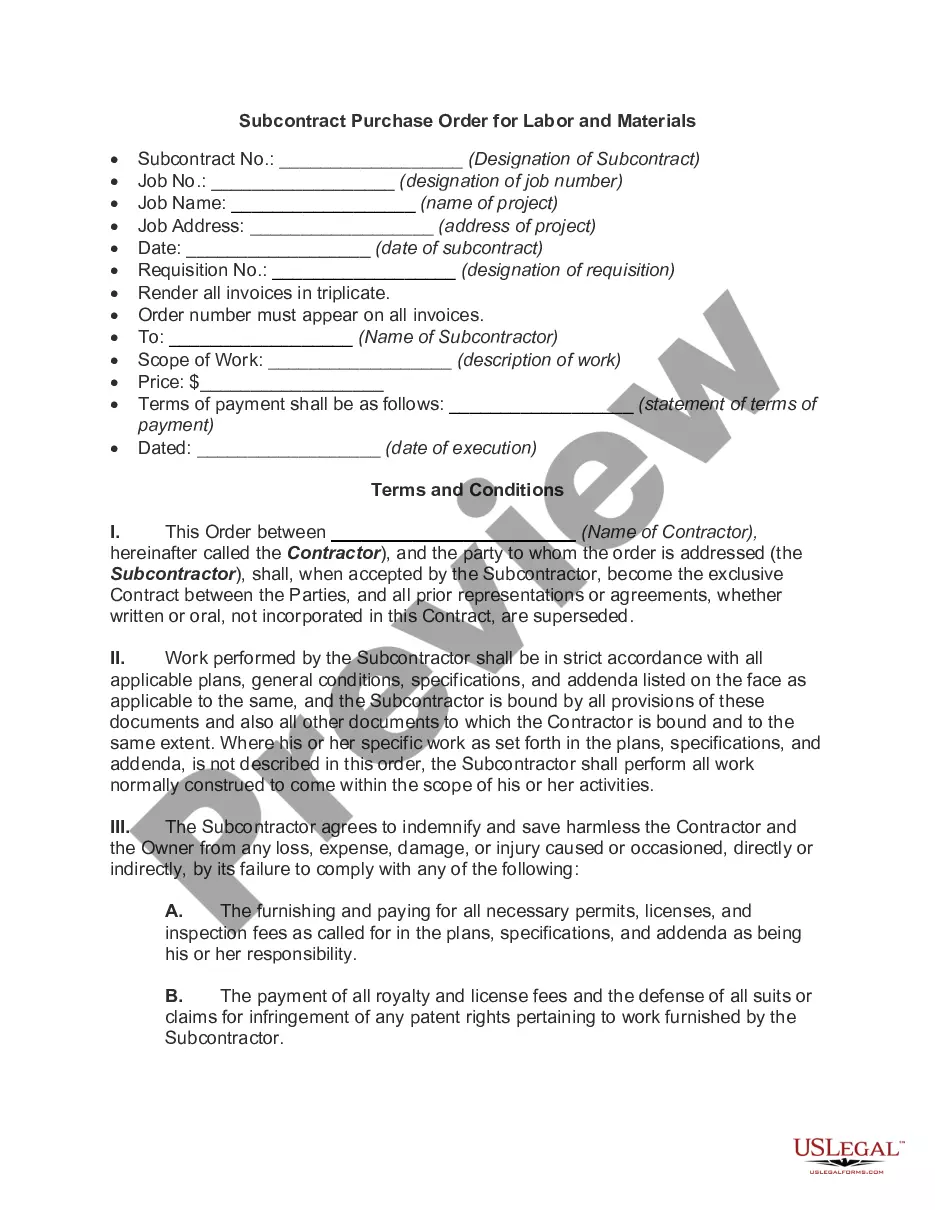
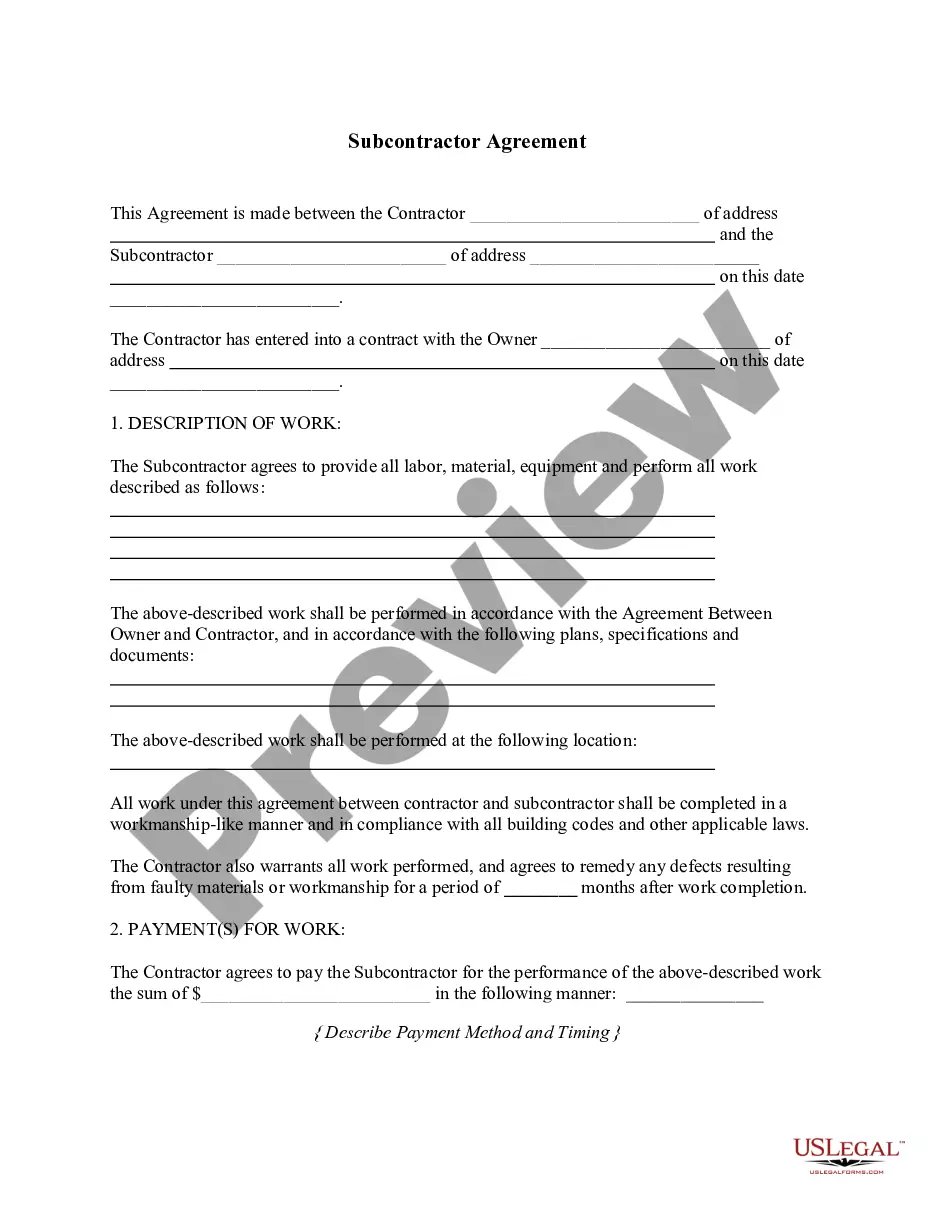
- Subcontractor's Agreement
- Contractor's Weekly Equipment Summary
- Contractor's Time and Materials Log
- Contractor's Bid Log
- Contractor's Bid Follow Up Letter
- Contractor's Summary of an Estimate
- Contractor's Final Punch List
- Construction Accident Report
- Construction Safety and Health Plan
- Change Order for Construction or Repairs by Contractor
- Certification of Completion by Contractor
- Construction Project Information Sheet
When this form package is needed
This form package is useful in several real-world scenarios, including:
- When beginning a new construction project as a subcontractor.
- If you need to manage changes or modifications to an existing project.
- When documenting project milestones and equipment usage.
- If you need to ensure compliance with safety regulations on job sites.
- When you need formal documentation for bids and project completion.
Intended users of this form package
- Subcontractors working on construction projects in Maryland.
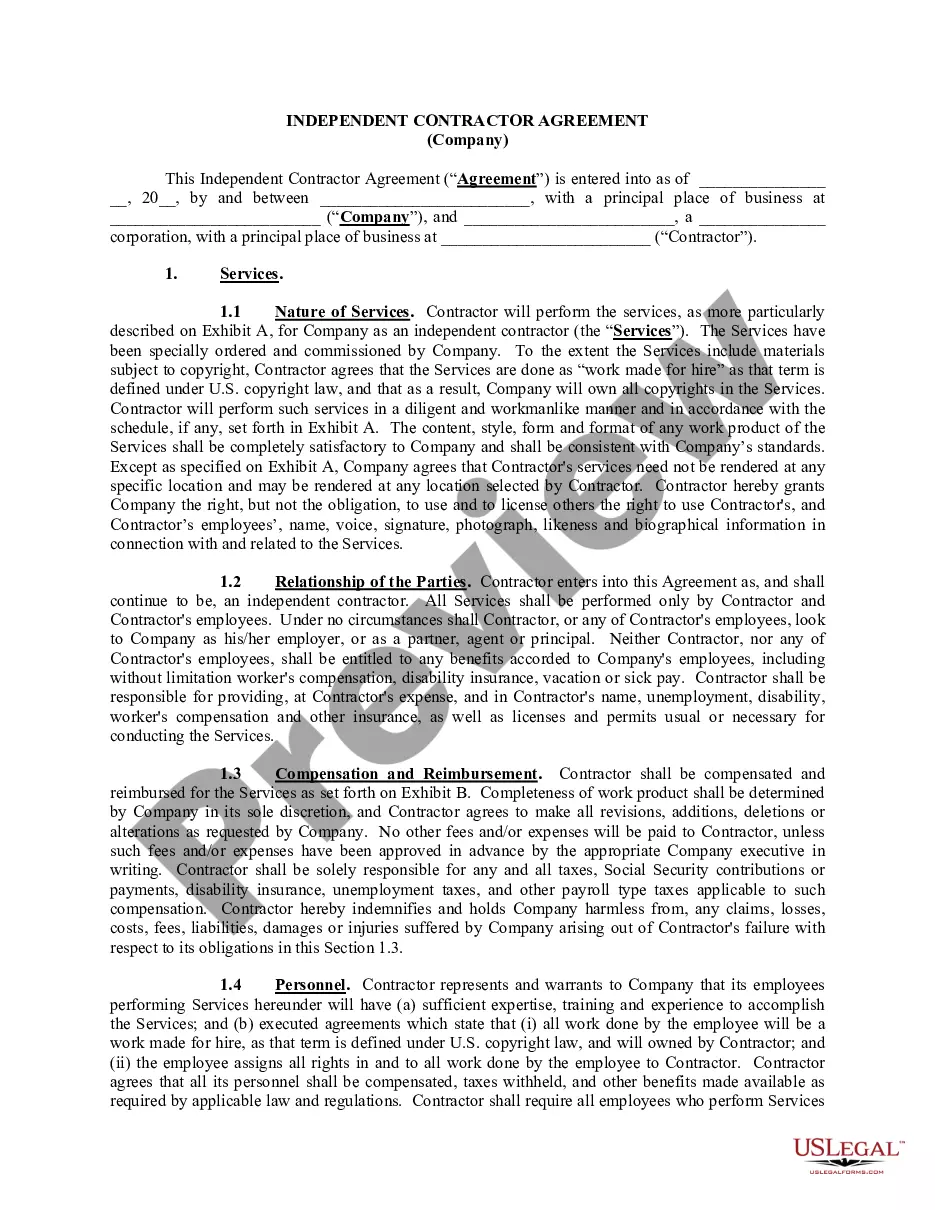
- Independent contractors participating in the construction industry.
- Individuals or businesses seeking to manage their legal rights effectively in a construction setting.
- Contract managers or project supervisors overseeing subcontractor work.
Completing these forms step by step
- Review the included forms carefully to understand each document's purpose.
- Identify the parties involved and gather necessary project information.
- Fill out the forms by entering relevant dates, names, and specifics as required.
- Ensure compliance by referencing Maryland state laws while completing the subcontractor's agreement.
- Print and sign the completed forms where required.
Notarization requirements for forms in this package
Notarization is generally not required for forms in this package. However, specific circumstances or local laws may require it. You can complete notarization remotely through US Legal Forms, powered by Notarize, with 24/7 availability.
Get your form ready online
Our built-in tools help you complete, sign, share, and store your documents in one place.
Make edits, fill in missing information, and update formatting in US Legal Forms—just like you would in MS Word.
Download a copy, print it, send it by email, or mail it via USPS—whatever works best for your next step.
Sign and collect signatures with our SignNow integration. Send to multiple recipients, set reminders, and more. Go Premium to unlock E-Sign.
If this form requires notarization, complete it online through a secure video call—no need to meet a notary in person or wait for an appointment.
We protect your documents and personal data by following strict security and privacy standards.

Make edits, fill in missing information, and update formatting in US Legal Forms—just like you would in MS Word.

Download a copy, print it, send it by email, or mail it via USPS—whatever works best for your next step.

Sign and collect signatures with our SignNow integration. Send to multiple recipients, set reminders, and more. Go Premium to unlock E-Sign.

If this form requires notarization, complete it online through a secure video call—no need to meet a notary in person or wait for an appointment.

We protect your documents and personal data by following strict security and privacy standards.
Mistakes to watch out for
- Failing to fill in all necessary fields in the forms, leading to incomplete documentation.
- Not detailing specific project information or amendments clearly in change orders.
- Overlooking the need for signatures from all parties on the subcontractor's agreement.
- Ignoring safety compliance requirements in the Worker Safety and Health Plan.
- Using forms from outside the package instead of the Maryland-specific versions provided.
Advantages of online completion
- Convenient access to legally vetted documents designed specifically for Maryland subcontractors.
- Editability allows you to customize the forms according to your project's specific needs.
- Reliability in using documents drafted by licensed attorneys familiar with state laws.
- Cost savings of over fifty percent compared to purchasing forms separately.
- Immediate availability for download, enabling quick use in your construction projects.
Legal use & context
- All forms in this package are intended for use in Maryland and are designed to uphold the legal standards required for subcontracting agreements.
- These documents can help protect your rights and interests as a subcontractor, provided they are completed correctly.
Key takeaways
- The Maryland Subcontractors Package includes crucial documentation for various aspects of a construction project.
- Using this package helps ensure compliance with state-specific legal requirements.
- Accurately completing forms is essential to protect your rights and manage project details effectively.
Looking for another form?
Form popularity
FAQ
The disadvantages contractors doing this work lie in costs: The hourly expenses are high, and the professionals are independent in that they don't report to supervisors inside the company. These factors make it challenging to control the costs of these subcontracts.
1099 Contractors and Freelancers The IRS taxes 1099 contractors as self-employed. If you made more than $400, you need to pay self-employment tax. Self-employment taxes total roughly 15.3%, which includes Medicare and Social Security taxes. Your income tax bracket determines how much you should save for income tax.
You give a Form 1099 to a subcontractor showing the amounts you paid him. The subcontractor is responsible for keeping his or her own records and paying his or her own income and self-employment taxes.The difference between an employee and a subcontractor depends on your right to direct and control the worker.
Reach out to local contractors and keep reaching out! Search online for subcontractor wanted ads. Maintain a looking for subcontractor work website. Network with local businesses. Use classified ad websites. Write articles for websites. Find subcontractor jobs at expos. Look for supplier connection web pages.
To avoid this additional tax, contractors must therefore ensure that all of their subcontractors are indeed subcontractors for tax purposes and not potentially an employee. Employees also have more rights such as minimum wage, pensions, holiday pay, sick pay.
Even though subcontractors are typically cost more than self-performing in-house, it is still more cost-effective in most cases. Subcontractors do not get benefits, office space or equipment. Hiring contractors also relieves you of having to pay employee taxes and a full-time salary.
1099 employees are self-employed independent contractors. They receive pay in accord with the terms of their contract and get a 1099 form to report income on their tax return.The employer withholds income taxes from the employee's paycheck and has a significant degree of control over the employee's work.
Freelancers, independent contractors, gig workers and other self-employed individuals don't typically qualify for unemployment benefits when they lose their jobs. That is no longer the case, under provisions in the Coronavirus Aid, Relief, and Economic Security Act (CARES) Act enacted in late March.
You define the work hours: Generally, independent contractors do the job as they see fit. They set their own hours and work how and when they want. And they should be paid by the project -- never on an hourly basis.You don't receive invoices: The contractor should be treated as a vendor under accounts payable.