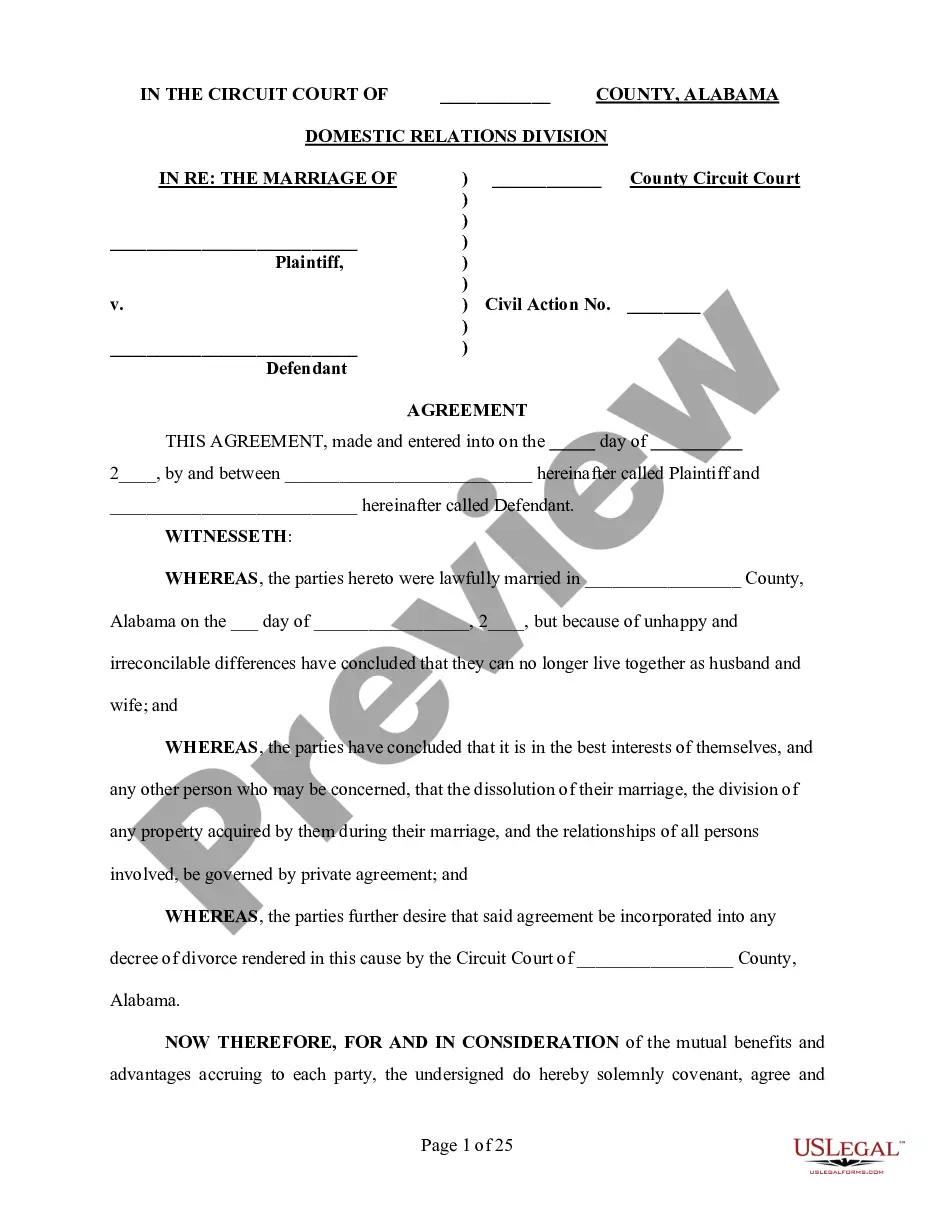
Ohio Transfer on Death Affidavit
Understanding this form
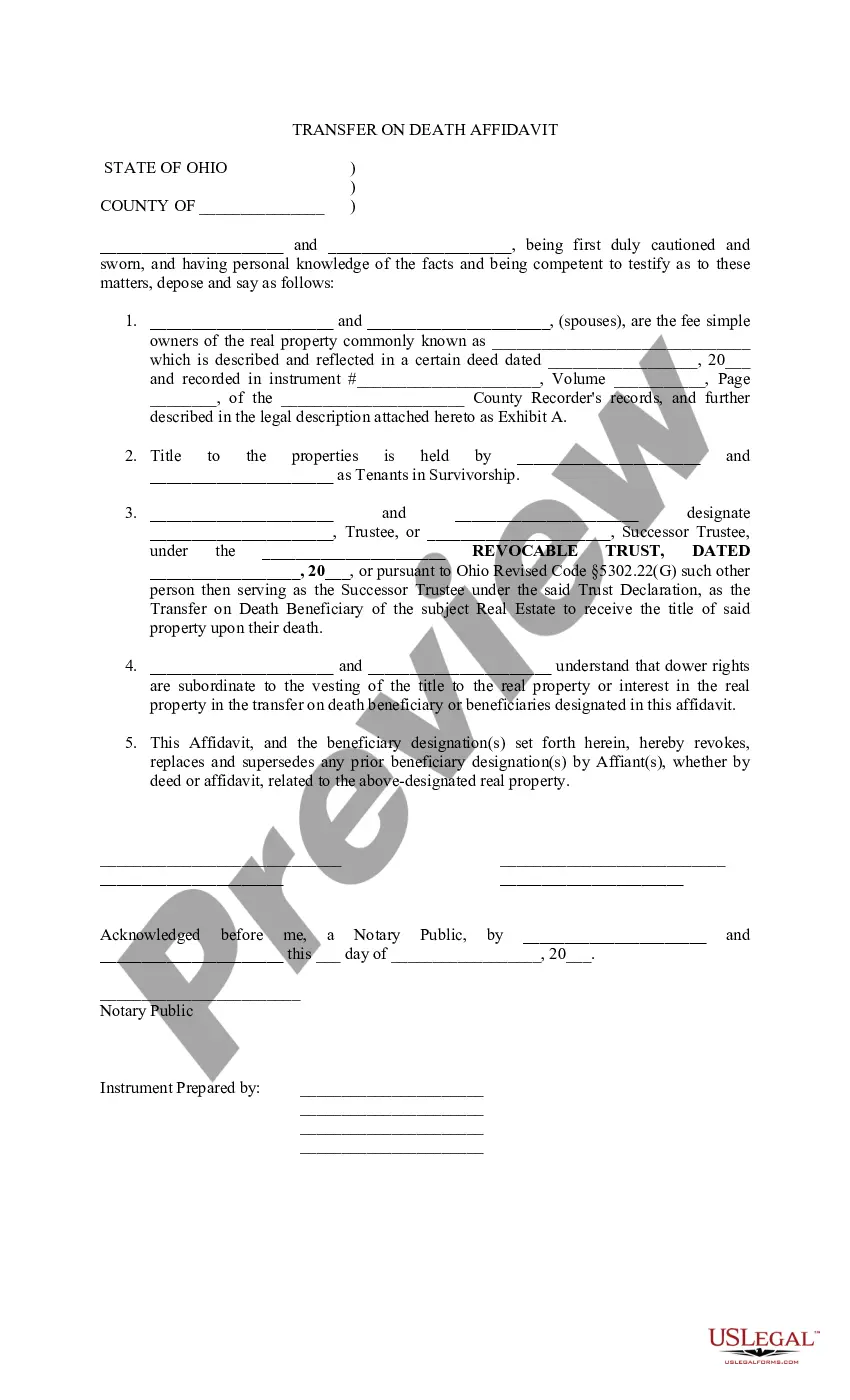
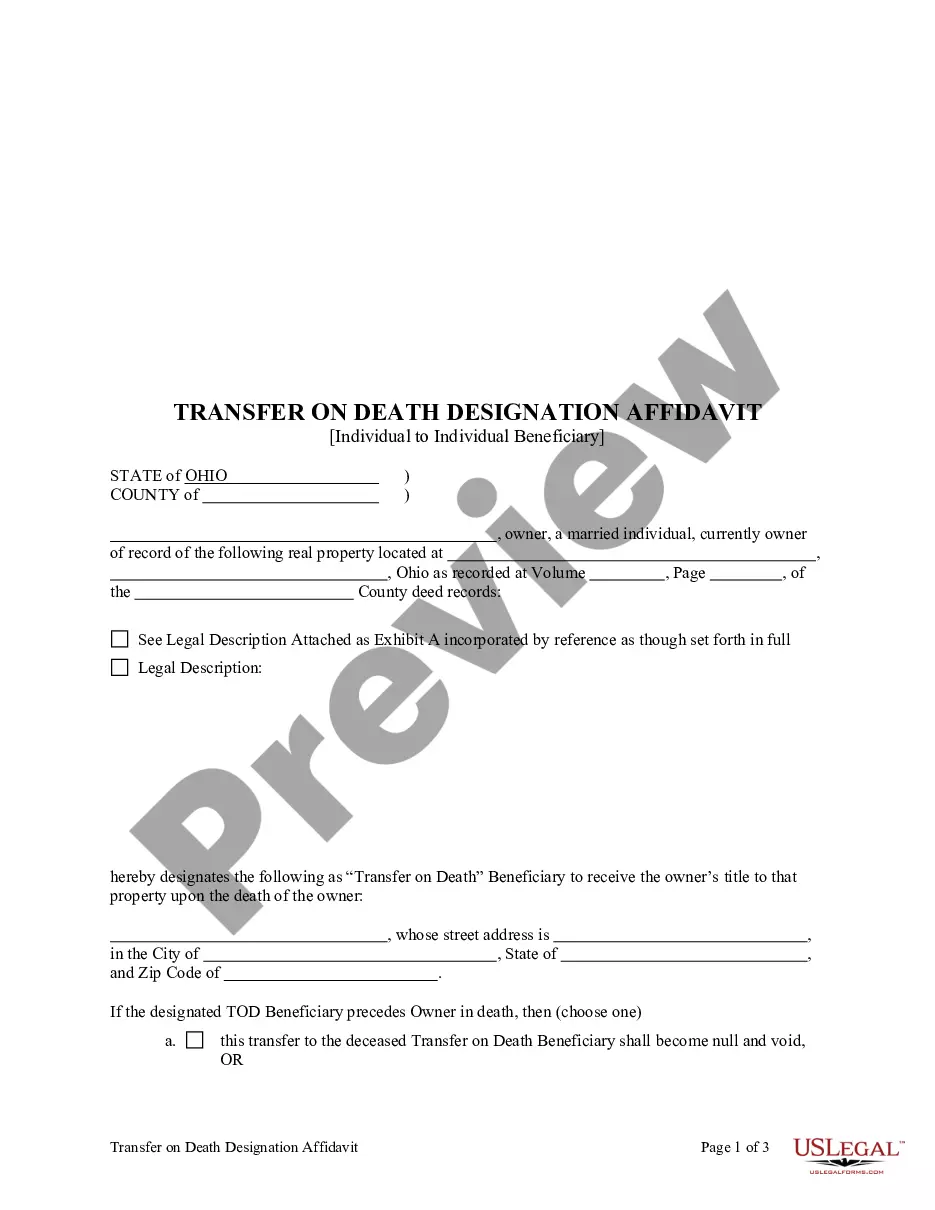
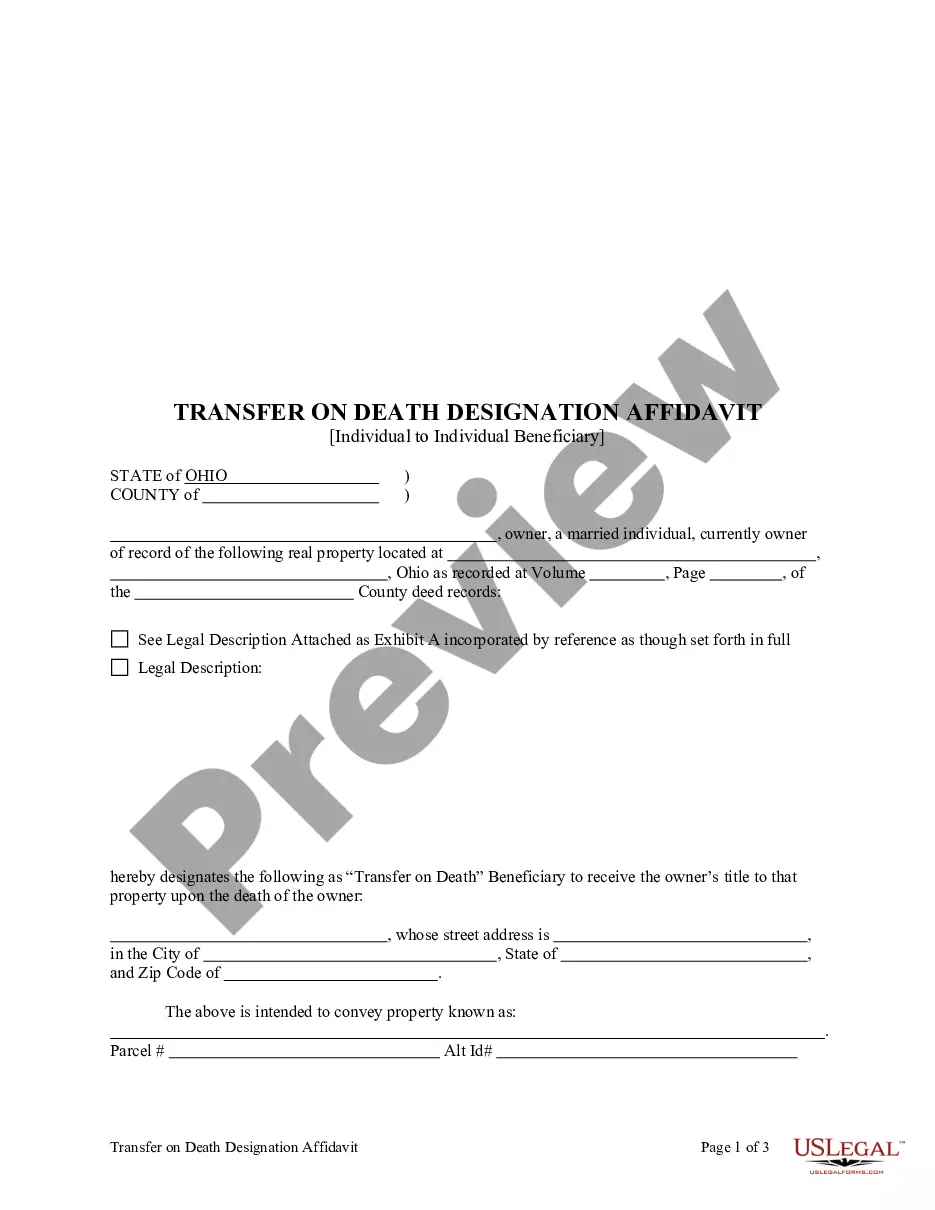
The Transfer on Death Affidavit is a legal document that allows property owners to designate beneficiaries who will receive their property upon their death. This form is important because it allows for the transfer of title without the property going through probate, ensuring a straightforward transition to your chosen heirs. Unlike a will, the beneficiaries named in this affidavit have no rights to the property while the owner is still living.
Main sections of this form
- Name and signatures of the property owners.
- Description of the property, including deed information.
- Designated beneficiaries who will inherit the property upon the death of the owners.
- Revocation of any prior beneficiary designations related to the same property.
- Notary acknowledgment to validate the affidavit.

Situations where this form applies
This form should be used when property owners wish to ensure that their property is transferred directly to their chosen beneficiaries upon their death, avoiding the lengthy probate process. It is particularly useful for those who want to provide clarity and certainty regarding the future ownership of their property.
Intended users of this form
This form is ideal for:
- Homeowners in Ohio who want to designate one or more beneficiaries for their property.
- Individuals seeking to simplify the transfer of property after death.
- Spouses who jointly own property and wish to ensure it passes to another spouse or heirs without probate.
Completing this form step by step
- Identify the property owners and enter their names at the beginning of the affidavit.
- Describe the property clearly, including its common name and legal description.
- Designate a beneficiary or beneficiaries who will inherit the property.
- Provide the date and details of the revocable trust if applicable.
- Sign the affidavit in front of a notary public to ensure its legality.
Notarization requirements for this form
Yes, this form must be notarized to be legally valid. Online notary services are available, allowing you to complete the notarization process securely through a video call, with no need for travel.
Get your form ready online
Our built-in tools help you complete, sign, share, and store your documents in one place.
Make edits, fill in missing information, and update formatting in US Legal Forms—just like you would in MS Word.
Download a copy, print it, send it by email, or mail it via USPS—whatever works best for your next step.
Sign and collect signatures with our SignNow integration. Send to multiple recipients, set reminders, and more. Go Premium to unlock E-Sign.
If this form requires notarization, complete it online through a secure video call—no need to meet a notary in person or wait for an appointment.
We protect your documents and personal data by following strict security and privacy standards.

Make edits, fill in missing information, and update formatting in US Legal Forms—just like you would in MS Word.

Download a copy, print it, send it by email, or mail it via USPS—whatever works best for your next step.

Sign and collect signatures with our SignNow integration. Send to multiple recipients, set reminders, and more. Go Premium to unlock E-Sign.

If this form requires notarization, complete it online through a secure video call—no need to meet a notary in person or wait for an appointment.

We protect your documents and personal data by following strict security and privacy standards.
Common mistakes
- Failing to include a full legal description of the property.
- Not signing the form in front of a notary.
- Not revoking previous beneficiary designations, which can create confusion.
Why use this form online
- Convenience of accessing the form from home without visiting an attorney.
- Editability allows users to customize the form to their needs easily.
- Reliable templates ensure compliance with state laws and regulations.
Looking for another form?

Form popularity
FAQ
Survivorship Deeds contain special language that enables the property to transfer to the surviving owner(s) upon the deceased owner's death.A Transfer-On-Death Designation Affidavit allows the owner of Ohio real estate to designate one or more beneficiaries of the property.
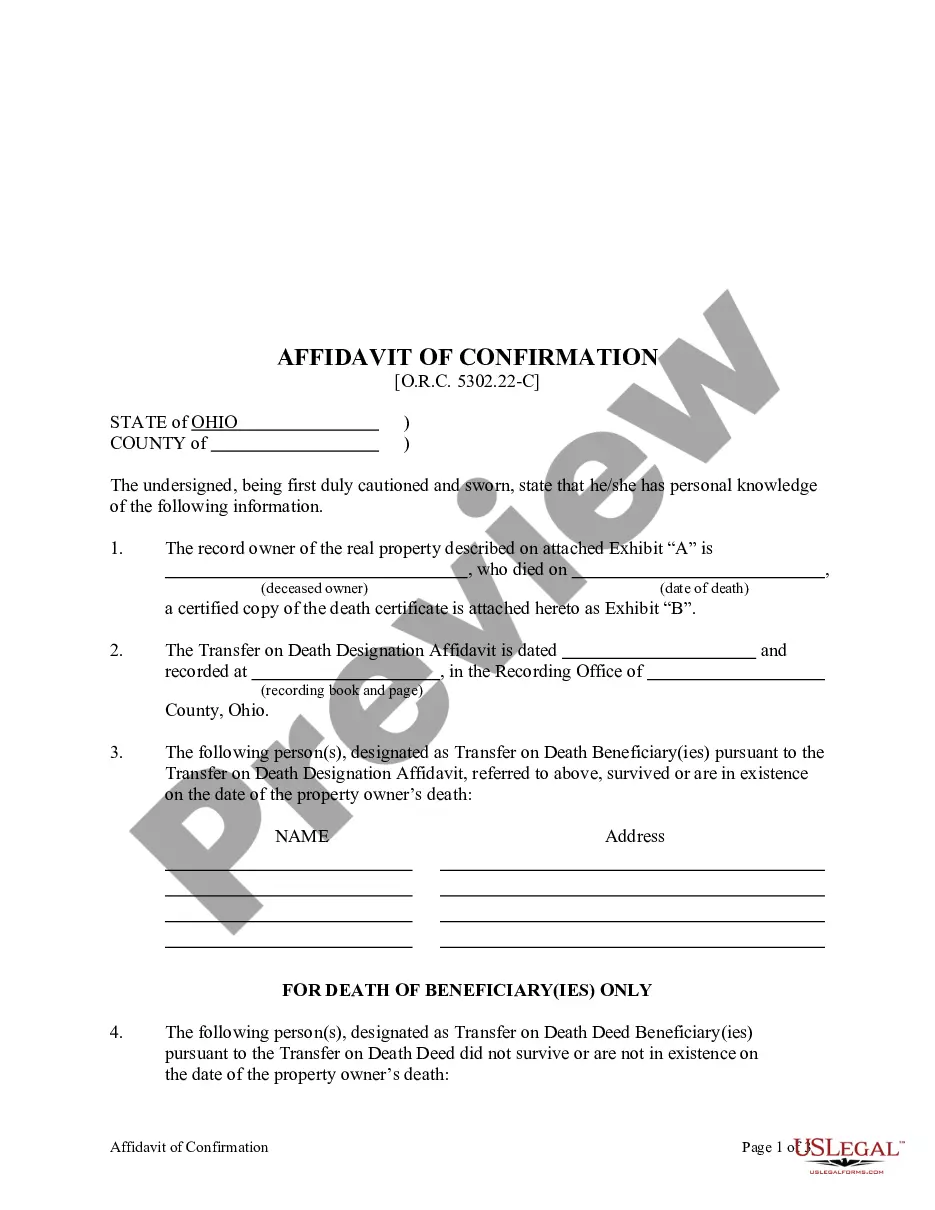
Ohio Eliminates Transfer on Death Deeds.Effective December 28, 2009, Ohio eliminated transfer on death deeds and replaced that deed with a TRANSFER ON DEATH DESIGNATION AFFIDAVIT.
Because transfer-on-death beneficiary deeds do not become effective until you pass away, someone can challenge the validity of the deed after you die. For example, someone can aruge that you lacked capacity to create a valid deed. Or, beneficiaries and family members can sue each other to take the property entirely.
Fill in information about you and the TOD beneficiary. provide a description of the property. check over the completed deed. sign the deed in front of a notary public, and.
Yes. Ohio law allows individuals who do not need the estate administration benefits of a trust agreement to avoid Probate on the transfer of real property by executing a legal document called a Transfer-On-Death (TOD) Designation Affidavit.
If you'd like to avoid having your property going through the probate process, it's a good idea to look into a transfer on death deed. A transfer on death deed allows you to select a beneficiary who will receive your property, but only when you've passed away.