Ohio Transfer on Death Designation Affidavit - TOD from Individual to Individual without Contingent Beneficiary
Overview of this form
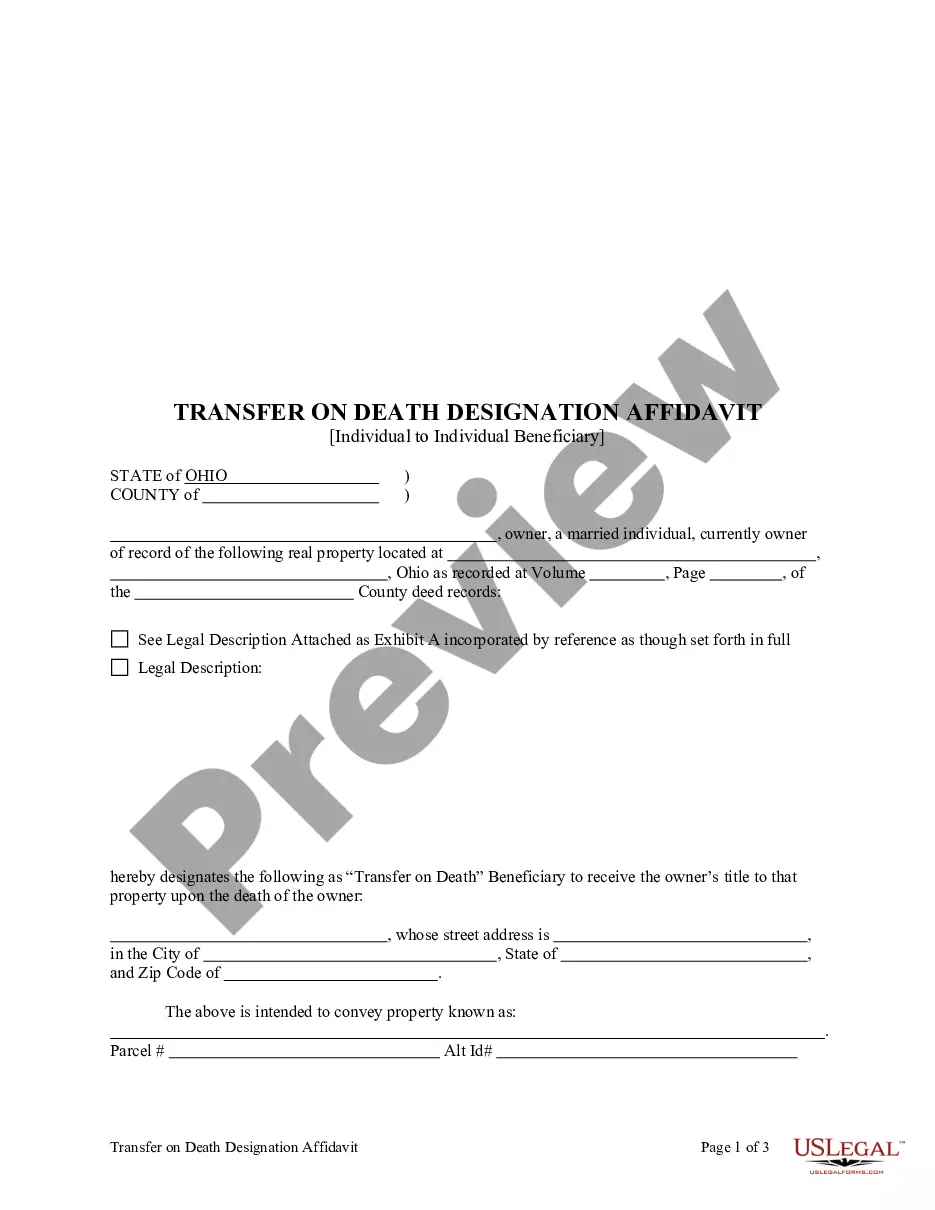
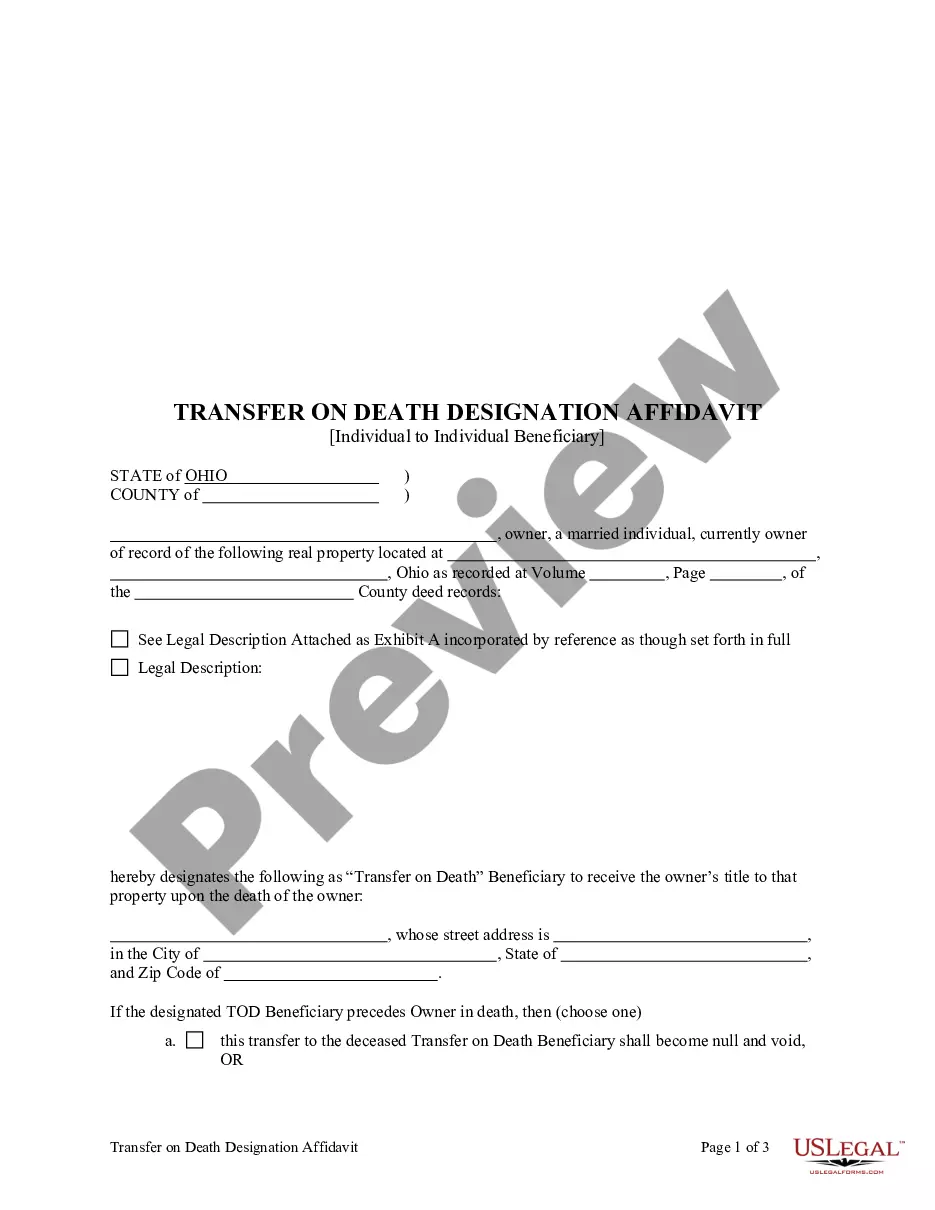
The Transfer on Death Designation Affidavit allows an individual to designate a beneficiary who will receive the title of a parcel of land upon the owner's death. This form is unique as it does not provide an option for a contingent beneficiary, meaning if the designated beneficiary passes away before the owner, there will be no alternative beneficiary. This affidavit is essential for ensuring a smooth transfer of property without going through probate.
Key components of this form
- Identification of the property to be transferred.
- Details of the owner (Affiant) and designated beneficiary.
- Statement of the owner's intent to transfer property upon death.
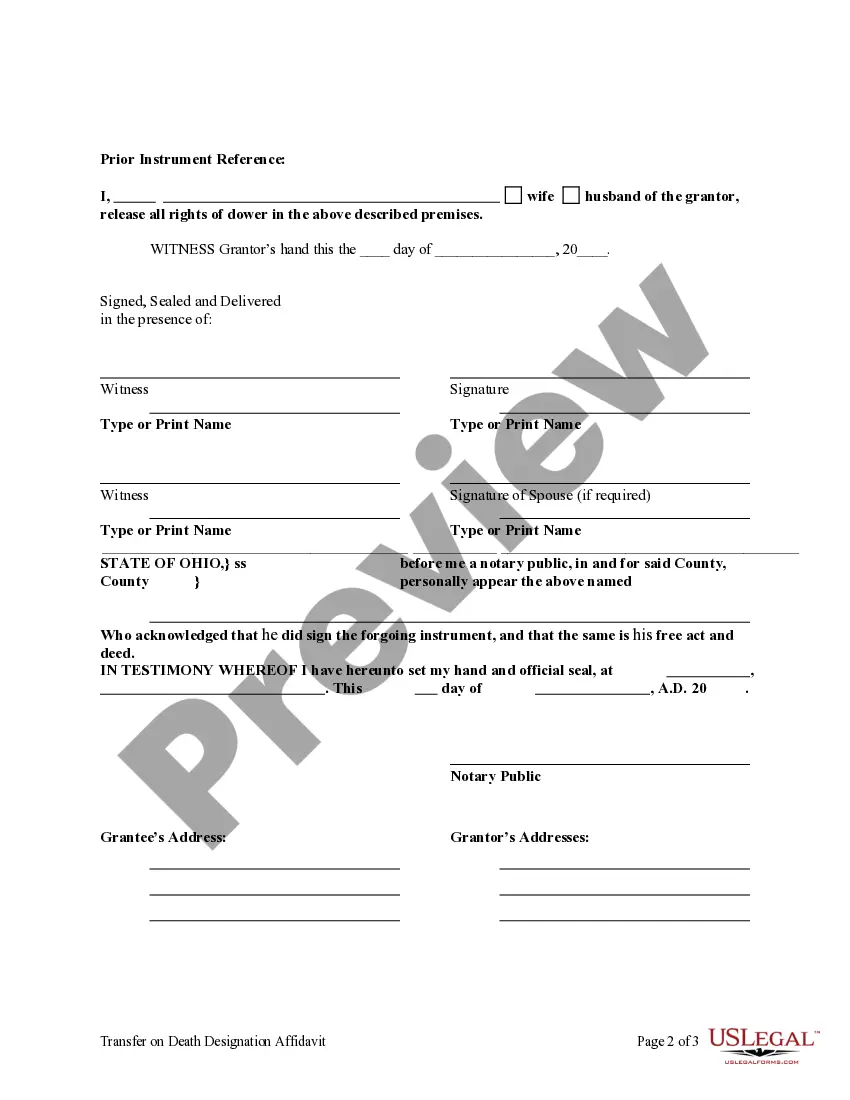
- Notary public acknowledgment of the signatures.
- Signature lines for the owner and witnesses.

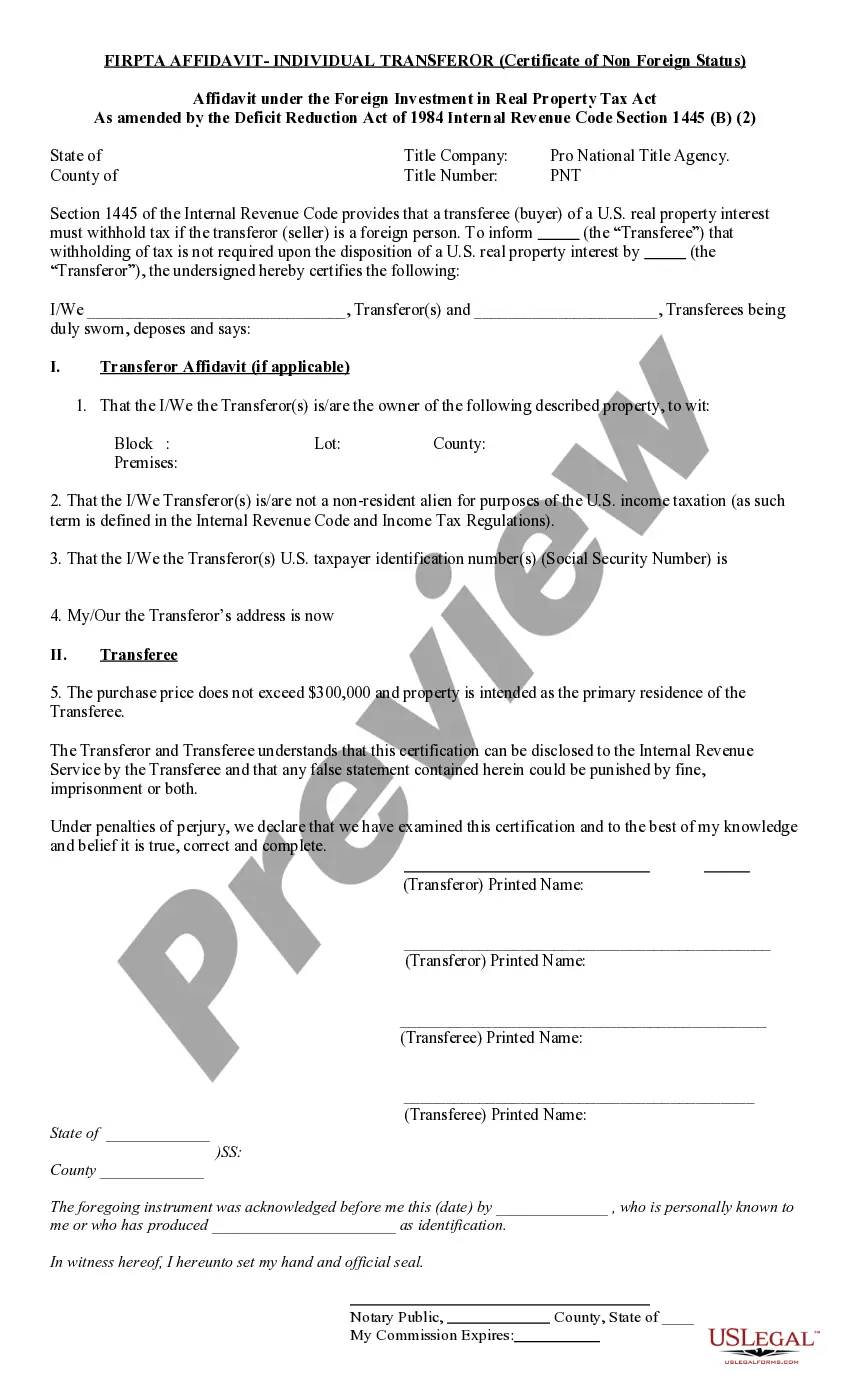
Situations where this form applies
This form should be used when an individual wishes to ensure that a specific person receives their real property directly upon their death, without the need for probate. It is useful for individuals looking to plan their estate and streamline property transfers, especially if no contingent beneficiaries are desired.
Intended users of this form
- Individuals who own real property and want to designate a specific beneficiary.
- Property owners in situations where a contingent beneficiary is not required.
- Those looking to simplify their estate planning and property transfer processes.
Instructions for completing this form
- Identify the full legal description of the property being transferred.
- Provide the owner's name and the name of the beneficiary designated to receive the property.
- Clearly state the intent to transfer ownership of the property upon death.
- Sign the affidavit in the presence of a notary public and required witnesses.
- Complete the date field to indicate when the affidavit is executed.
Does this form need to be notarized?
Notarization is generally not required for this form. However, certain states or situations might demand it. You can complete notarization online through US Legal Forms, powered by Notarize, using a verified video call available anytime.
Get your form ready online
Our built-in tools help you complete, sign, share, and store your documents in one place.
Make edits, fill in missing information, and update formatting in US Legal Forms—just like you would in MS Word.
Download a copy, print it, send it by email, or mail it via USPS—whatever works best for your next step.
Sign and collect signatures with our SignNow integration. Send to multiple recipients, set reminders, and more. Go Premium to unlock E-Sign.
If this form requires notarization, complete it online through a secure video call—no need to meet a notary in person or wait for an appointment.
We protect your documents and personal data by following strict security and privacy standards.

Make edits, fill in missing information, and update formatting in US Legal Forms—just like you would in MS Word.

Download a copy, print it, send it by email, or mail it via USPS—whatever works best for your next step.

Sign and collect signatures with our SignNow integration. Send to multiple recipients, set reminders, and more. Go Premium to unlock E-Sign.

If this form requires notarization, complete it online through a secure video call—no need to meet a notary in person or wait for an appointment.

We protect your documents and personal data by following strict security and privacy standards.
Typical mistakes to avoid
- Failing to provide a complete legal description of the property.
- Not signing the affidavit in front of a notary public.
- Leaving out the date when the affidavit is executed.
- Not including witness signatures if required by state law.
Benefits of completing this form online
- Convenient access to downloadable templates drafted by licensed attorneys.
- Editable form to customize details as needed before completion.
- Reliable resources to guide you through the process of filling out the form correctly.
Key takeaways
- The Transfer on Death Designation Affidavit allows an owner to transfer property directly to a beneficiary upon death.
- This form is specifically for cases with no contingent beneficiaries.
- Ohio law governs the execution and requirements for this affidavit.
- Notarization is essential for legality.
Looking for another form?
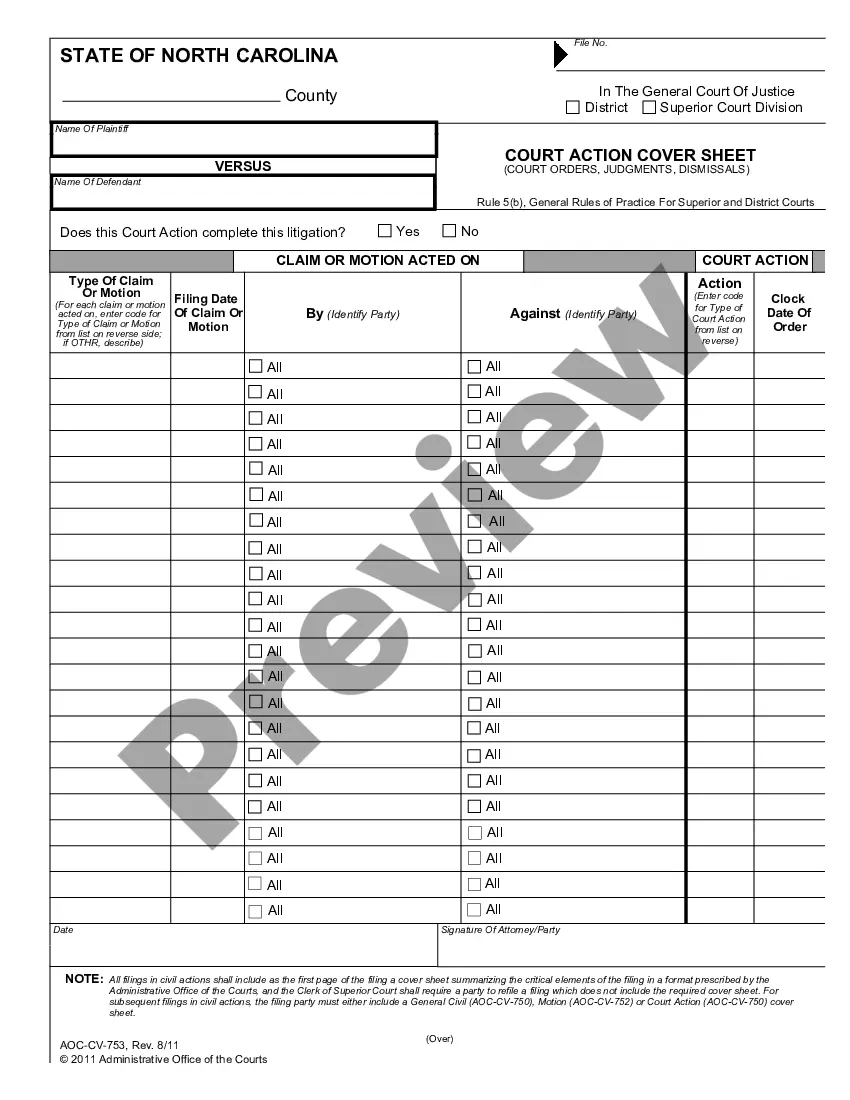
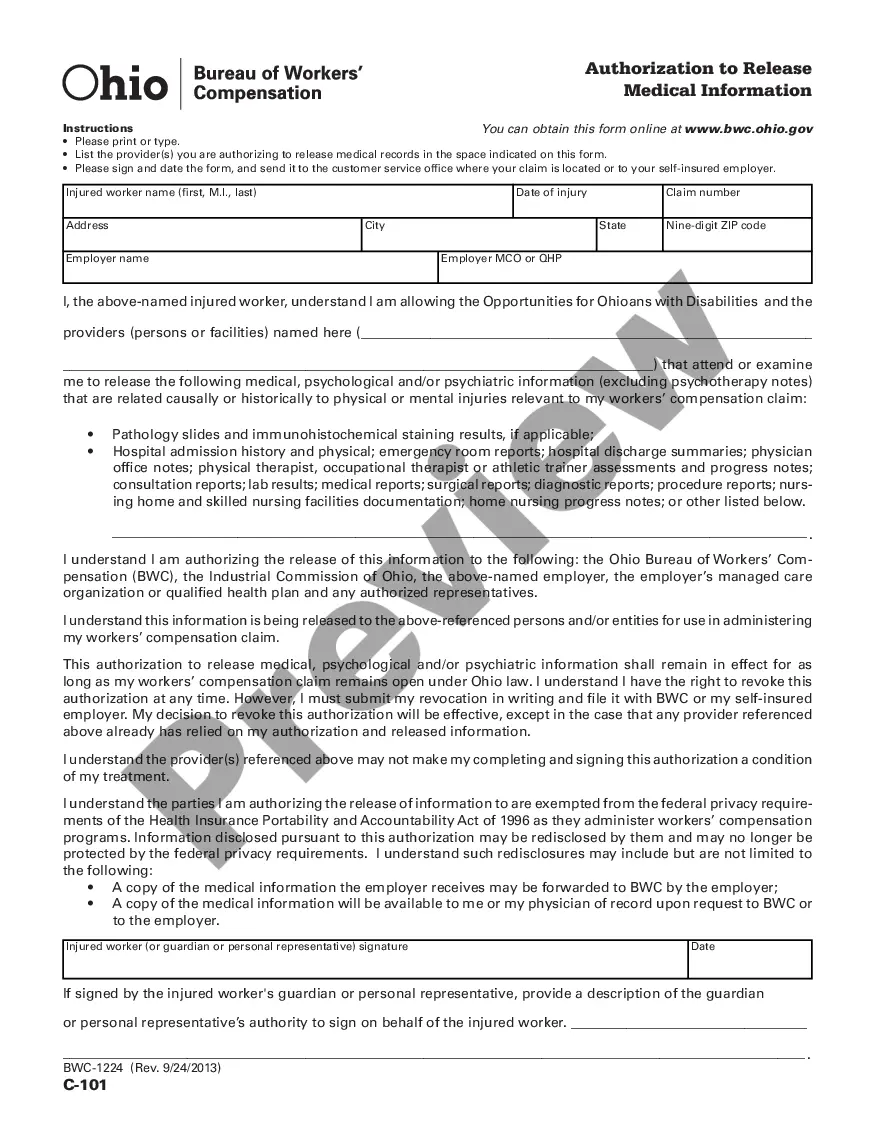
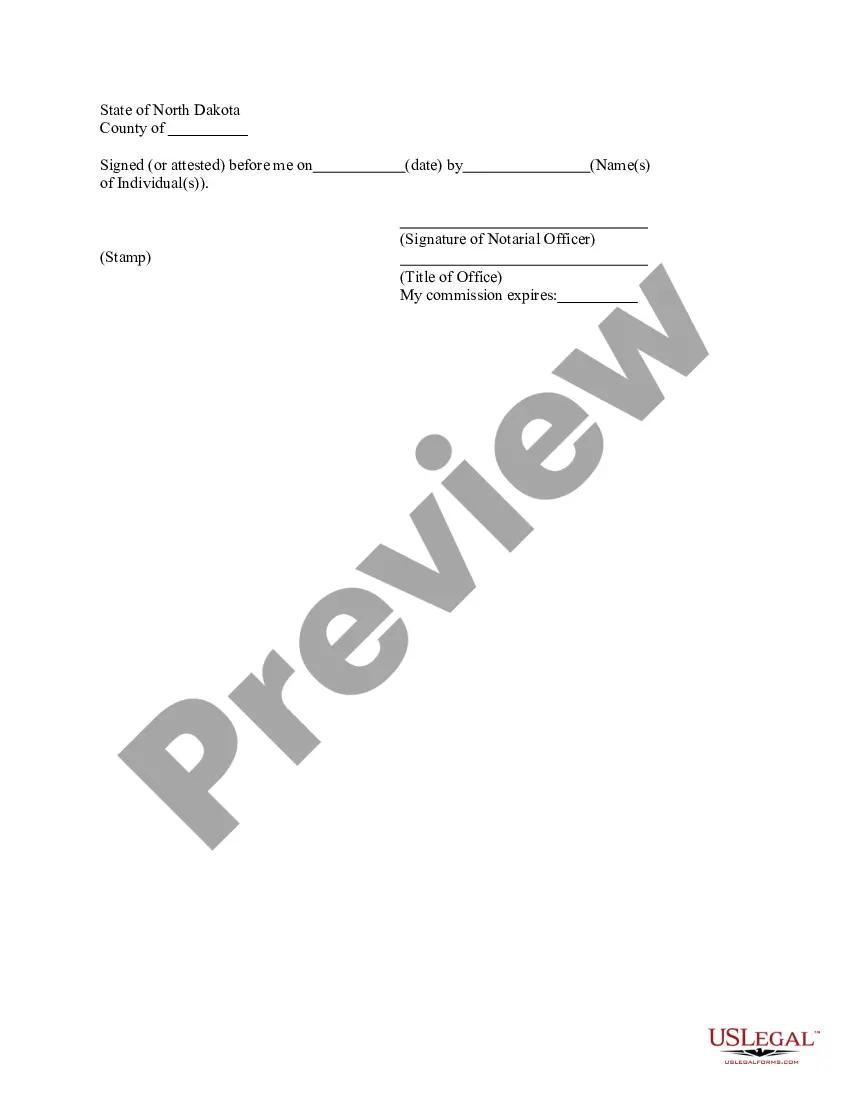

Form popularity
FAQ
When someone dies and their property transfers to their beneficiaries, the federal government impose an estate tax on the value of all that property. Since the transfer on death account is not a trust, it does not help you avoid or minimize estate taxes.
Inheritances are not considered income for federal tax purposes, whether you inherit cash, investments or property. However, any subsequent earnings on the inherited assets are taxable, unless it comes from a tax-free source.
If the deeds to the property are unregistered, it is possible to place a death certificate with the deeds, but it's advisable to register the title with the Land Registry at this point. Once this has been done, the property will then be registered in the name of the surviving joint owner.
The amount that's in a TOD account at the time of your death is not taxable under federal law to the person who receives the account, although it may be taxable to your estate. If your beneficiary or the account are in a state with an inheritance tax, he may have to pay that.
Fill in information about you and the TOD beneficiary. provide a description of the property. check over the completed deed. sign the deed in front of a notary public, and.
Survivorship Deeds contain special language that enables the property to transfer to the surviving owner(s) upon the deceased owner's death.A Transfer-On-Death Designation Affidavit allows the owner of Ohio real estate to designate one or more beneficiaries of the property.
Yes. Ohio law allows individuals who do not need the estate administration benefits of a trust agreement to avoid Probate on the transfer of real property by executing a legal document called a Transfer-On-Death (TOD) Designation Affidavit.