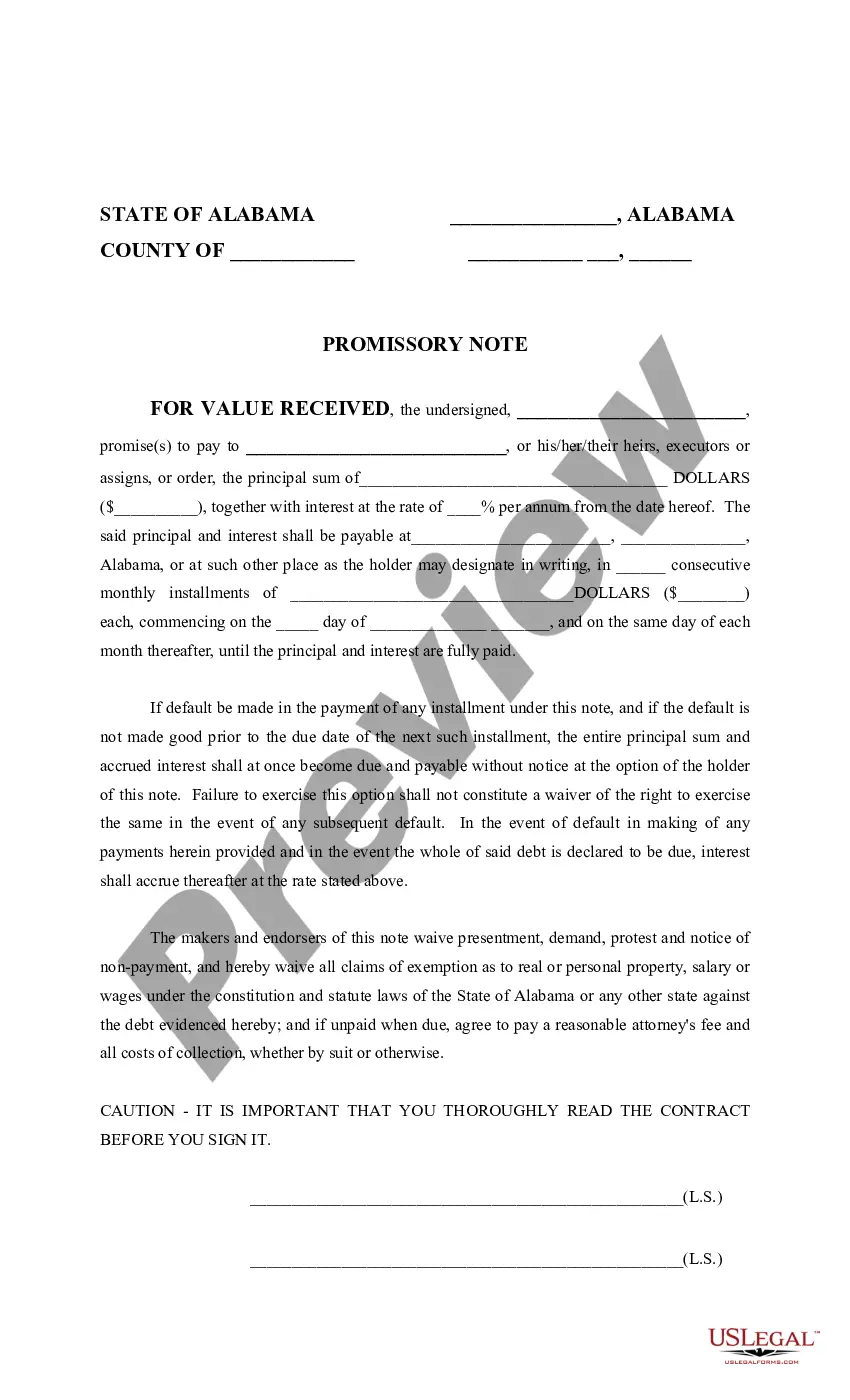
Alabama Promissory Note
What this document covers
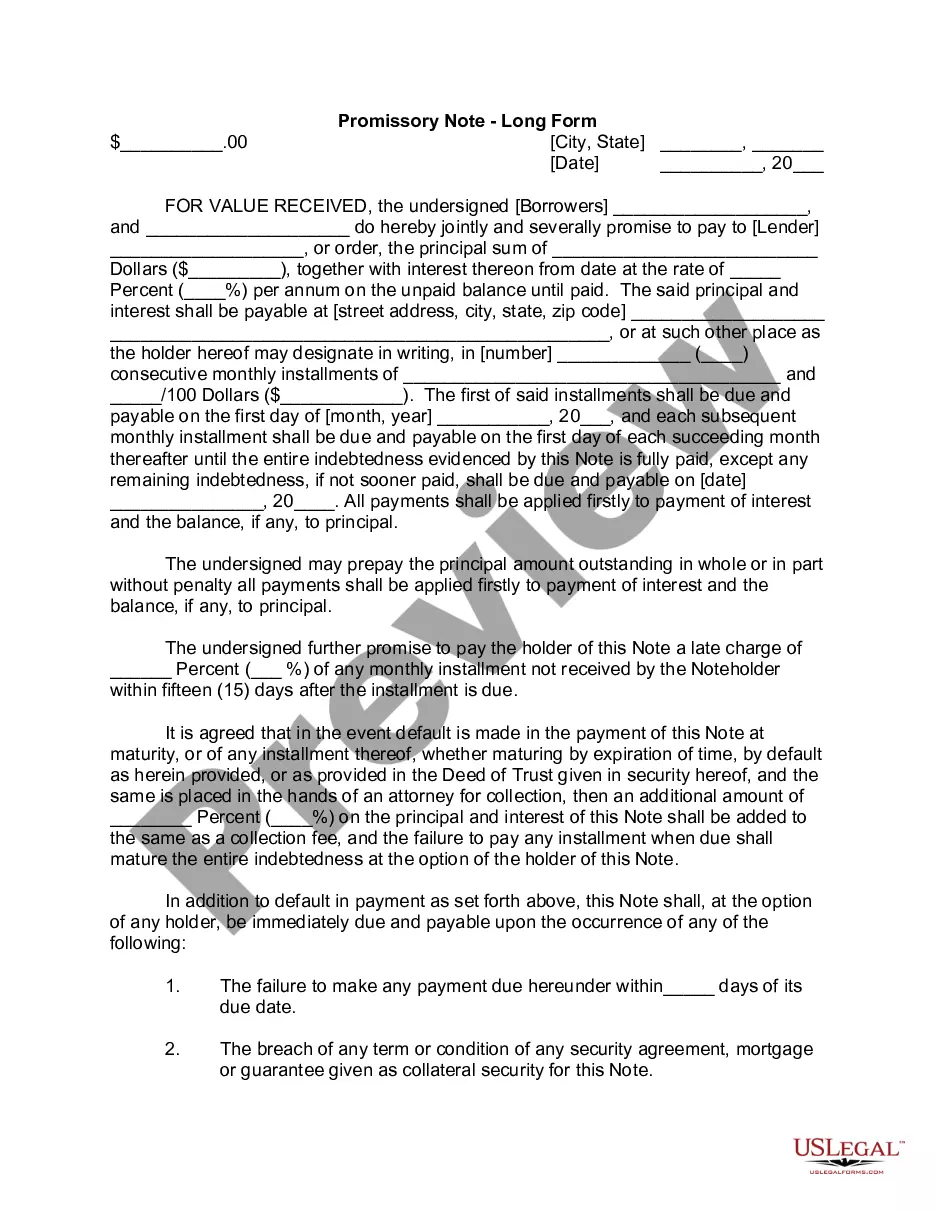
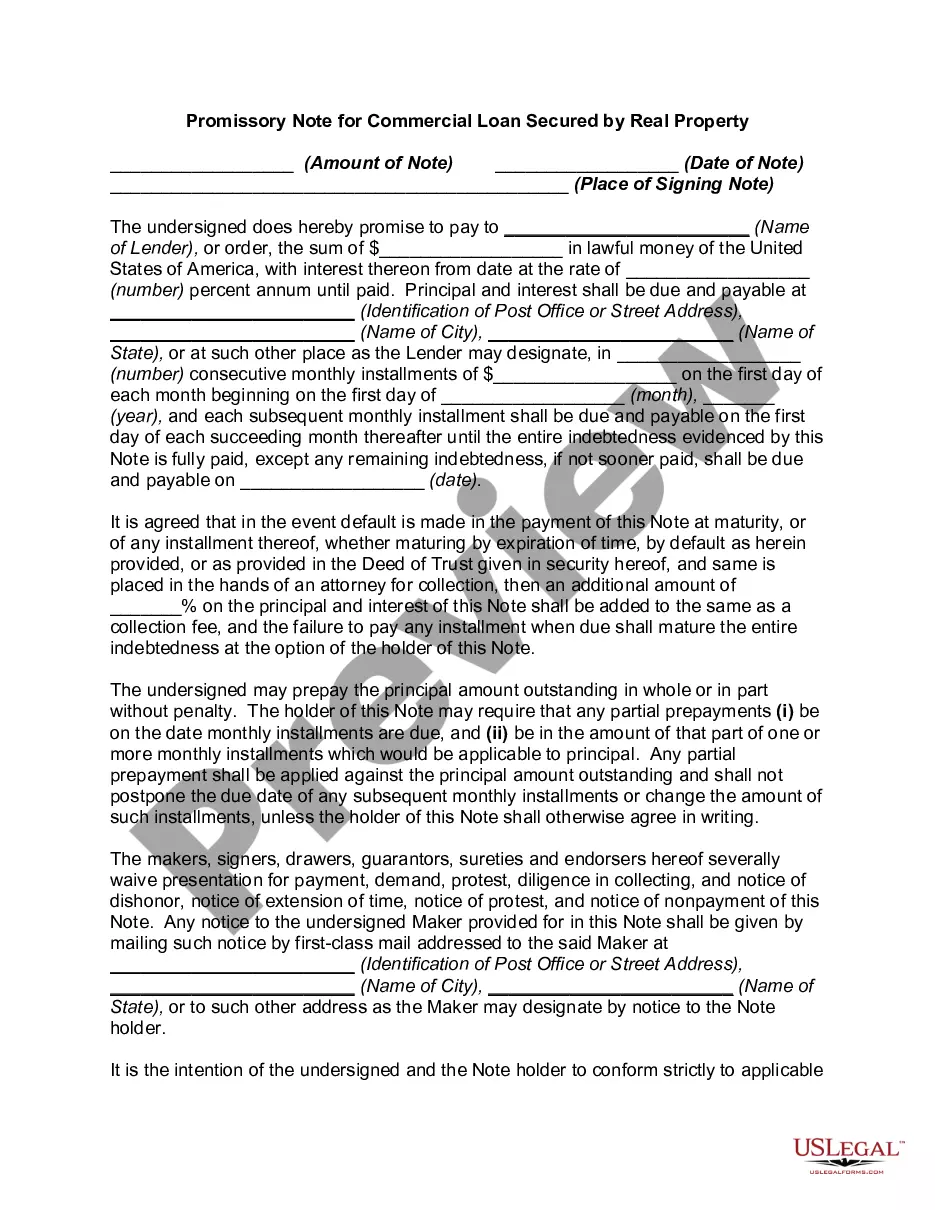
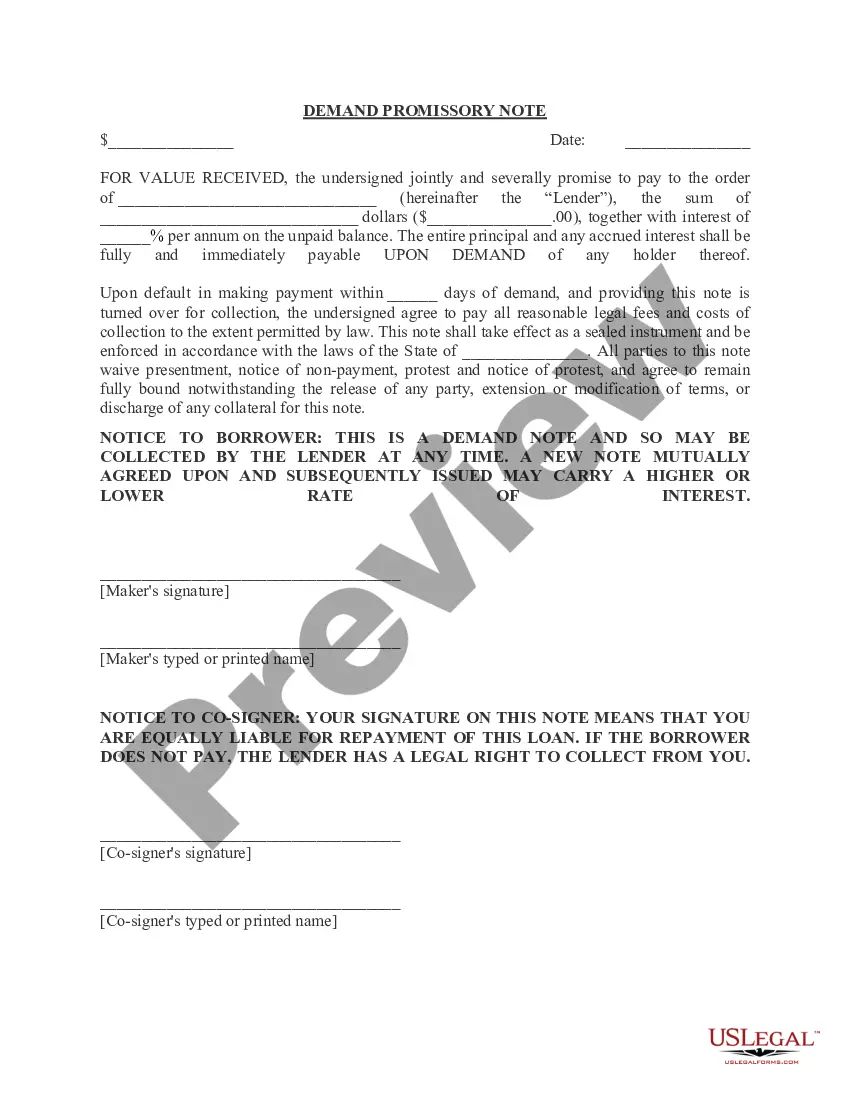
This Promissory Note is a legal document that serves as a written promise to repay a specific amount of money to a designated individual or entity. This form is unconditional, meaning the borrower commits to pay the agreed sum, either upon demand or at a specified time in the future. It differs from similar forms, such as a loan agreement, by emphasizing the straightforward commitment to repay rather than complex terms or conditions.
Main sections of this form
- Names of the borrower and lender.
- Principal amount to be repaid and interest rate.
- Payment schedule, including installment amounts and due dates.
- Provisions for default and consequences of missed payments.
- Signatures of the borrower and any endorsers.
Common use cases
This form is typically used when an individual or business borrows money from another party. It is essential in situations where a clear repayment plan is established, such as personal loans, financing a purchase, or business loans. Using this note helps protect both the lender's rights and the borrower's obligations.
Who can use this document
- Individuals borrowing money from friends, family, or businesses.
- Small business owners seeking short-term financing.
- Anyone needing a clear record of a debt and repayment terms.
Completing this form step by step
- Identify and list the names and addresses of the borrower and lender.
- Specify the total loan amount in both numeric and written form.
- Set the interest rate and payment terms, including number of installments.
- Indicate the due date for each installment and the final payment date.
- Have all parties sign and date the document to validate the agreement.
Does this form need to be notarized?
This form does not typically require notarization unless specified by local law. However, notarization can add an extra layer of legal validity to the document, especially if it may be contested in the future.
Get your form ready online
Our built-in tools help you complete, sign, share, and store your documents in one place.
Make edits, fill in missing information, and update formatting in US Legal Forms—just like you would in MS Word.
Download a copy, print it, send it by email, or mail it via USPS—whatever works best for your next step.
Sign and collect signatures with our SignNow integration. Send to multiple recipients, set reminders, and more. Go Premium to unlock E-Sign.
If this form requires notarization, complete it online through a secure video call—no need to meet a notary in person or wait for an appointment.
We protect your documents and personal data by following strict security and privacy standards.

Make edits, fill in missing information, and update formatting in US Legal Forms—just like you would in MS Word.

Download a copy, print it, send it by email, or mail it via USPS—whatever works best for your next step.

Sign and collect signatures with our SignNow integration. Send to multiple recipients, set reminders, and more. Go Premium to unlock E-Sign.

If this form requires notarization, complete it online through a secure video call—no need to meet a notary in person or wait for an appointment.

We protect your documents and personal data by following strict security and privacy standards.
Mistakes to watch out for
- Failing to specify the interest rate or other key financial terms.
- Not clearly stating the repayment schedule and due dates.
- Signing the note without reading and understanding all terms.
Benefits of completing this form online
- Convenience of downloading and completing the form from home.
- Editability allows for customization to fit specific needs.
- Reliability of forms drafted by licensed attorneys to ensure legal compliance.
What to keep in mind
- A promissory note is a legally binding agreement outlining the terms of a loan.
- It is essential to include all relevant terms, such as the principal amount and interest rate.
- Using a formal template can prevent misunderstandings and protect both parties' interests.
Looking for another form?
Form popularity
FAQ
Amount of repayment. Repayment terms. Interest rate. Default penalties.
Writing the Promissory Note Terms You don't have to write a promissory note from scratch. You can use a template or create a promissory note online.
Keep the original promissory note. Once a lender executes a promissory note, he keeps the original of the promissory note. Accept full payment of the loan. Mark paid in full on the promissory note. Place a signature beside the paid in full notation. Mail the original promissory note to the borrower.
A simple promissory note might be for a lump sum repayment on a certain date. For example, you lend your friend $1,000 and he agrees to repay you by December 1. The full amount is due on that date, and there is no payment schedule involved.
Navigate to the website: www.studentloans.gov. Click "Log In." Enter your FSA ID and Password. Click "Complete Master Promissory Note." Select the appropriate loan type. Enter Your Personal Information.
Write the date of the writing of the promissory note at the top of the page. Write the amount of the note. Describe the note terms. Write the interest rate. State if the note is secured or unsecured. Include the names of both the lender and the borrower on the note, indicating which person is which.
Date. The promissory note should include the date it was created at the top of the page. Amount. Loan terms. Interest rate. Collateral. Lender and borrower information. Signatures.
Borrower and Lender Details. A promissory note outlines information about both parties including the names, streets addresses, city, state and zip code of each party. Loan Information. Legal Language. Signatures. Warnings.
A promissory note basically includes the name of both parties (lender and borrower), date of the loan, the amount, the date the loan will be repaid in full, frequency of loan payments, the interest rate charged on the loan payments, and any security agreement.