Massachusetts Contractors Forms Package

What is this form package?
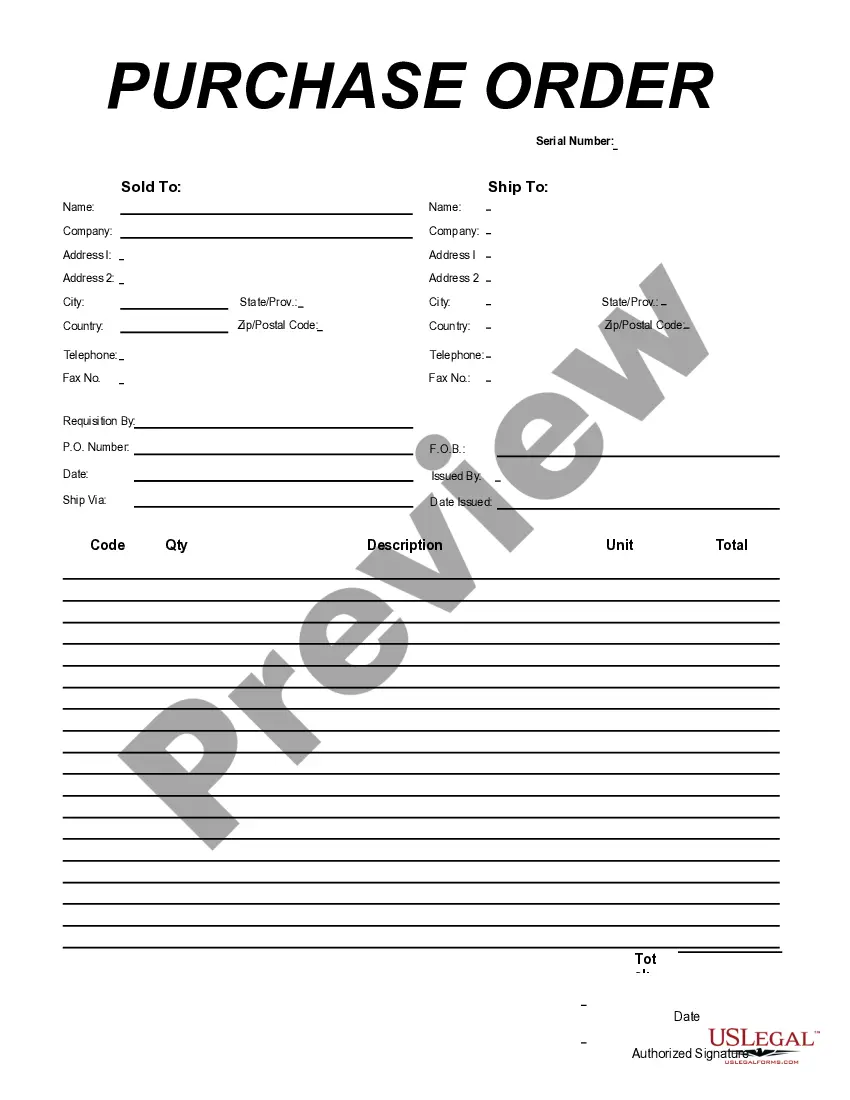
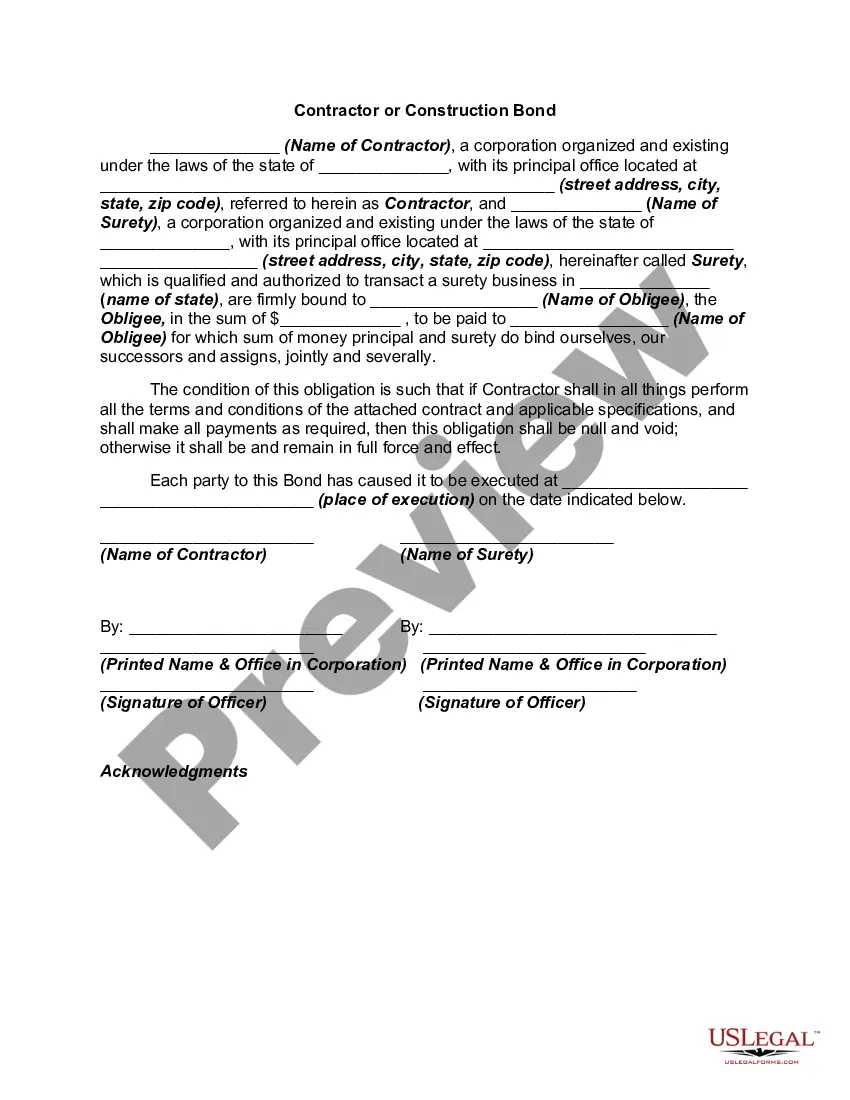
The Massachusetts Contractors Forms Package includes a collection of essential legal documents for contractors, owners, suppliers, and subcontractors involved in construction projects. This package is designed to help you assert your legal rights and address important legal issues that may arise during a project valued at $1,000.00 or more. Unlike other legal form packages, this set is specifically tailored to the needs of the construction industry in Massachusetts, helping you manage contracts and project details efficiently.
What’s included in this form package
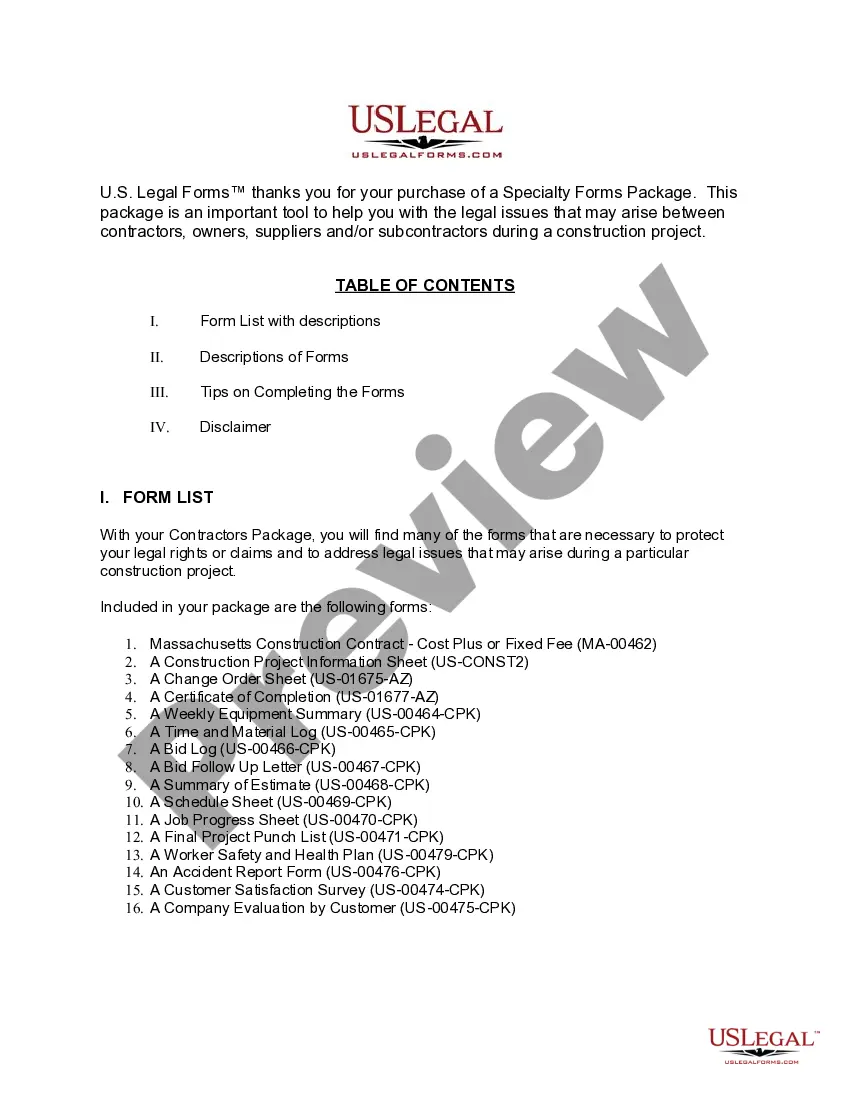
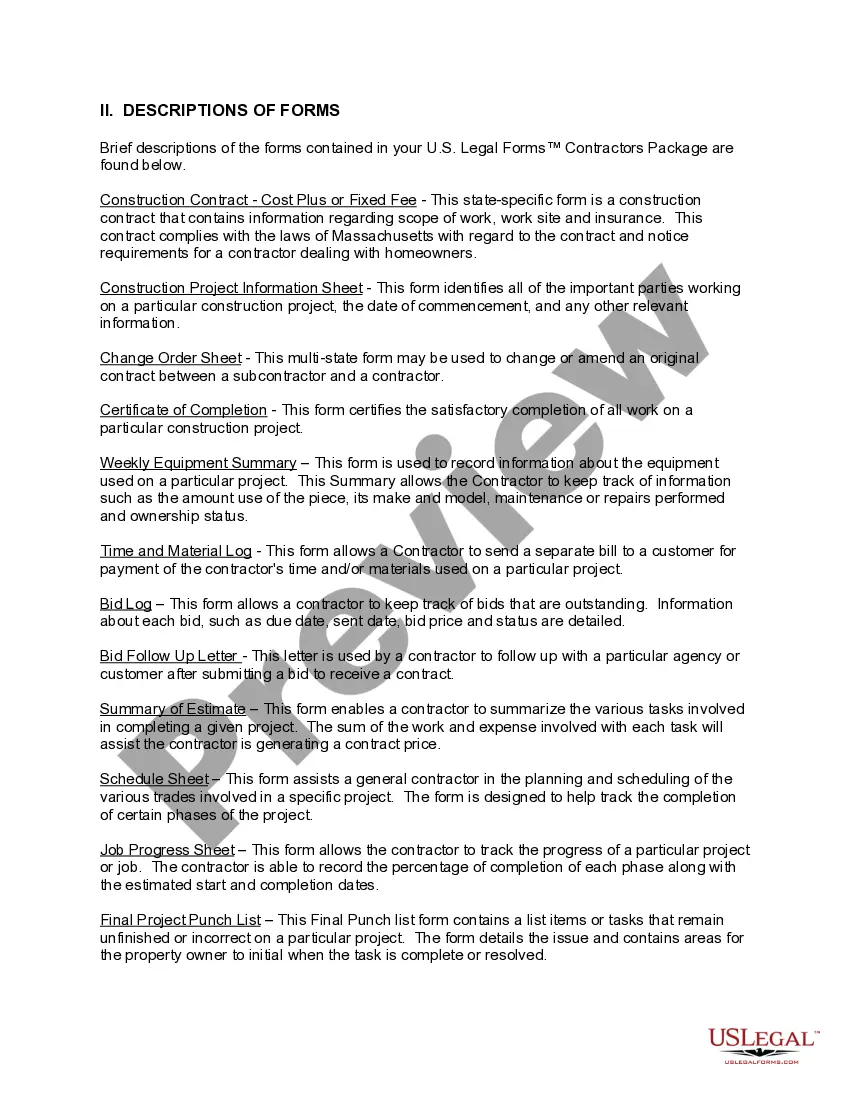
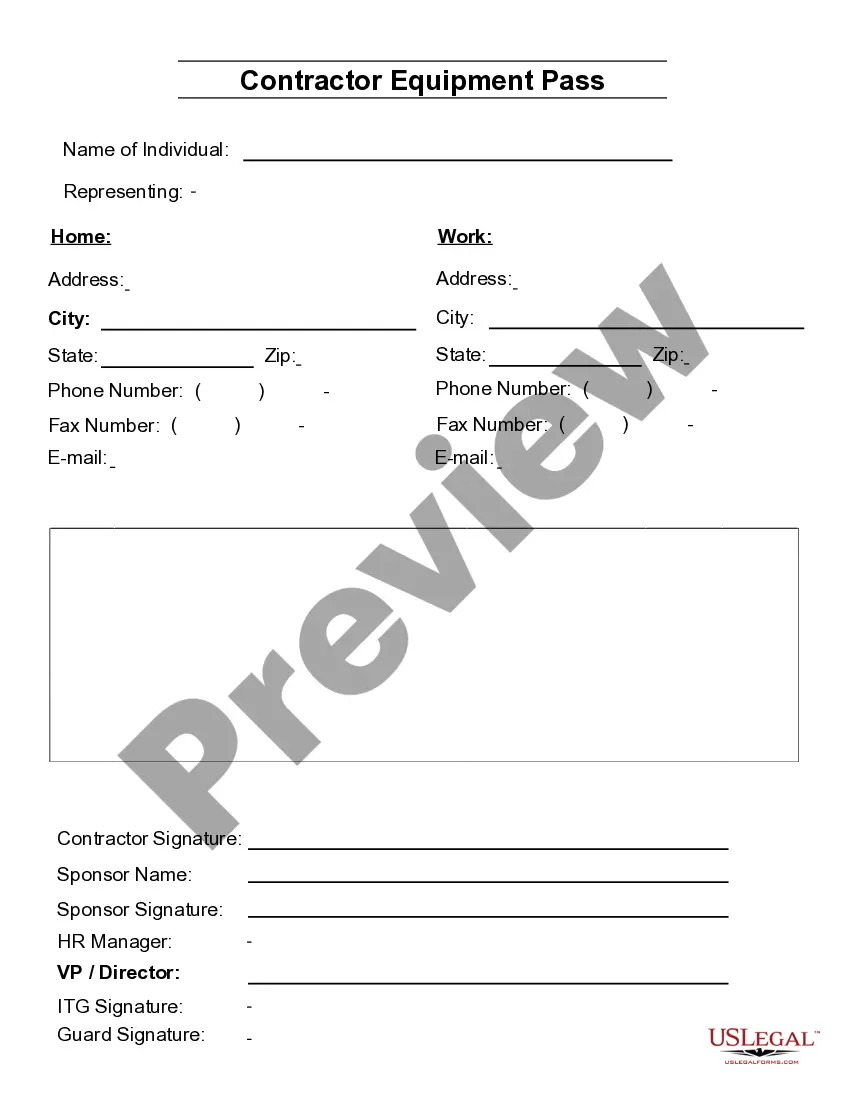
- Construction Contract Cost Plus or Fixed Fee
- Contractor's Weekly Equipment Summary
- Contractor's Time and Materials Log
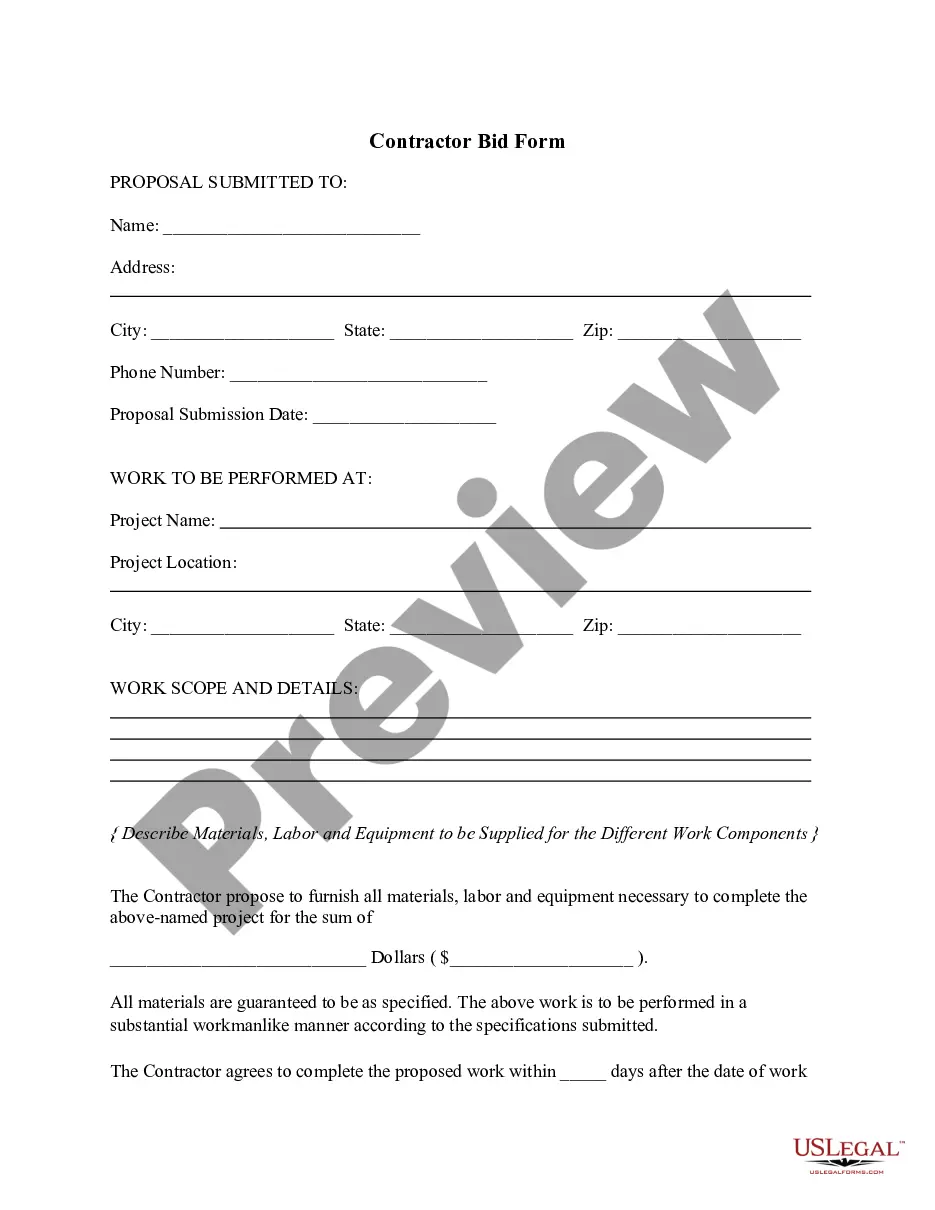
- Contractor's Bid Log
- Contractor's Bid Follow Up Letter
- Contractor's Summary of an Estimate
- Contractor's Schedule Sheet
- Contractor's Job Progress Sheet
- Contractor's Final Punch List
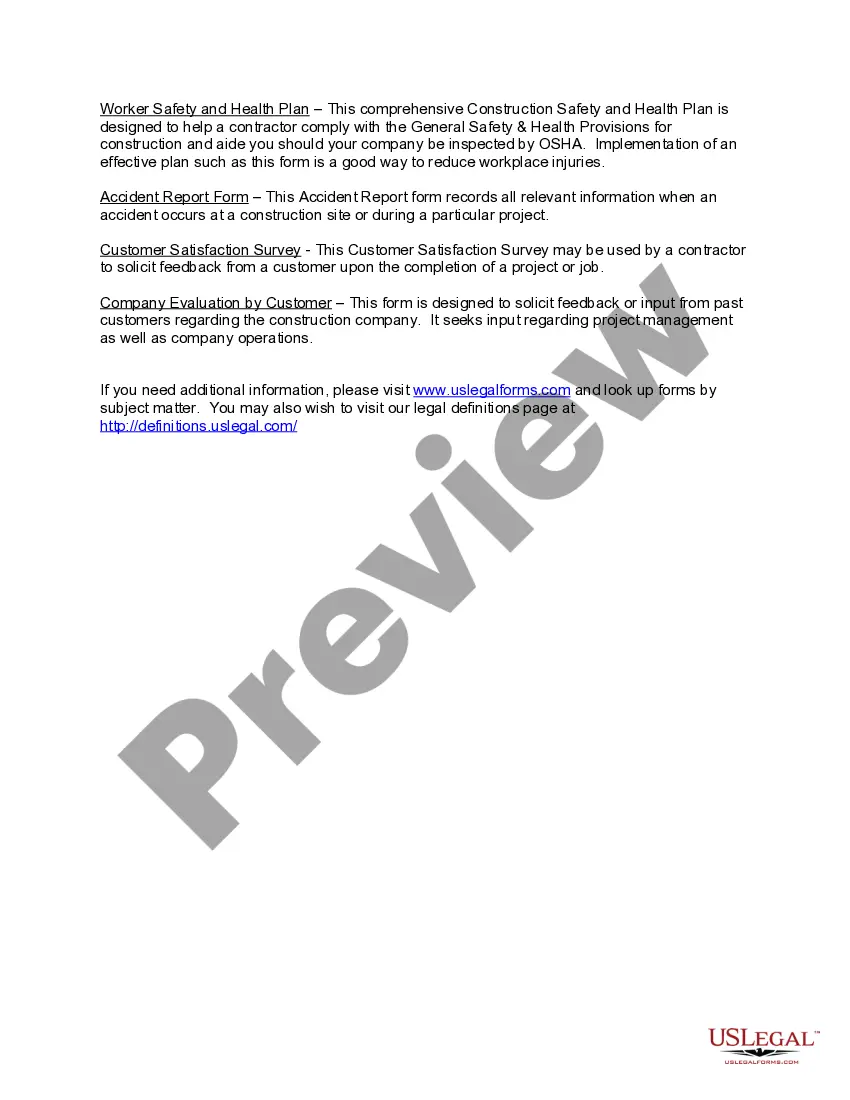
- Customer Satisfaction Survey
- Construction Company Evaluation by a Customer
- Construction Accident Report
- Construction Safety and Health Plan
- Change Order for Construction or Repairs by Contractor
- Certification of Completion by Contractor
- Construction Project Information Sheet
When to use this document
This form package is ideal for various legal scenarios, including:
- Drafting contracts for building or renovation projects.
- Managing changes to project scope and costs through change orders.
- Documenting project completion and obtaining certifications.
- Tracking project progress and equipment usage on site.
- Gathering feedback from customers upon project completion.
Who needs this form package
- Contractors looking to protect their legal interests in construction projects.
- Subcontractors who need to communicate changes or issues with contractors.
- Property owners involved in construction or renovation projects.
- Suppliers needing documentation to assert claims for materials provided.
How to prepare this document
- Review the included forms to understand each document and its purpose.
- Identify all parties involved in the construction project and their roles.
- Enter relevant project details, such as dates, scope, and costs.
- Utilize the forms to document changes, track progress, and communicate effectively.
- Obtain necessary signatures and complete any required certifications upon project completion.
Do forms in this package need to be notarized?
Forms in this package typically do not require notarization. However, certain states or document types may still need it. US Legal Forms provides online notarization powered by Notarize, available 24/7 for your convenience.
Get your form ready online
Our built-in tools help you complete, sign, share, and store your documents in one place.
Make edits, fill in missing information, and update formatting in US Legal Forms—just like you would in MS Word.
Download a copy, print it, send it by email, or mail it via USPS—whatever works best for your next step.
Sign and collect signatures with our SignNow integration. Send to multiple recipients, set reminders, and more. Go Premium to unlock E-Sign.
If this form requires notarization, complete it online through a secure video call—no need to meet a notary in person or wait for an appointment.
We protect your documents and personal data by following strict security and privacy standards.

Make edits, fill in missing information, and update formatting in US Legal Forms—just like you would in MS Word.

Download a copy, print it, send it by email, or mail it via USPS—whatever works best for your next step.

Sign and collect signatures with our SignNow integration. Send to multiple recipients, set reminders, and more. Go Premium to unlock E-Sign.

If this form requires notarization, complete it online through a secure video call—no need to meet a notary in person or wait for an appointment.

We protect your documents and personal data by following strict security and privacy standards.
Common mistakes to avoid
- Failing to specify clear terms in the construction contract.
- Not documenting changes with a change order, leading to disputes.
- Neglecting to gather customer feedback through surveys.
- Overlooking required signatures on completion certificates.
Why complete this package online
- Convenient access to all necessary forms tailored to your project needs.
- Editability allows you to customize documents to fit specific circumstances.
- Reliable forms drafted by licensed attorneys, ensuring legal compliance.
- Instant download for immediate use, saving time and effort.
Legal use & context
- The forms are designed to protect rights during construction engagements.
- Proper completion and execution of the forms may enhance legal standing in disputes.
- This package does not substitute for legal advice; consult an attorney for complex issues.
Quick recap
- This package provides essential legal forms for construction-related projects in Massachusetts.
- It's tailored for use by contractors, subcontractors, suppliers, and property owners.
- Thoroughly review the forms for proper usage and compliance with applicable laws.
- Utilize the support of an attorney for any legal concerns not covered by the forms.
Looking for another form?
Form popularity
FAQ
A prime or direct contractor is a contractor that has a contract directly with the property owner. A general contractor refers to a contractor in charge of hiring subcontractors and coordinating their work, keeping the job on track for timely and on-budget completion.
You can expect to pay anywhere from $70 to $120 per hour for an appropriately qualified builder. It's also becoming more common for builders to charge for quotes so don't fall over from shock if this gets raised.
You can expect to pay around $50 $100 per hour for a contractor and $40 $50 per hour for a subcontractor or a helper if you can find one who's willing to work at that particular rate. Be extra cautious about people who accept an hourly rate. Some tend to drag a job out to get the most money possible.
Responsibilities. A general contractor is responsible for providing all of the material, labor, equipment (such as engineering vehicles and tools) and services necessary for the construction of the project. A general contractor often hires specialized subcontractors to perform all or portions of the construction work.
For example, if your unadjusted hourly rate comes out to $20 per hour, your contract rate should be $20 (1.3) = $26. Sole proprietor. An agency might pay a contract Web designer $45.20 per hour, but charge the client considerably more well over $100 to cover business expenses and make a profit.
Project Planning Responsibilities. Plan important project development and implementation in advance. Project Management. Manage the budget for the completion of construction activities. Project Monitoring. Legal and Regulatory Responsibilities. Health and Safety Responsibilities.
A builder's hourly rate can vary from $85/hour to $150/hour. Builders constructing new homes can charge as much as $160 per hour, whereas, renovation or extension work usually costs around $85 an hour.
A contractor is anyone who directly employs or engages construction workers or manages construction work.Contractors therefore have an important role in planning, managing and monitoring their work to ensure any risks are controlled.
Yes, contractors earn (on average) a bit more than full-time employeesbut contracting comes with its own set of issues.Contractors who aren't affiliated with a staffing agency could still have the opportunity to negotiate for benefits and perks with their clients, although this is often a trickier process.
Generally speaking, a general contractor is someone who manages a team of subcontractors to help do various types of construction projects in your home. A custom home builder, however, is specialized in building custom homes and is able to complete this specific type of project start to finish on their own.